A slow car A/C leak is usually a tiny “micro-leak” that steals cooling over days or weeks, not a dramatic burst that empties the system overnight. You can often narrow it down at home with careful observation, safe inspection, and a couple of low-risk tests that don’t involve venting refrigerant.
To reduce guesswork, this guide shows how to recognize leak patterns, check the most likely leak areas, and choose a DIY method that matches your tools—without turning a small problem into a contaminated or unsafe repair.
You’ll also learn what results actually mean (and what they don’t), plus clear stop-signs for when a shop diagnosis is the smarter move.
Giới thiệu ý mới: below is a step-by-step path—from no-tools inspection to UV checks—so you can find the most probable leak location before spending money on parts or service.
Can you safely find a slow car A/C leak at home?
Yes—if you focus on inspection and non-invasive checks, avoid releasing refrigerant, and treat pressurized A/C components like a chemical system that can injure skin and eyes. To start safely, keep the engine off for inspections and use eye protection and gloves.
To begin, set your goal correctly: you’re not “fixing” the refrigerant circuit at home—you’re collecting evidence to pinpoint where the leak likely is and whether it’s worth DIYing the next step or going pro.
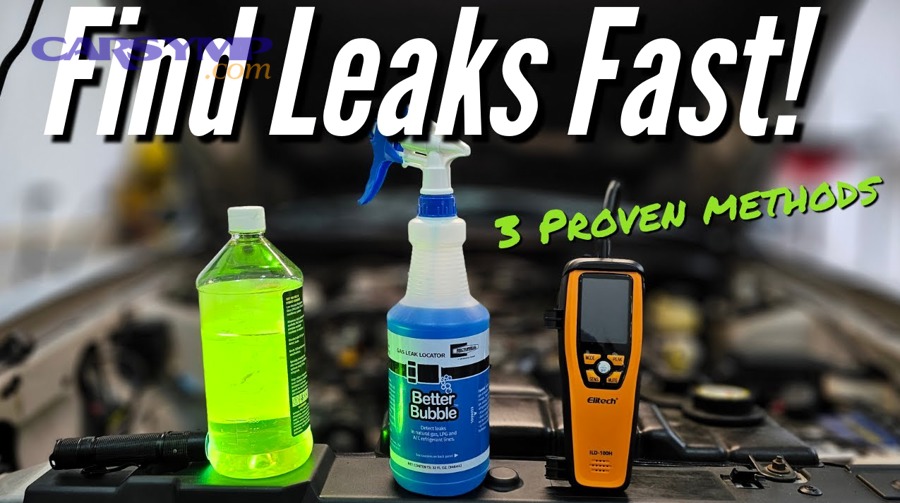
Slow leaks tend to leave subtle clues: oily residue at fittings, dust stuck to damp areas, faint hissing after shutdown, or dye traces if dye was ever used before. But many leaks—especially at the evaporator—are hidden, so you’ll use a layered approach: what you can see, what you can bubble-test, and what you can confirm with UV or a detector.
Common beginner mistakes include: over-tightening line fittings, poking the condenser fins, spraying cleaners into electrical connectors, and using “top-off” cans repeatedly until the leak becomes worse. If you do nothing else, remember this: you’re hunting a leak, not repeatedly adding refrigerant to mask it.
Theo nghiên cứu của U.S. Environmental Protection Agency từ Light-Duty Vehicle GHG Standards (Final Rule), vào 05/2010, EPA highlighted that vehicle A/C refrigerant leakage contributes to “direct A/C emissions” and should be addressed rather than ignored.
What symptoms point to a slow leak instead of a bigger failure?
A slow leak usually shows as A/C that starts cold but fades over time, needs higher fan speed to feel cool, and gets worse on hot days—while a major leak often stops cooling abruptly. Next, you’ll confirm the pattern before you chase parts.
To make the pattern clearer, track three quick signals for a week: (1) initial vent temperature feel, (2) how fast it warms at idle, and (3) whether performance drops after several days of normal driving.
Does it cool better while driving than at idle?
Often yes—because airflow across the condenser improves cooling even with a slightly low charge. However, this symptom alone can also occur with weak fans or airflow blockage, so you’ll link it to other signs.
Specifically, if the A/C is noticeably cooler at 40–60 mph than at a stop, and it slowly degrades week to week, a small loss of refrigerant is a strong candidate. In contrast, a failing compressor clutch or airflow issue can mimic this, so you’ll keep testing.
Do you hear intermittent hiss or see oily grime near A/C parts?
Sometimes—micro-leaks can push out refrigerant and oil mist, leaving a faint oily dirt patch at a fitting or hose crimp. To connect the clue, look for “wet dust” where lines meet components.
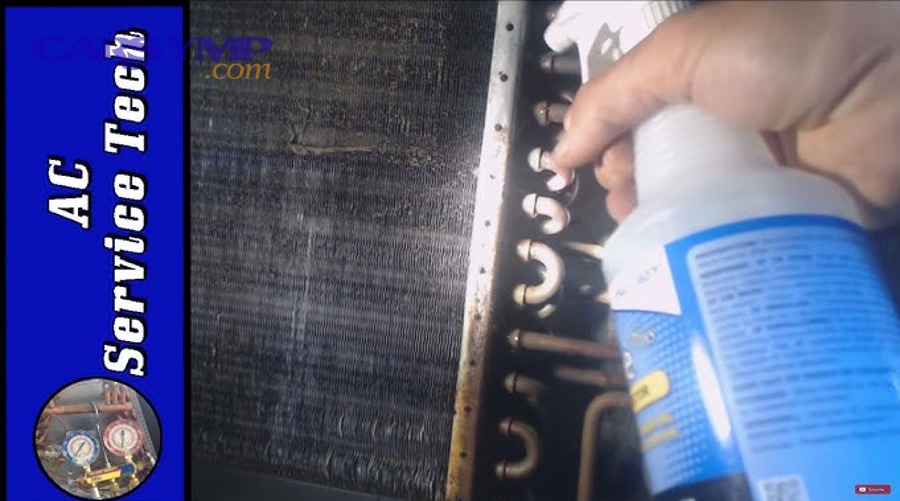
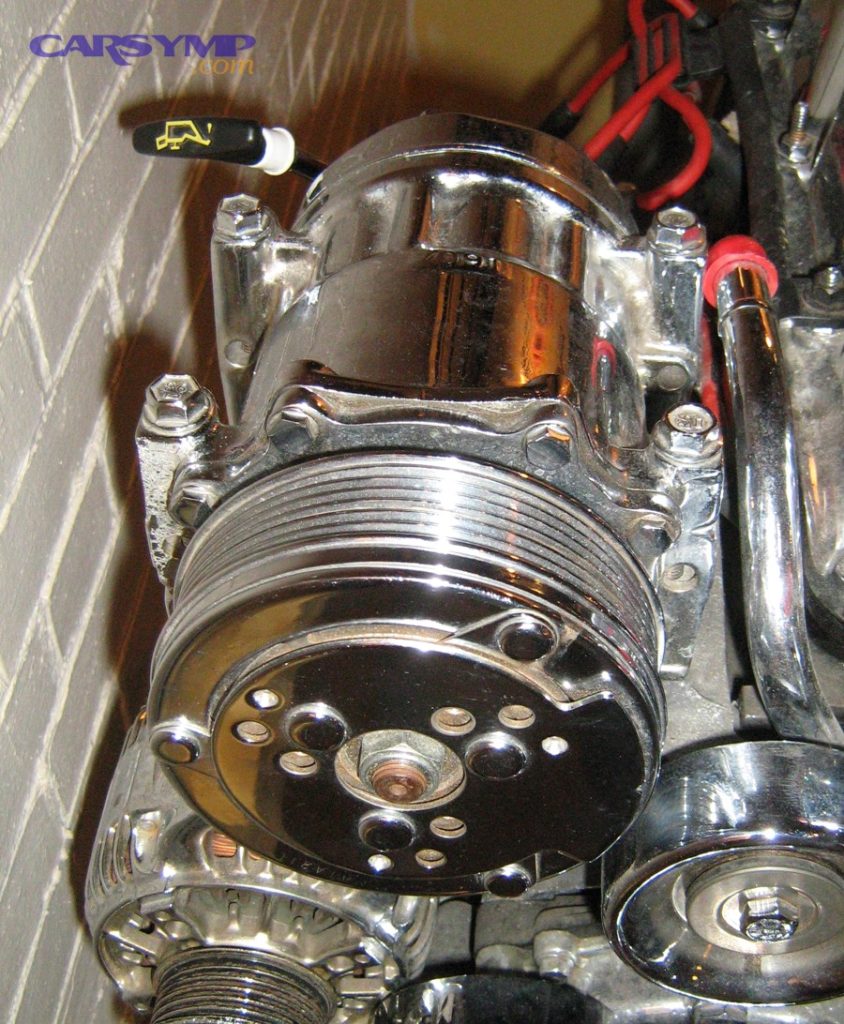
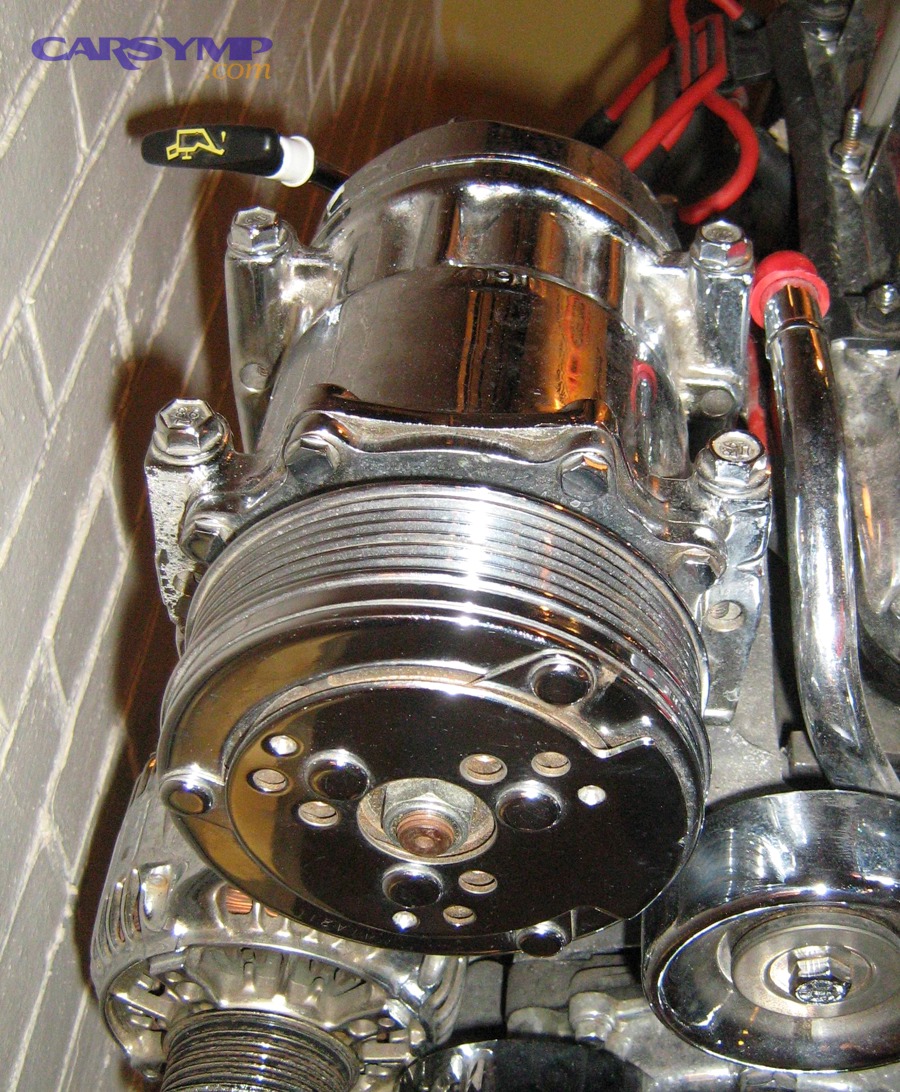
For example, the compressor area, line crimps, and condenser corners can develop grime that looks darker than surrounding metal. Fresh oil is obvious; older oil attracts road dust and turns into a sticky film.
Does cooling return after a recharge but fades again?
Yes—this is a classic slow-leak story: it works after adding refrigerant, then gradually weakens as the charge drops again. Next, the key is to stop repeating recharges and start locating the leak path.
If you keep topping off, you risk overcharge (poor cooling, high pressures) or introducing air and moisture, which can accelerate corrosion and create more problems than the original leak.
Where do slow A/C leaks most commonly happen?
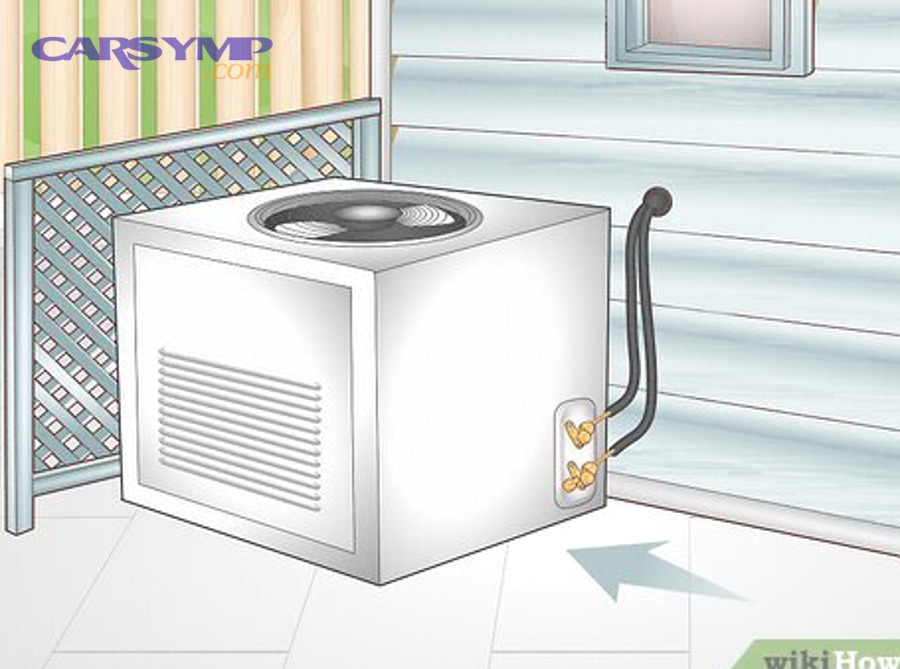
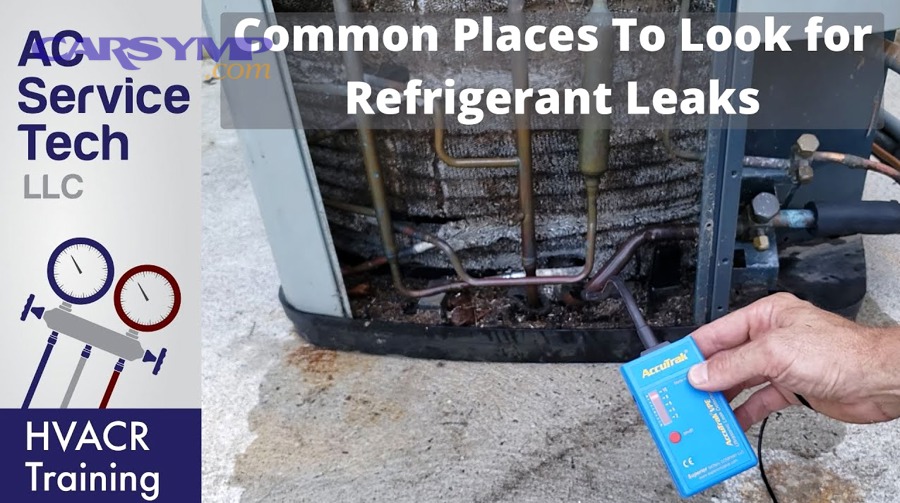
Most slow leaks occur at seals, joints, hose crimps, service ports, the condenser, or the evaporator—because these are the most stressed or exposed points. To narrow faster, you’ll map likely areas by accessibility and exposure.
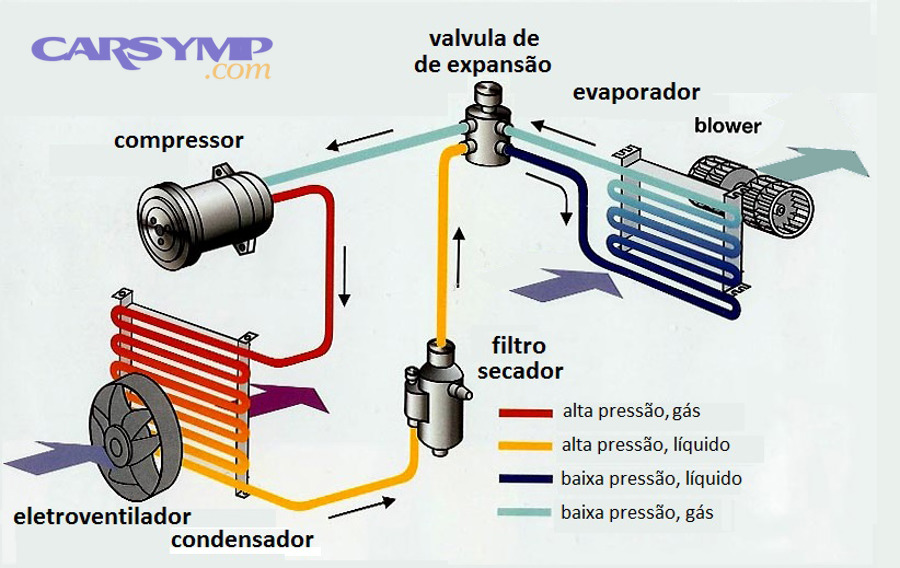
To keep your search efficient, think in “zones”: the front of the car (condenser), the engine bay (compressor/hoses), and the cabin box (evaporator). Each zone has different clues and different DIY visibility.
In practice, “Common AC leak points by vehicle” varies with layout, but the repeat offenders are similar: O-rings at line connections, compressor shaft seals on high-mileage units, condenser damage from road debris, and service port valves that seep slowly.
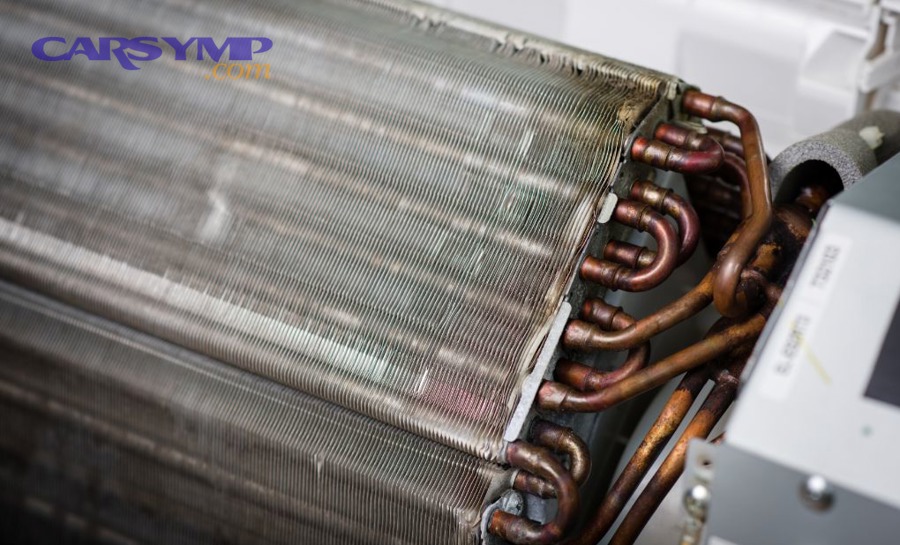
The condenser is vulnerable because it lives at the front, catching stones and corrosion; the evaporator is hidden and may only reveal itself through oily condensate drain or persistent musty odor combined with weak cooling.
Below is a quick-reference table to help you match leak location to the most useful at-home test; this table contains what to inspect, what a positive sign looks like, and what test typically confirms it.
| Suspected area | Fast DIY clue | Best at-home confirmation | Common pitfall |
|---|---|---|---|
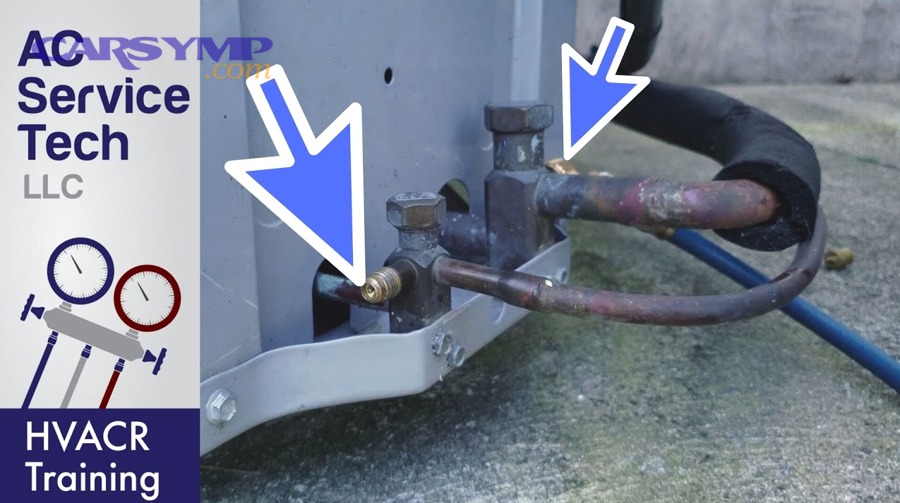
| Service ports (Schrader valves) | Oil/dirt ring at cap or valve | Soapy water bubbles on valve core | Missing cap seal causes false blame |
| O-ring line joints | Wet dust at fittings | Soapy water or UV dye trace | Over-tightening damages seal |
| Hose crimps | Greasy band at crimp | UV dye glow or electronic detector sweep | Cleaner residue mimics oil |
| Condenser | Front-end impact, corrosion spots | UV dye + UV light at fins/tanks | Bent fins ≠ leak by itself |
| Evaporator | Hidden; may see dye at drain | Electronic detector at vents/drain area | Cabin odors can be non-A/C related |
How do you do a no-tools visual inspection that actually works?
A good visual inspection targets oil traces, dust patterns, and physical damage on reachable A/C components, especially where metal meets rubber or where fittings join. To avoid missing the obvious, you’ll clean lightly, then re-check after normal driving.
Next, work in a consistent order so you don’t bounce around: front grille area → condenser lines → compressor body and clutch area → hose crimps and brackets → service ports and caps.
What exactly are you looking for on fittings and hoses?
Look for a “shadow” of oil: a slightly wet sheen, dirt glued to a ring around a fitting, or streaks that follow gravity or airflow. To link the clue, remember that refrigerant carries oil—so oil traces are often your best physical evidence.
Specifically, check each A/C line connection for a dirty halo, especially near the condenser and compressor where vibration and heat cycling stress seals. Hose crimps can seep and trap oil in the braided area; that becomes a dark band.
How do you inspect the condenser without damaging it?
Inspect the condenser face for rock hits, corrosion, and wet-looking patches, but don’t poke the fins. To move forward, use a flashlight at an angle to highlight irregular fin patterns and stains.
Gently remove leaves and debris from the front area if accessible. Bent fins reduce airflow but don’t automatically prove a leak; what matters is staining, oil residue, or dye glow if dye exists in the system.
What about service ports—why do they matter so much?
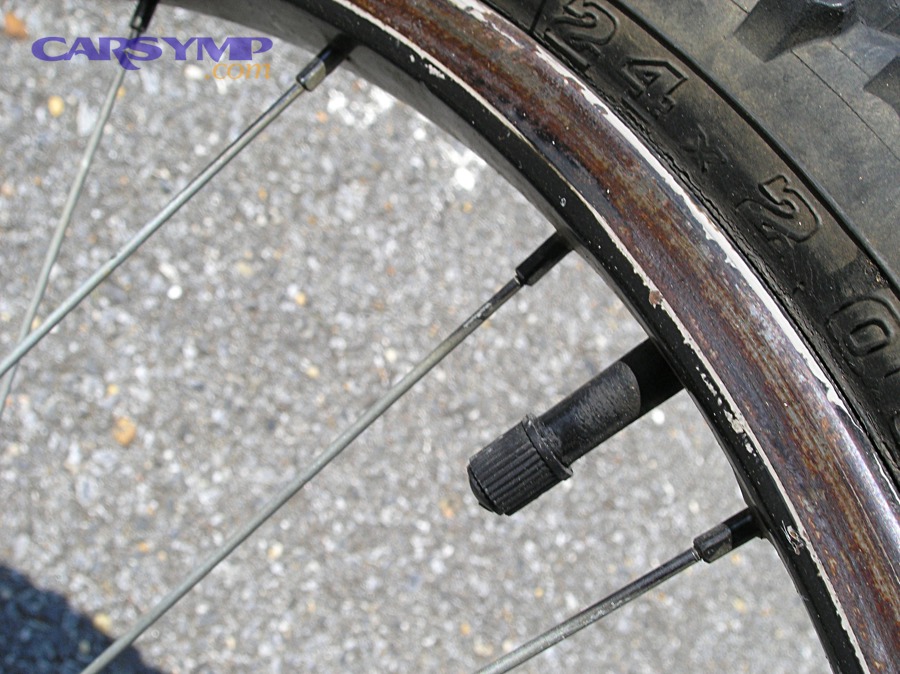
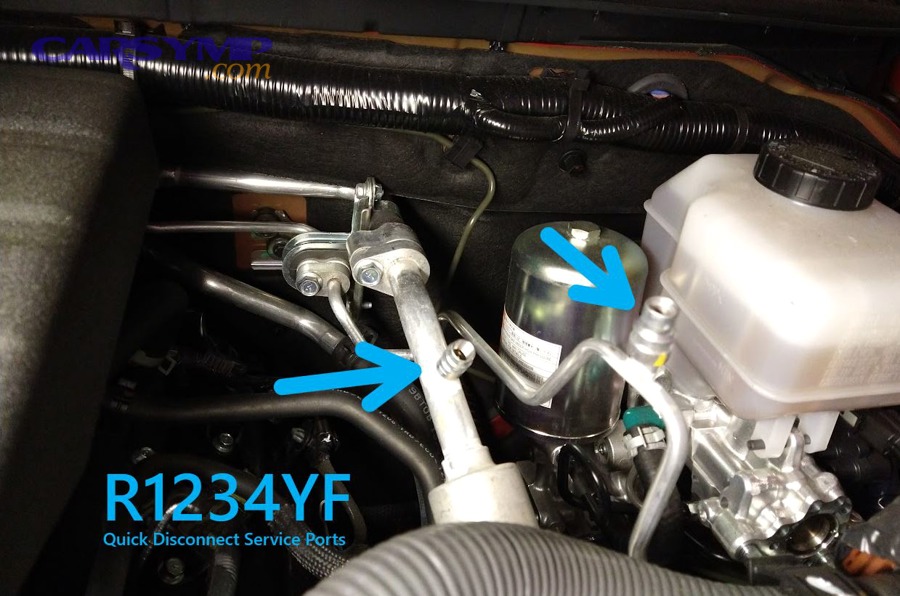
Service ports can leak slowly through the valve core, especially if caps are missing or seals are worn. Next, you’ll treat the cap as part of the seal system, not a cosmetic cover.
Check that both high- and low-side port caps are present and snug. A missing cap can allow dirt and moisture to degrade the valve core, and even if the core seeps only slightly, it can drain the system over time.
How can you use a soap-and-bubble test on accessible leak points?
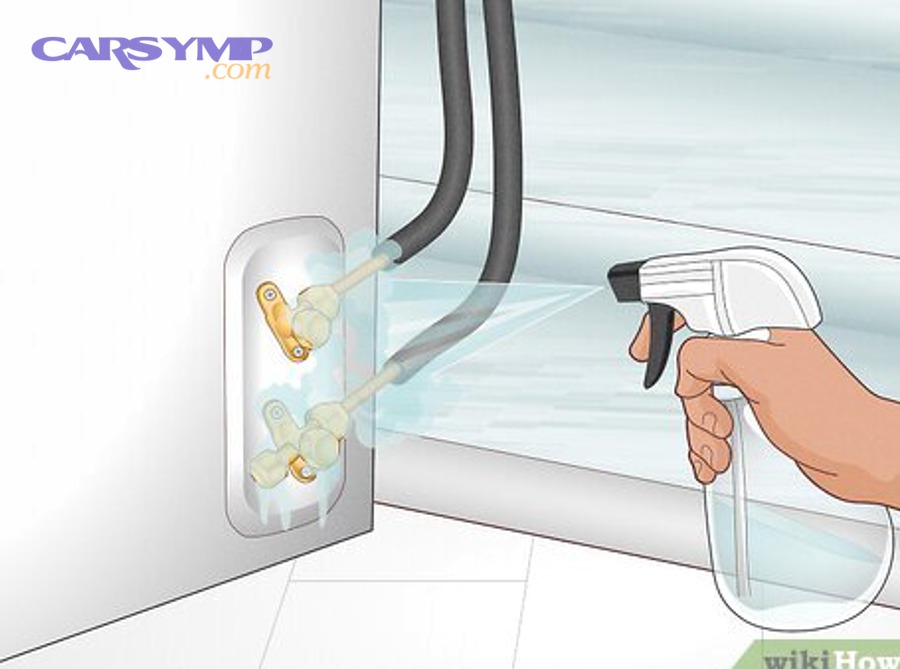
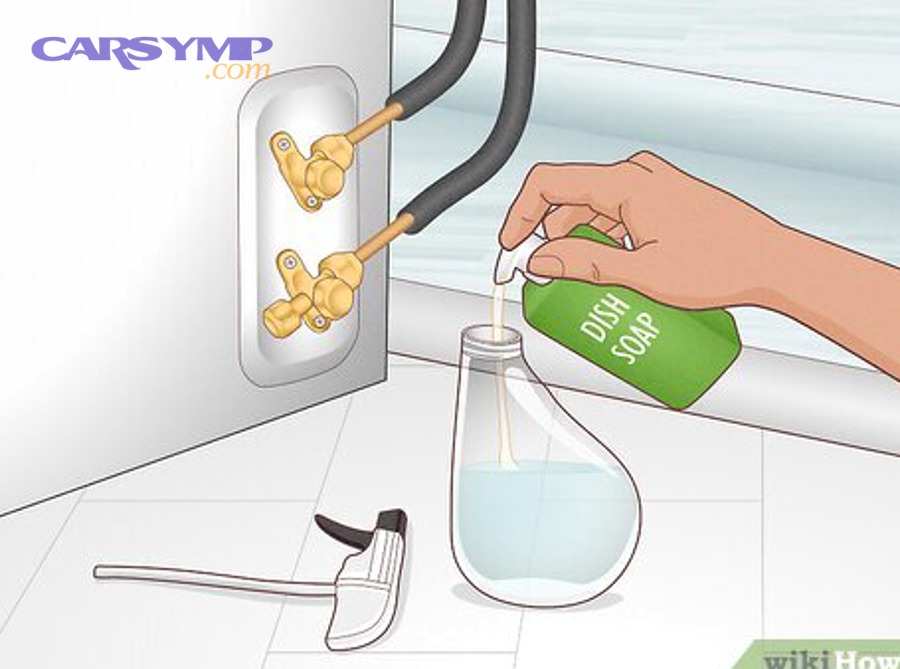
You can use soapy water to reveal bubbles at fittings, service ports, and some hose crimps when the system has pressure, making it one of the simplest home checks. To make it meaningful, you’ll test only accessible points and interpret bubble behavior correctly.
Next, understand the limitation: micro-leaks may not bubble dramatically, and many critical areas (like the evaporator) can’t be reached with soap. Still, a positive bubble test is strong evidence and worth acting on.
What mixture and method gives the clearest bubbles?
A thick soap solution (dish soap plus water) applied generously works best because it forms a stable film. To improve reliability, apply it with a small brush or spray, then watch for 60–120 seconds.
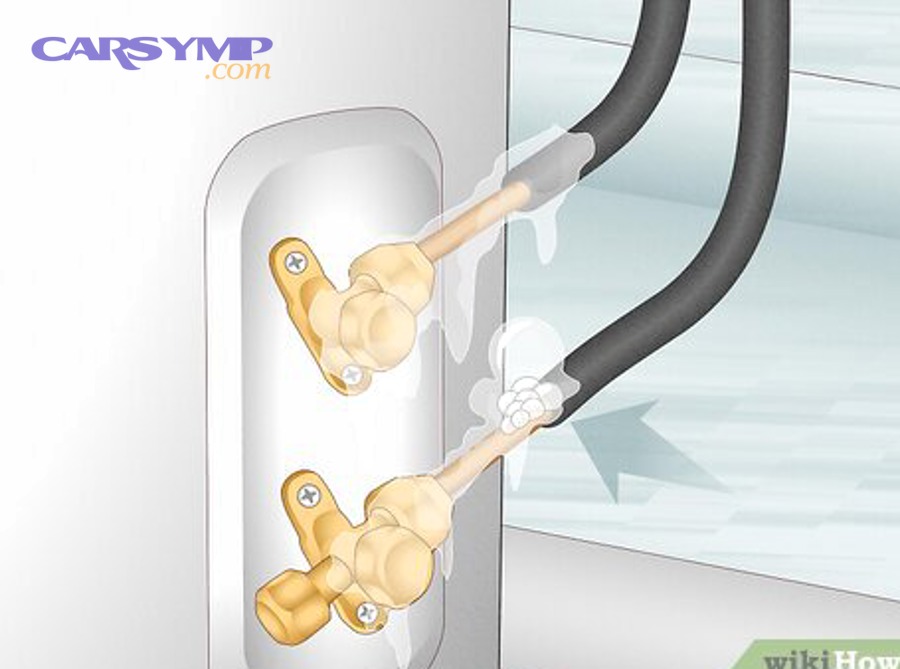
Specifically, apply on: service port valve area, line joint seams, and around crimp transitions. Tiny pin bubbles that grow slowly can indicate a slow leak; random foam from spraying too hard is not a leak—wait and watch for “active” bubble growth.
How do you avoid false positives?
Avoid testing on a hot engine, windy conditions, or dirty surfaces where soap can fizz unevenly. Next, wipe the area clean, re-apply, and compare with a nearby “control” joint that looks similar.
Also, don’t confuse evaporating water bubbles with leak bubbles. Real leak bubbles tend to keep feeding from the same spot and enlarge steadily.
How do UV dye kits help you find slow leaks at home?
UV dye can make micro-leaks visible because dye-laced oil escapes and leaves a glowing trace under UV light. Next, you’ll use UV dye correctly—only when dye is already present or when adding dye is appropriate and legal for your situation.
In many DIY cases, the best path is: confirm a leak pattern first, then use UV light to check for existing dye traces (some vehicles or past services already added dye). If no dye exists, adding dye may require introducing refrigerant or using a professional service tool—so be cautious and local-law aware.
In practical AC leak detection, UV dye is strongest when you can physically see the component and when the leak leaves oil behind (fittings, condensers, hose crimps). It is weaker when the leak is inside the HVAC case (evaporator) or when the system is extremely low and oil flow is minimal.
Theo nghiên cứu của Ford Motor Company từ Research Laboratory, vào 02/2002, researchers measured measurable vehicle A/C refrigerant leakage and reported leak rates ranging from 0.01 to 0.36 g/day in stationary testing—supporting why “slow leaks” can take time to reveal themselves.
How do you scan effectively with UV light?
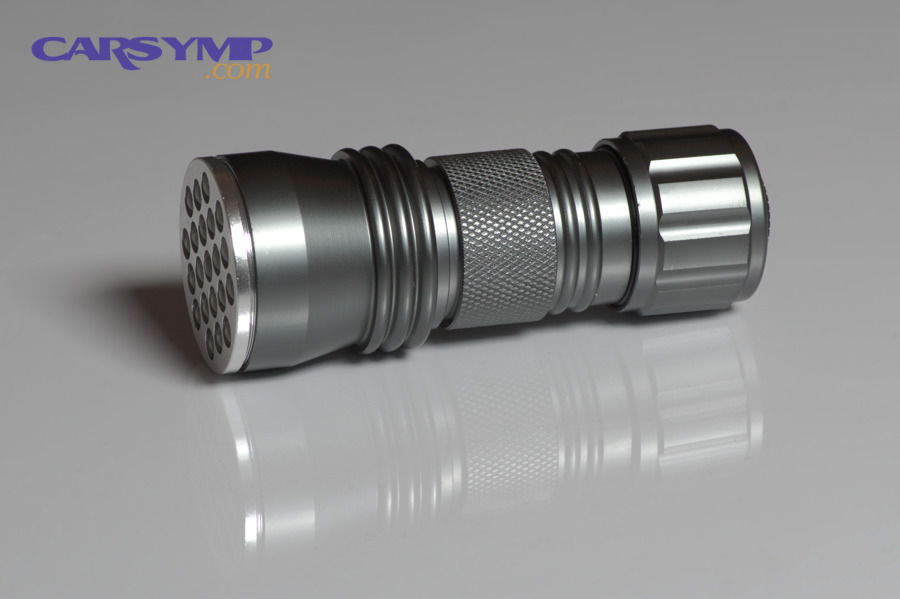
Scan in darkness or shade, move slowly, and follow the refrigerant path from the compressor outward. To make the glow easier to see, clean old grime lightly and use UV glasses if included with your kit.
Specifically, check: compressor body seams, hose crimps, condenser end tanks, line fittings, and service ports. Dye often appears as bright yellow-green residue; fresh leaks look “wet-glowing,” while older leaks look like crusty glowing dirt.
What results mean “confirmed leak” vs “inconclusive”?
Confirmed means dye is concentrated at a specific seam or joint and not spread randomly by airflow or splashing. Next, you’ll trace the dye upstream, because airflow can smear residue backward from the true leak.
Inconclusive means faint glow everywhere (often from spilled dye or oily handling) or no glow at all when the system is too low to circulate oil. In that case, an electronic detector or professional pressure testing may be needed.
How do you use an electronic leak detector at home for micro-leaks?
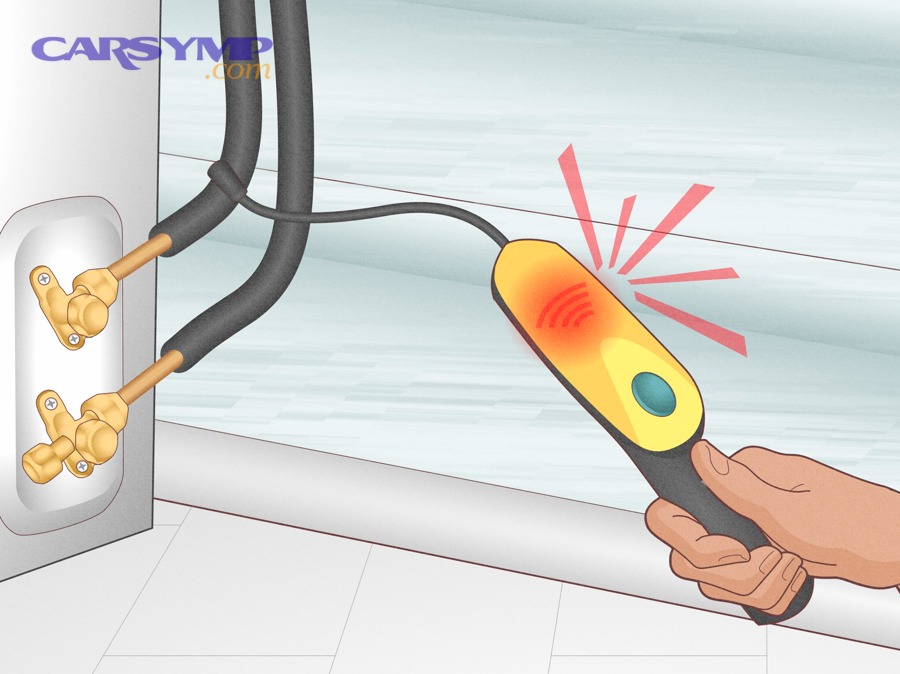
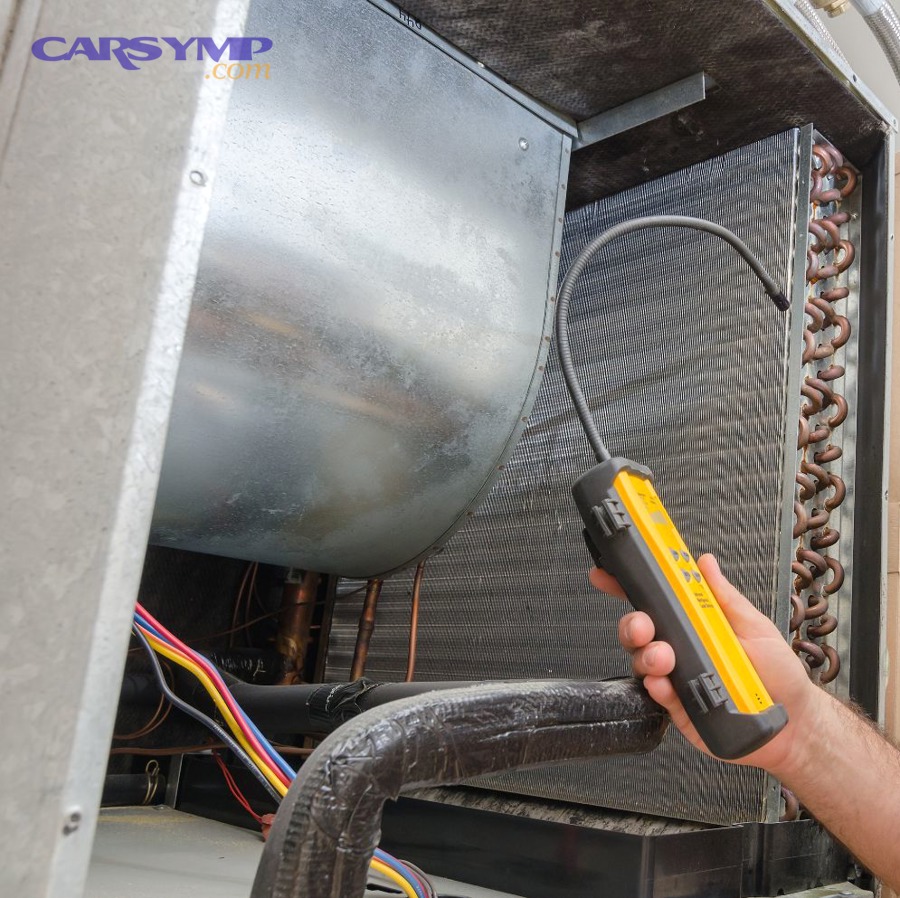
An electronic leak detector can “sniff” refrigerant vapors near leak sites, making it useful for tiny leaks and hard-to-see areas. Next, you’ll use slow movement, stable airflow, and correct sensitivity to avoid chasing phantom beeps.
Unlike dye, a detector can help around the evaporator area by sampling air near vents or the condensate drain region. However, false positives can happen from chemicals, wind, or contaminated sensor tips, so technique matters more than brand.
Theo nghiên cứu của I-MAC Service Team từ Working Group 1 (Leak Detection Tools and Procedures), vào 01/2007, the report described detection thresholds as low as about 4 g/year per joint for improved tools aligned with SAE J2791, emphasizing the importance of method and standards in leak detection performance.
What technique finds the leak instead of just finding “refrigerant in the area”?
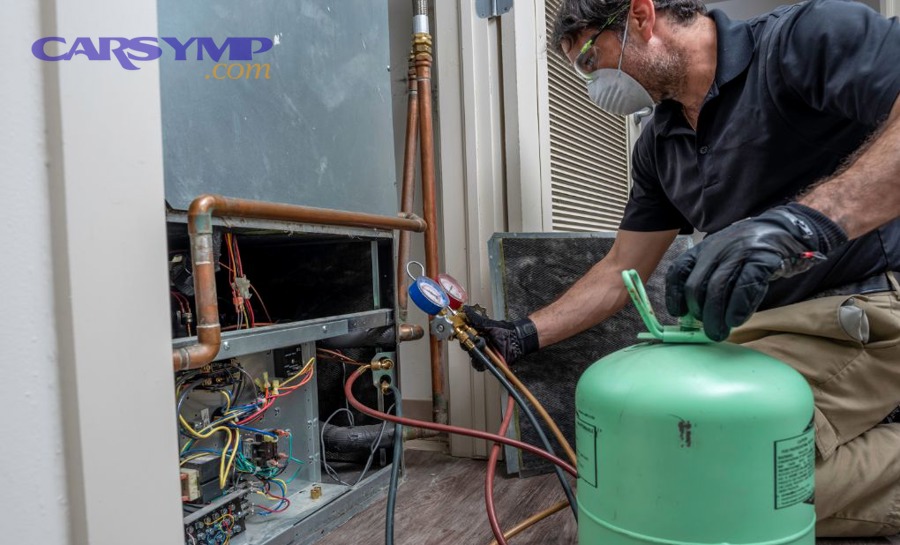
Use the probe tip close to the suspected seam, move about 1 inch per second, and pause where the signal climbs. To pinpoint, “box” the area: approach from different angles and find the smallest region with the strongest response.
Specifically, start downwind of the suspected leak and move upwind. If your detector has multiple sensitivity modes, begin medium, then move to high only when you’re narrowing down a spot—high sensitivity can trigger on background contamination.
How can you check for an evaporator leak with a detector?
You can sample air at the cabin vents and near the evaporator drain area to detect refrigerant presence consistent with an evaporator leak. Next, compare readings with fresh outside air to reduce false positives.
Run the blower (A/C on) briefly, then test at the center vents; some technicians also test near the condensate drain tube under the vehicle where refrigerant-laced oil mist may escape. If the detector spikes only at vents/drain and not in the engine bay, the evaporator becomes a stronger suspect.
How do you interpret pressure clues without turning DIY into a hazardous recharge?
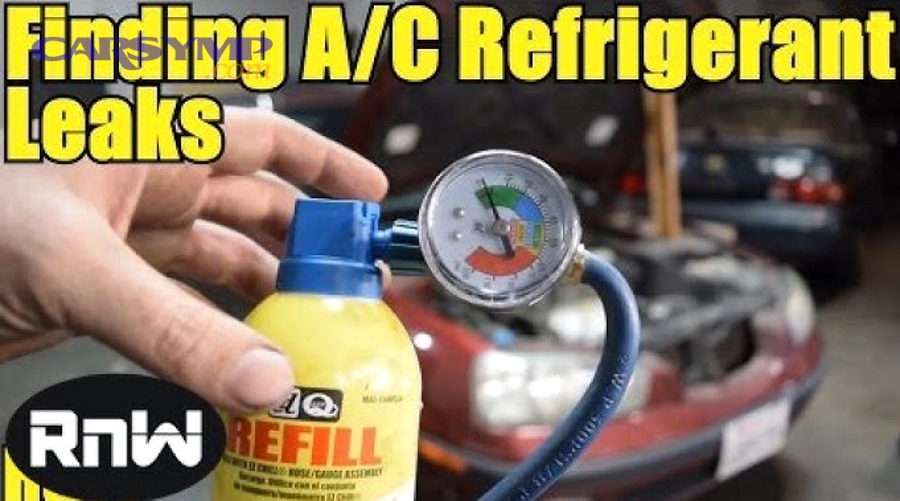
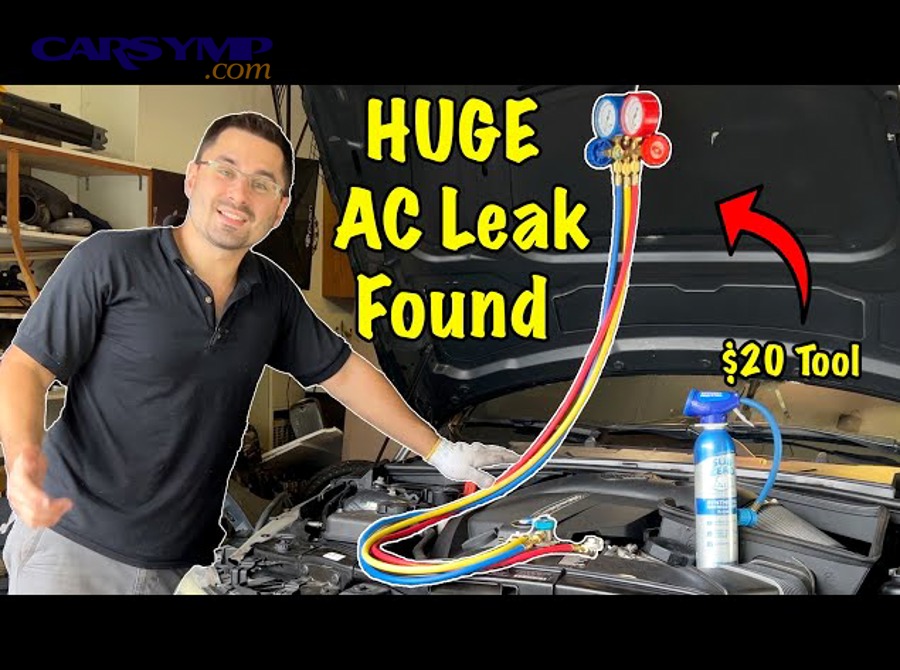
You can use pressure clues to decide whether a leak is likely and how severe it is, but you should avoid venting refrigerant or repeatedly “topping off” as your main diagnostic method. Next, treat pressure checks as evidence, not a cure.
If your system is very low, it may short-cycle the compressor or refuse to engage, which can stop dye circulation and limit what you can detect visually. That’s why many leak hunts become a two-stage process: confirm likely leak sites first, then choose the least risky confirmation method.
Also remember: consumer recharge kits can be misleading because one gauge on the low side does not provide full system diagnostics. Overcharging is a real risk, and it can reduce cooling and increase component stress.
What is a “slow leak timeline” that makes sense?
A slow leak often takes days to weeks to noticeably weaken cooling, depending on leak size, ambient temperature, and how often the A/C runs. Next, you’ll match your observation window to that reality instead of expecting instant proof.
For example, if cooling drops after 7–21 days, you may be losing enough refrigerant to matter but not enough to leave obvious oil everywhere. That’s when UV checks and careful detector technique shine—especially around service ports and joints.
When should you stop DIY and get professional leak diagnosis?
You should stop DIY when the leak is likely inside the evaporator case, when pressures or behavior suggest compressor damage, or when access requires recovery equipment and safe handling procedures. Next, you’ll recognize the “red flags” that make shop tools worth it.
Key red flags include: oily spray across the engine bay (bigger leak), loud compressor noise, repeated short cycling even after normal charge, or visible damage to the condenser that suggests replacement rather than patching.
Also stop if you suspect you need to open the system. Opening the system requires proper refrigerant recovery, evacuation, and recharge procedures to prevent moisture contamination and environmental release.
In many regions, releasing refrigerant is illegal and unsafe; a professional shop will recover it properly before replacing seals or components.
What does leak inspection usually cost at a shop?
Leak inspection pricing varies by location and method, but many shops charge a diagnostic fee for inspection and confirmation before repair. Next, use published estimates as a baseline, then compare to what’s included.
In this context, the phrase “Leak detection cost at a shop” matters because some quotes include dye injection and recheck, while others include only an initial pressure check and visual inspection. Ask what method they’ll use and whether the fee is credited toward repair.
Theo nghiên cứu của RepairPal từ Fair Price Estimator, vào 10/2025, the average cost for an air conditioning system leak inspection was reported as roughly $122–$179 (labor-based estimate), showing why finding evidence first can save money if you arrive prepared.
What should you bring to the shop to avoid paying twice?
Bring your symptom timeline, photos of oily residue or dye glow, and notes about which conditions worsen cooling. Next, show exactly what you tested and where, so the technician can skip redundant steps.
Useful notes include: whether soap bubbles formed at a specific service port, where dye was strongest, and whether the electronic detector spiked at vents or under-hood fittings. Even if your result is “inconclusive,” it still guides the search area.
Contextual border: Up to this point, you’ve focused on finding and confirming likely leak locations with safe, accessible methods. Next, we’ll expand into choosing the best detection approach when the leak is tiny, intermittent, or hidden—where method tradeoffs matter most.
Which method is best when the leak is tiny or hidden?
No single method wins every time: dye is strongest for visible oil-carrying leaks, while sniffers excel for hidden or vapor-only detection, and combining them is often the fastest path. Next, you’ll choose based on access, leak behavior, and the kind of proof you need.
In the real world, a “UV dye vs electronic sniffer comparison” comes down to three questions: Can you see the component? Will oil carry dye to the leak site? And can airflow or contamination create false readings?
When UV dye is the smarter choice
UV dye is best when you can visually inspect the suspected area (condenser, compressor, fittings) and when you want a “where exactly” answer you can photograph. To sharpen accuracy, clean lightly and look for concentrated glow at a seam rather than smeared traces.
When an electronic detector is the smarter choice
Electronic detection is best when the leak is hidden (evaporator, hard-to-see joints) or when oil traces are absent. To reduce false alarms, calibrate in fresh air, control wind, and use a slow scan pattern around a suspected seam.
How to combine both methods for the fastest win
Combine them by using the detector to narrow to a small zone, then use UV dye (if present) to visually confirm the precise leak point. Next, mark the spot, take a photo, and avoid disturbing the fitting until you’re ready to replace seals correctly.
What causes “false confidence” with either method
Dye can mislead if spilled or smeared by airflow, and sniffers can mislead if solvents, wind, or sensor contamination triggers alarms. To stay honest, always re-check your strongest finding: re-scan the same spot after a short drive and verify it still looks/reads like the source.
FAQ
Is it okay to keep topping off refrigerant if it cools again?
No—repeated topping off hides the leak, risks overcharge, and can introduce moisture or contaminants. Next, use topping off only as part of a controlled diagnostic plan (preferably professional), not as a recurring habit.
Can a slow leak damage the compressor?
Yes—low refrigerant can reduce oil circulation and increase operating stress, especially if the system runs low for long periods. Next, treat weak cooling as a reason to diagnose promptly, not “wait until it stops.”
Does a musty smell prove the evaporator is leaking refrigerant?
No—musty smells commonly come from microbial growth on the evaporator surface and drain system, not necessarily refrigerant leakage. Next, use smell as a clue to check the drain area and cabin filter, then rely on detector evidence for refrigerant confirmation.
What’s the simplest “first test” if I have no tools?
The simplest start is a careful visual inspection for oily grime at fittings and service ports, followed by a soap bubble test on accessible joints if you can do it safely. Next, if nothing shows, consider a detector scan or professional diagnosis for hidden leaks.