


A practical cabin air filter and airflow check starts with one goal: restore steady, strong air coming out of the vents at the fan speeds you actually use—without guessing or replacing parts blindly.
Next, you’ll learn how to confirm whether your filter is the restriction, or whether the restriction is upstream (fresh-air intake) or downstream (blower, doors, evaporator, ducts).
Then, you’ll see how airflow checks connect to comfort complaints like weak A/C at idle, fogging, and musty odor—because airflow is the “delivery system” for heating and cooling.
Giới thiệu ý mới: below is a step-by-step, symptom-driven workflow that keeps the checks simple, repeatable, and aligned with what your HVAC system is actually doing.
What does a cabin air filter do, and why can it choke airflow?
A cabin air filter is a passenger-compartment filter media that sits in the HVAC air path and can restrict flow when loaded with dust, leaves, soot, or moisture—so the blower moves less air through the vents even if the fan sounds normal.
To begin, picture the HVAC as a chain: fresh-air intake → cabin filter → blower wheel → evaporator/heater core → mode doors → ducts → vents; the filter is a “gate” early in the chain, so clogging reduces airflow everywhere downstream.
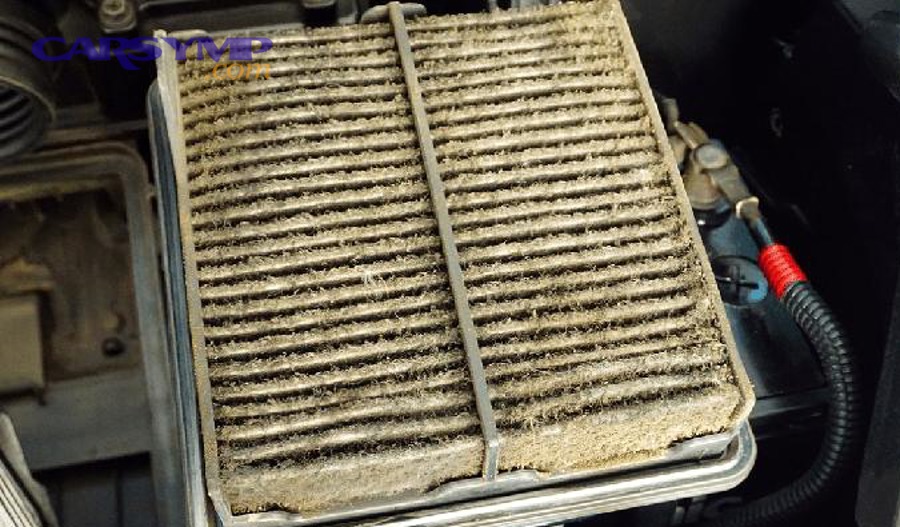
When the filter loads up, three things typically happen at once: (1) airflow drops at the same fan setting, (2) the blower may get louder (more turbulence) without moving more air, and (3) the system becomes more sensitive to recirculation vs fresh-air mode because the restriction changes pressure balance.
That airflow drop is not just “comfort”—it can change how the evaporator behaves. Low airflow over a cold evaporator can encourage icing in humid conditions, which further blocks flow and can create a cycle of colder coil → more ice → less flow → even more ice.
Pay attention to pattern: if airflow is weak on every vent mode (dash, floor, defrost) and every temperature setting, a restriction early in the chain (filter or intake) is more likely than a broken mode door.
Theo nghiên cứu của Health Canada (Water and Air Quality Bureau) từ Environmental Health Science and Research Bureau, vào 02/2023, cabin air filtration reduced in-vehicle PM2.5 by about 30% (mean reduction 6 μg/m³) during real commutes—showing the filter is an active airflow-and-exposure control point, not a cosmetic part.
How can you measure vent airflow at home without special tools?
You can check vent airflow at home by using a repeatable “same settings, same spot” test at the center vents, recording fan speed steps and subjective flow (or a simple anemometer), then comparing results before and after the filter inspection.
Next, make the test consistent so the result means something, not just a feeling:
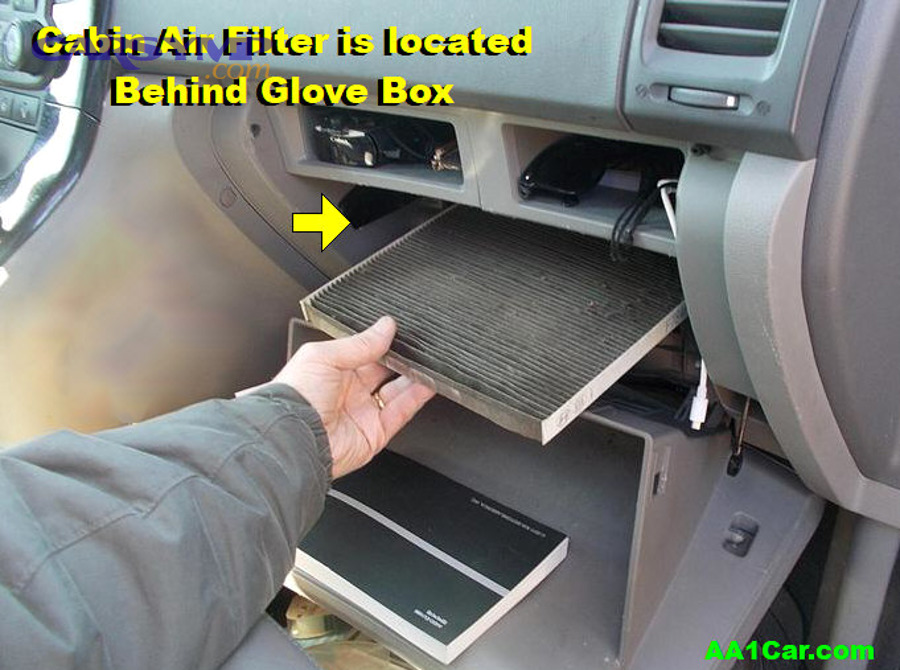
- Set a baseline: engine on, doors closed, windows up, vents open, temperature at full cold, A/C on, and fresh air mode (not recirc) for the first run.
- Pick one vent: use the same center vent slat position each time; don’t switch between left/right vents mid-test.
- Step the fan: measure at fan 1, 3, and max; note if the airflow “plateaus” early (a common sign of restriction).
- Listen and feel: a blower that gets much louder without a matching airflow increase often indicates a restriction or a partially blocked blower wheel.
- Repeat in recirculation: if airflow is noticeably stronger in recirc than fresh air, suspect a fresh-air intake obstruction (cowl leaves) or a leaky intake door seal.
If you want a simple number, an inexpensive handheld anemometer can turn your “it feels weak” into “it’s down ~25–40% at the same vent,” which is helpful when you’re deciding whether a change made a real difference.
Also do a quick cross-check: switch to defrost. If airflow is strong on defrost but weak on dash vents, you’re more likely dealing with a mode door/duct issue than a filter restriction.
Before moving on, write your baseline down. The best DIY diagnostics are the ones you can repeat after each change—otherwise you can easily “fix” something and not notice because your memory of airflow is fuzzy.
Theo nghiên cứu của Chalmers University of Technology (Division of Building Services Engineering) từ Volvo Car Corporation Climate R&D, vào 01/2023, increasing recirculation to 70% lowered cabin PM2.5 by ~55% with a new filter—evidence that airflow path configuration measurably changes what the vents deliver.
How do you inspect, replace, and orient the cabin air filter correctly?
You inspect and replace a cabin air filter by accessing its housing (often behind the glove box or under a cowl cover), checking for loading/deformation, and installing a correctly oriented replacement so air flows through the media as designed.
To begin, treat replacement like a small procedure—not because it’s hard, but because small mistakes (wrong orientation, crushed frame, unsealed edges) can undo your work.
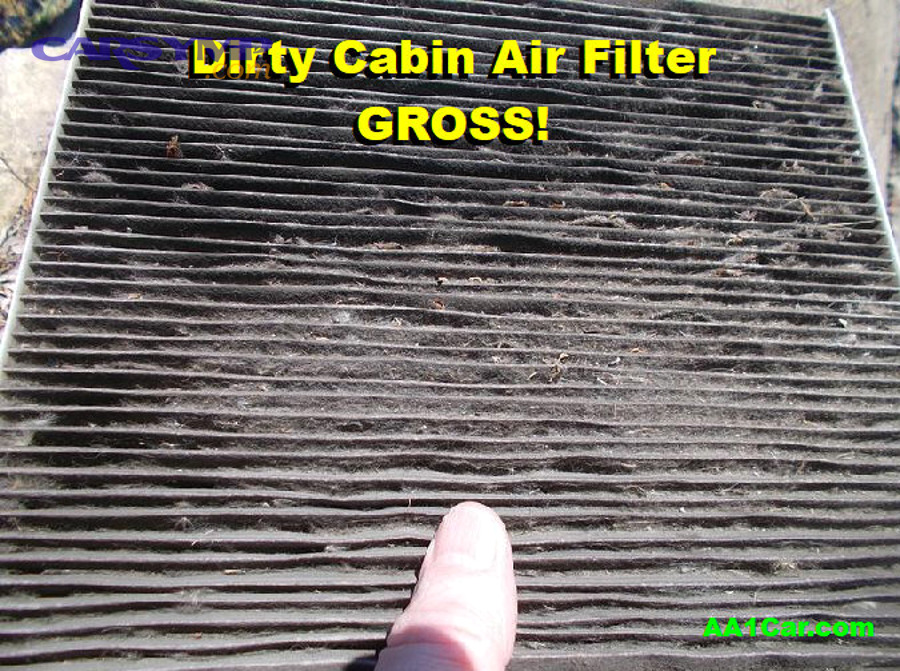
Where is it usually located, and what should you look for first?
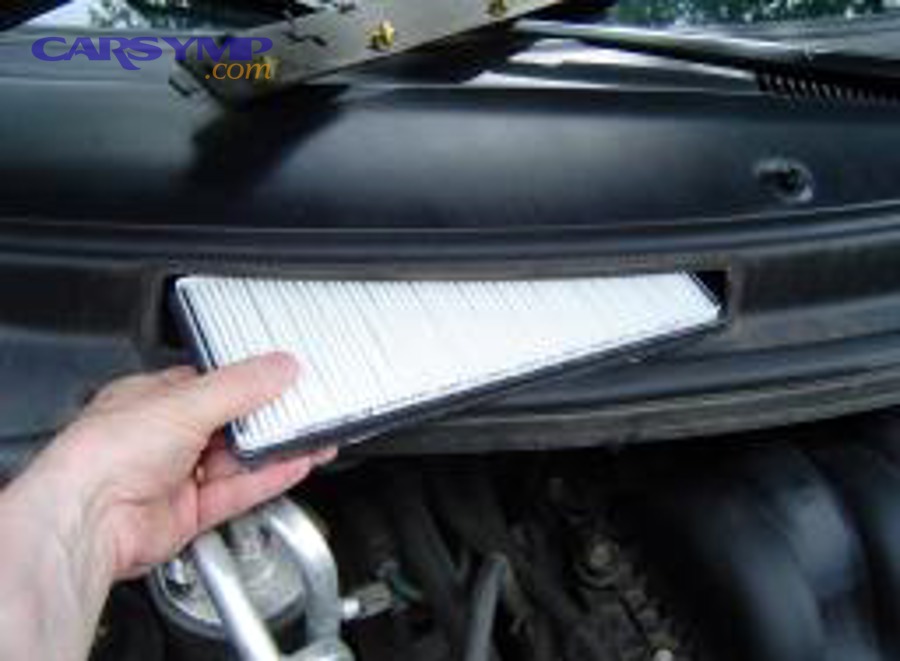
Most cabin filters live behind the glove box, behind a small access panel, or under the passenger-side cowl cover; the first inspection should look for heavy dust matting, leaf fragments, moisture staining, and a warped or collapsed pleat structure.
Next, do a “light test”: hold the filter up to a bright light. If you can’t see light through most of the pleats, the media is heavily loaded and airflow is likely compromised.
How do you avoid the two most common installation mistakes?
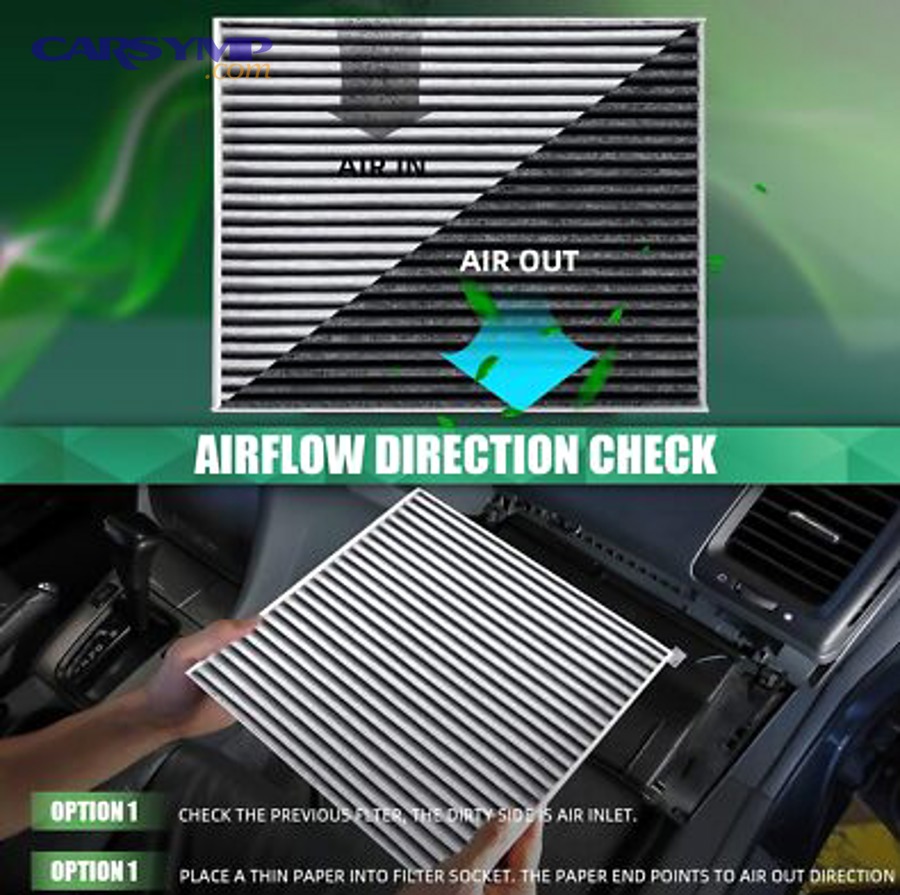
Install the filter with the airflow arrow pointing the correct direction and make sure it seats fully into the frame so air cannot bypass around the edges; an upside-down or unseated filter can collapse, whistle, or reduce flow more than the old one.
To illustrate, many housings rely on the filter’s frame stiffness to prevent bowing. If the filter is forced in at an angle or the door is closed on a misaligned edge, the pleats can fold and block the effective surface area.
Should you clean or replace?
Replace rather than “blow out” most paper/pleated filters because shaking or compressed air can damage fibers, distort pleats, and still leave fine loading embedded deep in the media; washable filters exist, but they must be dried completely and re-oiled only if designed for it.
After installation, rerun your baseline vent test. A meaningful improvement at the same fan speed is your confirmation that the restriction was primarily the filter.
Theo nghiên cứu của PLOS ONE (University of Louisville School of Medicine editor noted) từ nhóm nghiên cứu taxi-driver exposure, vào 11/2017, high-efficiency cabin filtration reduced in-cabin PM2.5 by ~37% and ultrafine particles by ~47%—supporting that correct filter media and fit can translate into real exposure and airflow-path benefits.
If the filter is clean, what else commonly restricts airflow?
If the filter is clean, airflow is most often restricted by a blocked fresh-air intake, a blower or resistor issue, a stuck door/actuator, evaporator icing/contamination, or debris in the blower wheel and ducts.
Next, use a simple grouping approach: isolate where the restriction sits—before the blower, at the blower, or after the blower—because each zone has different clues and quick checks.
Restriction before the blower: cowl intake blockage and water management
The fresh-air intake at the base of the windshield can pack with leaves and pine needles; when that happens, fresh-air mode becomes weak while recirculation may feel stronger because it bypasses the outside intake path.
To check quickly, pop the hood and inspect the cowl area for debris accumulation, especially after fall leaf drop or if the car is parked under trees.
Restriction at the blower: weak motor, failing resistor, or clogged blower wheel
A blower motor can spin but still move less air if its wheel is packed with lint/leaves or if voltage drops under load due to a failing resistor/module; a tell is fan speeds that don’t scale smoothly (some speeds missing, or max only).
Next, pay attention to sound: a scraping, ticking, or imbalance noise often means debris in the squirrel-cage wheel, and cleaning it can restore both airflow and noise levels.
Restriction after the blower: mode doors, evaporator icing, and duct obstructions
Mode doors that don’t fully seal can “leak” airflow into the wrong path (for example, a weak dash vent but strong defrost), while evaporator icing can cause airflow to start normal then fade over 10–30 minutes, especially in humid weather.
To verify icing, run the system until airflow drops, then turn A/C off but leave the fan on high; if airflow gradually returns, icing is likely, and you’ll want to consider moisture load, low airflow triggers, and refrigerant/expansion control issues.
To connect this with broader troubleshooting, some owners chase an AC not cold fix when the primary complaint is actually low airflow; separating “temperature” from “delivery” prevents unnecessary parts swaps.
Theo nghiên cứu của Science of The Total Environment (targeted intervention study) từ nhóm đo NO₂ trong xe khi lái thực tế, vào 02/2023, replacing used filters with new activated carbon cabin filters reduced in-car NO₂ by about 87% on average—showing that intake path and filter media choices affect what the HVAC delivers through the vents.
How do you tell an airflow problem from an A/C cooling problem?
You tell airflow problems from cooling problems by separating “how much air” from “how cold the air is,” using a vent temperature check plus a repeatable airflow check, then matching the pattern to likely causes.
Next, treat this like a simple two-axis test: flow (volume/velocity) and temperature (vent outlet temperature stability).
Quick decision grid you can use in minutes
This table helps you classify the complaint so you choose the next check logically, not emotionally. It focuses on what you can observe without gauges.
| What you observe | Most likely category | Best next check |
|---|---|---|
| Weak airflow on all modes; vent temp may be cold or normal | Airflow restriction or blower delivery | Inspect filter, intake/cowl debris, blower wheel, resistor/module |
| Strong airflow but air is warm; compressor cycles oddly | Cooling-side issue | Confirm condenser airflow, system pressures (shop), refrigerant charge/controls |
| Air starts strong then fades; may recover after turning A/C off | Evaporator icing / low airflow over coil | Filter/airflow first, then check for moisture/expansion control issues |
| Dash vents weak but defrost strong (or vice versa) | Mode door / actuator / duct leak | Listen for actuator movement, scan HVAC codes if available, inspect doors |
| Fresh-air weak, recirc strong | Outside intake restriction | Inspect cowl intake, seals, and intake door operation |
Vent temperature check that pairs well with airflow testing
Use a simple probe thermometer at the center vent: record the lowest stabilized vent temperature at idle and at 1,500–2,000 rpm; stable cold temperature with weak flow points to delivery restriction, while warm temperature with strong flow points to cooling-side limitations.
Next, look for consistency: if vent temperature is cold at speed but warms at idle, think about heat rejection and airflow through the condenser/radiator stack rather than the cabin filter alone.
To keep your workflow grounded, note that many guides bundle everything into one “fix,” but separating symptoms prevents you from chasing the wrong rabbit hole.
Theo nghiên cứu của Health Canada (Water and Air Quality Bureau) từ McGill University collaborators, vào 02/2023, cabin filtration reduced particulate exposures by roughly one third during commutes, while not changing in-vehicle CO₂—supporting the idea that “cooling” and “delivery” are measurable, separable dimensions.
When is low airflow a sign to stop DIY and seek service?
Yes—low airflow can be a sign to seek professional service when it persists after a new filter and intake cleanup, when it’s paired with electrical symptoms, or when it triggers safety issues like poor defrost performance.
Next, use these “stop and escalate” triggers to protect your time and avoid accidental damage:
- Electrical red flags: blower works only on one speed, intermittently cuts out, smells hot, or blows a fuse—these suggest resistor/module, wiring, or motor current issues that are best tested with proper equipment.
- Safety/visibility issues: defrost airflow is weak and windows fog quickly; compromised defrost is a safety issue, not just comfort.
- Persistent fade: airflow repeatedly fades during A/C use and recovers only after stopping—this can involve evaporator icing, sensor/control problems, or refrigerant-side faults.
- Water intrusion or mold: musty odor plus wet carpet, recurring fogging, or visible moisture in the HVAC case can require drain inspection and deeper cleaning.
- No improvement after basics: if you’ve done filter replacement, intake cleanup, and confirmed vents are open and doors operate, the remaining causes often require scanning HVAC codes or accessing actuators/evaporator components.
To connect this to real-world decision making, use the phrase When AC needs professional service as your mental checkpoint: if the issue is recurring, safety-relevant, or electrically suspicious, a shop diagnosis is often cheaper than guessing with parts.
Also recognize opportunity cost: if airflow is weak because the blower is failing, driving it until it quits can leave you without defrost in bad weather—and that’s not a good day.
Theo nghiên cứu của Chalmers University of Technology (Building Services Engineering) từ Volvo Car Corporation Climate R&D, vào 01/2023, recirculation strategies can reduce particles but also raise cabin CO₂ depending on passengers—highlighting that airflow decisions have comfort and health tradeoffs that may warrant professional evaluation in edge cases.
Contextual border: Up to this point, you’ve covered the core “restore airflow” workflow. Next comes the deeper layer—choices that change air quality, odor control, and the tradeoffs between recirculation, filtration media, and under-hood heat rejection.
Deep-dive choices: recirculation, carbon media, and air-quality tradeoffs
Advanced airflow and cabin comfort decisions come down to three levers—filter media, recirculation strategy, and system heat rejection—each of which can improve one outcome while quietly harming another if used blindly.
Next, use the following questions as a “fine tuning” checklist once the basics are solid.
Are activated carbon cabin filters worth it for fumes and traffic gases?
Activated carbon filters are often worth it when your main complaint is odor, diesel fumes, or traffic gas exposure, because carbon targets gases that a particle-only filter won’t capture effectively.
To begin, match the media to the problem: if you smell exhaust, solvents, or smoke, carbon is more relevant than simply buying a “denser” particulate filter that might reduce airflow without solving the odor source.
One practical approach is to prioritize good fit and a reputable carbon layer rather than “maximum thickness,” because bypass leakage around the frame can undermine any media upgrade.
Theo nghiên cứu của Science of The Total Environment (real-world intervention) từ nhóm đo NO₂ trong 10 xe chạy cùng tuyến, vào 02/2023, new activated carbon cabin filters lowered in-vehicle NO₂ by ~87% on average—supporting carbon media as a meaningful lever for traffic-gas exposure.
Does recirculation improve air quality, or can it make you feel drowsy?
Recirculation can improve in-cabin particle levels by reducing outside air intake, but it can also increase cabin CO₂ over time depending on passenger count and how sealed the vehicle is.
Next, use a “pulse strategy” in heavy traffic: run recirculation for a period to reduce intake of polluted air, then briefly switch to fresh air to flush CO₂ and humidity—especially with multiple occupants.
If you ever notice headaches, sleepiness, or a “stale air” feeling during long recirc use, treat that as a signal to add short fresh-air intervals, even if it slightly reduces filtration benefits.
Theo nghiên cứu của Chalmers University of Technology (Building Services Engineering) từ mô hình cabin air quality & climate power, vào 01/2023, 70% recirculation lowered PM2.5 substantially but increased CO₂ in proportion to passengers—framing recirc as a tradeoff, not a free win.
How should you set a replacement interval when conditions are harsh?
You should set a replacement interval by combining the owner’s manual interval with real-world loading factors like dusty roads, wildfire smoke, city traffic, and tree debris—because “miles” alone can underpredict how quickly the filter clogs.
Next, adopt a simple rule that stays practical: inspect the filter at least twice a year (or at oil changes), and replace when you see heavy matting, collapse, odor that returns quickly, or a measurable airflow drop at your usual fan setting.
If you drive in smoke events or high construction dust, it’s normal for a filter to load much earlier than the generic interval; in those cases, airflow testing is your best “truth meter.”
Theo nghiên cứu của Science of The Total Environment (filter aging analysis within intervention) từ nhóm đánh giá hiệu suất theo thời gian dùng, vào 02/2023, activated carbon filter NO₂ removal efficiency dropped by about 6.8% per month—evidence that “time in service” matters, not just mileage.
How does under-hood airflow affect cabin comfort when everything inside seems fine?
Under-hood airflow affects cabin comfort because condenser heat rejection influences vent temperature stability—so a car can have decent airflow inside yet still feel warm at idle if the condenser can’t shed heat effectively.
Next, use this as a targeted clue: if vent air is colder while driving but warms noticeably at stoplights, check for blocked condenser fins, debris between condenser and radiator, and fan operation—then escalate if needed.
This is where people often stumble into a vague Condenser fan not running diagnosis without confirming whether the symptom is “weak airflow” or “weak cooling at idle”; keeping those two axes separate makes every check more productive.
Theo nghiên cứu của Health Canada (commute exposure crossover) từ thiết kế đo rooftop vs in-vehicle, vào 02/2023, ventilation settings were held constant while filtration changed outcomes—reinforcing that airflow management is a system problem that spans both cabin delivery and heat-rejection context.