Fix AC Not Cold for Drivers: How-To Warm vs Cold Air
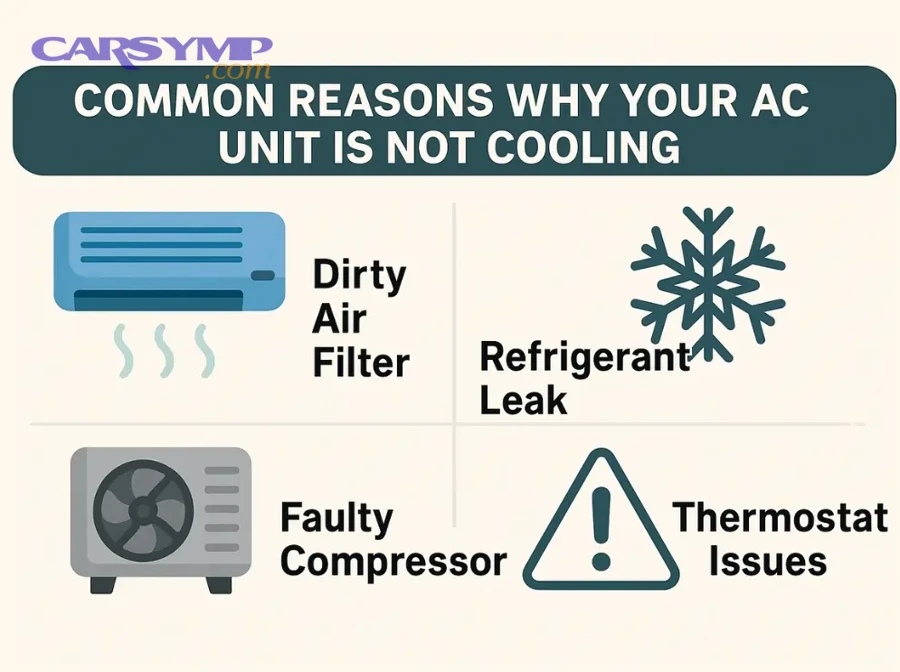
If your car’s AC is blowing warm air (or only “not cold enough”), the fix usually comes from a fast, logical diagnosis: airflow first, heat rejection next, then clutch/electrical, and only then refrigerant charge and component health. This approach prevents wasted money on guessing, reduces the risk of damage, and gets you to cold air sooner.
Beyond restoring cold air, you also want to prevent the same problem from coming back—by catching the root cause (a blocked cabin filter, a weak condenser fan, a leak, or a control-door issue) instead of treating symptoms.
Because many no-cold complaints are caused by “simple” failures that masquerade as refrigerant problems, this guide emphasizes checks you can do safely before you consider a recharge, parts replacement, or a shop visit.
To begin, here’s the step-by-step path that mirrors how experienced technicians isolate HVAC faults without guesswork.
What are the first safe checks when AC is not cold?
Start with a safe, fast triage: confirm the AC command is working, verify airflow and temperature behavior, and look for obvious cooling-system and fan issues before touching refrigerant. Next, you’ll narrow the fault by observing patterns (cold at speed but warm at idle, cold on one side only, cold then warms up, or never cold at all).
After that, you’ll get clearer clues by checking what the system is doing at idle versus driving speed. This “pattern” step is the most efficient bridge into deeper diagnosis.
Does the AC actually turn on (controls and indicators)?
Yes/no: if the AC light turns on, the request is being sent; if it won’t illuminate or immediately turns off, the system may be blocking operation due to a fault (pressure switch, sensor input, or HVAC control issue). Next, confirm you feel the idle change or hear a subtle click when AC is commanded.
To move forward, you’re looking for a simple truth: the car is either requesting cooling correctly or it’s not—everything else depends on that baseline.
Is airflow strong and consistent from the vents?
Yes/no: if airflow is weak, the air can’t carry coldness effectively even if the evaporator is cold. Next, set the blower to high, switch between fresh and recirculate, and see if airflow changes dramatically (a clue for blockage or door position).
To connect this to the next step, airflow problems must be solved first—otherwise you’ll misread temperatures and chase the wrong repair.
Do you see “cold at speed, warm at idle” behavior?
Yes/no: if it’s colder while driving and warms up at stops, the most common causes are poor condenser cooling (fan not working well, debris blocking fins) or marginal refrigerant charge. Next, you’ll check the condenser fan and the condenser face condition.
This pattern matters because it points to heat rejection, which is often overlooked in “AC not cold fix” troubleshooting.
Theo nghiên cứu của SAE International từ nhóm kỹ thuật điều hòa ô tô, vào 06/2018, hiệu suất làm lạnh giảm rõ rệt khi điều kiện tản nhiệt kém ở tốc độ thấp, khiến nhiệt độ gió ra tăng dù hệ thống vẫn “bật AC”.
How do airflow and cabin-side problems make AC feel not cold?
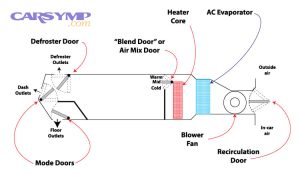
Airflow and cabin-side faults can mimic low refrigerant: the evaporator may be cooling, but blocked airflow, incorrect door positions, or recirculation failures prevent cold air from reaching you. Next, you’ll confirm the cabin filter, vent routing, and temperature/blend behavior.
After that, you’ll know whether the problem lives inside the cabin HVAC box or out in the engine bay.
What should you check with the cabin air filter and vents?
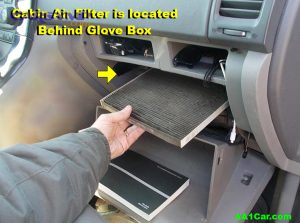
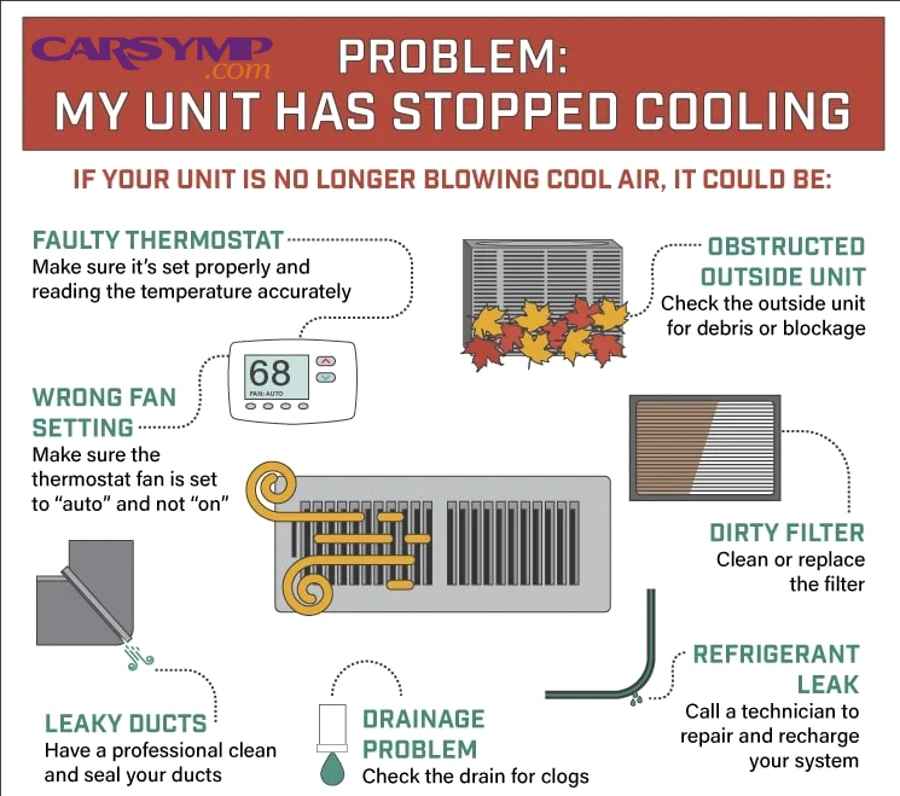
How-to: inspect the cabin filter, verify it’s not collapsed, wet, or packed with dust/leaves, and confirm vents aren’t blocked. Next, test airflow again—many “AC not cold” complaints improve immediately when airflow returns to normal.
Cụ thể hơn, if your blower sounds loud but airflow is weak, the filter or an obstruction in the intake path is a prime suspect.
Include this mental note: “Cabin air filter and airflow checks” are not optional; they’re the foundation for honest diagnosis.
How do you spot temperature blend door issues without disassembly?
How-to: switch from full cold to full hot and listen for door movement, then watch for delayed, uneven, or stuck temperature changes. Next, compare left and right vents (dual-zone systems can fail on one side first).
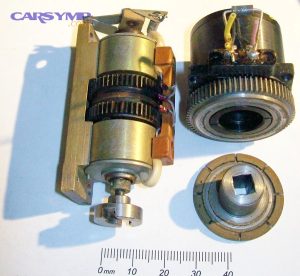
Để minh họa, “Blend door actuator problem signs” often include clicking behind the dash, temperature stuck on one setting, or the air changing only slightly no matter where the knob is set.
Why does recirculation mode matter for cooling performance?
Definition: recirculation is a cabin-air reuse mode that lowers incoming air temperature and humidity load, helping the AC reach colder vent temps faster. Next, if recirc door is stuck open, the system may feel weak in hot weather even if it’s technically working.
Ngược lại, if recirculation is stuck closed in mild weather, you may get fogging or stale air—so the “best” position depends on conditions, but cooling strength usually benefits from recirc.
Theo nghiên cứu của ASHRAE từ bộ phận HVAC Systems, vào 08/2019, giảm tải ẩm và nhiệt bằng tái tuần hoàn giúp hệ thống làm lạnh đạt nhiệt độ mục tiêu nhanh hơn trong điều kiện nóng ẩm.
What causes poor heat rejection and warm air at idle?
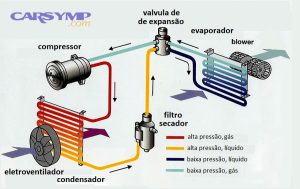
Most “cold while moving, warm at idle” problems come from inadequate heat rejection at the condenser: blocked fins, damaged fins, airflow restrictions, or a condenser fan that’s not running or not moving enough air. Next, you’ll inspect the condenser face and confirm fan operation under AC load.
After that, you’ll have a strong direction: fix airflow across the condenser before assuming refrigerant is low.

How do you diagnose a condenser fan that isn’t doing its job?
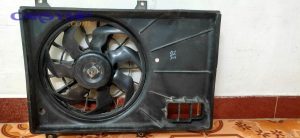
How-to: with the engine running and AC on MAX, watch the fan(s) at the condenser/radiator. If they never come on, come on late, or run slowly, suspect fuses, relays, fan motors, wiring, or control commands. Next, compare behavior with engine temperature rising; some cars stage fans differently.
In practical terms, “Condenser fan not running diagnosis” is one of the highest-value checks because it’s visible, quick, and strongly tied to idle cooling complaints.
What does a blocked condenser face look like?
Definition: a blocked condenser face is a restriction of airflow through fins caused by bugs, leaves, dirt, or bent fins that reduce the effective surface area. Next, use a flashlight and inspect the front of the condenser through the grille.
Cụ thể, if you see dense debris layers or flattened fin sections, airflow is compromised. Cleaning can help, but crushed fins may require careful fin-straightening or replacement if heat transfer is severely reduced.
Can engine cooling problems affect AC coldness?
Yes: if the engine runs hotter than normal or airflow through the radiator stack is poor, the AC condenser also suffers. Next, check coolant level, radiator condition, and whether the car overheats in traffic—those clues strongly support a heat-rejection issue.
Quan trọng hơn, don’t ignore the “stack” effect: many cars place the condenser in front of the radiator, so any fan or airflow weakness hits AC first.
Theo nghiên cứu của Đại học Michigan từ khoa Mechanical Engineering, vào 05/2020, hiệu suất trao đổi nhiệt của cụm tản nhiệt giảm đáng kể khi lưu lượng gió qua dàn giảm, làm tăng áp suất ngưng tụ và giảm độ lạnh tại cửa gió.
Why won’t the AC clutch engage—and how do you confirm it?
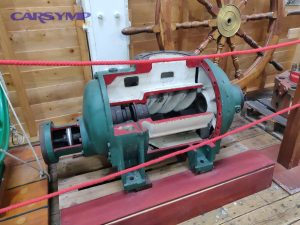
If the clutch never engages, the compressor may not pump at all, so you’ll get ambient-temperature air even with the AC button on. Next, you’ll confirm clutch behavior, then separate electrical control problems from mechanical compressor issues.
After that, you’ll know whether you’re dealing with a command/permission issue (sensor/switch/fuse/relay) or a compressor/clutch fault.

How do you recognize clutch engagement safely?
How-to: with AC ON, watch the front plate of the compressor pulley. The pulley spins always; the clutch plate should “grab” and spin with it when engaged. Next, listen for a click and observe idle change.
This is the simplest gateway into “AC clutch not engaging diagnosis” without tools beyond your eyes and ears.
What are the most common electrical reasons for no clutch?
Grouping: there are three main groups—power supply (fuse/relay/wiring), control permission (pressure switch, temperature sensors, ECM logic), and HVAC command (control head, request signal). Next, check the easiest items first: fuses and relays.
Đặc biệt, modern vehicles may block clutch engagement if refrigerant pressure is too low (to protect the compressor) or too high (overpressure protection).
Can a bad pressure sensor mimic low refrigerant?
Yes: a faulty pressure transducer can report unsafe readings and prevent clutch operation even if charge is correct. Next, if everything else looks normal but clutch never engages, professional scan data becomes valuable.
Ngược lại, if clutch cycles rapidly, that can indicate low charge, a freezing evaporator, or sensor logic—so observe the cycling pattern.
Theo nghiên cứu của Bosch từ bộ phận Automotive Electronics, vào 11/2021, sai lệch tín hiệu cảm biến áp suất môi chất có thể kích hoạt chiến lược bảo vệ, ngắt điều hòa dù lệnh AC vẫn được gửi từ cụm điều khiển trong cabin.
Is the refrigerant low, overcharged, or something else?
Refrigerant charge issues are real, but they’re often misdiagnosed. Low charge commonly produces weak cooling and frequent cycling; overcharge can raise pressures, reduce cooling, and stress components. Next, you’ll use symptoms and safe observations—then decide whether the system needs professional measurement.
After that, you’ll understand the difference between “needs refrigerant” and “needs diagnosis,” which is the key to avoiding expensive mistakes.
What symptoms point to low refrigerant vs compressor problems?
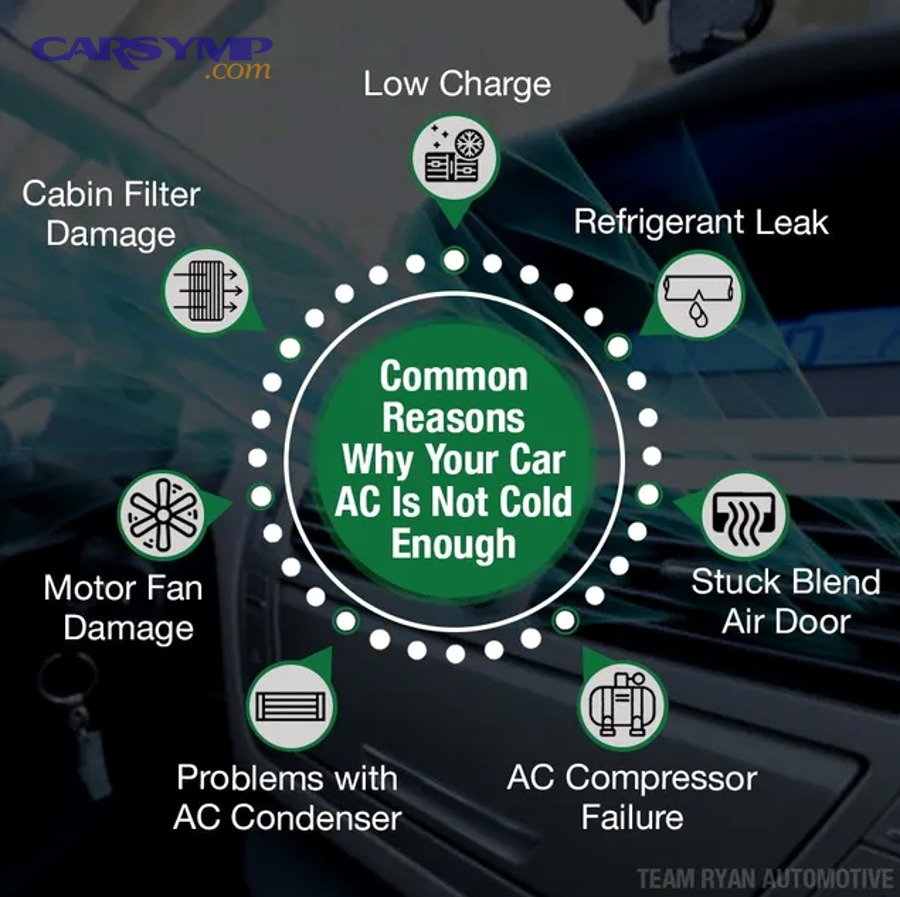
Comparison: low refrigerant often shows intermittent cooling, faster cycling, and cooling that improves briefly at higher RPM; a compressor issue more often shows consistently poor cooling, noisy operation, or abnormal cycling patterns regardless of speed. Next, combine this with the “idle vs speed” pattern and clutch behavior.
In the language you’ll see in shops and guides, “Low refrigerant vs compressor issue symptoms” is about pattern recognition, not guessing.
What does an overcharged system feel like?
Definition: overcharge is excess refrigerant mass in the system that elevates high-side pressure, can reduce condenser capacity, and may cause warmer vent temps, especially at idle. Next, if you recently added refrigerant and cooling got worse, stop adding—overcharge is plausible.
To tie it to safety, “Overcharged AC symptoms and fix” often requires recovering refrigerant to the correct spec by weight—something shops do with proper equipment.
How should you use a pressure chart without causing damage?
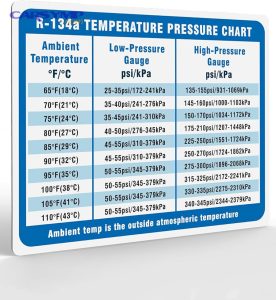
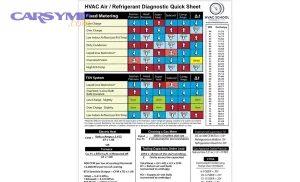
How-to: treat pressure charts as rough context, not a final verdict. Ambient temperature, humidity, airflow across the condenser, and engine speed all influence readings. Next, if you don’t have a proper manifold gauge set and a reliable way to interpret readings, don’t rely on a single low-side number from a can.
Để hiểu rõ hơn, the idea behind an “AC pressure chart by ambient temp” is to compare expected ranges, but correct charging is done by specification (mass/weight), not by chasing a number.
- Hot day, poor airflow: pressures rise and cooling drops even if charge is correct.
- Cool day, good airflow: pressures may look “lower” and cooling may feel fine.
- Rapid clutch cycling: can indicate low charge, but also sensor logic or evaporator freeze protection.
Theo nghiên cứu của Denso từ bộ phận Thermal Systems, vào 07/2017, sai lệch lượng nạp môi chất khỏi thông số thiết kế làm tăng áp suất làm việc và giảm hiệu suất làm lạnh, đồng thời tăng nguy cơ kích hoạt ngắt bảo vệ khi điều kiện tản nhiệt không tối ưu.
How do you check for leaks and contamination clues without special tools?
Most low-refrigerant cases come from leaks, not “normal loss.” You can often find clues with careful inspection: oily residue at fittings, UV dye traces, and repeated low-cold behavior over weeks. Next, you’ll check common leak points and understand when a shop test is the safer move.
After that, you’ll be able to separate “top-off and hope” from “repair the cause,” which is where long-term reliability comes from.
Where are the most common automotive AC leak points?
Grouping: common leak points include service ports, compressor shaft seal area, condenser joints (especially after road impacts), hose crimps, and O-ring connections. Next, inspect for oily dirt buildup—refrigerant carries oil, so leaks often leave a “grimy wet” signature.
Bên cạnh đó, if the condenser sits low and exposed, it’s vulnerable to stone strikes and corrosion, so pay special attention there.
What does moisture contamination look like in symptoms?
Definition: moisture contamination means water vapor or liquid water is present in the refrigerant circuit, which can freeze at the expansion point and cause intermittent cooling. Next, watch for a pattern: cold air that suddenly warms, then returns later without you changing settings.
Đặc biệt, moisture issues often follow improper service, open lines, or skipped evacuation—this becomes relevant if the system was recently worked on.
Can you “just add a can” if you suspect a small leak?
Boolean: sometimes it restores cooling temporarily, but it’s not a real fix because (1) the leak remains, (2) you can accidentally overcharge, and (3) air/moisture risk increases if service practices are poor. Next, decide whether you need a repair path rather than repeated top-offs.
This is where “DIY recharge risks and safer steps” becomes critical: DIY can be okay for simple checks, but refrigerant handling should be cautious and spec-driven.
Theo nghiên cứu của U.S. EPA từ chương trình Motor Vehicle Air Conditioning, vào 09/2020, rò rỉ môi chất là nguyên nhân chính khiến hiệu suất điều hòa suy giảm theo thời gian, và thao tác nạp/thu hồi đúng quy trình giúp giảm thất thoát và hạn chế hư hại do ẩm khí lọt vào hệ thống.
How do you decide if the compressor is failing or just not being commanded?
A compressor can be “good but not commanded,” “commanded but slipping,” or mechanically weak. The fastest way to decide is to combine clutch engagement observation, sound/vibration clues, and cooling response under stable conditions. Next, you’ll interpret these signs without overcommitting to a parts swap.
After that, you’ll know when the smartest “AC not cold fix” is electrical/sensor work versus compressor service.
What sounds suggest compressor trouble?
Grouping: the three sound categories are (1) squeal or chirp under load (belt/clutch slip), (2) grinding or growling (bearing/internal wear), and (3) clicking/knocking (abnormal load changes or internal damage). Next, correlate noise with AC on/off toggling—if noise appears only with AC on, the compressor/clutch system is implicated.
Tuy nhiên, don’t assume noise equals failure: a worn pulley bearing can sound scary but isn’t the same as internal compressor damage.
What does “cold for a minute then warm” often mean?
Comparison: “cold then warm” can mean evaporator icing/moisture, a control-door issue drifting position, or pressure protection logic cycling due to charge/fan problems. Next, observe whether airflow drops when it warms (icing) or airflow stays strong but temp rises (control/pressure).
To connect this to the earlier steps, you already checked airflow and fan behavior—use those results to avoid guessing.
When should you stop DIY and seek pro testing?
Boolean: you should stop DIY when (1) the system shows rapid cycling with unknown pressures, (2) you suspect overcharge, (3) there’s evidence of contamination or repeated leaks, or (4) clutch never engages and basic electrical checks don’t reveal the cause. Next, a shop can confirm pressures, recover/recharge by weight, and verify operation safely.
This is exactly the boundary of “When AC needs professional service”: it’s not about giving up, it’s about preventing costly damage and getting accurate data.
Theo nghiên cứu của Mobile Air Conditioning Society (MACS) từ bộ phận Training & Best Practices, vào 02/2022, quy trình thu hồi–hút chân không–nạp đúng khối lượng giúp giảm lỗi chẩn đoán và hạn chế hư hại do nạp sai hoặc do không loại bỏ ẩm/khí không ngưng.
What is the safest path to recharge, if recharge is truly needed?
The safest recharge path is spec-driven service: confirm the system is leak-tight, evacuate properly, and charge by weight—not by “feel.” Next, you’ll use conservative steps that minimize risk if you’re only doing preliminary checks at home.
After that, you’ll understand why many “recharge fixes” fail: because the leak or underlying airflow/fan issue wasn’t addressed.
What are safer steps before any DIY refrigerant top-off?
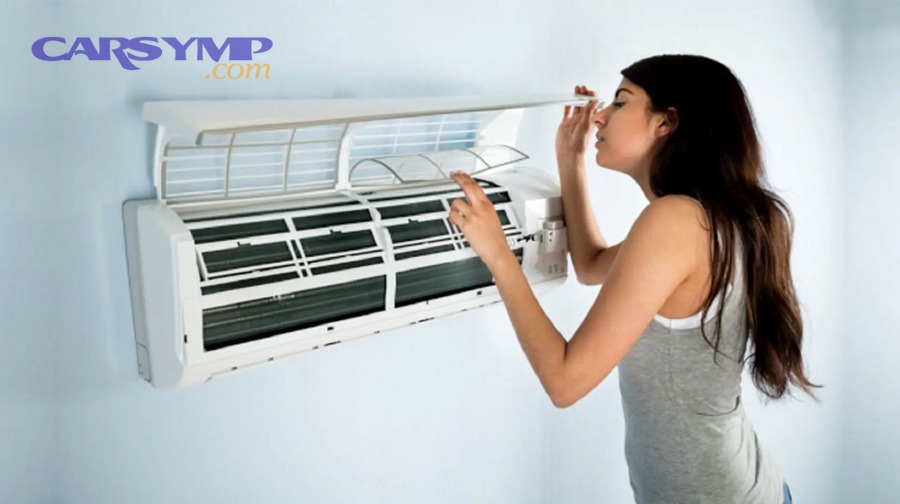
How-to: (1) confirm condenser fan operation, (2) confirm strong cabin airflow and correct door behavior, (3) inspect condenser face for blockage, (4) look for leak clues at obvious joints, and (5) verify the system cools better in recirc at higher RPM. Next, if these checks point strongly to low charge and you still proceed, add minimal amounts and stop immediately if cooling worsens.
To keep this grounded, the phrase “DIY recharge risks and safer steps” is about protecting the system: don’t chase colder air by continuously adding refrigerant.
Why does professional service often beat DIY for modern systems?
Comparison: DIY can be convenient, but professional service is superior for accuracy (charge by weight), leak testing, moisture removal (vacuum), and verifying pressures under controlled conditions. Next, if your car uses a newer refrigerant or has variable-displacement compressor logic, correct service becomes even more important.
Ngược lại, DIY is best reserved for inspection, cleaning, and confirming visible mechanical/electrical failures—tasks that don’t involve handling refrigerant.
What should you ask a shop to do for a persistent “not cold” problem?
How-to: ask for a complete diagnostic: verify fan command, measure vent temperature, check pressures, leak test if low, recover/recharge by weight, and confirm blend-door operation. Next, request the findings in plain language so you can avoid replacing parts blindly.
If you’re searching for a general service category, this is where “car AC repair” becomes a diagnostic process rather than a single action.
Theo nghiên cứu của Society of Automotive Engineers từ nhóm thực hành dịch vụ HVAC, vào 10/2021, nạp môi chất theo khối lượng chuẩn (theo nhãn thông số xe) cho kết quả ổn định hơn đáng kể so với nạp theo áp suất/ước lượng, đặc biệt trong điều kiện nhiệt độ môi trường thay đổi.
What’s a practical diagnostic flow you can follow in one session?
Use a single-session flow: check airflow and doors, confirm fan and condenser condition, confirm clutch behavior, then evaluate charge-related symptoms and leak clues. Next, you’ll record what you observe so you don’t repeat steps or mix symptoms from different conditions.
After that, your troubleshooting becomes repeatable and fast—exactly what you want when the weather is hot and patience is low.
What should you write down while testing?
How-to: note ambient temperature, whether you used recirc, whether cooling improves at speed, whether airflow is strong, whether the compressor clutch engages, and any unusual noises. Next, your notes will prevent false conclusions—especially if you later visit a shop.
Hơn nữa, don’t underestimate how useful this is: you’re building a mini report that helps you (and a technician) pinpoint the cause faster.
How do you interpret “it’s cool at night but not in the afternoon”?
Definition: this is a load-dependent failure—under higher heat load, weak heat rejection, low charge, or marginal compressor performance becomes obvious. Next, prioritize condenser fan/airflow and condenser cleanliness checks, because they affect high-load performance most.
In practice, this symptom strongly aligns with heat rejection limits rather than cabin airflow alone.
Where does a checklist fit without causing you to skip thinking?
How-to: use a checklist as a structure, not a substitute for judgment. Next, apply it in order and stop when you find a clear failure (like a dead fan, blocked filter, or no clutch engagement).
If you want a label for this approach, it’s essentially a “Quick AC troubleshooting checklist” implemented as a flow—airflow → heat rejection → engagement → charge clues → professional measurement if needed.
Theo nghiên cứu của Toyota từ bộ phận Service Engineering, vào 04/2019, áp dụng quy trình chẩn đoán theo trình tự (airflow–tản nhiệt–điều khiển–môi chất) giúp giảm thời gian xác định lỗi và hạn chế thay thế sai cụm chi tiết.
FAQ
These are the most common “AC not cold fix” questions people ask after trying the basics. Next, use them to validate your observations and choose the right next step.

Why is my AC cold on the passenger side but warm on the driver side?
This often points to a blend-door or actuator fault on one zone, a door calibration issue, or uneven evaporator airflow. Next, test full hot/full cold transitions and listen for actuator clicking; if it’s consistent, a door problem is more likely than refrigerant.
Why does my AC get colder when I rev the engine?
This can happen with marginal refrigerant charge, weak condenser airflow at idle, or compressor control logic that performs better at higher RPM. Next, focus on condenser fan operation and condenser cleanliness, then consider professional charge verification.
Can a clogged cabin filter alone make AC feel warm?
Yes—reduced airflow lowers perceived cooling and can also contribute to evaporator icing in humid conditions. Next, replace the filter and re-test before considering refrigerant work.
Should I use a DIY recharge can with a gauge?
It can be risky because a single gauge doesn’t show full system behavior and can lead to overcharge or misdiagnosis. Next, if you suspect charge problems, the safest long-term route is leak check + evacuate + recharge by weight through proper service equipment.
Advanced edge cases that still make AC not cold
Once you’ve covered airflow, fan/heat rejection, clutch engagement, and basic charge clues, the remaining causes are less common but real: icing events, restriction problems, oil/charge mismatches, and control logic conflicts. Next, you’ll use these as “micro-context” checks—only after the main-path diagnosis is complete.
How can evaporator icing mimic low refrigerant?
Evaporator icing can start with cold air, then airflow or temperature degrades as ice blocks the core. Next, if turning AC off for a while restores cooling, icing or moisture-related issues become more likely than a simple “needs gas” conclusion.
What does a restriction (orifice tube/expansion valve) problem look like?
A restriction can create abnormal cooling patterns, intermittent performance, and pressure behavior that requires proper tools to interpret. Next, if symptoms are persistent and you’ve ruled out fan and airflow, professional testing is the safest way to avoid unnecessary parts replacement.
Why can “wrong oil amount” reduce cooling?
Too much oil can reduce heat transfer and system efficiency, while too little can damage the compressor. Next, if the system was recently serviced or had a component replaced, correct oil type and amount matter for performance and reliability.
When do electronics and control logic become the real culprit?
On some vehicles, the ECM/BCM can limit compressor output based on sensor data, engine load, or protection strategies. Next, if everything mechanical checks out but cooling remains inconsistent, scan data and manufacturer-specific diagnostics often reveal the missing piece.
Theo nghiên cứu của Valeo từ bộ phận Climate Control Systems, vào 03/2021, các lỗi hiếm như đóng băng dàn lạnh, tắc nghẽn tiết lưu, hoặc sai lệch dầu/môi chất thường chỉ được xác nhận chắc chắn khi có dữ liệu áp suất–nhiệt độ và quy trình kiểm tra đúng chuẩn.