


A practical blower motor replacement cost estimate usually falls into a predictable range once you separate parts, labor, and the “hidden” add-ons that many quotes don’t spell out.
Beyond the headline number, the real question is what’s driving your price: labor access (easy under-glovebox vs. dash work), local hourly rate, and whether the issue is truly the motor or a related electrical/control component.
You’ll also save money by confirming the fault before authorizing work, because weak airflow or loud fan noise can come from a filter restriction, resistor/module failure, or debris in the housing—not just a worn motor.
After that, you’ll see a clear cost breakdown, the biggest price variables, and a step-by-step way to request a written estimate that prevents surprise charges.
What is a realistic blower motor replacement cost estimate today?
Most drivers should budget mid-hundreds for a typical replacement, with the final total depending on parts quality and access time. Next, you’ll want to split the quote into parts, labor, and fees so you can compare shops accurately.
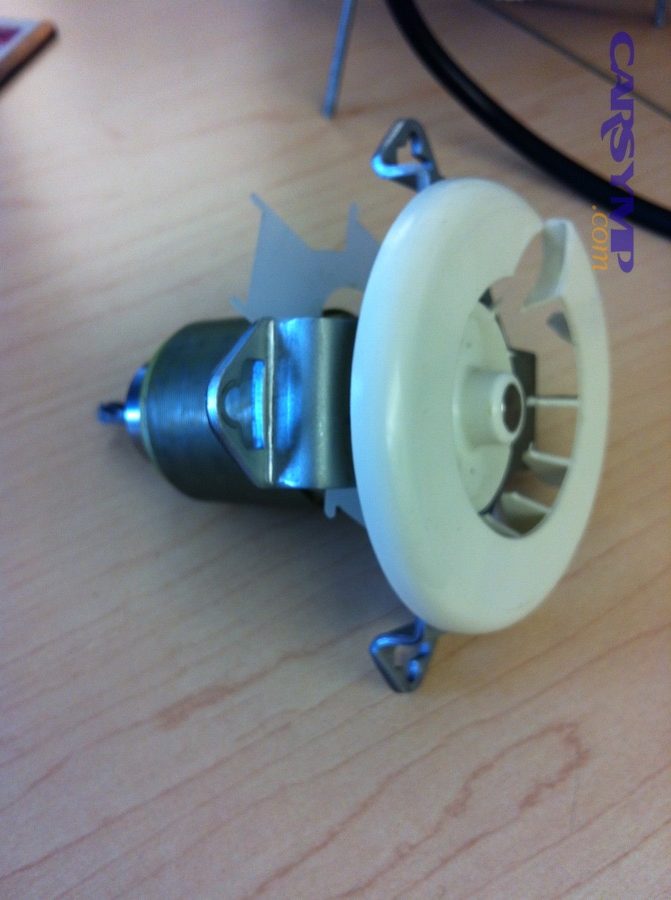
In many common vehicles, an average estimate reported by RepairPal lands around $363–$444, with labor and parts shown separately—useful as a baseline before location-based taxes and shop fees.
However, model-specific ranges can be wider (some vehicles trend lower; others trend higher) because the motor’s location and interior trim complexity change the labor time more than most people expect.
This table helps you translate a quote into a simple, comparable breakdown (parts vs. labor vs. add-ons) so you can spot inflated line-items quickly.
| Cost Bucket | What It Usually Includes | How to Sanity-Check |
|---|---|---|
| Parts | Motor assembly (sometimes includes fan cage/wheel) | Confirm brand/tier (OEM vs aftermarket), and whether the wheel is included |
| Labor | Trim removal, motor access, install, function test | Ask for billed hours and posted hourly rate |
| Fees & Supplies | Shop supplies, hazardous waste, diagnostic fee | Request each fee itemized and capped in writing |
| Related Repairs | Resistor/module, switch, connector pigtail, cabin filter | Require a test-based justification for each add-on |
Theo nghiên cứu của AAA từ chương trình Your Driving Costs, vào 09/2024, nhóm “Maintenance, Repair & Tires” được ước tính trung bình 10.13¢/mile (tính theo 5 năm và 75,000 miles), cho thấy chi phí sửa chữa lặt vặt có thể cộng dồn nhanh nếu bạn bỏ qua các dấu hiệu sớm.
Which factors change the estimate the most: vehicle access, location, and labor rates?
The estimate changes most when labor access is difficult and when local hourly rates are high. After that, the next big swing is whether diagnosis time is billed separately or folded into the repair.
Access difficulty is the silent multiplier: some blower motors are reachable under the glovebox in minutes, while others require removing panels, ducts, or substantial dash trim—raising billed hours even if the part is inexpensive.
Labor rate is the other multiplier: AAA notes that many mechanics charge in a broad hourly range (often cited around $120–$159 per hour), which means a “two-hour difference” can be hundreds of dollars depending on where you live.
To compare quotes fairly, always normalize them to hours × rate + parts. Then, treat “fees” as negotiable line-items that should be justified, itemized, and limited.
- Vehicle packaging: compact dashboards and tight HVAC housings increase trim time.
- Climate usage: heavy A/C or defrost use exposes weaknesses sooner (noise, vibration, brush wear).
- Shop type: dealer pricing can trend higher; independent shops may have more flexibility on parts tiers.
- Local market: higher-cost regions push both labor rate and supply fees upward.
How do parts choices affect your price: OEM, aftermarket, remanufactured, or used?
OEM parts usually win on fit and consistency, aftermarket can be the best value when the brand is proven, and used parts are cheapest but risky. Next, match the part tier to how long you plan to keep the vehicle and how painful repeat labor would be.
For a blower motor, the labor is often the real cost—so if access is difficult, paying more for a reliable part can be cheaper than repeating the job.
This table shows how part tier influences the all-in estimate by shifting the “risk of redo” versus upfront savings.
| Part Tier | Typical Upside | Typical Risk | Best Fit For |
|---|---|---|---|
| OEM | Best fitment, predictable connector & speed control | Higher upfront price | Hard-access jobs, long ownership |
| Aftermarket (quality brand) | Strong value, good availability | Quality varies by brand | Most daily drivers |
| Remanufactured | Lower price than OEM | Inconsistent rebuild quality | Budget repairs when access is easy |
| Used/Junkyard | Lowest price | Unknown wear, short remaining life | Temporary fix, easy-access only |
In your conversation with the shop, ask whether the motor comes as an assembly (with fan cage/wheel) or as a bare motor. A “cheap part” can become expensive if the wheel must be transferred and rebalanced.
When you see intermittent speeds or only certain fan settings working, don’t assume the motor is the only culprit—many systems fail at the control side first, which leads into the next section.
How many labor hours should you expect, and what work steps are you paying for?
Labor is usually charged as a flat time estimate based on access steps, not just the motor swap itself. Next, you should request the billed hours and the exact operations included so you know what’s fixed versus merely inspected.
A fair labor line should cover: interior protection, trim removal, motor removal/installation, electrical connection check, airflow verification, and a final function test across fan speeds.
If the shop adds “diagnostic” hours, ask what test was performed and what readings or observations prove the motor is at fault (voltage at connector under load, current draw behavior, bearing noise at commanded speed).
Also note that when defrost performance is compromised, this becomes more than comfort: NHTSA recall documentation explicitly warns that HVAC blower motor failure can make defrost/defog inoperative and reduce visibility.
For vehicles governed by windshield defrosting/defogging requirements, NHTSA materials tied to FMVSS 103 discuss defrosting performance and blower operation assumptions in testing contexts—reinforcing why verifying proper airflow after repair matters.
What related parts can inflate the quote, and which ones are legitimately common?
The most common add-ons are the cabin air filter, a resistor/module, a fan switch, and sometimes a damaged connector pigtail. Next, you can reduce overpaying by approving add-ons only when they match your exact symptom pattern.
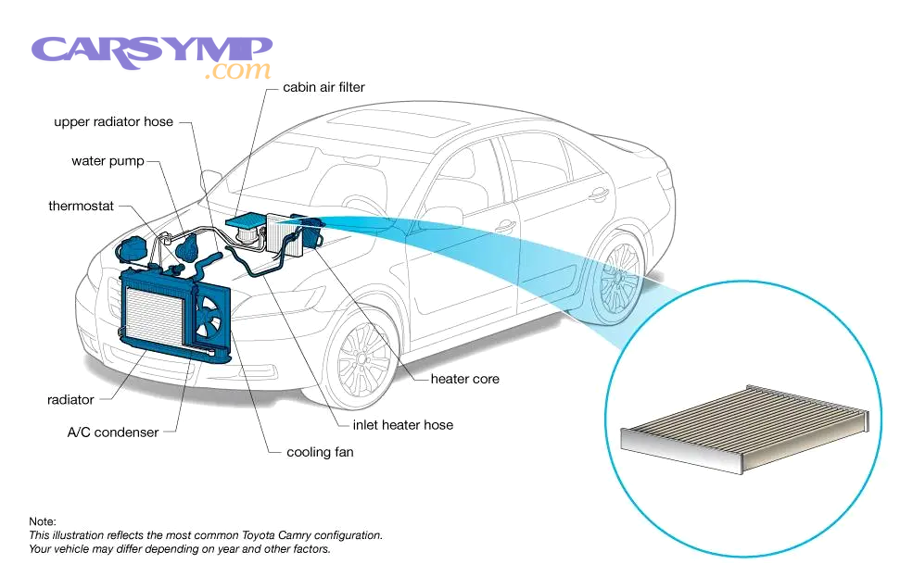
A clogged cabin filter can mimic a weak fan by choking airflow at the intake. Cars.com notes that inadequate airflow and loud fan noise can signal the filter needs replacement, so it’s reasonable to pair a filter change with HVAC airflow complaints.
On the electrical side, RepairPal’s estimator shows that a blower motor resistor replacement can land in a much lower range than a motor—so confirming which component is actually failing can dramatically change the final bill.
Likewise, a blower motor switch has its own typical cost band; when the fan doesn’t respond correctly to knob positions, the control circuit must be tested before assuming the motor is dead.
Finally, debris in the housing can cause noise without a bad motor. A manufacturer bulletin archived by NHTSA discusses how debris introduced during cabin filter handling can impact blower performance or create noisy operation—an important reminder that “noise” is not always “motor failure.”
- Legit common: cabin filter, resistor/module, connector pigtail (if heat damage is visible).
- Sometimes needed: fan wheel/cage (cracked blades, imbalance), HVAC case seal repair.
- Red flags: “recommended” add-ons without any testing explanation or visible evidence.
How can you confirm the diagnosis before paying: quick checks that prevent misquotes?
You can avoid misquotes by confirming power, command, and mechanical condition in a few steps. Next, focus on the fastest “yes/no” checks first, then move to deeper testing only if needed.
Start with simple, high-signal observations: does airflow change on every speed, does it cut out when hitting bumps, does it squeal only at startup, and does the sound follow fan speed?
Then do the “restriction check” before blaming the motor: replace or inspect the cabin filter, and verify intake areas are not blocked. This is where HVAC airflow weak troubleshooting often begins—because restrictions can imitate motor weakness while also making the fan sound louder under load.
Next, isolate whether the issue is command/control or the motor itself:
- Fan command behavior: if some speeds work and others don’t, suspect the resistor/module or switch before the motor.
- Voltage at the motor connector: a shop can verify commanded voltage under load; low/unstable voltage points upstream.
- Current draw and bearing noise: high current plus grinding often suggests a failing motor; normal current with no spin suggests obstruction or a seized bearing.
When you describe symptoms to a shop, use precise language like “intermittent airflow,” “speed steps missing,” or “noise tracks fan speed,” because it steers the diagnosis away from blanket part-swapping.
Also, keep the safety angle in mind: blower failure can impact defrosting and visibility, which NHTSA highlights in recall consequences, so a correct repair verification matters.
Is DIY replacement cheaper, and when does it become a bad bet?
DIY can be cheaper when access is easy, tools are basic, and the diagnosis is certain; it’s a bad bet when the dash must be disassembled or the fault is electrical and intermittent. Next, decide based on access complexity, not just the part price.
DIY savings come mostly from avoiding hourly labor charges; that matters more in markets where labor rates are high.
But DIY risk rises quickly when trim clips break, airbags are nearby, or the HVAC case requires awkward fasteners. If a repeated attempt is likely, “cheap first” becomes “expensive twice.”
If you still want a visual overview of the process flow, here’s a replacement guide video to help you understand the typical access pattern and common pitfalls:
In the body of your DIY notes, you’ll often see the phrase blower motor replacement used broadly, but treat it as two separate jobs: (1) removing interior trim for access, and (2) swapping the motor and validating airflow/noise after reinstall.
As a safety checkpoint, verify the system can drive defrost airflow properly afterward; blower-related defrost failure is treated as a visibility risk in official recall language.
How do you get an accurate written estimate from a shop without surprise add-ons?
The best estimate is itemized, test-justified, and capped for fees and add-ons. Next, use a short checklist of questions that forces clarity before you approve the work.
Ask for a quote that includes: parts brand/tier, labor hours, hourly rate, diagnostic fee policy, and a written statement that no additional work is performed without authorization.
Then, insist on a “why” for each add-on: filter, resistor/module, switch, connector repair. If the shop can’t explain the test outcome, treat it as optional until proven.
- “What’s the billed labor time and your posted labor rate?” (lets you compare shops apples-to-apples)
- “What test confirms the motor is failing?” (prevents misdiagnosis)
- “Is the part an assembly with the fan wheel included?” (prevents missing-parts surprises)
- “What fees are included, and can you cap supplies?” (reduces creep)
- “What’s the warranty on parts and labor?” (protects you if noise returns)
Use the baseline cost range from a reputable estimator as a negotiation anchor, but treat it as a starting point—not a promise—because taxes, location, and related repairs can legitimately move the final number.
How can you reduce the total bill without reducing reliability?
You can reduce the bill by lowering risk, not by cutting corners. Next, focus on proven savings levers: correct diagnosis, smart parts tier selection, and eliminating unnecessary labor time.
The fastest savings often come from preventing the wrong repair. For example, if your symptom is “only high speed works,” that pattern often points to the control side rather than the motor—so testing can avoid paying for the wrong part.
Next, pick the right part tier based on access difficulty: if the motor is hard to reach, choose the most reliable part you can reasonably afford to avoid paying labor twice.
Then reduce labor time by preparing the vehicle: empty glovebox, remove floor mats, bring the exact symptom history, and ask the shop to call you before any additional disassembly beyond the original estimate.
This table shows practical savings strategies and what you give up (if anything) when you apply them.
| Savings Lever | How It Saves | What to Watch For |
|---|---|---|
| Confirm diagnosis first | Avoids paying for the wrong part | Demand test notes, not guesswork |
| Choose quality aftermarket | Lowers parts cost without “used part” risk | Ask about warranty terms |
| Bundle with cabin filter | Prevents restriction-related return visits | Replace only if dirty or due by schedule |
| Cap shop fees | Stops supply charges from creeping | Get the cap in writing |
Finally, verify the repair outcome on the spot: every fan speed, defrost mode, and noise check—because visibility-related airflow isn’t optional if you want a safe, finished repair.
—– Contextual Border —–
Rare scenarios that can spike your blower motor bill and how to budget for them
Some vehicles have uncommon design choices that raise cost suddenly, especially when the HVAC case is buried or the control electronics are integrated. Next, use these scenarios as a checklist so you’re not shocked by an “edge case” surcharge.
When dash removal or HVAC case access is required
If the motor is located deep in the HVAC housing, labor can expand dramatically because trim, ducts, and sometimes larger dashboard components must be removed. Next, ask the shop to show the service access path (a quick photo or diagram is enough) before you approve expanded labor.
This is where the “labor multiplier” overwhelms the part cost—especially in high-rate markets noted by AAA’s labor-rate discussion.
When the failure is electrical and intermittent, not mechanical
Intermittent fan operation can be caused by a failing resistor/module, switch, or wiring issue rather than the motor itself. Next, require proof of failure mode (missing command, voltage drop, connector heat damage) before authorizing a motor swap.
RepairPal’s separate estimator categories illustrate why: control-side repairs can be priced very differently from motor replacement, so correct identification changes the budget immediately.
When connector overheating or debris contamination is the root cause
A melted connector pigtail or debris in the blower housing can create noise, drag, or voltage loss that mimics motor failure. Next, ask whether the shop found visible heat damage or debris evidence and whether they will address the root cause, not just the symptom.
An NHTSA-hosted manufacturer bulletin warns that debris introduced during cabin filter handling can affect blower performance or create noisy operation—meaning “cleanliness and handling” can be a real factor in repeat issues.
When defrost performance becomes a safety concern or recall applies
If your vehicle has a relevant recall or the blower failure has already impacted defrost/defog, treat this as a priority repair with documented post-fix verification. Next, ask the shop to confirm defrost airflow and proper operation after installation.
NHTSA recall documentation explicitly links blower motor failure to inoperative defrost/defog and reduced visibility, reinforcing why you should verify the outcome, not just pay the invoice.
FAQ
Can a dirty cabin air filter make the blower sound louder and feel weaker?
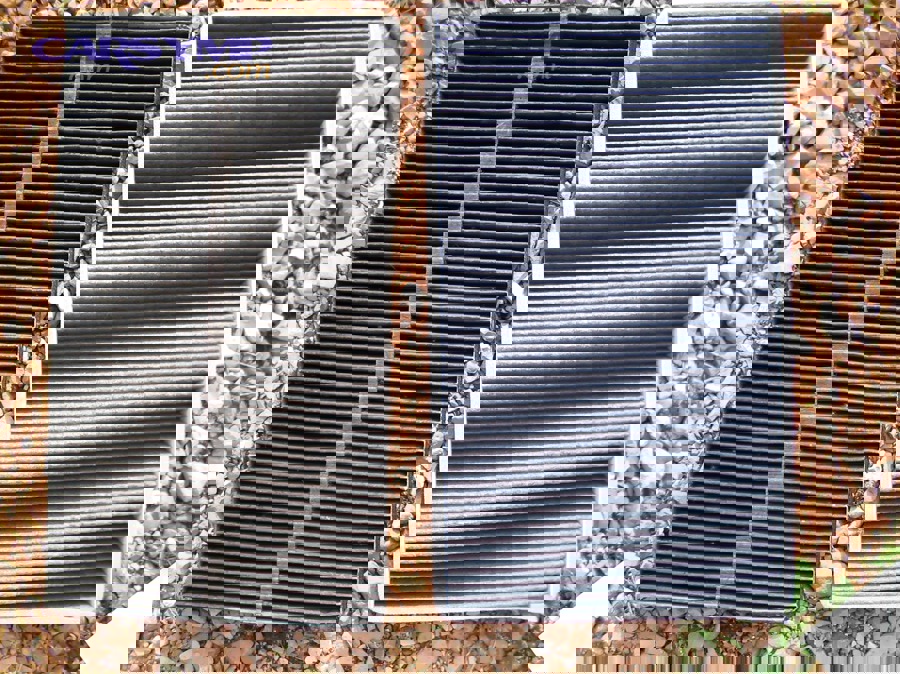
Yes—restricted airflow can increase noise and reduce vent output, making the fan seem “weak” even when the motor is okay. Next, inspect/replace the filter first because Cars.com notes inadequate airflow and loud fan noise are common signs the filter needs replacement.
Is a grinding or squealing sound always a dead blower motor?
No—mechanical bearing wear is common, but debris in the housing or imbalance in the fan wheel can also create harsh noises. Next, have the shop check for debris and wheel damage, since official bulletins note debris can cause noisy operation and performance issues.
Why do some quotes include a resistor/module and others don’t?
Because the symptom pattern differs: missing fan speeds often implicate the control side, while a seized motor points to the motor itself. Next, use the fact that RepairPal lists separate cost ranges for resistor replacement and motor replacement as a cue to demand test-based confirmation.
What’s the fastest way to compare two shop estimates fairly?
Convert both quotes into parts + (hours × rate) + itemized fees, then compare warranty terms. Next, use a baseline estimator range for reference, but remember location and access complexity can legitimately shift totals.