


Preventing blower motor burnout is mostly about lowering heat, friction, and electrical stress so the motor can spin freely without overworking. If you keep airflow easy, power clean, and moisture out, the motor lasts longer and stays quieter.
Many drivers only think about the cabin fan when airflow weakens or the noise starts, but burnout usually builds slowly from everyday habits and small restrictions that stack up over time.
Another common goal is comfort without “overusing” the system—especially during extreme heat, heavy humidity, wildfire smoke, or winter defrost conditions where the motor runs at high speed for long periods.
To connect all the dots, Giới thiệu ý mới: below is a practical, step-by-step prevention map that links the root causes to the simplest actions you can take today.
What actually causes blower motor burnout in everyday driving?
Blower motor burnout happens when heat and resistance exceed what the windings, brushes, bearings, and connectors can tolerate—usually from restricted airflow, failing electrical parts, contamination, or long high-speed run time.
To start, think in “stress paths”: anything that makes the motor work harder to move the same air adds current draw and heat somewhere in the circuit.
Which parts overheat first when airflow is restricted?
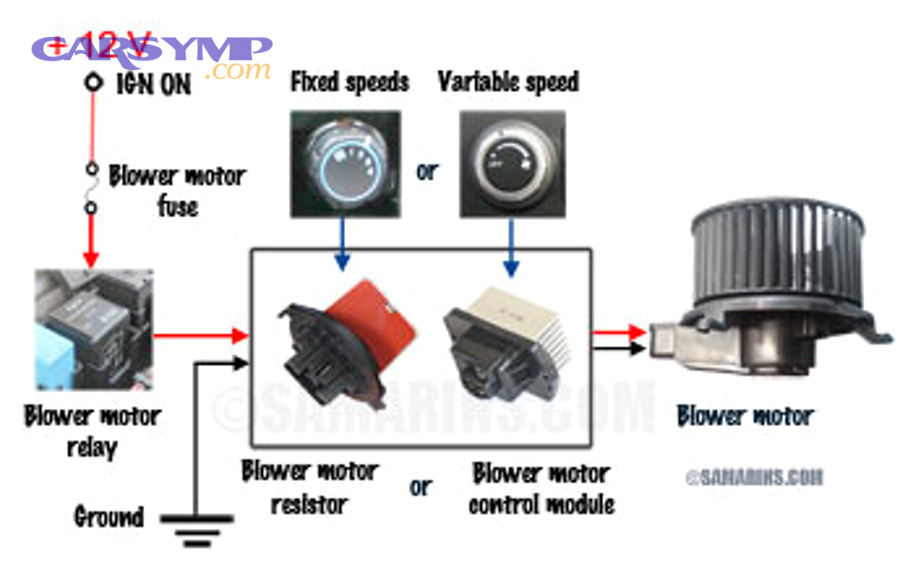
Typically, heat builds first at the motor windings and the speed-control parts because higher load increases current and magnifies weak contact points, especially in aged connectors and splices.
Cụ thể, when air can’t move freely, the fan has to push against higher resistance, so the motor operates closer to its limit and spends more time in the “hot zone.”
In practical terms, restrictions don’t need to be dramatic. A partially clogged intake path, a dirty blower wheel, or debris in the housing can be enough to shift the motor from “comfortable” to “overworked” during long drives.
That’s why prevention starts with airflow: reduce the load first, then verify the electrical system can deliver stable power under stress.
How do electrical faults turn into heat and burnout?
Electrical faults cause burnout by creating voltage drop and resistance, which forces the motor to pull more current to do the same work, heating wires, connectors, and internal components.
Để hiểu rõ hơn, you can picture it like a narrow water pipe: the pump works harder, pressure changes, and the whole system runs hotter and less efficiently.
Common contributors include weak grounds, corroded terminals, worn relays, aging speed resistors, and heat-damaged plugs. Each one can be “almost fine” alone, but together they create a sustained overheating condition.
When the motor is already loaded (hot day, max fan, defrost), those weaknesses show up fast.
Why time-at-max-speed is a hidden risk factor
Long periods at maximum fan speed raise temperature and wear because the motor spends extended time under high electrical and mechanical load, accelerating brush and bearing wear.
Tiếp theo, this doesn’t mean “never use max”; it means use max strategically, then step down once the cabin stabilizes to reduce continuous stress.
If your driving routine includes long commutes in extreme conditions, prevention is mostly about lowering the baseline load—clean airflow path, dry housing, and healthy power delivery—so max speed is not a punishment.
That sets up the next section: the single biggest lever you control is airflow resistance.
How do you prevent airflow restriction that overloads the motor?
You prevent restriction by keeping the intake, filter area, ducts, and blower wheel clean so air moves easily; lower resistance means lower load and lower heat for the motor.
Bên cạnh đó, airflow problems often appear gradually, so routine checks beat “wait until it’s weak.”
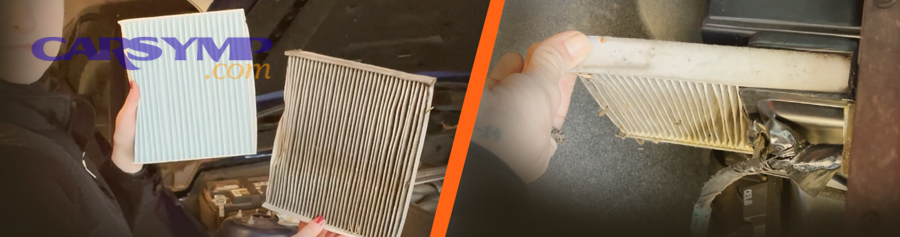
How a dirty filter silently increases motor workload
A dirty filter raises resistance, so the motor must work harder to maintain airflow, increasing heat and wear even if the fan still “seems okay” at first.
Cụ thể hơn, the Cabin filter impact on blower performance is often felt as “it only blows hard on higher settings,” because the system needs more speed to overcome the restriction.
To prevent this, inspect the filter on a schedule that matches your environment: dusty roads, construction zones, pollen seasons, and smoky air all shorten service life.
If the filter is damp or musty, treat it as urgent: moisture increases biological growth and can spread contamination downstream, which then lands on the blower wheel and housing.
How to keep the blower wheel balanced and efficient
Keeping the wheel clean prevents imbalance, vibration, and drag—three forces that increase bearing load and can shorten motor life.
Ví dụ, leaves, grit, and sticky dust can build unevenly on the blades, causing wobble that feels like “buzzing” or “thumping,” especially at specific speeds.
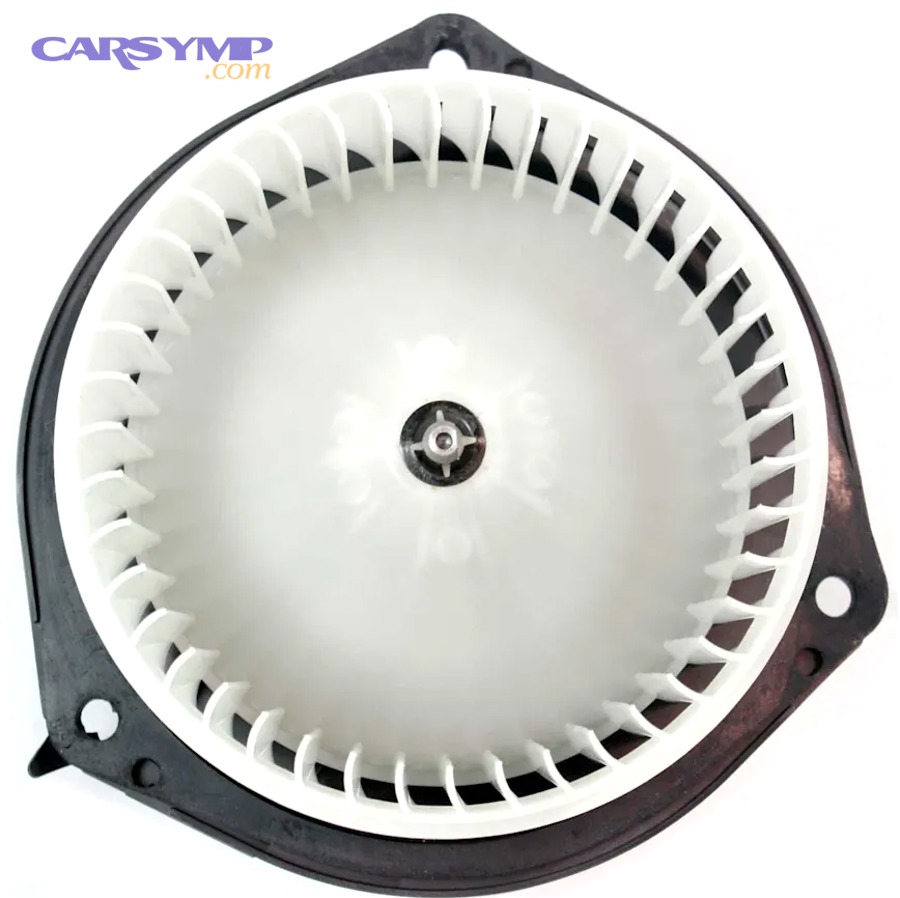
When you clean, avoid bending blades. Use gentle brushing and low-pressure air; aggressive prying can deform the wheel and create a permanent imbalance.
Once airflow is restored and vibration reduced, the motor runs cooler—then electrical checks become more meaningful because you’re not masking problems with heavy load.
Why blocked vents and closed registers matter more than people think
Blocked vents raise system pressure and reduce effective airflow, which can keep drivers “turning up the fan,” pushing the motor into higher load for longer.
Ngược lại, open vents and unobstructed ducts let the system do more with less speed, which is the simplest way to reduce run-time stress.
Also check for crushed ducts or items under seats that block rear vents, especially in vehicles where under-seat ducts are part of the main cabin distribution.
After airflow, the next major burnout driver is electrical heat—so we move from “air moves easily” to “power arrives cleanly.”
What electrical maintenance prevents overheating and melted connectors?
Electrical prevention focuses on minimizing resistance: clean connections, healthy grounds, correct fuses/relays, and a stable voltage supply keep the motor from overheating under load.
Quan trọng hơn, you don’t need to rebuild wiring—just remove the “weak links” that create heat.
How to recognize and fix voltage drop before it cooks the circuit
Voltage drop issues show up as weak airflow, intermittent speeds, or a fan that changes when you hit bumps—because resistance spikes in a connector or ground.
Cụ thể, the most useful mindset is: “heat equals resistance.” If a plug looks browned, feels loose, or smells burnt, it’s already telling you where energy is being wasted.
Clean corrosion, tighten terminals, and replace damaged connectors rather than “wiggling it until it works.” Temporary contact often increases arcing and heat.
When you address voltage drop early, you protect not only the motor but also speed-control components that hate heat.
Why fuses and relays are not “set-and-forget” parts
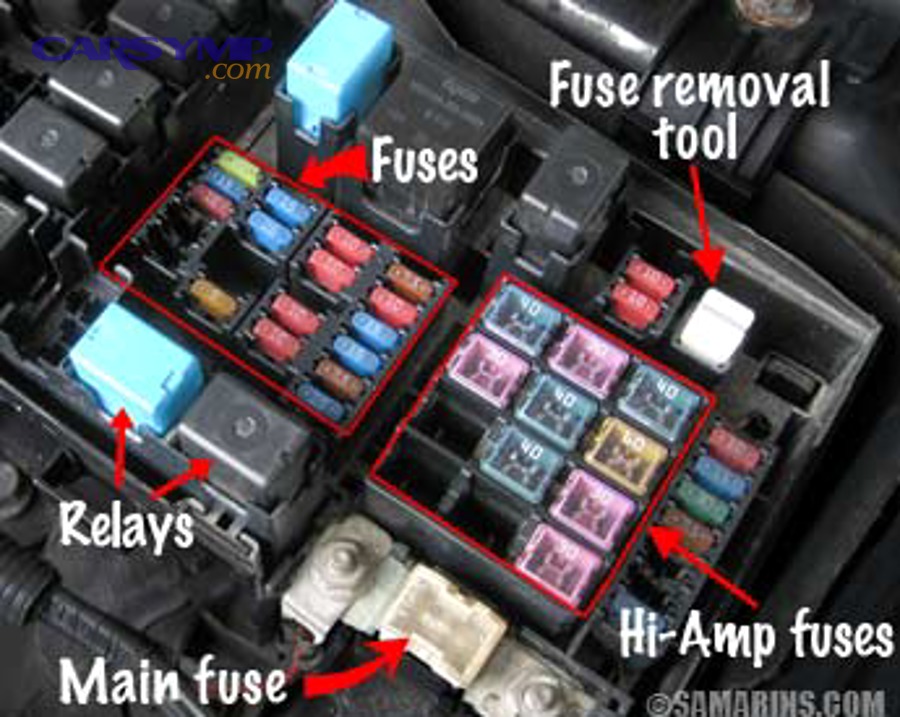
Relays and fuse contacts can degrade over time, creating resistance that heats the circuit even if nothing has “blown” yet.
Hơn nữa, a relay that sticks or chatters can repeatedly surge current, which is rough on the motor and the connectors.
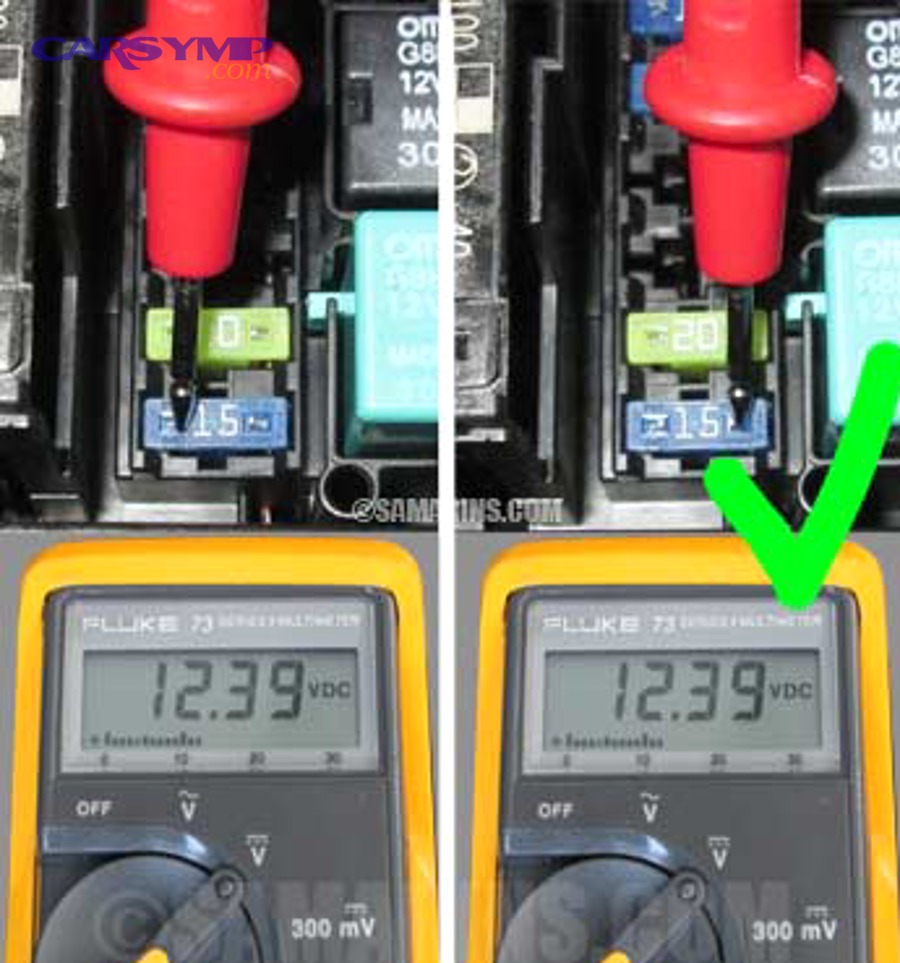
If you’ve had intermittent fan behavior, checking relay condition and contact integrity is a high-value step. Use correct ratings and avoid “bigger fuse” shortcuts; that can remove the circuit’s safety margin and increase fire risk.
Now that power delivery is cleaner, the next focus is the motor’s internal enemies: friction and heat management.
How do you reduce friction and heat inside the blower motor?
You reduce friction by keeping debris out, preventing imbalance, and addressing bearing or bushing wear early so the motor doesn’t have to fight mechanical drag that turns electricity into heat.
Tiếp theo, the key is catching the “early wear” stage, not waiting for total failure.
What early noises mean—and which ones are urgent
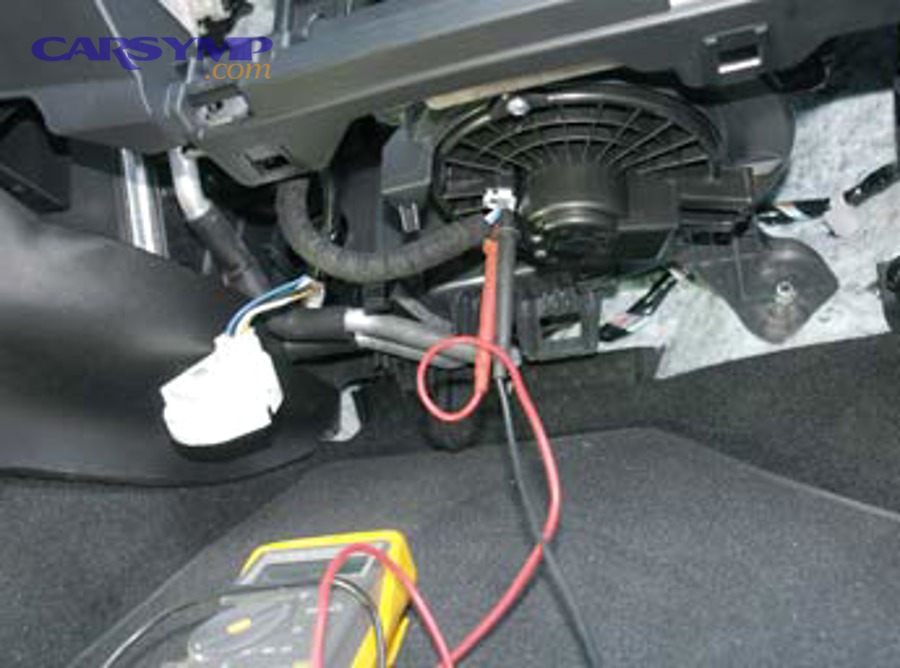
Squeals, chirps, or grinding sounds often indicate bearing/bushing wear, debris contact, or an imbalanced wheel, and they are urgent because mechanical drag rapidly increases heat.
Cụ thể hơn, a noise that changes with fan speed is a strong clue the issue is inside the blower assembly rather than a vent door or dash trim.
If the sound is sharp at startup and then fades, friction may be temperature-sensitive—still a risk, because it can worsen in hot weather when materials expand and lubrication is less effective.
If you hear scraping, stop using high speed until you inspect; a stuck leaf or broken blade can turn into a jam that overheats the motor.
Why “just run it” can turn minor drag into burnout
Continuing to run a dragging motor forces higher current draw, which accelerates winding insulation breakdown and increases the odds of thermal failure.
Do đó, the most protective habit is to lower fan speed when you notice abnormal sound and fix the root cause promptly instead of compensating with more speed.
In real ownership, this is where many drivers end up at blower motor replacement sooner than necessary: they keep using max speed to overcome weak airflow and ignore the mechanical warning signs.
Once friction is controlled, one more major burnout multiplier remains: moisture and contamination.
How do you prevent moisture, corrosion, and debris from attacking the motor?
You prevent moisture damage by keeping the HVAC housing dry, ensuring drains aren’t blocked, and stopping debris entry so corrosion and swelling don’t create drag or electrical resistance.
Đặc biệt, moisture problems often begin as “small leaks” that become chronic because they are hidden behind trim.
How water intrusion turns into electrical and mechanical failure
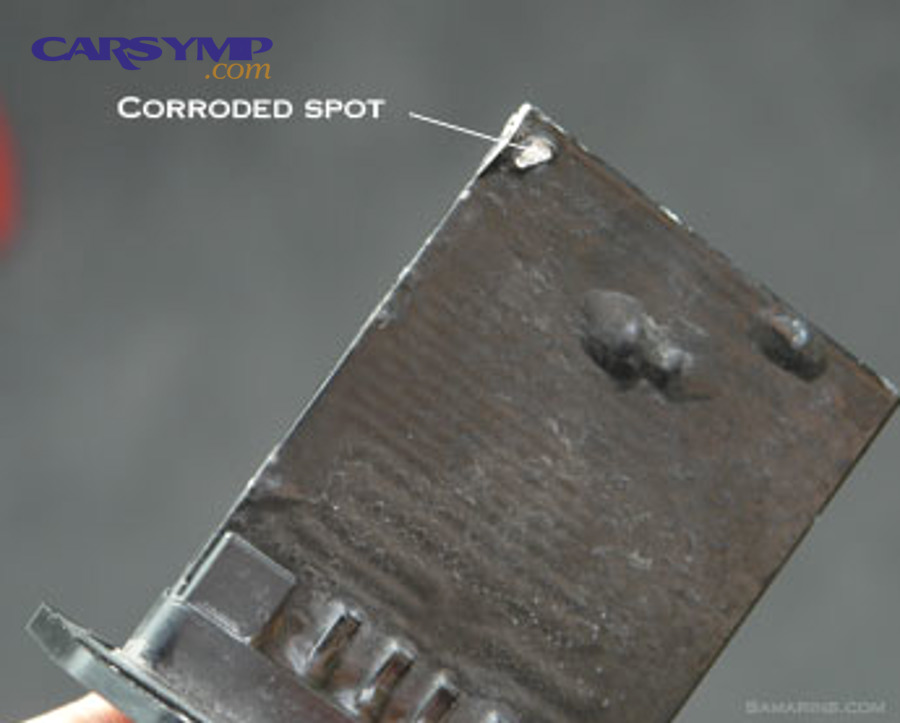
Water intrusion promotes corrosion in connectors and speed-control parts and can also carry grit into the housing, creating drag and imbalance that stress the motor.
Cụ thể, if you notice damp carpets, fogging that won’t clear, or a musty odor, treat it as an HVAC moisture warning rather than “just humidity.”
Also watch for repeated leaves and debris near the intake area; that can trap water, keep the housing damp, and feed contamination into the blower assembly.
Fixing leaks early is cheaper than replacing burned connectors and motors later.
How to keep rodents and debris from causing sudden jams
Rodent nesting material and loose debris can jam the wheel, causing a sudden spike in load and heat that can burn the motor quickly.
Hãy cùng khám phá, a simple prevention step is to keep the cowl area clean, avoid storing food-smelling items in the cabin, and address any “scratching in dash” signs immediately.
If you find heavy debris, remove it carefully and verify the wheel spins freely by hand (with power off). A free-spinning wheel is a strong indicator you’ve removed the immediate overload condition.
With airflow and cleanliness handled, the next protection lever is smart usage—how you operate the system day to day.
What daily HVAC habits keep the blower motor from overworking?
Smart habits prevent burnout by reducing long, continuous max-speed operation and by using settings that reach comfort quickly, then stepping down to a lower steady-state load.
Tiếp theo, think of it as “burst power, then cruise.”
How to use max speed without punishing the motor
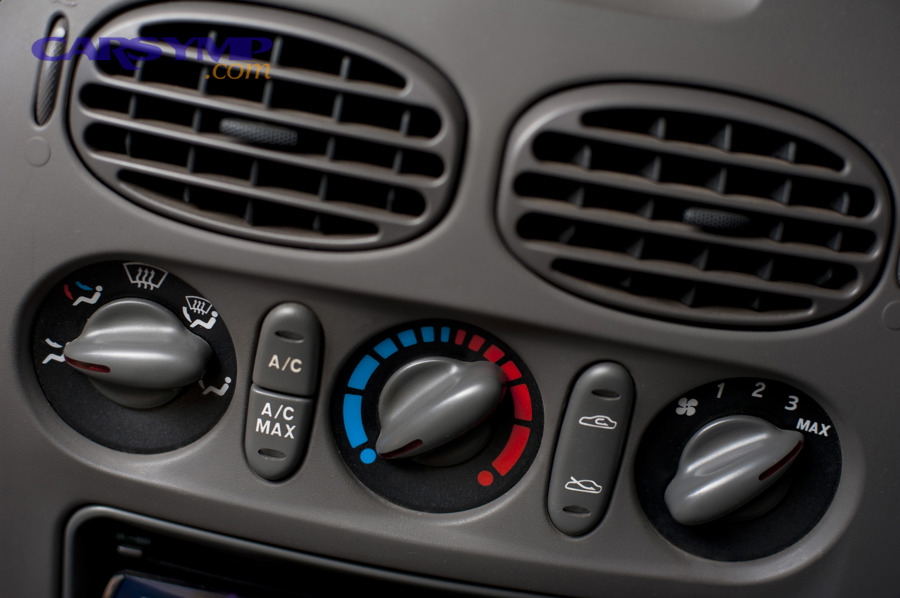
Use max speed for a short initial purge, then reduce speed once airflow stabilizes—this minimizes heat buildup while still delivering fast comfort.
Cụ thể, start with outside air briefly if the cabin is hot and stale, then switch to recirculation once temperatures normalize so the system can maintain comfort with less fan demand.
If you regularly drive in dusty or smoky environments, consider “moderate speed for longer” rather than max speed continuously, because max can pull more debris into the intake path and load the filter faster.
These small operating choices keep the motor cooler across the same trip distance.
Why defrost mode can be a high-load trap in winter
Defrost often runs the system hard—high airflow plus dehumidification demands—so a restricted filter or weak electrical connection can overheat components faster during repeated winter use.
Quan trọng hơn, if defrost performance suddenly worsens, don’t immediately blame the heater core; first confirm airflow health and the absence of restriction.
Also avoid blocking vents with mats, phone mounts, or dash covers that redirect airflow poorly; the driver then compensates by turning the fan up, increasing motor load unnecessarily.
Now that habits are optimized, the last main question becomes: how do you catch failure early before it becomes burnout?
Which warning signs tell you the motor is heading toward burnout?
Warning signs include rising noise, intermittent speeds, burning smell, weak airflow that improves only on higher settings, and repeated fuse/relay heat—these indicate increasing resistance or mechanical drag.
Sau đây, we translate these into actionable checks so you can decide whether to clean, repair, or seek service.
What smells, sounds, and behaviors should make you stop and inspect
A hot electrical smell, visible smoke, or a fan that shuts off and restarts are “stop and inspect” signals because they suggest overheating or arcing in the circuit.
Cụ thể, if the plug at the motor or control module feels unusually warm after short use, that’s a strong indicator of resistance at the connection.
Also take note if the fan only works after you hit bumps or slam a door—this behavior often points to a loose connector, worn relay, or ground issue rather than a purely mechanical failure.
These symptoms should never be ignored, because repeated heat cycles damage insulation and can cascade into full burnout.
How to interpret speed-specific problems without guessing
If only certain speeds work, it often indicates a speed-control issue rather than the motor itself, but the motor can still be at risk if the problem causes heat and resistance.
Tuy nhiên, if every speed is weak and the motor is noisy, airflow restriction and wheel contamination rise to the top of the list.
This is where “Car Symptoms” tracking helps: write down when it happens (hot day, rain, after wash, only on max, only on turns) and you’ll narrow the root cause faster than random parts swapping.
Once you can classify the symptom, you can choose the right preventive action instead of accidentally escalating the stress.
What is a realistic prevention plan you can follow year-round?
A realistic plan combines periodic airflow checks, basic electrical inspection, and smart operating habits so the blower motor stays cool, balanced, and properly powered through every season.
Như vậy, the goal is not perfection—it’s consistency and catching drift before it becomes damage.
Seasonal checklist you can actually keep
Do a quick inspection at seasonal transitions—spring pollen, summer heat, fall leaves, winter rain/snow—because those are the times restrictions and moisture issues spike.
Cụ thể, focus on three questions: “Is airflow strong at low speed?”, “Is the fan quiet and smooth?”, and “Do any connectors look heat-stressed or corroded?”
If the filter is questionable, replace it. If the wheel sounds off, inspect for debris. If the electrical side looks browned or loose, repair it now rather than after it fails under max load.
This is the kind of small maintenance that prevents a surprise breakdown during the worst weather.
When to stop DIY and get the right help
Get professional help when you have repeated electrical overheating, melted connectors, water intrusion you can’t locate, or persistent mechanical noise—because these conditions can escalate into safety risks.
Hơn nữa, a technician can measure current draw, confirm voltage drop, and verify that the control module and ground paths are healthy under real operating load.
If your situation points toward How to access blower motor by vehicle differences—tight dashboards, airbag proximity, or complex trim—using a service guide prevents damage and makes the job safer.
If prevention has been missed for a long time, ask for an inspection that includes housing cleanliness and drain condition, not just “does the motor spin.”
Contextual Border: The sections above cover the root prevention actions (airflow, electrical health, friction control, moisture defense, habits, and early warnings). Below are edge-case protections and long-life choices that matter when you want extra durability or you drive in harsh conditions.
Edge-Case Protections and Long-Life Choices
These add-ons and decision points help when your vehicle sees extreme dust, humidity, long commutes, or repeated high-load defrost cycles—situations where small weaknesses can become burnout faster.
Để bắt đầu, choose the option that matches your driving environment rather than upgrading everything at once.
Moisture and debris defenses for harsh environments
In wet or leafy regions, prevention improves when you keep the cowl area clean and verify water drains freely so moisture doesn’t pool near the intake and blower housing.
Cụ thể, if your cabin frequently smells musty or windows fog easily, treat it like a moisture-management problem: dry the source, then restore airflow so dampness doesn’t linger on internal surfaces.
For smoky or dusty areas, consider more frequent filter checks and avoid “max fan all day,” since higher flow can load the filter faster and pull more fine debris into the intake path.
This approach reduces both mechanical contamination and the electrical heat caused by extra load.
Electrical upgrades that reduce heat in aging systems
In some older vehicles, improving the quality of connections and addressing known weak points (like heat-stressed plugs) can reduce resistance and heat under high fan settings.
Ví dụ, replacing a loose connector with a properly crimped repair pigtail can be more protective than repeatedly cleaning a terminal that no longer grips tightly.
When budgeting, it also helps to know the bigger picture: a Blower motor replacement cost estimate often looks small compared with the cost of repeated diagnostics, interior disassembly, and collateral repairs from heat-damaged wiring.
So the “upgrade” isn’t about performance—it’s about reducing waste heat and stabilizing current flow.
When professional service saves the motor (and the dashboard)
Professional service is the right move when access is complex, when there is evidence of overheating, or when moisture intrusion is suspected behind trim and insulation.
Quan trọng hơn, modern vehicles can hide HVAC components deep in the dash, and rushed DIY work can crack housings, damage wiring, or create rattles that become long-term annoyances.
If you’re already hearing persistent mechanical noise, ask for a full inspection of the wheel and housing before committing to parts, because sometimes cleaning and correcting the cause prevents repeat failures after installation.
And if replacement is required, doing it correctly once beats repeated partial fixes that keep the system in a high-stress state.
Quick FAQ for everyday drivers
Q: Is it bad to run the fan on max all the time?
Yes, it increases continuous heat and wear; use max to recover quickly, then step down once comfort stabilizes to reduce long-term load.
Q: If airflow is weak, should I assume the motor is failing?
No; check restrictions first (filter, intake, wheel contamination). Many “weak fan” cases are airflow resistance issues that overload the motor.
Q: What’s the fastest prevention win if I can only do one thing?
Restore easy airflow (clean/replace the filter and keep the blower wheel/housing free of debris), because lower load reduces both mechanical stress and electrical heat.
Q: When does prevention turn into replacement?
When there is persistent dragging noise, overheating smell, repeated electrical heat damage, or the wheel/motor can’t spin smoothly even after cleaning—then blower motor replacement may be the safer, more reliable endpoint.