A knock that’s loud at idle but changes (or worsens) under acceleration is not random noise—it’s a diagnostic pattern. The fastest way to narrow the cause is to observe when it happens (idle vs load), how it changes with RPM, and where it seems to come from (top end vs bottom end).
This guide also helps you separate lifter tick vs rod knock, because those two sounds often get confused—and the difference matters. One typically points to valvetrain/lubrication issues, while the other can signal serious bottom-end wear.
You’ll also get a practical safety filter: which symptoms suggest you can do basic checks first, and which ones mean you should stop driving and get professional help before damage escalates.
Introduce a new idea: below is a step-by-step workflow that turns “engine knock” from a vague symptom into a set of reliable clues you can act on.
What does “engine knock” mean, and is it always the same noise?
Engine knock is a catch-all label drivers use for any sharp tapping, pinging, thudding, or rattling sound from the engine bay, but it can come from combustion (detonation/ping) or mechanical sources (valvetrain, bearings, accessories). Next, because “knock” describes multiple problems, you need a simple sound taxonomy before you diagnose anything else.
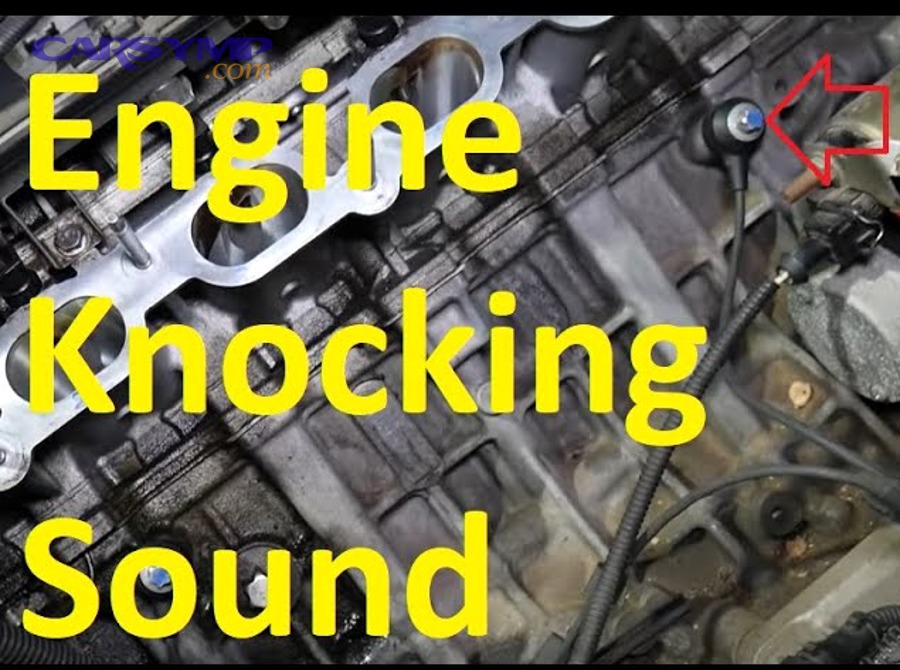
In real-world troubleshooting, your first job is to decide which “family” your noise belongs to:
- Combustion knock (ping/detonation): often a higher-pitched metallic rattle or “marbles in a can” sound, commonly triggered by load, heat, or low octane.
- Top-end mechanical noise (valvetrain/lifter tick): a sharper, faster rhythmic tapping that tracks RPM closely.
- Bottom-end mechanical knock (rod/main bearings): a deeper, heavier knock that often gets louder under load and can become catastrophic if ignored.
- External knock-like noises: heat shields, exhaust leaks, belt-driven accessories, and even driveline parts can mimic engine knock.
Is engine knock the same as pinging, ticking, or rattling?
Engine knock is not the same as pinging, ticking, or rattling—those labels usually describe different sources, and each source follows a different “when-it-happens” pattern. Specifically, once you match sound + condition, you reduce guesswork and speed up your knocking noise diagnosis.
Here’s a practical comparison you can use without special tools:
- Pinging/detonation: appears under load (hill, acceleration), may disappear when you lift off the throttle, and often changes with fuel quality or heat.
- Lifter tick: audible at idle or light throttle, increases with RPM, and may quiet down as oil pressure stabilizes (or worsen if oil is wrong/low).
- Rod knock: deeper tone, can be present at idle but typically becomes more obvious with snap throttle or load, and may worsen as the engine warms and oil thins.
What are the most common sources of a knock-like sound?
There are 4 main types of knock-like sources: combustion knock, valvetrain noise, bottom-end bearing knock, and external rattles, grouped by whether the sound comes from combustion events, moving parts, or loose components. Then, once you know the group, you can prioritize checks from “easy and cheap” to “serious and urgent.”
1) Combustion-related
- Low octane fuel or poor fuel quality
- Excessive ignition advance, hot spots, or carbon buildup
- Overheating, lean conditions, or high boost without proper tuning
2) Valvetrain-related (top-end)
- Lifter tick (hydraulic lifters bleeding down, oil aeration)
- Rocker/adjuster wear, cam/lobe issues, timing chain slap in some cases
- Variable valve timing (VVT) actuator/phaser noise
3) Bottom-end-related
- Rod bearing clearance (classic rod knock)
- Main bearing wear, severe oil starvation, crank damage
4) External “imposters”
- Heat shield rattle, loose brackets, exhaust knock
- Belt tensioner/idler pulley noise
- Loose spark plug, exhaust manifold leak (“tick” that mimics lifters)
Can you safely drive with engine knock?
No—engine knock is not safe to ignore because it can indicate (1) damaging detonation, (2) oil-pressure-related valvetrain failure, or (3) bottom-end bearing wear that can seize the engine. However, the urgency depends on the knock pattern, so you should use a quick risk filter before you drive further.
Use this simple decision rule:
- Stop driving now if you have: low oil pressure warning, sudden loud deep knock, misfire + power loss, overheating, or metal flakes in oil.
- Drive only to diagnose carefully (short distances, light load) if the noise is light, intermittent, and you have no warning lights—then do basic checks immediately.
- Assume urgent if the knock is deep, load-sensitive, and getting worse—rod knock can progress quickly.
Does knock at idle point to different causes than knock under acceleration?
Yes—knock at idle and knock under acceleration usually point to different causes because idle has low cylinder pressure and low mechanical load, while acceleration increases both combustion pressure and bearing forces, revealing different failures. Next, use the “idle vs load” split as your main diagnostic fork, because it’s one of the most reliable clues.
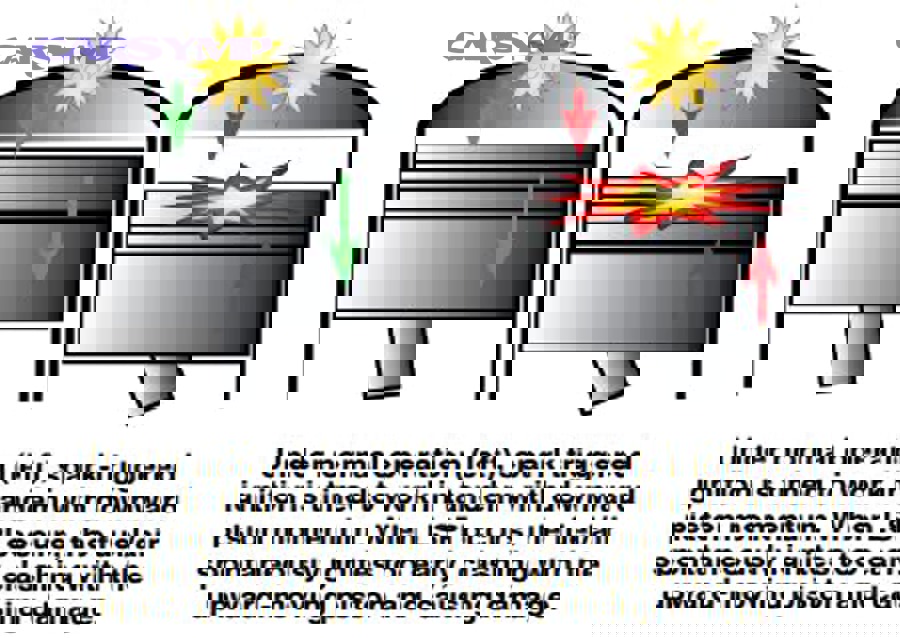
At idle, the engine is lightly loaded. Noise tends to come from:
- Oil-pressure-sensitive parts (lifters)
- Loose components vibrating at idle frequency
- Exhaust leaks that “tick” more clearly at low RPM
Under acceleration, the engine is heavily loaded. Noise tends to come from:
- Detonation/pinging (combustion instability)
- Rod bearings or piston-to-cylinder forces
- Flexplate/torque-related rattles
If the knock is loudest at idle, what are the most likely causes?
There are 5 main types of idle-dominant knock sources: lifter/valvetrain tick, oil-pressure/lubrication issues, exhaust leaks, heat shield rattle, and accessory drive noise, grouped by what is most audible at low RPM. Then, you confirm each group by how it reacts to small RPM changes and simple inspections.
1) Lifter tick / valvetrain tapping
- Often rhythmic, speeds up with RPM
- May get quieter after a cold start (or the opposite if oil is thin/hot)
2) Oil level/quality problems
- Low oil can starve lifters and bearings
- Wrong viscosity can reduce film strength at temperature
3) Exhaust leak tick (often mistaken for lifters)
- Small manifold leaks can “tick” at idle and during light throttle
- Often louder near the wheel well or manifold area
4) Heat shield or bracket vibration
- Thin metal shields resonate at idle, then quiet as RPM changes
- Classic scenario for Exhaust knock and heat shield rattle checks
5) Belt-driven accessory noise
- Tensioner/idler bearing noise can mimic tapping
- Often changes when A/C load engages (but don’t chase this unless you can do it safely)
If the knock gets louder with acceleration, what are the most likely causes?
There are 4 main types of acceleration-louder knock sources: detonation/pinging, rod bearing knock, piston slap/clearance noise, and torque-related flexplate/driveline rattles, grouped by whether load and cylinder pressure amplify the sound. Next, you can separate these by how the sound behaves at steady cruise vs snap throttle.
Detonation/pinging
- More likely when you accelerate, climb, or lug the engine in a high gear
- Often improves with higher octane or reduced heat
Rod bearing knock
- Deep knock; commonly worsens under load
- May be most obvious during a quick throttle blip from idle or when revs rise under load
Piston slap / clearance
- Sometimes louder cold, can lessen warm
- Often more of a hollow slap than a deep knock
Flexplate/torque converter rattle (automatic)
- Can change with gear engagement and load transitions
- Sometimes sounds like a knock “at the back of the engine”
Does the knock change when the engine is cold vs fully warm?
Yes—temperature changes can flip the diagnosis because cold oil is thicker and clearances differ, while warm oil thins and metal expands. More importantly, temperature behavior helps you distinguish “clearance/film” problems from “loose parts” problems.
Use these patterns:
- Louder cold, quieter warm: sometimes points to piston slap or a top-end noise that improves as oil pressure stabilizes.
- Quieter cold, louder warm: raises suspicion for oil-film-dependent issues (bearing clearance, low hot oil pressure) or oil viscosity mismatch.
- No temperature change: often external rattles (heat shield, bracket) or an exhaust leak that remains consistent.
How can you tell lifter tick vs rod knock using idle vs acceleration clues?
Lifter tick vs rod knock can be separated by tone, location, and load sensitivity: lifter tick is typically a light, fast tap from the top end, while rod knock is a deeper, heavier sound that often worsens under load. Next, you’ll use consistent clues rather than volume alone, because a loud tick can still be top-end—and a mild knock can still be serious.
To make this concrete, the table below summarizes what each noise typically “likes” (conditions that make it easier to hear). Use it as a field guide—not a final verdict.
Table: Quick comparison of lifter tick vs rod knock clues
| Clue | Lifter tick tends to… | Rod knock tends to… |
|---|---|---|
| Tone | Sharp, clicking/tapping | Deep, dull knock |
| Best heard | Idle, light throttle | Load, acceleration, snap throttle |
| Location | Top of engine/valve cover | Lower block/oil pan area |
| Temperature effect | May change with oil pressure | Often worsens warm/under load |
| Risk level | Moderate (varies) | High (can become catastrophic) |
Does the sound speed up with RPM like a “tick,” or thud like a “knock”?
Lifter tick wins in RPM-tracking speed, rod knock wins in load-amplified thud, because valvetrain events happen rapidly and cleanly with RPM, while bearing clearance issues create heavier impacts under force. However, you should listen for shape of the sound, not just frequency.
Try a safe listening approach:
- At idle, note the rhythm. A lifter tick often sounds like rapid tapping that becomes tighter and faster as RPM rises.
- A rod knock often keeps a heavier “thunk” character and becomes more obvious when the engine is asked to do work.
Is the noise louder at the top of the engine or the bottom?
Yes—location is one of the best differentiators: top-end noise suggests lifters/rockers/timing components, while bottom-end noise suggests bearings or rotating assembly issues. Next, use simple “where it resonates” logic rather than chasing echo in the engine bay.
Practical tips (no special tools required):
- Listen near the valve cover area (top) versus near the oil pan/lower block (bottom).
- If you can safely use a mechanic’s stethoscope, great—but even a long screwdriver to the ear (carefully, away from belts) can help.
Does oil level or oil pressure change the sound?
Yes—oil level/pressure changes often affect lifter tick sooner than rod knock, because hydraulic lifters rely directly on stable oil pressure and clean oil passages; rod knock can persist even after topping off oil if clearance is already excessive. More importantly, oil symptoms guide your first action steps.
Watch for these combinations:
- Tick + low oil level + quiets after oil service: often points to valvetrain/lubrication issues (still needs attention, but not automatically “engine done”).
- Deep knock + oil light flicker + worsens warm: treat as urgent; oil film may be failing under heat and load.
What quick tests can drivers do to narrow the cause (without tools vs with basic tools)?
A reliable workflow is (1) reproduce the noise safely, (2) isolate external rattles, and (3) gather basic engine data, which can narrow the cause dramatically without disassembly. Next, you’ll apply DIY listening tests and inspection steps in a specific order so you don’t skip the obvious.
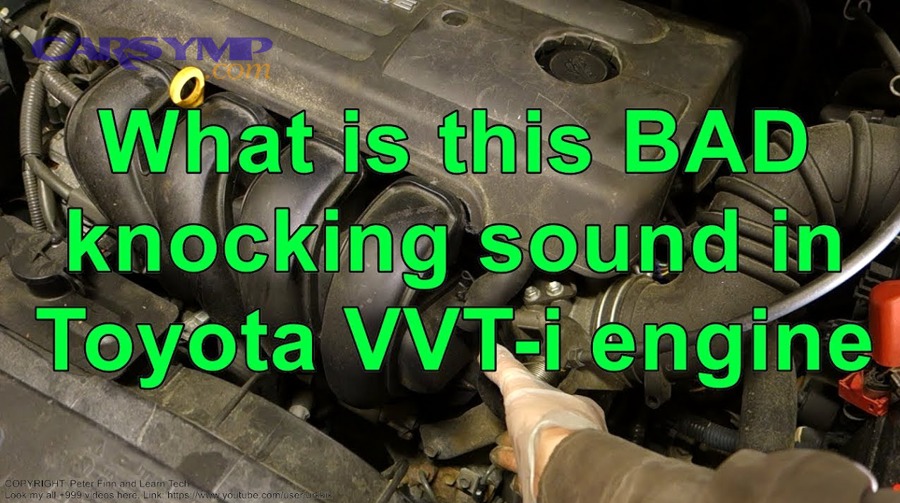
If you want one guiding principle: start with checks that can’t harm the engine, then move toward tests that might confirm internal damage.
Can you reproduce the knock in a controlled way (idle, blip throttle, light load)?
Yes—controlled reproduction is the foundation of a good knocking noise diagnosis because it reveals whether RPM, load, or temperature is the trigger. Then, once you can repeat it, you can compare patterns rather than guessing.
Safe reproduction script:
- Start at idle with the hood open (park/neutral, parking brake set).
- Listen for 20–30 seconds: is it steady, intermittent, or tied to a certain RPM?
- Blip the throttle briefly (do not hold high RPM): does it become sharper (tick) or heavier (knock)?
- If the noise appears only under load, test gently on a flat road: light acceleration in a safe area, then lift off.
Safety cautions:
- Don’t rev a suspected rod knock repeatedly—if it’s bottom-end, load and RPM can worsen damage quickly.
- If oil pressure warning appears, stop.
What can you learn from a basic OBD2 scan (misfire, knock retard, fuel trims)?
An OBD2 scan can tell you whether the engine is reacting like a combustion problem—misfire codes, lean/rich trims, or timing adjustments—which supports detonation/ping diagnosis versus purely mechanical noise. More specifically, scan data helps you avoid replacing parts based on sound alone.
Look for:
- Misfire codes (P0300–P030x): can point to combustion irregularities that sometimes coincide with pinging or a “rattle” under load.
- Fuel trim anomalies: large positive trims can hint at lean conditions that raise knock risk.
- Knock-related behavior: many vehicles pull timing when knock is detected, changing performance and sometimes reducing audible ping.
What should you check first: oil level/condition, loose shields, belt drive, exhaust leaks?
There are 4 first checks you should do before assuming internal engine damage: oil level/condition, external rattles, exhaust leaks, and accessory drive noise, because these are common, fast to verify, and often inexpensive to fix. Next, you’ll use quick confirmations to eliminate “imposters” that mimic knock.
1) Oil level and condition
- Check level on flat ground, engine off, after a few minutes of drain-back.
- Oil that’s extremely dark, thin, or smells like fuel can correlate with lubrication/combustion issues (not a proof, but a clue).
2) Heat shields and brackets
- Tap suspected shields lightly (engine off, cool). If it rattles, you may have found the culprit.
- This is where Exhaust knock and heat shield rattle checks often solve the “mystery knock.”
3) Exhaust leaks
- Listen for a sharp tick near the manifold area, especially at cold start.
- Soot marks around joints can be a clue.
4) Belt drive
- Listen near the belt area for rhythmic bearing noise.
- If you’re not experienced, don’t remove belts as a “test” because that can cause overheating or other problems.
What causes match each clue—and what are the first fixes to try?
There are 3 primary cause buckets behind most knock complaints—detonation/pinging, valvetrain tick, and bottom-end bearing knock—and each bucket has a different “first fix” path that saves time and money. Next, you’ll map clues to actions so your troubleshooting stays logical.
If it’s detonation/pinging under acceleration, what are the first fixes?
There are 5 first fixes for detonation/ping: correct octane, reduce heat, verify spark plugs, address carbon buildup, and check fueling/timing-related issues, because these factors directly affect end-gas auto-ignition risk. Then, if ping persists, you escalate to diagnostics rather than stacking random additives.
Start here:
- Use the correct octane recommended by the manufacturer. If you used lower octane, correct it and retest.
- Address overheating: coolant level, radiator airflow, and fan operation matter because heat promotes knock.
- Check spark plugs: wrong heat range, worn electrodes, or incorrect gap can contribute to abnormal combustion.
- Consider carbon buildup: deposits can create hot spots and increase effective compression.
- Scan for lean conditions: vacuum leaks, MAF issues, or fuel delivery problems can raise knock risk.
According to a study by University of Messina from the Department of Engineering, in 2019, increasing water-to-fuel ratio in a CFR engine increased knock resistance (octane number) and reduced in-cylinder pressure oscillations associated with detonation.
If it’s lifter tick at idle, what are the first fixes?
There are 4 first fixes for lifter tick: correct oil level/spec, improve oil quality/flow, verify oil pressure behavior, and inspect valvetrain-related components, because lifters depend on stable oil pressure and clean passages to maintain proper lash. Next, you’ll focus on lubrication fundamentals before assuming a major mechanical failure.
Start here:
- Correct oil level immediately if low (and check for leaks/consumption).
- Use the correct oil viscosity and spec for your engine; wrong viscosity can worsen hot-noise behavior.
- Replace oil and filter if maintenance is overdue; sludge can restrict lifter oiling.
- Listen for pattern changes after oil correction: improvement supports a lubrication-driven top-end issue.
Escalate if:
- Tick becomes louder over time
- You notice misfires, power loss, or metal debris
- The noise persists despite correct oil and maintenance
If it’s rod knock that worsens with load, what should you do next?
No—if it’s likely rod knock, you should not keep driving because (1) bearing clearance can worsen rapidly, (2) oil pressure can collapse under load, and (3) a spun bearing can damage the crankshaft and seize the engine. More importantly, your next step should shift from DIY checks to damage limitation.
Immediate next steps:
- Stop heavy driving and avoid acceleration tests.
- Check oil level and look for glitter/metal (a strong warning sign).
- Arrange professional inspection; towing is often the safer choice if the knock is loud and deep.
According to a study by University of Messina from the Department of Engineering, in 2019, pressure-trace analysis showed that reducing detonation reduced cylinder pressure oscillations—highlighting why a deep mechanical knock that persists is not the same phenomenon and demands different action.
When should you stop driving and get professional diagnosis immediately?
Yes—you should stop driving immediately if the knock is paired with (1) low oil pressure warnings, (2) sudden loud deep knocking, or (3) overheating/power loss, because these signals strongly correlate with imminent engine damage. Next, you’ll use a clear “stop-now” checklist so you don’t gamble on a high-risk situation.
Is there a low oil pressure warning, metal flakes, or a sudden loud knock?
Yes—if any of these are present, stop driving because low oil pressure can destroy bearings, metal flakes suggest active wear, and sudden loud knock can indicate rapid clearance failure. More importantly, continued operation can turn a repairable problem into an engine replacement.
Stop-now indicators:
- Oil pressure light on or flickering
- Metallic glitter on dipstick or in drained oil
- Knock suddenly becomes loud, deep, and constant
- The engine stalls, binds, or the sound changes to grinding
Does the knock happen with misfire, smoke, or overheating?
Yes—knock plus misfire, smoke, or overheating is urgent because misfires increase vibration and stress, smoke can indicate oil/coolant involvement, and overheating accelerates detonation and lubrication breakdown. Then, your priority becomes preventing secondary damage, not “testing it a little more.”
Urgent combinations:
- Knock + flashing check engine light (active misfire)
- Knock + temperature spike or coolant loss
- Knock + blue smoke (oil burning) or white smoke (coolant burning)
- Knock + significant power loss
How can you prevent engine knock from returning (and avoid false alarms)?
You can prevent recurring knock by (1) maintaining correct fuel and cooling health, (2) using the right oil and intervals, and (3) eliminating external rattles that mimic knock, which reduces both real failures and “false knock” scares. Next, you’ll expand beyond fixes into prevention—because the cheapest knock is the one that never comes back.
Which maintenance habits reduce knock risk the most (fuel, oil spec, cooling system)?
High-impact habits:
- Fuel: use recommended octane; avoid stale fuel if the car sits; keep injectors and intake clean.
- Oil: use correct viscosity/spec and change on schedule; check level regularly if your engine consumes oil.
- Cooling: maintain coolant level and system health; overheating is a knock multiplier.
- Ignition: replace plugs on time; wrong plugs can raise heat and trigger ping under load.
This is where prevention connects back to your original symptom: most recurring knock patterns are the result of repeating the same underlying stress—heat, poor lubrication, or carbon/fueling issues.
Can carbon buildup (especially in direct-injection engines) create knock clues that mimic bigger problems?
Yes—carbon buildup can create knock-like clues because deposits raise effective compression, create hot spots, and disrupt airflow, which can trigger pinging under acceleration that sounds alarming. However, carbon-related ping typically follows combustion conditions (load/heat) rather than sounding like a deep bottom-end knock.
If your vehicle is direct-injected and you notice:
- Ping under load despite correct octane
- Power drop and roughness
- Evidence of intake valve deposits (common in some DI designs)
…then carbon cleaning strategies and fueling diagnostics may matter more than mechanical repairs.
According to a study by University of Messina from the Department of Engineering, in 2019, water injection increased knock resistance and reduced pressure oscillations—supporting the broader point that lowering end-gas temperature and controlling combustion conditions reduces detonation-type knock under load.
What is “false knock,” and can loose mounts/heat shields trick the diagnosis?
False knock is a knock-like sound or vibration caused by non-combustion sources—like loose heat shields, brackets, or mounts—that can be mistaken for engine damage because it changes with RPM and resonance. More importantly, eliminating false knock prevents unnecessary repairs and keeps your diagnosis honest.
Practical “false knock” eliminators:
- Do methodical Exhaust knock and heat shield rattle checks with the car cool and safely supported.
- Inspect engine covers, undertrays, and brackets that can buzz at idle.
- Check for exhaust contact points that “tap” the body or subframe.
And one common confusion to call out: a noise you hear while driving is not always engine-related. A Suspension knock over bumps diagnosis follows road input (bumps, turns, braking) more than engine load. If the sound appears mainly over rough roads and doesn’t track RPM at all, shift your attention to sway bar links, strut mounts, ball joints, and bushings—because that’s a different system with different clues.
When is advanced diagnosis worth it (UOA, borescope, cylinder balance)?
Yes—advanced diagnosis is worth it when (1) the noise persists after basics, (2) you’re deciding repair vs rebuild, or (3) symptoms are subtle but recurring, because targeted tests can confirm internal wear without guesswork. Then, you can spend money on the right test once, instead of spending money on the wrong parts repeatedly.
Examples of “advanced” paths:
- Used oil analysis (UOA): can suggest abnormal wear metals over time (trend matters).
- Borescope inspection: can reveal heavy deposits or abnormal piston/cylinder conditions in some cases.
- Cylinder balance/power balance tests: can help isolate a cylinder-related issue (better handled by a professional with proper tooling and safety procedures).
Evidence (if any)
According to a study by University of Messina from the Department of Engineering, in 2019, experimental testing with a CFR engine found that increasing water-to-fuel ratio increased octane number and reduced in-cylinder pressure oscillations, supporting the principle that controlling combustion conditions reduces detonation-type knock under load.