


A realistic repair cost estimate for common knocking (clunking) noises starts by sorting the noise into the right system (engine, suspension, or steering), then pricing diagnosis + parts + labor + required add-ons like alignments, so you can budget without guessing.
Next, you’ll use “when it happens” clues—idle vs acceleration, bumps, or turning—to narrow the most likely culprit and avoid paying for the wrong repair.
Then, you’ll learn when paying for a professional inspection is the smartest move, because the cheapest fix and the most expensive fix can sound similar until the right checks confirm the source.
Introduce a new idea: once you understand what drives costs up or down and how to do safe triage, you can compare engine vs suspension vs steering repairs with far more confidence—and decide what to fix first.
What does a “knocking (clunking) noise” repair cost estimate include—parts, labor, and diagnosis?
A “knocking (clunking) noise” repair cost estimate includes three core costs—diagnosis, parts, and labor—plus add-ons like shop fees, taxes, and sometimes alignments, because noise repairs often require confirming the source before replacing anything.
To better understand why estimates vary so widely, it helps to break the quote into the exact line items a shop (or mobile mechanic) is pricing.
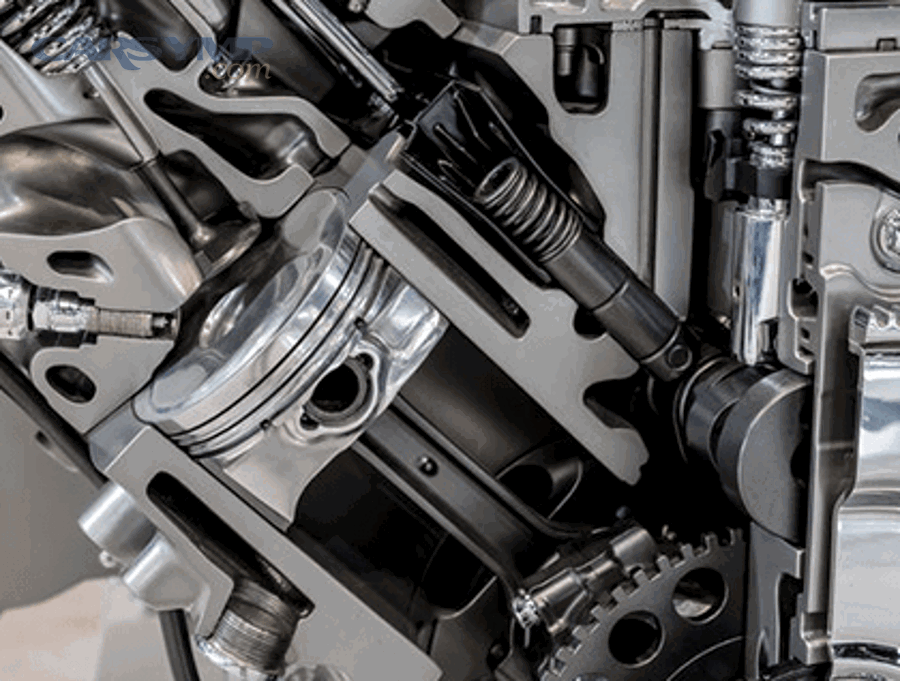
Is a paid inspection required before you can trust a repair cost estimate?
Yes—a paid inspection is often required for a trustworthy repair cost estimate for common knocking (clunking) noises because (1) many different parts can create similar sounds, (2) the same symptom can come from different systems, and (3) some knocks are intermittent and only appear under specific loads.
More specifically, a paid inspection becomes “worth it” when any of these are true:
- The sound changes with speed/load (quiet at idle, loud on acceleration, or only under light throttle).
- The sound appears only on certain roads (one kind of bump, driveway dips, or washboard surfaces).
- The sound happens during steering input (left turn only, full lock, or quick left-right transitions).
- The car feels different (wandering steering, vibration, pull, or braking instability).
In those cases, the real value isn’t just identifying the part—it’s preventing a misdiagnosis that leads to “replacement roulette,” where you keep buying parts without solving the noise. A solid knocking noise diagnosis converts uncertainty into a short list of confirmed repairs.
What are the biggest factors that make knock/clunk repair costs go up or down?
There are 6 main factors that make a repair cost estimate for common knocks go up or down: (1) labor rate, (2) access difficulty, (3) part choice, (4) severity and collateral damage, (5) required alignment/calibration, and (6) corrosion or seized hardware.
To illustrate how these factors move the estimate:
- Labor rate (location + shop type): The same part can cost far more in high-cost regions or at dealer-level labor rates.
- Access difficulty (packaging): Tight engine bays, AWD layouts, and subframe access can add hours.
- Part choice (OEM vs aftermarket): Premium parts increase parts cost but may reduce comebacks; cheap parts can create repeat labor.
- Severity: A mild “mount knock” is not priced like an internal engine knock.
- Add-ons: Steering/suspension repairs frequently require an alignment afterward to protect tires and handling.
- Corrosion: Rust-belt cars often need extra time for stuck bolts, broken fasteners, and heat cycles.
The quickest way to make estimates comparable is to ask each shop to separate: diagnosis fee, parts (brand/grade), labor hours, and add-ons.
What is the difference between diagnosis cost and repair cost for knocking noises?
Diagnosis cost is the fee to find the source of the knocking (clunking) noise, while repair cost is the price to replace/repair the confirmed cause, because diagnosis is about certainty and repair is about labor + parts.
Specifically, diagnosis may include:
- Road test and controlled reproduction of the noise
- Visual inspection of undercarriage, mounts, exhaust shields
- Checking for play in suspension/steering joints
- Sometimes scanning data or performing basic tests (depending on symptoms)
Repair cost then begins only after the source is confirmed—so you’re paying for a targeted fix, not a guess. This difference matters most when the noise could be engine vs suspension vs steering, because those systems can have dramatically different cost ceilings.
Which system is most likely—engine, suspension, or steering—based on when the knock happens?
There are 3 main system buckets for common knocking (clunking) noises—engine, suspension, and steering—based on the criterion “when and how the noise appears,” because trigger conditions are the fastest way to narrow the correct cost category.
Next, use the “trigger pattern” below to route your estimate into the right lane before you start pricing parts.
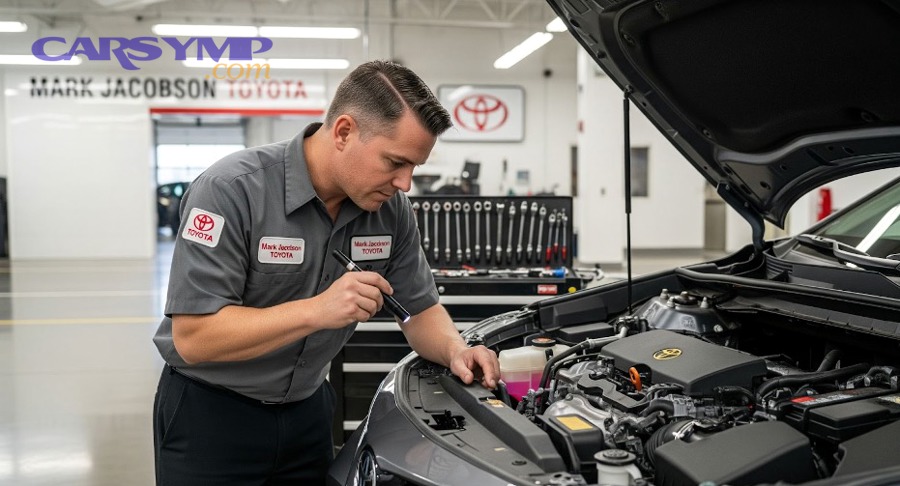
Does the knock happen at idle or on acceleration, and does that point to engine-related costs?
Engine wins in idle/acceleration-related knocks, suspension is best for bump-triggered clunks, and steering is optimal for turning-input knocks, because each system responds to a different type of load.
However, the idle vs acceleration split is especially useful for engine estimates:
- Idle knock: Often linked to mounts, accessories, or low-load engine issues; sometimes quieter and “thuddier.”
- Acceleration knock: Often linked to combustion knock/pinging, drivetrain load, or internal wear; can be sharper and more rhythmic.
If the knock becomes louder under load, you should treat engine-related estimates with extra caution, because the cost range can span from a minor correction (fuel/ignition related) to major internal work.
Does the knock happen over bumps, and does that usually mean suspension repair costs?
Yes—a knock or clunk over bumps usually points to suspension-related repair costs because (1) bumps load joints and bushings, (2) worn links and mounts “snap” under vertical travel, and (3) loose components can shift and hit under compression.
Besides the sound itself, these clues strengthen the suspension bucket:
- Noise is loudest on small sharp bumps (often links/bushings).
- Noise is loudest on big dips/driveways (often struts/mounts/control arm bushings).
- You feel a jolt through the floor rather than through the steering wheel.
Over-bump noises are where many DIY drivers save money by doing safe checks first—because the likely culprits can be confirmed by detecting play, torn boots, or loose hardware.
Does the knock happen when turning, and does that usually mean steering or CV/axle-related costs?
Yes—a knock when turning often points to steering or CV/axle-related costs because (1) turning loads tie rods and rack mounts, (2) steering input shifts joints laterally, and (3) CV joints click/knock under turning torque.
More importantly, turning-related knocks have a safety angle: if steering components are loose, you can lose precision and stability. That’s why Steering knock when turning diagnosis should prioritize confirming play in tie rods and ball joints before you price parts.
What are the most common suspension knock causes and what do they typically cost to repair?
There are 6 main suspension-related causes of common knocking (clunking) noises—sway bar links, control arm bushings, ball joints, struts/shocks, strut mounts, and loose hardware—based on the criterion “which part moves and takes load over bumps.”
To better understand suspension cost ranges, think in tiers: small parts with quick labor, medium parts with alignment, and bigger assemblies that combine both.
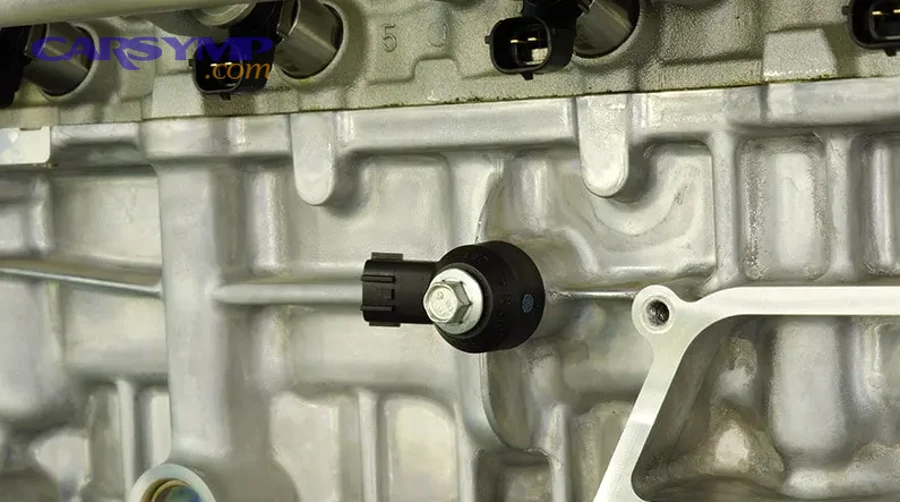
Which suspension parts most commonly cause a clunk over bumps, and how do their cost ranges compare?
Sway bar links win in low-cost clunk fixes, struts/mounts are best for mid-range suspension restores, and control arm assemblies are optimal for solving combined bushing/ball joint wear, because the total cost depends on how many wear items are bundled into the repair.
Here’s a practical “cost ladder” comparison for estimating:
- Lower-cost (often quick): sway bar links, loose heat shields mistaken for suspension, minor bushing issues
- Mid-range (more labor): struts/shocks, strut mounts, stabilizer bushings, wheel bearing checks (can mimic clunks)
- Higher-cost (assembly + alignment): control arms with bushings/ball joint, multiple worn joints, seized hardware situations
Your estimate becomes more accurate when you connect the symptom to the part: “single knock on one bump” vs “repeated clunking on rough roads,” and “front-left only” vs “both sides.”
When does a suspension knock repair also require a wheel alignment (and extra cost)?
Yes—a wheel alignment is often required after suspension knock repairs because (1) removing control arms, struts, or tie-in components can change angles, (2) toe/camber shifts can cause tire wear fast, and (3) alignment confirms the car tracks correctly after parts are replaced.
Specifically, expect an alignment add-on when you replace:
- Control arms or bushings that set geometry
- Struts (especially MacPherson struts)
- Any steering linkage that affects toe (even if you’re “only” chasing a clunk)
If a quote doesn’t mention alignment when it should, it isn’t necessarily dishonest—but it may be incomplete.
Should you replace one side or both sides for suspension knocks to control total cost long-term?
Replacing both sides wins for balanced handling and fewer repeat visits, replacing one side is best for tight budgets with confirmed single-side damage, and doing “as-needed” is optimal only when wear is truly isolated, because suspension parts age in pairs.
However, the long-term cost often improves with pair replacement for:
- Struts/shocks (matched damping)
- Control arm bushings (even wear)
- Sway bar links (often similar wear level)
If your goal is the lowest total cost over time, you avoid paying labor twice. If your goal is the lowest immediate estimate, you replace the confirmed bad side—while understanding you may be back soon for the other side.
What are the most common steering-related knock causes and what do they typically cost to repair?
There are 5 main steering-related causes of knocking (clunking) noises—outer tie rods, inner tie rods, steering rack mounts/bushings, intermediate steering shaft joints, and steering rack wear—based on the criterion “which component transmits steering force and can develop play.”
Next, treat steering knocks as both a cost issue and a safety issue, because looseness changes how the car tracks at speed.

Is a steering knock a safety risk that changes how urgently you should repair it?
Yes—a steering knock is often a safety risk because (1) looseness can increase rapidly, (2) worn joints can separate in extreme cases, and (3) steering play can reduce control during braking, lane changes, or pothole impacts.
More importantly, these red flags mean you should stop “estimate shopping” and prioritize immediate inspection:
- Steering wheel has free play before the wheels respond
- Car wanders or needs constant corrections
- You hear a clunk during quick left-right inputs at low speed
- You feel a knock through the steering wheel when turning or braking
Steering-related costs are rarely the cheapest category, but they’re often the most urgent when confirmed.
How do tie-rod, rack, and steering column-related repair costs compare?
Tie rod repairs win in lower total cost, rack mount/bushing repairs are best for mid-range fixes, and steering rack replacement is optimal for solving internal wear or leaks, because labor and part price rise as you move closer to the rack and hydraulic/electric components.
A simple comparison framework for estimates:
- Outer tie rod: usually the most affordable steering knock fix
- Inner tie rod: more labor than outer, often requires special tools
- Rack bushings/mounts: can be moderate if accessible
- Intermediate shaft: varies widely depending on vehicle design
- Steering rack: often the top-end steering estimate due to labor + alignment
Whatever the specific part, most steering linkage work requires alignment afterward—so include that when comparing quotes.
What symptoms help you distinguish steering knock from suspension knock before getting an estimate?
Steering wins when the noise follows steering input, suspension wins when the noise follows vertical travel, and overlap is common when worn parts exist in both systems, because the front end shares load paths.
Use these quick distinctions:
- Steering knock: clunk on turning the wheel at a stop, knock during quick steering corrections, feel in steering wheel
- Suspension clunk: knock mainly over bumps, louder with body roll, less tied to steering input
- Overlap clue: noise appears on bumps and when turning—often points to ball joints, control arms, or tie rods that sit at the intersection
This is where a focused Steering knock when turning diagnosis prevents paying for the wrong system.
What are the most common engine knock causes and what do they typically cost to repair?
There are 6 main engine-related causes of knocking noises—combustion knock (pinging), low oil/pressure-related knock, worn engine mounts, accessory drive issues, knock sensor-related problems, and internal bearing/rod knock—based on the criterion “whether the sound tracks combustion timing, lubrication, or mechanical play.”
To begin, separate “combustion knock” from “mechanical knock,” because they can sound similar but sit in different cost universes.
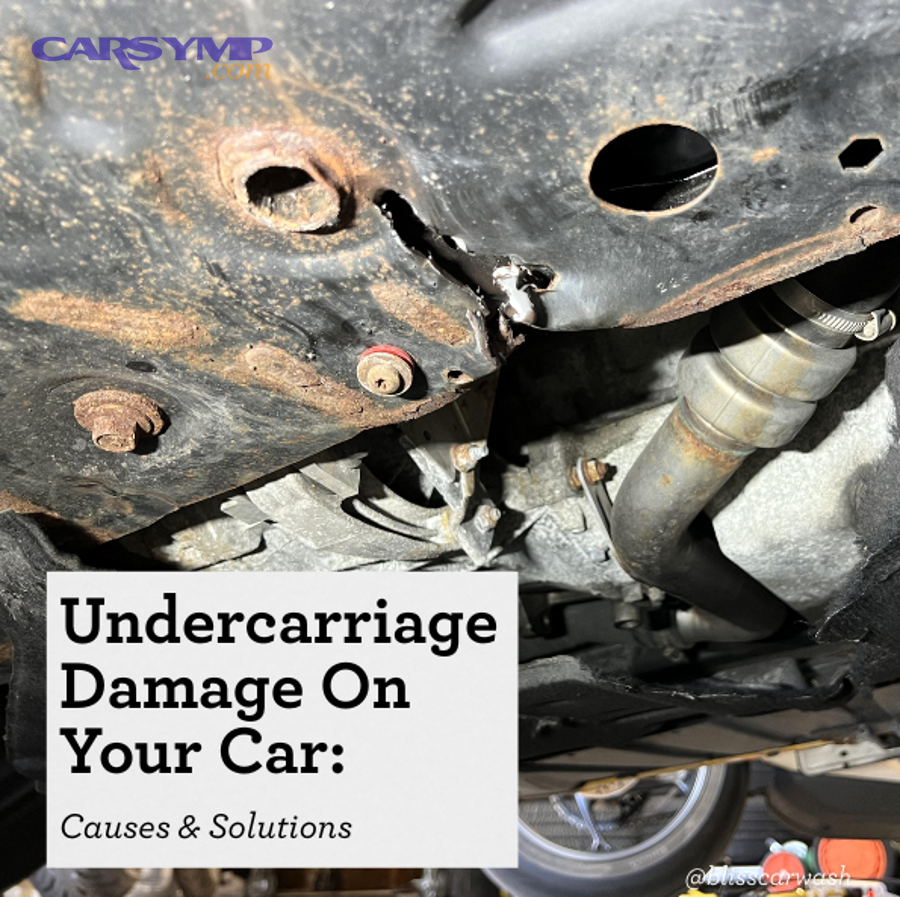
Is engine “pinging/knock” the same as rod knock, and how do their repair costs compare?
Combustion knock (pinging) wins for lower-cost fixes, mount/accessory knock is best for mid-range mechanical repairs, and rod knock is optimal only as a label for severe internal wear—because pinging is often tuning/fuel related while rod knock can imply internal damage.
Here’s the practical comparison:
- Pinging/combustion knock: often tied to fuel quality, ignition timing, carbon buildup, overheating, or knock control issues; estimates may involve tune-up corrections or sensor checks.
- Mechanical knock (mount/accessory): thuds or knocks linked to mounts, pulleys, or loose components; often repairable without opening the engine.
- Rod knock/internal bearing knock: deep rhythmic knock that often gets louder under load; can push the estimate toward rebuild/replace decisions.
This is why “engine knock” estimates should always begin with confirming the category, not guessing the worst.
Can a bad knock sensor cause knocking and what does it cost to replace?
A knock sensor issue is a detection/control problem that can trigger incorrect timing control and poor performance, but it is not always the true source of the knocking noise, because sensors can fail while a mechanical issue continues—or the engine can ping due to other causes.
More specifically, knock sensor-related estimates should include:
- Confirming codes/data and verifying wiring/connector condition
- Checking whether the engine is actually pinging or if the noise is mechanical
- Pricing sensor replacement labor based on access (some are easy; some are buried)
A smart approach is to treat the sensor as one branch of the knocking noise diagnosis, not the default answer.
When is an engine knock likely to be severe enough that repair costs approach rebuild/replace decisions?
Yes—an engine knock can be severe enough to approach rebuild/replace decisions because (1) oil starvation can damage bearings quickly, (2) internal knocks often worsen under load, and (3) collateral damage can spread through the lubrication system.
More importantly, these signs shift your estimate expectations upward:
- Knock is deep, rhythmic, and load-dependent
- Oil pressure warning light appears or pressure is abnormally low
- Noise persists after basic fixes and changes with cylinder load
- Metallic debris is suspected during oil inspection (handled by pros)
When those signs exist, you price the situation as “confirm severity first,” because the cost ceiling can rise rapidly.
How can DIY drivers do quick checks to narrow the cause and get a more accurate estimate?
DIY drivers can narrow the cause and improve estimate accuracy by doing 7 safe checks—listening pattern, location check, visual inspection, fastener check, exhaust shield check, play checks (with stands), and a controlled road test—because each check removes one major branch of uncertainty.
Next, keep these checks safe and simple: you are not trying to “prove” the exact part—you’re trying to collect clues that make your estimate and shop conversation precise.
What DIY listening and inspection steps are safe and most useful for knocking noise diagnosis?
DIY listening tests and inspection steps are most useful when they control one variable at a time—speed, load, bumps, or steering input—because you can link the knock to a system without tearing anything apart.
Specifically, use this safe checklist:
- Stationary listening (hood open, safe distance):
- Listen at idle, then a light blip of throttle (no prolonged revving).
- Note whether the sound is a sharp tick, dull thud, or metallic rattle.
- Location mapping:
- Engine bay (top/front), wheel wells, underbody near exhaust.
- A phone recording (hands-free) can help you compare later.
- Visual inspection (no lifting yet):
- Look for torn boots (ball joints/tie rods), leaking struts, missing fasteners.
- Check for obvious contact marks where parts have been rubbing.
- Exhaust knock and heat shield rattle checks:
- Tap heat shields lightly when cool and listen for metallic rattles.
- Look for broken hangers or shields near the catalytic converter and muffler.
- Safe lift + play checks (only with jack stands):
- Check for wheel play, tie rod movement, and joint looseness using correct procedures.
- If you’re not experienced, stop at “visual + symptom logging” and let a pro handle lifting.
The goal is not to become a mechanic in an hour—it’s to route the estimate correctly and avoid mislabeling a rattle as a “suspension rebuild.”
Which findings should you write down for the shop to avoid paying for duplicate diagnosis time?
There are 8 key findings you should document for a shop: (1) when it happens, (2) speed range, (3) steering angle, (4) road type, (5) temperature state, (6) location, (7) vibration/feel, and (8) recent work history—based on the criterion “what helps a tech reproduce the noise fast.”
More specifically, write it like a reproduction recipe:
- “Clunk over small bumps at 15–25 mph, louder front-left.”
- “Knock when turning right at low speed, especially at full lock.”
- “Knock appears after driving 10 minutes; absent when cold.”
- “Recent work: tires/alignment/brakes/control arms.”
This reduces repeat labor because it helps the tech test the exact condition where the noise appears.
Should you keep driving with a knock until repair day, or stop immediately?
It depends, but No—you should not keep driving with a knock if (1) the steering feels loose or wandering, (2) the noise is accompanied by oil pressure/overheating warnings, or (3) braking/handling changes occur, because those signs indicate a safety-critical or rapidly worsening failure.
Meanwhile, if the knock is mild, consistent, and clearly identified as a non-critical rattle (like a heat shield), you may drive carefully to a repair appointment—yet you should still confirm it quickly to avoid escalation. When in doubt, prioritize safety over convenience and treat the noise as an urgent inspection item.
How can you reduce knock/clunk repair costs—and avoid overpriced estimates—without risking safety?
You can reduce knock/clunk repair costs without risking safety by getting a precise diagnosis, comparing like-for-like estimates, choosing parts strategically, and avoiding temporary “masking fixes,” because the biggest waste comes from paying labor twice or repairing the wrong system.
More importantly, cost control is not the same as cost cutting: you want the fix that ends the noise and protects handling, tires, and drivetrain.

What’s the cheapest safe fix vs the most expensive fix for common knocks, and how can you tell which path you’re on?
The cheapest safe fix is often tightening/replacing a small wear part or addressing an exhaust rattle, while the most expensive fix can be steering rack replacement or internal engine repair, because cost scales with labor hours and system complexity.
To tell which path you’re on:
- Cheap-path clues: metallic rattle from heat shield, simple link/bushing wear, clearly localized noise with no handling change.
- Expensive-path clues: steering play, fluid leaks at rack, deep load-dependent engine knock, warning lights, or multiple worn joints.
If you’re on the expensive path, the best money move is paying for accurate diagnosis early—because it prevents “guess repairs.”
Which estimate “red flags” suggest upselling or vague quoting, and what questions should you ask?
There are 5 estimate red flags to watch for: (1) no diagnosis notes, (2) “front end rebuild” language without specifics, (3) missing alignment mention when geometry is disturbed, (4) parts listed without brand/grade, and (5) refusal to explain labor hours—based on the criterion “does the quote show transparent reasoning?”
Ask these questions to force clarity:
- “What part is confirmed loose, and how was it confirmed?”
- “What labor hours are included, and what steps are in those hours?”
- “Does this repair require alignment afterward?”
- “What brand/grade are the parts, and what warranty applies?”
Transparent shops answer quickly because they already have the information.
Do OEM parts always cost more than aftermarket, and when is aftermarket a false economy for knocks?
OEM wins for fitment consistency and predictable durability, aftermarket is best for budget-friendly repairs when quality is verified, and premium aftermarket is optimal for balancing cost and performance, because “aftermarket” ranges from excellent to unreliable.
Aftermarket becomes false economy when:
- The part affects steering precision or safety (tie rods, ball joints) and quality is unknown
- Cheap bushings or links wear out quickly, forcing repeat labor
- Fitment issues cause noise to return (especially on complex front ends)
A good estimate compares parts quality explicitly, not just the final number.
What hidden costs (rare) can appear in knock repairs—rust, seized bolts, subframe drops, calibrations—and how do you plan for them?
There are 4 hidden cost categories that can appear in knock repairs—corrosion time, broken fasteners, access labor (subframe/packaging), and post-repair calibration/alignment—based on the criterion “things that add labor without adding visible parts.”
Plan for them by:
- Asking if the shop prices “rust time” separately or builds contingency into labor
- Requesting the estimate note the possibility of broken hardware
- Setting a contingency buffer for older/rust-prone vehicles
- Confirming alignment/corrections are included where appropriate
This planning prevents the most frustrating version of a repair estimate: the one that looks affordable until reality shows up.