


Car rattles occurring exclusively at idle versus while driving reveal fundamentally different mechanical issues, with idle-only rattles typically indicating heat shields, catalytic converters, or engine mounts ($50-$1,200 repairs), while driving-only rattles suggest flexplate damage, suspension components, or driveline problems ($200-$4,500 repairs). Understanding these diagnostic clues helps car owners identify whether their vehicle requires immediate professional attention or can wait for scheduled maintenance.
The timing and conditions under which your rattle appears serve as the most reliable diagnostic indicators. A rattle that changes when shifting from Park to Drive points to transmission engagement issues or worn engine mounts, while temperature-dependent rattles—present only when cold or hot—indicate thermal expansion problems affecting different components. These pattern-based clues eliminate guesswork and narrow down potential causes from dozens of possibilities to just a few likely culprits.
Repair costs vary dramatically based on the underlying cause, ranging from $0 DIY fixes for loose interior components to $4,500+ engine rebuilds for severe piston slap. Knowing which rattles represent immediate safety hazards versus minor annoyances helps car owners make informed decisions about repair timing and budget allocation. Heat shield repairs rarely exceed $100, while flexplate replacement typically costs $1,200-$2,000, making accurate diagnosis essential before committing to expensive repairs.
Vehicle owners can perform safe preliminary diagnostics using simple observation techniques—listening for sound characteristics, noting when rattles start or stop, and identifying location patterns. Below, we’ll explore the 12 key diagnostic clues organized by symptom patterns, providing a systematic framework for identifying your specific rattle cause, understanding associated risks, and determining appropriate next steps.
What Does It Mean When Your Car Rattles Only at Idle?
Idle-only rattles indicate components affected by low-RPM vibrations or parts that move differently when the engine runs without drivetrain load, most commonly involving heat shields, catalytic converter internals, worn engine mounts, or failing belt tensioners.
To understand why certain components only rattle at idle, consider that engine vibrations occur at specific frequencies when stationary. The engine produces approximately 600-900 RPM vibrations at idle, creating resonance in loose or damaged parts. When you accelerate and the RPM increases, these vibration frequencies change, often causing the rattle to disappear as components either tighten under different loads or vibrate at frequencies that don’t produce audible noise.
What Are the Most Common Causes of Idle-Only Rattles?
The six most common idle-only rattle causes include loose heat shields (40% of cases), failing catalytic converter internals (20%), worn engine mounts (15%), faulty belt tensioners or idler pulleys (12%), collapsed hydraulic valve lifters (8%), and interior components like glove boxes or cup holders (5%).
Heat shields surrounding exhaust components represent the leading cause of idle rattles. These thin metal barriers protect nearby parts from exhaust heat but frequently develop loose welds, corroded mounting points, or broken brackets. At idle, engine vibrations cause these shields to vibrate against the exhaust pipe or other metal surfaces, creating a distinctive metallic rattling sound. The noise typically disappears while driving because increased airflow, different vibration frequencies, or slight position changes eliminate the contact causing the rattle.
Catalytic converter failure produces a characteristic tinny, clattering sound at idle. Inside the converter, a honeycomb ceramic core breaks down over time, with small pieces breaking loose and rattling inside the housing. This internal debris moves more noticeably at idle when exhaust flow is minimal. During driving, stronger exhaust pressure may hold these pieces in place or the louder road noise masks the sound. Catalytic converter rattles often worsen gradually over weeks or months.
Worn engine mounts allow excessive engine movement during idle vibrations. The engine naturally rocks slightly at idle, but functional mounts dampen this movement. When mounts deteriorate—rubber separates, hydraulic fluid leaks, or mounting brackets crack—the engine shifts more dramatically, causing metal-to-metal contact or allowing components to vibrate against the frame. Shifting from Park to Drive often changes or eliminates this rattle because transmission engagement alters engine torque and position.
Belt system components including tensioners and idler pulleys develop bearing wear that manifests as rattling at idle. These pulleys spin continuously with the serpentine belt, and when bearings fail, the pulley wobbles or vibrates. At idle’s lower RPM, this wobble creates a distinctive rattle or flutter. As engine speed increases while driving, the rattle may transform into a whine or disappear entirely as belt tension changes.
Hydraulic valve lifters collapse when they lose oil pressure or accumulate deposits, producing a ticking or rattling sound concentrated in the engine’s valve cover area. This noise occurs at idle because oil pressure is lowest when the engine isn’t working hard. The sound may quiet during driving when increased oil pressure partially compensates for lifter wear. In older vehicles with high mileage, lifter noise often becomes most prominent during cold starts before oil fully circulates.
Interior components like loose console covers, broken glove box hinges, or items in door pockets create surprisingly convincing mechanical-sounding rattles. These objects vibrate sympathetically with engine idle vibrations but stop moving once the vehicle drives and different vibration patterns emerge. Before investigating expensive mechanical causes, thoroughly check all interior storage areas, trim panels, and loose objects.
How Can You Tell If Your Idle Rattle Is Coming From the Exhaust System?
Exhaust system rattles exhibit metallic, tinny sound characteristics, localize underneath the vehicle or toward the rear, intensify when tapping exhaust components with a rubber mallet, and often correlate with visible rust, loose brackets, or damaged heat shields during visual inspection.
Specifically, heat shield rattles produce a sound similar to shaking a thin piece of sheet metal—a rapid, lightweight flutter rather than a deep knock. To identify heat shield issues, safely raise the vehicle on jack stands and visually inspect all heat shields surrounding the exhaust manifold, catalytic converter, exhaust pipes, and muffler. Look for rust spots, separated welds, missing bolts, or shields with visible gaps between the shield and exhaust component. Gently press on suspected shields with a gloved hand while the engine is off—loose shields move easily and may produce the same rattling sound.
Catalytic converter internal failure creates a distinctly different sound—pieces rattling inside a container. This noise localizes specifically to the catalytic converter location (typically under the driver’s seat area on most vehicles). To test, tap the catalytic converter housing with a dead-blow hammer or rubber mallet while the engine is off. If internal components have broken loose, you’ll hear pieces shifting inside. This test works because the honeycomb structure, when intact, doesn’t move or produce sound when struck.
The exhaust system as a whole can be evaluated using the tap test method. With the engine off and cooled, systematically tap different exhaust components—manifold, pipes, catalytic converter, resonator, muffler—using a rubber mallet. Listen for loose internal components, rattling heat shields, or brackets that produce noise when struck. Components producing rattles when tapped likely cause the idle noise. Mark these components for repair or replacement.
Visual inspection reveals many exhaust rattles without tools. Rust-through creates holes allowing heat shields or internal baffles to shift. Missing or broken exhaust hangers let pipes sag and contact the frame or body. Corroded clamps lose grip, allowing pipe sections to separate slightly and vibrate against each other. These visual clues combined with sound localization typically confirm exhaust-related rattles.
Repair costs for exhaust rattles vary considerably. Heat shield removal or simple re-securing costs $0-$100, often performed DIY with hose clamps from a hardware store. Exhaust hanger replacement runs $20-$75 per hanger at repair shops. Catalytic converter replacement represents the expensive option—$300-$1,200 for aftermarket units, $650-$1,900 for OEM parts—making accurate diagnosis critical before committing to this repair.
Does Your Rattle Change When You Shift From Park to Drive?
Yes, rattles that change when shifting from Park to Drive indicate transmission-related issues, primarily worn engine or transmission mounts, torque converter problems, or flexplate/flywheel damage, with these components behaving differently when the transmission engages versus neutral positions.
When you shift from Park or Neutral into Drive or Reverse, the transmission engages, creating torque that twists the engine slightly against its mounts. Functional engine mounts absorb this torque smoothly. Worn mounts allow excessive engine movement, causing previously separated components to contact each other or misaligned parts to shift position. This explains why a rattle present in Park disappears in Drive—the engine position changes just enough to eliminate the vibration source or separate rattling components.
Engine mount failure presents in several distinct patterns. Some vehicles rattle in Park and Neutral but quiet in Drive because transmission engagement pulls the engine forward, tightening loose components. Others rattle only in Drive because that position causes worn mounts to compress differently, allowing metal-to-metal contact. To test mounts, have an assistant shift between Park and Drive while you observe the engine from outside with the hood open. Excessive rocking motion—more than one inch of movement—indicates worn mounts. Visible cracks in rubber, leaking hydraulic fluid, or separated rubber from metal all confirm mount failure.
Transmission mount issues manifest similarly but affect the transmission’s position rather than the engine’s. The transmission connects to the driveline, so when engaged in Drive, it experiences torque trying to rotate it. Worn transmission mounts allow this rotation, potentially causing the transmission housing to contact the frame, exhaust components, or crossmember. This contact produces rattling that specifically occurs when in gear.
Torque converter problems sometimes produce a rattle in Drive that disappears in Park or Neutral. The torque converter couples the engine to the transmission when in gear. Internal torque converter components—including the stator, turbine, and lock-up clutch—can develop wear allowing parts to vibrate or contact the housing. This noise only occurs when the converter actively transfers power, meaning Drive or Reverse, not Park or Neutral.
The flexplate (automatic transmissions) or flywheel (manual transmissions) connects the engine crankshaft to the transmission. Cracks in the flexplate cause it to flex slightly under torque, creating misalignment and rattling when the transmission engages. This rattle typically disappears in Park because no torque loads the flexplate. Flexplate rattles often accompany a knocking sound during acceleration and may present as vibration felt through the floor or steering wheel.
Engine mount replacement costs vary by vehicle complexity, typically ranging $200-$600 for a single mount including labor, with most vehicles requiring 3-4 mounts total. Transmission mount replacement runs $150-$400. Torque converter replacement, requiring transmission removal, costs $600-$1,200. Flexplate replacement involves transmission removal and runs $1,200-$2,000 including labor. Given these cost differences, accurate diagnosis through systematic testing—shifting between gears, observing engine movement, feeling for vibrations—proves essential before authorizing repairs.
What Does It Mean When Your Car Only Rattles While Driving?
Driving-only rattles indicate components affected by road vibration, vehicle speed, drivetrain rotation, or load conditions that don’t exist at idle, typically involving suspension parts, driveline components, wheel bearings, damaged flywheels, or speed-dependent exhaust issues.
These rattles emerge because driving introduces forces absent during idle—wheel rotation, suspension compression and extension, drivetrain torque transfer, aerodynamic effects, and varying load conditions. A component may fit perfectly when stationary but develop clearance gaps under centrifugal force, torque loading, or suspension movement. Understanding which driving conditions trigger your rattle—acceleration, deceleration, specific speeds, turning—directly indicates the affected system.
What Are the Primary Causes of Rattles That Occur Only While Driving?
The seven primary driving-only rattle causes include cracked flexplates or flywheels (under acceleration load), loose exhaust hangers allowing pipe movement, worn suspension components like sway bar links or ball joints, failing wheel bearings, damaged CV joints, loose drive shaft components, and underbody shields or splash guards.
Cracked flexplates or flywheels represent a common but often overlooked cause of driving rattles. The flexplate connects the engine to the automatic transmission’s torque converter. When cracked, it flexes under torque during acceleration, creating a distinctive knocking or rattling that disappears immediately when you release the accelerator. The crack allows the plate to bend slightly out of alignment, causing vibration against the torque converter or creating uneven rotation. This issue rarely makes noise at idle because no significant torque loads the component. Flexplate rattles often feel like vibration through the floor pan and may accompany a rhythmic knocking synchronized with engine RPM under load.
Loose exhaust hangers allow the exhaust system to swing or bounce during driving. Exhaust systems hang from rubber isolators designed to support weight while allowing thermal expansion. When these rubber hangers deteriorate, tear, or separate, exhaust pipes drop and may contact the frame, body, or suspension components during bumps, turns, or acceleration. This creates intermittent rattling or knocking that doesn’t occur at idle when the exhaust hangs stationary. Exhaust movement rattles often correlate with bumps or rough roads and may produce a dragging sound if pipes hang low enough to scrape pavement.
Suspension component wear creates rattles during driving when parts with worn bushings, ball joints, or connections move independently rather than as designed. Sway bar end links, control arm bushings, tie rod ends, and ball joints all contain rubber or ball-and-socket joints that wear over time. Worn joints allow excessive play, causing components to rattle against mounting points or each other when suspension compresses over bumps. These rattles occur exclusively during driving because suspension movement only happens when wheels encounter road irregularities. Common indicators include rattles synchronized with bumps, worse on rough roads, and potentially accompanied by clunking when turning.
Wheel bearing failure progresses through distinct stages, with rattling representing an intermediate failure point. Worn bearings develop internal clearance allowing the wheel hub to wobble slightly during rotation. This wobble creates a cyclic rattling or humming that increases in frequency with vehicle speed. Wheel bearing noise typically localizes to one corner of the vehicle and may change pitch or intensity during turns as weight shifts load the bearing differently. Unlike brake noise, bearing rattles persist whether braking or not and correlate only with wheel rotation speed.
CV (Constant Velocity) joint damage in front-wheel-drive or all-wheel-drive vehicles produces clicking or rattling during turns. CV joints connect the transmission to the wheels through articulating shafts that allow suspension movement while transferring power. The joint contains ball bearings that ride in grooves, with the assembly protected by a rubber boot. When boots tear, allowing grease to escape and contaminants to enter, the bearings and grooves wear. This wear manifests as clicking or rattling specifically during turns when the joint articulates through its full range of motion.
Drive shaft components including universal joints (U-joints) and center support bearings develop wear causing rattles during acceleration or at specific speeds. U-joints connect drive shaft sections, allowing angle changes between the transmission and differential. Worn U-joints develop play, causing rattling under torque load or vibration at certain speeds. Center support bearings, which support long drive shafts, fail similarly—worn bearings allow shaft wobble creating speed-specific vibrations and rattles.
Underbody shields, splash guards, and belly pans protect mechanical components from road debris and improve aerodynamics. These plastic or composite panels attach with clips, screws, or push pins that break or corrode over time. Loose shields vibrate at certain speeds due to airflow or hang low enough to scrape over bumps. This creates rattling that occurs only while driving and may intensify at specific speed ranges corresponding to aerodynamic resonance frequencies.
How Can You Identify if the Rattle Appears During Acceleration vs Deceleration?
Acceleration rattles indicate torque-loaded components like flywheels, engine mounts under load, timing chain tensioners, or engine detonation, while deceleration rattles suggest loose exhaust components, failing engine mounts releasing tension, or brake-related issues, with testing requiring controlled acceleration and coast-down observations.
To systematically test acceleration versus deceleration rattles, find a safe, level road with minimal traffic. From a stop, accelerate moderately while listening for rattles that emerge as the engine works harder. Note the RPM or speed when rattles appear and whether they persist during steady cruising. Then, release the accelerator completely and coast while listening for rattles that appear only during deceleration. This clear contrast reveals whether your rattle associates with engine load (acceleration), load release (deceleration), or speed-dependent factors (both).
Acceleration-specific rattles commonly indicate flexplate or flywheel cracks. Under torque load during acceleration, cracked areas flex and misalign, creating knocking or rattling synchronized with engine RPM. The moment you release the accelerator, removing torque load, the flexplate returns to alignment and the noise stops. This on/off pattern—rattle during acceleration, silence during coasting—strongly suggests flexplate damage. Additional indicators include vibration through the floor, noise intensity correlating with throttle position, and potential slight vibration felt in the steering wheel.
Timing chain or belt tensioner problems often manifest during acceleration. The tensioner maintains correct chain/belt tension across varying engine loads. When tensioners weaken, acceleration causes the chain or belt to momentarily slacken, allowing it to slap against guides or covers. This produces a rattling or slapping sound from the engine’s front or top. As you accelerate, RPM increases and the tensioner’s weakness becomes more apparent. During deceleration, reduced engine load allows the tensioner to maintain adequate tension, silencing the rattle.
Engine detonation (spark knock) creates a pinging or rattling sound specifically during acceleration under load, particularly when climbing hills or accelerating hard. Pre-ignition causes fuel to ignite before the spark plug fires, creating pressure waves that rattle against rising pistons. This sounds like marbles rattling inside the engine and correlates directly with throttle position. Detonation occurs during acceleration because that’s when cylinder pressure and temperatures peak. It rarely occurs during deceleration when the engine produces minimal power. Detonation requires immediate attention—continued operation causes severe engine damage.
Deceleration-specific rattles often indicate exhaust hangers or heat shields that shift position under different load conditions. During acceleration, exhaust gases flow forcefully, potentially holding loose components in place or the forward momentum keeps shields positioned. When decelerating, reduced exhaust flow and rearward weight transfer allow loose parts to shift and rattle. Exhaust deceleration rattles sometimes accompany a slight popping sound as unburned fuel ignites in the exhaust system.
Engine mounts loaded differently during acceleration versus deceleration can produce condition-specific rattles. Acceleration torque pulls the engine forward and upward against front and top mounts. Deceleration allows the engine to rock backward. If mounts fail on specific sides of the engine, rattles appear only during the load condition stressing those particular mounts. Observing engine movement from outside during controlled acceleration and deceleration tests helps identify which mounts have failed.
Is Your Rattle Speed-Dependent or Load-Dependent?
Speed-dependent rattles correlate with vehicle velocity regardless of engine load, indicating rotating components like wheel bearings, tires, or driveline parts, while load-dependent rattles change with throttle position regardless of speed, suggesting engine mounts, drivetrain connections, or torque-sensitive components.
This distinction proves critical for accurate diagnosis. Speed-dependent issues maintain the same rattle frequency at 40 mph whether accelerating, cruising, or coasting—the rattle frequency matches wheel rotation. Load-dependent rattles change intensity when you press or release the accelerator at constant speed—frequency stays steady but volume or character changes with engine torque. Testing requires driving at various speeds while varying throttle position to observe which variable controls the rattle.
Speed-dependent rattles increase in frequency (rattle rate) proportionally with vehicle speed. A wheel bearing rattle occurring at 30 mph will rattle twice as fast at 60 mph because wheels rotate twice as fast. To test, drive at steady speeds—30 mph, 40 mph, 50 mph—and note whether rattle frequency increases. Then, at each speed, vary throttle position from coasting to moderate acceleration. If rattle frequency remains constant regardless of throttle but changes with speed, you’ve confirmed speed dependence indicating wheel bearings, tire issues, or driveline components.
Wheel bearing failure creates speed-dependent rattles or humming that some describe as a grinding or rumbling sound. The noise increases directly with wheel speed and often changes when turning because cornering shifts vehicle weight, loading one bearing more than others. To identify which bearing has failed, drive in a large circle in an empty parking lot. If noise increases during right turns, the left front bearing typically has failed (weight shifts onto the left side during right turns). If noise increases during left turns, the right front bearing has failed.
Tire-related rattles occur at specific speeds corresponding to tire rotation frequencies or when tire defects—flat spots, separated tread, or uneven wear—impact the road rhythmically. These rattles feel like vibration through the steering wheel or seat and correlate precisely with speed. Tire issues often create rattles in the 40-50 mph range as tire rotation frequencies hit resonance points in suspension components. Rotating tires corner-to-corner helps diagnose tire-related rattles—if the rattle moves with the tire, you’ve confirmed the tire as the source.
Driveline speed-dependent rattles include worn U-joints, failing center support bearings, or drive shaft imbalance. These create vibrations or rattles at specific speed ranges where component rotation frequencies resonate. U-joint wear often produces speed-specific vibrations felt through the floor at 45-55 mph in rear-wheel-drive vehicles. These rattles maintain consistent frequency at steady speeds but immediately change frequency when you accelerate or decelerate, tracking with speed rather than engine RPM.
Load-dependent rattles respond to throttle position changes at constant speed. Drive at steady 40 mph and lightly touch the accelerator—if rattle intensity increases, decreases, or changes character, you’ve confirmed load dependence. This indicates engine/transmission mounts, flexplate/flywheel issues, motor mount problems, or exhaust hangers responding to torque changes. Engine mount rattles often intensify during light acceleration (engine torques against mounts) and quiet during coasting (engine relaxes). Flexplate rattles appear under acceleration load and disappear when coasting, as previously described.
Testing both variables systematically creates a diagnostic matrix: Does the rattle change with speed at steady throttle? Does it change with throttle at steady speed? Speed-only changes indicate rotating components. Throttle-only changes indicate load-sensitive components. Changes with both variables suggest components affected by both speed and load, potentially wheel bearings under load or suspension components experiencing both rotation and torque forces.
How Do You Distinguish Between Engine Rattles and Exhaust Rattles?
Engine rattles originate from the engine bay and exhibit ticking, knocking, or metallic sounds synchronized with engine RPM, while exhaust rattles come from underneath the vehicle and produce tinny, hollow, or vibrating sounds that may vary with exhaust temperature and rarely sync precisely with RPM.

Sound localization provides the first diagnostic step. Engine rattles transmit through the hood and concentrate in the engine compartment—front, top, or sides depending on the specific component. Exhaust rattles originate underneath, often localizing to specific sections along the exhaust path from manifold to tailpipe. To distinguish, listen from multiple positions: inside the cabin with windows up, outside near the front of the vehicle with hood closed, and underneath if safely possible. Exhaust rattles typically grow louder toward the rear or center underside, while engine rattles concentrate under the hood.
What Do Different Rattle Sounds Indicate About the Problem?
Metallic tinny rattles indicate heat shields or catalytic converter internals, clacking or ticking sounds suggest valve lifters or piston slap, knocking under load points to flexplate damage or rod knock, squealing combined with rattling reveals belt/pulley system issues, and grinding indicates bearing failure in pulleys, alternators, or water pumps.
Metallic tinny sounds resembling shaking a thin piece of sheet metal almost exclusively indicate heat shield problems. These shields consist of thin stamped metal designed to reflect heat, making them naturally resonant. When loose mounting points allow vibration, they produce a distinctive lightweight, high-frequency rattle. The sound character changes dramatically when you tap the suspected shield with a rubber mallet—it rings or rattles similarly to the noise heard during operation. Catalytic converter internal breakdown creates a related but distinct sound—less surface-level and more contained, like pebbles in a can, because the broken honeycomb pieces rattle inside the converter housing.
Clacking or ticking sounds concentrated in the valve cover area indicate valve train issues, primarily collapsed hydraulic lifters. Lifters open and close valves, and when they collapse from age, oil pressure loss, or contamination, they develop clearance allowing the valve mechanism to “clack” against other components. This sound maintains a regular rhythm synchronized exactly with engine RPM—ticking twice as fast when RPM doubles. The sound often intensifies during cold starts before oil fully circulates and may quiet somewhat after warm-up. Each cylinder has at least two valves, so multiple lifters failing creates overlapping clacking creating what some describe as a “sewing machine” sound.
Piston slap produces a distinct clacking sound lower in the engine block, typically occurring during cold starts when metal hasn’t expanded to operating dimensions. Pistons fit tightly in cylinders with minimal clearance. Wear expands this gap, allowing pistons to rock slightly and slap against cylinder walls. This creates a rhythmic clacking synchronized with engine RPM but originating from the engine’s lower section rather than the valve cover. Piston slap often quiets as the engine warms and metals expand, temporarily tightening clearances. The sound intensity corresponds to engine RPM, and severe cases may produce noticeable vibration through the engine block.
Knocking under load, particularly a deep, heavy knock from low in the engine, indicates serious internal damage—rod bearing failure, crankshaft issues, or severe detonation. Rod knock creates a pronounced knocking that intensifies under throttle load because connecting rod bearings experience maximum stress during power strokes. This knock sounds deeper and more ominous than lifter tick, originating from the engine’s bottom end. Rod knock represents an engine-failure emergency—continued operation destroys the engine. The knock typically follows a rhythmic pattern synchronized with engine RPM but may have irregular intensity as different cylinders produce varying power.
Flexplate knocking under acceleration creates a sound distinct from rod knock—typically higher pitched and occurring specifically during torque application. When you release the accelerator, flexplate knocking immediately disappears, while rod knock persists as long as the engine runs. This on/off character with throttle position distinguishes flexplate issues from internal engine problems.
Squealing combined with rattling points directly to serpentine belt system problems—worn belts slipping on pulleys, failing belt tensioners, or worn idler pulley bearings. The belt drives multiple accessories using a single continuous belt tensioned by an automatic tensioner and routed around idler pulleys. When the belt wears and glazes, it slips on pulleys creating a squealing sound. When tensioner bearings or idler pulley bearings wear, they allow wobbling creating a rattling flutter combined with the squeal. This sound often intensifies when you activate electrical loads—turning on headlights, air conditioning, or heated seats—because these accessories increase alternator load, further stressing the belt system.
Grinding indicates bearing failure in rotating components. Alternator bearing failure produces grinding from the engine’s front or side where the alternator mounts. Water pump bearing failure creates grinding accompanied by coolant leaks as seals fail along with bearings. Power steering pump bearing failure produces grinding that may intensify during steering wheel turning when the pump works hardest. Each of these grinding sounds increases with engine RPM since all these components spin proportionally to engine speed via the serpentine belt.
Can You Safely Diagnose the Rattle Location Yourself?
Yes, car owners can safely perform preliminary diagnostics using visual inspection, careful listening from multiple positions, gentle hand pressure tests on suspected components, and systematic process-of-elimination approaches, but diagnosis should stop before removing protective covers, working near hot components, or going under unsupported vehicles.
Safe DIY diagnostic procedures begin with visual inspection. With the engine off and cooled, open the hood and systematically examine visible components for obvious problems: cracked hoses, separated belts, loose parts, leaking fluids, or damaged covers. Check the serpentine belt for glazing (shiny, smooth surface), cracks, or fraying. Inspect visible wiring and hoses for secure routing without excessive vibration points. Examine plastic covers and shields for cracks or missing fasteners. These observations often reveal rattle sources without tools or mechanical intervention.
For exhaust system diagnostics, safely raise the vehicle on jack stands—never rely solely on hydraulic jacks for support while working underneath. Visually inspect the entire exhaust path from manifold to tailpipe, looking for rust-through, separated welds, loose heat shields, broken hangers, or components hanging lower than others. Check rubber exhaust hangers for tears, separation, or deterioration. Tap each section gently with a rubber mallet or dead-blow hammer while listening for internal rattles or loose components. This procedure identifies most exhaust-related rattles without requiring component removal.
A mechanic’s stethoscope allows precise sound localization without endangering hands near moving parts. These inexpensive tools amplify sounds and help pinpoint exact origin points. With the engine idling, move the stethoscope probe to different locations—valve covers, oil pan, transmission housing, exhaust manifold, alternator—while listening through the earpieces. The location producing the loudest, clearest rattle sound identifies the general area requiring further investigation. Never place the stethoscope probe near moving belts, fans, or pulleys.
Interior rattle diagnosis requires systematic elimination of potential sources. With the engine running and vehicle stationary, have an assistant press on suspected areas—center console, glove box, door panels, overhead console, seat adjustments—while you listen for changes in rattle character. Empty all storage compartments, cup holders, and door pockets of loose items. Check that all interior panels properly clip or screw in place. This methodical checking often reveals rattles misidentified as mechanical problems.
Critical safety limits for DIY diagnosis include:
Never work under a vehicle supported only by a jack—always use proper jack stands rated for the vehicle’s weight. Never remove timing covers, valve covers, or other sealed components without proper knowledge and tools—you risk causing damage or misalignment. Avoid touching any exhaust components until at least 30 minutes after the engine shut off—exhaust remains dangerously hot much longer than the engine. Don’t attempt to inspect serpentine belt pulleys with the engine running—finger entrapment in moving belts causes severe injuries.
When safe DIY diagnosis fails to identify the rattle source, professional mechanics employ specialized equipment: chassis ears (multiple sensor diagnostic systems that isolate sounds while driving), bore scopes to visually inspect inside engines without disassembly, computerized vibration analyzers that measure frequencies, and lift access for thorough underside inspection. If your systematic DIY approach narrows the problem to a general area—”somewhere in the front suspension” or “in the engine, possibly valve train”—that information helps mechanics diagnose more efficiently, potentially reducing diagnostic time charges.
Warning signs requiring immediate professional intervention include rattles accompanied by check engine lights, oil pressure warnings, temperature warnings, loss of power, rough idling, stalling, burning smells, smoke, or fluid leaks. These symptoms indicate problems beyond simple loose components—continuing to drive risks catastrophic failure. Similarly, if you hear metal-on-metal grinding, extremely loud knocking, or sounds that seem to originate from deep inside the engine or transmission, stop driving and arrange towing to a repair facility.
What Are the 12 Key Diagnostic Clues That Reveal Your Rattle’s Cause?
The 12 diagnostic clues organize into three categories: timing-based factors (Clues 1-4) identify when rattles occur, condition-based factors (Clues 5-8) determine what changes affect the rattle, and load/speed-based factors (Clues 9-12) reveal how driving dynamics influence the noise.
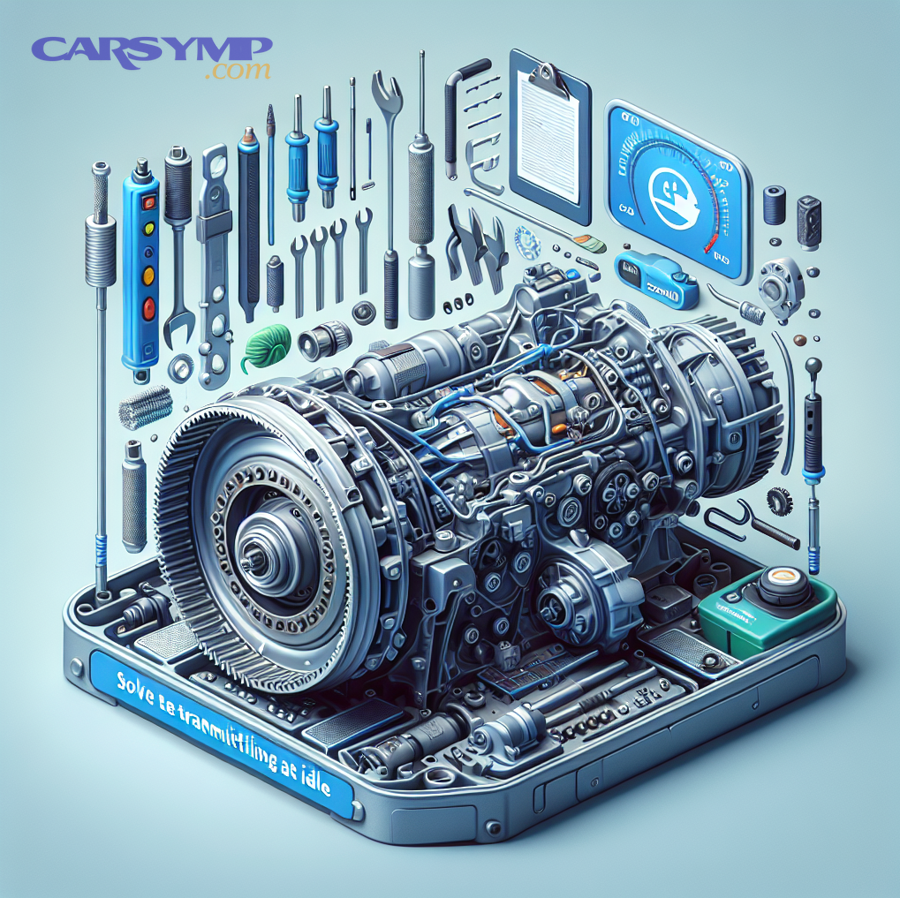
These systematic diagnostic clues eliminate guesswork by creating a decision tree. Each observation narrows potential causes, and combining multiple clues often points to a single specific component. Below, we’ll explore each clue with its associated likely causes, enabling car owners to conduct methodical diagnosis before consulting professionals.
Clue #1-4: Timing-Based Diagnostics (When Does It Rattle?)
Timing-based diagnostics identify rattles occurring only at cold start (indicating piston slap, thick oil issues, or cam phaser problems), only when the engine reaches operating temperature (suggesting heat shield expansion or low oil pressure), exclusively at idle with silence during driving (pointing to heat shields, catalytic converters, or interior items), or only while driving with silence at idle (indicating flexplate damage, driveline components, or suspension issues).
Clue #1: Only at Cold Start
Rattles present exclusively during cold starts typically indicate piston slap, cam phaser noise, or thick cold oil affecting hydraulic components. Piston slap occurs because pistons and cylinders have tight tolerances when cold. Worn engines develop excessive piston-to-cylinder clearance, allowing pistons to rock and slap against cylinder walls during initial startup before thermal expansion tightens clearances. This produces a distinctive clacking sound from the engine block that quiets within 30-90 seconds as the engine warms. Piston slap intensity correlates with wear severity—mild wear creates subtle clacking, severe wear produces loud knocking.
Cam phaser rattles occur in engines with variable valve timing (VVT) systems. The cam phaser adjusts camshaft timing using oil pressure. During cold starts, thick oil delays proper phaser operation, allowing internal components to rattle briefly until oil pressure normalizes and oil warms to proper viscosity. This sounds like a brief rattling or grinding from the front of the engine, typically lasting 3-10 seconds after startup. Modern engines with VVT commonly exhibit minor cam phaser noise when cold—it becomes problematic only when persisting longer or intensifying over time.
Thick cold oil creates temporary hydraulic lifter noise in some engines. Lifters require oil pressure to maintain proper valve lash. Cold thick oil delays pressure buildup, causing lifters to collapse momentarily during startup. This produces ticking or rattling from the valve cover area that disappears within seconds as oil pressure rises. Using incorrect oil viscosity—too thick for your climate—exacerbates this condition. Switching to manufacturer-recommended oil weight for your temperature range often eliminates cold-start lifter noise.
Clue #2: Only When Engine Is Hot
Rattles appearing only after the engine reaches operating temperature indicate heat shield thermal expansion issues, low oil pressure problems, or deteriorated motor mounts affected by heat. Heat shields expand with exhaust heat, and a shield with partially separated mounting points may not rattle when cold but vibrate against the exhaust when fully heated and expanded. These rattles typically appear 10-15 minutes into driving and persist throughout the trip.
Low oil pressure when hot causes valve lifter noise in engines with hydraulic lifters. Oil pressure naturally drops slightly at operating temperature because hot oil has lower viscosity. Engines with worn oil pumps, bearing clearance issues, or low oil levels may maintain adequate pressure when cold but drop below threshold when hot, causing lifters to collapse and rattle. This manifests as ticking from the valve covers that appears only after extended driving. Checking oil level and pressure (via gauge or diagnostic tool) confirms this issue.
Deteriorated motor mounts soften further when heat-soaked from engine operation. Rubber compounds lose elasticity with heat exposure. Mounts that adequately dampen engine vibration when cold may soften when hot, allowing rattles that weren’t present during initial driving. This clue particularly applies to older vehicles in hot climates where engine bay temperatures stay elevated even during normal operation.
Clue #3: Only at Idle, Stops When Driving
Rattles exclusively at idle silenced by driving indicate heat shields responding to vibration frequency changes, catalytic converter internals settling differently with exhaust flow, interior components, or belt tensioner flutter at specific RPM ranges. We’ve discussed these mechanisms previously—the key diagnostic value lies in this clear on/off pattern with driving eliminating the noise. This pattern nearly eliminates driveline, suspension, and wheel-related components from consideration since these components only rattle during motion.
Clue #4: Only While Driving, Stops at Idle
Driving-only rattles indicate flexplate cracks, driveline component wear, suspension bushings, wheel bearings, exhaust hangers allowing movement, or underbody shields. The absence of noise at idle eliminates most engine internal problems, belt systems, and stationary components. This clue strongly suggests components requiring vehicle motion, road vibration, or drivetrain rotation to manifest symptoms. Combining this clue with acceleration/deceleration behavior (Clues 9-10) and speed/load correlation (Clue 12) typically identifies the specific affected system.
Clue #5-8: Condition-Based Diagnostics (What Changes the Rattle?)
Condition-based diagnostics examine how rattles respond to gear selection, engine RPM, accessory loads, and thermal cycling to pinpoint components sensitive to these specific operating variables.
Clue #5: Changes With Gear Selection (Park/Neutral vs Drive/Reverse)
Rattles that change when shifting gears indicate engine/transmission mounts, torque converter issues, transmission internal components, or flexplate problems. When you shift from Park to Drive, three main changes occur: the transmission engages creating torque resistance, the engine twists slightly against its mounts, and the torque converter locks the engine to the transmission. Each change affects different components.
If the rattle appears in Park/Neutral but disappears in Drive/Reverse, the engine position change likely separates components that contact when the engine sits in neutral position. This strongly suggests engine mounts allowing excessive movement. Conversely, rattles appearing only in Drive/Reverse indicate components stressed by transmission engagement—worn transmission mounts, torque converter issues, or flexplate damage flexing under torque.
Transmission internal rattles sometimes manifest in Drive but not Park. Automatic transmissions contain multiple clutch packs, planetary gears, and bands. When in Park or Neutral, these components rest unloaded. In Drive, they engage and rotate, potentially creating rattles if worn. This rattle typically increases with vehicle speed and may change character during gear changes as different clutch packs engage.
Clue #6: Changes With RPM
RPM-sensitive rattles indicate belt system components (tensioners, idler pulleys, alternator bearings), valve train issues (lifters, cam phasers), or engine accessories (water pump, power steering pump). Components rotating proportionally with engine speed produce rattles that increase in frequency as RPM rises. To test, while stationary in Park, gradually increase engine RPM from idle to 2,000-3,000 RPM while listening for changes. Rattles that become faster clicks or louder noise directly with RPM increase originate from rotating components.
Serpentine belt system rattles often exhibit a sweet spot RPM range where they’re most pronounced—typically 1,200-1,800 RPM for tensioner flutter. Below this range, belt tension sufficiently dampens vibration. Above this range, centrifugal forces stabilize components. Identifying this RPM-specific resonance strongly suggests belt tensioner or idler pulley problems.
Valve train rattles maintain the same frequency relationship to RPM throughout the range—they tick exactly twice as fast at 2,000 RPM as at 1,000 RPM because valve operation directly correlates with camshaft rotation. This predictable scaling distinguishes valve train noise from accessory bearing noise, which may change character at different RPM ranges as bearing loading changes.
Clue #7: Changes With A/C On/Off
Rattles affected by air conditioning operation indicate A/C compressor clutch problems, belt tensioner weakness under variable load, or pulley bearing issues revealed by increased belt tension. The A/C compressor represents the largest electrical load most vehicles operate regularly. When activated, the compressor clutch engages, adding significant resistance to the serpentine belt system.
A/C compressor clutch bearing failure creates rattles specifically when the clutch engages (A/C on). The clutch uses an electromagnetic coil to engage a bearing and pulley to the compressor shaft. When this bearing wears, engagement produces rattling or grinding. With A/C off, the clutch disengages, the faulty bearing doesn’t load, and the noise disappears. This on/off correlation directly with A/C operation confirms compressor clutch as the source.
Belt tensioner weakness appears most prominently under A/C load. A marginal tensioner may adequately tension the belt for the alternator, water pump, and power steering pump but struggle with the additional load of the A/C compressor. This manifests as belt squeal or tensioner rattle appearing only when A/C activates. The tensioner flutter creates a distinctive rapid rattling, and the belt may slip slightly on pulleys creating intermittent squealing.
Clue #8: Disappears After 15-20 Minutes of Driving
Rattles that disappear after extended driving indicate thermal expansion issues, fluid viscosity changes, or components affected by heat cycles. Heat shields, exhaust hangers, and certain mounts behave differently when cold versus hot. Heat shield rattles often appear during warm-up phases when components expand at different rates, creating temporary interference. Once fully heat-soaked, expansion stabilizes and the rattle may disappear.
Transmission rattles in cold weather sometimes disappear after warm-up as transmission fluid reaches operating temperature and viscosity. Cold thick fluid doesn’t dampen internal component movement as effectively as hot fluid. This particularly affects older transmissions with wear allowing marginal internal clearances. The rattle present when cold disappears as fluid warms and flows more easily around internal components.
Clue #9-12: Load and Speed-Based Diagnostics
Load and speed analysis distinguishes between torque-sensitive components and rotation-dependent parts, providing critical differentiation for complex diagnosis.
Clue #9: Occurs Only During Acceleration
Acceleration-only rattles indicate flexplate cracks, timing components under load, engine detonation, or motor mounts stressed by torque. We’ve explored flexplate issues extensively—cracks cause flexing under acceleration torque, creating knocking that immediately stops when you release the accelerator. This binary on/off behavior with throttle position definitively indicates flexplate damage.
Engine detonation (pre-ignition) creates rattling during acceleration, particularly under heavy load like climbing hills or full-throttle acceleration. Detonation sounds like rattling marbles inside the engine and occurs because fuel ignites before the spark plug fires, creating pressure waves against rising pistons. Contributing factors include low-octane fuel, carbon deposits, overheating, or ignition timing problems. Detonation causes severe engine damage—continued operation can destroy pistons and bearings. Switching to higher-octane fuel and having ignition timing checked addresses most detonation issues.
Timing chain tensioner weakness shows during acceleration when increased oil pressure should stiffen the tensioner. Paradoxically, some worn tensioners perform worse under load despite higher oil pressure because the chain’s increased speed and force overcome the weakened tensioner spring. This creates a rattling or slapping sound from the timing cover area specifically during acceleration, quieting during steady cruising or deceleration.
Clue #10: Occurs Only During Deceleration
Deceleration-only rattles suggest exhaust components shifting under reverse load, motor mounts releasing tension, or engine-driven accessories changing load dynamics. When you release the accelerator, engine torque reverses—instead of pulling the vehicle forward, the driveline drags the engine. This torque reversal loads mounts differently and allows exhaust components to shift position.
Exhaust hangers and heat shields may position differently during deceleration, creating contact and rattling. Forward acceleration pushes the exhaust rearward; deceleration allows it to shift forward. Worn hangers provide insufficient support for this movement, allowing pipes to contact the frame or body during deceleration. This typically produces intermittent rattling or knocking synchronized with throttle release.
Motor mounts stressed during acceleration relax during deceleration. Some mounts may rattle specifically during this release phase if internal rubber has separated from metal housings. The engine rocks back during deceleration, potentially creating rattles from mounts that remain silent during acceleration’s forward torque.
Clue #11: Speed-Dependent (Gets Worse With Speed)
Speed-dependent rattles increasing proportionally with vehicle velocity indicate wheel bearings, tires, CV joints, or driveline components. These rattles maintain frequency relationships to wheel rotation—at 60 mph the rattle frequency doubles compared to 30 mph. This linear relationship definitively indicates rotating components rather than engine-RPM related parts.
Wheel bearing wear progression follows a predictable pattern: initial symptoms appear as a subtle hum at highway speeds, progressing to louder humming or grinding, eventually developing into pronounced rattling when severely worn. The sound typically localizes to one corner of the vehicle, increases continuously with speed, and may change character during turns as weight shifts load bearings differently.
Tire issues creating rattles include tread separation, flat spots from hard braking or storage, or severely uneven wear. These defects impact the road surface rhythmically as the tire rotates, creating vibration and rattling that correlates precisely with wheel speed. Tire rattles often feel like vibration through the steering wheel or seat in addition to audible noise.
Clue #12: Load-Dependent (Worse Going Uphill)
Load-dependent rattles intensifying during uphill driving or heavy acceleration indicate motor mounts under maximum stress, serpentine belt slippage, failing accessory bearings loaded more heavily, or marginal engine components stressed by load. Uphill driving creates maximum engine load—the engine works hardest, motor mounts experience peak torque, and all accessories (alternator, power steering, A/C if operating) demand maximum power.
Motor mount rattles often reach peak intensity during uphill acceleration when engine torque tries to rotate the entire engine against mount resistance. Mounts with partially separated rubber or cracked metal brackets allow enough movement during uphill loads to create rattling metal-to-metal contact. Level-ground driving may produce subtle vibration from these same mounts, but the rattle becomes pronounced when fully loaded.
Serpentine belt slippage under load creates squealing combined with potential rattling as the belt jumps on pulleys. Uphill driving demands maximum alternator output (to maintain battery charge under load), power steering assistance (more resistance in steering), and potentially A/C operation. A glazed or worn belt may grip adequately during light loads but slip when stressed, creating noise specifically during uphill driving.
This table summarizes the 12 clues with their primary diagnostic indicators:
| Clue # | Condition | Primary Suspects |
|---|---|---|
| 1 | Only at cold start | Piston slap, cam phaser, thick oil |
| 2 | Only when hot | Heat shields, low oil pressure, deteriorated mounts |
| 3 | Only at idle | Heat shields, catalytic converter, interior items |
| 4 | Only while driving | Flexplate, suspension, driveline, wheel bearings |
| 5 | Changes with gear | Engine/trans mounts, torque converter, flexplate |
| 6 | Changes with RPM | Belt system, valve train, accessories |
| 7 | Changes with A/C | Compressor clutch, tensioner, belt |
| 8 | Disappears after warm-up | Thermal expansion, fluid viscosity |
| 9 | Only during acceleration | Flexplate, detonation, timing chain, mounts |
| 10 | Only during deceleration | Exhaust shift, mount release |
| 11 | Speed-dependent | Wheel bearings, tires, CV joints |
| 12 | Load-dependent (uphill) | Motor mounts, belt slippage, accessories |
By systematically checking which clues apply to your specific rattle, you can dramatically narrow the potential causes, often identifying the exact component requiring attention before visiting a mechanic.
What Are the Repair Costs for Common Rattle Causes?
Rattle repair costs range from $0 for DIY interior component tightening to over $4,500 for complete engine rebuilds addressing piston slap, with most repairs falling into three categories: under $100 for heat shields and simple fixes, $100-$1,000 for belt systems and mounts, and over $1,000 for major components like flexplates and engine internals.
Understanding cost ranges helps car owners budget appropriately and make informed decisions about repair timing versus vehicle replacement. Some rattles represent inexpensive annoyances easily fixed, while others indicate expensive failures requiring major investment. Below, we’ll organize common rattle repairs by price category to help prioritize and plan.
Which Rattles Can You Fix for Under $100?
Budget-friendly rattle fixes under $100 include heat shield removal or repair ($0-$100), interior component tightening ($0-$50), simple exhaust hanger replacement ($20-$75), underbody shield reattachment ($10-$40), and loose bracket tightening ($0-$30).
Heat shield repairs represent the most common inexpensive fix. Many heat shields serve primarily to reduce radiant heat rather than performing critical functions. Removal eliminates the rattle without significant consequences in most vehicles. If the shield requires reattachment rather than removal, stainless steel hose clamps (available at hardware stores for $3-$8 each) effectively secure loose shields. Two or three clamps typically stabilize a rattling shield permanently. For shields with broken welds, high-temperature adhesive or metal epoxy provides temporary bonding, though professional welding ($50-$100 at muffler shops) creates permanent repairs.
Interior rattles cost nothing to fix beyond time. Systematic identification—pressing on suspected panels, checking fasteners, removing loose objects—reveals sources. Replacement clips for trim panels cost $1-$3 each at auto parts stores. Console screws, door panel fasteners, and other interior hardware rarely exceed $20 for a complete set. Many interior rattles require no parts—simply reseating panels in their clips or tightening existing screws eliminates noise.
Exhaust hangers wear from heat cycles and age. Replacement rubber isolators cost $8-$20 each at parts stores. Most vehicles have 4-6 hangers supporting the exhaust system. Replacing a failed hanger requires minimal tools—a pry bar to stretch the rubber over mounting hooks and penetrating oil to loosen rust. Total DIY cost stays under $75 for multiple hanger replacement, while shops charge $50-$75 labor per hanger plus parts.
Underbody shields and splash guards frequently rattle when mounting clips break. Replacement clip assortments specific to your vehicle brand cost $15-$25 online or at dealerships. Installation requires no tools beyond possibly a flashlight—clips push into mounting holes by hand. If shields hang loose scraping the ground, removing them entirely (temporarily or permanently) costs nothing and prevents potential road hazard damage to the shield or other components.
Loose bracket tightening represents the ultimate free fix. Engine bay brackets, exhaust hangers, suspension component bolts, and heat shield fasteners occasionally work loose from vibration. Systematic checking with appropriate wrenches—typically 10mm, 12mm, 13mm, 14mm, and 15mm for Japanese vehicles, or 7/16″, 1/2″, 9/16″ for domestic vehicles—identifies loose hardware. Tightening to proper torque eliminates rattles without parts costs.
What Are the Mid-Range Repair Costs ($100-$1,000)?
Mid-range repairs include serpentine belt and tensioner replacement ($150-$450), engine mount replacement ($200-$600), aftermarket catalytic converter installation ($300-$1,200), exhaust system repairs beyond simple hangers ($100-$800), and A/C compressor clutch repair ($400-$750).
Serpentine belt system service typically addresses the belt, tensioner, and idler pulleys simultaneously since labor overlaps. Belt replacement alone costs $25-$50 for the part plus $75-$150 labor. Belt tensioner assemblies run $50-$150, with labor adding $100-$200. Idler pulleys cost $30-$80 each (most vehicles have one or two) with similar labor charges. Comprehensive belt system service—belt, tensioner, all idler pulleys—totals $300-$450 at independent shops, providing reliable fix for belt-related rattles. Performing this service every 60,000-90,000 miles prevents unexpected belt failure and associated rattles.
Engine mount replacement varies significantly by vehicle and mount location. Front and rear mounts typically cost $60-$150 each for parts, with 1-2 hours labor ($100-$200) for accessible mounts. Side mounts or transmission mounts may require more labor if access demands removing other components. Most vehicles have 3-4 mounts, but rarely do all fail simultaneously. Identifying the specific failed mount through observation saves money versus replacing all mounts preemptively. Some vehicles with hydraulic mounts (filled with fluid for enhanced damping) cost more—$150-$250 per mount—due to complex construction.
Catalytic converter replacement presents wide cost variation. Aftermarket universal-fit converters cost $100-$300, with quality units at the higher end. Direct-fit converters designed for specific vehicles run $200-$600. Installation labor adds $100-$300 depending on converter location and whether exhaust cutting/welding is required versus bolt-on installation. Total aftermarket converter installation costs $300-$900 at independent muffler shops. OEM converters cost significantly more (covered in the high-cost section). Some states require CARB-compliant converters (California Air Resources Board) for emissions certification, limiting aftermarket options and increasing costs.
Exhaust system repairs beyond simple hangers include pipe section replacement ($150-$400), muffler replacement ($100-$300), resonator replacement ($150-$350), and leak repairs ($75-$200). Rust-through creates holes requiring section replacement or patch welding. Shops typically quote per section—front pipe, mid-pipe, rear pipe—with prices depending on complexity. Complete exhaust system replacement from manifold to tailpipe using aftermarket parts runs $400-$800 for most vehicles at independent muffler shops, eliminating all exhaust rattles permanently.
A/C compressor clutch failure sometimes allows repair without full compressor replacement. The clutch assembly costs $150-$300 for parts. Labor requires system evacuation (removing refrigerant), clutch replacement, system recharge, and leak testing, totaling 2-3 hours ($200-$450). Some vehicles place the compressor in locations requiring additional component removal, increasing labor. Total clutch-only repair runs $400-$750, substantially less than complete compressor replacement ($800-$1,500).
What Are the High-Cost Repairs (Over $1,000)?
Major rattle-related repairs exceeding $1,000 include flexplate/flywheel replacement ($1,200-$2,000), valve lifter replacement ($470-$2,100), timing chain/belt system overhaul ($500-$2,500), OEM catalytic converter installation ($650-$1,900), and piston slap repair requiring engine rebuild ($2,500-$4,500+).
Flexplate or flywheel replacement requires transmission removal to access the component bolted between engine and transmission. Flexplates (automatic transmissions) cost $100-$250, while flywheels (manual transmissions) run $150-$400. The expensive component is labor—transmission removal requires 4-8 hours depending on vehicle configuration ($400-$1,600). Front-wheel-drive vehicles generally require less labor than rear-wheel-drive, and four-wheel-drive systems add complexity. Total repair costs $1,200-$2,000, making accurate diagnosis critical before committing to this repair.
Valve lifter replacement involves significant engine disassembly. Lifters themselves cost $10-$30 each, with engines containing 8-32 lifters depending on cylinder count and valve configuration. Mechanics replace all lifters simultaneously since labor dominates costs—partial replacement risks repeating the expensive job when other lifters fail shortly after. Labor requires removing valve covers, rocker arms or camshafts (depending on engine design), and potentially other components. Labor runs 4-10 hours ($400-$2,000) depending on engine complexity. Some engines require camshaft removal to access lifters, while others allow removal with camshafts in place. Total repair ranges $470-$2,100.
Timing chain or belt system service varies tremendously by engine design. Belt replacement on interference engines (where piston-valve contact occurs if timing fails) should include water pump replacement since labor overlaps and pump failures are common. Belt kits including belt, tensioner, idler pulleys, and water pump cost $150-$400. Labor ranges from 2 hours for simple transverse 4-cylinder engines to 8+ hours for longitudinal V6 or V8 engines with limited access. Timing chain replacement (required for rattling chains) typically exceeds belt costs due to chain guides, tensioners, and potentially variable valve timing components. Total timing service costs $500-$1,200 for belt systems, $800-$2,500 for chain systems.
OEM catalytic converters with manufacturer part numbers cost substantially more than aftermarket units due to precious metal content and specific emissions certifications. OEM converters range $500-$1,500 for parts alone, with installation adding $150-$400. Total OEM converter installation runs $650-$1,900. Some states (particularly California) and some vehicles require OEM converters to maintain emissions compliance and avoid check engine lights, making these costs unavoidable despite higher prices.
Piston slap repair requires complete engine rebuild or replacement since pistons, cylinders, and related components all need addressing. Engine rebuild costs vary by engine size and complexity: 4-cylinder rebuilds run $2,500-$3,500, V6 rebuilds cost $3,000-$4,500, V8 rebuilds reach $4,000-$6,000. These prices include machining (cylinder boring, honing, deck surfacing), new pistons and rings, bearings, gaskets, and reassembly labor. Engine replacement with used units costs $1,500-$3,000 for common vehicles including installation, while remanufactured engines run $2,500-$5,000 plus installation. Piston slap severity determines whether continued driving is possible—mild slapping may persist for years, while severe cases risk catastrophic failure.
This cost hierarchy helps prioritize repairs based on budget and vehicle value. A $500 vehicle rarely justifies $2,000 flexplate replacement, while a $15,000 vehicle with 100,000 well-maintained miles represents a sound investment for major repairs. Understanding where your specific rattle falls in the cost spectrum informs rational decision-making about repair versus replacement.
When Is a Rattle Dangerous and Requires Immediate Attention?
Rattles requiring immediate attention include those accompanied by check engine lights, loss of power, rough idling, burning smells, smoke, stalling, or sudden onset after previously silent operation, indicating problems that risk catastrophic failure, unsafe driving conditions, or rapid damage progression.
Safe-to-drive guidance depends entirely on accompanying symptoms rather than rattle presence alone. A heat shield rattle poses no safety risk despite being annoying—the vehicle can safely drive until convenient repair scheduling. Conversely, a flexplate rattle accompanied by vibration and intermittent loss of power represents an emergency requiring immediate professional evaluation. Below, we’ll distinguish between urgent and non-urgent rattles based on associated indicators.
What Warning Signs Indicate You Should Stop Driving Immediately?
Critical warning signs demanding immediate driving cessation include check engine lights plus rattles (indicating sensor-detected problems), loss of power or acceleration ability, rough idling suggesting misfires or severe engine problems, burning smells from rubber or oil, smoke from under the hood or exhaust, stalling or difficulty maintaining idle, and sudden loud rattles that weren’t present previously.
Check engine light activation simultaneous with rattle onset indicates the engine computer detected abnormal conditions—potentially misfires, timing issues, sensor failures, or emissions problems. Modern engine computers monitor dozens of parameters continuously. When a rattle appears alongside check engine light activation, the computer has identified measurable problems beyond normal operating ranges. Common scenarios include timing chain jumping teeth (triggers cam/crank correlation codes), catalytic converter efficiency loss (triggers catalyst codes), or misfires from failing components (triggers specific cylinder misfire codes). Continuing to drive with these combined symptoms risks severe engine damage. Scan the codes using an OBD-II reader (available at parts stores or through smartphone apps and Bluetooth adapters for $20-$50) to identify the specific problem. If codes indicate timing, catalyst efficiency, or multiple misfires, stop driving and arrange towing.
Loss of power accompanying rattles indicates failing components actively impeding engine function. Broken timing chains cause valve timing to slip, dramatically reducing power and potentially causing engine stalling. Severe engine mounts allowing excessive movement may allow accessories to contact moving components or the engine itself to contact the frame, both restricting motion and reducing power. Transmission problems causing rattles may also slip gears or fail to engage properly, manifesting as power loss during acceleration. Any rattle combined with power loss represents a “get off the road safely and call for help” situation.
Rough idling or misfires combined with rattles often indicate internal engine damage or ignition problems. Misfires from collapsed lifters preventing proper valve operation, severe detonation damaging pistons, or broken valve springs allowing valves to contact pistons all create rough running plus unusual sounds. The engine may shake visibly, idle unevenly, or produce jerking sensations during acceleration. These symptoms indicate immediate professional diagnosis—continued operation risks complete engine failure.
Burning rubber smells suggest belt problems or tires contacting components. A serpentine belt slipping on pulleys from tensioner failure creates a distinctive acrid rubber smell. Tires rubbing against fender wells, splash shields, or suspension components from broken mounts or suspension failure produce similar smells. Burning oil smells indicate leaks onto hot exhaust manifolds—potentially from valve cover gaskets, oil pan gaskets, or failed seals. While oil leaks don’t always demand immediate stopping, rapidly increasing smoke or smell intensity suggests accelerating leakage risking fire. Pull over safely and identify the source before continuing.
Smoke from under the hood indicates overheating, oil burning, or potential fire. Rattles accompanied by smoke represent extreme emergencies. White smoke typically indicates coolant leaking onto hot components; blue smoke suggests oil burning; black smoke indicates rich fuel mixture problems. Any visible smoke should trigger immediate shutdown and inspection. Don’t open the hood if smoke is heavy or you suspect fire—call emergency services.
Stalling or difficulty staying running combined with rattles indicates severe problems affecting engine operation. Broken timing belts or jumped timing chains prevent proper valve operation, causing stalling. Failed engine sensors providing incorrect data can cause computer-controlled engines to run poorly and stall. Severe exhaust restrictions from collapsed catalytic converters create back pressure preventing proper engine breathing. If the engine stalls while driving or requires multiple restart attempts, the problem demands immediate professional attention.
Sudden loud rattles appearing without warning often indicate catastrophic failure in progress. A timing chain breaking creates sudden loud rattling followed by stalling. A flexplate completely separating produces intense vibration and knocking. Rod bearings failing completely create devastating knocking that grows rapidly louder. These sudden-onset severe rattles almost never resolve themselves—they indicate components failing in real-time. Safe response involves safely pulling off the road, shutting down the engine, and arranging towing. Attempting to “drive it home” risks stranding yourself in dangerous locations or transforming a $1,500 repair into a $4,000 engine replacement.
Which Rattles Can Wait for Your Next Scheduled Maintenance?
Non-urgent rattles safe to defer include minor heat shield vibrations without exhaust leaks, intermittent interior rattles from trim or storage items, light valve lifter ticking when cold that disappears after warm-up, slight belt chirping without serpentine belt cracking or looseness, and minor exhaust hangers rattles without pipes hanging dangerously low or contacting other components.
Minor heat shield rattles represent the most common safe-to-defer issue. If the heat shield produces lightweight rattling at idle but inspection reveals no exhaust leaks, broken pipes, or shields positioned to contact moving components, the repair can wait. The rattle annoys but doesn’t impair function or safety. Schedule repair when convenient or during other scheduled maintenance to minimize trips to the shop. Some car owners drive for years with minor heat shield rattles without consequences beyond auditory annoyance.
Intermittent interior rattles from trim panels, console components, or loose objects similarly represent low-priority issues. These rattles indicate no mechanical problems—merely cosmetic or convenience issues. Addressing them improves driving comfort but doesn’t affect safety or vehicle longevity. Many owners fix these DIY using trim removal tools and clip replacements from online sources, eliminating the rattle during a weekend afternoon.
Light valve lifter ticking during cold starts that disappears within seconds after oil circulates represents normal operation in many older engines, particularly those with high mileage. This ticking doesn’t indicate imminent failure provided it quickly quiets after startup. Monitoring the condition—noting whether ticking duration increases, intensity grows, or noise persists after warm-up—helps identify if and when the problem transitions from acceptable to concerning. Lifter noise stable over months or years rarely requires urgent attention. Rapidly worsening lifter noise suggests problems demanding earlier intervention.
Slight belt chirping without visible belt damage or looseness often results from belt glazing (surface hardening from age) or minor misalignment. If serpentine belt inspection shows no cracks, fraying, or looseness, and tensioner operation appears normal, belt chirping can wait for replacement at the next service interval or when other belt system components require attention. Monitoring chirping intensity helps determine urgency—stable minor chirping poses no immediate threat, while rapidly worsening chirping suggests impending belt failure requiring earlier replacement.
Minor exhaust rattles from slightly loose hangers that don’t allow pipes to hang low, contact body panels, or drag on the road can safely defer. Inspect underneath to verify pipes maintain proper clearance from fuel lines, brake lines, the drive shaft, and body panels. If clearances appear adequate despite the rattle, schedule hanger replacement during your next oil change or tire rotation to handle multiple services in one visit.
Monitoring strategies for non-urgent rattles include documenting when the rattle occurs, recording changes in intensity or frequency, photographing underbody components for comparison over time, and checking oil levels and fluid conditions regularly since some rattles correlate with low fluids. This documentation helps you and mechanics track whether deferred repairs can continue waiting or have progressed to requiring intervention.
The fundamental principle distinguishing urgent from non-urgent rattles centers on accompanying symptoms. Isolated rattles—noise alone with no performance changes, warning lights, smells, smoke, or power loss—rarely represent emergencies. Rattles combined with any of these additional symptoms indicate problems requiring immediate professional evaluation to prevent unsafe driving conditions or catastrophic component failure.
How Can You Prevent Car Rattles Before They Start?
Preventive maintenance preventing rattles includes regular oil changes every 3,000-7,500 miles depending on oil type and driving conditions, serpentine belt inspection and replacement every 60,000-100,000 miles, timing belt/chain service at manufacturer intervals, engine mount inspection during routine service, and following warm-up and cool-down procedures to minimize thermal stress on components.
Prevention costs substantially less than repairs. Regular $50-$75 oil changes prevent $2,000 valve lifter repairs. $300 timing belt service prevents $4,000 engine rebuilds from belt failure. $500 comprehensive belt system service prevents $1,200 serpentine belt breakage requiring towing and potential accessory damage. Below, we’ll explore specific preventive measures organized by component system.
What Regular Maintenance Prevents Engine-Related Rattles?
Engine preventive maintenance focuses on oil changes using manufacturer-specified oil, timing belt/chain replacement at recommended intervals (typically 60,000-100,000 miles for belts, 150,000-200,000 miles for chains if service is recommended), valve adjustment services on engines requiring periodic adjustment, and fuel system cleaning to prevent detonation and carbon deposits causing piston slap.
Oil change intervals vary by vehicle manufacturer, oil type, and driving conditions. Conventional oil typically requires changes every 3,000-5,000 miles. Synthetic blend oils extend to 5,000-7,500 miles. Full synthetic oils allow 7,500-10,000 mile intervals on many vehicles, with some manufacturer-approved extended intervals reaching 15,000 miles for specific applications. Following manufacturer recommendations prevents sludge buildup that clogs oil passages to hydraulic lifters, reduces oil pressure causing bearing wear and lifter collapse, and allows contaminants that accelerate wear.
Using correct oil viscosity proves equally important as change frequency. Manufacturer specifications exist for good reasons—too thick oil flows slowly when cold, delaying pressure buildup to lifters and creating cold-start noise. Too thin oil provides inadequate protection at operating temperature, accelerating wear in bearings and valve train components. Climate affects appropriate viscosity: 5W-30 suits moderate climates, 0W-20 or 0W-30 serves cold climates better, while 10W-30 or 10W-40 may suit very hot climates in older engines. Consult your owner’s manual for specifications.
Timing belt service intervals appear in the owner’s manual or maintenance schedule, typically falling at 60,000-100,000 mile intervals depending on engine design. Interference engines (where valve-piston contact occurs if the belt fails) require strict adherence to these intervals. Belt failure in interference engines causes valves to contact pistons, bending valves and potentially damaging pistons, requiring $3,000-$5,000 cylinder head repairs or complete engine rebuilds. Comprehensive timing belt service includes the belt, tensioner, idler pulleys, and water pump (since labor overlaps), costing $500-$1,200 but preventing catastrophic failures.
Timing chain service recommendations vary dramatically. Many manufacturers claim chains last the engine’s lifetime, but chains do stretch and guides wear. Some engines develop chain stretch problems around 100,000-150,000 miles, creating rattles and eventually timing issues. Others run 300,000 miles without chain problems. Research your specific engine—enthusiast forums and technical service bulletins (TSBs) identify problematic engines versus reliable ones. For engines with known chain issues, preventive replacement at 150,000-200,000 miles costs $800-$2,500 but prevents $4,000+ engine repairs from jumped timing.
Valve adjustment services, required on some engines without hydraulic lifters, prevent valves from operating too loosely (creating ticking and reduced performance) or too tightly (preventing proper sealing and causing valve burning). Engines requiring adjustment typically specify 30,000-60,000 mile intervals. Valve adjustment costs $150-$400 depending on engine complexity and represents essential preventive maintenance for affected engines.
Fuel system maintenance including periodic fuel injector cleaning and using quality gasoline with proper octane ratings prevents carbon deposits contributing to detonation. Carbon accumulation increases compression ratios, raising combustion temperatures and triggering detonation rattles. Fuel system cleaning services cost $100-$150 at shops, while DIY treatments using fuel additives cost $10-$20 per treatment. Using top-tier gasoline brands (certified to contain enhanced cleaning detergents) helps prevent deposits from forming.
How Does Driving Style Affect Rattle Development?
Driving style significantly impacts component wear rates and rattle development, with gentle driving extending component life while aggressive habits accelerate wear, particularly affecting motor mounts, serpentine belts, transmission components, and thermal cycling rates of exhaust systems.
Gentle acceleration reduces stress on motor mounts by minimizing torque spikes. Motor mounts absorb engine torque during acceleration—smooth, gradual throttle application creates predictable, moderate torque loading. Aggressive acceleration from stops creates severe torque spikes that twist mounts beyond design limits, accelerating rubber fatigue and metal bracket stress. This doesn’t mean always driving slowly, but rather smoothly—even enthusiastic acceleration delivered progressively rather than abruptly reduces mount stress.
Cold start practices dramatically affect engine wear and component longevity. Starting cold engines and immediately driving hard before oil circulates properly accelerates wear in bearings, valve train components, and pistons. Oil takes 30-60 seconds to fully circulate and several minutes to warm sufficiently for optimal protection. Gentle driving during the first 5-10 minutes allows oil to reach operating temperature and viscosity, reducing wear. Many modern engines incorporate cold-start engine speed limiters preventing high RPM until temperatures normalize—respecting these limits prevents premature wear.
Lugging the engine—operating in high gear at low RPM, typically below 1,500 RPM during acceleration—stresses components unnecessarily. Engines produce peak torque in specific RPM ranges (often 3,000-4,500 RPM for gasoline engines). Operating below this range during acceleration forces higher cylinder pressures to produce needed power, stressing pistons, connecting rods, and crankshafts. This accelerates wear and may contribute to detonation. Downshifting to maintain RPM in the efficient range reduces component stress. Automatic transmissions should kick down automatically, but manual transmission drivers must select appropriate gears.
High-RPM operation for extended periods stresses valve springs, timing components, and bearings. While occasional high-RPM driving (within manufacturer redline limits) doesn’t harm engines, sustained high-RPM cruising accelerates wear. Valve springs flex more rapidly at high RPM, accumulating fatigue cycles faster. Timing chains and belts experience greater centrifugal forces and friction. Bearings spin faster, generating more heat and wear. Moderate cruising RPM—typically 2,000-3,000 RPM—balances efficiency with component longevity.
Short trips preventing full warm-up cycles accelerate exhaust system corrosion and related rattles. Combustion produces water vapor that condenses in cold exhaust systems. Short trips don’t allow sufficient heat buildup to evaporate this moisture, leaving it to corrode exhaust components from the inside out. Combining errands into single trips allowing exhaust systems to reach full operating temperature reduces corrosion. Vehicles driven exclusively for short trips benefit from occasional highway drives allowing complete heat cycles.
Weight and load management affects suspension wear and related rattles. Consistently overloading vehicles beyond rated capacity accelerates suspension bushing wear, spring fatigue, and mount deterioration. While occasional heavy loads within rated capacity cause no problems, using light-duty vehicles as heavy haulers accelerates component wear. Distributing load properly and avoiding sustained overweight operation extends suspension component life.
What Are the Warning Signs Before a Rattle Fully Develops?
Early warning signs preceding full rattle development include subtle vibrations felt through the steering wheel or seats, intermittent clicking noises that haven’t yet progressed to continuous rattling, performance changes like reduced power or rougher idle, temperature-dependent sounds appearing only when cold or hot, and visual indicators like fluid leaks, cracked rubber mounts, or fraying belts.
Vibrations often precede audible rattles by weeks or months. Wheel bearings begin producing vibration felt through the steering wheel or floor before developing pronounced grinding or rattling. Motor mounts transmit increasing vibration as rubber deteriorates before completely failing and causing rattling. Paying attention to new or increasing vibrations and addressing them early prevents progression to severe rattles and potential component failure. Vibration frequency and location help diagnosis—steering wheel vibration at highway speeds suggests front wheel bearings or tire issues, while floor vibration at idle points to engine mounts.
Intermittent sounds represent early failure stages. Valve lifters may tick occasionally during cold starts before developing continuous noise. Heat shields may rattle occasionally over specific bumps before rattling constantly at idle. Serpentine belts may chirp briefly during cold starts before developing continuous squealing. These intermittent sounds indicate components approaching failure—investigation and preventive service at this stage costs less than waiting for complete failure.
Performance changes often accompany developing mechanical problems. Gradual power loss may indicate timing chain stretch advancing timing slightly, catalytic converter restriction reducing exhaust flow, or ignition problems causing misfires. Fuel economy decline suggests similar issues affecting combustion efficiency. Rougher idle indicates motor mounts allowing excessive engine movement, failing spark plugs, or developing vacuum leaks. Addressing these performance changes during early stages prevents progression to severe rattles and potential breakdowns.
Temperature-dependent symptoms indicate components affected by thermal expansion and contraction. A rattle appearing only when cold suggests thermal clearances that tighten during warm-up. Conversely, rattles appearing only when hot indicate components expanding to create interference or clearances opening as lubricants thin. Monitoring temperature correlation helps predict which components require attention before failures occur.
Visual inspection during routine maintenance reveals many impending problems. Cracked rubber engine mounts show deterioration before complete separation. Fraying serpentine belts indicate replacement needs before breaking. Leaking fluids from valve covers, oil pan gaskets, or seals suggest gasket failures requiring attention. Rust on exhaust components forecasts upcoming perforation and rattles. Worn suspension bushings show cracks or separation before failing completely. Addressing visually apparent problems prevents roadside breakdowns and expensive cascading failures.
Proactive inspection timing includes checking visible components during every oil change (3,000-7,500 mile intervals), comprehensive inspection during every 30,000 mile major service, and immediate investigation of any new sounds, vibrations, smells, or performance changes regardless of mileage. This structured approach catches most problems during early stages when repairs cost least.
Are Modern Cars More or Less Prone to Rattles Than Older Vehicles?
Modern cars exhibit lower rates of exhaust and interior rattles due to improved corrosion protection and tighter manufacturing tolerances, but higher rates of complex mechanical rattles from advanced systems like dual mass flywheels, variable valve timing components, and turbocharged engines with additional components compared to older vehicles with simpler mechanical systems.
Improved manufacturing quality since the 1990s dramatically reduced interior rattles. Computer-aided design optimizes panel fit and clip placement. Better plastics resist temperature-related warping. Tighter assembly tolerances minimize gaps allowing vibration-induced noise. Modern vehicles rarely develop dashboard or trim rattles within the first 100,000 miles, while 1970s-1990s vehicles commonly developed interior rattles within 50,000 miles. This quality improvement makes interior rattles in modern vehicles more notable when they occur—often indicating specific damage rather than general age-related deterioration.
Exhaust system corrosion protection improves continuously. Stainless steel construction, aluminized coatings, and better muffler internal designs resist rust-through longer than older systems. Catalytic converters since the 2000s use more durable substrate materials less prone to breakup. Heat shield attachment methods improved using better welding and more corrosion-resistant fasteners. Modern exhaust systems commonly last 10-15 years in moderate climates versus 5-8 years for 1980s-1990s systems, reducing heat shield and exhaust-related rattle frequency.
Dual mass flywheels (DMF), introduced in many vehicles since the 1990s to improve refinement and reduce transmission noise, create new rattle sources unknown in older vehicles. DMFs contain two rotating masses connected by springs and dampers. These internal components wear from heat cycles and torque loading, eventually developing rattles typically at idle or during gear changes. DMF failure creates distinctive rattling that traditional solid flywheels never produce. Replacement costs $800-$1,500, substantially more than solid flywheel replacement. Vehicles with DMFs include many European brands, some Asian manufacturers, and select domestic models prioritizing refinement.
Variable valve timing systems improve efficiency and performance but add complexity and potential failure points. Cam phasers, VVT solenoids, and oil control valves can develop rattles from wear or oil pressure issues. These components didn’t exist in pre-1990s vehicles, representing new rattle sources in modern engines. Cam phaser replacement costs $400-$1,200, while older engines without VVT have no equivalent component to fail.
Turbocharged engines, increasingly common in modern vehicles for efficiency, include wastegate actuators, bypass valves, and intercooler piping creating potential rattle sources. Wastegate rattles occur when internal linkages wear, producing rattling at idle or under specific boost conditions. Intercooler piping loose from mounts or boots separating from connections create rattles during boost cycles. Naturally aspirated older engines lack these components entirely, having simpler induction systems with fewer failure points.
Direct fuel injection systems in modern engines use high-pressure fuel pumps and injectors creating normal mechanical noise some owners perceive as rattles. These injectors click loudly during operation—louder than older port injection systems. While normal, this noise concerns owners unfamiliar with direct injection characteristics. Distinguishing normal injector clicking from problematic rattles requires understanding these systems produce characteristic ticking at idle.
Plastic engine covers common in modern vehicles improve appearance and reduce noise but create new rattle opportunities if mounting points break or covers loosen. Older engines typically exposed mechanical components without decorative covers. Modern covers occasionally rattle from broken mounting clips or loose fasteners, creating sounds mimicking more serious mechanical problems. Removing or securing these covers eliminates rattles without mechanical repairs.
Long-term reliability comparisons show trade-offs. Older vehicles with simpler designs had fewer sophisticated component failures but experienced more fundamental wear from inferior materials and looser manufacturing tolerances. Modern vehicles with advanced systems exhibit fewer basic rattles but more complex mechanical issues when advanced components fail. Neither era definitively superior—both present unique rattle challenges reflecting their respective design philosophies and available technologies.
Overall rattle frequency measured per vehicle mile has decreased as manufacturing quality improved, but individual rattle causes have shifted from ubiquitous interior and exhaust rattles toward fewer but more complex mechanical system failures requiring specialized diagnosis and expensive repairs. This trend continues as vehicles incorporate additional technology including hybrid systems, electric accessories, and active suspension, each adding components with unique failure modes and potential rattle sources.
Conclusion
Car rattles occurring at idle versus while driving provide diagnostic clues narrowing potential causes from dozens of possibilities to just a few likely sources. Systematic observation of when rattles occur, which conditions change them, and how they respond to speed and load creates a diagnostic framework enabling accurate identification. Understanding cost ranges—from $0 DIY interior fixes to $4,500 engine rebuilds—helps owners make informed decisions about repair timing and scope. Safe-to-drive guidance depends on accompanying symptoms rather than rattle presence alone, with isolated rattles rarely representing emergencies while those accompanied by warning lights, power loss, or burning smells demanding immediate attention. Preventive maintenance including regular oil changes, belt service, and gentle driving practices substantially reduces rattle development, protecting both vehicle value and preventing expensive cascading failures from neglected problems.