


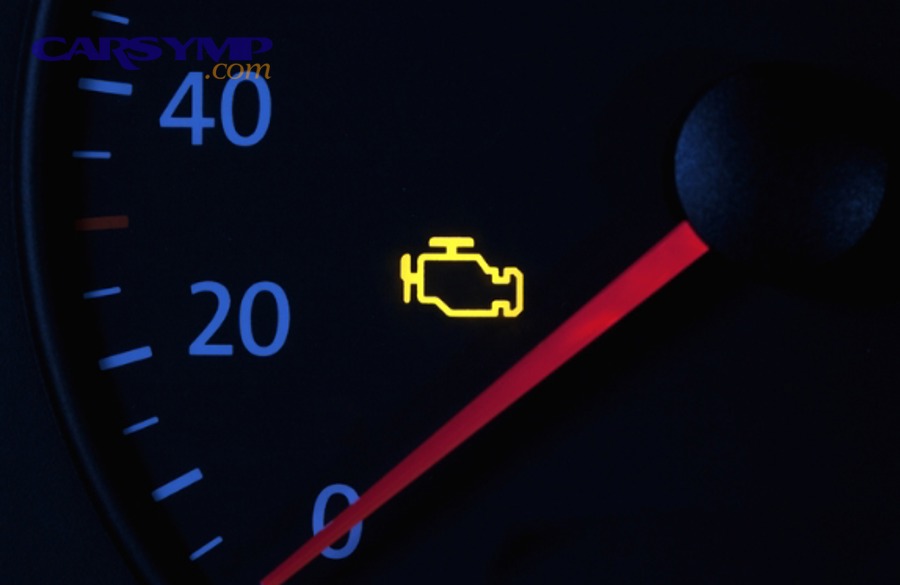
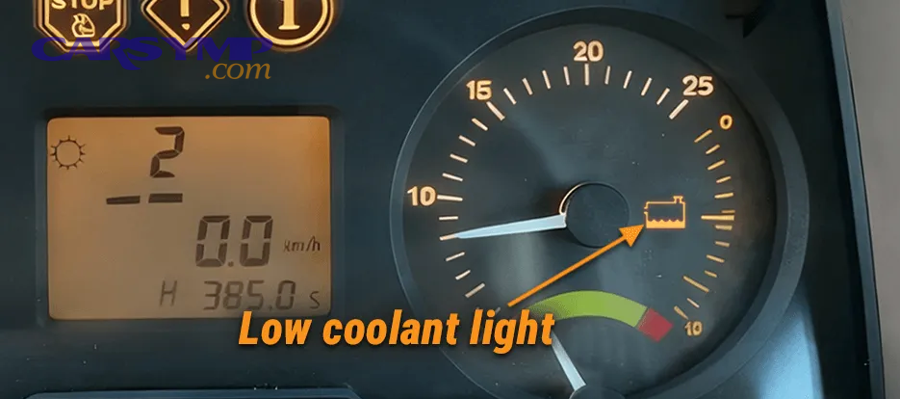
A low coolant light usually means the cooling system’s coolant level has dropped below a safe threshold, so your next job is to confirm the level safely, protect the engine from overheating, and identify why it dropped—most commonly a leak or a pressure/overheat-related loss. (jdpower.com)
Next, you also need a clear safety decision: whether you can drive a short distance or you must stop immediately depends on temperature behavior, warning color/message, and visible signs like steam, puddles, or a rapidly rising gauge.
Then, if the reservoir looks “full” but the warning persists, the problem often shifts from “loss” to “detection”—for example, a sticking level sensor, wiring issue, or trapped air after service.
Introduce a new idea: once you know what the low coolant warning is telling you and you’ve handled the immediate steps correctly, you can troubleshoot the most likely causes in minutes—and decide when it’s time to involve a shop.
What does the low coolant light mean (and what is it NOT telling you)?
The low coolant light is an early-warning indicator that the coolant level has fallen below a preset threshold, but it does not automatically mean the engine is overheating right now—it means you’re at higher risk of overheating if the cause isn’t corrected. (jdpower.com)
To keep the situation safe, the key is to treat the warning as “level is not where it should be,” then confirm temperature status separately before you decide to keep driving.
Is the low coolant light the same as an overheating warning light?
Coolant level warnings and overheating warnings are related but not identical: level warnings tell you the system may not have enough coolant reserve, while overheating warnings tell you the engine temperature is already too high (or rising into the danger zone). (jdpower.com)
More specifically, a low level can exist with normal temperature for a while—especially if the leak is slow and the cooling system still has enough coolant circulation. However, once the level drops far enough (or air enters the system), temperature can spike quickly.
Use this simple mental model:
- Low coolant light = “Find out why the coolant isn’t at the correct level.”
- Overheat / temp warning = “Stop and protect the engine now.”
What parts of the cooling system does the light indirectly “monitor”?
The light is “watching” the coolant supply, so it indirectly points you toward any part that can cause coolant to leave the closed system or stop circulating correctly. The most relevant components include the reservoir (expansion tank), radiator, hoses and clamps, water pump, thermostat housing, heater core, and the pressure cap/degas cap. (jdpower.com)
Specifically, the sensor (often in the reservoir or radiator) detects level drop; the drop itself is typically caused by:
- External loss (leaks at hoses, radiator end tanks, water pump seals)
- Venting/boil-off due to overheating or pressure-control problems
- Internal loss (coolant entering cylinders or oil passages in certain failures)
Should you stop driving immediately when the light comes on?
Yes—sometimes you should stop immediately, especially if the low coolant warning light appears with any sign of overheating, visible steam, or a rapidly rising temperature gauge, because continuing can cause serious engine damage; No—sometimes you can drive briefly if temperature remains normal and you can safely check/restore the level soon. (jdpower.com)
Here are three practical reasons the “stop now” decision is often correct:
- Low coolant can lead to rapid overheating once air enters the system, and that can happen suddenly as the level drops.
- Overheating can warp components and damage head gaskets, turning a small issue into a major repair.
- A leak can accelerate under pressure and heat, meaning a “small loss” can become a “big loss” during driving.
To make the decision easier, use this quick table (it summarizes typical outcomes, not every vehicle’s exact logic):
| What you see right now | What it usually means | What to do next |
|---|---|---|
| Low coolant light, temp gauge normal, no steam | Level low but not yet overheating | Pull over when safe; inspect and top up if appropriate |
| Low coolant light + temp rising / red temp warning / steam | Overheating risk is active | Stop driving; shut engine off; cool down; call for help if needed |
| Low coolant light right after service (flush/thermostat) | Possible trapped air / sensor behavior | Let cool; recheck level; follow bleed procedure if applicable |
What should you do next when the low coolant light comes on?
A safe response is: cool down first, confirm the coolant level, add the correct fluid if needed, and check for leak signs—in that order—so you reduce burn risk and avoid hiding the real cause. (jdpower.com)
Then, once the immediate risk is under control, you can decide whether this is a one-time top-off or a symptom that needs diagnosis.
Can you safely check coolant right away, or must you wait for the engine to cool?
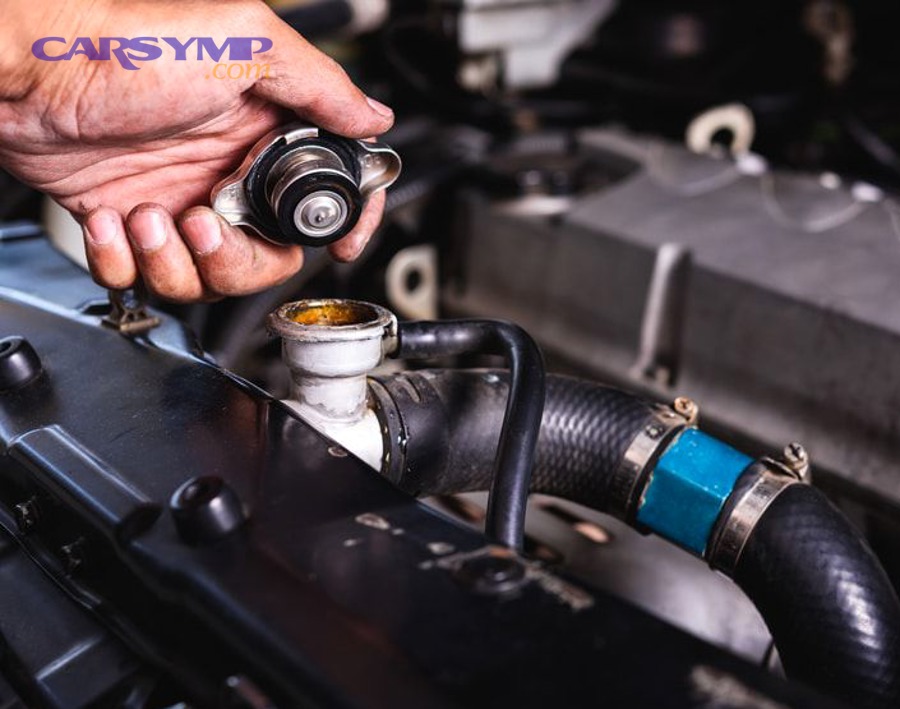
No, you should not check the pressurized parts of the cooling system immediately if the engine is hot, because hot coolant can spray and cause severe burns; Yes, you can do a visual reservoir check on many cars if the tank is translucent and accessible, but you still should avoid opening any cap until cooled.
More specifically, the safest routine is:
- Pull over safely.
- Turn the engine off.
- Wait until the engine cools (temperature gauge drops; no hissing; upper hose feels warm—not hot).
- Only then consider opening a reservoir/pressure cap if your vehicle design requires it.
How do you check coolant level correctly (reservoir vs radiator)?
How to check coolant level properly: check the reservoir against the MIN/MAX marks when the engine is cold, and only check at the radiator fill point (if your car has one) when the engine is fully cool and safe to open. (jdpower.com)
To better understand the “reservoir vs radiator” difference:
- The reservoir/expansion tank is designed to show normal operating level changes as coolant expands and contracts.
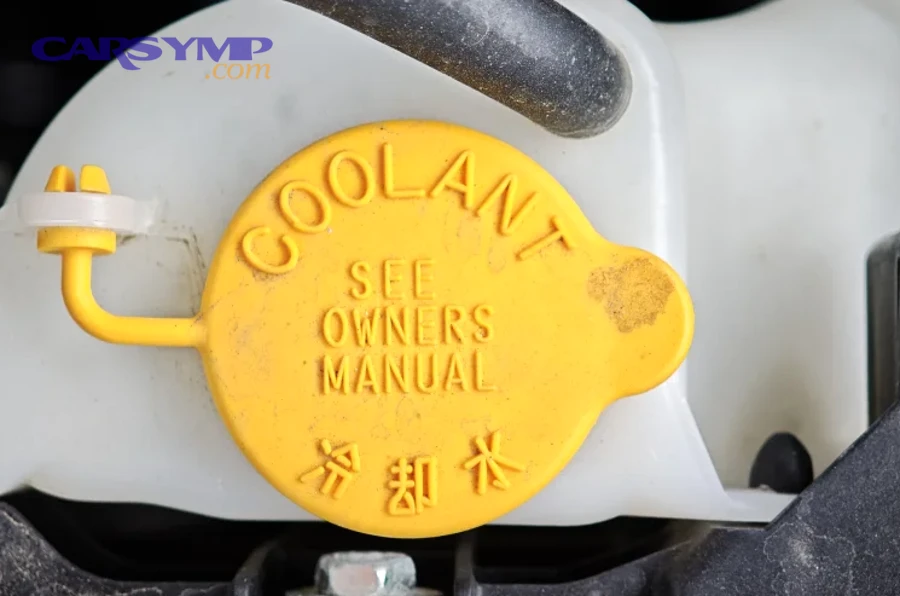
- Some vehicles use a pressurized expansion tank (no traditional radiator cap). In those cases, the tank is the main fill point—follow the owner’s manual.
- On vehicles with a radiator cap, the radiator should be full when cold, and the reservoir should be between MIN/MAX.
A practical flashlight trick: shine a light from behind the reservoir to see the fluid line clearly—especially if the coolant is clean and the plastic is cloudy.
Should you add coolant or water in an emergency?
Coolant wins for long-term protection, water wins for short-term emergency heat control: coolant provides freeze/boil protection and corrosion inhibitors, while water can be a temporary top-off if that’s all you have and you need to reach safety. (jdpower.com)
However, the “best” choice depends on your immediate goal:
- If you’re stranded and level is dangerously low: a careful water top-off (after cooling) may help you limp to a safe place—then you should correct the mixture properly later.
- If you’re doing normal maintenance: use the correct coolant type/spec and the right mix (often premixed 50/50, or concentrate mixed with distilled water).
Important caution: never mix incompatible coolant types if you can avoid it—mixing can reduce corrosion protection and create sludge in some systems. (When in doubt, match the manufacturer spec or use distilled water temporarily and schedule a proper flush.)
What quick leak checks can you do in 5 minutes?
There are five quick checks you can do: (1) ground/puddle check, (2) hose and clamp scan, (3) radiator end tank and seams scan, (4) water pump area check, and (5) cabin heater-core clues—based on where coolant most commonly escapes. (jdpower.com)
Below is a fast, practical sequence:
- Look under the car: Fresh puddles or damp spots near the front center can suggest radiator or hose leaks; near the passenger side can suggest heater-core lines (varies by vehicle).
- Scan hoses and clamps: wetness, crusty residue, swelling, cracks, or streaks.
- Inspect the radiator: seams and end tanks are common seep points.
- Check near the water pump: some pumps leak from a “weep hole,” leaving a trail.
- Sniff for a sweet odor and look for misty residue: coolant often leaves a sweet smell when hot.
If you see active dripping, treat it as a “find the root cause now” situation—not a “top-off and forget it” situation.
What are the most common causes of a low coolant light?
There are three main cause groups of a low coolant warning light: (1) external leaks, (2) overheating/venting losses, and (3) age-related degradation or slow loss—based on how coolant leaves the system or becomes ineffective. (jdpower.com)
Next, you can usually rank the likelihood: a small external leak is the most common, and a pressure/overheat event is a close second.
Is a coolant leak the most likely cause—and where do leaks usually happen?
Yes, a coolant leak is usually the most likely cause because coolant is in constant circulation under heat and pressure, seals and hoses age, and even a tiny seep becomes noticeable over time. (jdpower.com)
Here are three common reasons leaks dominate the list:
- Rubber and plastic age: hoses, plastic radiator tanks, and reservoir necks degrade with heat cycles.
- Clamps and gaskets relax: connections can loosen slightly over years of vibration and expansion.
- Leaks “hide” as evaporation: small leaks can vaporize on hot surfaces, leaving only residue.
Common leak locations to check first:
- Upper/lower radiator hoses and clamps
- Radiator end tanks and seams
- Thermostat housing and its gasket
- Water pump area (including weep hole)
- Heater-core hoses (and inside the cabin for heater-core leaks)
Can normal coolant loss happen without a visible leak?
Yes, small coolant loss can occur without an obvious puddle, but it’s rarely “normal” if the level drops noticeably over weeks or a couple months—because coolant systems are designed to be sealed and stable. (jdpower.com)
More specifically, “no visible leak” often means one of these is happening:
- The leak only occurs under pressure (hot engine, higher RPM), so it dries before you see it.
- Coolant drips onto a hot surface and evaporates, leaving crusty residue rather than puddles.
- The system is venting coolant because it’s overheating or not holding pressure.
As a practical benchmark, if you’re topping off more than once between regular service intervals, assume there’s a cause worth finding.
Can a bad radiator cap cause the low coolant light?
Yes, a bad pressure cap can cause low coolant warnings because it can allow coolant to boil or vent at lower temperatures, push coolant into overflow excessively, or fail to draw coolant back properly as the system cools. (macsmobileairclimate.org)
More importantly, the pressure cap is not just a “lid”—it’s a pressure regulator. When pressure is correct, boiling is suppressed and the system can operate safely at higher temperatures. If cap performance degrades, you can see:
- Overflow bottle repeatedly rising (or venting)
- A “mystery” loss with no clear leak
- Overheat behavior in heavy traffic or hot weather
Can a failing water pump or thermostat trigger low coolant warnings?
Yes, a failing water pump or thermostat can trigger low coolant warnings indirectly because poor circulation or stuck flow control can cause overheating, which then vents coolant or creates steam loss—dropping the level afterward. (jdpower.com)
Specifically:
- A weak water pump may circulate less coolant at low RPM or leak at its seals.
- A stuck thermostat can cause temperature swings, pushing pressure high and forcing coolant into overflow.
- A failing cooling fan can mimic these symptoms in stop-and-go driving.
If your low coolant light comes on after the car runs hot, treat “temperature control” as part of the root cause—not just the low level.
How do you diagnose the cause at home without guesswork?
A no-guesswork diagnosis is a simple decision flow: verify temperature status, verify level, check for external leaks, match symptoms to likely components, and then confirm with a pressure test or dye if the leak is slow. (jdpower.com)
Then, instead of replacing random parts, you narrow the problem to the most probable failure point.
What symptoms help you pinpoint the cause (steam, temp gauge, smell, heater behavior)?
There are six high-signal symptoms that help pinpoint the cause: (1) steam, (2) rising temp gauge, (3) sweet smell, (4) wet residue/crust, (5) cabin heat changes, and (6) repeated top-offs—based on how coolant loss and circulation failures present. (jdpower.com)
Use these symptom-to-cause clues:
- Steam from hood / hissing → active overheating or pressure release; stop and cool down.
- Temp rises in traffic → fan/radiator airflow issues; can lead to venting and low level later.
- Sweet smell after parking → small leak evaporating on hot engine components.
- White/pink crust near clamps → dried coolant at a seep point.
- No heat from cabin heater (when it should be hot) → low coolant or air pocket affecting heater core.
- Temp spikes then drops → air pockets or thermostat behavior.
Should you pressure-test the cooling system, and what does it reveal?
Yes, a pressure test is one of the best ways to reveal leaks because it reproduces operating pressure without needing a hot engine, making slow seep points show themselves. (jdpower.com)
However, the right approach depends on your tools and comfort level:
- DIYers can use a rented pressure tester (many parts stores have tool loan programs).
- Shops can pressure test quickly and often combine it with cap testing.
What a pressure test can reveal:
- Radiator seam seepage
- Hose pinholes and clamp leaks
- Water pump seepage
- Heater-core leaks (sometimes seen as cabin odor/fogging)
- Cap that doesn’t hold pressure (when cap testing is included)
If the system won’t hold pressure, you’ve confirmed there’s a leak path—even if you haven’t found it yet.
Can you use UV dye to find slow leaks?
Yes, UV dye can be very effective for slow leaks because it marks the coolant path, making tiny seepage visible under a UV light where normal inspection fails. (jdpower.com)
To better understand how to use it safely:
- Add dye compatible with your coolant type.
- Drive through a few heat cycles (if safe).
- Inspect common leak points with a UV flashlight in a shaded area.
Two cautions:
- Dye won’t fix the leak—it only helps you see it.
- If you’re overheating, don’t drive “to make the dye work”; fix the overheating risk first.
Evidence: According to a study by Wuhan University of Technology (Hubei Key Laboratory of Advanced Technology for Automotive Components), in 2023, researchers highlighted the importance of coolant heat-transfer behavior and evaluated ethylene-glycol-based fluids using experimental and simulation methods to understand thermal performance under demanding conditions. (pmc.ncbi.nlm.nih.gov)
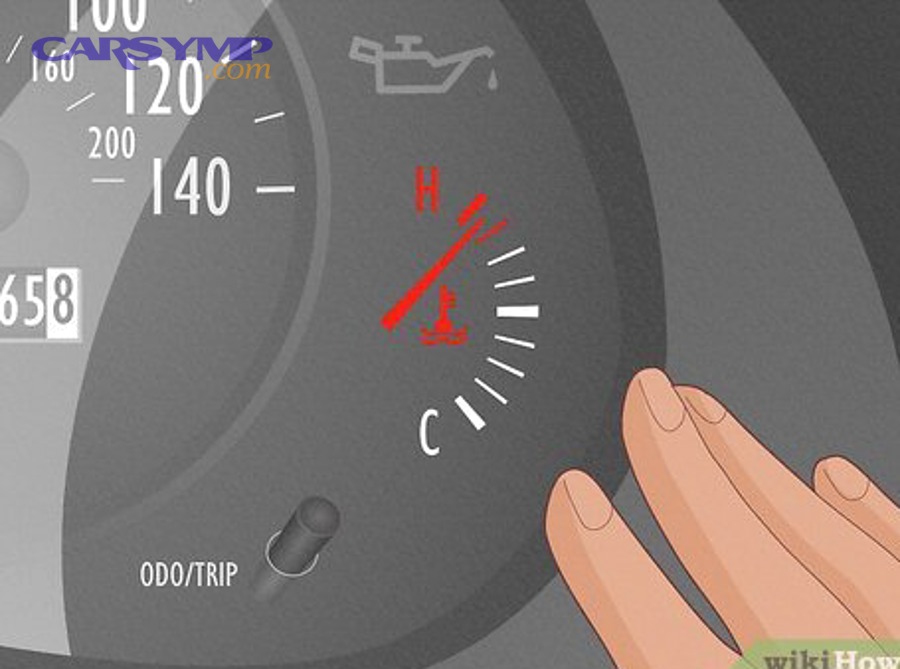
When the coolant reservoir is full but the light is on, what causes that?
When the reservoir reads full but the low coolant warning light stays on, the most likely explanations are sensor/measurement issues, trapped air, or cooling-system design differences—meaning the “level you see” and the “level the system detects” aren’t matching. (jdpower.com)
Then, instead of adding more coolant blindly (which can overfill), you focus on verifying the reading and checking for false triggers.
Is the coolant level sensor likely faulty or stuck?
Yes, a faulty or stuck level sensor is a common reason the low coolant warning light appears even when the reservoir looks correct, because the sensor can stick, foul, or misread due to contamination or electrical issues. (jdpower.com)
Here are three reasons sensor problems happen:
- Float mechanism issues (sticking, saturation, sludge)
- Connector corrosion (moisture and coolant vapor exposure)
- Intermittent wiring faults (vibration-related contact issues)
What you can do safely:
- Inspect the sensor connector for corrosion.
- Check for residue in the reservoir that might foul a float.
- If you recently topped off, recheck the level cold to confirm you didn’t overfill.
Can trapped air after service trigger the low coolant light?
Yes, trapped air can trigger the warning because air pockets can lower the sensor’s local reading, interrupt coolant contact, or cause the system to “burp” coolant level down after the first few heat cycles. (jdpower.com)
This is especially likely if you recently had:
- A coolant flush
- Thermostat replacement
- Water pump replacement
- Hose/radiator replacement
Typical clue pattern:
- Warning appears after service
- Cabin heat is inconsistent
- Level changes noticeably between cold/hot cycles
Bleeding procedures are vehicle-specific, so if your car requires a special bleed port or vacuum fill, follow the service manual or have a shop purge the system properly.
Could the problem be wiring or the instrument cluster message logic?
Yes, wiring or module logic can be the cause because the sensor signal is interpreted by an ECU/body module, and intermittent voltage, grounds, or harness damage can create false warnings. (jdpower.com)
If the warning is intermittent and the coolant level is stable, look for these patterns:
- Warning appears on bumps or turns (harness movement)
- Warning appears in rain/humidity (connector moisture)
- Warning appears only at startup (momentary signal check)
A shop can often confirm this with a scan tool reading the coolant level signal (where supported) and checking for related stored codes.
When should you stop troubleshooting and see a mechanic?
You should stop DIY troubleshooting when safety risk is present, coolant loss is rapid, overheating occurs, or signs point to internal engine involvement, because the cost of “one more drive” can be far higher than the cost of diagnosis. (jdpower.com)
Next, treat professional diagnosis as a way to confirm root cause (leak location, pressure retention, combustion gas intrusion) rather than a generic “repair visit.”
Is it safe to drive if the low coolant light comes on intermittently?
Yes, it can be safe to drive briefly in some cases, but only if the coolant level is confirmed stable when cold, the temperature stays normal, and there are no leak or overheating signs; No, it is not safe if the warning coincides with temperature rise, steam, or repeated top-offs. (jdpower.com)
Three reasons intermittent warnings can still be risky:
- Intermittent can become constant if a small leak worsens under pressure.
- Temperature spikes can be fast once air enters coolant passages.
- A false warning can hide a real one if you get used to ignoring it.
So the safe approach is to treat intermittent warnings as “diagnose now,” not “ignore until it’s constant.”
What signs suggest a head gasket problem rather than a simple leak?
There are five classic signs that suggest possible head gasket involvement: (1) repeated coolant loss with no visible leak, (2) consistent overheating, (3) bubbles/pressurization behavior, (4) exhaust smoke patterns, and (5) fluid cross-contamination—based on how internal sealing failure presents. (jdpower.com)
What to watch for:
- Coolant level drops repeatedly with no external wet spots
- Engine overheats quickly after startup or under load
- Persistent bubbles in the expansion tank after warm-up
- Sweet smell from exhaust or persistent white smoke (especially after fully warm—context matters)
- Milky oil (not always present; short trips can also cause condensation)
Important: these symptoms are clues, not a final diagnosis. A shop can confirm with a combustion-gas test, pressure test, and inspection.
What information should you document before visiting a shop?
The best documentation is a short, factual timeline: when the light came on, coolant level changes (cold vs hot), temperature behavior, leak signs, and any recent cooling-system work—because it helps the tech reproduce the condition faster. (jdpower.com)
Bring or record:
- Photo of reservoir level when cold (and the warning message if displayed)
- Whether the temperature gauge rose above normal
- Whether the cabin heater stopped blowing hot air
- Where you saw any puddle or residue
- What fluid you added (coolant type, premix vs concentrate, amount)
This turns your visit into “targeted diagnosis” rather than “generic inspection,” which often saves time and money.
How can you prevent the low coolant light from coming back?
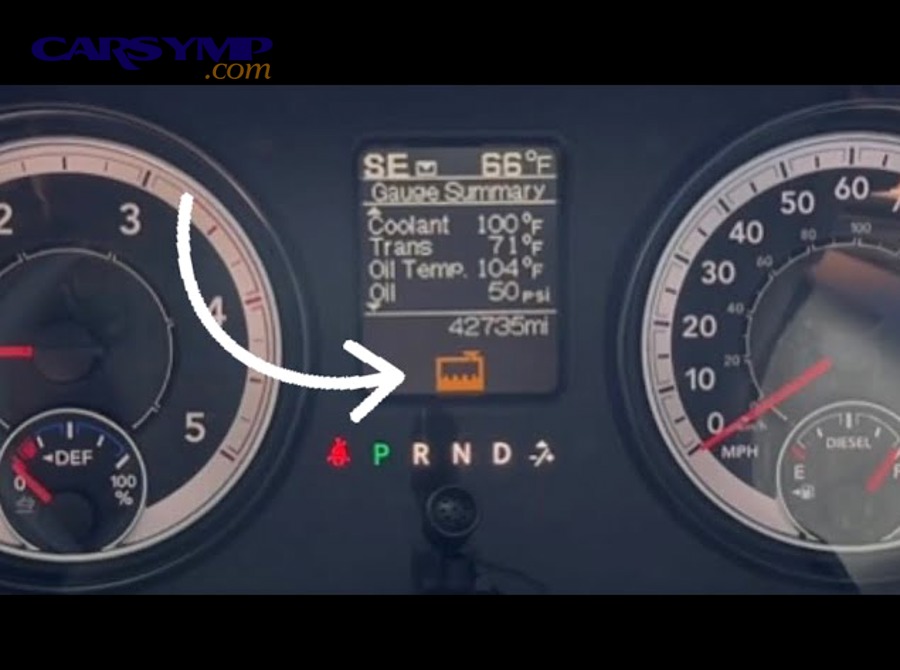
Preventing low coolant warnings is about keeping the system sealed, using the correct coolant, and catching small losses early—so you avoid the cycle of topping off without fixing the underlying cause. This is the practical heart of Preventing low coolant warnings.
Then, once prevention is routine, the low coolant warning light becomes a rare alert—rather than a recurring nuisance.
Which coolant type should you use (OEM spec vs “universal”), and why does it matter?
OEM-spec coolant wins for compatibility, “universal” wins for convenience: OEM spec is best for matching corrosion inhibitors and material compatibility, while “universal” may work in some cases but can be risky if it’s incompatible with existing coolant chemistry. (jdpower.com)
Practically, the “why it matters” comes down to:
- Corrosion protection for aluminum, solder, and mixed metals
- Seal and gasket compatibility
- Deposit/sludge risk if incompatible coolants are mixed
- Long-life additive packages designed for the vehicle
If you don’t know what’s in the system, the safest path is a proper flush and refill with the manufacturer-recommended type.
How often should coolant be replaced, and what inspection routine reduces surprise warnings?
A preventive routine has four parts: (1) periodic level checks when cold, (2) hose and clamp inspection, (3) cap and reservoir condition check, and (4) coolant service at the manufacturer interval—because most low coolant warnings start as small, detectable changes. (jdpower.com)
A realistic habit stack:
- Monthly: quick reservoir glance when cold
- Every oil change: inspect hoses, look for crust/residue, check reservoir seam
- Seasonal: inspect cap seal condition and reservoir neck
- Service interval: coolant drain/fill or flush as recommended (varies widely)
If you ever notice the level drifting downward between checks, treat it as “early warning” and investigate before the dashboard does.
What mistakes commonly cause repeat warnings after a top-off or coolant service?
There are four common mistakes that cause repeat warnings: (1) topping off without finding the leak, (2) using the wrong coolant or mixing types, (3) failing to bleed air properly, and (4) overfilling the reservoir—based on how cooling systems stabilize after service. (jdpower.com)
How each mistake creates a repeat warning:
- No leak diagnosis → level drops again because the cause never changed
- Wrong/mixed coolant → reduced inhibitor performance; deposits; sensor fouling potential
- Unbled air → false low readings; heater issues; “burp” losses after heat cycles
- Overfill → system expels excess; owner misreads it as “loss”
If your warning repeats after service, suspect bleeding/air pockets and cap sealing first—then check for leaks.
What rare problems cause recurring low coolant warnings even after repairs?
Rare recurring causes include intermittent sensor faults, micro-leaks only under load, and internal pressure intrusion—because these don’t always show up in quick inspections or short tests. (jdpower.com)
Examples of what “rare” can look like:
- A micro-leak that only opens when the engine torques or the system reaches peak pressure
- A wiring fault that only occurs with vibration or moisture
- A system that was repaired but still traps air without a vacuum fill procedure
Evidence: According to a study by the University of Birmingham’s Department of Mechanical Engineering (School of Engineering), in 2023, researchers investigated ethylene-glycol-based coolant heat-transfer behavior and showed how changes in thermophysical performance can materially affect heat dissipation under operating conditions. (pmc.ncbi.nlm.nih.gov)