


Ceramic vs premium pad price comparison comes down to how “premium” is defined, what your vehicle needs, and what you value most: quiet braking, low dust, long life, or peak bite under heat.
If your main goal is to control the checkout total, you’ll want to separate pad price from the full brake job and learn which features actually change cost—like coated backing plates, hardware kits, wear sensors, and brand-specific friction blends.
If your goal is long-term value, you’ll compare price per mile, rotor friendliness, and the probability of noise or vibration comebacks—because those hidden outcomes are often what “premium” is really priced for.
Giới thiệu ý mới: Below is a step-by-step, shopper-friendly way to compare ceramic and premium pads like a technician would, while still thinking like a cost-conscious driver.
What does “premium brake pad” mean for pricing and performance?
“Premium” usually means a higher-spec friction blend plus better hardware, coatings, and quality control—not a single material type. However, the label can also be pure marketing, so you must confirm what features you’re paying for.
To begin, treat “premium” as a package of measurable attributes rather than a price tier.
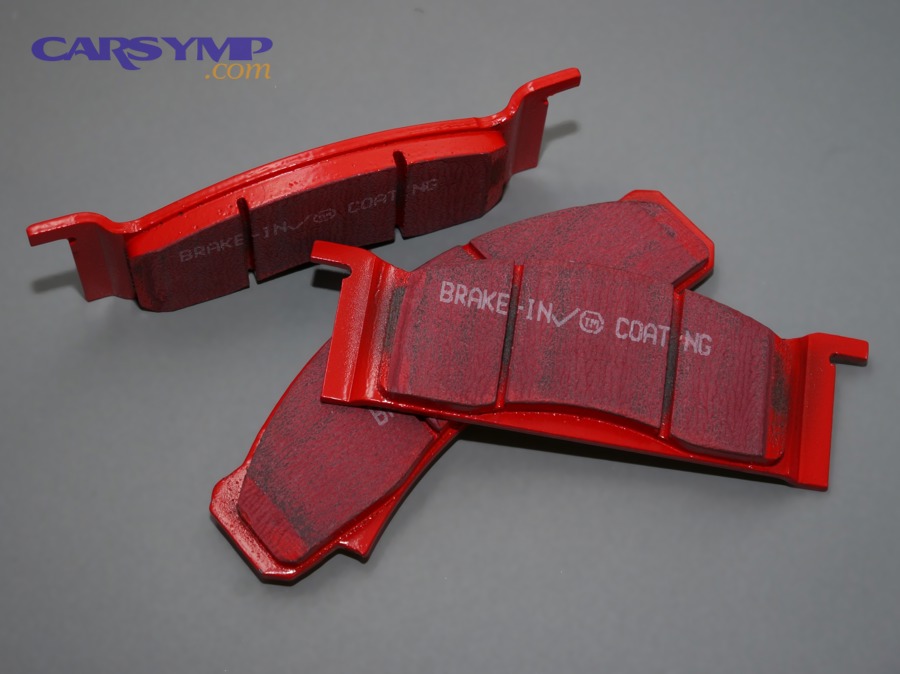
Is “premium” a material, a brand tier, or a kit?
It is usually a kit-level tier: pad compound + shims + clips + chamfers/slots engineered for noise control. Next, check whether “premium” includes new abutment hardware and anti-rattle clips, because that changes both labor time and squeal risk.
Specifically, many premium lines add multilayer shims, powder-coated backing plates, or scorched friction surfaces to shorten break-in and reduce noise.
Which specs actually justify higher price?
Higher price is most justified when you can point to a specific design improvement like better damping, tighter friction tolerance, or higher fade resistance. In contrast, a generic label without specs rarely predicts real-world results.
To illustrate why damping matters, brake noise and low-speed vibration are often linked to friction dynamics and system resonance rather than “bad luck.” According to research published through SAE describing creep-groan mechanisms, stick-slip behavior between pad and disc is considered a dominant mechanism in certain low-speed vibration phenomena.
How to translate “premium” into a shopper checklist
Premium should translate into a checklist you can verify on a quote: included hardware, corrosion protection, noise control layers, warranty terms, and pad line (daily driver vs severe duty). Next, you’ll compare ceramic against that checklist instead of assuming ceramic automatically equals premium.
Are ceramic pads always more expensive than premium pads?
No—ceramic pads are often priced higher than basic pads, but they can be cheaper than a truly premium kit or OEM-grade performance line. However, ceramic pricing varies widely by vehicle, supplier, and whether the set includes hardware.
Next, compare “pad set price” and “installed price” separately so you don’t misread the value.

When ceramic costs more
Ceramic costs more when it is a branded, vehicle-specific formulation with noise-control layers and corrosion-resistant plates. Next, you’ll see this most often in late-model sedans and crossovers where quiet operation is prioritized.
For many drivers, the “pay more upfront” logic is that ceramic can reduce visible wheel dust and reduce squeal complaints—benefits that feel immediate even if performance differences are subtle.
When premium costs more than ceramic
Premium costs more when it’s engineered for higher heat, towing, heavier vehicles, or includes a complete hardware kit and wear sensor integration. In contrast, a low-cost ceramic pad without robust hardware can be “ceramic in name” but not premium in execution.
A quick reality check on what you’re buying
If two quotes differ, ask: “Is this a ceramic friction material, or a premium line that could be ceramic or not?” Next, request the exact part number or product line name to avoid apples-to-oranges comparisons.
What price ranges should you expect for ceramic vs premium pads?
Expect a wide range because vehicle weight, rotor size, and caliper design change both parts cost and install time. However, you can still use realistic bands to sanity-check quotes and spot upsells.
Next, use the table below to classify your quote into “basic,” “mid,” or “high” before you decide what to upgrade.

This table shows typical pad-set pricing ranges (parts only) by common vehicle category and pad tier, so you can compare the quote line items consistently.
| Vehicle category | Basic pad set (parts) | Ceramic pad set (parts) | Premium kit / performance line (parts) |
|---|---|---|---|
| Compact car | $25–$60 | $45–$120 | $90–$220 |
| Midsize sedan / small SUV | $35–$80 | $60–$160 | $120–$280 |
| 3-row SUV / light truck | $45–$110 | $80–$220 | $160–$350+ |
| Performance / luxury | $60–$140 | $120–$300 | $250–$600+ |
Why price spreads are so large
Price spreads are large because pad shape, sensor integration, and required hardware differ by platform. Next, the same “ceramic” label can cover very different formulations with different wear rates and noise behavior.
According to an interlaboratory study on brake particle emissions published in MDPI (Atmosphere), disc brakes emitted PM2.5 and PM10 values that varied by brake type and test conditions, highlighting that brake system design and pad type can change outcomes beyond just price.
How to use ranges without over-trusting them
Use ranges to flag outliers, not to demand a universal “correct” price. Next, when a quote is far above the band, ask which add-ons (hardware, sensors, rotor work) are included—because those often explain the difference.
Which cost factors change the final installed price the most?
Labor, rotor condition, and required add-ons usually move the final number more than the pad material alone. However, premium kits can reduce repeat labor by lowering noise and fitment problems, which is why shops often recommend them.
Next, you’ll break the job into controllable line items so you can negotiate intelligently.

Labor vs parts: why labor often dominates
Labor dominates when calipers are hard to access, rust is severe, or electronic parking brakes require service mode. Next, labor can also rise if seized slide pins or hardware must be cleaned, lubricated, or replaced.
Here’s the shopper translation you can use inside a quote discussion: “Labor cost drivers and flat-rate time” are often set by book labor guides, but real-world corrosion and stuck components can add shop time even if the flat-rate is fixed.
Hardware kits, shims, sensors, and “small parts” fees
Small parts fees become big when they include proper clips, shims, and wear sensors that the system expects. Next, premium kits often bundle these items, while cheaper pad sets make them optional and raise your chance of noise or uneven wear.
Why your total is not just pads + labor
Your total isn’t just pads and labor because braking is a system: rotors, calipers, fluid condition, and hub cleanliness matter. Next, you’ll see why rotor work is the most common add-on and often the most misunderstood.
How do rotors change the ceramic vs premium value calculation?
Rotors change the value calculation because pad choice interacts with rotor surface, hardness, and heat management. However, many “pad problems” are actually rotor problems—glazing, scoring, thickness variation, or runout.
Next, you’ll decide whether to service rotors now or risk premature pad wear and vibration later.
Resurface vs replace: what you’re really buying
You’re buying surface quality and thickness stability, not just a shiny disc. Next, resurfacing can restore a flat surface if the rotor remains above minimum thickness, while replacement is often safer when rotors are thin, cracked, or heavily rusted.
To keep your notes consistent, many quotes describe this decision as “Rotor resurfacing vs replacement cost add-ons,” because the rotor line item can swing the ticket dramatically even when pads stay the same.
When ceramic is “rotor friendly” and when it isn’t
Ceramic is often considered rotor-friendly for daily driving because it can be stable and quiet, but rotor outcomes still depend on formulation and driving heat. Next, aggressive driving, heavy loads, or repeated hard stops can punish any pad and increase rotor wear.
A data-backed way to think about braking byproducts
Braking creates wear particles regardless of pad type, which is part of why rotor and pad choices matter beyond cost. Next, consider that brake wear is a meaningful non-exhaust particulate contributor in traffic-heavy areas.
According to a peer-reviewed review article in PMC (2014), brake wear can contribute substantially to traffic-related particulate matter in certain urban contexts.
Does “premium” lower your cost per mile compared with ceramic?
Sometimes—premium can lower cost per mile when it lasts longer, reduces rotor replacement frequency, and avoids noise comebacks. However, if your driving is gentle and your system is well-maintained, ceramic may already deliver excellent value.
Next, estimate your cost per mile using realistic life ranges rather than optimistic marketing numbers.

Build a simple cost-per-mile estimate
Divide installed price by your expected pad life in miles and add a rotor allowance if rotors are near limit. Next, compare two scenarios: “quiet daily driver ceramic” vs “premium kit with hardware and warranty,” keeping all other assumptions equal.
When doing this math, don’t forget that brake pad replacement cost is often bundled with rotor work and hardware, so “pads only” is rarely the real-world number you’ll pay.
What actually shortens pad life
Pad life shortens most from heat and frequent stop-and-go braking, not from the label on the box. Next, towing, mountain descents, city delivery driving, or aggressive braking patterns can overwhelm a pad designed for commuting.
Why “average” numbers mislead
Averages mislead because they blend many vehicles and driving profiles into one number. Next, use “Average brake pad replacement cost” only as a sanity check, then anchor your decision to your specific vehicle class and usage.
How do noise, dust, and “feel” influence what you should pay?
They influence what you should pay because comfort and cleanliness are real ownership costs: squeal wastes time, dust creates frequent wheel cleaning, and inconsistent pedal feel reduces confidence. However, these outcomes are also shaped by installation quality and rotor condition.
Next, match pad type to your priorities so you stop paying for benefits you don’t care about.
Dust and wheel-cleaning time as a “soft cost”
Dust becomes a soft cost when it changes how often you clean wheels and how quickly rims look dirty. Next, many drivers pick ceramic because it often produces lighter-colored dust that is less noticeable on wheels, though outcomes vary by formulation.
Noise risk: why premium sometimes wins
Premium sometimes wins because noise control is engineered into the shim stack, chamfers, and friction stability. Next, cheap pads often save money by skipping these details, increasing squeal probability—especially when hardware is reused or rotors are rough.
According to SAE-published technical writing on brake vibration phenomena, friction-induced mechanisms like stick-slip are central to certain low-speed noise/vibration issues, reinforcing why damping and fitment details matter.
Pedal feel and bite: what you can actually notice
You can notice initial bite and modulation more than raw stopping distance in everyday driving. Next, performance-oriented premium pads may feel stronger at higher temperatures, while comfort-oriented ceramics may feel smoother and quieter when cold.
How can you compare quotes fairly in one shopping session?
Compare quotes fairly by forcing each shop to describe the same scope: pads, rotors, hardware, sensors, and warranty. However, you must also confirm whether the quote assumes resurfacing or replacement and whether it includes shop fees.
Next, use a consistent script that makes apples-to-apples comparisons easy.
The five questions that eliminate hidden differences
Ask five questions: exact pad line/part number, included hardware, rotor plan, sensor handling, and warranty terms. Next, ask whether caliper slide service is included, because skipped lubrication can ruin even expensive pads.
What to request on the written estimate
Request line-item detail so you can see where money goes: parts, labor, rotor service, shop supplies, and taxes. Next, this transparency lets you decide where “premium” is worth it and where it isn’t.
If you want to organize your own notes, you can store each quote as: brand/line, pad type, rotor action, hardware included, warranty, and total—then decide later with a clear head.
A quick internal-link map for your research notes
Below is a structured set of related entities you can use for internal navigation on Car Symp without mixing them into your headings.
- Friction material families: ceramic, NAO, low-metallic, semi-metallic
- Brake system entities: rotor runout, thickness variation, caliper slide pins, abutment clips
- Ownership outcomes: squeal, dusting, vibration, premature wear, warranty claims
Which choice fits your driving style: ceramic or premium?
Ceramic fits drivers who want quiet, low visible dust, and predictable daily stopping, while premium fits drivers who need higher heat capacity, stronger bite, or heavier-duty durability. However, the “best” choice changes with vehicle weight, tire grip, and driving terrain.
Next, match your use case to a pad profile, not a brand slogan.
City commuting and school runs
Ceramic is often the best fit for city commuting because it prioritizes quiet operation and stable everyday friction. Next, pair it with good hardware and smooth rotors to minimize squeal and uneven wear.
Highway, mountains, towing, and heavy loads
Premium severe-duty or performance lines often fit better when heat is frequent, like mountain descents or towing. Next, these pads may cost more but can resist fade and maintain bite when temperatures rise.
Performance driving and repeated hard stops
Premium performance pads are designed to keep friction stable at higher temps, while some ceramics prioritize comfort and can feel less aggressive at the limit. Next, if you drive aggressively, confirm the pad’s temperature range and intended use.
According to a 2024 paper in PNAS on brake-wear particles, brake wear generates highly charged aerosol under certain conditions, reinforcing that braking intensity and conditions can meaningfully change wear behavior and byproducts.
Contextual Border
Up to this point, you’ve compared ceramic and premium pads by practical cost drivers and everyday ownership outcomes. Next, the supplementary section goes deeper into rarer attributes—regulations, test standards, and “premium” engineering details that can quietly justify price.
Supplementary: Rare attributes that can justify premium pricing
This section focuses on less obvious attributes that often explain why one “premium” option costs far more than another, even when both are called ceramic or performance.
Copper limits, emissions attention, and why formulations are changing
Formulations are changing because regulators and researchers increasingly focus on non-exhaust emissions like brake wear particles. Next, this can raise R&D and manufacturing costs for some premium lines that meet stricter requirements or target lower wear emissions.
According to a California Air Resources Board (CARB) final report dated January 2021, brake dynamometer testing was used to measure and analyze particulate matter emitted during light-duty vehicle braking to improve emission factors and understanding of conditions affecting brake PM.
Test standards and why “validated” pads can cost more
Validated pads can cost more because testing and consistency control are expensive. Next, when a premium line references standardized dynamometer procedures or quality metrics, you’re often paying for repeatable friction behavior, not just raw material cost.
Noise engineering layers and damping: what’s inside the price
Noise engineering can justify price because multilayer shims, damping coatings, and controlled friction transitions reduce squeal risk. Next, these features matter most on vehicles known for brake noise sensitivity and on owners who prioritize quiet cabins.
Warranty structure and how it should change your decision
Warranty should change your decision when it meaningfully reduces your risk of paying labor twice. Next, read whether warranty covers parts only or parts and labor, and whether it is prorated—because that can flip the value equation between ceramic and premium.
FAQ
Is ceramic the same as “premium”?
No—ceramic is a friction material category, while premium is a tier that can apply to ceramic, semi-metallic, or other blends. Next, verify what’s included (hardware, shims, coatings) before assuming ceramic equals premium.
Can cheaper ceramic pads be a bad deal?
Yes—cheap ceramic pads can be noisy or wear unevenly if hardware is reused or the formulation is inconsistent. Next, if the pad set doesn’t include clips/shims, budget to replace hardware to protect your investment.
Should you always do rotors with pads?
Not always—rotors can sometimes be resurfaced or reused if within spec and in good condition. Next, confirm thickness, surface condition, and runout because those factors determine whether new pads will bed-in smoothly.
How do you avoid paying twice after a brake job?
To avoid paying twice, insist on proper rotor prep, fresh hardware where needed, caliper slide service, and correct bedding-in procedure. Next, choose the pad tier that matches your driving heat, because mismatch is a common cause of squeal and premature wear.
What’s the simplest takeaway for shoppers?
If you prioritize quiet and clean wheels, ceramic is often a strong value; if you prioritize heat tolerance, heavy-duty durability, or warranty-backed confidence, a true premium kit may be worth the extra. Next, make the decision using verified scope and part numbers, not labels.