


Dealer vs independent brake job pricing usually differs because the shop “system” is different: labor rates, parts policies, warranty handling, and how the estimate is built—not because one side is always “honest” and the other is always “expensive.”
Beyond the headline number, your real cost depends on what’s included (pads only vs pads + rotors, hardware, fluid service, sensors), how the shop bills time, and whether you’re paying for convenience perks or for pure wrench time.
In practice, you can make either choice a smart buy: a dealership can be worth it for complex, warranty-sensitive, or brand-specific brake work, while an independent shop often wins on flexibility, transparency, and value—if you compare estimates correctly.
To begin, here’s how to read the price gap without guessing, then use a step-by-step “móc xích” approach to choose based on your car, your risk tolerance, and what you actually need.
Is dealer vs independent brake job pricing always higher at the dealership?
No—dealer vs independent brake job pricing is often higher at a dealership, but it’s not guaranteed, and the “higher” number may include items your independent quote excludes. Tiếp theo, focus on three drivers: labor rate, parts policy, and estimate structure.

Reason 1: Dealership labor rates and overhead tend to run higher
Dealership service departments typically carry higher fixed costs (facility standards, brand tooling, training, warranty admin, and amenities), which commonly pushes up posted labor rates. For example, Edmunds notes dealerships can charge more per labor hour than independent shops and explains some of the reasons behind the pricing gap.
Reason 2: Parts rules can be tighter at a dealer
Many dealers default to OEM parts (or OEM-equivalent lines offered through the parts counter) and may limit “customer-supplied parts” or third-party pad brands. That can raise the parts line even if the labor line is similar.
Reason 3: The quote may bundle “protection” items you actually need
Some higher quotes include new hardware kits, slide service, fluid top-off/bleed steps, and documented measurements. In that case, the dealership isn’t just “more expensive”—it may be more complete. However, if those line items are vague (“shop supplies” with no detail), you should ask for clarity before comparing.
Tóm lại, “dealer costs more” is a common pattern, but the correct comparison is “same scope, same parts class, same warranty terms.”
What are the biggest cost components that shape brake job pricing at any shop?
There are four main cost buckets: parts, labor, shop fees, and risk buffers; whichever shop controls these better will price more competitively. Cụ thể, break the estimate into these buckets before you judge value.
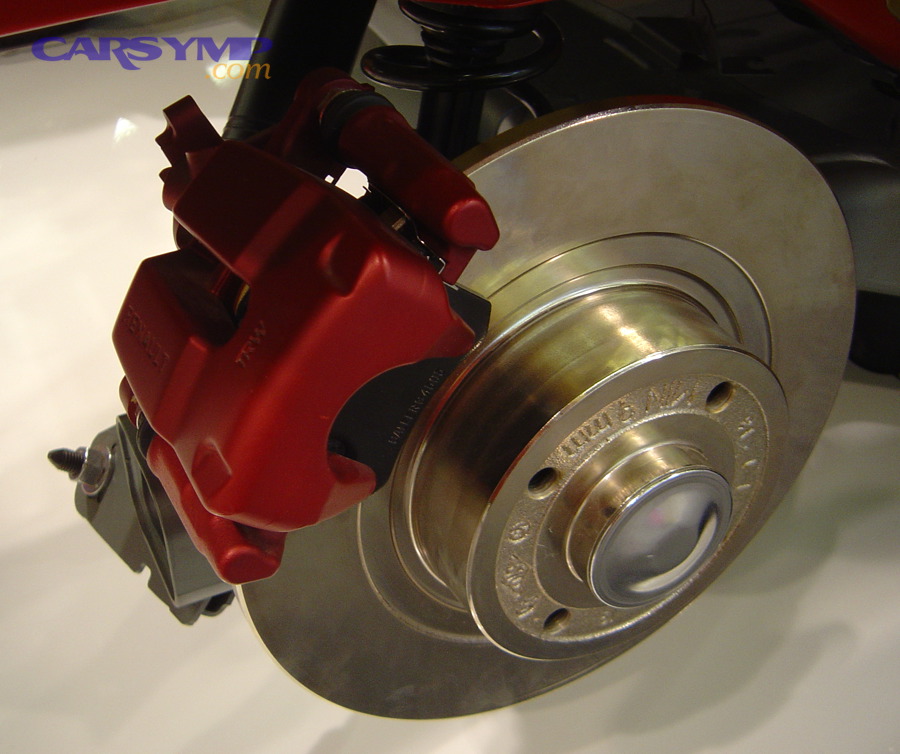
Parts: pads, rotors, hardware, sensors, fluid
The “parts” portion can be deceptively large because a brake quote may include pads plus rotors (replacement or machining), new clips/shims, caliper hardware, brake fluid service, and sometimes wear sensors. A quote that looks cheap may simply be “pads only,” leaving you to pay extra later when the rotors are below spec.
Labor: base time + rust penalty + system steps
Labor is not just the wrench turning. Shops account for seized fasteners, stuck slide pins, caliper bracket rust, and time-consuming steps like electronic parking brake service mode or ABS bleed procedures.
Fees: shop supplies, hazardous waste, disposal
Many estimates include shop supplies, brake cleaner, anti-seize, and disposal fees. These should be itemized or explained; if they are a flat percentage with no details, ask what it covers.
Risk buffer: warranty exposure and comeback prevention
Brake jobs are high-liability work. Shops price in the time to clean/measure, document, and reduce squeaks, pulsation comebacks, and uneven wear—especially if the customer’s expectation is “quiet like new.”
Để hiểu rõ hơn, the next step is to see how dealer and independent shops diverge on each bucket, especially parts policy and labor billing.
How do parts choices change the dealer vs independent brake job pricing outcome?
Parts strategy is a hidden lever: dealerships often prioritize OEM consistency, while independents can tailor pad/rotor options to your goals (quiet, dust control, longevity, towing). Tuy nhiên, flexibility only helps if you compare “same tier” parts across quotes.

OEM vs aftermarket tiers
OEM parts can provide predictable fit, noise control, and factory pedal feel—useful for premium cars or picky drivers. Aftermarket can be equally good, but quality varies by brand line, and “cheap pads” can increase noise, dust, or rotor wear. The right comparison is not “OEM vs aftermarket,” but “OEM vs premium aftermarket vs economy.”
Rotor decision: resurface vs replace vs “replace only” policies
Some dealerships default to replacement to reduce comeback risk; many independents will resurface if thickness and runout allow. If one quote includes new rotors and another assumes machining, you’re not comparing the same scope.
Hardware kits and slide service as a value multiplier
New clips/shims, cleaned brackets, and lubricated slide pins often decide whether the brakes stay quiet and wear evenly. If an estimate doesn’t mention hardware or slide service, ask how they prevent pad binding and uneven wear.
Quan trọng hơn, parts choices also connect directly to your decision about the brake pad replacement cost you’re willing to accept for noise control and lifespan—so keep the parts tier consistent when you compare numbers.
How does labor billing work, and why does it change what you pay?
Most professional brake estimates use a flat-rate labor system: you pay a standardized time for the job, not necessarily the exact minutes the technician spends. Ngoài ra, this is why two shops can quote different labor hours for the “same” brake work.

Flat-rate time: the pricing language behind the estimate
Flat-rate guides assign labor times to common repairs, and shops multiply that time by their posted hourly rate; Chilton explains how flat-rate time works as an industry method for pricing labor across repairs.
Why dealers may “look faster” but cost more
A dealership may quote fewer labor hours for a common model because they perform the job frequently and have model-specific tools and procedures. But if their hourly rate is higher, the total labor line can still be higher.
Why independents may quote more time for rust or complexity
Independents often see mixed makes, older vehicles, and rust-belt problems. They may add time for seized caliper bolts, stuck rotors, or extra cleaning steps that prevent pulsation and squeal.
Để minh họa, the phrase Labor cost drivers and flat-rate time matters because “hours” is not a moral judgment—it’s a modeling choice. The next section shows when paying a higher hourly rate is actually rational.
When does paying dealership pricing make sense for a brake job?
Yes, dealership pricing can be worth it when your brake job is tied to warranty coverage, specialized systems, or brand-specific parts calibration. Bên cạnh đó, the best use case is when the dealer reduces your risk and time cost more than the price premium.

Case 1: Warranty or goodwill is on the table
If your car is under warranty, extended service contract, or you suspect premature wear that could qualify for goodwill assistance, the dealership may be the only path to partial coverage. Paying dealer labor may unlock a larger “net savings” if coverage applies.
Case 2: Electronic parking brakes, ADAS, and procedure compliance
Modern vehicles may require service mode activation, scanner-based resets, or specific bed-in procedures. Dealers are more likely to have the exact OEM workflow on hand, which can reduce the chance of warnings, improper retract, or uneven pad seating.
Case 3: You want one-stop accountability
When a noise or vibration returns, a dealership may be easier for repeat visits if your service history is centralized, and it may have clearer documentation standards. That can matter if you plan to sell the vehicle and want “dealer records.”
Như vậy, the dealership becomes attractive when it lowers uncertainty. Next, let’s flip the logic and see why independent shops often win on value for the same safety outcome.
When is an independent shop the better value for the same brake work?
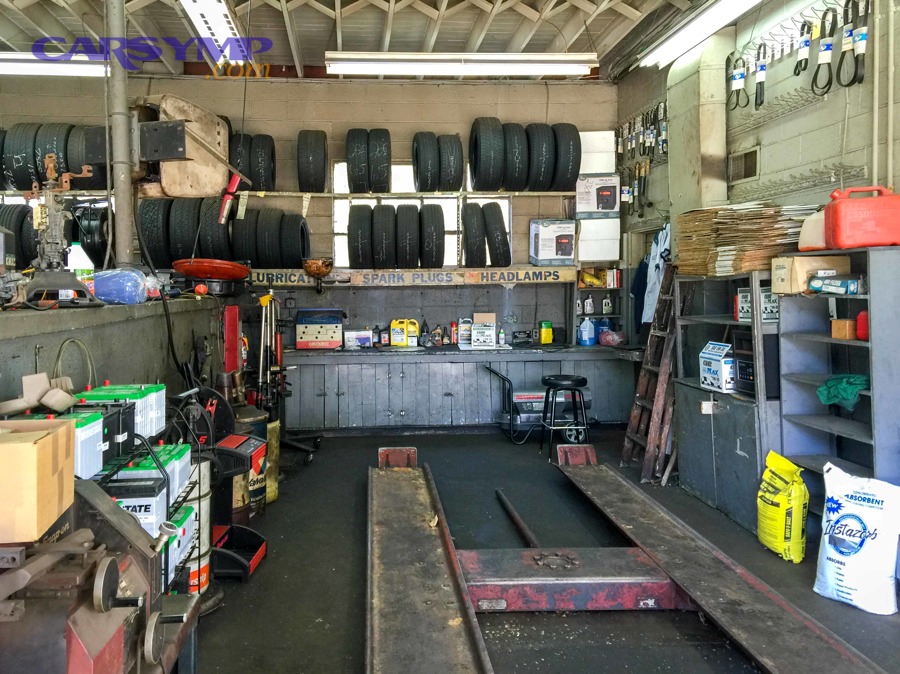
Yes, independent shops are often the better value when your vehicle is out of warranty and you want flexible parts choices, transparent line items, and a scope tailored to your driving style. Hơn nữa, a good independent can match dealer quality with lower total cost if the estimate scope is equal.
Case 1: You want premium aftermarket options without dealer markup
Independents can offer multiple pad/rotor tiers, explain tradeoffs, and often source parts at competitive pricing. This is especially useful if you prioritize low dust, quiet operation, or longer pad life instead of “factory feel.”
Case 2: You want scope control (pads only vs pads + rotors)
Independents may be more willing to measure rotors and justify resurfacing vs replacement, helping you align the repair with your budget and rotor condition. This is where Cost per axle vs all four wheels becomes a practical decision: if only one axle is at limit, you may choose staged work—if measurements support it.
Case 3: You value relationship-based maintenance
A trusted independent may help you plan wear items, avoid unnecessary upsells, and give honest “monitor vs replace” advice—especially for older cars where perfect isn’t the goal, safe is.
Đặc biệt, independent value depends on estimate clarity. So the next section gives you a line-by-line method to compare two quotes like a buyer, not like a gambler.
How do you compare two brake estimates line by line before approving?
Use a simple checklist: match scope, match parts tier, match labor assumptions, then compare warranty and documentation. Sau đây, the table helps you normalize dealer vs independent brake job pricing so you can decide on value, not vibes.

This table shows the exact line items you should align across quotes, so you can spot hidden exclusions and compare “apples to apples.”
| Line Item | What to Verify | Why It Matters |
|---|---|---|
| Axle scope | Front / rear / all four, and whether calipers are included | Scope drives 60–80% of total price |
| Parts tier | OEM, premium aftermarket, economy; brand/part numbers | Noise, dust, longevity, rotor wear |
| Rotor plan | Replace vs resurface; thickness/runout measurements | Pulsation risk and future pad life |
| Hardware | New clips/shims, abutment cleaning, slide pin service | Prevents uneven wear and squeaks |
| Labor method | Flat-rate hours, hourly rate, rust/complexity notes | Explains why totals differ even with same parts |
| Brake fluid | Top-off vs bleed/flush; ABS bleed if required | Pedal feel and corrosion control |
| Warranty | Parts + labor coverage length; what “noise” coverage means | Defines your comeback protection |
| Test drive + documentation | Measurement printouts, torque spec adherence, notes | Accountability and resale confidence |
Ví dụ, if one quote looks cheaper but lists no rotor measurements, no hardware, and a vague warranty, you’re paying for uncertainty later. This is also where DIY cost vs shop cost becomes a reality check: if you’re considering DIY, use the same checklist for your own parts/hardware/torque plan, not just the parts price.
Tổng kết lại, comparison is a process: align scope first, then judge price. Next, we’ll cover the red flags that tell you a quote is incomplete or padded.
What are the common red flags of an overpriced or incomplete brake quote?
There are clear red flags: vague parts, missing measurements, and “mystery fees” that can’t be explained in plain language. Ngược lại, a trustworthy estimate is specific, measurable, and tied to your symptoms.

Red flag 1: No rotor thickness/runout numbers
If a shop insists rotors must be replaced but won’t provide measurements, you can’t verify necessity. You don’t need engineering-level data, but you do need “measured at X mm, spec is Y mm.”
Red flag 2: Parts described as “premium” with no brand
“Premium pads” means nothing without a brand or part line. Ask for the exact pad/rotor line, especially if you’re comparing against an OEM quote.
Red flag 3: Labor hours with no reason on older/rusty cars—or huge add-ons on clean cars
Extra time can be legitimate for rust, seized hardware, or electronic procedures. But if the shop cannot explain the added time in one sentence, you’re not buying expertise—you’re buying guesswork.
Red flag 4: Warranty language that excludes the problems you care about
Some warranties cover “defects” but not noise, vibration, or uneven wear—exactly the reasons customers come back. Make sure the warranty aligns with your expectations.
Quan trọng hơn, red flags matter because brake work is safety-critical. The next section shows safe ways to reduce cost without cutting corners.
How can you reduce brake job cost without reducing safety?
You can lower cost safely by choosing the right scope, scheduling smartly, and selecting a parts tier that fits your driving—without skipping measurements or hardware service. Ngoài ra, you can often save money by improving the estimate clarity, not by downgrading safety.
Step 1: Confirm the true scope with measurements
Ask for pad thickness and rotor measurements before approving rotors. If rotors are within spec and surface is acceptable, resurfacing may be an option; if they’re below spec or heat-checked, replacement is the safer route.
Step 2: Choose a parts tier based on your pain point
If you hate dust and squeal, pay for a quieter premium pad line; if you tow or drive mountains, pay for heat capacity and rotor quality. If you do mostly flat commuting, you may not need the highest tier available.
Step 3: Reduce “surprise labor” by addressing stuck hardware early
On rust-prone vehicles, consider proactive cleaning and proper lubrication at each brake service interval. This lowers the chance of seized pins and uneven wear that force a bigger repair later.
Step 4: Ask for an “all-in” estimate and a “worst-case cap”
Many reputable shops will set a call-before-exceeding amount. That protects you from surprise add-ons and forces communication before cost escalates.
Tóm lại, safe savings come from precision and planning. Next, we’ll anchor the decision using real consumer-reported repair cost context so your expectations are realistic.
What price expectations are realistic, and how should you use them?
Use broad price expectations as a sanity check, not a verdict: “normal” repair cost ranges vary by region, vehicle class, and scope. Để hiểu rõ hơn, combine general benchmarks with your line-item comparison.
The most useful benchmark is how often consumers report paying under certain thresholds for repairs, because it helps you spot outliers. Kelley Blue Book summarizes a Consumer Reports survey of members and provides context on average repair bills and how many people pay under specific amounts.
The benchmark becomes powerful when you connect it to your scope: a pads-only job on one axle should not be compared to a pads+rotors job on two axles, and neither should be compared to a job that includes calipers, fluid service, or electronic procedures. In other words, “average” is only meaningful after you normalize scope.
The required evidence sentence: Theo nghiên cứu của Consumer Reports từ khảo sát thành viên (được Kelley Blue Book tóm tắt), vào 03/2024, chi phí sửa chữa trung bình được báo cáo khoảng 700 USD và phần lớn người trả 1.000 USD hoặc ít hơn cho một lần sửa chữa.
Như vậy, your decision should start with scope and proof, then use benchmarks to confirm you’re in a sensible range—not to chase the cheapest possible number.
FAQ: Dealer vs independent brake job pricing
These quick answers remove common confusion so you can decide faster while still comparing scope correctly. Sau đây, each answer includes a “why” so you can apply it to your situation.
Should you always avoid the dealer for brakes?
No—avoid blind rules. Choose the dealer when warranty, specialized procedures, or accountability is worth the premium; choose an independent when flexibility and transparent value matter more.
Is a cheaper independent quote automatically better?
No—cheaper is only better if scope is equal. If the quote omits rotors, hardware, measurements, or a meaningful warranty, it may cost more after comebacks.
Can you bring your own brake parts to save money?
Sometimes, but many shops limit customer-supplied parts because they can’t control quality or warranty outcomes. If a shop allows it, ask what labor warranty remains and whether they’ll measure/verify part fit before installation.
What should you ask before approving a brake job?
Ask for measurements (pads and rotors), parts tier/brand, rotor plan (replace vs resurface), included hardware and slide service, labor basis, and written warranty terms—then compare both quotes with the same checklist.
Contextual Border: The main comparison above is enough for most drivers. Below is a focused expansion for edge cases where the “best choice” flips due to warranty, electronics, or usage patterns.
Edge cases that flip the dealer vs independent brake job pricing decision
These scenarios are less common but decisive: the “best value” can change quickly when warranty rules, electronics, or heavy-duty use alters risk and procedure requirements. Đặc biệt, treat these as decision triggers, not as generic advice.
Warranty, goodwill, and documentation-heavy situations
If there’s even a small chance of coverage, a dealership inspection can be a strategic move. The key is to ask up front what documentation is required and whether diagnostic time is credited if you approve the repair.
Electronic parking brakes and module-dependent procedures
On vehicles where retraction, calibration, or resets require a scan tool sequence, procedure compliance matters as much as parts quality. In these cases, a shop’s tooling and workflow discipline may matter more than its logo.
Heavy-duty use: towing, mountains, and high-heat braking
Frequent high-heat stops increase the importance of rotor quality, pad heat tolerance, and proper bed-in. A higher-priced quote can be justified if it clearly upgrades heat management and documents measurements.
Fleet, rideshare, and time-value math
If downtime costs you money, prioritize faster turnaround, predictable warranty handling, and reliable scheduling. Sometimes that points to a dealer; other times, it points to a well-run independent with strong parts availability and a clear estimate process.
In short, dealer vs independent brake job pricing becomes easy to evaluate when you treat the estimate like a scope document: define what you’re buying, verify the measurements, align the parts tier, and then decide whether you’re paying for lower risk, higher convenience, or simply higher overhead.