


If your car won’t run safely or reliably, calling a mobile mechanic is often the fastest way to turn an unknown problem into a clear plan: diagnose on-site, fix what’s practical, and tell you when towing is the smarter next step.
A mobile visit makes the most sense when the issue is likely “serviceable where it sits” (battery/starting, minor electrical, sensors, belts, overheating prevention steps, or a quick parts swap) and you need an expert to confirm the root cause without moving the vehicle.
It also helps when your situation is a logistics problem as much as a repair problem: you’re stuck in a driveway, work parking lot, or a tight schedule, and you need certainty on whether the car can be driven or must be transported.
To introduce a new idea: the best time to call is not only about the symptom—it’s about risk, location, and the probability that an on-site fix will actually finish the job rather than delay the inevitable.
What problems are mobile mechanics best at solving on-site?
Yes—mobile mechanics are best for faults that can be confirmed quickly and repaired safely with portable tools, especially when moving the car could worsen damage or leave you stranded again.
To begin, think in “portable systems”: starting power, basic ignition/fuel checks, cooling triage, and easy-to-access parts.
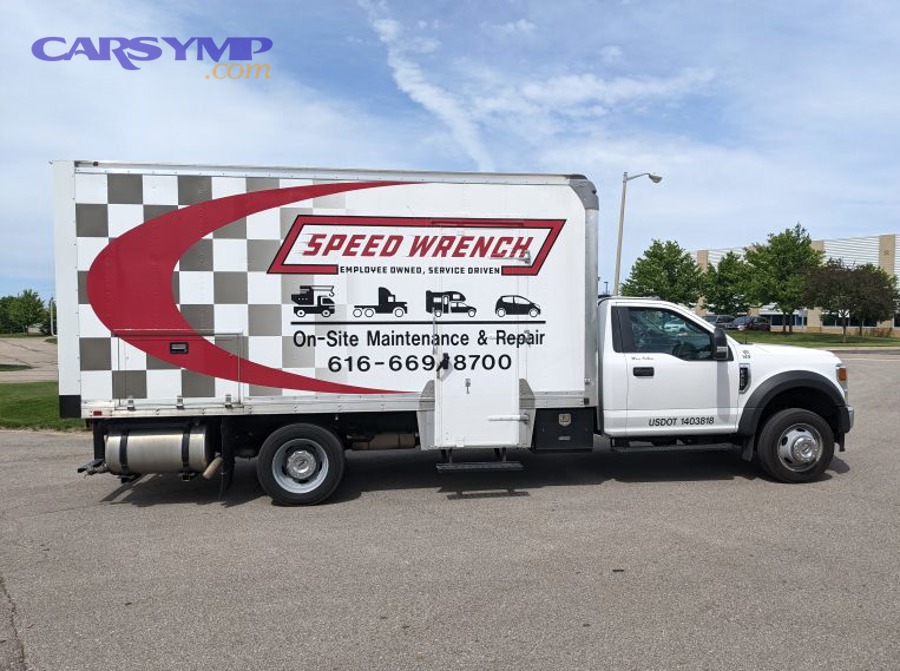
Starting and charging issues that stop the day
A mobile mechanic can often confirm battery health, terminal condition, charging output, and cable integrity on the spot, then fix the obvious failure point quickly.
Next, this matters because a dead-start problem can hide multiple causes, and guessing with random parts wastes time and money.
- Battery state-of-charge and capacity clues: weak crank, clicking, or dash lights that dim sharply.
- Connections and corrosion: loose clamps, green/white buildup, damaged ground straps.
- Alternator output checks: charging voltage and ripple patterns that hint at diode problems.
Basic “no-run” diagnosis with scan data and targeted tests
Mobile mechanics can combine live scan data with quick tests (spark check, fuel pressure direction, sensor plausibility) to narrow the failure to a specific system.
After that, a focused diagnosis prevents the common trap: treating symptoms while the root cause stays untouched.

In real life, the most valuable part of mobile service is the decision it enables: “safe to drive,” “needs a short tow,” or “don’t move it.” In a no-start case, for example, you may recognize the exact scenario described as car cranks but won’t start, and that’s where on-site testing can save a tow that wasn’t necessary—or prevent a risky drive that should never happen.
Cooling system triage and overheat prevention steps
A mobile mechanic can sometimes stop an overheat from becoming an engine-killing event by identifying leaks, fan control issues, low coolant causes, or a stuck thermostat risk.
Meanwhile, the key is deciding whether the car can be stabilized temporarily or must be towed to avoid head-gasket-level damage.
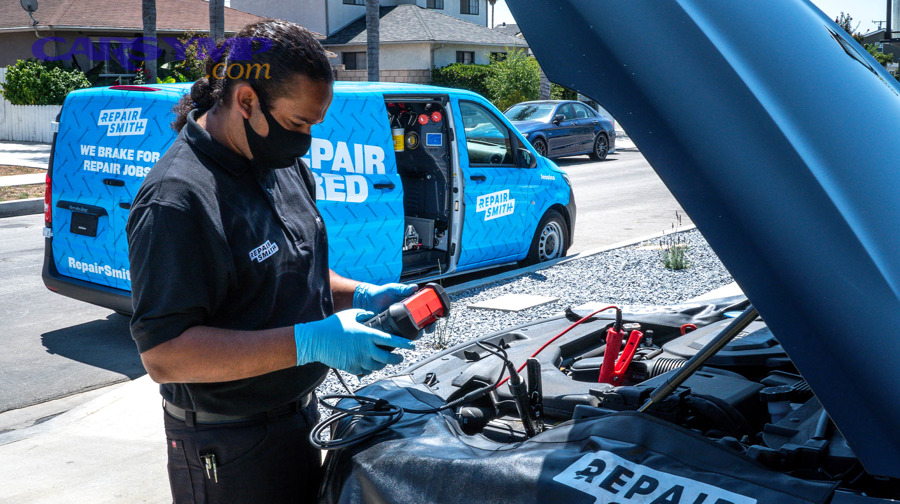
Simple, accessible component replacements
Many on-site repairs work well when access is straightforward and the part is commonly stocked or easy to source fast.
In other words, mobile service shines when the repair is “low lift, high certainty,” not “deep tear-down.”
- Battery replacement (and terminal service)
- Serpentine belt replacement (when routing is clear)
- Ignition coils and spark plugs (on many engines with good access)
- Sensors with easy access (MAF, some cam/crank sensors depending on layout)
When is it safer to stop DIY and call help immediately?
Yes—call immediately when continued cranking, driving, or roadside troubleshooting increases risk to you, passengers, or the engine, especially if your location is exposed or the symptom suggests imminent damage.
Next, treat “safety first” as a diagnostic tool: it tells you what you should not do before you figure out what you should do.
Roadside danger or unsafe stopping conditions
If you’re on a narrow shoulder, near a blind curve, or in heavy traffic, the risk is not the repair—it’s being struck while you work.
After that, moving to a safer spot (if the car can move without damage) is the priority before any wrench turns.
- Limited shoulder space, high-speed traffic, poor visibility
- Bad weather that reduces driver visibility or traction
- Night conditions without adequate lighting
Signs that the engine could be harmed by “one more try”
If you hear unusual mechanical noises, smell fuel strongly, see smoke, or the temperature warning appears, continuing to crank or drive can convert a small problem into a major repair.
In particular, this is where knowing when to pause is a form of protecting your budget.
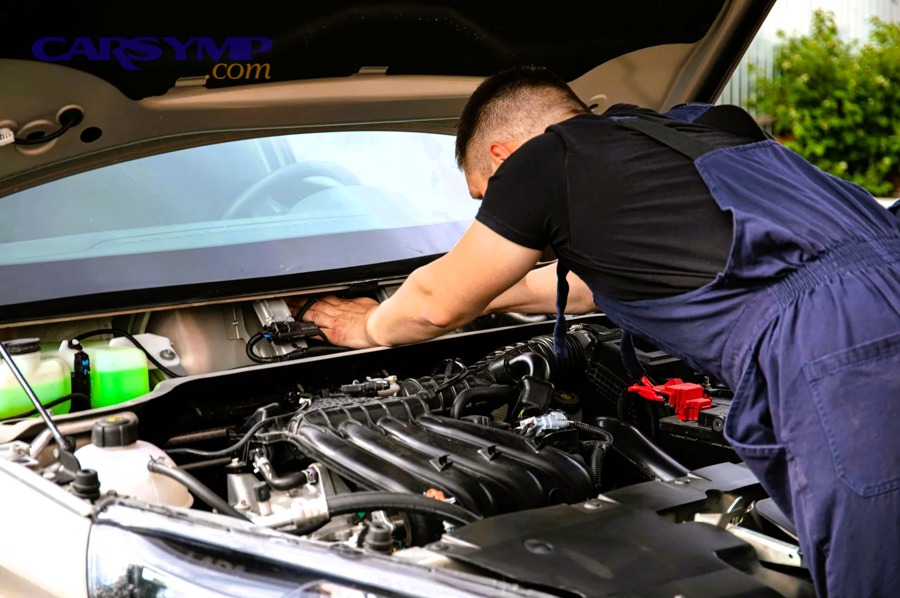
Fuel odor plus repeated starting attempts can also point toward a situation many drivers search as Flooded engine symptoms and fix; the safe move is to stop guessing, avoid spark sources, and let a professional confirm whether the issue is actually flooding or a different fuel-control fault.
Electrical risks and battery hazards
If cables are hot, you see arcing, or you suspect damaged wiring, DIY attempts can create short circuits, fires, or module damage.
So, the practical rule is simple: if you can’t identify the electrical path, don’t “trial-and-error” it in the dark.
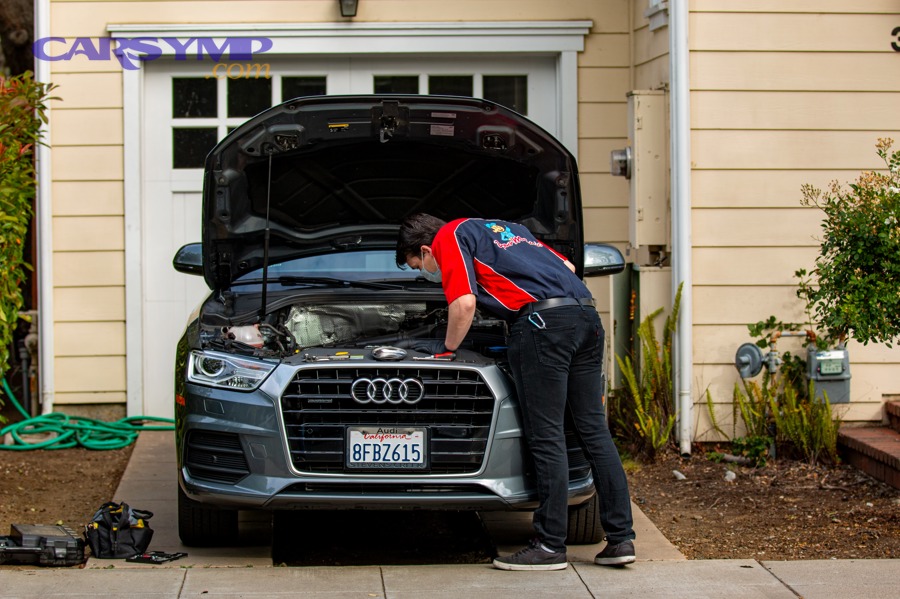
Situations that require lifting, heavy access, or specialty tools
If the job needs safe lifting, torque-sensitive fasteners, or press-fit parts, mobile service may still help—but only when the mechanic confirms they can do it safely on-site.
More importantly, this is where towing to a shop becomes the smarter choice if conditions are cramped or unstable.
How do you decide between a mobile mechanic, towing, and a shop visit?
A mobile mechanic is best when the likely fix is portable and the diagnosis can prevent unnecessary towing, while towing is best when the repair requires a lift, extensive teardown, or the car can’t be made safe to drive.
However, you don’t have to guess—use a quick decision framework based on risk, access, and certainty.
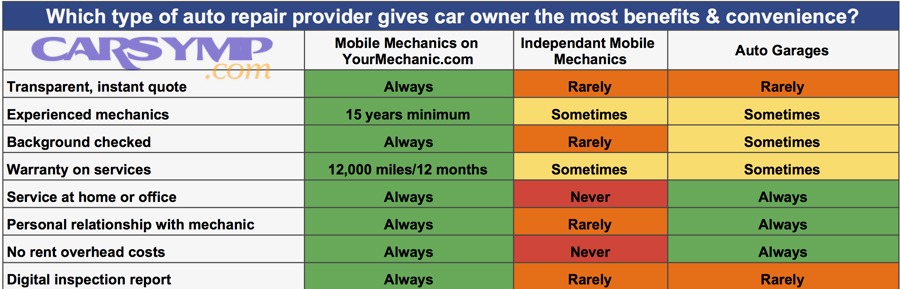
This table helps you choose based on what you’re trying to optimize: safety, speed, total cost, or repair completeness.
Specifically, the table contains a decision matrix comparing mobile repair, towing, and driving to a shop by key criteria.
| Situation | Mobile Mechanic | Tow to Shop | Drive to Shop |
|---|---|---|---|
| Car won’t start in driveway/lot | Best for diagnosis + quick fix | Good if access is hard or parts are major | Not possible |
| Overheating risk | Good for triage and safe/no-safe decision | Best if overheating is severe or unknown | Risky unless confirmed stable |
| Brake/suspension safety concern | May inspect; repair depends on tools | Often best choice | Not recommended |
| Check-engine light but drives fine | Convenient diagnostics | Usually unnecessary | Often fine if no symptoms |
| Needs lift or deep teardown | Usually not ideal | Best choice | Only if safe and short distance |
Use the “three-question filter”
Ask three questions: Is it safe to stay here? Is it safe to move the car? And is a portable fix likely to solve it today?
Next, whichever option gets “yes” with the least risk is your best call.
- Safety of location: If unsafe, prioritize moving safely or calling roadside assistance first.
- Safety of movement: If movement could cause damage, choose mobile diagnosis or towing.
- Probability of completion: If the likely repair is complex, towing may be faster overall.

Understand “diagnosis value” versus “repair value”
Sometimes the biggest win is not the repair—it’s paying for clarity that prevents you from buying the wrong parts or paying for the wrong tow.
In addition, a good mobile mechanic documents what they tested and why, which helps the next step if the car must go to a shop.
Where towing beats mobile every time
Towing is usually the better choice when the vehicle can’t be made safe, when the repair needs a lift, or when the situation demands shop-level equipment and parts availability.
So, if you suspect transmission failure, internal engine damage, or major suspension/brake faults, treat towing as prevention, not an expense.
What information should you gather before you place the call?
To get the fastest help, gather the symptom pattern, basic vehicle details, and safety context, then communicate what changed, what you tried, and what the car is doing right now.
Next, this turns your call into a mini-triage report instead of an open-ended mystery.
Vehicle basics that prevent wrong-part delays
Share year, make, model, engine type, and any modifications that affect access or parts compatibility.
After that, ask the mechanic what parts they might bring so you don’t lose time waiting for a second trip.
- Year/make/model + engine (and trim if relevant)
- VIN if available (helps with exact parts)
- Recent repairs (battery, starter, alternator, sensor work)
Symptom pattern, not just the symptom name
Describe what happens in order: key-on lights, crank speed, any single “catch,” stalls, or warning messages.
To illustrate, two cars can “not start” for completely different reasons, and the pattern guides which tests matter first.

If you keep a personal note called Cranks but won’t start diagnostic checklist, you can read it like a script during the call—what you observed, what you tried, and what changed. That small structure often cuts diagnosis time because it reduces guesswork.
Any scan codes, but also the context
If you have a code reader, share the codes and the freeze-frame context if available, but don’t assume the code is the cause.
More importantly, note whether the issue began after rain, after fueling, after a battery jump, or after a repair.

Location constraints that affect what’s possible
Tell them if the car is in a garage, a tight parking spot, on a slope, or blocked by other vehicles, because access changes the repair plan.
In other words, the mechanic needs to know whether they can safely jack the car, open doors fully, or work in low light.
How much might it cost and how can you avoid surprises?
Mobile service can be cost-effective when it avoids towing and reduces diagnostic time, but the total depends on travel fees, diagnostic complexity, parts, and whether the job becomes a shop-only repair.
Next, the best way to control cost is to agree on scope before the wrench turns.
Separate “arrival + diagnosis” from “repair”
Ask how they bill travel, diagnostic time, and repair time, and whether the diagnostic fee is credited if you proceed with the repair.
After that, you can compare apples-to-apples with towing plus shop diagnosis.
- Travel/dispatch fee: distance, urgency, and time of day can matter
- Diagnostic fee: the testing and confirmation step
- Labor + parts: repair execution after diagnosis
Use a “not-to-exceed” approach for uncertain jobs
For tricky problems, ask for a cap on diagnostic time or a checkpoint call after specific tests are completed.
In addition, this protects you from paying for unlimited exploration when towing to a shop would be more efficient.

Know what mobile is great at—and where it can get expensive
Mobile is great at confirmation and small-to-medium repairs, but it can get costly if the job requires repeated trips for parts or turns into a lengthy teardown in a difficult location.
So, if the first visit suggests a major repair, a good mechanic will recommend towing rather than stretching the job on-site.

Some drivers like to keep a personal reference list titled Typical repair costs for common causes so they can sanity-check quotes and avoid being rushed into a decision. Used wisely, it’s not about arguing—it’s about asking better questions.
Questions that prevent “scope creep”
Ask what the mechanic expects to complete today, what could require a shop, and what symptoms would change the plan.
Next, that clarity becomes your decision leverage if the diagnosis shifts midstream.
- What tests will you run first, and why?
- What is the most likely root cause based on the pattern?
- If the fix isn’t possible on-site, what is the safest next step?
- Will you provide notes/codes/results I can take to a shop?
What can you do while waiting to speed up the repair?
You can speed up the repair by making the site safe, gathering observations, and preparing access to the vehicle, all while avoiding actions that could create damage or change the symptom pattern.
Next, these small steps help the mechanic start diagnosing immediately instead of spending the first 20 minutes on logistics.
Make the scene safe without over-handling the car
Turn on hazards, set triangles if you have them, and keep people away from traffic and hot components.
After that, avoid repeated crank attempts, especially if you smell fuel or see warning lights you don’t recognize.
- Hazard lights and safe distance from traffic
- Keep hood closed if you’re near moving vehicles
- Do not crawl under the car on the shoulder
Document what you saw in the first minute
Take a short video of the crank sound, dash lights, and any messages, because these clues often disappear after the battery weakens or the car cools down.
In addition, photos of leaks under the car and the engine bay can help the mechanic pre-plan tools and parts.
Prepare access and reduce “setup time”
Unlock the vehicle, clear clutter around the engine bay, and locate your wheel lock key or basic tools if you have them.
Meanwhile, make sure the mechanic can park safely and has space to work without blocking traffic or neighbors.

Watch one high-quality safety walkthrough
If you want guidance without risking DIY mistakes, a short safety-oriented walkthrough can help you avoid dangerous actions while you wait.
To understand better, here is a practical video that focuses on safe roadside behavior and basic decision-making rather than complicated repairs.
As you wait, you might also browse educational categories like Car Symptoms to recognize patterns and communicate them clearly—just remember that pattern recognition is not a substitute for testing.
Contextual Border: The sections above cover the main decision logic. Next are advanced edge cases and rare constraints that can change what “best option” looks like.
Advanced scenarios that change the “right time” to call
In rare or complex scenarios, calling earlier is usually better because the risk of compounding damage or wasting time is higher, and the diagnosis often requires specialist knowledge even if the fix happens at a shop.
Next, these edge cases help you recognize when “quick help now” is smarter than “maybe I’ll try later.”
Hybrid and EV considerations
High-voltage systems require specific training and safety procedures, so early professional guidance prevents unsafe handling and helps you choose the correct service path.
In addition, even a simple 12V issue in a hybrid can present differently, so on-site diagnosis can be especially valuable.
Security systems, keys, and modern immobilizers
If the vehicle’s security behavior changes (unexpected flashing indicators, key recognition issues, or odd lock behavior), you may need a specialist with the right scan tools and authorization.
So, calling early avoids a spiral of repeated attempts that drain the battery and muddy the symptom pattern.
Extreme weather, heat soak, and intermittent faults
Intermittent problems can disappear by the time you reach a shop, which is why a mobile diagnosis at the moment of failure can be the only way to capture the evidence.
Furthermore, extreme temperatures can make certain plastics and connectors more fragile, so careful handling matters.
Parts strategy: OEM, aftermarket, and “right-now” constraints
When timing is tight, the best solution may be a temporary stabilization today and a higher-quality parts repair later, depending on your driving needs and part availability.
As a result, a good mobile mechanic helps you balance “safe now” versus “optimal long-term.”
FAQ: Quick answers about calling a mobile mechanic
These quick answers help you decide faster when you’re stressed, short on time, and trying to avoid the wrong move.
Next, use them as a final check before you choose mobile help, towing, or a shop visit.
Should you call a mobile mechanic if the car starts sometimes?
Yes, especially for intermittent issues, because capturing the problem where it happens is often easier than reproducing it at a shop later.
In addition, intermittent faults are where a good diagnostic process is worth more than random parts replacement.
Is towing always more expensive than a mobile visit?
No, because if the repair requires shop equipment, towing straight to the right shop can be cheaper than paying for multiple mobile visits plus parts delays.
However, mobile diagnosis can still be cost-effective if it prevents an unnecessary tow or confirms a simple fix.
Can a mobile mechanic handle a complex no-start?
Sometimes, yes—mobile testing can identify whether the issue is electrical, fuel, air, sensor, or security-related, even if the final repair happens at a shop.
Meanwhile, the key benefit is certainty: knowing what system failed and what your safest next step is.
What should you avoid saying or doing during the call?
Avoid insisting on a specific part before testing, and avoid repeating actions that change the symptom pattern, like endless cranking or disconnecting random components.
In other words, describe observations clearly and let testing lead the decision.