Diagnose car cranks but won’t start: no-start guide for drivers
If your car cranks but won’t start, the starter motor is doing its job, but the engine isn’t getting what it needs to run: correct electrical power, fuel delivery, ignition spark, and the right timing signals.
One goal is to separate “slow/weak cranking” problems from “normal cranking but no fire” problems, because that single observation can cut your troubleshooting time in half.
Another goal is to use quick, low-risk checks—sound, smell, lights, and a few simple tools—before you buy parts, tow the car, or guess the cause.
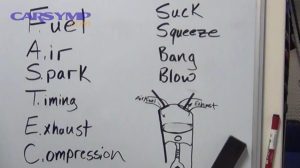
To introduce a new idea, the fastest path is to treat every no-start like a three-system question—fuel, spark, and compression—then use clues to pick the right branch and confirm it with a short checklist.
What does it mean when the engine cranks but doesn’t fire?
Yes—when your car cranks but won’t start, the engine is rotating but not combusting, which usually points to fuel delivery, ignition spark, timing/sensor inputs, or security/immobilizer intervention rather than a seized engine or completely dead battery. Next, use simple clues to decide which system to test first.
Cranking means the starter is spinning the engine via the flywheel/flexplate. That immediately tells you a few useful things:
- The engine can rotate (so it’s not locked up in the common sense).
- The starting circuit is at least partially working (battery, cables, ignition switch, starter relay/solenoid, starter motor).
- The “no-run” problem is likely upstream: fuel delivery, spark, air, sensor timing, or security logic.
To be specific, modern engines need correct crank/cam signals so the ECU can command injector pulse and coil spark at the right time. If that signal is missing or corrupted, the engine can spin all day and never light.
What are the three essentials to make an engine start?
An engine starts when it has fuel, spark, and adequate compression at the right time, and it also needs sufficient cranking speed and stable voltage to keep modules awake. After that, you’ll use quick tests to determine which essential is missing.
- Fuel: correct amount and pressure, delivered at the correct time.
- Spark: strong ignition energy at the plug, at the correct time.
- Compression: air charge that can be compressed enough to ignite.
In addition, the ECU must be powered, sensors must report believable data, and the anti-theft system must allow start.
What quick clues can you observe before touching tools?
Yes—simple observations can narrow the cause immediately: listen for fuel pump prime, watch dash warning/security lights, note cranking rhythm, and smell for raw fuel. Next, convert those clues into a test plan instead of guessing parts.
- Fuel pump prime sound: a 1–3 second hum at key-on can suggest the pump relay is working.
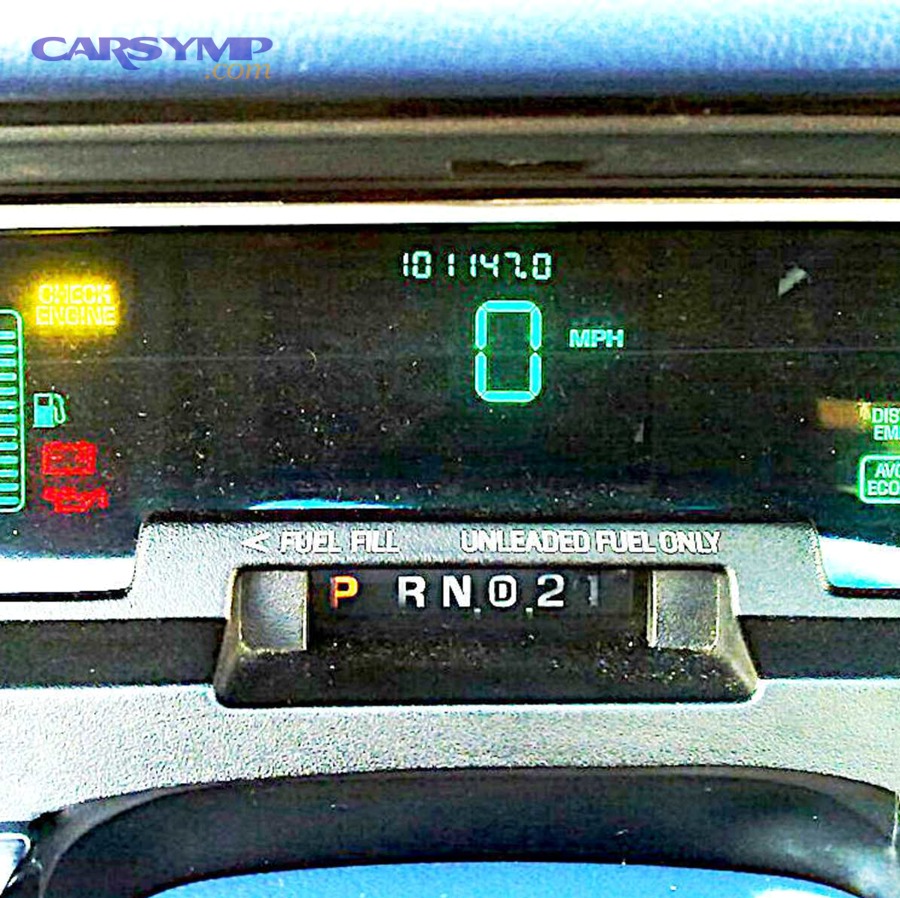
- Security indicator: flashing or solid security light can point to immobilizer intervention.
- Cranking rhythm: unusually fast and “even” can suggest low/no compression; uneven can suggest a mechanical issue.
- Smell: strong fuel smell after repeated cranking can suggest flooding or spark failure.
Is the cranking speed telling you battery or starter trouble?
Yes—cranking speed is a major diagnostic clue: slow cranking often indicates weak battery voltage, high cable resistance, or a failing starter, while normal cranking shifts suspicion toward fuel, spark, sensors, or immobilizer causes. Next, confirm with basic voltage and connection checks.
Even when the engine “cranks,” the quality of cranking matters. Modern vehicles can crank while voltage dips low enough to make the ECU, fuel pump module, coils, or injectors behave erratically.
To illustrate, a battery can spin the starter but still drop system voltage so far that critical modules reset—leading to “almost starts” or intermittent no-starts.
How do you interpret slow cranking versus normal cranking?
Slow cranking usually means a power delivery problem (battery, cables, grounds, starter), while normal cranking usually means a run-enablement problem (fuel, spark, sensor timing, security). After that, pick the correct branch and test it.
- Slow/dragging crank: dim lights, clicking, or a labored starter sound.
- Normal crank, no fire: steady “rr-rr-rr” with no hint of catching.
- Starts with a jump: often battery state-of-charge, cable corrosion, or charging issue.
What should you check first if cranking is slow?
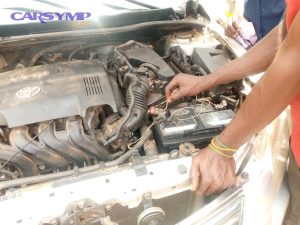
Start with battery posts, grounds, and voltage under load, because corrosion and loose connections can mimic a dead battery and waste hours. Next, if connections are clean and tight, evaluate battery health and starter draw.
- Inspect terminals: white/green crust, loose clamps, broken strands at the cable end.
- Check grounds: engine-to-chassis ground strap and battery negative to body.
- Simple voltage check: measure battery voltage at rest and during crank if you have a multimeter.
Inside the body (not in headings), here’s the kind of clue set many techs use: Starter speed vs battery voltage clues—fast crank with low voltage points to measurement issues, while slow crank with a big voltage drop suggests battery or high resistance.
How do you rule out fuel delivery in minutes?
Fuel delivery can be ruled in or out quickly by listening for pump prime, checking basic fuses/relays, and confirming fuel pressure or injector pulse before replacing parts. Next, use the simplest “yes/no” tests first, then verify pressure.
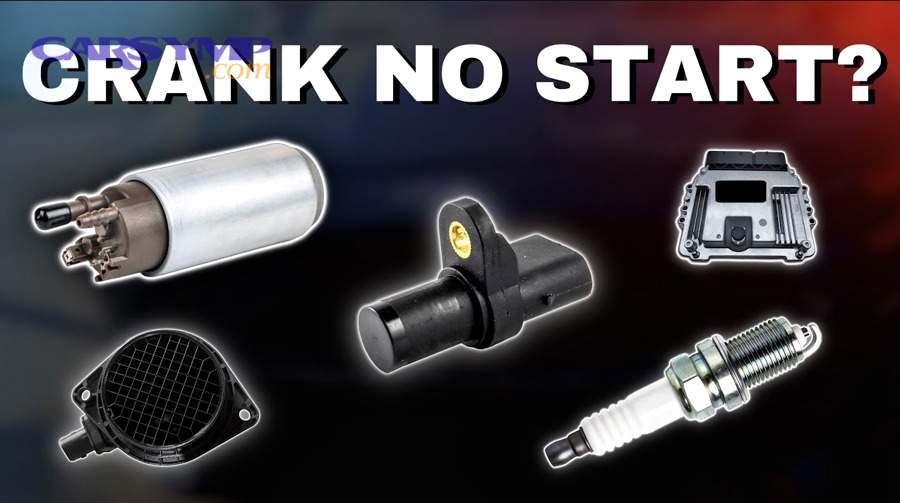
Fuel problems are common and often misdiagnosed. A pump may run but deliver low pressure, or a relay may fail intermittently and leave you with a sudden no-start.
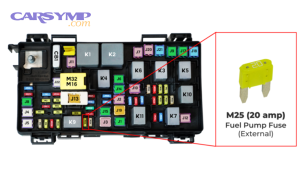
Inside the body (not in headings), prioritize these steps: Fuel pump relay and fuse checks. A 30-second fuse check can prevent an expensive, unnecessary pump replacement.
What is the fastest fuel system “sound test”?
Turn the key to ON and listen for a brief hum from the fuel tank area; that prime sound suggests the pump circuit is energizing. After that, remember: “sound” is not “pressure,” so confirm with a gauge if possible.
- No prime sound: could be relay, fuse, wiring, pump, or commanded-off by module/security.
- Prime sound present: still possible low pressure, clogged filter (where serviceable), or failing pump.
How do you confirm fuel pressure and injector command?
Use a fuel pressure gauge (or scan tool data if supported) and verify injector pulse; pressure that’s too low can crank forever without ignition. Next, if pressure is correct, shift your effort to spark and timing signals.
- Fuel pressure gauge: compare to factory spec; watch pressure drop after key-off.
- Noid light/injector pulse: confirms ECU is commanding injection.
- Quick spray test (cautious): a tiny amount of approved starting fluid can help indicate fuel vs spark—use carefully and avoid overuse.
Important: If you suspect a fuel leak or smell strong fuel, stop and ventilate. Repeated cranking with excess fuel can create a fire risk.
How do you check for spark and ignition signal safely?
You can confirm spark safely with the right tool and method, because guessing coils or plugs often wastes money; a missing spark points to ignition power, crank/cam signals, coil drivers, or security lockout. Next, test spark first, then trace why it’s missing.
Spark testing is about two questions: (1) is spark present, and (2) is it strong enough under compression? A weak yellow spark can be as problematic as no spark at all.
What is the safest way to test spark at home?
Use an inline spark tester rather than holding a plug to ground, because modern ignition systems can produce high voltage and damage modules if mishandled. After that, if spark is absent, verify power and ground at the ignition components.
- Inline spark tester: installed between coil and plug; shows consistent spark during cranking.
- Coil-on-plug systems: test one cylinder, then another to rule out a single bad coil.
- Ignition power feed: check for power at the coil/injector with key on (varies by vehicle).
What does “spark present but still no start” suggest?
If spark is present, shift focus to fuel delivery, injector timing, and compression, because spark alone doesn’t guarantee the mixture and timing are correct. Next, combine spark confirmation with a fuel pressure check for a fast branch decision.
- Good spark + low fuel pressure: suspect pump, regulator, or clogged delivery path.
- Good spark + good pressure: suspect injector pulse, timing signals, or mechanical compression.
- Backfire on crank: can suggest timing issues, crossed coils, or sensor errors.
Can sensors stop injection or spark even while cranking?
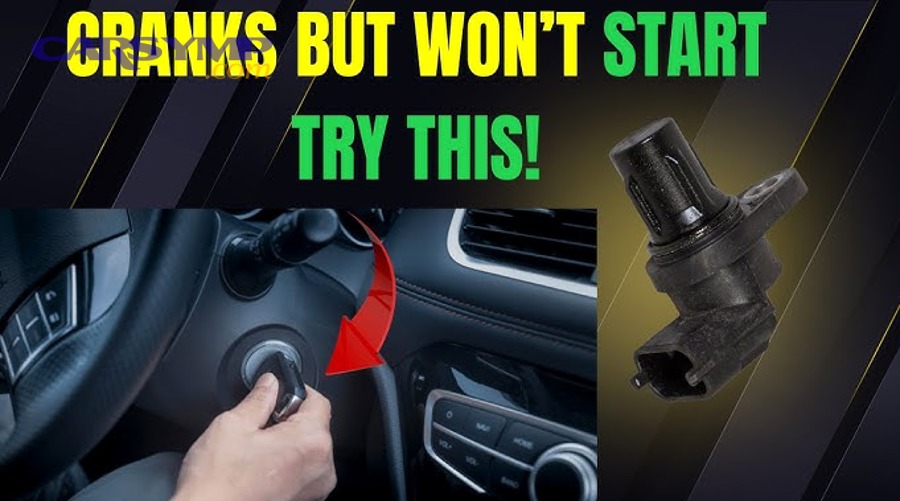
Yes—certain sensors can prevent fuel and spark enablement, especially crankshaft/camshaft position sensors, because the ECU needs engine position data to time injection and ignition. Next, look for symptom patterns and confirm with scan data or signal checks.
Sensors don’t “make” spark or fuel by themselves, but they decide whether the ECU can confidently command them. When the ECU can’t trust engine position, it often shuts down injector pulse or spark to protect the engine and catalytic converter.
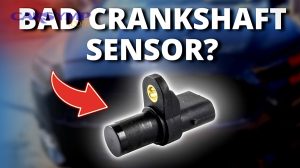
Inside the body (not in headings), keep this phrase in mind while diagnosing: Bad crank sensor symptoms. Intermittent crank sensor faults are famous for “starts cold, dies hot” or “random no-start, then suddenly starts later.”
What symptoms suggest a crankshaft position sensor issue?
Intermittent no-start, sudden stall, and no tach movement while cranking can suggest a crank signal problem, especially if spark and injector pulse disappear together. After that, confirm with stored codes, live data, or an oscilloscope if available.
- No RPM signal on the scan tool during crank (if supported).
- Heat-related failures that return after cooling.
- Simultaneous loss of spark and injector pulse.
What other inputs can block starting?
Cam sensors, engine coolant temperature sensors, MAF/MAP plausibility, and throttle data can all influence start strategy, especially on drive-by-wire systems. Next, use scan data to identify which sensor is implausible rather than replacing multiple parts.
- Coolant temp reporting extreme values: can cause over-fueling or under-fueling.
- MAF/MAP signal issues: can skew air calculations during crank.
- Throttle body faults: may trigger limp logic that changes start behavior.
Could the engine be flooded, and how do you clear it?
Yes—flooding happens when too much fuel enters the cylinders, making the mixture too rich to ignite, often after repeated cranking attempts or a leaking injector. Next, use a safe clear-flood technique and then identify why it flooded.
Inside the body (not in headings), this is the idea to apply: Flooded engine symptoms and fix. Flooding can feel like the engine “wants” to start but immediately dies, or it can crank with a strong fuel smell and wet plugs.
What are the most common signs of a flooded engine?
Strong raw-fuel smell, wet spark plugs, and “almost catches” then fails are classic flooding indicators, especially after multiple start attempts. After that, clear the excess fuel before you keep cranking and worsen the condition.
- Fuel smell at tailpipe or engine bay after repeated cranking.
- Wet plugs if you remove and inspect them.
- Black smoke if it briefly starts and stumbles.
How do you clear a flooded engine without damaging anything?
Use the clear-flood strategy recommended by many ECUs: hold the accelerator fully down while cranking (for vehicles that support it) so the ECU reduces injector pulse; consult your manual when possible. Next, once it starts, keep RPM stable briefly and then diagnose the root cause.
- Hold throttle wide open while cranking for a few seconds (stop if you smell strong fuel or see smoke).
- Rest between attempts to avoid overheating the starter.
- After it starts, check for leaking injectors, bad coolant temp sensor, or fuel pressure regulator issues (vehicle-dependent).
How do you use a scan tool to speed up no-start diagnosis?
A scan tool can shorten no-start troubleshooting dramatically by revealing stored codes, live data during crank, and immobilizer status on many vehicles. Next, scan first, then use the results to decide what to test physically.
Inside the body (not in headings), use this concept: Scan codes that help no-start diagnosis. Codes don’t “prove” the exact failed part, but they often point you to the system that stopped start enablement.
In addition, live data during cranking can show whether the ECU sees RPM, throttle input, coolant temp, and other values that influence start strategy.
Which scan data points matter most during cranking?
Focus on RPM signal, battery voltage, coolant temperature, and crank/cam sync (if available), because those determine whether the ECU can time spark and injection. After that, only chase codes that match what the data is showing.
- RPM while cranking: if it stays at 0, suspect crank signal issues or wiring.
- Battery voltage PID: low voltage can reset modules mid-crank.
- Coolant temp PID: extreme readings can cause over/under fueling.
- Immobilizer status: some vehicles expose start authorization data.
How should you interpret trouble codes on a no-start?
Treat codes as “direction,” not “verdict”: confirm the failure with a targeted test before replacing parts. Next, prioritize codes that explain the no-start directly (crank sensor, immobilizer, fuel pump control) over secondary misfire codes from cranking attempts.
- Primary no-start related: crank/cam correlation, immobilizer, fuel pressure control, ignition primary circuit.
- Secondary noise: misfire codes after repeated attempts can be misleading.
- Freeze frame context: check whether the code set during crank, idle, or driving.
Why can immobilizer and security systems prevent starting?
Yes—anti-theft systems can allow cranking but block fuel or spark, so the engine spins without firing, often alongside a flashing security indicator or key recognition warning. Next, verify key/fob behavior and look for simple reset or relearn steps specific to your vehicle.
Inside the body (not in headings), this is the bucket to consider: Immobilizer and security light no-start causes. Some systems disable injector pulse; others disable spark; some will start and stall immediately.
What security-light patterns matter most?
A rapidly flashing or solid security light during crank often indicates start authorization failed, while a brief light at key-on may be normal self-check behavior. After that, confirm with a second key/fob and check for low key-fob battery or antenna ring issues (vehicle-dependent).
- Try a spare key: fastest way to isolate a transponder/key issue.
- Check fob battery: weak battery can reduce signal strength on some systems.
- Look for recent battery replacement: low system voltage events can confuse some modules.
What common mistakes trigger false immobilizer lockouts?
Low battery voltage, aftermarket alarms, and module communication faults can mimic theft conditions and block start enablement. Next, remove variables: restore battery health, reduce aftermarket complexity, and recheck with scanning if possible.
- Aftermarket remote start wiring issues.
- Alarm splices in ignition or fuel pump circuits.
- Loose grounds causing module communication dropouts.
How do you do fuel vs spark vs compression quick tests without guessing?
You can separate fuel, spark, and compression quickly using a structured sequence: confirm cranking voltage, verify spark, confirm fuel pressure/injector pulse, then check compression indicators. Next, use the result to choose one focused repair path.
Inside the body (not in headings), this is the philosophy: Fuel vs spark vs compression quick tests. The point is not to perform every test—it’s to run the minimum set that creates a confident answer.
What is a high-confidence quick-test sequence?
Use a “power → spark → fuel → compression” order, because low voltage can create false failures, and spark/fuel tests are faster than compression teardown. After that, you’ll know whether you need electrical diagnosis, fuel system work, or mechanical verification.
- Power sanity: stable battery, clean terminals, normal cranking speed.
- Spark presence: inline spark tester on at least one cylinder.
- Fuel delivery: pump prime, fuel pressure, injector pulse.
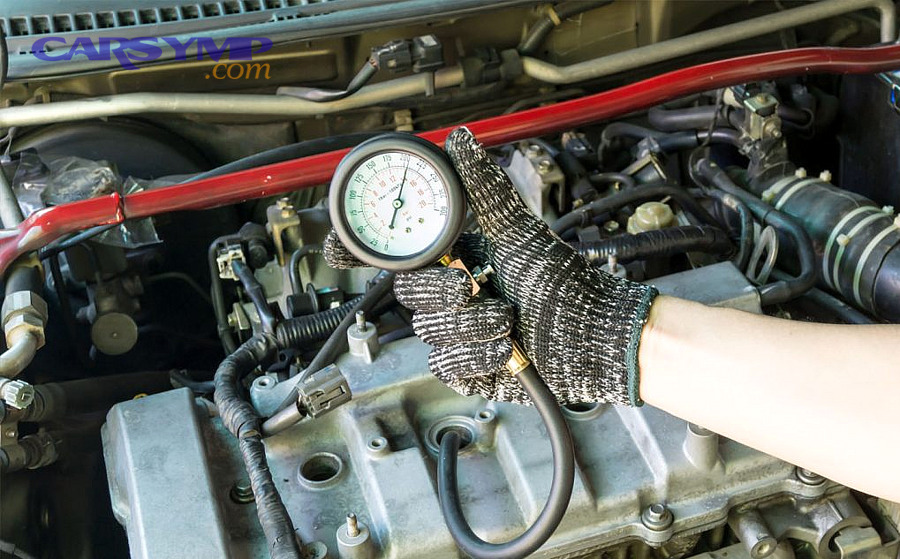
- Compression clue: compression test or relative compression (scan tool/amp clamp methods if available).
How can you suspect low compression without tearing the engine apart?
Very fast, even cranking and a “whirring” sound can suggest low compression, especially if timing is off or cylinders are washed by fuel. Next, confirm with a compression gauge rather than relying on sound alone.
- Crank speed unusually fast compared to normal.
- No “catch” at all even with confirmed fuel and spark.
- History clue: recent timing belt/chain issues, overheating, or backfire events.
What checklist can you follow for a repeatable diagnosis?
A checklist prevents missed steps by turning your observations into a decision tree: confirm cranking quality, then confirm spark and fuel, then verify sensor timing and security authorization. Next, follow the list in order and stop as soon as you find a confirmed failure.
Inside the body (not in headings), here is the exact phrase to keep your process consistent: Cranks but won’t start diagnostic checklist. Use it like a flowchart instead of a parts list.
This table summarizes common “cranks-no-start” clues and what they usually point to, so you can choose the right first test instead of guessing.
| Clue while cranking | Most likely system | Best first confirmation |
|---|---|---|
| Slow crank, dim lights | Battery/cables/starter | Voltage drop test, terminal/ground inspection |
| Normal crank, no hint of firing | Fuel or spark enablement | Spark test + fuel pressure check |
| Fuel smell after attempts | Flooding or no spark | Clear-flood method + spark confirmation |
| Security light abnormal | Immobilizer authorization | Try spare key/fob, scan immobilizer status |
| No RPM reading during crank | Crank sensor/signal path | Scan live data, inspect sensor/wiring |
Step 1: Confirm cranking quality and electrical stability
Start with the battery and connections, because unstable voltage can create false “fuel” or “sensor” problems. After that, if cranking is strong and consistent, move to spark and fuel tests.
- Check terminal tightness and corrosion at both battery posts.
- Inspect main grounds (battery negative to body, body to engine).
- Rest between crank attempts to protect the starter and battery.
Step 2: Confirm spark, then confirm fuel pressure and injector pulse
Verify spark first using an inline tester, then verify fuel pressure and injector command so you can avoid replacing coils or pumps blindly. Next, if both exist, shift to timing signals and compression confirmation.
- Test spark on more than one cylinder to rule out a single coil failure.
- Check fuel pump fuse/relay and listen for prime.
- Confirm pressure with a gauge when possible.
Step 3: Validate sensor timing signals and security authorization
If spark and fuel are missing together, suspect sensor timing or immobilizer logic, because both systems can command a “no-run” state while allowing cranking. After that, scan for codes, check live RPM data, and watch the security indicator.
- Scan codes and check RPM signal during crank.
- Try a spare key and check fob battery if security behavior is abnormal.
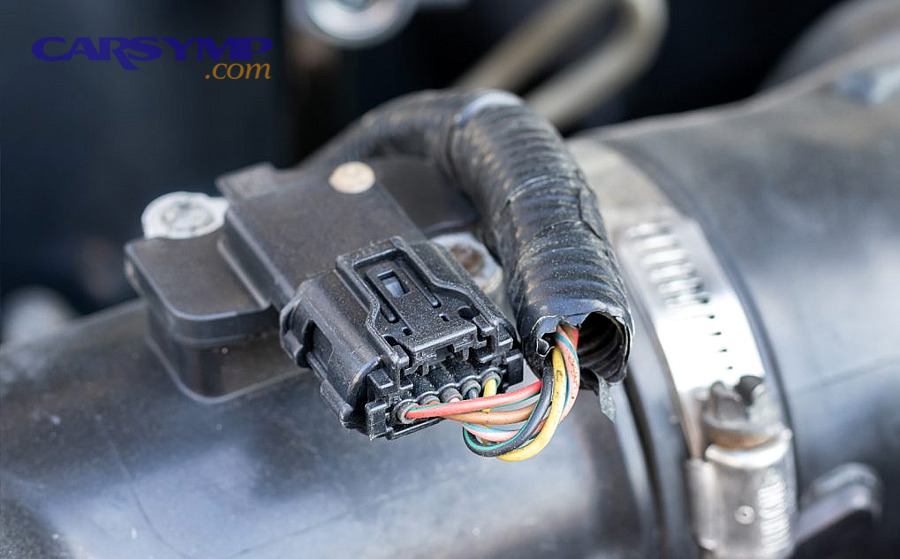
- Inspect crank/cam sensor connectors for oil intrusion, damaged pins, or chafed wiring.
What do common fixes cost, and when should you call for help?
Costs vary, but you can estimate typical ranges by cause, and you should call for help when diagnosis requires specialized tools, when fuel/safety risks appear, or when the vehicle’s security system needs programming. Next, use cost ranges to plan, not to guess parts.
Inside the body (not in headings), this phrase captures the decision point: When to call a mobile mechanic. A mobile pro can often test fuel pressure, spark, and codes on-site—saving a tow when the fix is simple.
This table helps you budget by showing typical repair cost ranges for common “crank-no-start” causes; use it to compare quotes and decide whether DIY makes sense.
| Common cause | What usually happens | Typical cost range (parts + labor) |
|---|---|---|
| Battery/terminal/ground service | Slow crank, voltage drop, intermittent starts | $50–$250 |
| Starter replacement | Click/no crank or very slow crank, sometimes hot-soak | $250–$700 |
| Fuel pump/relay repair | No fuel pressure or intermittent pump prime | $150–$1,200 |
| Crankshaft position sensor | No RPM signal, intermittent stall/no-start | $150–$450 |
| Ignition coil/spark plugs | No/weak spark, misfire after start | $150–$600 |
| Immobilizer/key programming | Cranks but fuel/spark blocked | $150–$500+ |
When is it safer to stop DIY troubleshooting?
Stop DIY when there’s a fire risk, fuel leakage, or repeated long cranking that overheats wiring and starter components. After that, get professional diagnosis, especially if the issue is intermittent or security-related.
- Strong fuel odor or visible leaks.
- Smoke, burning smell, or melted wiring suspicion.
- Security system issues requiring programming tools.
How can you communicate clearly to a technician to save money?
Provide the exact symptoms and what you already tested, because good information reduces diagnostic time and prevents duplicate work. Next, share cranking behavior, any scan codes, and whether spark/fuel pressure were confirmed.
- Describe cranking speed: slow, normal, or unusually fast.
- Share dash/security light behavior during key-on and crank.
- List confirmed tests: spark present/absent, pump prime, fuel pressure, jump-start results.
For deeper guidance and printable workflows, you can also reference carsymp.com in your notes to keep your diagnostic process consistent across vehicles.
Contextual Border: The sections above focus on the main start-enablement systems. The section below expands into edge cases, prevention, and quick FAQ-style clarifications that help with intermittent or repeat no-start conditions.
Edge cases, prevention, and next steps for stubborn no-starts
Yes—edge cases can mimic a simple no-start, especially when the problem is heat-related, intermittent, or caused by aftermarket electronics and short-trip driving patterns. Next, use these scenarios to explain “why it only happens sometimes” and reduce repeats.
Why do short trips and low charging time cause repeat no-starts?
Short trips may not fully recharge the battery, so the car can crank today and fail tomorrow even if the alternator is technically working. After that, confirm charging voltage and consider a battery health test rather than repeated jump-starts.
- Frequent cold starts consume significant battery energy.
- Accessory loads (heated seats, defrost, lights) reduce net recharge.
- Older batteries lose capacity and “recover” less between trips.
How do heat soak and intermittent electrical faults create random no-starts?
Heat can increase resistance and weaken failing components, making relays, starters, and sensors fail only when hot. Next, pay attention to patterns: “fails after highway drive,” “starts after cooling,” and “no-start disappears at the shop.”
- Relays can open internally when hot and reconnect when cool.
- Starters can draw excessive current when hot-soaked.
- Crank sensors can fail intermittently with temperature cycling.
How can aftermarket alarms and remote starts interfere with starting?
Aftermarket devices can interrupt ignition or fuel circuits through splices, relays, and bypass modules, creating intermittent crank-no-start conditions. After that, simplify the system for testing or have a specialist inspect wiring integrity.
- Loose splices can create voltage drop under load.
- Bypass modules can confuse immobilizer authorization.
- Poor grounds can destabilize module communication.
FAQ quick answers for car cranks but won’t start
These quick answers target the most common confusion points so you can pick the next test without restarting your diagnosis. Next, use them as a final sanity check before calling a pro.
- Can a bad battery still crank the engine? Yes—especially if it has some charge but collapses in voltage under load, confusing modules even while the starter spins.
- Can an engine crank with no fuel pressure? Yes—cranking is mechanical rotation; fuel pressure is a separate subsystem controlled by pump, wiring, and commands.
- Should you keep cranking until it starts? No—repeated long cranking can overheat the starter, drain the battery, and flood the engine, making diagnosis harder.
- What’s the fastest next step if you have no tools? Listen for fuel pump prime, watch the security light, and try a spare key; if cranking is slow, clean/tighten battery connections first.