


When your vehicle’s cooling fan stops working or your HVAC blower only operates at high speed, you face a critical decision: should you repair the fan relay and resistor, replace them entirely, or explore alternative solutions? The answer depends on three key factors—your diagnostic findings, budget constraints, and long-term reliability goals. This article presents seven distinct repair and replacement options ranging from simple $15 relay swaps to comprehensive $450 motor-and-resistor overhauls, helping you choose the most cost-effective approach for your specific situation.
Understanding which component has failed determines your repair path and prevents wasting money on unnecessary parts. Fan relays control when your cooling system activates, while resistors regulate blower speed by managing electrical current flow. Misdiagnosing the problem leads to purchasing the wrong component—a common mistake that costs vehicle owners an additional $25 to $150 in parts they don’t need. Proper diagnosis through relay swap testing, continuity checks, and symptom analysis identifies whether you’re dealing with a relay failure, resistor breakdown, or systemic electrical issue requiring comprehensive repair.
Cost comparison between DIY and professional repair reveals substantial savings potential but also hidden risks that impact your final decision. A 2011 Ford Escape owner paid $152 at the dealership for resistor replacement but completed the same repair for just $25 when the component failed again two years later. However, DIY approaches require tool investment, diagnostic skills, and time—factors that professional service eliminates through expert diagnosis and warranty coverage. Evaluating total cost requires calculating parts, tools, labor value, and the risk of repeat failures from incomplete repairs.
The decision to replace components individually or simultaneously affects both immediate costs and long-term reliability, particularly when underlying problems cause premature component failure. A failing blower motor drawing excessive current destroys resistors within weeks, turning a $60 resistor replacement into a recurring expense that totals $180 to $300 annually. Below, we’ll explore each repair option in detail, starting with the foundational knowledge of how these components function in your vehicle’s cooling and HVAC systems.
What Are Fan Relays and Resistors and How Do They Work?
Fan relays are electromagnetic switches that control cooling fan operation by activating when engine temperature reaches 176 to 194 degrees Fahrenheit, while resistors regulate blower motor speed by limiting electrical current flow in multi-speed HVAC systems. Both components serve as critical control points in their respective circuits—relays manage when fans activate, and resistors determine how fast they spin.
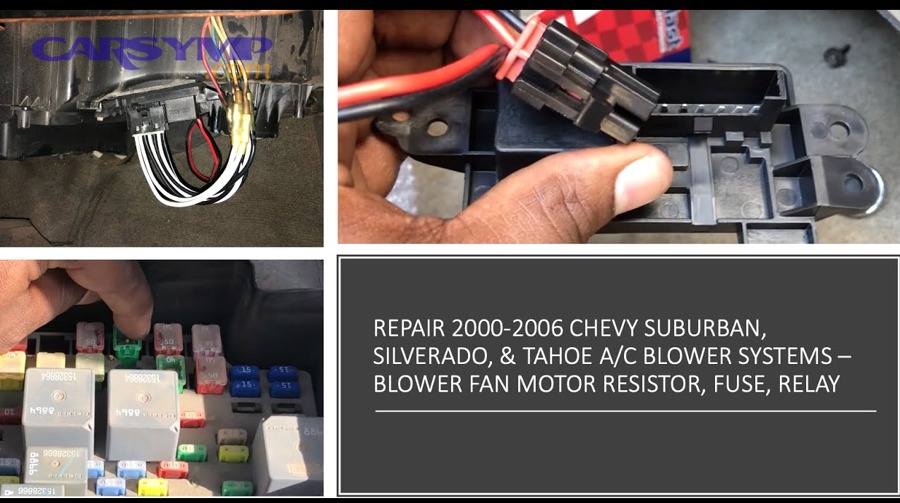
To understand repair options, you must first grasp how these components integrate into your vehicle’s electrical architecture. The typical cooling system circuit follows a predictable sequence: a temperature sensor monitors engine heat, the engine control module processes this data, and when thresholds are exceeded, the module grounds the relay coil. This electromagnetic action closes the relay contacts, completing the power circuit and sending battery voltage to the cooling fan motor. The fan pulls air through the radiator, dissipating heat from the coolant flowing through the radiator core.
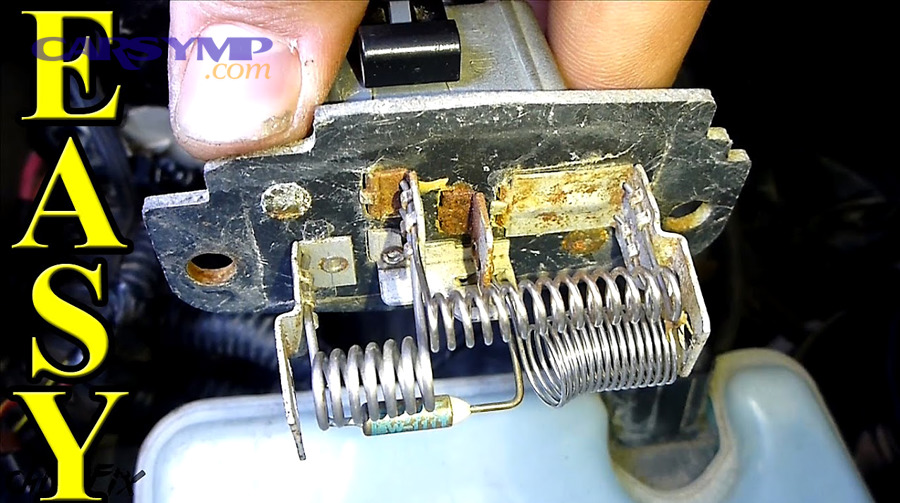
Blower motor resistors operate through a different principle but achieve similar speed control results. In most vehicles, the resistor pack contains multiple wire coils of varying resistance values. When you select fan speed 1, 2, or 3 on your climate control panel, the switch routes electrical current through different resistor coils. Higher resistance reduces current flow, slowing the motor. At speed setting 4 (high), the circuit bypasses the resistor entirely, delivering full battery voltage directly to the motor for maximum airflow. This bypass design explains why many vehicles retain high-speed fan operation even when the resistor fails—the high-speed circuit doesn’t depend on the resistor’s functionality.
What Is the Difference Between a Cooling Fan Relay and a Blower Motor Resistor?
Cooling fan relays control external radiator and condenser fans that prevent engine overheating, while blower motor resistors manage interior HVAC fan speeds that regulate cabin temperature and airflow. These components serve completely different systems but share similar failure patterns, diagnostic approaches, and repair decision frameworks.
The cooling fan relay typically mounts in your vehicle’s power distribution center (fuse box) under the hood, positioned among other relays controlling headlights, fuel pumps, and accessory circuits. This relay responds to inputs from the engine control module, coolant temperature sensor, and air conditioning pressure switches. When any of these inputs signal the need for cooling, the relay energizes and powers one or two radiator fans. Some vehicles use dual relays—one for low-speed operation through a resistor circuit, another for high-speed direct power. Relay failures in this system cause engine overheating, air conditioning performance degradation, and potential engine damage from sustained high temperatures.
Blower motor resistors install behind your dashboard, usually positioned behind the glove box in the HVAC ductwork where they receive constant airflow from the blower motor. This airflow serves a critical cooling function—resistors generate substantial heat as they restrict current flow, and without adequate ventilation, they overheat and fail. The resistor receives power from the ignition switch through fuses and relays, with the climate control switch determining which resistor coil activates based on your speed selection. Resistor failures manifest as missing fan speeds, typically affecting low and medium settings while leaving high speed functional.
Despite their different locations and functions, both components benefit from the same diagnostic and repair decision methodology presented in this article. The cost analysis, OEM versus aftermarket considerations, and preventive replacement strategies apply equally whether you’re addressing a cooling fan relay for radiator fan repair or a blower motor resistor for HVAC functionality.
How Do You Know Which Component Is Failing?
Symptom-based diagnosis identifies the failing component by matching observed fan behavior to characteristic failure patterns—relay failures cause complete fan inoperation or constant running, while resistor failures eliminate specific speed settings while preserving high-speed function.
Understanding symptom patterns prevents misdiagnosis and unnecessary part purchases. When your cooling fan never activates despite engine temperature rising into the overheating range, or when the fan continues running long after you shut off a cool engine, the relay has likely failed in the open or closed position respectively. Intermittent fan operation—where the fan works sporadically without consistent temperature correlation—also points to relay contact degradation. You can perform a simple relay swap test by exchanging the cooling fan relay with an identical relay from another circuit (horn relay, fog light relay) in your fuse box. If the fan operates with the substitute relay, you’ve confirmed relay failure without investing in diagnostic tools.
Resistor diagnosis follows equally clear symptom patterns. The telltale sign of resistor failure is a blower motor that operates only at high speed (setting 4) while settings 1, 2, and 3 produce no airflow. This pattern occurs because the high-speed circuit bypasses the resistor pack entirely—when the resistor coils burn out, low and medium speeds fail, but high speed continues functioning. Less commonly, only one or two specific speeds fail, indicating partial resistor failure where individual coils have opened while others remain functional. Complete blower motor failure at all speeds suggests a different problem—blown fuse, failed motor, or broken blower motor relay rather than resistor issues.
Advanced diagnostic testing confirms component failure and prevents replacing functional parts. Using a multimeter set to ohms, you can test relay coil resistance—functional relays typically measure 40 to 80 ohms between coil terminals. Infinite resistance indicates an open coil requiring replacement. For resistors, continuity testing across each speed circuit identifies which coils have failed. With the resistor removed and disconnected, test between the common power input terminal and each speed output terminal. Continuity indicates a functional coil; no continuity confirms failure. These simple tests, requiring only a $20 multimeter, provide diagnostic certainty before purchasing replacement parts.
What Are Your 7 Repair and Replacement Options for Failed Fan Relays and Resistors?
You have seven distinct repair and replacement options ranging from simple $15 relay swaps to comprehensive $450 motor-and-resistor overhauls, each optimized for specific failure patterns, skill levels, and budget constraints. Selecting the appropriate option requires matching your diagnostic findings to the repair approach that delivers the best combination of cost-effectiveness and long-term reliability.
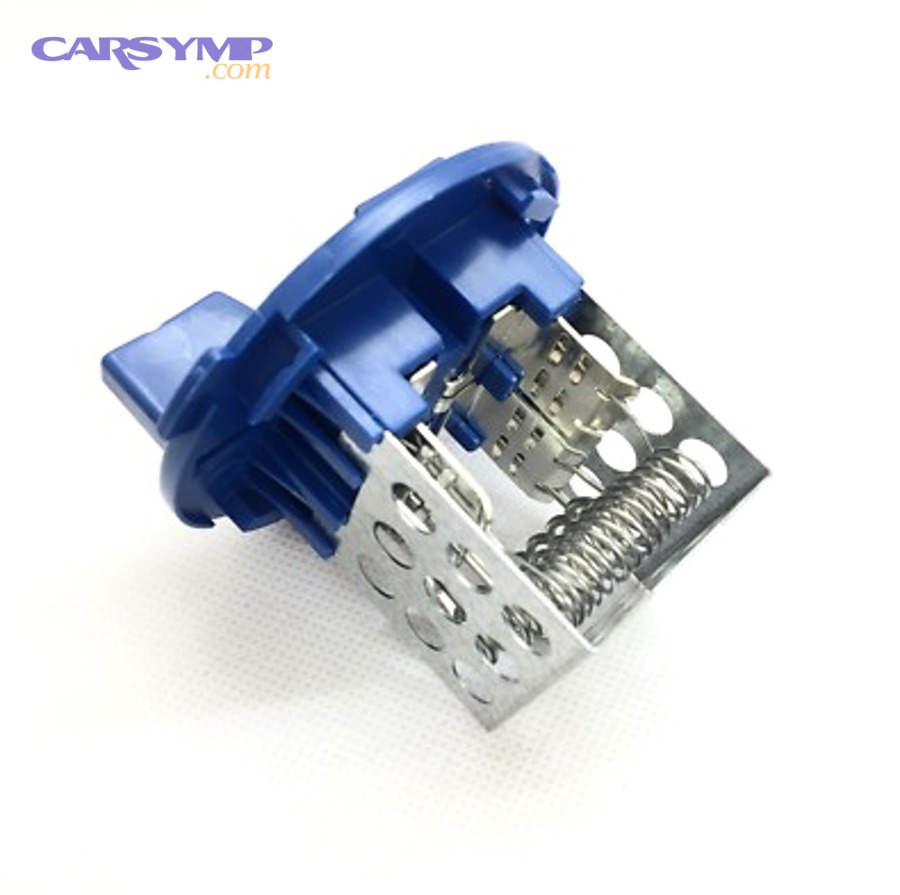
These options follow a logical progression from simplest to most comprehensive. Basic relay and resistor replacements suit isolated component failures with no underlying problems. Connector repair and thermal fuse replacement address specific failure mechanisms that cause premature component death. Combined motor and resistor replacement prevents the cycle of repeat failures that occurs when a dying motor overheats and destroys new resistors. The OEM versus aftermarket decision cuts across all options, affecting both immediate costs and long-term reliability regardless of which repair approach you select.
Option 1 – Simple Relay Replacement (DIY, $15-$20)
Simple relay replacement costs $15 to $20 in parts and requires 5 to 10 minutes for completion, making it the fastest and most economical solution when your cooling fan fails to activate or runs continuously after engine shutdown. This option suits beginners with no automotive repair experience since the procedure involves only locating the correct relay in your fuse box and swapping it with a new unit.
The relay swap procedure follows three straightforward steps. First, locate your vehicle’s power distribution center—typically a black plastic box under the hood near the battery or along the fender. Open the cover and examine the relay diagram printed on the underside, which identifies relay positions by function (cooling fan, horn, fuel pump). Second, grasp the cooling fan relay firmly and pull straight up to remove it from its socket. Relays vary by design—most use a plug-in cube configuration, while some employ a blade-style connector. Third, align the new relay’s terminals with the socket and press down firmly until it seats completely. No tools are required for this procedure.
Testing confirms successful repair before closing the hood. Start the engine and allow it to reach normal operating temperature, monitoring the temperature gauge on your dashboard. As the needle approaches the upper end of the normal range, you should hear the cooling fan engage with a distinct whirring sound from the engine compartment. Alternatively, turn on your air conditioning with the engine running—this should activate the cooling fan immediately in most vehicles. If the fan operates properly, the repair succeeded. If the fan still doesn’t activate, either you’ve misdiagnosed the problem (the relay isn’t the faulty component) or underlying wiring issues prevent proper relay function, requiring professional diagnosis.
This option delivers excellent success rates for confirmed relay failures but provides no solution for resistor problems, motor issues, or wiring faults. The low cost and minimal time investment make this the logical first step when diagnosing cooling fan failures, particularly if you’ve confirmed the relay as the problem through swap testing with another circuit’s relay.
Option 2 – Simple Resistor Replacement (DIY, $25-$60)
Simple resistor replacement costs $25 to $60 for aftermarket parts or $60 to $150 for OEM components, requires 15 to 30 minutes for installation, and solves blower motor speed control problems when only high speed operates correctly. This beginner-to-intermediate repair suits vehicle owners comfortable with basic hand tools and electrical connector removal.
Resistor location varies by vehicle model but follows common patterns that simplify the replacement process. Most manufacturers mount the resistor pack on the HVAC duct behind the glove box, positioning it where blower motor airflow provides cooling. Access requires removing the glove box—typically accomplished by squeezing the side walls inward to release retaining tabs, then pulling the box free from the dashboard. With the glove box removed, the resistor appears as a small rectangular component (approximately 2 by 3 inches) with a multi-pin electrical connector and two or three mounting screws. Some vehicles position resistors on the firewall with access from under the hood, while others integrate them into the blower motor assembly itself, requiring more extensive disassembly.
The replacement procedure requires safety precautions before beginning work. Disconnect the negative battery cable to prevent electrical shorts during connector removal—this step eliminates the risk of activating the blower motor while your hands work near the fan blades. Remove the electrical connector by depressing the retaining clip and pulling straight back. Inspect the connector carefully for heat damage—melted plastic, discolored terminals, or hardened grease indicate overheating that will destroy your new resistor unless addressed through connector replacement (Option 5). Remove the mounting screws (typically Phillips or 7mm hex head), pull the old resistor from its mounting bracket, and compare it to your replacement to verify matching dimensions, terminal configuration, and connector type.
Installation reverses the removal process with one critical addition—apply dielectric grease to the electrical connector terminals before reconnecting. This grease prevents corrosion, reduces electrical resistance, and helps prevent the connector overheating that causes premature resistor failure. Insert the new resistor into its mounting bracket, ensuring rubber seals (if present) seat properly against the duct to maintain airflow across the resistor. Install mounting screws and tighten securely but avoid overtightening, which can crack the resistor housing. Reconnect the electrical connector, reconnect the battery, and test all fan speeds before reinstalling the glove box.
Testing verifies proper installation across all speed settings. Turn the ignition to the run position, set the climate control to fresh air mode (not recirculation), and rotate through each fan speed from 1 to 4. Each setting should produce progressively stronger airflow from the dashboard vents. If specific speeds still don’t function, either the new resistor is defective (rare but possible with aftermarket parts), the replacement doesn’t match your vehicle’s specifications, or underlying problems such as switch failure or wiring faults prevent proper operation.
Option 3 – Professional Relay/Resistor Replacement ($75-$250)
Professional relay or resistor replacement costs $75 to $250 total, including diagnostic fees ($60-$120), parts markup (20-40% above retail), and labor charges ($50-$100), but provides expert diagnosis, proper repair procedures, and warranty coverage that DIY approaches cannot match. This option suits vehicle owners uncertain about component identification, those lacking tools or time, and anyone wanting assurance that the correct problem receives proper repair.
The professional service workflow begins with diagnostic assessment rather than parts replacement. Skilled technicians test the entire circuit—checking fuses, measuring voltage at the motor, testing relay coil resistance, and examining resistor continuity. This comprehensive approach identifies not just the failed component but also underlying conditions causing the failure. For example, a technician discovers that your blower motor draws 18 amperes at high speed instead of the specified 12 amperes, indicating motor bearing wear. Simply replacing the resistor without addressing the motor problem would result in repeat resistor failure within weeks. Professional diagnosis catches these systemic issues before they cause recurring component failures.
Dealership service departments offer vehicle-specific expertise and guaranteed OEM parts but charge premium rates. A typical dealership visit for blower motor resistor replacement costs $152 to $250, reflecting higher labor rates ($120-$150 per hour) and parts markup. However, dealerships maintain comprehensive technical service bulletins identifying known problems with your specific year, make, and model. For instance, Honda published bulletin 03-048 addressing rear HVAC power transistor failures in 2003 Pilot models—information your dealership technician knows but independent mechanics might not. Dealerships also provide longer warranties (typically 1 year/12,000 miles on parts and labor) compared to independent shops.
Independent repair shops and mobile mechanics offer substantial cost savings while maintaining quality service. Independent shops charge $75 to $150 for the same resistor replacement service, reflecting lower labor rates ($70-$90 per hour) and competitive parts pricing. Mobile mechanics like YourMechanic bring convenience by performing the repair at your home or workplace, charging $100 to $180 for resistor replacement including parts, labor, and travel. These services provide 90-day to 1-year warranties on parts and labor, though coverage periods are typically shorter than dealership warranties.
The professional approach proves most valuable when diagnostic uncertainty exists, when you’ve already replaced components without solving the problem, or when time constraints prevent DIY repair attempts. The diagnostic fee ($60-$120) seems expensive compared to a $25 resistor, but it prevents the false economy of replacing parts that aren’t actually faulty while missing the real problem.
Option 4 – Thermal Fuse Repair (Advanced DIY, $5-$15)
Thermal fuse repair costs just $5 to $15 for a package of replacement fuses, requires 30 to 45 minutes, and restores resistor pack functionality by replacing the single failed safety component rather than the entire resistor assembly. This advanced DIY option demands soldering skills and multimeter testing ability but delivers exceptional cost savings when the resistor pack shows no coil damage and only the thermal fuse has blown.
Understanding thermal fuse function explains why this repair works and when it applies. Resistor packs generate substantial heat as they restrict current flow to reduce blower motor speed. Thermal fuses protect the circuit by opening (breaking continuity) when resistor temperature exceeds safe limits, typically rated at 113°C to 121°C depending on the manufacturer. When blower motor airflow stops due to motor failure or severe duct blockage, the resistor overheats rapidly with no cooling airflow. The thermal fuse blows to prevent resistor fire, but the resistor coils themselves remain functional. Simply replacing the thermal fuse restores operation—provided you’ve addressed whatever caused the overheating condition that blew the original fuse.
Diagnostic testing confirms thermal fuse failure before attempting this repair. Remove the resistor pack following the procedure in Option 2 and visually inspect for burned coils, melted plastic, or obvious heat damage. If the resistor appears cosmetically sound, use your multimeter set to continuity (ohms) mode. Test across each resistor coil between the common input terminal and each speed output terminal. If all coils show proper continuity (typically 0.5 to 5 ohms depending on coil resistance values), but one test shows infinite resistance (open circuit) between terminals that should connect through the thermal fuse, you’ve confirmed thermal fuse failure. This diagnosis means the resistor pack needs only fuse replacement, not complete resistor replacement.
The repair procedure requires desoldering skills and proper tools. Heat your soldering iron to 650-700°F and work in a well-ventilated area. Locate the thermal fuse—a small cylindrical component (similar to a resistor but bullet-shaped) with wire leads crimped or soldered to the resistor circuit. Some resistor packs use crimped connections; others employ soldered joints. For crimped connections, carefully cut the wires close to the crimp, leaving sufficient wire length for the new fuse attachment. For soldered connections, heat each joint while gently pulling the fuse lead with needle-nose pliers until the solder melts and releases. Clean excess solder from the connection points using desoldering wick or a solder sucker.
Installing the replacement thermal fuse requires attention to temperature ratings and proper connection technique. Purchase thermal fuses rated at 121°C rather than 113°C or lower ratings—higher temperature ratings provide better reliability. Some aftermarket resistor packs use 113°C fuses while OEM parts specify 121°C, explaining why aftermarket resistors fail more frequently. Strip 1/4 inch of insulation from each fuse lead, insert the leads through the original connection points, and solder using 60/40 rosin-core electrical solder. Apply heat until solder flows smoothly, creating a shiny joint that mechanically bonds the fuse to the resistor pack. Allow the joint to cool naturally without movement—disturbing the joint during cooling creates weak “cold solder joints” prone to failure.
Wiring repairs for fan circuit faults often accompany thermal fuse replacement when connector damage contributed to the original failure. Inspect the resistor connector for melted plastic or discolored terminals. If damage appears, purchase a replacement connector pigtail from your auto parts supplier and splice it onto the wiring harness using crimp connectors and heat-shrink tubing. This additional step prevents the new resistor from failing due to poor electrical contact at the connector.
Test the repaired resistor pack before reinstalling it in the vehicle. Reconnect the battery and resistor connector, then test all fan speeds. If all speeds function correctly, reinstall the resistor pack and glove box. This repair has proven reliable for extended periods—documented cases report 4+ months of successful operation following thermal fuse replacement, with some repairs lasting years when the underlying cause (failed motor, blocked airflow) was simultaneously corrected.
Option 5 – Connector Repair/Replacement (DIY, $10-$25)
Connector repair and replacement costs $10 to $25 for crimp connector kits and pigtail assemblies, prevents repeat resistor failures caused by poor electrical contact, and addresses the root cause when heat-damaged or corroded connectors create excessive resistance that overheats and destroys resistor packs. This DIY option suits vehicle owners experiencing multiple resistor failures or those who discover melted connector housings during resistor inspection.
Connector damage manifests through specific visual indicators that reveal overheating history. Remove the resistor pack following Option 2 procedures and carefully examine the electrical connector. Healthy connectors show clean brass or copper terminals with slight surface oxidation. Damaged connectors display melted plastic around terminal openings, terminals that appear blackened or “blued” from extreme heat, white or green corrosion deposits, or hardened grease that has transformed from soft lubricant into brittle yellow-brown residue. These conditions increase electrical resistance at the connection point, forcing current through a smaller contact area. The resulting heat escalates until the connector melts, the resistor fails, or both components sustain damage.
Understanding the failure mechanism explains why replacing the resistor alone doesn’t solve the problem. When connector terminals make poor contact with resistor pins, resistance increases at that junction. According to Ohm’s Law (P = I²R), power dissipation increases with the square of current flow. A blower motor drawing 12 amperes through a high-resistance connection (0.5 ohms instead of 0.01 ohms) dissipates 72 watts as heat at the connector versus just 1.44 watts through a clean connection. This 50-fold heat increase melts connector plastic, further degrades contact quality, and creates a destructive cycle. Installing a new resistor into a damaged connector simply repeats the failure pattern within weeks.
The repair procedure eliminates the high-resistance connection through connector replacement and contact cleaning. For minor corrosion without melted plastic, cleaning may suffice. Disconnect the connector and use a small wire brush or fine sandpaper to clean each terminal until bright metal appears. Apply dielectric grease generously to all terminals—this non-conductive grease displaces moisture, prevents corrosion, and improves heat dissipation without affecting electrical conductivity at metal-to-metal contact points. For melted or severely damaged connectors, complete replacement becomes necessary.
Connector replacement requires splicing a new pigtail into the existing wiring harness. Purchase a connector pigtail matching your resistor pack’s terminal configuration from the dealer parts department or aftermarket suppliers like Standard Motor Products or Wells Manufacturing. Cut the old connector from the harness, leaving 6 to 8 inches of wire attached to the harness. Strip 1/2 inch of insulation from each harness wire and each pigtail wire. Match wire colors carefully—incorrect pairing routes power to the wrong resistor coils, causing improper fan speeds or complete malfunction. Insert matching wires into butt splice crimp connectors, crimp firmly using proper crimping pliers (not generic pliers that create weak connections), and seal each splice with heat-shrink tubing. Apply heat using a heat gun or lighter, shrinking the tubing until it conforms tightly to the wire and crimp connector.
Testing verifies correct wire routing before securing the repair. Reconnect the battery and new connector to the resistor, then test each fan speed sequentially. All speeds should produce appropriate airflow without burning smells or unusual electrical sounds. If speeds operate incorrectly or not at all, verify wire color matching—a common error involves reversing two wires of similar colors. Once functionality confirms correct installation, wrap the entire repair area with electrical tape or install split-loom conduit for mechanical protection and professional appearance.
This repair prevents the frustrating cycle where new resistors fail within weeks due to underlying connector problems. Vehicle owners report that connector replacement extends resistor life from months to years, eliminating the recurring $60 to $150 expense of repeated resistor purchases.
Option 6 – Combined Motor and Resistor Replacement (DIY/Professional, $150-$450)
Combined motor and resistor replacement costs $150 to $450 depending on DIY versus professional installation, addresses the root cause when a failing blower motor draws excessive current that repeatedly destroys resistor packs, and provides long-term reliability by eliminating both worn components simultaneously. This comprehensive option suits situations where motor noise, slow motor starting, high current draw, or multiple resistor failures in short succession indicate motor bearing wear that will continue destroying new resistors.
Understanding the motor-resistor failure relationship explains why replacing resistors alone leads to repeat failures. Blower motors contain sleeve bearings or ball bearings that support the motor shaft during high-speed rotation. As bearings wear, friction increases, forcing the motor to draw higher current to maintain rotation speed. A healthy blower motor draws 12 to 15 amperes at high speed; a motor with worn bearings may draw 18 to 22 amperes. This excessive current flows through resistor coils on low and medium speed settings, generating heat beyond design specifications. The resistor operates in overload condition constantly, causing premature thermal fuse failure, coil burnout, or connector melting. Replacing the resistor without addressing motor overcurrent simply restarts the countdown to the next resistor failure.
Diagnostic indicators confirm motor problems requiring replacement alongside resistor service. Listen for unusual sounds when the blower operates—grinding, squealing, or buzzing noises indicate bearing wear. Notice whether the motor hesitates or takes several seconds to reach full speed when switching from off to high—healthy motors reach full speed within one second. Measure motor current draw using a clamp ammeter on the motor’s positive lead while operating at high speed. Compare your reading to service manual specifications (typically 12-15 amperes for passenger cars). Current draw exceeding specifications by 20% or more confirms motor bearing wear requiring replacement. Finally, review your repair history—if you’ve replaced the resistor twice within the past year, motor overcurrent is destroying your resistors.
Parts cost analysis reveals the financial logic of combined replacement versus sequential failures. A blower motor costs $100 to $300 depending on vehicle type and OEM versus aftermarket choice. A resistor costs $25 to $150. Combined replacement totals $125 to $450 in parts. Compare this to the sequential replacement scenario: initial resistor replacement ($60), second resistor failure six months later ($60), motor replacement after the third resistor failure ($150), plus the final resistor replacement ($60), totaling $330 with significant inconvenience and downtime. Combined replacement costs less while providing immediate, permanent solution.
Professional installation adds $100 to $200 in labor for combined motor and resistor replacement, but professional service includes current draw testing, proper component matching, and warranty coverage that protects your investment. DIY installation saves labor costs but requires confidence working with electrical systems and mechanical component removal. The motor mounts behind the dashboard, typically accessed through the passenger footwell area or from under the hood on the firewall. Three or four screws secure the motor housing to the HVAC case. Disconnecting the old motor requires removing the electrical connector and (on some models) disconnecting a cooling hose from the motor housing.
After repair: verifying fan-on temperatures ensures the cooling system operates correctly following component replacement. For cooling fan systems, monitor engine temperature during operation—the fan should activate when the gauge approaches three-quarters of the normal range, and deactivate as temperature drops. For blower motors, test all speed settings under both heating and air conditioning modes, confirming smooth operation without hesitation or unusual sounds. Drive the vehicle through various conditions—city traffic, highway speed, heat-soak idle periods—to verify reliable operation under real-world conditions.
This comprehensive repair approach delivers lasting results and prevents the frustration of recurring failures when underlying motor problems contribute to resistor destruction.
Option 7 – OEM vs. Aftermarket Parts Selection Strategy
OEM (Original Equipment Manufacturer) parts cost 20 to 100 percent more than aftermarket alternatives but deliver superior reliability through exact engineering specifications, better materials, and manufacturer warranties, while aftermarket parts offer substantial cost savings that make sense for budget-conscious owners of out-of-warranty vehicles willing to accept slightly higher failure rates. Selecting between OEM and aftermarket components requires evaluating your priorities: maximum reliability versus minimum cost.
OEM parts advantages extend beyond simple brand recognition. These components match the exact specifications that vehicle engineers designed into your cooling or HVAC system. For relays, this means coil resistance, contact current capacity, and switching speed precisely match system requirements. For resistors, wire gauge, coil resistance values, thermal fuse ratings, and connector configurations ensure proper current flow and heat dissipation. OEM manufacturers test components through extensive validation protocols including temperature cycling (-40°F to 185°F), vibration testing, electrical load cycling, and humidity exposure. These parts also carry manufacturer warranties—typically 12 months to 3 years depending on the manufacturer—that protect against defective components.
Aftermarket parts vary dramatically in quality from premium tier manufacturers to economy imports. Top-tier aftermarket brands like Standard Motor Products, BWD, and Four Seasons produce components meeting or exceeding OEM specifications while costing 20 to 40 percent less than dealer parts. Mid-tier brands offer 40 to 60 percent savings with acceptable quality for most applications. Economy imports provide 60 to 80 percent cost reduction but demonstrate higher failure rates due to inferior materials, simplified designs, and minimal quality control. The challenge lies in identifying quality differences at the parts counter—packaging rarely reveals manufacturing origin or quality tier.
Critical quality differences emerge in thermal fuse temperature ratings and resistor construction materials. Documented cases show OEM Ford resistor packs using 121°C thermal fuses while aftermarket replacements contain 113°C fuses. This 8-degree Celsius difference means the aftermarket fuse trips at 235°F instead of 250°F, making it more susceptible to nuisance failures during hot weather operation or when cabin air filters restrict airflow. The lower temperature rating explains why some aftermarket resistors fail within weeks while OEM parts last years under identical operating conditions. Similarly, resistor wire gauge and mounting bracket design affect heat dissipation—economy parts may use thinner wire that runs hotter or plastic mounting brackets instead of aluminum that conducts heat away from the resistor coils.
Strategic selection guidelines help maximize value across different scenarios. Choose OEM parts when replacing cooling fan relays in vehicles where relay failure causes engine overheating risk—the $40 price difference between a $20 aftermarket relay and a $60 OEM relay seems insignificant compared to potential engine damage from overheating. Select OEM for vehicles under warranty since aftermarket parts may void warranty coverage on related components. Choose quality aftermarket for resistors in older vehicles where the lower cost justifies accepting slightly shorter component life. Avoid economy aftermarket when you’ve experienced multiple component failures—the pattern suggests demanding operating conditions requiring premium parts quality.
Warranty coverage comparison reveals hidden value in OEM pricing. A $150 OEM resistor with a 3-year warranty that fails at 2.5 years receives free warranty replacement. A $40 aftermarket resistor without warranty that fails annually costs $120 over three years plus three times the installation labor or inconvenience. The OEM option delivers better total cost of ownership despite higher initial price. However, for vehicles you plan to sell within a year or keep only a short time, aftermarket parts provide adequate reliability while minimizing cash outlay.
This parts selection strategy applies across all repair options—whether choosing a simple relay, complex resistor pack, or complete motor and resistor combination. Understanding quality differences and matching parts grade to your situation prevents both overpaying for unnecessary OEM quality and suffering repeat failures from inadequate aftermarket components.
How Do You Compare Costs Between DIY and Professional Repair Options?
DIY repair costs range from $15 for simple relay replacement to $300 for combined motor and resistor replacement plus tool investment, while professional service totals $75 to $450 including diagnostic fees and labor, making DIY potentially 50 to 70 percent cheaper when you correctly diagnose the problem but risking additional costs from misdiagnosis or incomplete repairs. Comparing these approaches requires calculating total cost including tools, time value, success probability, and warranty protection.
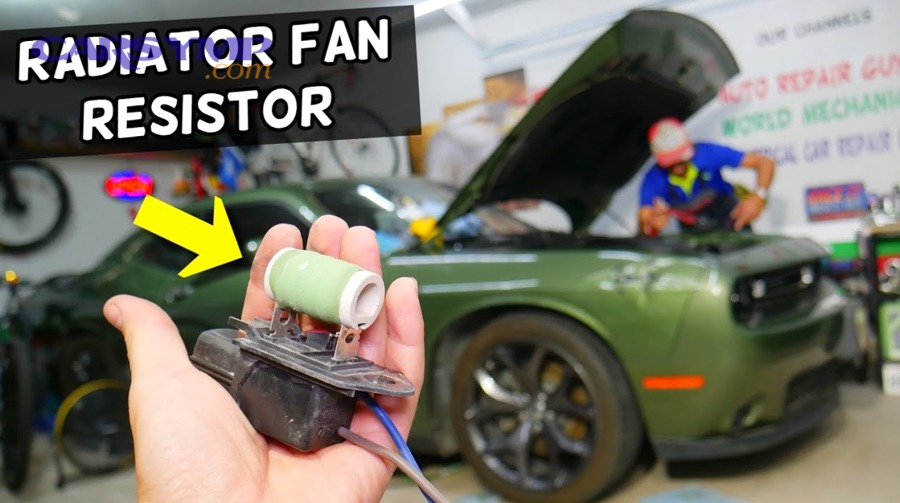
Understanding the complete cost picture prevents false economy from incomplete comparisons. Many vehicle owners calculate only the parts price difference—a $25 aftermarket resistor versus $152 professional installation—and conclude that DIY saves $127. This analysis ignores tool costs, the value of your time, the risk of purchasing wrong components due to misdiagnosis, and the absence of warranty coverage on DIY work. A more complete comparison accounts for these hidden factors that significantly impact true cost differences.
What Is the True Cost of DIY Relay and Resistor Repair?
The true cost of DIY relay and resistor repair totals $40 to $350 including parts, necessary tools, and time investment, but risks additional expenses from misdiagnosis ($25-$150 in wrong parts), repeat failures from incomplete repairs ($60-$150 every few months), and potential electrical damage from incorrect installation ($200-$500 in professional correction). Calculating accurate DIY costs requires honest assessment of your skills, available tools, and diagnostic confidence.
Parts costs vary by repair option and quality selection as detailed in previous sections. A cooling fan relay costs $15 to $20 regardless of quality since relays use standardized specifications. Resistor packs range from $25 for economy aftermarket to $150 for OEM units. Thermal fuses cost just $5 to $15 for a multi-pack. Connector pigtails run $10 to $25. Blower motors span $100 to $300. Your parts cost depends on which option you select and whether you choose aftermarket or OEM quality.
Tool investment becomes a one-time expense that amortizes across future repairs. Basic hand tools (screwdrivers, pliers, socket set) cost $40 to $100 if you don’t already own them—but these tools serve countless other purposes beyond this repair. A multimeter for diagnostic testing costs $20 to $50 for adequate quality. Advanced repairs like thermal fuse replacement require a soldering iron ($15-$40) and solder ($5). Total tool investment ranges from $0 if you already own necessary equipment to $150 for someone starting from zero tools. However, these tools remain available for future use, making the per-repair cost decrease with each subsequent project.
Time investment varies dramatically by repair complexity and your experience level. Simple relay replacement requires 5 to 10 minutes even for beginners. Resistor replacement takes 15 to 30 minutes for first-timers, dropping to 10 minutes once you’ve completed the repair previously. Thermal fuse replacement consumes 30 to 45 minutes including testing time. Combined motor and resistor replacement may take 60 to 90 minutes for inexperienced DIYers. Assign value to your time based on what else you could accomplish during those minutes—if you earn $30 per hour at work and the repair takes one hour, the opportunity cost equals $30. This calculation becomes personal; some people enjoy automotive work and assign zero cost to time spent learning and repairing, while others value their time highly and prefer paying professionals.
Misdiagnosis risk creates hidden costs that professional service eliminates. If you purchase a $60 resistor based on symptom patterns but the actual problem involves a failed blower motor relay ($15), you’ve spent $75 total with the fan still not working. You must then diagnose further, possibly purchasing the motor ($150) before discovering corroded connector wiring. Total parts expenditure reaches $225 for a problem that required only relay and connector repair ($40 in parts). Professionals avoid this escalating cost through proper diagnostic procedures performed before purchasing any parts. The $60 to $120 diagnostic fee suddenly looks economical when it prevents $185 in unnecessary parts purchases.
Risk of repeat failures from incomplete repairs adds ongoing costs that erode DIY savings. If you replace the resistor without addressing the worn blower motor drawing excessive current, the new resistor fails within weeks or months. Each failure costs another $60 plus your time for repeated repairs. After three resistor failures in one year ($180 in parts), you finally replace the motor ($150), bringing total DIY cost to $330 versus the $250 professional combined replacement that would have solved the problem immediately.
A realistic DIY cost example illustrates these factors in practice. You experience blower motor speeds 1-3 not working, with only high speed functional—classic resistor failure symptoms. You purchase a $40 aftermarket resistor and already own basic tools, so tool cost is zero. Installation takes 45 minutes (your time value: $20). Total DIY cost: $55. The repair succeeds and lasts 18 months before another failure. Second DIY repair costs another $55. Total two-year cost: $110 versus a single professional repair with combined motor and resistor replacement for $250. In this scenario, DIY delivers clear savings.
However, consider an alternative scenario. You diagnose resistor failure, purchase a $60 resistor, and invest one hour installing it (time value: $30). The fan still doesn’t work. Further research suggests the relay might be faulty. You purchase a $20 relay. After replacing it, you discover the actual problem was corroded connector terminals requiring pigtail replacement ($25 in parts, another hour of your time). Total DIY cost: $165 and 3 hours of frustration versus $150 professional service that would have diagnosed and repaired correctly the first time.
These examples demonstrate that DIY cost-effectiveness depends heavily on diagnostic accuracy, repair experience, and whether complications arise during the process. Beginners with uncertain diagnostic skills benefit from professional service, while experienced DIYers with good tools and diagnostic equipment save substantially through self-service.
What Does Professional Repair Actually Cost?
Professional repair costs $75 to $450 total, consisting of diagnostic fees ($60-$120), parts at retail pricing with 20-40% markup, and labor charges ($50-$200 based on complexity), but includes expert diagnosis, proper repair procedures, warranty coverage (90 days to 1 year), and peace of mind that eliminates the risks and hidden costs inherent in DIY approaches. Understanding the complete professional service value proposition requires examining each cost component and the benefits it provides.
Diagnostic fees compensate technicians for systematic troubleshooting that identifies the actual problem before replacing any parts. This fee typically ranges from $60 to $120 depending on whether you visit a dealership (higher) or independent shop (lower). The diagnostic process includes visual inspection, electrical testing with professional-grade equipment, computer scan tool analysis (for vehicles with electronic climate control), and comparison to technical service bulletins documenting known issues with your specific vehicle. Most shops waive the diagnostic fee if you approve the recommended repair, effectively rolling it into the total service cost. The diagnostic fee seems expensive when compared to a $20 relay, but it prevents the misdiagnosis scenarios that cost DIYers $100 to $200 in unnecessary parts purchases.
Parts pricing at professional shops includes markup above retail cost to cover inventory investment, warranty liability, and shop overhead. Dealerships typically charge MSRP for OEM parts, representing 30 to 50 percent markup over wholesale cost. Independent shops mark up aftermarket parts by 20 to 40 percent above the price you’d pay at AutoZone or O’Reilly. For example, a resistor you could purchase for $40 at a parts store costs $50 to $60 through an independent shop or $80 to $100 through a dealership. While this markup seems like pure profit, it actually covers the shop’s costs for maintaining parts inventory, accepting return liability for defective parts, and ensuring they stock the correct component for your specific vehicle.
Labor charges reflect both the time required and the shop’s overhead costs including facility rent, tool investment, insurance, and technician wages. Dealerships charge $120 to $150 per hour for labor; independent shops charge $70 to $100 per hour. Simple relay replacement books at 0.3 hours ($21-$45 labor), though shops typically charge a minimum service fee of $50 to $100 that makes very small jobs relatively expensive. Resistor replacement books at 0.5 to 1.0 hours ($35-$150 labor depending on vehicle accessibility). Combined motor and resistor replacement may book at 1.5 to 2.5 hours ($105-$375 labor). These published labor times come from standardized guides (Chilton, Mitchell) that assume experienced technician work pace with professional tools.
Warranty coverage adds significant value that DIY approaches cannot match. Professional repairs include warranty on both parts and labor, typically 90 days to 1 year depending on the shop. If your newly installed resistor fails at 8 months and you used professional service with a 1-year warranty, the shop replaces it at no charge. The same failure on a DIY repair costs you another $60 in parts plus installation time. Over the life of vehicle ownership, warranty coverage on multiple repairs provides hundreds of dollars in protection against defective parts and premature failures.
Mobile mechanic services like YourMechanic represent a professional middle ground between dealership and DIY. These services bring a certified technician to your home or workplace, performing the repair in your driveway. Convenience eliminates the need to arrange transportation while your vehicle undergoes service. Mobile mechanic pricing typically ranges from $100 to $250 for relay or resistor replacement including parts, labor, and travel fee—competitive with independent shops while providing location convenience. Warranty coverage (typically 12 months/12,000 miles) matches or exceeds traditional shop offerings.
Real-world cost comparison demonstrates professional value in specific scenarios. Consider a 2011 Ford Escape owner experiencing blower motor issues. Professional diagnosis at a dealership costs $60 and identifies resistor failure. The repair quote totals $152 ($60 diagnostic + $32 labor + $60 parts). The owner approves service, the diagnostic fee is waived, and final cost is $152. The repair includes 1-year warranty. Two years later the resistor fails again (common pattern indicating motor issues). This time the owner researches online, orders a $25 aftermarket resistor, watches a YouTube tutorial, and completes the DIY repair in 25 minutes. Total DIY cost: $25. Over four years of ownership, total repair costs were $177 ($152 + $25). Had the owner used professional service for both repairs, cost would have been $304 ($152 twice). DIY saved $127 over four years.
However, if the first professional service had included motor replacement alongside the resistor (combined Option 6), the total cost would have been $350 once, with no subsequent failures. Compare this to the actual scenario where professional resistor replacement at $152 plus DIY resistor replacement at $25 still resulted in ongoing problems requiring eventual motor replacement (estimated $200 DIY or $350 professional). The comprehensive professional approach would have cost $350 once versus the incremental approach totaling $377-$527 over time with ongoing inconvenience from repeated failures.
These calculations demonstrate that professional service delivers maximum value when comprehensive repair addressing root causes prevents repeat failures, when diagnostic uncertainty exists, or when warranty protection provides important peace of mind. DIY delivers maximum value when you possess accurate diagnostic skills, appropriate tools, repair experience, and confidence to complete the work correctly the first time.
Should You Replace the Relay, Resistor, or Both Components Together?
You should replace both the blower motor and resistor simultaneously when the motor draws excessive current (above 15 amperes), produces grinding or squealing noises, or has caused multiple resistor failures within 12 months, but single-component replacement suffices when the motor operates quietly with normal current draw and the resistor failed due to age rather than overload conditions. This decision determines whether you solve the problem permanently or face recurring failures every few months.
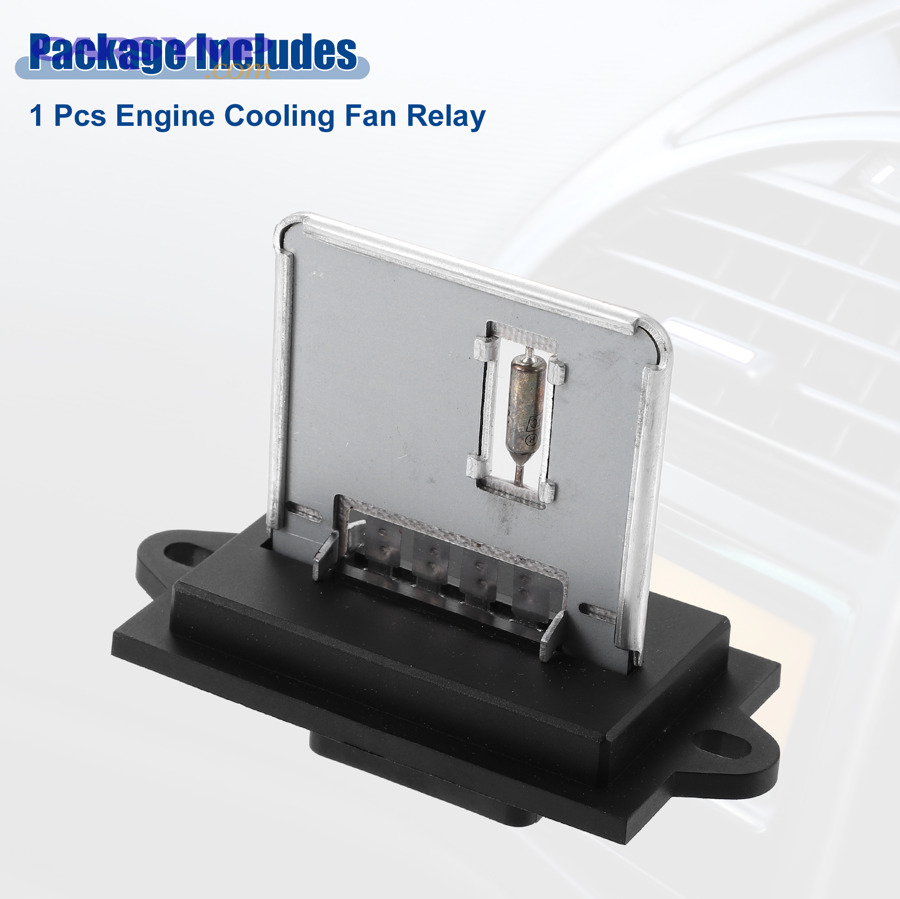
The relationship between blower motor condition and resistor longevity determines replacement strategy and long-term costs. Understanding this cause-and-effect relationship prevents the frustrating cycle where new resistors fail repeatedly because the underlying motor problem continues destroying them.
When Should You Replace Both the Blower Motor and Resistor Simultaneously?
Replace both the blower motor and resistor simultaneously when the motor draws 20 percent above specified current, exhibits bearing noise (grinding, squealing, buzzing), takes more than one second to reach full speed, or has destroyed two or more resistors within the past year—conditions indicating motor bearing wear that generates excessive heat and current draw that will continue destroying new resistors unless both components receive replacement. Combined replacement costs $150 to $450 but prevents the $180 to $300 annual expense of replacing resistors every few months.
Motor current draw testing provides the most objective indicator for replacement decisions. Use a clamp ammeter to measure current flowing through the motor’s positive wire while operating at high speed with the engine running. Compare your measurement to service manual specifications—passenger car blower motors typically draw 12 to 15 amperes at high speed. Current exceeding 18 amperes (20 percent over the 15-ampere standard) indicates significant bearing wear forcing the motor to work harder to overcome internal friction. This overcurrent condition heats resistor coils beyond their design limits, causing premature thermal fuse failure, coil burnout, or connector melting. Installing a new resistor without addressing the motor overcurrent guarantees resistor failure within weeks to months.
Audible symptoms provide secondary confirmation of motor bearing problems. Start the blower motor and listen carefully to operating sounds. Healthy motors produce a smooth whooshing sound from airflow with minimal mechanical noise. Worn motors generate grinding (metal-on-metal contact from destroyed bearings), squealing (dry bearings with insufficient lubrication), or buzzing (electrical arcing or vibration from worn bearings). These sounds indicate internal wear that causes both noise and increased current draw. Any abnormal motor sound warrants replacement, particularly when combined with resistor failures.
Motor starting behavior reveals bearing condition through responsiveness testing. Switch the blower from off to high speed and observe how quickly the motor reaches full speed. Healthy motors achieve full airflow within one second of activation. Motors with worn bearings hesitate, taking two to five seconds to reach full speed as the motor struggles to overcome bearing friction during initial acceleration. Some worn motors require repeated on-off cycling before starting, or fail to start at all until you tap the motor housing to jar the bearings into position. These behaviors confirm bearing failure requiring motor replacement.
Repair history analysis provides the strongest indicator for combined replacement. Review your maintenance records or recall recent repairs. If you’ve replaced the resistor pack twice within the past 12 months, stop the cycle by replacing the motor simultaneously with the next resistor. The pattern demonstrates that your motor kills resistors faster than normal wear would cause resistor failure. Continuing to replace resistors alone without addressing the motor creates an expensive loop: resistor replacement ($60) → 3-6 months operation → resistor failure → another replacement ($60) → repeat indefinitely. Combined replacement breaks this cycle, costing $150-$450 once instead of $60 every few months forever.
Cost-benefit analysis strongly favors combined replacement in high-failure-rate scenarios. Consider the numbers: three resistor replacements per year at $60 each total $180 annually. A motor costs $100-$300; a resistor costs $25-$150. Combined parts total $125-$450. If professional installation is required, add $100-$200 labor. Maximum combined cost is $650, which equals 3.6 years of recurring resistor failures at $180 per year. However, most vehicle owners don’t keep cars 3.6 years after encountering chronic resistor problems—they sell them due to frustration, passing the unfixed problem to the next owner. Combined replacement solves the problem permanently within your ownership period.
Prevention logic also supports combined replacement even when the motor seems functional. Resistors fail from one of three causes: age-related deterioration (normal after 5-10 years), thermal overload from blocked airflow (clogged cabin filter), or motor overcurrent (bearing wear). If you’ve maintained the cabin filter properly and the resistor fails after only 6-12 months, motor overcurrent is the likely cause even if current draw measures only slightly elevated. Preemptive motor replacement prevents the next resistor failure, eliminating the inconvenience of losing HVAC function unexpectedly during extreme weather when you need heat or air conditioning most.
Can You Repair Just One Component and Avoid Future Problems?
Single-component replacement succeeds and avoids future problems when the motor demonstrates normal current draw (12-15 amperes), operates silently without bearing noise, and the resistor failed from normal aging rather than thermal overload, making connector inspection, cabin filter replacement, and proper parts selection the critical factors for ensuring long-term reliability after single-component repair. This approach minimizes immediate costs while achieving reliable results when diagnostic evidence confirms isolated component failure.
Connector condition inspection must precede any resistor replacement decision. Remove the resistor pack and carefully examine the electrical connector for signs of overheating that will destroy your new resistor. Look for melted plastic around terminal openings, terminals that appear blackened or heat-discolored, hardened grease deposits that once provided lubrication, or white/green corrosion on terminal surfaces. Any of these conditions indicate high-resistance connections that generate excessive heat. Simply replacing the resistor without addressing connector damage guarantees rapid resistor failure as poor electrical contact recreates the overheating condition. If connector damage exists, perform connector repair (Option 5) alongside resistor replacement to ensure long-term reliability.
Cabin air filter status directly affects resistor longevity by controlling airflow across the resistor pack for cooling. Locate your cabin air filter (typically behind the glove box or under the hood at the base of the windshield) and inspect its condition. A clean filter allows unrestricted airflow; a clogged filter blocks airflow, reducing cooling capacity across the resistor. Without adequate airflow, the resistor overheats during operation, stressing the thermal fuse and resistor coils. Replace cabin air filters every 12,000 to 15,000 miles or annually, whichever comes first. This simple $15 to $25 maintenance item extends resistor life from months to years by ensuring proper cooling airflow. If your cabin filter is severely clogged and you’ve experienced resistor failure, the blockage likely contributed to resistor overheating—replace the filter alongside the resistor to prevent recurrence.
Motor current verification provides confidence that single-component replacement will succeed. If you have access to a clamp ammeter, measure motor current draw at high speed. Readings between 12 and 15 amperes confirm normal motor operation that won’t stress the new resistor. Readings of 16-17 amperes fall into a gray zone—not severe enough to demand immediate motor replacement but elevated enough to potentially shorten resistor life. Consider whether you plan to keep the vehicle long-term (replace motor proactively) or short-term (accept slightly reduced resistor life and replace as needed). Readings above 18 amperes mandate combined motor and resistor replacement regardless of other factors.
Parts quality selection becomes critical for single-component replacement longevity. When replacing only the resistor, invest in OEM quality or premium aftermarket brands rather than economy parts. The price difference between a $25 economy resistor and a $60 OEM resistor is just $35, but the reliability difference can mean 6-month life versus 5-year life. Since you’re betting that the motor won’t destroy the resistor, maximize your chances of success by choosing parts with proper thermal fuse ratings (121°C rather than 113°C), adequate wire gauge for heat dissipation, and quality construction that tolerates normal operating conditions. This is not the place to save $35 at the expense of reliability.
Installation procedure attention ensures maximum contact quality and cooling efficiency. Apply dielectric grease to all connector terminals before reconnecting—this $3 tube of grease prevents corrosion and improves heat dissipation at terminal contact points. Ensure all resistor mounting screws tighten securely so the resistor makes solid contact with its mounting bracket and cooling airflow passes directly across the resistor body. Verify that any rubber seals or gaskets between the resistor and HVAC duct seat properly to direct airflow across the resistor rather than bypassing around it. These installation details separate resistors that last years from those that fail prematurely despite being quality parts.
Post-installation monitoring identifies potential problems before they cause complete failure. After replacing a single component, pay attention to blower motor performance over the following weeks. If you notice any new sounds (grinding, squealing), intermittent operation, or reduced airflow at specific speeds, these symptoms suggest developing motor problems that warrant inspection before they destroy your new resistor. Early detection allows motor replacement before resistor damage occurs, converting a potential combined failure into a planned single repair.
This strategic approach to single-component replacement succeeds when you’ve properly diagnosed isolated component failure, addressed contributing factors (connector condition, cabin filter status), selected quality parts, and performed proper installation. It minimizes immediate costs while achieving reliable long-term results—provided the motor truly operates normally and won’t stress the new resistor through overcurrent or inadequate cooling airflow.
What Are the Most Common Mistakes to Avoid When Repairing Fan Relays and Resistors?
The most common mistakes when repairing fan relays and resistors include installing inferior aftermarket parts with inadequate thermal fuse ratings, replacing components without addressing underlying causes like worn motors or clogged filters, and neglecting connector repair that creates high-resistance connections destroying new parts. Avoiding these errors requires understanding the root cause mechanisms that turn simple repairs into recurring failures costing hundreds of dollars annually.
These mistakes share a common characteristic—they address symptoms rather than causes, creating a false economy where initial cost savings evaporate through repeated component failures and mounting frustration. Learning to recognize and avoid these patterns prevents wasted money and endless repair cycles.
Why Do Aftermarket Resistors Fail Faster Than OEM Parts?
Aftermarket resistors fail faster than OEM parts because economy manufacturers use thermal fuses rated at 113°C instead of the 121°C specification in original equipment, reducing failure temperature from 250°F to 235°F and making the fuse trip prematurely during hot weather operation or when cabin filters restrict cooling airflow. This 8-degree Celsius rating difference, combined with thinner wire gauge and inferior materials in economy parts, explains why some aftermarket resistors fail within weeks while OEM components last years under identical operating conditions.
Thermal fuse temperature rating represents the critical specification differentiating quality levels in resistor packs. The thermal fuse protects against fire by opening the circuit when resistor temperature exceeds safe limits. OEM manufacturers specify 121°C (250°F) thermal fuses based on extensive testing showing resistors reach 100-110°C (212-230°F) during normal operation in hot climates with maximum heating demand. The 121°C rating provides adequate safety margin—allowing 11-21°C (20-38°F) temperature rise before fuse activation. Economy aftermarket manufacturers reduce costs by using 113°C (235°F) fuses, shrinking the safety margin to just 3-13°C (5-23°F). During hot weather with high HVAC demand, resistor temperature easily reaches 115°C, triggering fuse failure in the aftermarket part while the OEM part with its 121°C fuse continues operating normally.
Wire gauge and coil construction quality create additional reliability differences between OEM and economy aftermarket resistors. OEM resistor coils use heavier gauge wire (typically 18-20 AWG) that carries current with lower resistance and less heat generation. Economy parts substitute lighter gauge wire (22-24 AWG) that develops higher resistance, generates more heat, and operates closer to failure temperature. The wire coil winding technique also varies—OEM parts use precision winding with even spacing for consistent heat dissipation, while economy parts employ loose winding that creates hot spots where coils touch or bunch together. These construction differences compound with the thermal fuse rating issue, making economy parts fail from multiple mechanisms.
Mounting bracket material affects heat dissipation capacity in ways that influence resistor longevity. Quality resistor packs mount on aluminum or steel brackets that conduct heat away from the resistor coils into the surrounding HVAC duct structure. This heat sinking reduces coil temperature by 10-15°C compared to resistors mounted on plastic brackets that insulate rather than dissipate heat. Economy aftermarket parts frequently use plastic mounting brackets to reduce manufacturing costs, eliminating the heat sinking advantage and forcing all heat dissipation to occur through airflow alone. When cabin filters clog or blower motors slow, the loss of cooling airflow combined with poor heat sinking pushes economy resistors into premature failure.
Quality aftermarket brands bridge the gap between economy and OEM by using proper specifications and materials. Premium aftermarket manufacturers like Standard Motor Products, BWD, and Four Seasons produce resistor packs meeting or exceeding OEM specifications including 121°C thermal fuses, proper wire gauge, and quality mounting brackets. These parts cost $40 to $60 (compared to $25 for economy and $80-$150 for OEM), providing a middle path that delivers near-OEM reliability at 40-50 percent cost savings. Identifying quality aftermarket requires asking parts store staff about brand reputation, checking package specifications for thermal fuse ratings, and reading online reviews from other users of your specific vehicle model.
The cost penalty for choosing economy parts appears minimal initially—saving $35 by purchasing a $25 economy resistor instead of a $60 quality aftermarket unit seems financially prudent. However, when the economy resistor fails at 6 months and requires replacement while the quality part would have lasted 3-5 years, you’ve spent $25 every 6 months ($50-$100 over the quality part’s lifespan) plus the time and frustration of repeated repairs. The false economy becomes apparent only after multiple failures reveal the pattern—by which point you’ve already spent more on repeated economy parts than you would have spent on a single quality component.
What Underlying Problems Cause Repeated Relay or Resistor Failures?
Repeated relay or resistor failures result from four underlying problems: clogged cabin air filters reducing cooling airflow across resistors by 40-60 percent, worn blower motors drawing 20-40 percent excessive current that overheats resistor coils, corroded electrical connectors creating high-resistance connections that generate damaging heat, and poor ground connections causing voltage irregularities that stress relay contacts. Identifying and correcting these root causes before replacing components prevents the expensive cycle where new parts fail within weeks or months.
Clogged cabin air filter represents the most common and easily corrected underlying problem causing resistor failures. The cabin air filter sits in the HVAC airflow path between outside air intake and the blower motor, trapping pollen, dust, leaves, and debris. As contamination accumulates, airflow restriction increases progressively. A severely clogged filter reduces airflow by 40-60 percent compared to a clean filter. Since resistor packs mount in the airflow path specifically to receive cooling from blower operation, reduced airflow directly translates to increased resistor temperature. Resistors that operated at 100°C with clean filters reach 125-135°C with clogged filters—well above thermal fuse trip points even with OEM parts. Replace cabin air filters every 12,000 miles or annually, whichever comes first. This $15-$25 maintenance item prevents $60-$150 resistor failures caused by inadequate cooling airflow.
Failing blower motor with worn bearings creates overcurrent conditions that destroy resistors through excessive heat generation. Motor bearings support the motor shaft during high-speed rotation (typically 3,000-4,000 RPM). Bearing wear increases friction, forcing the motor to draw additional current to overcome resistance and maintain rotation speed. Current draw increases from the normal 12-15 amperes to 18-22 amperes or higher as bearing wear progresses. This excessive current flows through resistor coils on low and medium speed settings, generating heat according to the power equation (P = I²R). A 50 percent current increase (12A to 18A) creates 125 percent more heat (144W instead of 64W) in the resistor coils. Operating under continuous overload, the resistor fails prematurely. Measure motor current draw before replacing resistors—if current exceeds specifications by 20 percent, replace the motor simultaneously with the resistor (Option 6) to prevent repeat failures.
Corroded or damaged electrical connectors generate resistance at terminal contact points that produces localized heating sufficient to melt connector plastic and destroy resistor terminals. Electrical resistance at poor connections follows Ohm’s Law—even small resistance values (0.1-0.5 ohms) generate substantial heat when carrying 10-15 amperes of current. The connection point reaches temperatures of 150-200°C (302-392°F), melting connector plastic and creating a destructive cycle where poor contact generates heat that further degrades contact quality. Inspect connector condition carefully during every resistor replacement. Look for melted plastic, discolored terminals, hardened grease, or corrosion. If any damage appears, replace the connector pigtail (Option 5) alongside the resistor to eliminate high-resistance connections that will destroy your new parts.
Poor ground connections cause voltage irregularities that stress relay contacts and create erratic component operation. Vehicle electrical systems ground through the chassis, engine block, and dedicated ground straps. Corrosion at ground connection points increases resistance, reducing effective voltage at components and forcing relays to operate with inadequate voltage differential. Relay contacts arc and pit when voltage is marginal, degrading contact surfaces and accelerating relay failure. Blower motors and cooling fans also suffer from poor grounds—motors run slower and draw higher current when ground connections restrict current flow. This elevated current contributes to resistor overheating as previously described. Clean all ground connections annually using a wire brush to remove corrosion, then apply dielectric grease to prevent future oxidation. Pay particular attention to engine-to-chassis ground straps and body ground connection points.
Wiring harness damage from chafing, heat exposure, or rodent activity creates intermittent connections and voltage drops that cause component failures. Inspect wiring harnesses for damaged insulation, exposed copper, or evidence of rodent chewing (common in vehicles parked outdoors or in rural areas). Repair damaged wiring using solder and heat-shrink tubing rather than electrical tape, which deteriorates over time. Route repaired sections away from heat sources and sharp edges that caused the original damage. These wiring repairs for fan circuit faults prevent recurring electrical problems that destroy otherwise functional relays and resistors.
Systematic diagnosis identifying these root causes before replacing components distinguishes successful permanent repairs from temporary fixes that fail repeatedly. The diagnostic process adds 15-30 minutes but prevents the false economy of replacing parts that will fail again from uncorrected underlying problems. This investment in proper diagnosis saves hundreds of dollars in repeated component purchases over the life of your vehicle ownership.
What Advanced Troubleshooting Methods Help Identify Complex Fan System Failures?
Advanced troubleshooting methods for complex fan system failures include multimeter testing to measure relay coil resistance (normal: 40-80 ohms) and resistor continuity, clamp ammeter current draw measurement to identify worn motors (normal: 12-15A), voltage drop testing at connections to locate high-resistance faults, and scanning for diagnostic trouble codes on vehicles with electronic climate control that store failure data in computer memory. These techniques identify problems that symptom-based diagnosis misses, particularly intermittent failures and component degradation not yet causing complete malfunction.
When basic repairs fail to solve the problem or when symptoms don’t match standard failure patterns, advanced diagnostic methods reveal the underlying issues causing complex system failures. These techniques require additional tools and knowledge but provide diagnostic certainty that prevents wasteful parts replacement guessing.
How Do You Test a Relay and Resistor With a Multimeter?
Test relays by measuring coil resistance between terminals 85 and 86 (normal: 40-80 ohms) and verifying contact switching between terminals 30 and 87 when 12V power energizes the coil, while resistor testing requires measuring continuity across each speed circuit from the common input to individual speed outputs (normal: 0.5-5 ohms per coil) with infinite resistance indicating failed coils or thermal fuses. These multimeter tests provide objective component evaluation that confirms failure before purchasing replacement parts.
Relay testing begins with terminal identification using the relay case markings or your vehicle’s service manual. Standard automotive relays use ISO numbering: terminal 85 and 86 connect to the relay coil, terminal 30 connects to battery power, terminal 87 provides switched output, and terminal 87a (if present) provides a normally-closed contact. Set your multimeter to resistance (ohms) mode and measure between terminals 85 and 86. Typical relay coils measure 40 to 80 ohms depending on relay design. Infinite resistance (OL on digital meters) indicates an open coil—the relay has failed internally and requires replacement. Very low resistance below 20 ohms may indicate a partially shorted coil that will fail soon.
Contact switching verification tests whether the relay mechanically operates when energized. This test requires a 12V power source (battery or power supply) and the multimeter. Set the multimeter to continuity mode. Connect the meter probes between terminals 30 and 87 (normally open contact). The meter should show infinite resistance (no continuity) with the relay de-energized. Connect 12V power to terminal 85 and ground to terminal 86, energizing the relay coil. You should hear a distinct click as the relay armature moves, and the multimeter should now show continuity (near zero resistance) between terminals 30 and 87, indicating the contacts closed. Remove power from the coil—the relay should click again and continuity should disappear. This test confirms the relay mechanically switches properly. If continuity never appears, the contacts have corroded or burned. If continuity exists even without coil power, the contacts have welded closed from arcing.
Resistor pack testing identifies which specific coils or thermal fuses have failed within the assembly. Remove the resistor pack from the vehicle and disconnect all electrical connectors. Identify the terminal configuration—most resistor packs have one common power input terminal and three or four output terminals for different fan speeds. Set your multimeter to resistance mode (ohms) and measure between the common input and each speed output. Each coil should measure 0.5 to 5 ohms depending on the resistor design. Higher resistance coils (for low speed) measure higher than lower resistance coils (for medium speed). Record each measurement. Infinite resistance on any circuit indicates failure—either the coil has opened or the thermal fuse protecting that circuit has blown. Zero resistance or very low resistance (below 0.2 ohms) across all terminals simultaneously indicates a shorted resistor pack requiring replacement.
Thermal fuse location within the resistor pack requires visual inspection to support multimeter testing. Examine the resistor pack carefully for a small cylindrical component (resembling a tiny capacitor or resistor) with wire leads connecting into the circuit. This thermal fuse sits in series with one or more resistor coils. If your continuity test shows infinite resistance on the circuit containing the thermal fuse but you can visually trace intact coil windings, the thermal fuse has blown while the coils remain functional—making the resistor a candidate for thermal fuse repair (Option 4) rather than complete replacement.
Voltage drop testing at connections identifies high-resistance faults causing overheating and component damage. Set your multimeter to DC voltage mode with a 20V scale. With the blower motor operating at high speed (maximum current flow), measure voltage at both ends of each connection point—connector terminals, crimp joints, ground connections. The voltage drop across a good connection should measure less than 0.2 volts. Drops exceeding 0.5 volts indicate excessive resistance requiring repair. For example, measure voltage at the battery positive terminal, then at the blower motor positive terminal. The difference reveals total voltage drop in the power feed circuit. If you measure 14.0V at the battery but only 12.5V at the motor (1.5V drop), excessive resistance exists somewhere in the power feed circuit—possibly corroded fuse holder contacts, damaged wiring, or poor connector contact. Systematically measure voltage at each connection point to isolate where the resistance exists.
Current draw measurement using a clamp ammeter quantifies motor condition and confirms whether overcurrent contributes to resistor failures. Clamp ammeters measure current flow without breaking the circuit—you simply clamp the meter’s jaws around the power wire while the motor operates. With the engine running and blower motor at high speed, clamp the ammeter around the motor’s positive wire (the wire carrying current from the fuse panel to the motor). Read the current draw and compare to service manual specifications (typically 12-15 amperes for passenger car blower motors). Current exceeding 18 amperes indicates motor bearing wear requiring replacement. Current below 8 amperes suggests motor winding problems or mechanical blockage preventing normal rotation. This objective measurement confirms whether motor replacement should accompany resistor service.
These advanced diagnostic techniques require tool investment—a quality digital multimeter costs $40-$80, a clamp ammeter costs $60-$150—but the tools pay for themselves by preventing misdiagnosis that leads to purchasing incorrect parts. Professional technicians use these exact methods, making them valuable skills for serious DIY mechanics who want diagnostic accuracy matching professional standards.
What Are Solid-State Control Modules vs. Traditional Resistor Packs?
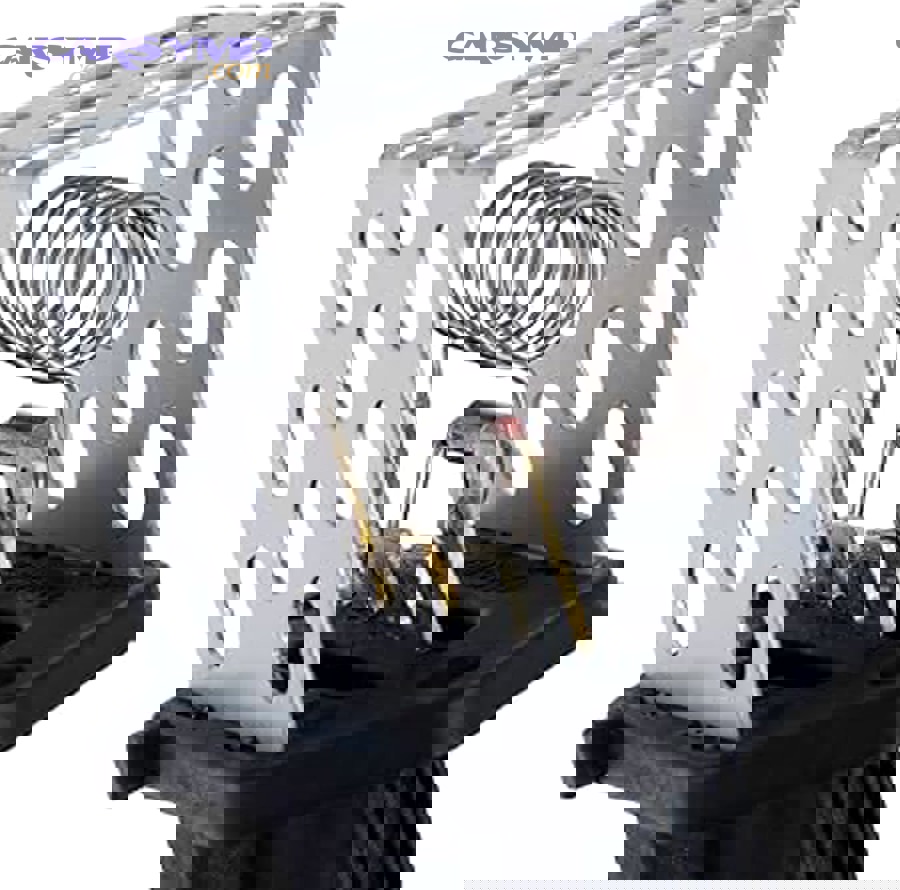
Solid-state control modules (also called “final stage units” or “power transistors”) differ from traditional resistor packs by using electronic transistor circuits to regulate fan speed through pulse-width modulation instead of resistive voltage reduction, offering more precise speed control and compatibility with automatic climate control systems but requiring different testing procedures focused on control signals and module grounds rather than coil resistance measurements. Modern vehicles increasingly employ these modules, particularly in luxury and automatic climate control applications where variable-speed control exceeds traditional resistor pack capabilities.
Understanding construction differences explains why diagnostic and repair approaches vary between these component types. Traditional resistor packs contain simple wire coils wound to specific resistance values. These coils physically restrict current flow, converting excess electrical energy to heat that dissipates through airflow cooling. Speed control occurs by switching current through different coils—high resistance for low speed, medium resistance for medium speed, no resistance (bypass) for high speed. The components are entirely passive—no electronic control, just electrical resistance. Failures occur when coils burn out, thermal fuses blow, or connections corrode.
Solid-state modules contain electronic components including transistors, diodes, capacitors, and integrated circuits mounted on a circuit board. These modules receive low-current control signals from the climate control computer indicating desired fan speed. The module responds by switching high-current power to the blower motor on and off rapidly (pulse-width modulation). For low speed, the module switches power on 30 percent of the time and off 70 percent—the motor receives an average of 30 percent power, spinning at low speed. For high speed, power switches on 90 percent of the time, providing near-full power to the motor. This electronic switching eliminates resistive heat generation, allowing more precise speed control including infinitely variable speeds between minimum and maximum, impossible with traditional resistor packs.
Vehicle applications determine which technology appears in your car. Traditional resistor packs populate most vehicles with manual climate control offering 4-position fan speed selection (off, 1, 2, 3, 4). Solid-state modules appear in vehicles with automatic climate control where the computer continuously adjusts fan speed to maintain cabin temperature within 1-2 degrees of the setpoint. European vehicles (BMW, Mercedes-Benz, Volkswagen, Audi) widely adopted solid-state modules in the 1990s. Asian and American manufacturers increasingly use them in mid-range and luxury models. Honda and Acura call these components “power transistors.” BMW and Mercedes reference “final stage units.” Ford and GM may label them “blower motor control modules.” Despite naming differences, all perform identical functions—electronic speed control replacing traditional resistor packs.
Testing procedures differ significantly between traditional and solid-state components. Traditional resistor testing uses simple ohmmeter measurements as described in the previous section. Solid-state module testing requires checking control signal inputs from the climate control computer and verifying ground circuit integrity. With a multimeter set to DC voltage, measure voltage at the control signal inputs while commanding different fan speeds through the climate control panel. Most modules use 5V or 12V pulse-width modulated signals, though some employ variable DC voltage (0-5V) to communicate speed commands. If control signals appear correct but the module doesn’t respond, the module itself has failed. If control signals are missing or incorrect, the climate control computer or connecting wiring has faulted. Ground circuit testing verifies that the module has clean chassis ground connection—measure resistance between the module ground terminal and battery negative, confirming less than 0.5 ohms resistance.
Failure patterns vary between component types in ways that affect diagnosis and repair strategies. Traditional resistor packs fail from thermal overload (thermal fuse trips or coils burn open), connector damage (melting from high-resistance connections), or age-related deterioration. These failures present clear symptoms—specific speeds missing, all low speeds lost while high speed works. Solid-state modules fail from heat (transistors overheat from poor grounding or excessive current), voltage spikes (lightning strikes, jump-starting with reversed polarity), or electronic component age degradation. Module failures often present as complete loss of all fan speeds, intermittent operation, or fan speeds that don’t match the selected setting. Some failed modules allow only maximum speed operation (transistors shorted on) or minimum speed operation (transistors failed open).
Replacement costs reflect the increased complexity of solid-state modules. Traditional resistor packs cost $25-$150. Solid-state modules cost $100-$400 depending on vehicle make and model, with European luxury vehicle modules reaching $400-$600. Labor for replacement remains similar since modules mount in the same locations (behind glove box or on HVAC housing) as traditional resistor packs, requiring 0.5 to 1.5 hours labor. The higher parts cost makes accurate diagnosis critical—you don’t want to spend $300 on a module when the actual problem involves a $3 blown fuse or loose ground connection.
This technology evolution means DIY mechanics must adapt diagnostic approaches to match component type. Identify whether your vehicle uses traditional resistor packs or solid-state modules by checking parts catalogs, online forums for your vehicle model, or examining the component itself. Traditional resistor packs show visible wire coils and have simple connectors with 3-5 wires. Solid-state modules appear as sealed housings with circuit board visible through ventilation slots and use connectors with 6-12 wires including multiple ground terminals and control signal inputs. Knowing which type you’re diagnosing prevents applying incorrect test procedures that waste time or damage components.
Can You Bypass a Resistor Safely and Should You Ever Do It?
Bypassing a resistor by directly connecting low and high-speed circuit wires forces continuous high-speed motor operation, risks motor damage from overcurrent and overheating, creates electrical overload that may blow fuses or damage wiring, and eliminates speed control functionality entirely—making it unsafe for permanent use and appropriate only as a temporary emergency measure to restore basic airflow during extreme weather until proper repair occurs. The technical procedure involves connecting the power input wire to the high-speed output wire, but the risks and limitations make this approach unsuitable except in urgent temporary situations.
Technical bypass procedure requires understanding the resistor circuit configuration. Most resistor packs receive battery power on one common input terminal and distribute power through different resistor coils to multiple output terminals corresponding to different fan speeds. The high-speed circuit typically bypasses the resistor entirely, connecting power directly to the motor when you select maximum speed. To bypass the resistor, you would disconnect the resistor pack, identify the power input wire (usually red or red with a color tracer), and connect it directly to the high-speed output wire (often white or black). This connection provides direct battery power to the motor continuously, bypassing all resistor coils.
However, this bypass creates multiple safety and functional problems that make it inappropriate for anything beyond temporary emergency use. First, the motor operates at maximum speed continuously with no ability to reduce airflow—you get full blast heating or cooling at all times, making fine climate control impossible. Second, continuous high-speed operation increases motor wear by running constantly at maximum RPM, reducing motor service life by 50-75 percent compared to variable-speed operation where the motor frequently runs at lower speeds or cycles off completely. Third, the bypass eliminates thermal fuse protection—if the motor fails or airflow blockage occurs, nothing prevents motor winding overheating and potential electrical fire. Fourth, constant high current draw (12-15 amperes) through circuits designed for intermittent use may overheat wiring or fuse holders, creating fire risk.
Circumstances where temporary bypass makes sense include emergency situations requiring airflow during extreme weather. For example, if your resistor fails during winter travel and outside temperature is -10°F, temporary bypass restores heat to prevent windshield frosting and maintain minimal cabin warmth until you reach your destination and obtain replacement parts. Similarly, resistor failure during 105°F summer heat with broken air conditioning might justify temporary bypass to provide some airflow through dashboard vents. In these emergency scenarios, bypass provides crucial safety and comfort for the hours or days required to obtain and install proper replacement components.
The proper alternative to bypass involves diagnosing which component failed and obtaining the correct replacement part. If you can’t immediately identify the correct resistor part number for your vehicle, consult the dealer parts department, provide your VIN (vehicle identification number), and they’ll identify the exact replacement. Online parts suppliers like RockAuto and Amazon list resistor packs by year, make, model, and sometimes VIN, ensuring you order correct components. Most auto parts stores offer same-day or next-day availability for common resistor packs, making bypass unnecessary except in the most remote locations or for obscure vehicle models.
If you must perform emergency bypass, limit the duration and monitor for problems. Inspect the bypass connection area after 30 minutes of operation for excessive heat—if wires feel uncomfortably hot to touch (above 140°F), the connection is carrying too much current and requires improvement or immediate discontinuation. Listen for unusual motor sounds indicating stress from continuous maximum-speed operation. Plan to purchase and install proper replacement components within 24-72 hours maximum. Never consider bypass a permanent solution—it’s a stopgap measure only.
This guidance applies to both cooling fan relays and blower motor resistors. Some internet sources suggest bypassing cooling fan relays for radiator fan repair, directly connecting battery power to cooling fans. This bypass forces fans to run continuously whenever the ignition is on, draining the battery overnight and removing automatic temperature-based control. While technically possible, it trades one problem (no fan operation) for different problems (battery drain, no automatic control, excessive fan wear). The minimal cost of replacement relays ($15-$20) makes bypass illogical except in absolute emergencies requiring temporary cooling fan operation to prevent immediate engine overheating.
What Vehicle-Specific Issues Affect Relay and Resistor Reliability?
Vehicle-specific issues affecting relay and resistor reliability include Chrysler minivan solid-state relay overheating (late 1980s-1990s models), Chrysler Neon radio frequency filter failures mounted on radiator fan shrouds, Ford resistor pack thermal fuse failures from low-temperature-rated components, and Honda/Acura power transistor (control module) failures documented in technical service bulletin 03-048 for 2003 Pilot rear HVAC systems. Knowing your vehicle’s common failure patterns helps diagnose problems faster, select appropriate replacement parts, and implement preventive measures against recurring failures.
Chrysler minivans manufactured during the late 1980s through mid-1990s (Dodge Caravan, Plymouth Voyager, Chrysler Town & Country) suffer from solid-state cooling fan relay overheating and premature failure. Unlike traditional electromechanical relays, these solid-state units use electronic switching components that generate significant heat during operation. Mounting location compounds the problem—the relay sits in the power distribution center under the hood where engine heat and solar radiation create extreme ambient temperatures exceeding 150°F. The solid-state relay operates near its thermal limits during hot weather, failing prematurely and causing cooling fan inoperation. When replacing failed relays on these vehicles, consider upgrading to aftermarket electromechanical relays if compatible, or ensure adequate cooling airflow around the power distribution center to extend solid-state relay life.
Chrysler Neon models use a radio frequency filter component mounted on the radiator fan shroud in the cooling fan circuit. This filter suppresses electromagnetic interference generated by fan motor operation that might affect radio reception or other vehicle electronics. The filter mounts in a hot area near the radiator where coolant temperatures reach 180-210°F and radiator surface temperatures can exceed 200°F. Heat exposure degrades the filter’s internal components (typically capacitors and inductors), causing failure that prevents cooling fan operation despite having a functional relay and fan motor. When diagnosing cooling fan problems on Chrysler Neon vehicles, specifically test the radio frequency filter for continuity and replace it if open or intermittent. This component is often overlooked because technicians unfamiliar with the model don’t know it exists.
Ford vehicles, particularly 1998-2011 Escape, Tribute, and similar models, experience frequent blower motor resistor failures traced to thermal fuse temperature ratings. As documented earlier in this article, Ford OEM resistor packs specify 121°C thermal fuses while many aftermarket replacements use 113°C fuses. The 8-degree difference makes aftermarket parts fail prematurely, particularly during summer operation with maximum heat demand. Ford owners experiencing repeat resistor failures should exclusively use OEM parts or verify that aftermarket parts specifically state 121°C thermal fuse ratings. Some Ford enthusiasts perform thermal fuse replacement (Option 4) using 133°C or 142°C fuses purchased from electronics suppliers, providing even greater thermal margin than OEM parts.
Honda and Acura vehicles with automatic climate control use power transistor modules (solid-state control modules) that show elevated failure rates according to manufacturer technical service bulletins. Bulletin 03-048 specifically addresses 2003 Honda Pilot rear HVAC system power transistor failures where the blower motor for the rear climate control stops working at all speeds. The bulletin recommends power transistor replacement as the solution. Similar issues affect Odyssey minivans, Accord sedans, and Acura MDX vehicles from 2003-2008 model years. When these vehicles lose blower motor function (front or rear), suspect power transistor failure first. The modules cost $100-$200 and mount on the HVAC housing, usually accessible behind trim panels or under the dashboard. Honda owners benefit from checking TGK or Denso part numbers (common OEM suppliers for Honda power transistors) to ensure quality replacement components.
BMW and Mercedes-Benz vehicles employ final stage units (their terminology for solid-state blower motor control modules) that fail from heat exposure when grounding problems occur. These modules generate significant heat during normal operation and require excellent chassis ground connection to dissipate heat through the mounting bracket into the vehicle body. Poor ground connections cause modules to overheat internally, destroying electronic components. When replacing final stage units on European vehicles, always verify ground circuit integrity by measuring resistance from module ground terminal to battery negative (should be less than 0.5 ohms). Clean ground connection points with a wire brush, apply dielectric grease, and ensure mounting screws tighten firmly to create good thermal and electrical contact.
General Motors vehicles with electronic climate control (particularly 2000s Chevrolet, GMC, and Cadillac models) use blower motor control modules that fail from water intrusion. The modules mount on the HVAC housing under the dashboard where condensation drain problems or windshield leaks can drip water directly onto the module circuit board. Water causes corrosion and electrical shorts, destroying the module. When diagnosing blower motor problems on GM vehicles with automatic climate control, inspect for water stains or corrosion on the module connector and circuit board. Address water intrusion sources before installing replacement modules—clear HVAC condensation drain tubes, repair windshield seal leaks, and verify proper evaporator drain operation.
These vehicle-specific patterns become apparent through manufacturer technical service bulletins, online owner forums, and professional technician experience with particular models. Before diagnosing fan relay or resistor problems, search online for “[your vehicle year/make/model] blower motor problem” or “[your vehicle] cooling fan relay issue” to discover whether your vehicle suffers from a known pattern requiring specific diagnosis or repair approaches. This research saves hours of generic troubleshooting by directing you immediately to the common failure point for your specific vehicle.
Understanding these vehicle-specific issues provides diagnostic advantages and repair confidence. When your 2004 Honda Pilot loses rear HVAC function, you know to test the power transistor first rather than spending time checking fuses, switches, and wiring. When your 1995 Dodge Caravan has cooling fan problems, you check the solid-state relay and radio frequency filter before condemning the fan motor. This targeted diagnostic approach based on known failure patterns distinguishes experienced technicians from novices who diagnose every vehicle identically.
This comprehensive guide to fan relay and resistor repair versus replacement options provides the framework for making informed decisions that balance cost, reliability, and long-term value. Whether you choose simple relay swap for $15, comprehensive motor and resistor replacement for $450, or any option in between, understanding the factors driving your decision—component condition, diagnostic confidence, skill level, time availability, and vehicle-specific considerations—ensures you select the approach delivering optimal results for your situation. Avoiding common mistakes like installing inferior parts, neglecting root cause diagnosis, or skipping connector repair prevents the costly cycle of repeat failures that plague uninformed repairs. Armed with this knowledge, you can confidently tackle cooling fan and blower motor problems, achieving professional-quality results through informed DIY repair or educated oversight of professional service.