The check engine light (CEL) in your car can be a source of confusion and concern for many drivers. This warning can indicate a variety of issues, ranging from a minor glitch to a major mechanical failure. Diagnosing your car’s check engine light is crucial to understanding the underlying problem, preventing further damage, and saving on repair costs. In this article, we will explore the steps involved in diagnosing the check engine light, simple DIY tests, and when to seek professional help.
What Does the Check Engine Light Mean?
The check engine light, often referred to as the “CEL,” is part of your vehicle’s onboard diagnostic (OBD) system. It illuminates when the system detects an issue, either in the engine or another critical component of the vehicle. This warning could be related to something as simple as a loose gas cap or as serious as a failing catalytic converter. It’s important to remember that the check engine light doesn’t provide specific details about the issue; instead, it signals that a diagnostic scan is necessary.

The severity of the problem can range from minor to critical. A blinking check engine light typically indicates a serious issue, such as a misfire, while a steady light could point to less urgent problems. It is essential to address the issue promptly to avoid further damage and expensive repairs.
Why is the Check Engine Light Important?
Understanding the importance of the check engine light is vital for proactive car maintenance. Ignoring the CEL can lead to:
- Increased Repair Costs: Small issues can escalate into larger, more expensive repairs if not diagnosed and addressed early.
- Decreased Fuel Efficiency: Some engine problems, like oxygen sensor failure, can reduce fuel efficiency.
- Potential Safety Hazards: Serious engine or emission problems could affect the overall performance and safety of your vehicle.
To accurately diagnose and address the issue behind the check engine light, it is essential to use the correct diagnostic methods.
How to Diagnose the Check Engine Light: DIY Methods
Diagnosing the check engine light doesn’t always require a trip to the mechanic. There are several simple tests you can perform on your own to determine the cause of the warning. Let’s explore the most effective methods.

What Is OBD-II and How Does It Help?
OBD-II (Onboard Diagnostics) is a system that allows your car to communicate with diagnostic tools, making it possible to check the health of your vehicle. This system is present in all cars manufactured after 1996. OBD-II scanners, also known as code readers, are used to retrieve trouble codes from the car’s computer when the check engine light is triggered. These codes can help pinpoint the specific issue affecting your car.
To diagnose the problem, you’ll need an OBD-II scanner. This tool can be purchased or rented from automotive stores. To use the OBD-II scanner, simply:
- Plug the scanner into the vehicle’s OBD port (usually located beneath the dashboard near the driver’s seat).
- Turn on the ignition (you don’t need to start the engine).
- Follow the scanner’s instructions to retrieve the error code(s).
What Are Freeze Frame Data and How Can It Help?
Freeze frame data is a snapshot of the car’s parameters at the moment the check engine light came on. It provides information such as engine temperature, speed, and other data points when the issue was detected. This data is invaluable for understanding the conditions under which the problem occurred and can provide clues that will aid in diagnosis.
Freeze Frame Data Basics for Beginners
- Engine Load: This indicates how hard the engine is working at the time of the error.
- Coolant Temperature: Helps identify if overheating might be a contributing factor.
- Fuel Trim: Shows how the car’s engine control module (ECM) is adjusting the air-fuel mixture.
Understanding freeze frame data allows you to narrow down the potential causes of the check engine light and make your diagnostic process more accurate.
Simple DIY Tests Before Visiting a Shop
While using an OBD-II scanner can give you trouble codes, it’s also useful to perform a few simple DIY tests before you decide to visit a mechanic. These tests can often help you pinpoint or rule out common issues.
1. Inspect the Gas Cap
A loose or damaged gas cap is one of the most common causes of the check engine light coming on. Ensure the cap is securely tightened and free from cracks or damage. If the gas cap is the culprit, the light should turn off after a few driving cycles.
2. Check for Obvious Leaks
Check around the engine for any visible signs of leaks, particularly in hoses, fuel lines, and under the car for fluid pooling. Fluid leaks can often cause the check engine light to appear.
3. Monitor Engine Sounds
If your engine is making unusual noises such as knocking or rough idling, this could indicate a more serious issue, such as a problem with the fuel or ignition system. These symptoms should be addressed as soon as possible to avoid further damage.
When Should You Visit a Mechanic for Professional Diagnosis?
While DIY tests are useful for troubleshooting the check engine light, some problems require professional attention. If you’ve performed basic diagnostics and the issue persists, or if you receive a blinking light, it’s time to visit a mechanic for a professional diagnosis. A trained technician will use advanced diagnostic tools to interpret error codes, check system components, and perform more in-depth tests. Sometimes, issues like misfires or faulty sensors require specialized tools that can’t be replicated with a basic OBD-II scanner.

What Are the Common Causes of a Check Engine Light?
Several common issues can trigger the check engine light. Let’s explore these and discuss how each one affects your car’s performance.

What Are the Most Frequent Causes of a Check Engine Light?
The most frequent causes of a check engine light include:
- Loose or Faulty Gas Cap: A simple but common cause of the check engine light.
- Oxygen Sensor Failure: This sensor measures the amount of oxygen in your exhaust and helps the engine control unit (ECU) optimize fuel efficiency.
- Catalytic Converter Issues: The catalytic converter reduces harmful emissions; a malfunction can lead to engine performance issues.
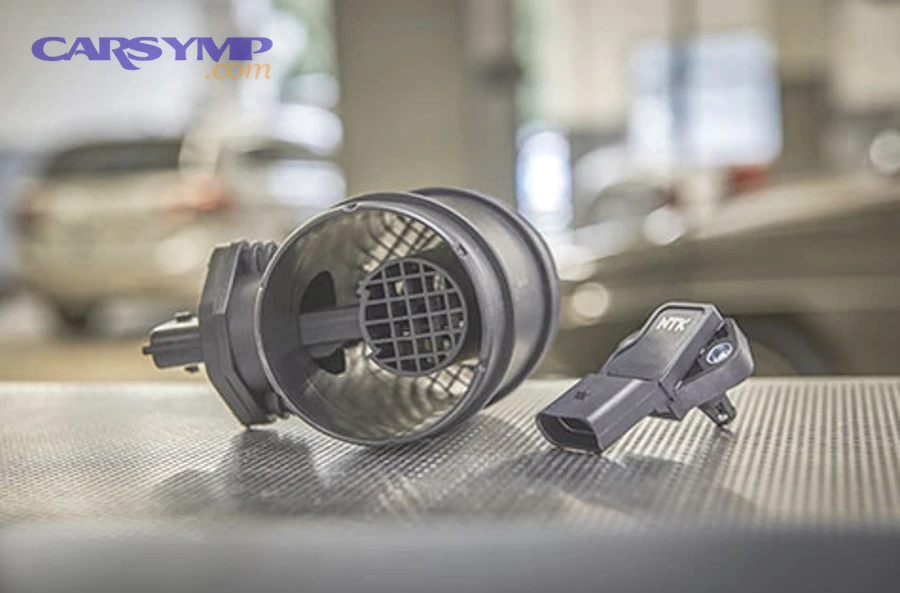
- Mass Air Flow Sensor Malfunction: This sensor measures the amount of air entering the engine, and when it fails, it can affect fuel efficiency and engine performance.
Why is Oxygen Sensor Failure a Concern?
An oxygen sensor detects the oxygen levels in the exhaust gases, which helps regulate fuel efficiency. If the sensor fails, it can lead to an increase in fuel consumption and higher emissions. According to a study by the American Automobile Association (AAA), oxygen sensor failures can decrease fuel efficiency by as much as 40%.
When to Seek Help: Professional Diagnosis and Repair
While DIY tests are useful for troubleshooting the check engine light, some issues require professional attention. If your car shows signs of serious issues, such as rough idling, poor acceleration, or a blinking check engine light, professional diagnosis is necessary. These symptoms can indicate problems with the engine, transmission, or other critical systems that need immediate attention.

When Should You Visit a Mechanic?
If your car shows signs of serious issues, such as rough idling, poor acceleration, or a blinking check engine light, professional diagnosis is necessary. These symptoms can indicate problems with the engine, transmission, or other critical systems that need immediate attention.
What Happens During a Professional Check Engine Diagnosis?
A mechanic will use an advanced OBD-II scanner to perform a thorough diagnostic check, often running more in-depth tests, such as checking for engine misfires or testing the fuel pressure. Depending on the issue, repairs may involve replacing faulty components like the oxygen sensor or catalytic converter.
In Conclusion
Diagnosing the check engine light is an essential skill for every car owner. By understanding the importance of the warning, performing simple DIY tests, and using OBD-II scanners, you can often identify and resolve minor issues on your own. However, more serious problems will require the expertise of a professional mechanic. Early diagnosis can save you time, money, and frustration, ensuring your vehicle continues to run smoothly and efficiently.