


If you’re comparing fuel injector cleaning methods, the most accurate takeaway is this: in-tank detergent additives are best for light deposits and prevention, pressurized on-car cleaning is best for moderate drivability issues, and off-car ultrasonic + flow testing is best when you need measurable restoration and injector matching—but none of them can “save” a mechanically failing injector.
Next, the practical question isn’t just “what works,” but what works for your symptoms and engine type: a rough idle on port injection is a different decision than a misfire on gasoline direct injection (GDI), and the best method changes with deposit location, severity, and risk tolerance.
Then, if you’re considering doing it yourself, you should treat DIY injector cleaning as a spectrum—from low-risk “pour-in” detergents to higher-risk pressurized kits and removal/bench testing—because the costs of a mistake (fire risk, damaged seals, worse misfires) often exceed the price of proper service.
Introduce a new idea: once you understand what each method can and can’t do, you can choose the lowest-cost method that still matches your problem, instead of paying for the most aggressive option by default.
What are fuel injector cleaning methods—and why do they matter for modern engines?
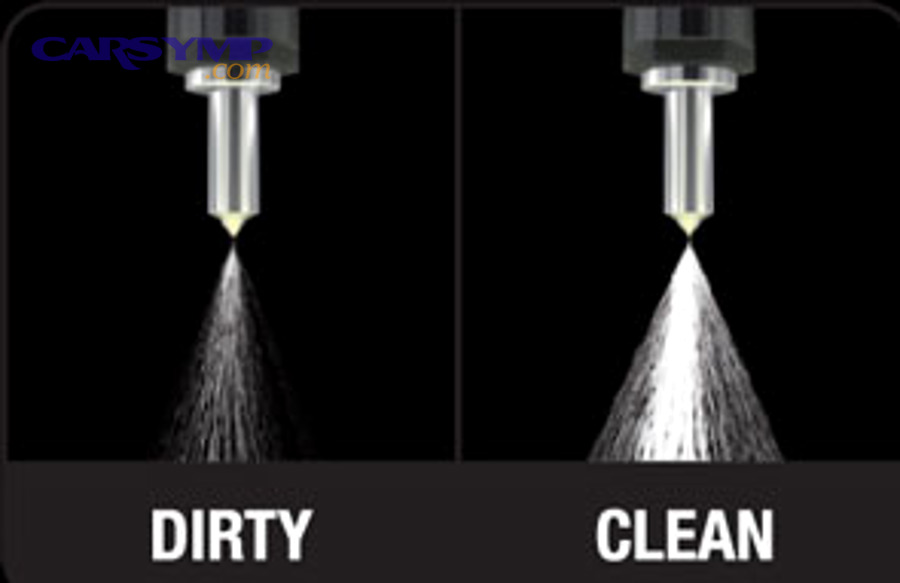
Fuel injector cleaning methods are maintenance and service techniques that remove or prevent deposits in injector tips, nozzles, and internal passages to restore spray pattern, flow consistency, and combustion stability.
To begin, injector deposits matter because even small changes in spray quality can snowball into drivability complaints, emissions increases, and fuel economy loss—especially in tight-tolerance modern injection systems.
What causes injector deposits in the first place?
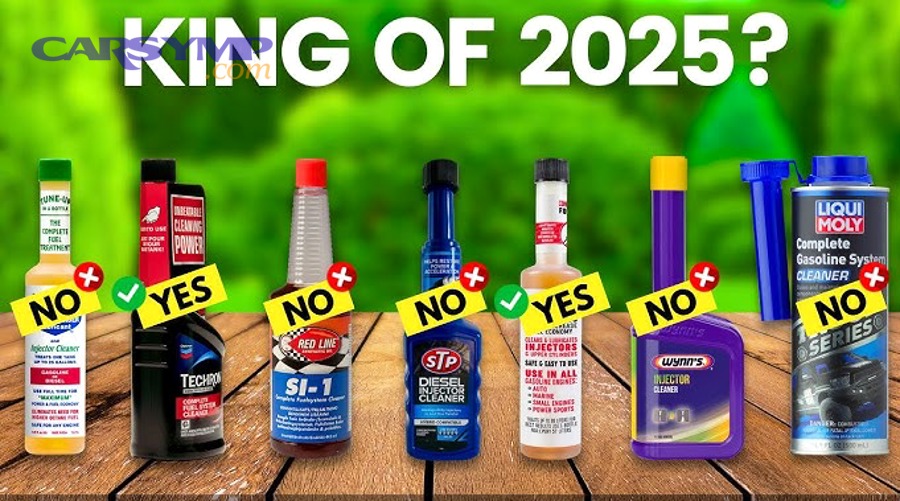
Injector deposits come from fuel chemistry, heat, and operating conditions working together over time. The main pathways include:
- Low-temperature oxidation (fuel components reacting and polymerizing)
- High-temperature pyrolysis/coking near hot injector tips (especially in DI systems)
Direct injection injectors tend to live a harsher life (higher pressures, more heat at the tip), so deposits can have a bigger impact on spray formation and combustion stability.
According to a study by the University of Birmingham from the School of Mechanical Engineering, in 2015, injector deposits were shown to reduce injector flow rates and alter spray characteristics, and the authors note fuel detergents as a key mitigation strategy.
What symptoms suggest injectors (not something else) may be the issue?
Injectors are only one piece of the puzzle, so the goal is to spot injector-like patterns rather than guessing. Common signals include:
- Rough idle that improves slightly with RPM
- Cold-start stumble or extended cranking
- Light-load hesitation or surging
- Cylinder-specific misfire codes that follow fuel delivery patterns (not ignition coils)
- Fuel trims indicating lean condition under certain loads (needs diagnosis)
The key point: these symptoms can also come from vacuum leaks, ignition issues, low fuel pressure, or sensor faults—so “cleaning” should be chosen when evidence points to deposits or restriction, not as a blind fix.
Which fuel injector cleaning method works best: in-tank additives, pressurized on-car cleaning, or ultrasonic off-car service?
In-tank additives win for prevention and mild deposits, pressurized on-car cleaning is best for moderate performance restoration, and ultrasonic off-car cleaning wins for measurable flow/spray correction and injector matching.
However, the “best” method is the one that matches deposit severity, injector accessibility, and your tolerance for cost and downtime.
How do in-tank detergents (fuel system additives) compare?
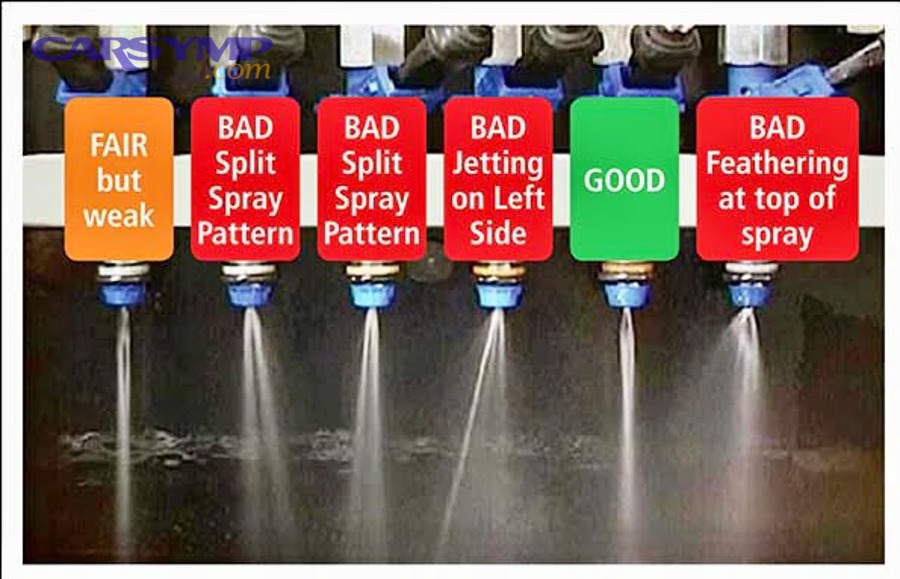
In-tank cleaners work by mixing a detergent package with fuel and cleaning gradually during normal driving.
Pros
- Lowest cost, easiest to use
- Best for keep-clean (prevention) and early-stage deposits
- Low risk when used correctly
Cons
- Limited effectiveness on heavier deposits
- Results can be subtle and slow
- Not a cure for mechanical failures (stuck pintle, failing coil, leaking injector)
This is where the phrase matters: Fuel system additives: what works and what doesn’t usually comes down to detergent chemistry and dose, not marketing.
Peer-reviewed literature and industry testing commonly point to nitrogen-based detergent chemistries (often including PEA-type detergents) as effective for deposit control in gasoline systems.
How does pressurized on-car injector cleaning compare?
Pressurized cleaning runs a concentrated cleaning solution through the fuel rail (often with the fuel pump disabled), so injectors spray a stronger detergent mix directly.
Pros
- Faster results than pour-in additives
- Can help when symptoms are clearly deposit-related
- Doesn’t require injector removal
Cons
- Higher risk than pour-in methods (pressurized fuel/solvent handling)
- Can loosen debris that later clogs filters/screens if the system is dirty
- Still limited if deposits are internal/hardened or injectors are worn
This method is often the “middle path”: stronger than a bottle in the tank, cheaper and quicker than full removal and bench testing.
How does ultrasonic off-car cleaning + flow testing compare?
This is the most controlled method: injectors are removed, cleaned ultrasonically, backflushed, then tested for:
- Flow rate consistency
- Leak-down
- Spray pattern quality
- Electrical integrity
Pros
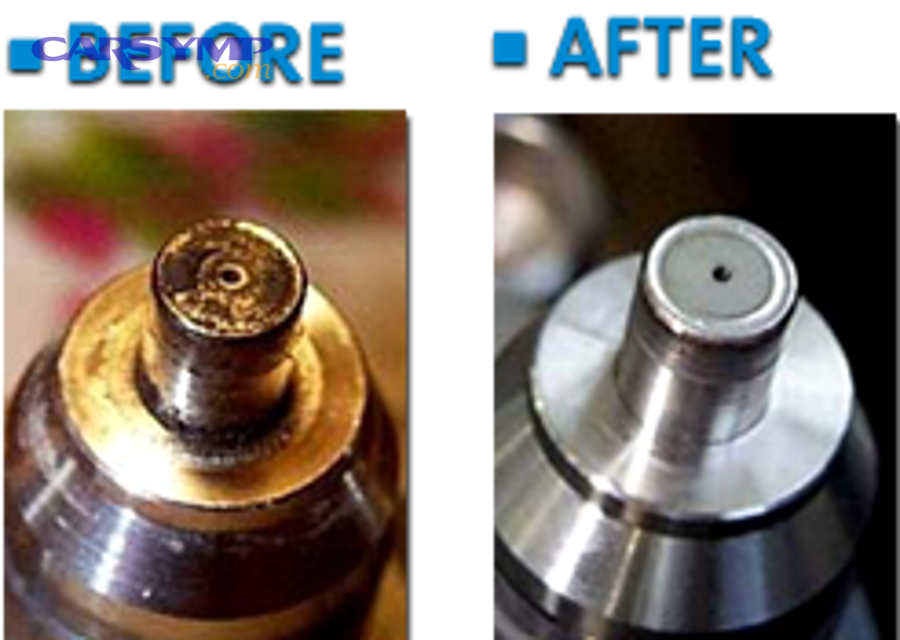
- Most measurable results (before/after data)
- Best when you need injector matching across cylinders
- Best for severe deposit cases where drivability is impacted
Cons
- Requires removal (labor/time)
- New seals/filters often needed
- Not worthwhile for cheap injectors near end-of-life
You’ll see the biggest real-world value when a shop provides before/after flow numbers and identifies outliers rather than saying “we cleaned them” without data.
When should you choose DIY fuel injector cleaning—and what are the real risks?
Yes—DIY fuel injector cleaning can make sense, but only when you choose the lowest-risk method first and avoid pressurized or removal-based DIY unless you can control fire safety, sealing, and testing.
More importantly, the real decision is whether you can manage the DIY injector cleaning risks without turning a small drivability problem into fuel leaks, damaged injectors, or a no-start.
Is DIY “pour-in” injector cleaner a good starting point?
For many drivers, yes—because it’s the safest DIY entry point and can confirm whether deposits are part of the issue.
Use pour-in detergents when:
- You have mild hesitation or roughness
- You want preventive maintenance
- You’re not throwing persistent misfire codes under load
Avoid it as your main plan when:
- You have a dead cylinder misfire
- You smell fuel or suspect leaking injectors
- Fuel pressure or ignition issues haven’t been ruled out
What can go wrong with pressurized DIY kits?
Pressurized kits can work, but the failure modes are more expensive:
- Fuel leaks from disturbed fittings, brittle hoses, or poor reassembly
- Fire risk from pressurized fuel/solvent near ignition sources
- Damaged seals if incompatible solvents are used
- Worsened clogging if loosened debris relocates downstream
If you can’t confidently isolate fuel pressure, disable the pump correctly, and verify no leaks under pressure, DIY pressurized cleaning is usually a false economy.
What are the risks of removing injectors at home?
Removal-based DIY is where many “simple” jobs go sideways:
- Torn O-rings causing intake leaks or fuel leaks
- Cracked injector bodies/connectors from prying or improper tools
- Contamination introduced during handling (dirt is the enemy)
- No way to verify results without flow testing equipment
If you can’t test flow, spray, and leak-down, you may reinstall injectors and still have the same misfire—only now with new leak possibilities.
How do you evaluate results after cleaning: symptoms, tests, and “before/after” indicators?
You evaluate injector cleaning by tracking drivability changes, confirming fuel trim normalization, and (ideally) comparing measured flow/spray pattern before and after—because “it feels better” alone can be misleading.
Then, to keep the hook chain tight, you want evaluation steps that match the method you used: additives require longer observation, while bench cleaning should come with hard numbers.
What changes should you expect after using additives?
After a quality detergent additive, realistic improvements include:
- Smoother idle over several drive cycles
- Reduced light-load hesitation
- Slight improvement in throttle response
- Gradual improvement in fuel trims (if deposits were contributing)
The important nuance: additives are rarely instant. If the engine improves only briefly and regresses, the issue may not be deposits.
How do you test results more objectively?
If you have scan-tool access, focus on:
- Short-term and long-term fuel trims (idle vs load)
- Misfire counters per cylinder
- O2 sensor behavior stability
- Fuel pressure (if your platform reports it)
For bench testing (ultrasonic service), objective proof includes:
- Before/after flow rate per injector
- Leak-down pass/fail under pressure
- Spray pattern uniformity across cylinders
According to a study by University College London, in 2011, accelerated testing showed deposit formation could measurably affect performance and that zinc addition produced a 12.2% decrease in indicated mean effective pressure (IMEP) in their reported setup—illustrating that deposits and fuel chemistry can have real, measurable engine impact.
What does “success” look like—and what does failure look like?
Success signals
- Misfire resolved without returning under the same conditions
- Fuel trims move closer to normal ranges
- Smooth idle and stable acceleration
Failure signals
- Persistent cylinder-specific misfire
- Fuel smell, leaks, or hot-start issues
- No measurable change in trims/symptoms
- One injector remains an outlier in flow testing
At that point, cleaning may not be the right tool—replacement or deeper diagnosis is.
What does fuel injector cleaning cost compared to replacement or repair?
Fuel injector cleaning is usually cheaper than replacement when injectors are serviceable and deposits are the main issue, but replacement becomes the better value when injectors are leaking, electrically failing, or still out-of-spec after cleaning.
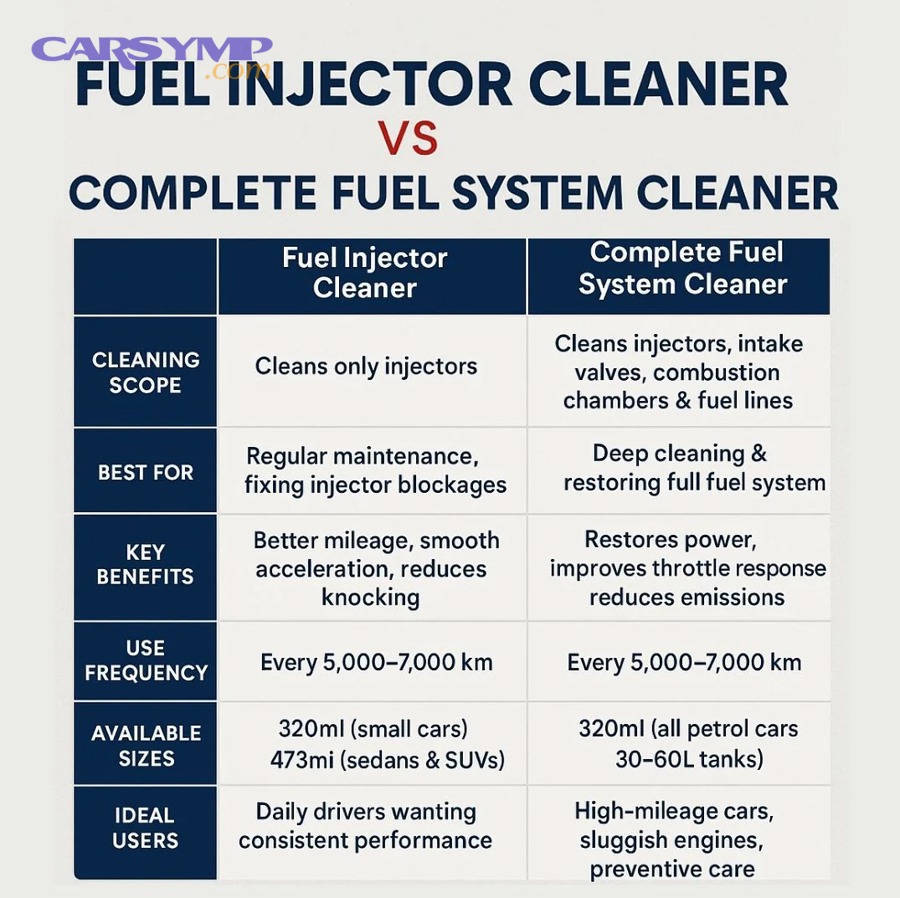
Meanwhile, cost should be compared alongside certainty: methods that include measurement reduce the chance you pay twice.
Below is a practical comparison table showing what you’re paying for—time, risk, and how confidently you can verify results.
| Method | Typical cost range (parts/service) | Time | Verification level | Best for |
|---|---|---|---|---|
| In-tank detergent additive | Low | Low | Low–medium | Prevention, mild deposits |
| Pressurized on-car cleaning | Medium | Medium | Medium | Moderate drivability issues likely tied to deposits |
| Off-car ultrasonic + flow test | Medium–high | High | High | Severe deposits, injector matching, measurable restoration |
| Injector replacement | High (varies widely) | Medium–high | High | Leaks, electrical faults, worn injectors |
What hidden costs should you factor in?
Even when the sticker price looks low, consider:
- New seals/O-rings (especially after removal)
- Potential for a repeat service if results aren’t verified
- Diagnostic time if cleaning doesn’t address the true cause
A “cheap” method that doesn’t match the problem can easily become the most expensive path.
When does repair (clean/test) beat replacement on value?
Cleaning beats replacement when:
- Injectors are otherwise healthy
- Deposits are the confirmed issue
- A bench service can restore matching and spray quality
Replacement beats cleaning when:
- The injector leaks or fails electrically
- Flow remains uneven after cleaning
- The platform is known for injector durability issues and you’re already paying labor to access them
Which method should you choose for your engine type and problem scenario?
Choose additives for maintenance and mild symptoms, choose pressurized cleaning for moderate deposit-driven drivability issues, and choose ultrasonic bench service when you need verified flow/spray restoration or cylinder-to-cylinder matching.
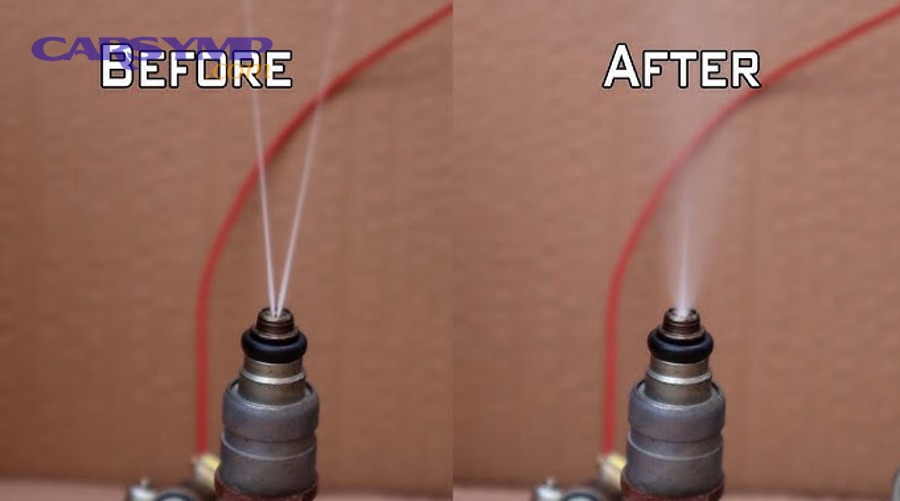
Next, anchor that choice to two realities: engine type (PFI vs GDI) and symptom severity (annoyance vs misfire/limp mode).
What’s the best choice for port fuel injection (PFI) engines?
PFI engines often respond well to a staged approach:
- Start with a quality in-tank detergent for keep-clean and light roughness
- Escalate to pressurized on-car cleaning if symptoms persist
- Use off-car ultrasonic service if you have misfires or imbalance that won’t resolve
Because PFI injectors are generally more accessible and operate in less extreme conditions, cleaning is often cost-effective—especially when you can confirm improvement via trims and idle quality.
What’s the best choice for gasoline direct injection (GDI) engines?
GDI raises the stakes:
- Injector tips see more heat and harsher conditions
- Spray quality is more sensitive to small deposit changes
- Misfires and particulate emissions can become more pronounced
That doesn’t mean you must jump straight to removal, but it does mean you should be quicker to demand measurable verification when symptoms are serious.
According to a study by the Poznan University of Technology from the Faculty of Civil and Transport Engineering, in 2022/2023 testing, adding a deposit control additive (DCA) in a butanol blend produced an average injection time reduction of 3.726% during a 24-hour clean-up phase, with over 90% of the final reduction achieved after about two hours—showing a measurable cleaning effect in their setup.
How do you decide based on symptom severity?
Use this simple severity filter:
- Light roughness / preventive maintenance → additives
- Noticeable hesitation / rough idle that persists → pressurized service
- Misfire codes, uneven cylinders, injector imbalance suspicion → ultrasonic + flow testing
- Leak, electrical fault, still failing after cleaning → replacement
And this is where the phrase belongs in real strategy—not as a sales pitch: fuel injector cleaning is a smart escalation ladder when deposits are likely, but it’s not a substitute for diagnosing leaks, ignition faults, or low fuel pressure.
When is injector replacement better than cleaning?
Injector replacement is better than cleaning when the injector is mechanically or electrically failing, leaking, or still out-of-spec after cleaning—because cleaning removes deposits, not wear, cracks, coil faults, or damaged sealing surfaces.
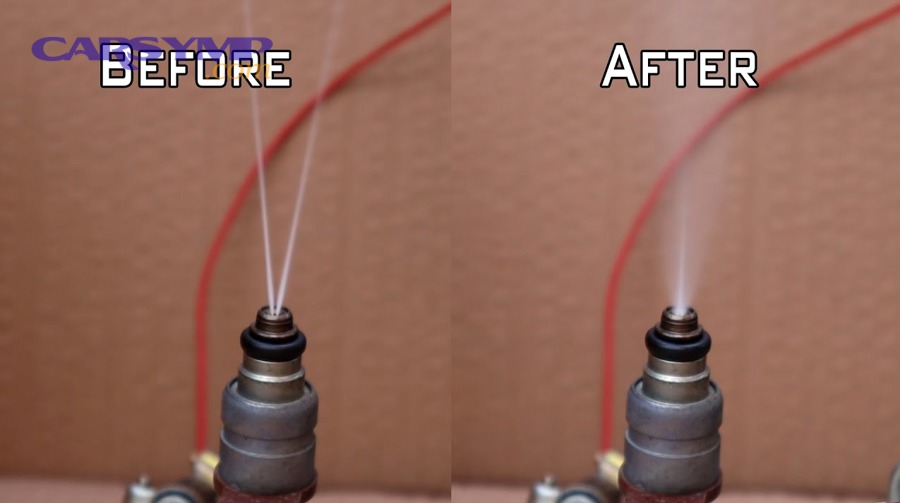
Besides, the fastest way to waste money is to pay for cleaning twice when the injector was already beyond recovery.
What are clear “replace, don’t clean” signals?
Replace is usually the smarter call when you have:
- External fuel leaks (seal surface damage, cracked body, persistent leak after new seals)
- Electrical faults (open circuit, inconsistent resistance, driver faults that follow injector)
- Stuck-open or stuck-closed behavior that returns immediately after service
- Flow mismatch remains after ultrasonic cleaning and backflushing
- Known-problem injector generations where failures are common and recurrence is likely
This is the practical meaning of: When injector replacement is better than cleaning—it’s not about giving up on maintenance, it’s about recognizing when deposits aren’t the primary limitation anymore.
How can you avoid replacing injectors unnecessarily?
You avoid unnecessary replacement by insisting on:
- Evidence of imbalance (misfire counters, trims, cylinder contribution tests)
- Bench test data when available (flow, leak-down, spray pattern)
- Eliminating lookalike problems (coils, plugs, vacuum leaks, fuel pressure)
If the injector fails a leak-down test or remains an outlier in flow after cleaning, replacement stops being expensive—it becomes the shortest path to a stable engine.