


Most “repeat” DPF blockages happen because soot builds faster than your car can burn it off through regeneration. To prevent future DPF blockages, you need a repeatable routine: drive in a way that finishes regenerations, maintain the systems that feed soot into the filter, and stop small warning signs before they become limp mode.
Next, you’ll learn what a DPF blockage really is (and why it returns), so you can separate “normal soot loading” from a genuine fault that needs fixing.
In addition, we’ll cover the driving habits and maintenance choices that keep regeneration predictable—especially if your diesel life is mostly short trips, stop-and-go traffic, or long idle periods.
Introduce a new idea: once you have a prevention plan, you also need a way to verify it’s working using symptoms, sensor clues, and timing—so you don’t get surprised by a DPF warning light again.
What is a DPF blockage, and why does it keep coming back in some diesel vehicles?
A DPF blockage is a restriction in the diesel particulate filter caused by soot and/or ash accumulating faster than the engine’s regeneration strategy can oxidize or remove it, often triggered by repeated short trips, interrupted regens, or upstream faults.
More importantly, DPF blockages “come back” when the root cause remains—because the filter is a collector, not the original source of the problem.

What is the difference between soot loading and ash loading in a DPF?
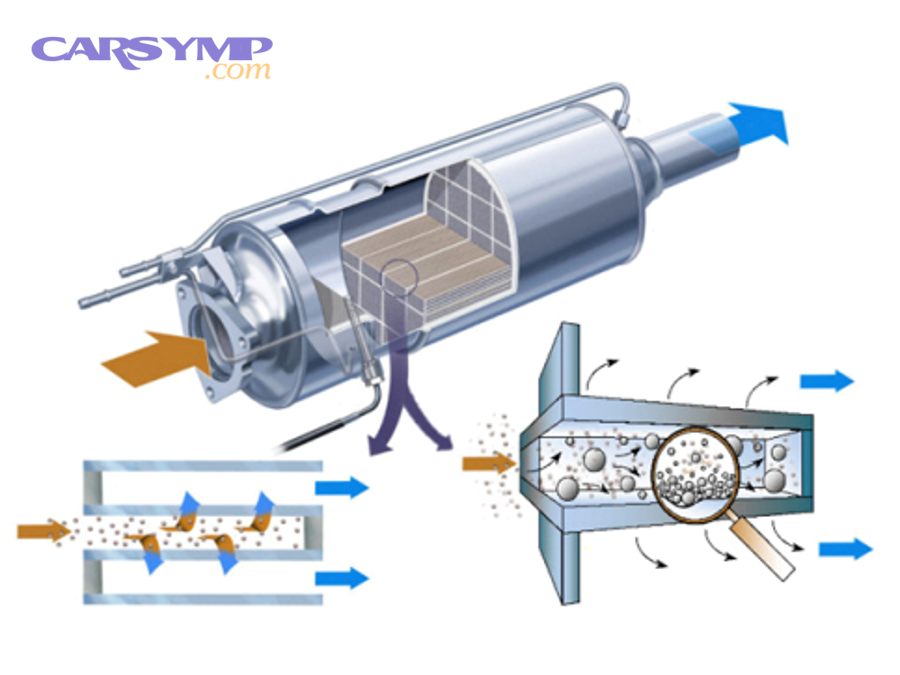
Soot loading is temporary carbon buildup that the car is designed to burn off during regeneration, while ash loading is permanent residue (mostly from engine oil additives and wear metals) that regeneration cannot remove.
Specifically, this soot-versus-ash difference explains why some cars “regenerate fine” for years and then suddenly begin clogging regularly: soot can be managed by finishing regens, but ash slowly consumes the filter’s storage volume until even normal soot becomes “too much, too fast.”
To illustrate the practical difference:
- Soot loading increases with cold starts, rich fueling events, frequent idling, low-speed operation, and injector or boost issues. Regeneration targets soot.
- Ash loading increases with oil consumption, incorrect oil specification, extended intervals, and long-term engine wear. DPF cleaning targets ash (not normal regen).
A useful mental model is: soot is combustible, ash is non-combustible. When your “DPF full” message arrives sooner and sooner even after successful regens, ash loading becomes a top suspect.
Why do short trips and low exhaust temperatures cause repeat blockages?
Yes—short trips and low exhaust temperatures are one of the most common reasons DPF blockages keep returning, because they prevent the conditions needed to complete regeneration.
Then, here’s what’s happening mechanically:
- Regeneration needs sustained heat and oxygen flow through the filter. Short trips end before temperatures stabilize.
- Stop-and-go driving keeps exhaust temperature fluctuating, so the ECU may start a regen but never finish it.
- Repeated “almost regens” raise soot loading while also diluting oil (on some strategies), which can create a second problem that further increases soot.
According to a study by West Virginia University from the Department of Mechanical and Aerospace Engineering, in 2003, DPF light-off temperature was found to be in the 330°F–450°F range (depending on the system), and tested filters reduced particulate matter emissions by up to 94%—showing both the temperature sensitivity and effectiveness of properly functioning DPF systems.
Which driving habits prevent future DPF blockages most reliably?
There are 5 main driving habits that prevent future DPF blockages: (1) completing regenerations, (2) creating a weekly “regen-friendly” drive window, (3) minimizing long idle time, (4) keeping load and RPM in a stable band during regens, and (5) responding early to changes in fuel economy and idle behavior.
To better understand why these habits work, connect each one to a single goal: keep regeneration predictable and complete.

Should you change your route to help the DPF regenerate?
Yes—changing your route can help prevent future DPF blockages for at least three reasons: it increases sustained exhaust temperature, reduces regen interruptions, and lowers soot accumulation per mile.
Next, make route changes that are realistic (not perfect):
- Add a 10–20 minute steady-speed segment (where legal/safe) a few times per week.
- Prefer roads where you can maintain speed without repeated stops.
- If your car frequently initiates regens on your commute, tweak timing so the last part of the drive is not a shutdown-and-park moment.
A simple “route hack” that often works: when you’re close to home and you suspect a regen is active, do an extra loop that keeps speed steady rather than parking immediately.
What RPM and speed range is best for finishing a regeneration?
The best RPM and speed range is the one that keeps exhaust temperatures stable long enough to complete the regen—typically a moderate, steady-load band rather than low-RPM lugging or constant lift-and-coast.
However, because vehicles differ, focus on principles instead of a single number:
- Avoid lugging (high gear, low RPM, heavy throttle). Lugging increases soot and can keep temps too low.
- Avoid constant on/off throttle (it interrupts heat buildup).
- Use a gear that keeps the engine responsive without screaming—steady load is the real win.
If your vehicle provides a regen indicator (message, fan behavior, idle change, or scan data), use that to validate you’re in a “finishable” state.
How can you spot an active regen and avoid interrupting it?
You can spot an active regen by changes like higher idle speed, cooling fans running after shutdown, a hotter exhaust smell, slightly different engine note, or a temporary drop in fuel economy—then you prevent blockages by not shutting the engine off mid-cycle.
More importantly, build a “don’t interrupt” rule:
- If you notice regen signs near the end of your drive, keep driving another 10–15 minutes when possible.
- If you must stop, avoid multiple short restarts; that pattern stacks soot and half-completed regens.
- If your vehicle enters frequent regens (e.g., every few days), treat it as a diagnostic clue—not “normal.”
What maintenance choices help avoid DPF clogs over the long term?
There are 4 maintenance choices that most strongly reduce repeat DPF clogs: using the correct low-ash oil, keeping EGR/airflow systems clean and functional, fixing boost/fueling issues early, and choosing the right DPF cleaning strategy when ash load is high.
Besides driving style, these choices reduce the inputs that create soot, and they slow the permanent ash buildup that shrinks the filter’s capacity.
Before the details, the following table summarizes what each buildup type looks like in real life and what actually solves it.
| Problem pattern | What’s building up? | What it feels like | What actually fixes it |
|---|---|---|---|
| Frequent regens, still drives fine | Mostly soot | Fans run often, MPG dips, regen cycles close together | Finish regens + correct driving load + fix soot causes |
| Warning light returns quickly after “successful regen” | Soot + early ash restriction | Power feels slightly flat, more regen frequency, occasional limp triggers | Diagnose soot source + consider cleaning if ash is high |
| High backpressure, limited performance, repeated limp mode | Significant restriction | Hesitation under load, limp mode, warnings persist | Proper diagnosis + professional DPF cleaning or replacement (depending on damage) |
| Regen won’t complete / regen faults | Soot plus fault condition | Aborted regen, codes, sometimes smoke/heat issues | Fix sensors/fueling/boost/EGR first, then address filter state |
Which oil and service choices reduce ash buildup inside the DPF?
The oil and service choices that reduce ash buildup are using the manufacturer-required low-SAPS/low-ash oil specification, maintaining correct oil level (not overfilled), and addressing oil consumption early—because ash largely comes from oil additive packages and burned oil.
Specifically, do these three things consistently:
- Use the exact oil spec listed for your engine family (not just “diesel oil”). Spec mismatch is a silent ash accelerator.
- Avoid overfilling. Overfilled oil can increase consumption through crankcase ventilation and turbo seals.
- Track consumption. If you’re adding oil regularly, ash is accumulating regularly.
Over time, a “good driver” can still end up with a clogged filter if ash capacity is simply used up—so oil discipline is prevention, not perfection.
How do EGR, intake, and turbo health affect future DPF blockages?
EGR, intake, and turbo health affect future DPF blockages by changing combustion quality and soot output: a sticking EGR valve can increase soot, a restricted intake reduces clean airflow, and turbo underboost or leaks can shift fueling/air ratios into soot-producing territory.
More importantly, EGR and turbo issues linked to DPF problems are common because the DPF is downstream of everything: it shows the outcome of air/fuel errors upstream.
Practical checks that help you catch these early:
- Look for underboost symptoms: sluggish pull, whistle changes, oil mist around boost pipes, recurring boost codes.
- Pay attention to EGR behavior: rough idle, smoke under light throttle, hesitation at low speed, intake soot buildup.
- Don’t ignore intercooler leaks: oily residue at joints is a classic clue.
If you keep fixing the DPF without fixing airflow, you’re treating the smoke alarm instead of the fire.
When is DPF cleaning the right preventive move instead of waiting for a blockage?
DPF cleaning is the right preventive move when ash load is high enough that regens are frequent and backpressure rises even though you’ve corrected driving habits and soot-causing faults.
In addition, choose the cleaning type based on what you’re trying to remove:
- On-car forced regen helps with soot, not ash.
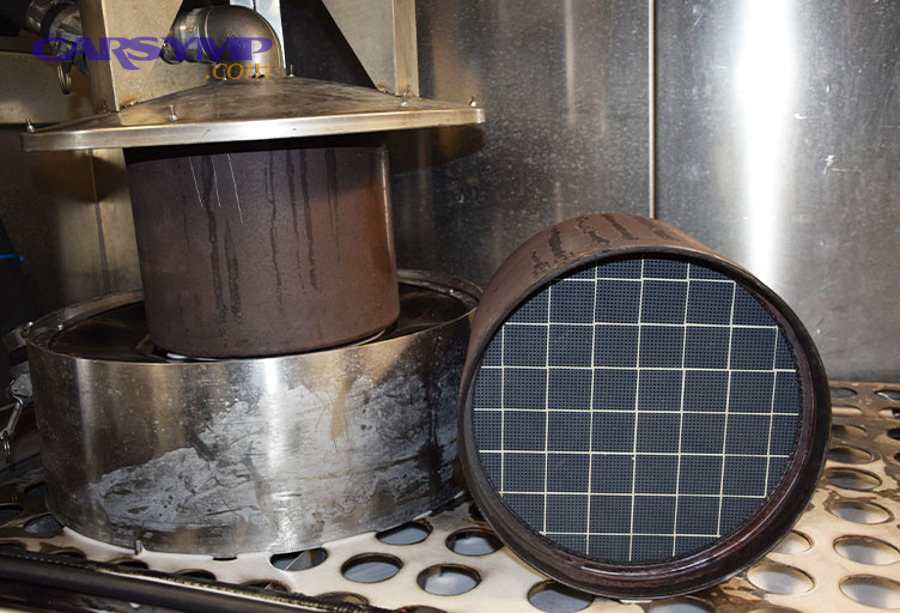
- Off-car professional DPF cleaning is intended to remove ash and restore volume (when the substrate is still intact).
- Replacement is appropriate when the substrate is melted, cracked, oil-soaked, or physically damaged.
A smart prevention mindset is: don’t “wait for limp mode” to clean if the data pattern is already telling you ash capacity is nearly used up.
How can you tell if your prevention plan is working—and when it isn’t?
A prevention plan is working when regen frequency stabilizes, power and fuel economy stay consistent, and warning events disappear over multiple drive cycles; it isn’t working when regens become more frequent, backpressure-related codes return, or limp mode triggers recur despite “doing everything right.”
To begin validating your plan, watch trends—not one-off events.
What “normal” regen frequency looks like for your usage pattern
“Normal” regen frequency is the interval your vehicle settles into after you fix faults and finish regens, and it varies mainly by duty cycle: lots of short trips often means more frequent regens, while steady highway use usually means less frequent regens.
Specifically, you can create a baseline by logging for 2–4 weeks:
- Approximate miles between regens
- Typical trip length
- Whether regens finish (no shutdown mid-cycle)
- Any changes in idle behavior, fan run-on, or fuel economy
If your interval is steadily shrinking over weeks (e.g., from ~300 miles to ~120 miles to ~70 miles), that trend matters more than the exact number.
According to a study by University of California, Berkeley from the Department of Civil and Environmental Engineering, in 2011, a program involving DPF retrofits and fleet turnover was associated with a 54% reduction in fleet-average black carbon emission factors—showing how strongly particulate outcomes shift when filtration and operating conditions are improved.
Which scan-tool data points confirm you’re preventing blockages?
The scan-tool data points that most clearly confirm prevention are DPF differential pressure (or soot load estimate), exhaust temperature behavior during regen, and regen status/abort counters—because they directly reflect whether soot is being burned off successfully.
More importantly, use scan data to answer three questions:
- Is soot loading climbing too fast? (points to driving cycle or soot source fault)
- Are regens completing? (points to interruption, temperature, or sensor issues)
- Is differential pressure staying higher even after regens? (points to ash restriction or damage)
If you don’t have a scan tool, you can still track proxy signals (fans, idle, MPG dips), but scan data shortens the guesswork dramatically.
What should diesel drivers do if the DPF warning returns despite good habits?
If the DPF warning returns despite good habits, follow a 3-step method: (1) confirm whether a regen can safely complete, (2) diagnose the reason soot is accumulating faster than normal, and (3) decide between repair, DPF cleaning, or replacement based on backpressure and substrate condition.
Next, treat it like a decision tree—because the wrong “quick fix” can make the next blockage arrive even sooner.
Should you keep driving when the DPF warning light comes on?
Yes—sometimes you should keep driving when the DPF warning light comes on, for at least three reasons: you may be able to complete a regen, you can prevent limp mode by reducing soot load early, and you avoid making an interrupted regen worse by repeated short restarts.
However, you should not keep driving if the vehicle indicates an overheating risk, severe engine fault, or a “stop now” warning—because a forced regen attempt during an underlying fueling/boost fault can overheat the filter.
A safe, practical rule set:
- If it’s an early-stage DPF warning and the car drives normally, do a steady drive to allow regen.
- If power is reduced, the engine is surging, or warning messages escalate, stop treating it as “just regen” and move to diagnosis.
This is where DPF warning light and limp mode guidance becomes essential: limp mode is often the ECU protecting the engine and exhaust system from excessive backpressure or unsafe regen conditions.
What’s the safest step-by-step plan to clear the warning without causing damage?
The safest plan is: check severity → finish a controlled drive if appropriate → scan for codes and freeze-frame data → fix the cause → then restore the filter state (regen/clean/replace).
Then, follow this sequence to avoid the classic mistake of “forcing regen on a broken system”:
- Assess severity: early warning vs reduced power vs limp mode.
- If early warning: do a steady drive to encourage a normal regen (do not shut down mid-cycle).
- Scan for codes: look for airflow, EGR, boost, injector, temperature sensor, and differential pressure sensor faults.
- Fix upstream issues first: leaks, sensors, stuck EGR, boost control, injector balance, fuel quality issues.
- Restore filter capacity: normal regen for soot; professional DPF cleaning for ash; replacement for damage.
If you want a quick symptom-to-cause checklist that helps you decide whether you’re dealing with a soot issue, a sensor issue, or a genuine restriction, you can cross-check your observations with resources like carsymp.com—then confirm with scan data.
When should you stop DIY attempts and get a professional diagnosis?
You should stop DIY attempts and get a professional diagnosis when the warning escalates to limp mode, regens repeatedly fail, differential pressure remains high after regen, or codes point to sensor plausibility or fueling/boost faults you can’t verify safely at home.
Especially, seek professional help if:
- The DPF warning returns within a short interval after a “successful” regen.
- You see signs of oil contamination (blue smoke, rising oil level from fuel dilution, oily exhaust residue).
- You suspect turbo seal failure or injector issues—because these can damage the DPF substrate.
According to a study by West Virginia University from the Department of Mechanical and Aerospace Engineering, in 2003, tested DPF systems reduced CO by more than 84% and particulate matter by up to 94%, but performance varied by filter type and operating conditions—supporting the need for correct diagnosis when “normal” operation breaks down.
What uncommon factors can still cause DPF clogs even with “perfect” maintenance and driving habits?
There are 4 uncommon factors that can still cause DPF clogs even with “perfect” habits: hidden injector drift, intermittent sensor faults, oil contamination from turbo/seal issues, and unusual duty cycles (cold weather, high idle PTO work, repeated low-load operation) that the regen strategy can’t overcome consistently.
More specifically, these factors don’t show up every day—so they often fool diligent owners into thinking the DPF itself is “defective.”
Can a failing sensor cause false DPF warnings even if the filter is okay?
Yes—a failing sensor can cause false DPF warnings for at least three reasons: it can misreport differential pressure, misreport exhaust temperature (blocking regen), or create plausibility errors that make the ECU disable normal regeneration.
Next, the sensors that commonly matter include:
- Differential pressure sensor and hoses (soot clogging, moisture, cracking)
- Exhaust gas temperature sensors (slow response, drift, wiring heat damage)
- Mass airflow / boost sensors (affect fueling calculations and soot prediction)
If the ECU can’t trust temperature or pressure, it often chooses safety—by limiting power or disabling regen.
How do fuel quality and injector issues create “mystery” soot that clogs the DPF?
Fuel quality and injector issues create “mystery” soot by degrading combustion: poor atomization, over-fueling, or incorrect timing produces higher particulate output even if airflow and driving habits are good.
In addition, watch for subtle injector clues:
- Hard starts, rough idle, or a knock at idle that wasn’t there before
- Fuel economy trend worsening without a clear driving change
- Regens becoming more frequent after a refuel pattern or fuel source change
If you suspect fuel-related soot, don’t rely on additives as your only move—use scan data (fuel trims where relevant, injector balance tests where supported) and a consistent fuel source while diagnosing.
Can oil consumption or turbo seal leaks clog a DPF faster than driving can prevent?
Yes—oil consumption or turbo seal leaks can clog a DPF faster than driving can prevent it for at least three reasons: oil adds non-combustible ash, it can coat and block the substrate, and it can create unsafe regen conditions (overheating or incomplete burn patterns).
Meanwhile, these symptoms raise suspicion:
- Blue-ish smoke under load or after idling
- Oily residue in charge pipes or intercooler (beyond “light mist”)
- Rising ash-related restriction despite completed regens
This is one of the few cases where the best “DPF prevention” is not more highway driving—it’s fixing the oil source before the filter is permanently damaged.
What extreme duty cycles (cold weather, idling, towing) overwhelm regen strategy?
Extreme duty cycles overwhelm regen strategy when they keep exhaust temperatures too low (cold weather + short trips), create long idle time (work trucks, waiting, PTO), or create repeated low-speed high-load transients (stop-and-go towing) that cause soot production spikes.
To sum up, prevention still works—but it must match your reality:
- In cold weather, shorten warm-up idling and prioritize a steady drive window.
- For high-idle work, schedule a predictable “burn-off” drive after long idle days.
- For towing, ensure boost, EGR, and fueling are healthy because load amplifies small faults.
If you build your habits around your true duty cycle, you stop chasing the warning light and start controlling the underlying soot-and-ash equation.