Choose the Best DPF Cleaning Method vs Replacement for Diesel Vehicle Owners
If your diesel feels sluggish, throws a DPF warning light, or slips into limp mode, DPF cleaning is usually the smartest first move because it restores exhaust flow, protects the turbo, and costs far less than replacing the filter. Then, pick the right method—because not every “clean” removes the same contamination.
Next, the fastest way to decide is to match your DPF clogging symptoms (and your driving pattern) to the type of blockage: soot overload, ash buildup, or a sensor/control problem like DPF differential pressure sensor issues. Each one points to a different fix.
Besides choosing a method, you also need to understand Passive vs active regeneration explained—because regeneration burns soot, but it doesn’t remove ash, and ash is what eventually forces professional cleaning or replacement.
Introduce a new idea: once you know what’s actually inside the filter (soot vs ash vs fault), you can choose a cleaning path that restores power, prevents repeat clogs, and avoids unnecessary exhaust & emissions repair bills.
What is DPF cleaning, and what does it actually remove?
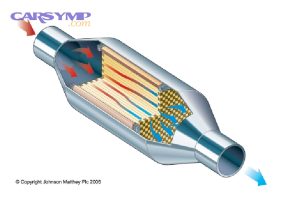
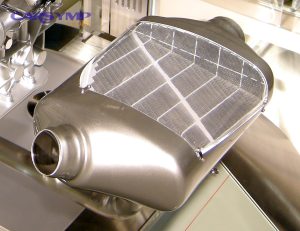
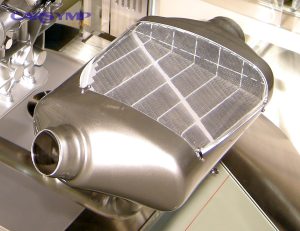
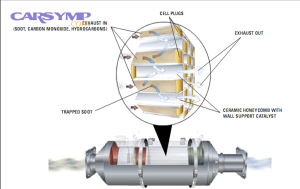
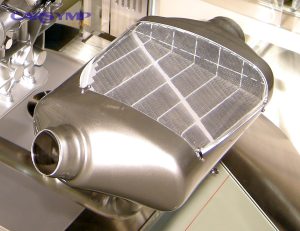
DPF cleaning is a set of maintenance processes that restore a diesel particulate filter’s airflow by removing soot and/or ash from its honeycomb channels, improving backpressure and emissions performance without immediately requiring replacement.
To better understand why cleaning works, start by separating soot (burnable) from ash (non-burnable).
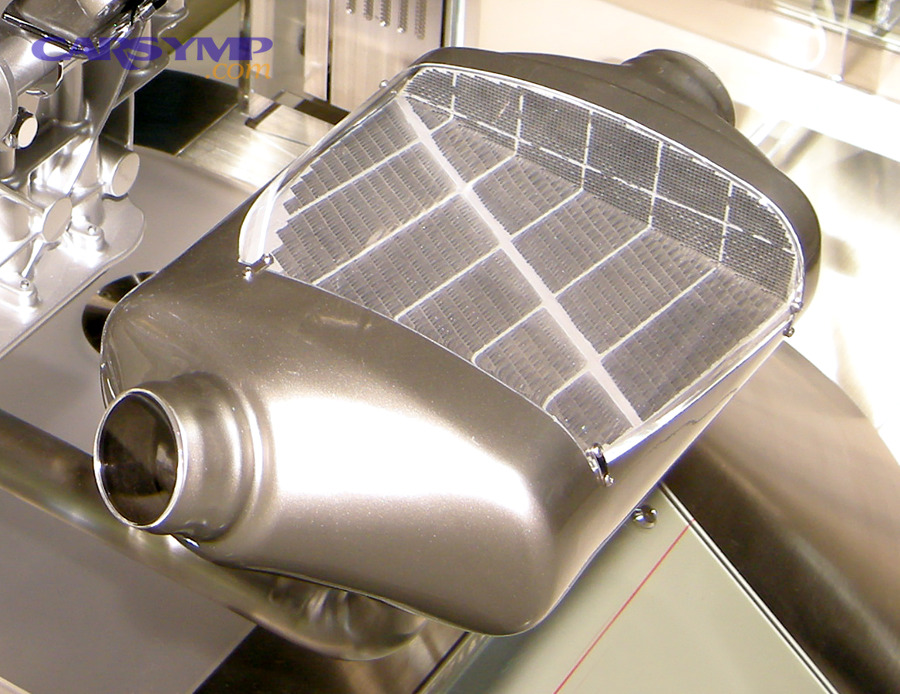
A DPF is designed to trap particulate matter (soot) produced during combustion. Over time:
- Soot accumulates quickly when exhaust temperatures stay low (short trips, stop-and-go, idling).
- Ash accumulates slowly from oil additives, engine wear metals, and non-combustible residue. Ash does not burn off in regeneration.
- Contamination and faults (fuel dilution, coolant leaks, sensor drift, EGR/turbo problems) can simulate a “clogged DPF” even when the filter isn’t the root cause.
This matters because each “DPF cleaning” option targets different material:
- Regeneration (passive/active/forced) → burns soot
- Professional off-vehicle cleaning → removes soot + ash
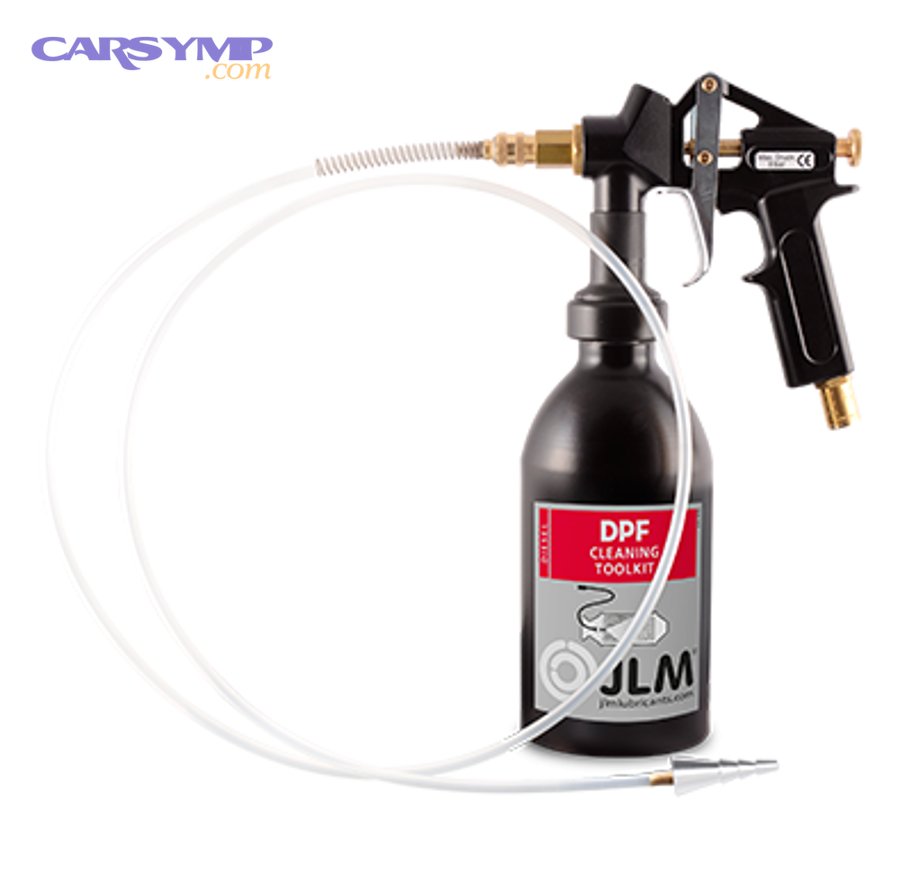
- Chemical/foam “in-situ” products → may loosen soot, but ash removal is limited
- Replacement → solves substrate damage/melted core/cracked brick, or excessive ash when cleaning can’t restore flow
Evidence: According to a study by University of Tennessee from its engineering research and demonstrations (early 2000s), test data for ceramic filter systems reported particulate removal efficiency greater than 95% across normal operating conditions—showing why DPF function is highly effective when the filter is healthy and flowing properly.
Do you need DPF cleaning right now?
Yes—if you have DPF clogging symptoms plus rising backpressure indicators, you likely need DPF cleaning now because it restores exhaust flow, prevents turbo stress, and reduces the chance of repeated limp mode events.
More importantly, you should confirm whether you’re dealing with soot overload, ash overload, or a control/sensor issue before spending money.
Which DPF clogging symptoms strongly suggest cleaning?
Most drivers notice Car Symptoms before they see a scan tool number. The most common high-signal symptoms include:
- DPF warning light and limp mode guidance events (light appears, power drops, speed limited)
- Noticeable loss of power at higher load (towing, hills, passing)
- Frequent regeneration attempts (fans running, higher idle, fuel consumption spikes)
- Poor fuel economy and hotter-than-normal exhaust smell
- Hard-starts or rough running during repeated regen cycles
Tip: If the vehicle repeatedly tries to regen but never completes, soot loading may be too high for normal active regen, or there may be a fault preventing regen (temperature sensor, pressure sensor, injector strategy, etc.).
What scan data usually confirms “clean it now”?
If you can read live data, focus on trend + context, not a single number:
- Differential pressure across DPF: rises with soot loading and with ash restriction
- Calculated soot mass / soot load %: high soot indicates regen/forced regen or cleaning
- Regeneration history: frequent or aborted regens point to driving pattern or system fault
- Exhaust temps: if temps never rise, passive regen won’t work; active regen may fail
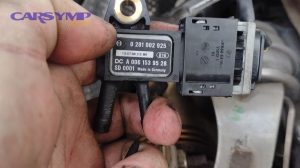
A big warning: DPF differential pressure sensor issues can falsely report high restriction (or hide real restriction). If pressure readings don’t match how the vehicle drives, validate sensor hoses, ports, wiring, and plausibility at idle vs load.
Evidence: According to a study by NIOSH (U.S. Centers for Disease Control and Prevention) evaluating diesel particulate filter performance, DPF technologies were shown to be very efficient in reducing diesel particulate matter concentrations—often cited at ~95% reductions in controlled evaluations, reinforcing why “restore flow and filtration” is the goal before replacement.
What are the main DPF cleaning methods?
There are 5 main types of DPF cleaning: passive regeneration, active regeneration, forced/parked regeneration, in-situ chemical cleaning, and off-vehicle professional cleaning—classified by whether they burn soot, remove ash, or both.
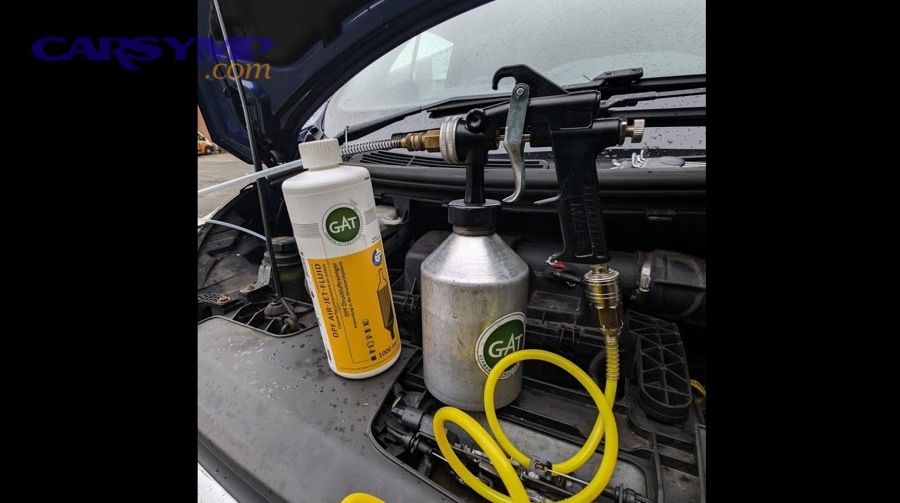
Then, the right choice depends on your soot/ash load, your driving habits, and whether any upstream faults exist.
What is passive regeneration?
Passive regeneration is the “self-cleaning” that happens when exhaust stays hot enough long enough to oxidize soot naturally, often during steady highway driving. It’s ideal for vehicles that regularly do longer trips and sustained load.
- Works best with consistent heat and oxygen availability
- Can be helped by good driving patterns (steady speed, moderate load)
- Cannot remove ash
This is where Driving habits that clog DPF quickly become the villain: short trips, extended idling, low-speed stop-and-go, and constant light throttle reduce exhaust temperatures and starve passive regen.
What is active regeneration?
Active regeneration is ECU-controlled soot burn-off where the vehicle intentionally increases exhaust temperature (often via post-injection, higher idle, altered timing, or thermal management strategies). It’s common on modern diesels.
- Triggers when soot loading reaches a threshold
- Can happen while driving (sometimes unnoticed)
- Increases fuel consumption during the event
- Still doesn’t remove ash
For Passive vs active regeneration explained in plain terms: passive happens “because conditions are right,” active happens “because the ECU forces conditions to be right.”
What is forced or parked regeneration?
Forced/parked regeneration is a controlled procedure—often performed with a scan tool—used when normal regens can’t complete. It’s more aggressive and should be done with caution.
- Requires correct prerequisites (no critical faults, safe environment, adequate fuel level)
- Can fail if sensors or temperature control are compromised
- Can be risky on overly loaded filters (thermal runaway or damage)
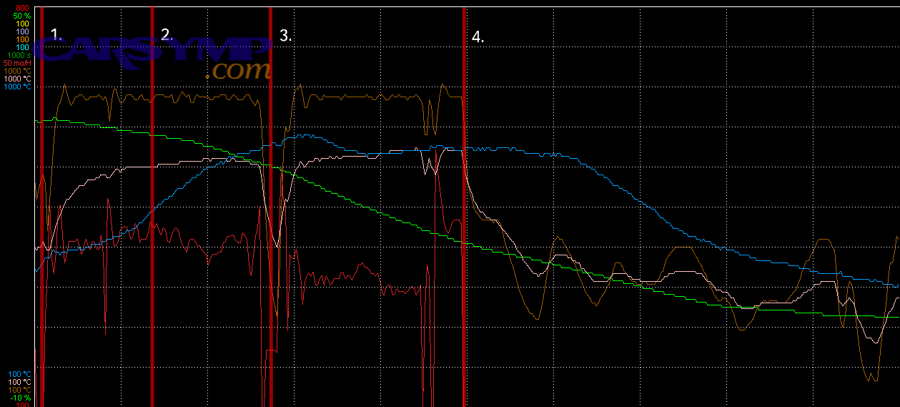
Evidence: According to a technical reference from DieselNet on DPF regeneration, thermal soot oxidation becomes fast and complete around ~600°C in many regeneration contexts, which explains why vehicles struggle to regen in low-temp, short-trip operation.
What are in-situ (chemical/foam) cleaning options?
These are products or services that attempt to dissolve/loosen deposits without removing the DPF.
They can help when:
- soot is elevated but not extreme
- the issue is primarily contamination (not massive ash)
- you need a lower-cost attempt before off-vehicle cleaning
But limitations matter:
- chemical cleaning is not the same as physically removing ash
- poor application can leave residue, damage sensors, or create incomplete results
- if the root cause is EGR/turbo/fueling, the DPF may clog again quickly
What is off-vehicle professional DPF cleaning?
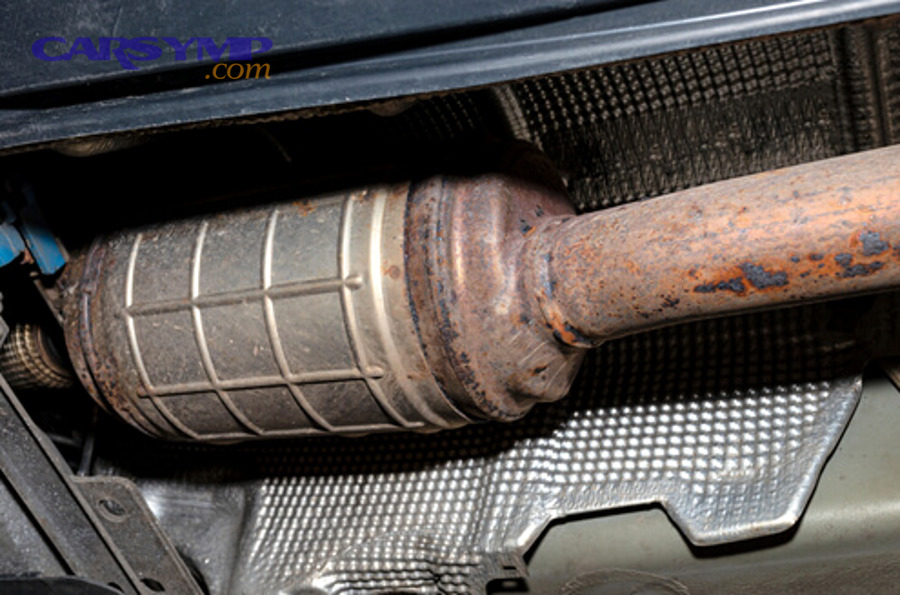
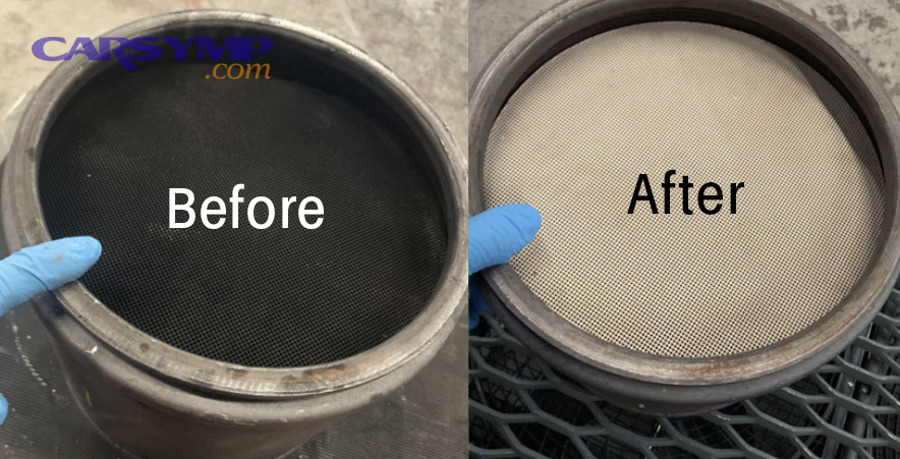
This is the “full reset” service for many clogged filters: the DPF is removed and cleaned using specialized equipment (thermal + pneumatic, aqueous, or controlled bake/blow processes).
- Best chance to remove ash and restore flow
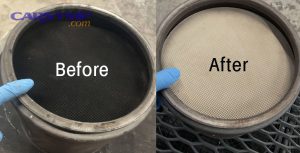
- Measurable before/after restriction testing
- Often paired with inspection for cracks or melted substrate
This is typically what people mean by exhaust & emissions repair at a diesel specialist when repeated regens and warning lights keep coming back.
Which DPF cleaning method is best for your situation?
Forced regeneration wins for quick soot overload, off-vehicle professional cleaning is best for ash restriction, and replacement is optimal when the DPF substrate is damaged or cleaning can’t restore flow.
Meanwhile, the “best” choice is the one that matches what’s clogged and why it clogged.
DPF cleaning methods compared: speed, effectiveness, and risk
Below is a quick comparison of DPF cleaning methods compared so you can match your goal (burn soot vs remove ash) to the method.
| Method | Best for | Removes soot? | Removes ash? | Typical downtime | Risk level |
|---|---|---|---|---|---|
| Passive regen | Light soot + highway use | ✅ | ❌ | None | Low |
| Active regen | Moderate soot + normal system | ✅ | ❌ | Low | Low–Medium |
| Forced/parked regen | High soot + regen won’t complete | ✅✅ | ❌ | Medium | Medium–High |
| In-situ chemical cleaning | Moderate soot/contamination | ✅ (variable) | ⚠️ limited | Low–Medium | Medium |
| Off-vehicle professional cleaning | Ash restriction + recurring clogs | ✅✅ | ✅✅ | Medium–High | Low–Medium |
| Replacement | Melted/cracked brick, severe ash, failed tests | N/A | N/A | Medium–High | Low (but costly) |
When DPF replacement is necessary
When DPF replacement is necessary is not about the warning light—it’s about the filter’s physical condition and test results. Replacement becomes the best option when:
- the substrate is melted (often from uncontrolled regen or severe fueling issues)
- the brick is cracked or broken internally (rattling, bypass, efficiency codes)
- the DPF fails flow testing even after proper professional cleaning
- ash loading is extreme and cleaning cannot restore spec backpressure
- contamination is structural (coolant/oil saturation that damages the substrate)
If you replace without fixing the cause (injector issues, oil consumption, EGR faults, turbo seal leaks), the new DPF can clog again.
How do you choose the right DPF service in 5 steps?
Choose the right DPF cleaning service by following 5 steps—confirm the clog type, verify sensors, check upstream causes, select the method that removes the right material, and demand measurable before/after results.
Then, you’ll avoid paying twice for the same problem.
Step 1: Confirm whether it’s soot, ash, or a fault
- Frequent incomplete regens + short trips → likely soot-driven
- Long-term mileage + persistent restriction → likely ash-driven
- Erratic pressure readings or implausible data → possible sensor issue
Step 2: Validate DPF differential pressure sensor issues first
Before you authorize a major cleaning:
- inspect sensor hoses/lines for cracks, blockage, melting
- check ports for clogging with soot
- confirm readings at idle vs higher RPM load make sense
- cross-check with calculated soot load
A false high pressure reading can cause needless cleaning. A false low reading can cause a late response that damages the DPF.
Step 3: Look for EGR and turbo issues linked to DPF problems
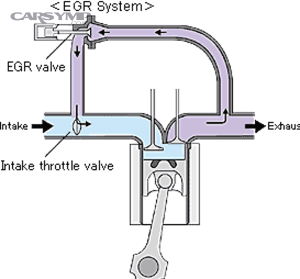
EGR and turbo issues linked to DPF problems often show up as repeat clogging even after a “successful” regen:
- EGR stuck open/dirty → sootier combustion → faster DPF loading
- Boost leaks or turbo underperformance → low exhaust temps → regen fails
- Turbo seal leaks → oil in exhaust → sticky deposits and ash acceleration
- Injector overfueling → soot overload + overheating risk during regen
If these upstream problems aren’t addressed, cleaning becomes a temporary reset, not a fix.
Step 4: Pick the method that matches your restriction type
- High soot, system healthy → active/forced regen may solve
- Recurring clogs, high ash → off-vehicle professional cleaning
- Suspected physical damage → inspection + likely replacement
Step 5: Ask for measurable proof (and a prevention plan)
A strong service provider should offer:
- before/after restriction or flow numbers
- ash capacity estimate or cleaning report (when applicable)
- guidance on driving cycle changes or maintenance
- clear notes on any faults found
If a shop can’t explain why your DPF clogged, it’s harder to trust that their fix will last.
How much does DPF cleaning cost, and what affects the estimate?
A realistic DPF cleaning cost estimate ranges from low-cost regeneration attempts to higher-cost off-vehicle cleaning, with replacement costing the most—because price is driven by labor, equipment, ash severity, and whether upstream repairs are needed.
More specifically, your final cost is usually “cleaning + diagnosis + fixing what caused the clog.”
Typical DPF cleaning cost estimate ranges
While pricing varies by region and vehicle type, these ranges reflect how the market typically breaks down:
- Passive/active regen (driver-managed): usually “free” but costs fuel/time
- Forced/parked regen at a shop: often a moderate service charge
- In-situ chemical cleaning service: moderate cost, variable results
- Off-vehicle professional cleaning: higher cost due to removal labor + equipment
- DPF replacement: highest cost, plus possible sensors/gaskets and programming steps
What makes DPF cleaning more expensive?
- Difficulty of DPF removal (tight packaging, corrosion, seized fasteners)
- Additional parts (gaskets, clamps, sensors, hoses)
- Multiple clogged components (DOC/SCR issues alongside DPF)
- Diagnostic time for repeat failures (regen aborts, temperature control faults)
- Upstream repairs (EGR valve, boost leaks, injector correction, oil consumption)
If your vehicle enters limp mode repeatedly, plan for some diagnostic time—because “clogged” may be a symptom of a bigger exhaust & emissions repair chain.
How can you prevent future DPF blockages after cleaning?
Preventing future DPF blockages requires changing the conditions that created soot overload and ash accumulation—mainly by improving driving cycle heat exposure, keeping the engine in proper tune, and fixing upstream faults that accelerate soot.
In addition, prevention is cheaper than repeated cleaning because every clogged cycle stresses the turbo and raises backpressure.
Preventing future DPF blockages with better driving patterns
To reduce soot loading:
- Combine short trips when possible (fewer cold starts)
- Add periodic sustained driving (steady speeds long enough for full regen)
- Avoid long idling sessions when practical
- Don’t interrupt an active regen if you can safely keep driving
This directly counters Driving habits that clog DPF quickly.
Maintain the systems that control soot production
A DPF is downstream; it reflects what the engine produces. Focus on:
- Air filtration and boost integrity (no unmetered air/boost leaks)
- Correct oil spec and change intervals (reduces ash contribution)
- Injector health (prevents overfueling soot spikes)
- EGR cleanliness and proper operation
Handle warning lights and limp mode the right way
For DPF warning light and limp mode guidance:
- Don’t ignore it and “drive through” indefinitely—restriction can escalate fast
- Scan for codes and freeze-frame data; confirm whether regen is being requested
- If the system requests a parked regen, follow OEM safety rules (open space, correct fuel level, no combustible surroundings)
- If warnings persist, stop repeating regens and diagnose the cause (sensor faults, temperature control, EGR/turbo issues)
How do EGR and turbo faults change the “best” DPF cleaning decision?
EGR and turbo faults can make any DPF cleaning temporary because they increase soot production or prevent proper regeneration, so the best decision often becomes “diagnose and fix the cause first,” then clean or replace only as needed.
Especially, this is where many owners waste money by cleaning the filter repeatedly while the engine keeps producing the same problem.
How do EGR problems accelerate DPF clogging?
EGR issues often:
- increase soot output (poor combustion quality)
- raise deposit formation in the intake and exhaust path
- trigger recurring soot overload that outpaces normal regeneration
That means you may see “successful” regens that don’t last, because soot comes back quickly.
How do turbo and boost issues cause repeat DPF faults?
Turbo-related problems often:
- lower exhaust temperature (regen won’t complete)
- create low airflow under load (more soot)
- allow oil ingestion (sticky deposits + faster ash accumulation)
If you notice power loss plus repeated regen attempts, suspect boost leaks, turbo control issues, or air path restrictions alongside the DPF itself.
What should you check before paying for another cleaning?
Use this quick rule:
- If you cleaned the DPF and symptoms returned fast → check upstream (EGR/turbo/fueling) and validate sensors
- If the vehicle has high miles and restriction never fully clears → suspect ash and consider professional off-vehicle cleaning or replacement testing
- If regen is frequent and hot but restriction doesn’t improve → consider substrate damage (replacement may be necessary)
If you want, share your vehicle (year/make/model/engine), driving pattern (city vs highway), and any codes—then I can map your symptoms to the most likely clog type and the most cost-effective cleaning path.