


Cleaning clogged EGR passages is a practical way to restore proper exhaust-gas recirculation, reduce drivability issues, and prevent repeat fault codes—if you follow a controlled, debris-safe procedure and verify flow after reassembly.
To do the job correctly, you need to understand what EGR passages do, where they live (valve, ports, manifold, sometimes cooler), and why carbon/soot buildup blocks flow in the first place.
You also need to recognize common EGR failure symptoms early and know when an EGR fault is “driveable for now” versus a risk that can cause overheating, pinging, rough running, or limp-mode behavior.
Introduce a new idea: once you know the symptoms and the system layout, the cleaning becomes a repeatable process—prepare tools, remove access parts, clean passages without contaminating the intake, then confirm results and complete post-service steps.
What are EGR passages and why do they clog?
EGR passages are internal channels that route a measured amount of exhaust gas from the exhaust side back into the intake side to lower combustion temperatures and reduce NOx emissions.
To better understand the clogging problem, start by visualizing EGR flow as “exhaust moving through small, dirty-prone tunnels” rather than a single hose you can simply flush out.
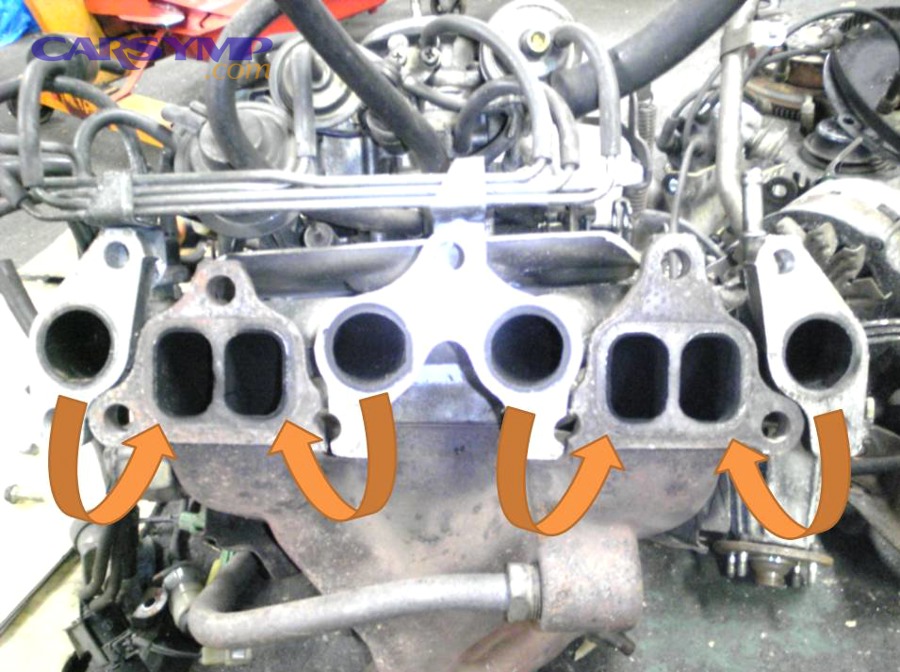
Most engines clog EGR passages for the same basic reason: soot and carbon particles from exhaust combine with oil vapor and moisture in the intake stream, then bake into hard deposits where the gas slows down or cools quickly.
On many designs, the tightest restriction points are:
- EGR ports (small drilled holes feeding each runner)
- EGR valve inlet/outlet throat (where flow changes direction)
- EGR pipe and gasket screens (if equipped)
- Intake manifold EGR gallery (a shared “rail” feeding multiple ports)
- EGR cooler (common on many diesels; also some gas applications)
Clogging can be gradual, which is why a vehicle may “feel fine” for months before the computer finally detects insufficient EGR flow—then suddenly you’re dealing with a check engine light and inconsistent performance.
What are the symptoms of clogged EGR passages?
Clogged EGR passages typically cause drivability issues and fault codes because the engine can’t deliver the commanded EGR flow, leading to hotter combustion and unstable air/fuel behavior at specific loads.
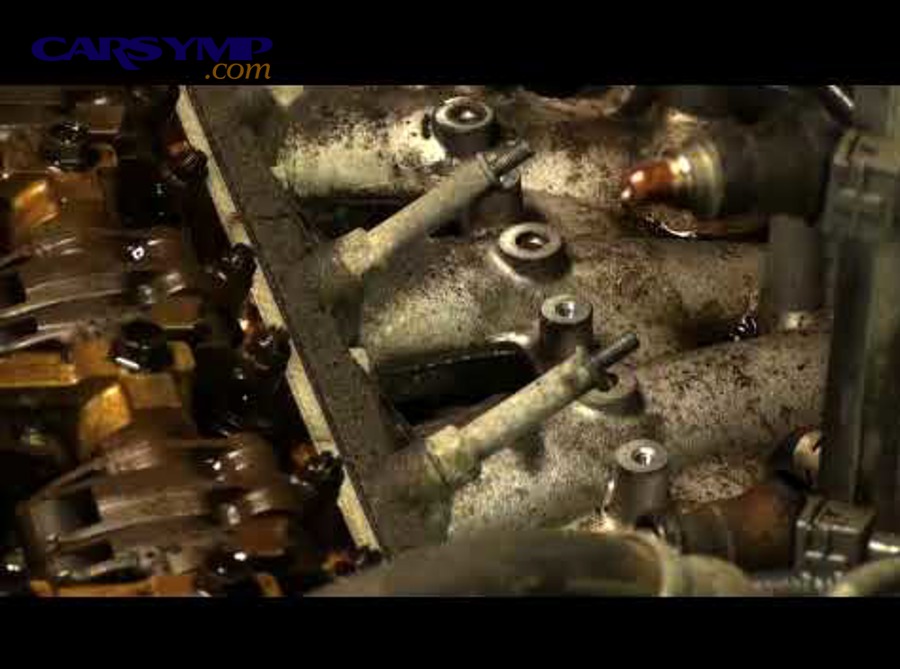
Specifically, it helps to group EGR failure symptoms by when they happen—idle, light cruise, acceleration, or emissions checks—because the EGR system is not active all the time.
Which drivability symptoms point to restricted EGR flow?
Restricted EGR flow often shows up as hesitation, light-throttle surging, spark knock/pinging under load, or a “flat” feeling during cruise because combustion temperatures rise and timing/fueling strategies change to protect the engine.
- Ping/knock under load: Hotter combustion can trigger knock control and reduce power.
- Hesitation or stumble: EGR commands at cruise may not match actual flow.
- Reduced fuel economy: The engine may run less efficiently during cruise.
- Failing emissions readiness: EGR monitor may not complete or may fail.
Which idle symptoms suggest an EGR valve issue vs clogged passages?
Rough idle or stalling is more commonly linked to an EGR valve that is stuck open (or leaking) than to clogged passages, because a stuck-open valve introduces exhaust at idle when it shouldn’t.
- Rough idle/stall at stops: Often valve stuck open, torn diaphragm (vacuum type), or contaminated pintle seat.
- Idle mostly normal but CEL present: Often clogged ports/passages causing “insufficient flow.”
Which warning signs show the problem is escalating?
Escalation signs include repeated limp-mode events, persistent misfires, overheating trends, or rapid code return immediately after clearing, because the restriction has become severe or additional components are failing.
- Limp mode: Some vehicles protect the engine when emissions controls can’t function properly.
- Misfire under load: Can happen when combustion becomes unstable or timing is pulled aggressively.
- Overheating tendency (some platforms): Especially if EGR/DPF systems are intertwined on certain engines.
Can you drive with clogged EGR passages or an EGR fault?
Yes, you can drive with an EGR fault in some cases, but it’s risky because clogged EGR passages can raise combustion temperatures, increase knock likelihood, worsen fuel economy, and potentially trigger limp mode or secondary failures if ignored.
More importantly, whether you should keep driving depends on how the vehicle is behaving right now, not just whether the check engine light is on.
Driveable (short-term) scenarios:
- The engine runs smoothly with no overheating, no flashing MIL, and no severe power loss.
- Symptoms are mild (slight hesitation) and you can schedule cleaning soon.
Do not keep driving scenarios:
- The MIL is flashing (possible catalyst-damaging misfire conditions).
- The engine is overheating, knocking heavily, or entering limp mode repeatedly.
- There is strong fuel smell, severe rough running, or stalling in traffic.
Even when the car is “driveable,” an EGR problem often becomes a compounding issue: hotter combustion can increase deposit formation, and ongoing fault conditions may keep the engine from completing emissions readiness checks.
What tools, cleaners, and safety steps do you need before cleaning EGR passages?
You need basic hand tools, the right intake-safe cleaners, and a debris-control plan so you can remove carbon without dropping chunks into the intake runners or damaging sensors and gaskets.
Then, before you turn a single bolt, make sure you know what type of EGR system you have (vacuum-operated, electronic, integrated into the intake manifold, or routed through a cooler) because that changes access and cleaning method.
Below is a practical tool-and-supply checklist so you can stage everything before disassembly.
Table: Core tools and why they matter for an EGR passage cleaning job
| Tool / Supply | Why you need it | Notes |
|---|---|---|
| Socket set + extensions + wobble | Access tight fasteners on valve, pipe, or intake | Commonly 8–14mm on many platforms |
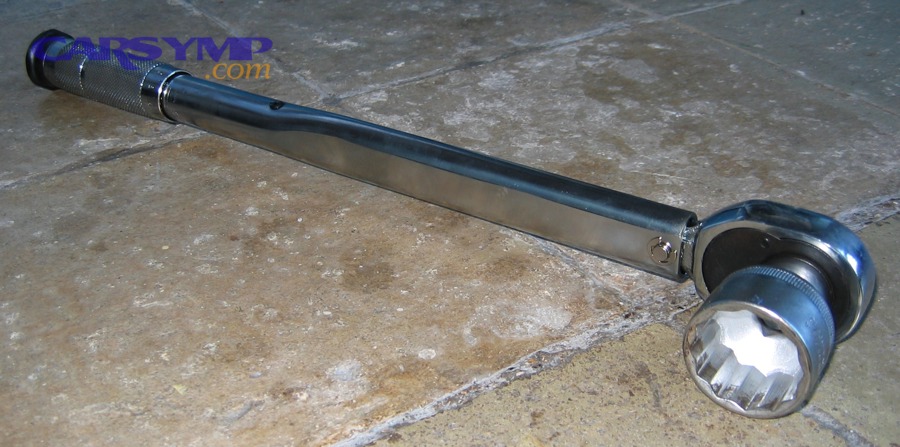
| Torque wrench | Prevents warped housings and vacuum leaks | Critical for intake/EGR sealing surfaces |
| Carb/throttle body cleaner (sensor-safe) | Dissolves carbon/oil films | Avoid soaking electronics; read label |
| Nylon brushes + pipe cleaners | Scrubs without gouging aluminum | Use different sizes for small ports |
| Picks/scrapers (plastic or dull metal) | Breaks stubborn crust at port entrances | Control debris; do not score sealing surfaces |
| Vacuum + shop towels + tape | Keeps debris out of intake runners | Cover openings immediately |
| New gaskets (EGR + intake as needed) | Prevents leaks and repeat codes | Do not reuse crushed metal gaskets if damaged |
| OBD2 scan tool | Reads codes, monitors EGR data, clears codes | Helpful for verifying repair |
What safety steps prevent damage and mess?
Safety starts with controlling heat, chemicals, and debris so you don’t injure yourself or create a bigger engine problem than the original restriction.
- Work on a cool engine: Hot exhaust parts burn skin fast and can ignite solvents.
- Disconnect the battery (often recommended): Reduces accidental shorting around intake sensors and harnesses.
- Ventilation matters: Cleaners produce strong vapors; work outdoors or with good airflow.
- Protect sensors: Do not spray aggressive cleaners into MAF/MAP sensors unless the product is designed for it.
- Cover intake openings immediately: A single nut or carbon chunk in a runner can cause catastrophic damage.
Which “pre-checks” save time before you disassemble?
Pre-checks reduce guesswork by confirming the fault pattern, identifying access points, and preventing you from cleaning the wrong component.
- Scan for codes and freeze-frame: Note RPM/load when the fault sets (often cruise).
- Inspect obvious leaks: Cracked vacuum lines (vacuum EGR) and loose clamps can mimic EGR flow faults.
- Look for service bulletins/community patterns: Some engines have known “EGR port clog” zones.
- Plan gasket strategy: If the intake must come off, have gaskets on hand first.
How do you clean clogged EGR passages step by step?
The most reliable EGR clogged passages cleaning procedure follows a controlled sequence—gain access, remove the EGR valve/pipe as needed, mechanically clear ports and galleries, flush responsibly, then reassemble with proper sealing and verification.
Next, treat this like precision cleaning rather than “spray and pray,” because the biggest risk is sending loosened carbon into the intake runners or damaging the valve’s sealing surfaces.
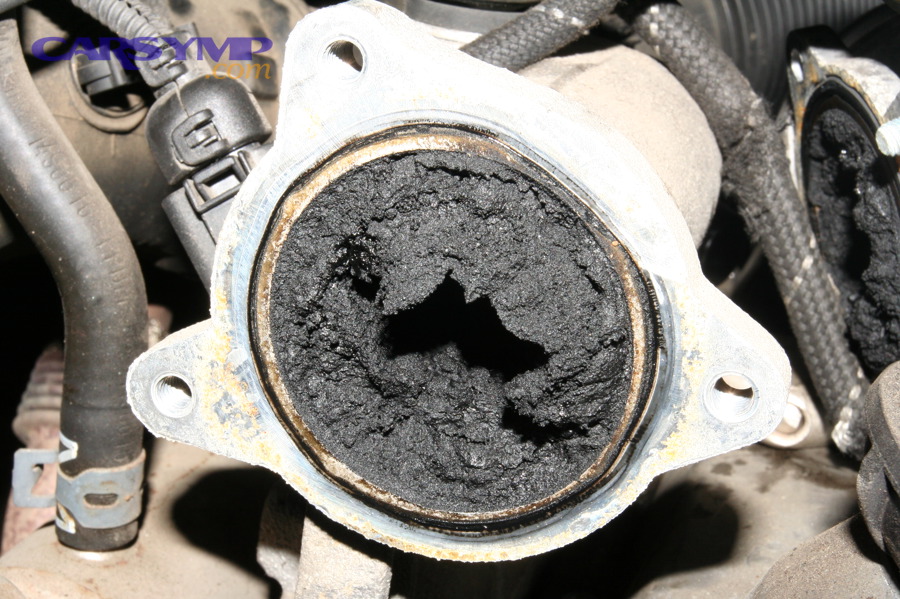
Step 1: Locate the EGR valve, ports, and the “restriction point” on your engine
Start by identifying where the exhaust gas enters the intake: on many vehicles the EGR valve bolts to the intake manifold, connects via a metal tube, or feeds an internal manifold gallery that branches into small ports.
- Vacuum EGR (older designs): Often a diaphragm “puck” with a vacuum line on top.
- Electronic EGR (newer designs): Has an electrical connector, sometimes water-cooled or mounted to a cooler assembly.
- Manifold-integrated ports: The valve may look clean, but the intake ports behind it can be almost sealed shut.
Before removal, take photos of hose routing and connector positions so reassembly is error-free.
Step 2: Remove the EGR valve and related plumbing without introducing debris
Remove the EGR valve (and pipe/cooler connections if applicable) while keeping the intake side covered and clean, because loose carbon tends to fall as soon as the seal breaks.
- Unplug connectors and label hoses: Avoid pulling wires; release tabs carefully.
- Crack bolts evenly: This helps prevent warping on some housings.
- Lift straight off when possible: Twisting can tear gaskets or drop chunks.
- Cover openings immediately: Use clean shop towels and tape, leaving only the area you’re actively cleaning exposed.
If the valve is electronic, do not soak the actuator or flood the motor area with solvent; focus cleaning on the gas path and the metal throat only.
Step 3: Clear the EGR passages and ports mechanically first, then chemically
Clear hard carbon with controlled scraping and brushing first, then use cleaner to dissolve residue, because chemicals work best after you open up a pathway rather than on a fully blocked port.
- Start at the port entrance: Use a nylon brush or dull pick to break the crust.
- Work “outward” with a vacuum running: Keep suction close to the work area.
- Use pipe cleaners for small drilled ports: Rotate and replace as they load up.
- Use short bursts of cleaner: Let it soak, then scrub again.
- Never force large chunks inward: Your goal is removal, not relocation.
Technique tip: If you must use a small drill bit or stiff wire on tiny EGR ports, turn it by hand (no power tool) and stop as soon as the port is open. Power drilling can enlarge calibrated holes or damage the manifold.
Step 4: Clean the EGR valve seat and confirm movement (without damaging it)
Clean the valve seat and pintle area until it seals smoothly, because a valve that cannot close properly can cause rough idle and stalling even after the passages are cleared.
- Vacuum EGR: If accessible, check that the pintle moves when vacuum is applied (hand vacuum pump if available).
- Electronic EGR: Check for free movement in the gas path where possible, but do not pry on the motor/gear mechanism.
- Inspect the gasket surface: Remove stuck gasket material carefully; do not gouge aluminum.
Step 5: Reassemble with new gaskets, correct torque, and leak prevention
Reassemble with proper sealing and torque so you don’t trade an EGR flow problem for a vacuum leak, exhaust leak, or repeat check engine light.
- Replace gaskets when recommended: Especially crushed metal types or brittle composites.
- Tighten evenly in stages: Follow a cross pattern if applicable.
- Reconnect hoses and connectors positively: A half-seated plug can mimic a new failure.
Once reassembled, start the engine and listen for hissing (vacuum leaks) and ticking (exhaust leaks) before you take a drive.
Should you clean the EGR valve only, or also the intake manifold, EGR cooler, and ports?
Cleaning the EGR valve alone works when the valve throat is the main restriction, but cleaning the intake ports/manifold is often necessary when the real blockage sits in the manifold’s EGR gallery or small runner ports.
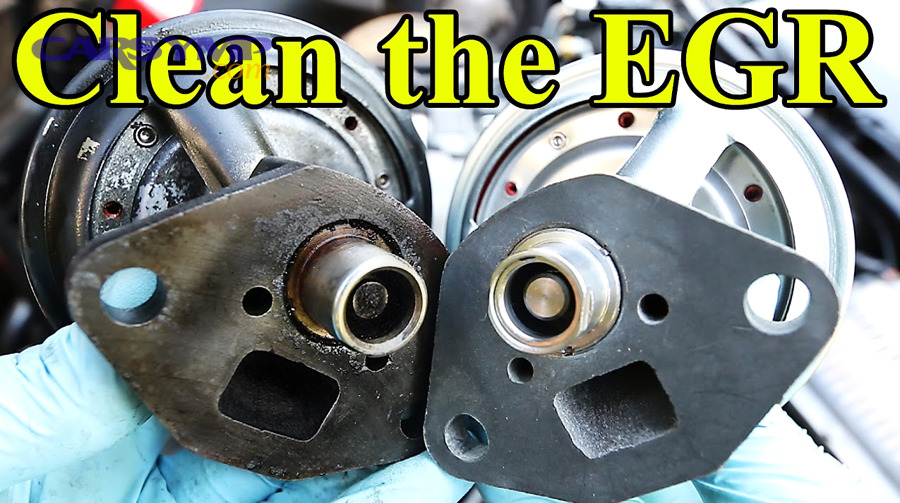
However, the right scope depends on how your engine distributes EGR flow, so decide based on where the deposits actually are—not on what is easiest to reach.
When is cleaning the EGR valve enough?
Cleaning the valve can be enough when you find heavy deposits on the valve seat/pintle and the downstream ports look open and evenly coated rather than crusted shut.
- The valve is visibly restricted and the ports behind it pass air/light.
- The vehicle’s design uses a larger EGR passage and fewer tiny distribution holes.
- Symptoms include rough idle from a sticky valve more than “insufficient flow” under cruise.
When do you need to clean the intake manifold ports or internal EGR gallery?
You need to clean the manifold ports/galleries when individual runner ports are partially blocked, because the engine may detect insufficient EGR flow even if the valve itself opens correctly.
- Small drilled ports are visibly narrowed or sealed with hard carbon.
- One cylinder runner is much more clogged than others (common on some layouts).
- The code returns quickly after valve cleaning.
When does the EGR cooler become the priority (common on many diesels)?
The cooler becomes the priority when flow is restricted through the cooler core or when coolant/exhaust contamination suggests internal issues, because a clogged cooler can limit total EGR volume regardless of valve position.
- High soot load and short-trip driving patterns can accelerate cooler fouling.
- Some designs require removal for effective cleaning; flushing alone may be incomplete.
A smart strategy is staged cleaning: start with the valve and accessible ports, then expand to manifold/cooler removal only if inspection shows severe restriction.
After cleaning: what relearn and code clearing steps should you do?
After cleaning, you should clear codes, complete any required idle/throttle relearn, and run a verification drive cycle so the ECU can confirm EGR flow and set readiness monitors without immediately re-triggering the fault.
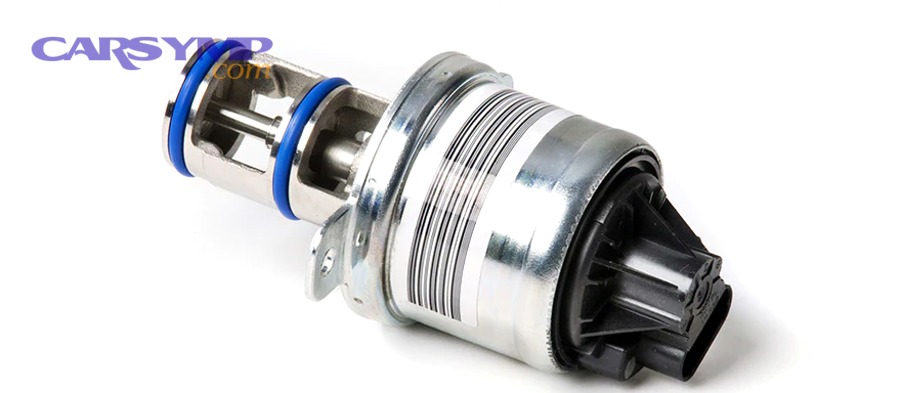
Besides restoring flow, these “After repair: relearn and code clearing steps” prevent confusion caused by old learned values and stored fault logic.
How should you clear codes and verify the fix?
Clear codes using an OBD2 tool after confirming there are no leaks, then verify the fix by monitoring live data (if available) and ensuring the fault does not return under the conditions that originally triggered it.
- Clear codes after repairs: This resets the fault state so you can confirm a true fix.
- Check pending codes: Pending faults can warn you before the MIL returns.
- Watch EGR-related PIDs if supported: Commanded vs actual position/flow can validate improvement.
Do you need an idle, throttle, or EGR relearn?
Some vehicles benefit from an idle or throttle relearn after intake/EGR work because airflow characteristics may change once deposits are removed and leaks are eliminated.
- Electronic throttle bodies: May need an idle learn after battery disconnect or cleaning.
- Some ECUs: Relearn over normal driving rather than a formal procedure.
If your platform specifies a relearn routine (service manual or scan-tool function), follow it exactly; guessing can create a new idle complaint that looks like a “bad repair” even when the EGR cleaning succeeded.
What should your “verification drive” include?
A good verification drive includes warm-up, steady cruise, and gentle accelerations because EGR systems usually run most during light-to-moderate load cruising rather than during idle or wide-open throttle.
- Warm engine to operating temperature.
- Hold steady speed for several minutes (the common EGR test window).
- Perform a few smooth accelerations and decelerations.
- Re-scan for pending codes and readiness status.
When does EGR cleaning become an EGR repair or replacement job?
EGR cleaning becomes an EGR repair when the valve, actuator, cooler, or related plumbing is mechanically failing, leaking, or electrically out of range—because no amount of cleaning will fix cracked housings, faulty position sensors, or a seized actuator.
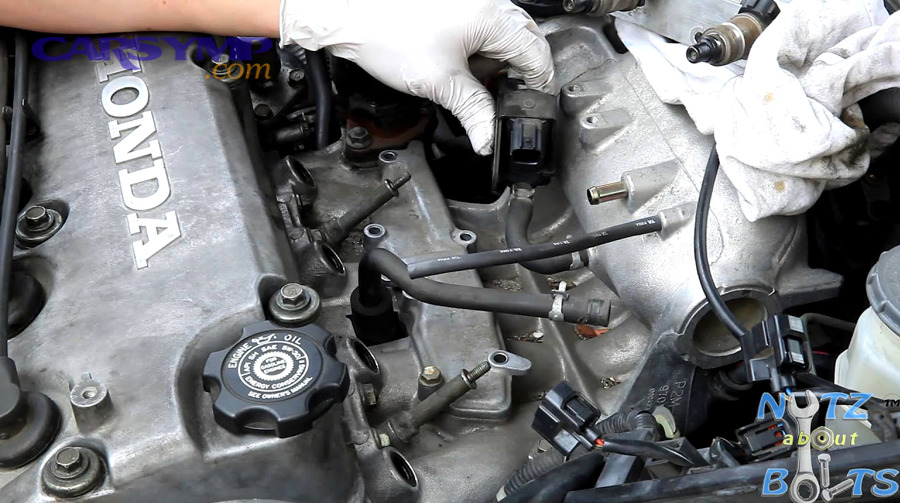
In addition, cleaning is not a cure-all if the root cause is excessive soot production from other problems, so it’s important to know when to stop scrubbing and start diagnosing.
What signs mean the EGR valve likely needs replacement?
Replacement is likely when the valve cannot move smoothly, cannot seal, or fails electrical tests, because restricted flow and rough idle can both persist even after deposits are removed.
- Valve stuck open/closed repeatedly: Returns quickly after cleaning.
- Electrical faults: Position sensor codes, actuator circuit codes, or implausible readings.
- Physical damage: Cracked housing, broken pintle, melted connector.
What upstream issues can cause repeat clogging?
Repeat clogging often comes from excessive soot and oil vapor entering the intake, so addressing contributing issues helps your cleaned passages stay clean longer.
- Oil consumption or heavy blow-by: Adds sticky oil film that traps soot.
- Short trips and cold operation: Promotes condensation and deposit formation.
- Failing PCV system: Increases oil vapor in the intake stream.
- Diesel-specific factors: DPF/EGR interactions and high soot loads.
When should a DIYer hand it off to a shop?
It’s time to hand it off when access requires major disassembly, when coolant lines and emissions components are intertwined, or when you suspect multiple system faults that need scan-tool functional tests and smoke/leak diagnostics.
- Intake manifold removal is complex and risks broken fittings or vacuum routing errors.
- EGR cooler service involves coolant handling and leak risk.
- You’re seeing misfires, overheating, or repeated limp mode alongside the EGR fault.
If your symptoms are severe or repeat immediately after cleaning, treat the next step as diagnosis rather than more cleaning—because a correct fix may require targeted EGR repair, replacement, or resolving an upstream soot/oil contributor.