


An EGR delete is generally not legal for street use in the U.S., because federal anti-tampering rules treat EGR hardware and its control strategy as part of the certified emissions system—and removing or disabling it can trigger serious penalties and registration/inspection failures. (epa.gov)
Then, it helps to understand what an EGR delete actually changes (hardware, software, and airflow/temperature behavior), because many owners confuse “fixing an EGR problem” with “deleting emissions controls,” and the outcomes are very different.
In addition, you should weigh the real-world risks—not just legal exposure, but also reliability tradeoffs, drivability changes, higher combustion temps, and how other emissions systems are affected downstream.
Introduce a new idea: the safest decision is the one that matches your truck’s real symptoms, your use case, and your legal environment—so below is a clear, intent-first guide that answers those questions in order.
Is an EGR delete legal for street use in the U.S.?
No—an EGR delete is generally not legal for street use in the U.S. because (1) federal law prohibits tampering with emissions controls, (2) selling/installing “defeat devices” is prohibited, and (3) many states can fail inspection/registration when emissions controls are removed or disabled. (epa.gov)
More importantly, legality isn’t just a “state-by-state” question—it starts at the federal level. The U.S. EPA explains that the Clean Air Act prohibits both tampering (removing or rendering inoperative an emissions control device) and defeat devices (parts or software intended to bypass emissions controls). (epa.gov)
Why federal law matters even if your state has no emissions testing
Even if you live where inspections are limited, federal anti-tampering provisions still apply to vehicles and engines that were certified with EGR as part of their emissions configuration. EPA’s enforcement materials describe the tampering/defeat-device prohibitions as applying broadly, and also note that states may have additional restrictions. (epa.gov)
What “penalties” can look like in practice
Beyond “failing inspection,” the legal risk can be financial. EPA publishes updated maximum civil penalty amounts and notes that penalties may apply per noncompliant vehicle/engine and per tampering/defeat-device event. (epa.gov)
At the state level, California (CARB) explicitly warns that illegal modifications can lead to penalties up to $37,500 per violation, plus consequences like Smog Check failure and registration impacts. (ww2.arb.ca.gov)
The “off-road only” label is not a magic shield
“Off-road use only” language does not automatically make a delete legal. Enforcement focuses heavily on sale, installation, and use of parts that bypass emissions controls, and whether a vehicle is operated on public roads is a key factor in many state programs. (epa.gov)
What is an EGR delete and what exactly gets removed or disabled?
An EGR delete is an emissions-system modification that removes, blocks, or disables exhaust-gas recirculation hardware and/or software so exhaust gases no longer recirculate into the intake, changing combustion temperature, NOx formation, and the engine’s calibrated airflow strategy.
To better understand the risks, it helps to break an EGR delete into two layers: (1) the physical EGR path and (2) the ECU logic that monitors and controls it.
Hardware changes
In the real world, “delete kits” or shop deletes may involve:
- Blocking the EGR flow path (plates/gaskets) so exhaust gas cannot enter the intake.
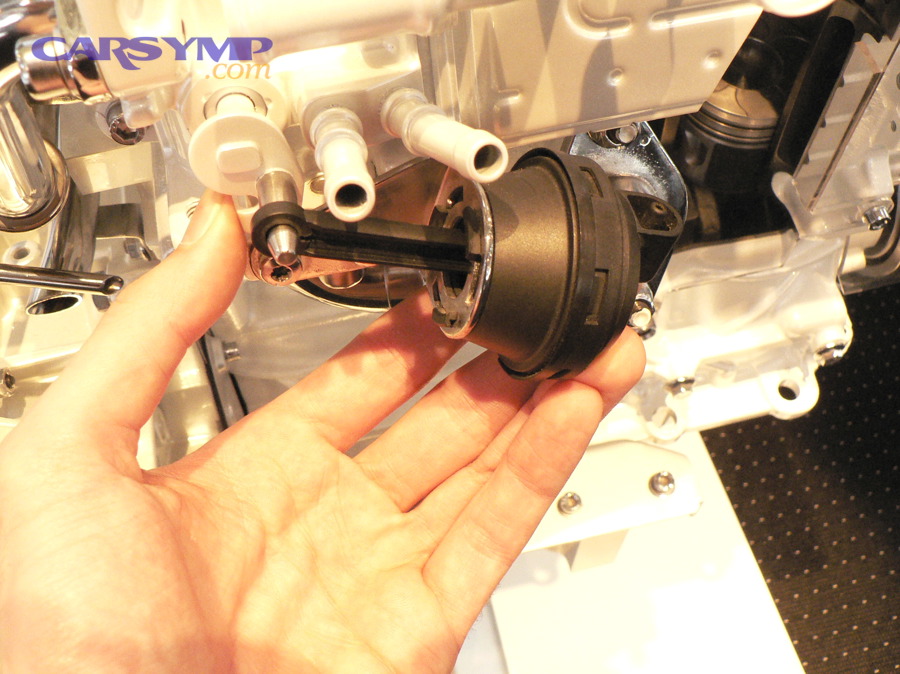
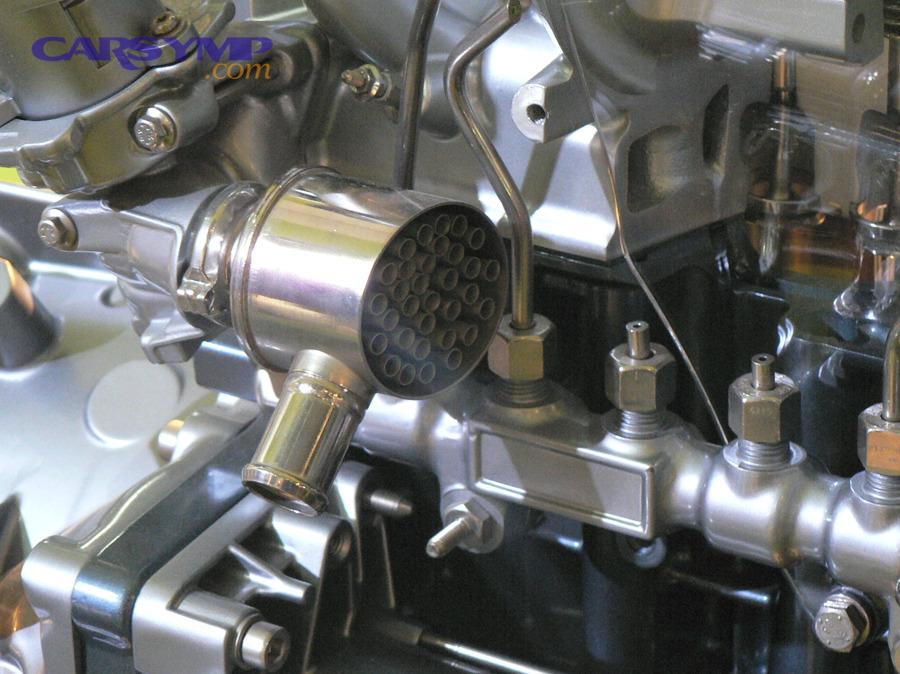
- Removing components like the EGR valve, EGR cooler, pipes, and associated plumbing (varies by platform).
- Bypassing coolant routing that originally cooled exhaust before recirculation (on cooled-EGR systems).
Software/ECU changes
Most modern diesel platforms monitor EGR operation using sensors and calculated airflow models (e.g., expected vs actual mass airflow). If you block flow without recalibration, you often get drivability issues and a check-engine light, so deletes frequently include software changes that attempt to:
- Disable EGR-related diagnostics/monitoring
- Prevent limp mode tied to airflow/temperature plausibility checks
- Alter fueling/boost targets affected by EGR strategy
This is also where the legal risk intensifies: EPA explicitly describes software “tunes” and other parts whose principal effect is to bypass emissions controls as defeat devices. (epa.gov)
What an EGR delete is not
An EGR delete is not the same as:
- EGR repair (restoring function so emissions controls operate as designed)
- Cleaning (addressing carbon/soot restriction while keeping emissions hardware intact)
- A legitimate aftermarket replacement that is demonstrably emissions-neutral and compliant (EPA notes “reasonable basis” concepts such as being identical in function or covered by a CARB EO for applicable cases). (epa.gov)
What risks come with an EGR delete for diesel truck owners?
There are 4 main risk categories with an EGR delete—legal/registration risk, emissions & health risk, engine reliability risk, and resale/insurance risk—based on whether the truck remains compliant, stable, and supportable over time.
Next, each risk category connects directly to what most owners actually care about: cost, uptime, and headaches.
Risk 1: Legal, inspection, and registration exposure
If your truck is used on public roads, an EGR delete can put you in a position where:
- You may fail visual inspection or emissions checks where applicable
- You may face penalties for tampering/defeat devices (federal and/or state)
- You can run into registration problems depending on your state’s process
EPA’s enforcement alert summarizes the prohibition on tampering and defeat devices, and EPA’s penalty page lists maximum civil penalty amounts tied to noncompliant engines/vehicles and tampering events. (epa.gov)
CARB also warns of enforcement against consumers and businesses and describes penalties up to $37,500 per violation in California contexts. (ww2.arb.ca.gov)
Risk 2: Emissions tradeoffs (especially NOx)
EGR is a core in-cylinder strategy for reducing NOx, largely by lowering peak combustion temperatures and changing oxygen concentration. Disabling it tends to push in the opposite direction—often increasing NOx—especially under the same load and fueling conditions.
According to a study by Clemson University from the Mechanical Engineering department, in 2006, experimental results showed significant NOx reductions using EGR strategies (with tradeoffs in torque), supporting EGR’s central role in NOx control. (open.clemson.edu)
Risk 3: Reliability and drivability side effects
Many owners consider an EGR delete after repeated clogging issues, but the “fix” can introduce new problems:
- Higher combustion temperatures under conditions where EGR would normally reduce NOx
- Calibration mismatch (airflow modeling, boost, fueling, EGT management)
- Knock-on effects on other emissions systems (for platforms where EGR strategy is part of a broader emissions package)
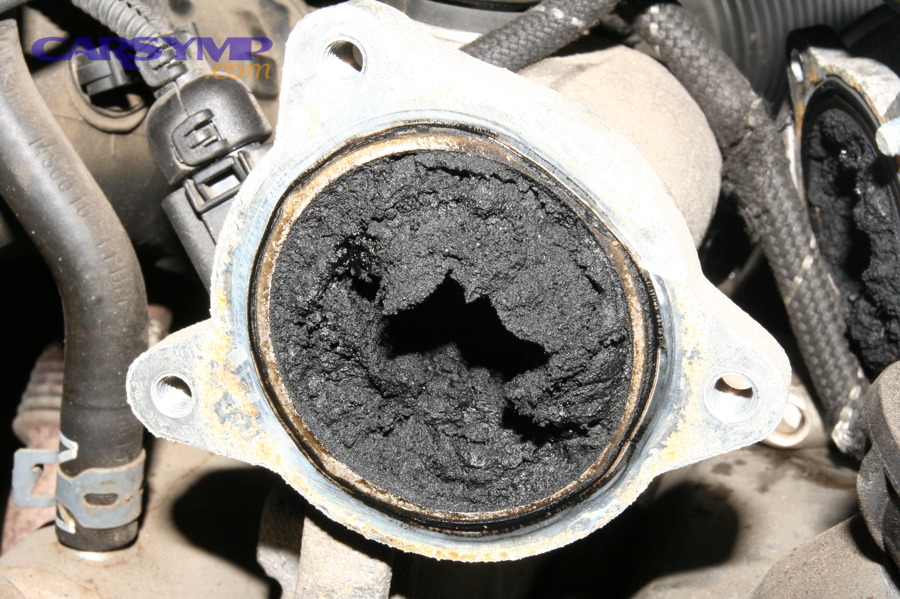
If your real issue is soot buildup and rough running, it’s worth diagnosing whether you’re looking at an EGR problem, a restriction elsewhere, or something like intake deposits. A careful EGR vs intake carbon buildup diagnosis can prevent you from “solving” the wrong problem with the most expensive or risky option.
Risk 4: Resale value, serviceability, and insurance friction
Even when a delete “works,” it can become a long-term liability:
- Dealerships and many independent shops may refuse certain work on a deleted truck.
- Buyers may discount value due to inspection risk and uncertainty.
- Some warranty/coverage situations can get complicated when emissions controls were removed or disabled.
If you’re seeing symptoms like rough idle, smoke, sluggish response, or recurring codes, you can often get clearer ROI from EGR repair plus root-cause maintenance than from a delete—especially when you factor in legal risk and resale uncertainty.
Street-legal vs off-road-only: when does an EGR delete make sense, if ever?
Street-legal compliance wins in risk control, off-road-only builds can be optimized for controlled-use cases, and “gray-area daily driving” is the worst option because it combines maximum legal exposure with unpredictable inspection, resale, and service problems. (epa.gov)
However, the practical question many owners are really asking is: “What choice best matches how I use the truck?” So here’s a clean comparison framed around intent—without advising on evasion.
A decision table that separates “intent” from “outcome”
The table below summarizes typical decision paths and the most common consequences, so you can match your scenario to the safest option.
| Use case (intent) | Most defensible approach | Typical outcome to expect |
|---|---|---|
| Daily driver / commuter on public roads | Keep emissions systems intact; repair and maintain | Lowest legal risk; better resale; predictable service |
| Work truck that must stay registered and transferable | Fix root causes; use compliant parts | Lower downtime risk long-term; avoids inspection surprises |
| Dedicated track/race-only vehicle (not street-operated) | Build for closed-course rules and documentation | Still requires careful compliance context; can limit resale |
| Off-road-only on private land | Purpose-built setup within local rules | Lower public-road exposure; still may affect support/resale |
“Street-legal” is about certification and compliance, not just running clean
It’s tempting to treat legality as “does it smoke?” But legal compliance is tied to the certified emissions configuration and the rules around tampering/defeat devices, including parts and software that bypass emissions controls. (epa.gov)
“Off-road-only” builds need clear boundaries
If a vehicle is genuinely confined to private property/closed-course contexts, the decision space changes—but you still have to think about:
- How the vehicle is transported and documented
- Whether it will ever be sold into a street market
- Whether local/state rules treat the platform as “emission-controlled” regardless of intent (California provides explicit guidance on enforcement focus tied to public highway operation). (ww2.arb.ca.gov)
What should you do before making a final decision on an EGR delete?
There are 5 core steps to make a defensible decision before you touch anything: confirm the symptom source, evaluate compliant fixes, calculate true cost, understand legal exposure, and choose a maintenance plan that prevents repeat issues.
Besides protecting you legally, this process protects you from spending money twice—once on the wrong “fix,” then again on the actual repair.
Step 1: Confirm the real failure mode (not just the code)
EGR-related faults can be triggered by:
- Sticking valves
- Cooler restriction
- Leaks or control solenoid issues
- Sensor plausibility conflicts
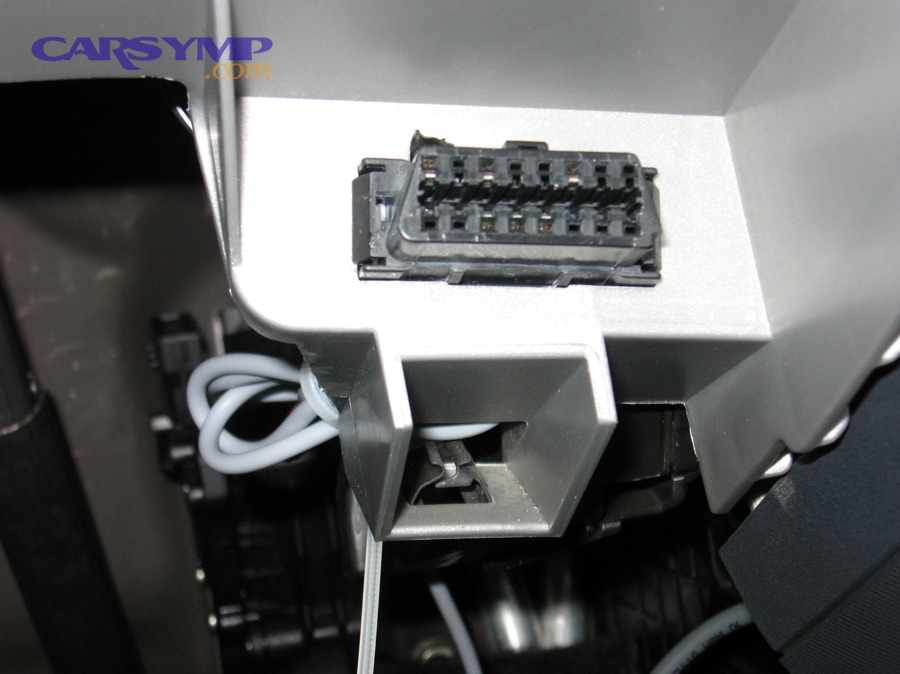
A scan tool plus basic checks can often distinguish “EGR flow insufficient” from “airflow model mismatch,” and can reveal if you’re dealing with a broader issue (boost leak, MAP/MAF problems, intake restriction). This is also where a Car Symptoms style checklist is useful—pair symptoms (smoke color, idle behavior, load response) with data (MAP/MAF, ECT, EGT if available) before deciding.
Step 2: Price out compliant solutions first
If the real motivator is cost, don’t skip the basics:
- What is the EGR repair cost estimate for your specific engine family?
- Is there a cheaper fix (gasket, actuator, sensor) before major parts?
- Is there a proven cleaning/service path that keeps the system functional?
Often, a realistic cost comparison is: repair once vs modify and risk penalties + resale loss. EPA and CARB documents make clear that enforcement and penalties can be substantial, so “cheaper today” can become “expensive later.” (epa.gov)
Step 3: If clogging is the driver, address why it’s clogging
Carbon buildup is frequently a system-level outcome, not a single bad part. Start thinking like a prevention planner:
- Short-trip duty cycles that never fully heat-soak the system
- Poor crankcase ventilation management
- Intake tract restrictions
- Underlying fueling/boost control issues that increase soot
This is where Preventing EGR clogging with maintenance becomes the higher-ROI strategy: correct operating habits, timely service intervals, and addressing upstream contributors can reduce repeat failures without creating legal exposure.
Step 4: Know your legal and inspection environment before you “commit”
Even if you never plan to sell, life changes. Before any irreversible decision, understand:
- Whether your state requires inspection (visual and/or OBD)
- Whether commercial registration rules apply to your truck
- How enforcement is handled where you live or travel
EPA’s federal framework (tampering/defeat devices) is the baseline, and state programs like California add their own enforcement structures and penalties. (epa.gov)
Step 5: Choose the path you can live with for 3–5 years
A good decision is stable over time:
- It won’t collapse your resale value.
- It won’t force you into a narrow set of shops.
- It won’t create recurring drivability mysteries.
If the goal is reliability, an emissions-compliant plan with targeted EGR repair often beats a high-risk modification—especially for trucks that must remain street-legal and easy to service.
How can you reduce EGR problems without deleting the system?
Preventive maintenance wins for long-term reliability, targeted repair is best for confirmed component failure, and full replacement is optimal when parts are internally damaged—based on whether the issue is buildup, control failure, or hardware degradation.
In short, this is the “what now?” section for owners who want fewer EGR headaches without stepping into legal risk.
What “prevention” looks like in plain English
Preventing EGR problems usually means reducing soot loading and keeping airflow stable:
- Keep up with filters and oil specs/intervals
- Avoid repeated cold short trips when possible (or plan periodic full heat cycles)
- Fix boost leaks and sensor issues promptly
- Use high-quality diagnostics before replacing parts
When cleaning is reasonable vs when it wastes time
Cleaning can help when buildup is the primary issue and components aren’t physically damaged. But if you have a failing actuator, cracked cooler, or control fault, cleaning alone can become a loop of repeat symptoms.
When repair beats replacement—and when replacement wins
If diagnostics confirm a single failing component, EGR repair can be cost-effective and fast. If multiple parts are compromised (valve + cooler + heavy intake deposits), replacement plus root-cause correction may be the better long-term investment.
How to keep diagnosis honest
Before any major spend, revisit the key fork in the road: EGR vs intake carbon buildup diagnosis. When you confirm which system is actually limiting airflow or causing fault logic, you stop guessing—and you stop paying for fixes that don’t stick.