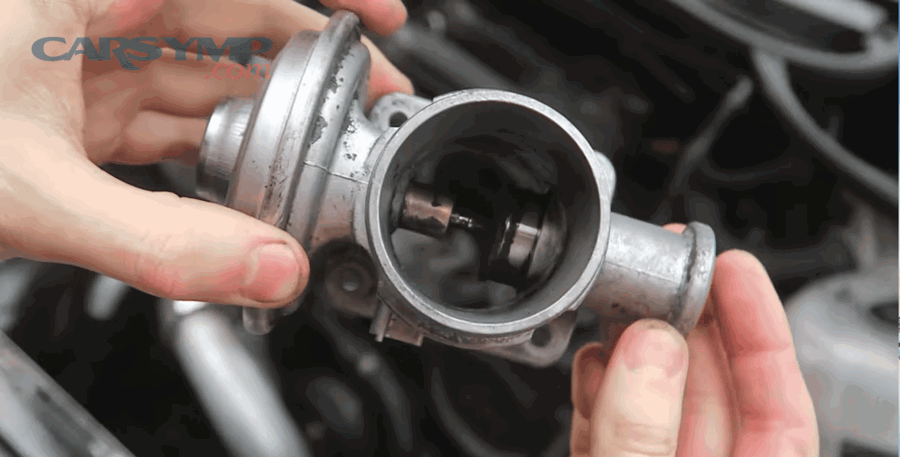
If you’re asking “Can you drive with an EGR fault?”, the honest answer is: sometimes yes for a short, careful trip—sometimes no, not at all. The deciding factor isn’t the warning light itself; it’s how the engine is behaving (stalling, knocking, overheating, or losing power can make driving unsafe fast).
Next, you need to understand what an EGR fault actually means, because “bad EGR valve” can describe different problems—a sticking valve, clogged passages, a sensor issue, or a control problem—and each one changes the risk level and the fix.
Then, you’ll want a clear, symptom-based way to judge how urgent the repair is and what damage you’re risking by continuing to drive, especially if your vehicle triggers limp mode or starts running rough.
Introduce a new idea: below is a practical, intent-matched guide that moves from yes/no safety decisions to risk, symptoms, and what to do next, before expanding into diesel vs gasoline nuances and rarer failure modes.
Can you drive with an EGR fault? (Yes/No)
Yes, you can sometimes drive with an EGR fault for a short time because (1) many EGR issues reduce emissions control more than immediate safety, (2) the ECU often keeps the engine running in a protective strategy, and (3) mild faults may only cause slight drivability changes.
To better understand when that “yes” becomes a firm “no,” you need a symptom-first rule that protects you from sudden stalling, overheating, or detonation.
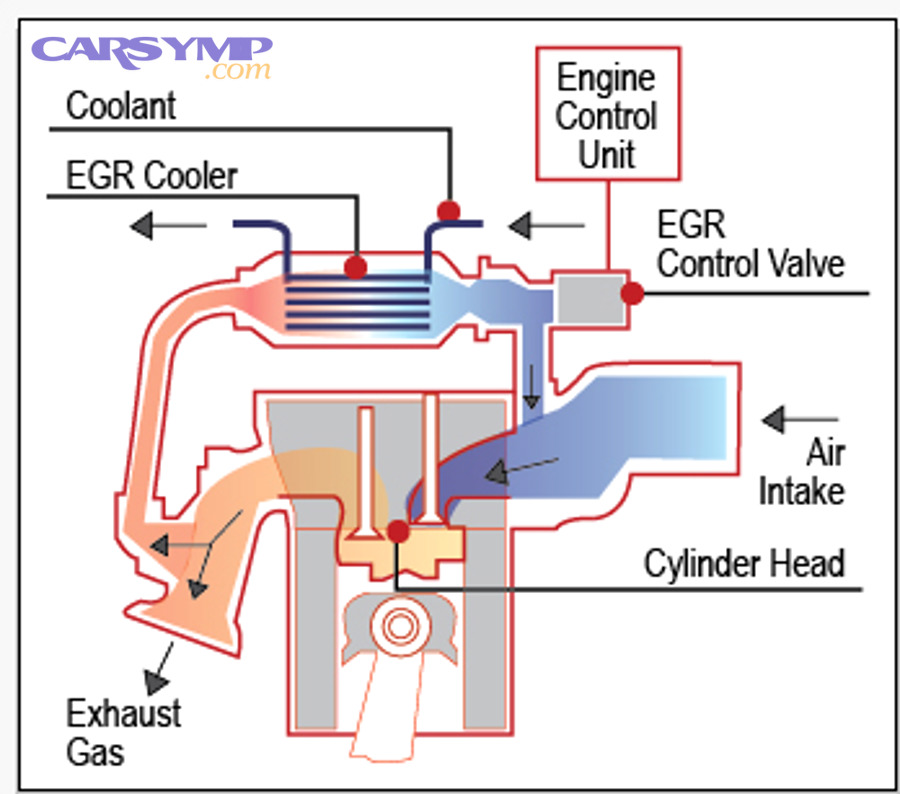
Is it ever safe to keep driving with an EGR fault for a short time? (Yes/No)
Yes, it can be safe to keep driving briefly with an EGR fault if (1) the engine temperature stays normal, (2) the car is not stalling or misfiring, and (3) power delivery remains predictable in traffic.
More specifically, “short time” should mean one controlled trip to a safe place or a repair shop—not days of commuting while hoping it goes away.
Here’s a realistic “drive-to-shop” checklist you can use:
- The engine runs smoothly at idle (no repeated surging, shaking, or near-stalls).
- Acceleration feels normal (no dangerous hesitation when merging).
- No loud knocking/pinging under load (especially on gasoline engines).
- No overheating behavior (temp gauge stable; no coolant warning).
- No heavy smoke or strong fuel smell (signs of incomplete combustion or severe fault).
- No limp mode that limits speed to the point it becomes unsafe on your route.
If you meet those conditions, drive gently: avoid hard acceleration, heavy towing, and long uphill pulls. That way, you reduce the “heat and load” triggers that can turn a manageable EGR fault into a stressful drivability event.
Should you stop driving immediately if the car is stalling, knocking, or overheating? (Yes/No)
No, you should not keep driving with an EGR fault if you have stalling, knocking, or overheating because (1) stalling can remove power steering/braking assist, (2) knocking can damage pistons/valves under load, and (3) overheating can warp components and cause rapid engine damage.
Besides, these symptoms are your best early warning that the EGR issue is no longer “just emissions”—it’s now a safety and reliability problem.
Stop driving (or tow) if any of these show up:
- Repeated stalling at stops or low speed
- A harsh misfire feel (shaking + flashing check engine on some cars)
- Audible pinging/knock when accelerating or climbing hills
- Temperature gauge climbing above normal or coolant warning light
- Limp mode that makes your car too slow for traffic
- Sudden loss of power when merging
If you must move the vehicle to a safer spot, do it at idle/low speed for the shortest distance possible and shut down once safe.
Can an EGR fault leave you stranded suddenly? (Yes/No)
Yes, an EGR fault can leave you stranded suddenly because (1) a valve that sticks open can trigger immediate rough idle and stalling, (2) an intermittent electrical control issue can cause unpredictable behavior, and (3) the ECU may escalate into limp mode when it detects repeated flow errors.
In addition, “intermittent” is what makes EGR faults tricky: the car may seem fine until a specific condition—warm idle, steady cruise, or tip-in acceleration—pushes the system into failure.
A common pattern looks like this: you start the car, everything seems normal, then you stop at a light and the idle becomes unstable. That instability can snowball into a stall, and once you stall, restarting may become inconsistent depending on how the valve is stuck at that moment.
What is an EGR fault and what does it mean when the EGR valve is “bad”?
An EGR fault is a diagnostic condition where the engine computer detects abnormal exhaust-gas recirculation flow—too much, too little, or poorly controlled—usually caused by a sticking EGR valve, clogged EGR passages, or a sensor/control issue that prevents the intended flow.
Next, it helps to picture what the EGR system is trying to do so you can connect the fault to your symptoms and repair choices.
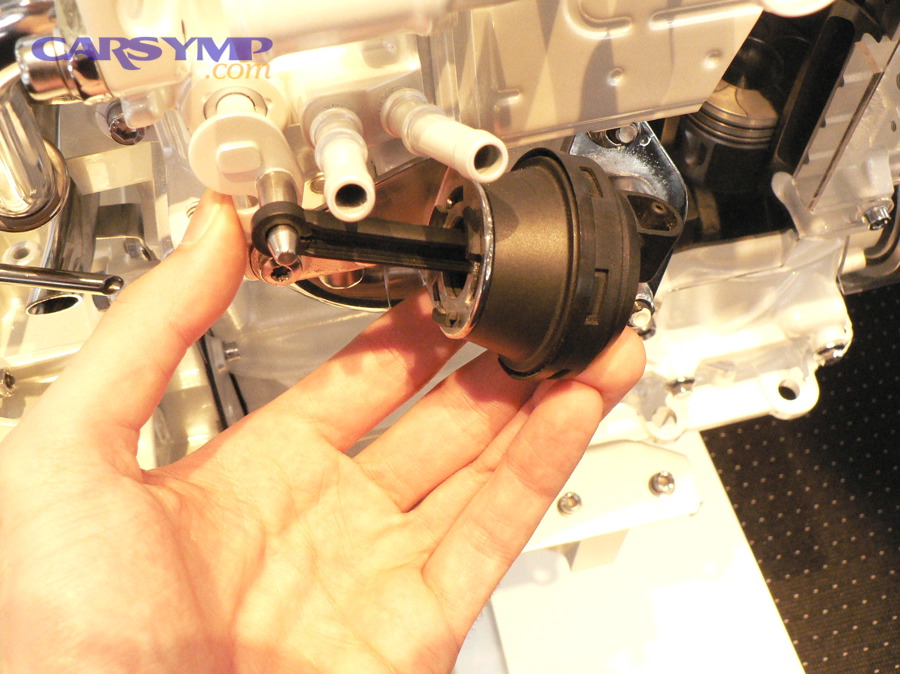
What does the EGR system do, and why does the ECU flag a fault?
The EGR system lowers combustion temperature by recirculating a small amount of inert exhaust gas back into the intake, which reduces the conditions that create nitrogen oxides (NOx) and helps the engine meet emissions requirements.
Specifically, the ECU flags an EGR fault when commanded EGR flow does not match what sensors infer—meaning the engine isn’t getting the recirculation it expects (or it’s getting it at the wrong time).
In plain English, the ECU is running a control loop:
- It commands EGR on during certain steady conditions (often warm cruise/moderate load).
- It watches for expected changes—airflow readings, EGR position feedback, temperature/pressure signals (varies by vehicle).
- If the response is wrong (no change, too much change, erratic change), it stores a code and turns on the light.
That’s why you can have a check engine light even when the car “feels okay”—the system may be failing its emissions control target before drivability collapses.
Evidence: According to a study by the Technical University of Denmark from the Department of Electrical Engineering, in 2016, exhaust recirculation control was analyzed specifically for NOx reduction in large diesel engines, highlighting how EGR control strategy is central to emissions outcomes.
What are the most common causes of an EGR fault?
There are 5 main causes of an EGR fault: clogged passages, a stuck-open valve, a stuck-closed valve, electrical/control faults, and sensor/feedback faults, based on whether the system’s flow is physically blocked, mechanically mispositioned, or electronically mismanaged.
To illustrate, the same “EGR flow insufficient” code can mean either a blockage or a valve that never opens—two very different fixes.
Here’s the cause grouping that covers most real-world cases:
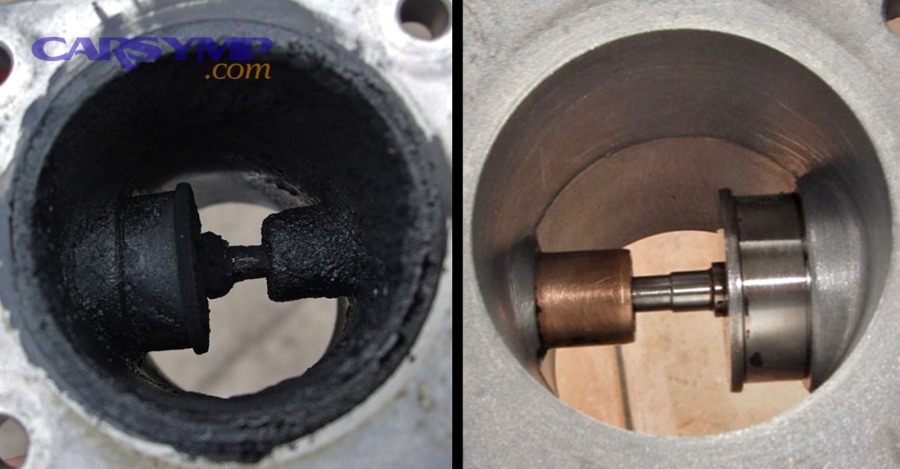
- Carbon-clogged EGR passages (restricted flow even if the valve opens)
- Valve stuck closed (insufficient flow; can raise combustion temps under certain conditions)
- Valve stuck open (excessive/untimed flow; often causes rough idle and stalling)
- Electrical/control issues (wiring, connector corrosion, solenoid/actuator failure)
- Sensor/feedback errors (EGR position sensor, DPFE/pressure/temperature signals—vehicle dependent)
This grouping matters because it predicts risk: a stuck-open scenario is more likely to create immediate drivability problems than a mild “insufficient flow” restriction.
What is the difference between an EGR valve problem and clogged EGR passages?
An EGR valve problem wins as the more “sudden drivability” risk, clogged EGR passages are best known for gradual performance/emissions issues, and sensor/control faults are optimal to suspect when symptoms don’t match the code, because each failure affects timing and flow differently.
Meanwhile, understanding this difference is the fastest path to the right EGR repair decision.
- EGR valve problem (sticking or failed actuator):
- Often creates on/off behavior (fine one moment, rough the next)
- A valve stuck open can cause immediate rough idle or stalling
- A valve stuck closed can contribute to pinging/knock on some engines and higher NOx
- Clogged EGR passages:
- Usually creates insufficient flow even if the valve tries to open
- Symptoms tend to build over time: poor mileage, sluggishness, persistent codes
- Cleaning passages can be the primary fix (not just replacing the valve)
- Sensor/control problem:
- The valve and passages may be okay, but the ECU “sees” wrong data
- Can cause repeat codes even after parts are replaced if wiring or feedback is ignored
What symptoms suggest driving is risky with a bad EGR valve?
There are 2 symptom groups that suggest driving is risky with a bad EGR valve: instability symptoms (rough idle/stalling) and heat/load symptoms (knock/overheating/power loss), based on whether EGR flow is happening at the wrong time or not happening when the engine expects it.
More importantly, these symptoms are your decision tool—because they tell you if the EGR fault is becoming a safety issue.
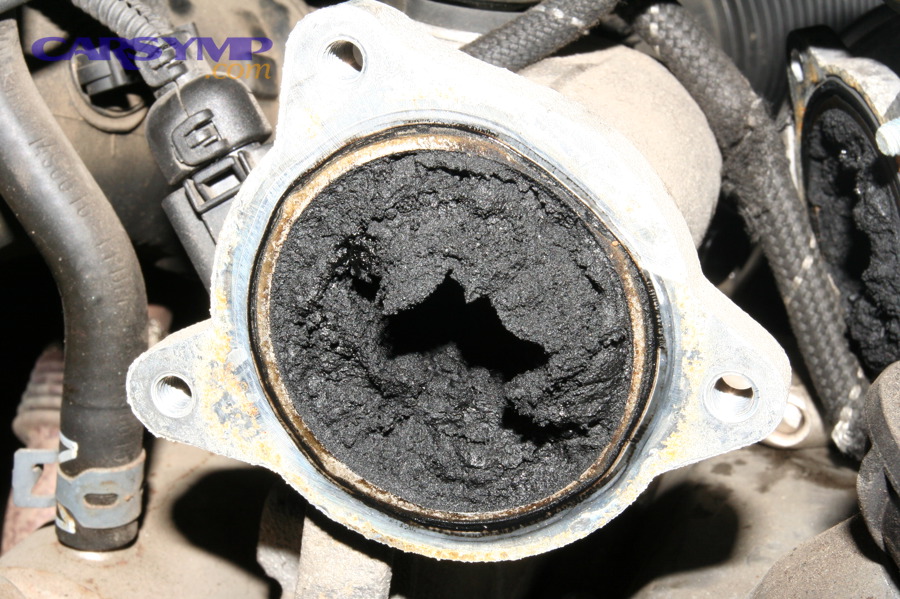
Which EGR symptoms are “annoying but manageable” vs “unsafe”?
There are 2 practical categories of EGR symptoms—manageable and unsafe—based on whether the symptom reduces comfort or reduces control of the vehicle, such as stalling in traffic or overheating under load.
Next, use these categories to decide whether you can drive to a shop or you need a tow.
Manageable (often drive-to-shop only):
- Mild hesitation that doesn’t affect merging
- Slightly rough idle but no near-stalls
- Reduced fuel economy with stable drivability
- Check engine light with normal temperature and predictable power
Unsafe (stop driving / tow recommended):
- Repeated stalling at lights or low speed
- Hard misfire feel (strong shaking)
- Loud knocking/pinging under acceleration
- Temperature rising above normal
- Severe loss of power that makes traffic situations risky
- Thick smoke (especially if paired with power loss or overheating warnings)
If you’re unsure which category you’re in, treat the problem as unsafe. The cost of a tow is usually less than the cost of preventable engine damage.
Can a bad EGR cause rough idle and stalling? (Yes/No)
Yes, a bad EGR can cause rough idle and stalling because (1) a stuck-open valve lets exhaust gas in when the engine needs a clean idle mixture, (2) the diluted mixture burns less reliably at low RPM, and (3) the ECU can’t stabilize idle when the airflow and combustion become unpredictable.
Specifically, idle is the condition where the engine has the least “buffer” to handle unwanted exhaust dilution.
At idle, your engine relies on a stable air/fuel mixture and predictable airflow. If the EGR valve is stuck open, it effectively steals oxygen and replaces it with inert gas at the worst time. The result can be:
- Surging idle (RPM hunting)
- Shaking at idle
- Stalling when coming to a stop
- Hard restarting if the valve remains open
This is why many drivers feel the problem most during city driving, not highway cruising.
Can an EGR fault cause engine knocking or overheating? (Yes/No)
Yes, an EGR fault can contribute to engine knocking or overheating because (1) insufficient EGR can increase peak combustion temperatures under certain conditions, (2) higher combustion heat can trigger detonation/pinging in gasoline engines, and (3) sustained extra thermal stress can push cooling systems harder under load.
However, knocking and overheating are “red flag” symptoms—treat them as reasons to stop driving rather than testing your luck.
Knocking (pinging) is especially important because it can be subtle at first and then become more obvious when you accelerate or climb hills. If you hear it, avoid load immediately and plan for a tow if the sound persists.
What damage can happen if you keep driving with an EGR fault?
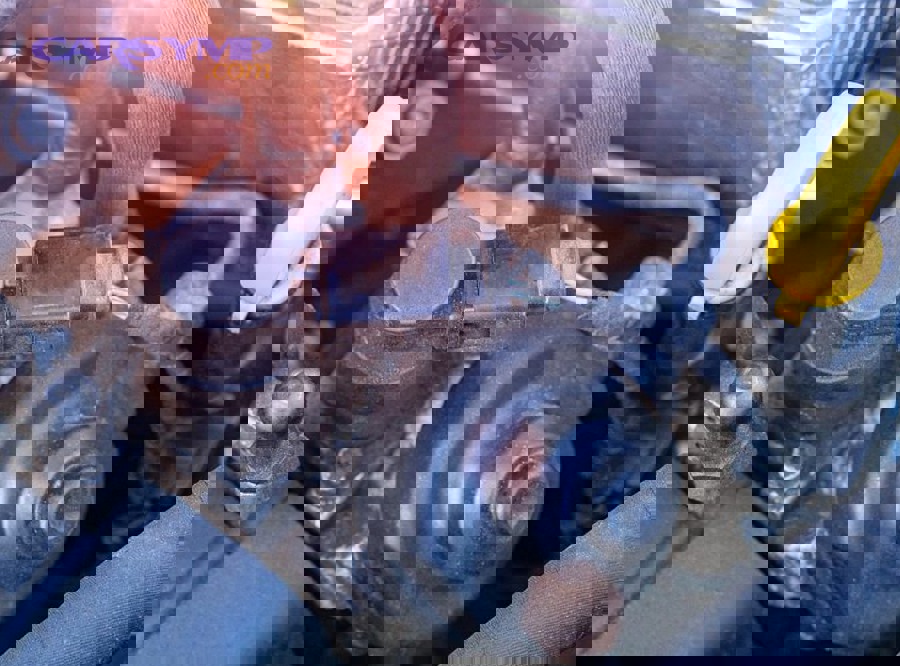
Driving with an EGR fault can cause 3 tiers of damage—minor (emissions/mileage), moderate (carbon buildup and drivability), and severe (heat-related engine or aftertreatment damage), depending on whether the valve is stuck open, stuck closed, or the passages are restricted.
In addition, the longer you drive with symptoms, the more likely you turn a simple fix into a multi-part repair.
What happens if the EGR valve is stuck open vs stuck closed?
Stuck-open EGR wins as the immediate drivability threat, stuck-closed EGR is best known for heat/emissions stress over time, and clogged-flow conditions are optimal for repeated “insufficient flow” codes, because each failure mode changes combustion conditions differently.
To better understand your risk, match your symptoms to the failure mode.
If the EGR valve is stuck open:
- Exhaust enters at idle/low speed when it shouldn’t
- Rough idle, stalling, hesitation are common
- Safety risk rises because stalling can happen in traffic
If the EGR valve is stuck closed (or flow is severely restricted):
- EGR never happens when expected at cruise/moderate load
- NOx tends to increase (emissions issue)
- Heat and detonation risk can rise on some gasoline engines
- The car may feel mostly normal until you load the engine
This comparison is why “Can I drive with an EGR fault?” cannot be answered by code alone; the symptom pattern matters.
Can driving with an EGR fault damage the catalytic converter or turbo? (Yes/No)
Yes, driving with an EGR fault can contribute to catalytic converter or turbo stress because (1) misfires from unstable combustion can send unburned fuel into the catalytic converter, (2) soot/heat changes in diesels can alter turbo and aftertreatment loads, and (3) prolonged abnormal combustion can raise exhaust temperature patterns that components weren’t designed for.
Moreover, the risk increases when you keep driving through obvious symptoms instead of addressing the root cause.
A practical rule: if you feel misfire-like shaking or smell raw fuel, reduce driving immediately. That’s when aftertreatment damage becomes more plausible.
Does ignoring an EGR fault increase carbon buildup elsewhere (intake/manifold)? (Yes/No)
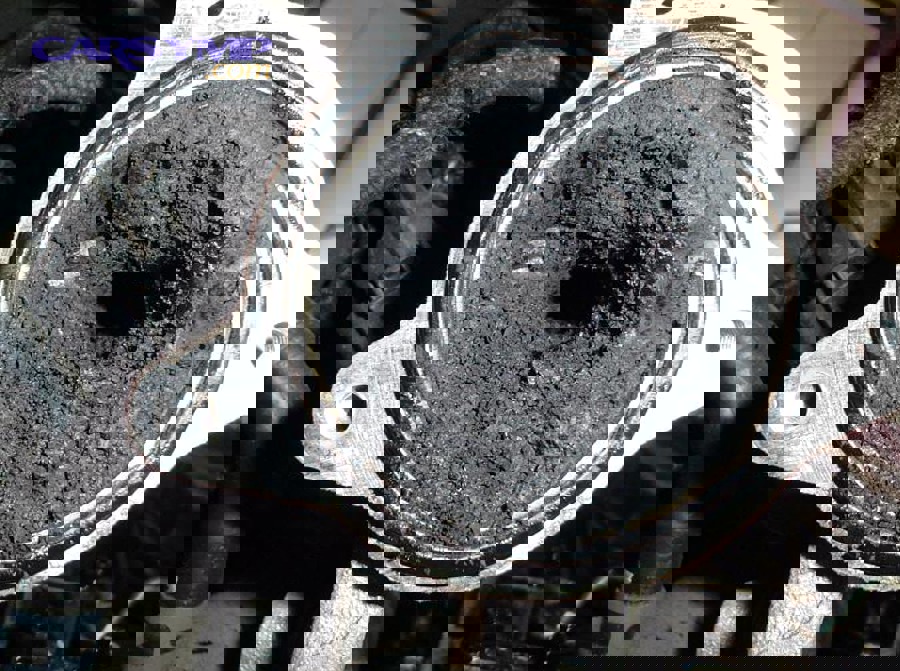
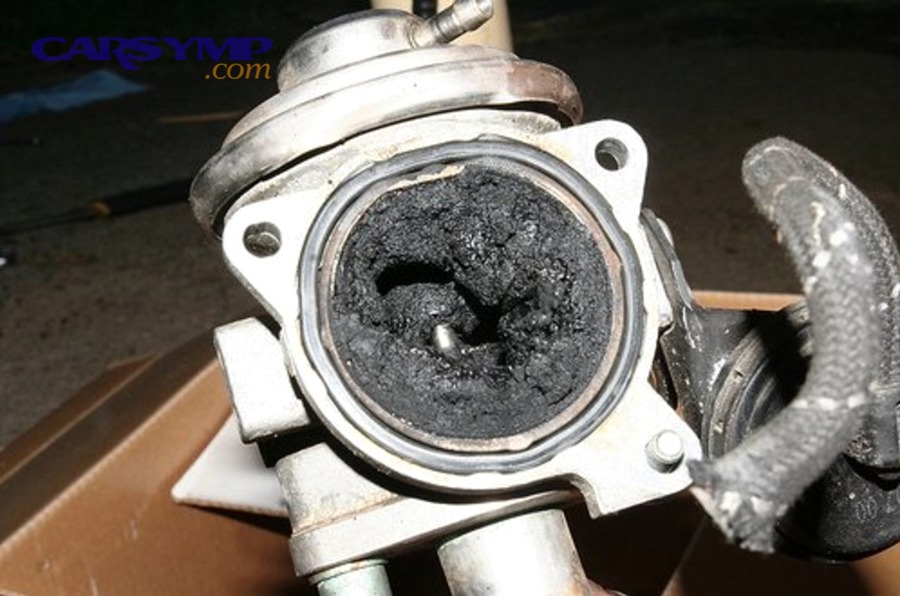
Yes, ignoring an EGR fault can increase carbon buildup elsewhere because (1) restricted EGR flow often comes from soot deposits that continue to accumulate, (2) soot can combine with oil vapor in the intake path, and (3) repeated abnormal flow conditions can leave more deposits in valves and manifold runners over time.
Especially in engines known for carbon accumulation, postponing repair can turn “clean the EGR” into “clean the entire intake path.”
This is also where owners commonly encounter the phrase EGR clogged passages cleaning procedure—because cleaning isn’t always just “wipe the valve.” Sometimes the real restriction is deeper in the passages or intake runners.
What should you do right now when you get an EGR fault code or check engine light?
The best immediate response is a 5-step triage method—confirm severity, identify red flags, minimize load, plan diagnosis, and schedule repair—so you reduce the chance of stalling, overheating, or heat-related damage while you get the vehicle fixed.
Then, follow the steps in order so you don’t accidentally mask the problem or keep driving into a worse failure.
What quick checks can you do safely before driving again?
There are 6 quick checks you can do safely before driving again: temperature status, idle stability, restart behavior, visible hose/connector checks, smoke/odor check, scan-code context, based on what you can verify without disassembling the engine.
Next, these checks help you decide whether to drive-to-shop or tow.
- Check engine temperature behavior: gauge stable at normal? any coolant warning?
- Check idle quality: steady idle or surging/shaking?
- Check restart: does it restart reliably after a short shutdown?
- Quick visual inspection: obvious broken vacuum line (older systems), loose connector at the EGR valve, damaged wiring near hot exhaust areas
- Check for smoke/strong smells: heavy smoke, raw fuel smell, or burning odor suggests “stop driving”
- Read the codes (if possible): note whether the car reports common flow codes (insufficient vs excessive)
If you have a scan tool, write down the exact codes and freeze-frame data. This makes EGR repair faster because the shop can see the conditions when the fault set.
When should you get the car towed instead of driving it? (Yes/No)
Yes, you should tow instead of drive when the EGR fault comes with severe drivability or heat symptoms because (1) stalling can create immediate traffic danger, (2) overheating can cause fast engine damage, and (3) limp mode/power loss can make your vehicle unsafe on your route.
More specifically, towing is the correct move when your car cannot maintain predictable speed or stable idle.
Tow triggers include:
- Stalls more than once on a short trip
- Audible knock/ping persists after you reduce load
- Temperature climbs beyond normal
- Misfire is severe or the car shakes heavily
- Power drops so much you can’t merge safely
Can you clear the code and keep driving as a temporary fix? (Yes/No)
No, you should not clear the code and keep driving as a “fix” because (1) clearing can hide worsening symptoms until they become unsafe, (2) the underlying mechanical restriction or sticking valve remains, and (3) the ECU may need the code history to guide accurate diagnosis.
However, code-clearing can be useful after repair as part of verification—just don’t confuse it with solving the fault.
If you do clear codes for diagnostic reasons, do it only when you can safely observe whether the code returns under the same driving condition—and never ignore red-flag symptoms just because the light is off.
Should you clean, repair, or replace the EGR valve?
Cleaning wins when carbon restriction is the cause, repairing is best for wiring/control faults, and replacing is optimal when the valve’s actuator or position mechanism fails, because each solution targets a different failure layer of the EGR system.
To better understand which path fits your car, you need to connect “what failed” to “what reliably restores correct flow.”
When does cleaning clogged EGR passages work best? (Yes/No)
Yes, cleaning works best when the EGR fault is caused by carbon restriction because (1) the valve may still move correctly, (2) the ECU is commanding flow that cannot physically pass through clogged ports, and (3) removing deposits restores flow without replacing electronics.
Specifically, cleaning is most effective when your symptoms are gradual and your codes point to insufficient flow.
A practical EGR clogged passages cleaning procedure often includes:
- Removing the EGR valve (and sometimes the throttle body or intake elbow for access)
- Inspecting ports for soot buildup
- Using appropriate intake/EGR cleaner and brushes to remove deposits
- Clearing blocked passages carefully (without dropping debris into the intake)
- Replacing gaskets as needed and rechecking for leaks
Because designs vary widely, avoid forcing tools deep into ports unless you know the layout. The “right” method depends on whether the passages are in the valve itself, the intake manifold, or an external EGR cooler/pipe.
Here’s one helpful overview video you can reference for general understanding (not as a substitute for your vehicle’s service steps):
When is replacing the EGR valve the better option than cleaning? (Yes/No)
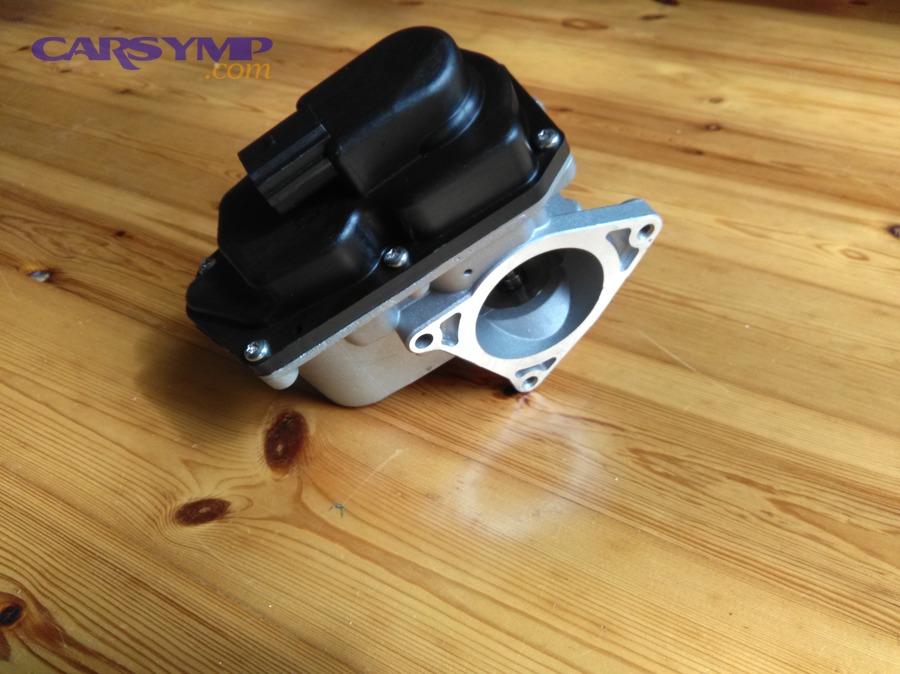
Yes, replacing the EGR valve is the better option when the valve’s actuator, electronics, or position feedback is failing because (1) cleaning cannot fix a worn motor/solenoid, (2) a sticking mechanism may return quickly even after cleaning, and (3) repeated faults often indicate control failure rather than simple soot restriction.
Meanwhile, replacement makes more sense when the car’s behavior is intermittent and severe, like stalling that comes and goes.
Replacement is more likely than cleaning when you see patterns like:
- Codes that suggest position control or circuit faults
- Stalling/rough idle that appears suddenly (especially warm idle)
- The valve fails an actuator test (if your scan tool supports it)
- The problem returns quickly after cleaning
What should be replaced together with the EGR valve to prevent repeat faults?
There are 4 common “replace-together” items that reduce repeat EGR faults: gaskets, related hoses/lines, damaged connectors/wiring pigtails, and sensors/filters specific to the system design, based on what typically causes leaks, misread signals, or recontamination.
More importantly, replacing the supporting pieces prevents you from doing the same job twice.
Common companions to consider (vehicle-dependent):
- EGR gaskets (old gaskets can leak and trigger flow errors)
- Vacuum lines (older vacuum-operated EGR systems)
- Electrical connector repair (heat damage and brittle wiring near exhaust)
- Related sensors (only if testing confirms failure—don’t guess)
This is also where many owners ask about EGR repair cost effectiveness: spending a little more on gaskets and known weak points can prevent repeat labor.
How urgent is EGR repair, and how far can you drive before fixing it?
There are 3 urgency levels for EGR repair—drive-to-shop today, fix within a week, and stop-driving/tow—based on symptoms, temperature control, and power predictability, because those three factors determine safety and damage risk.
Next, use the urgency framework below to make a confident decision without overreacting—or underreacting.
Is it okay to drive locally but not take a long trip with an EGR fault? (Yes/No)
Yes, it can be okay to drive locally but not take a long trip with an EGR fault because (1) short trips let you stop quickly if symptoms worsen, (2) sustained highway load can amplify heat and control issues, and (3) long trips increase the chance of a stall or limp mode far from help.
However, “okay” still means “only if symptoms are mild and stable.”
A long trip becomes a bad idea when you have:
- Any history of stalling
- Power hesitation during merges
- Temperature that trends higher under load
- A fault that repeatedly returns after clearing
Does the urgency change if your car enters limp mode? (Yes/No)
Yes, urgency increases significantly if your car enters limp mode because (1) limp mode signals the ECU is protecting the engine/emissions system, (2) reduced power can be unsafe in traffic, and (3) persistent limp behavior usually means the fault is severe or repeatable.
More importantly, limp mode often turns a “drive-to-shop” situation into a “tow-to-shop” situation, depending on your route.
If limp mode limits you so much that you can’t keep up safely with traffic, don’t drive it.
How do you decide “fix today” vs “fix this week”?
There are 3 decision tiers—Red (tow), Yellow (fix today), and Green (fix this week)—based on symptom severity, repeatability, and heat behavior, because these indicators track real safety and damage risk better than the check engine light alone.
To illustrate the framework clearly, the table below shows what each tier typically looks like.
The table below classifies EGR-fault urgency by what you feel while driving.
| Tier | What you notice | What to do |
|---|---|---|
| Red | Stalling, severe misfire, knock, overheating, major power loss/limp unsafe for traffic | Stop driving; tow |
| Yellow | Rough idle but no stalls, noticeable hesitation, code returns quickly | Fix today; drive only to shop |
| Green | Mild/no symptoms, stable temperature, predictable power | Fix this week; avoid heavy load |
To make this actionable, pair the tier with your driving context. If you need to climb long grades, tow, or sit in heavy stop-and-go traffic, treat the situation as one tier more urgent.
Evidence: According to a study by the University of Wisconsin–Madison from the Engine Research Center, research on heavy-duty diesel operation has examined high levels of EGR as an emissions-control approach, reinforcing that EGR rate and control strategy meaningfully change engine behavior and emissions outcomes.
How do EGR faults differ by engine type and failure mode, and what uncommon risks should you know?
Diesel EGR faults win in soot/aftertreatment complexity, gasoline EGR faults are best known for drivability and knock sensitivity, and stuck-open vs stuck-closed behavior is the most useful lens for uncommon risks, because engine type changes what “bad EGR” does to combustion and downstream systems.
Besides, this is where drivers often get surprised—especially when a “simple EGR code” hints at a rarer component like an EGR cooler.
How is an EGR fault different in diesel vs gasoline engines?
Diesel EGR faults win as the more deposit-prone scenario, gasoline EGR faults are best for explaining rough idle/knock complaints, and modern electronically controlled systems are optimal for repeated codes without obvious mechanical failure, because diesel exhaust contains more soot and gasoline engines tend to show drivability changes faster when timing and mixture stability shift.
Meanwhile, your repair plan should match the engine type:
- Diesel: expect more soot-related restriction, cooler/pipe involvement, and possible interactions with regeneration strategies.
- Gasoline: expect more sensitivity to idle stability and detonation/pinging under load when EGR function is abnormal.
What’s the “stuck open” vs “stuck closed” EGR risk profile?
Stuck open wins for immediate stalling risk, stuck closed is best known for higher combustion temperature and emissions stress, and partial restriction is optimal for “it runs fine but the code won’t go away,” because the antonym pair (open vs closed) directly predicts your symptom pattern.
More specifically:
- Stuck open: rough idle → stall risk → unsafe in traffic
- Stuck closed/restricted: often driveable → higher NOx/heat → risk rises under load and over time
This is why you should always describe your EGR fault as “stuck-open-like symptoms” or “restricted-flow-like symptoms” when talking to a shop. It speeds diagnosis.
Can an EGR fault affect DPF regeneration or emissions testing on diesel vehicles? (Yes/No)
Yes, an EGR fault can affect diesel DPF regeneration or emissions readiness because (1) EGR operation changes oxygen and temperature conditions, (2) some strategies alter EGR behavior during regen events, and (3) stored faults can prevent readiness monitors from setting for inspection.
In addition, this is one reason diesel owners shouldn’t treat an EGR code as “optional”—it can block compliance even if the truck still drives.
Evidence: According to a study published in 2023 that reviewed diesel particulate filter regeneration mechanisms, regeneration events and control strategies interact with EGR behavior and emissions outcomes, indicating that EGR operation and aftertreatment management are linked in modern diesel systems.
What rare EGR-related failures are most expensive (like EGR cooler leaks), and what warning signs point to them?
There are 4 rarer but expensive EGR-related failures: EGR cooler leaks, internal coolant ingestion pathways, severe valve housing cracks/warping, and repeated control-module/wiring faults, based on whether the failure involves coolant, structural failure, or electronics.
More importantly, the warning signs are often visible before the engine is damaged—if you know what to look for.
Watch for these red flags:
- Unexplained coolant loss with no obvious external leak
- White exhaust smoke (especially sweet-smelling) or steam after warm-up
- Overheating episodes that coincide with EGR-related codes
- Persistent repeat codes even after replacing the valve (points to wiring/ECU control logic or deeper system issue)
If coolant loss or overheating appears, stop driving and diagnose immediately—those symptoms are not “drive it for a week” issues.
Evidence (if any)
According to a study by the Technical University of Denmark from the Department of Electrical Engineering, in 2016, EGR control was analyzed specifically for NOx reduction in large diesel engines, reinforcing that EGR strategy is a core lever for emissions control. According to a study by the University of Wisconsin–Madison from the Engine Research Center, research into heavy-duty diesel emissions has examined the role of high EGR levels in managing NOx and particulate tradeoffs. According to a study published in 2023 on diesel particulate filter regeneration mechanisms, EGR behavior can interact with regeneration control strategy and emissions outcomes in modern diesel systems.