Diagnose & Fix EGR System Problems: EGR Valve Repair Guide for Car Owners
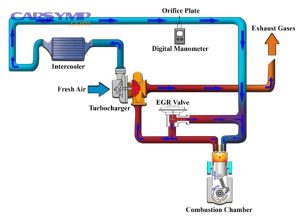
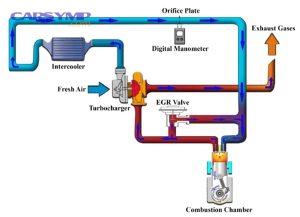
EGR repair matters because the EGR system is designed to recirculate a controlled amount of exhaust gas back into the intake stream, lowering combustion temperatures and helping reduce NOx emissions while protecting the engine under certain load conditions.
To make EGR repair practical, you need to connect real-world drivability complaints—like power loss, hesitation, or a check engine light—to EGR failure symptoms and the specific diagnostic trouble codes that typically appear when EGR flow is too low, too high, or unstable.
Accurate troubleshooting also means separating an EGR fault from similar problems such as intake carbon buildup, vacuum leaks, sensor drift, or turbo/boost issues, so you don’t replace parts that were never bad in the first place.
Introduce a new idea: once you understand what EGR does, what it looks like when it fails, and how to diagnose it correctly, you can choose the right repair option—cleaning, replacement, or related fixes—and set realistic expectations for cost, driveability, and prevention.
What is the EGR valve (and EGR system), and what does it do?
The EGR valve is an emissions-control valve that meters exhaust gas into the intake stream so the engine can reduce NOx formation by lowering peak combustion temperatures while maintaining normal operation during specific driving conditions.
To better understand why EGR repair is so often categorized as “needs diagnosis first,” it helps to see how the system is built, when the engine commands EGR flow, and what happens when the valve or passages can’t deliver the expected flow.
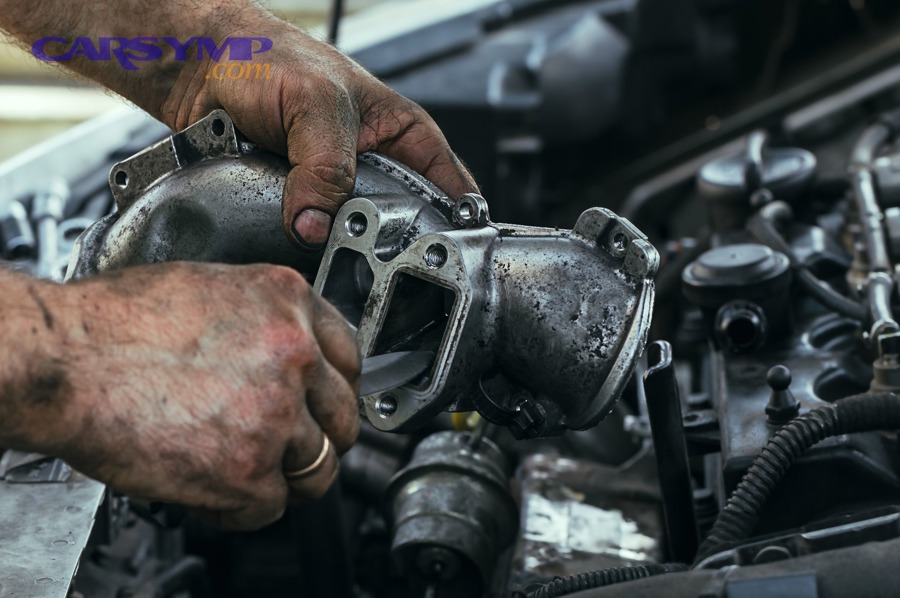
How does EGR reduce emissions and protect the engine?
EGR reduces NOx mainly by lowering combustion temperatures and diluting the intake charge with inert exhaust gases, which reduces the oxygen concentration and slows the burn rate under conditions where NOx would otherwise spike.
Specifically, most engines do not run EGR at cold start, at wide-open throttle, or at idle (in many calibrations) because EGR at the wrong time can destabilize combustion. Instead, EGR is typically commanded during steady cruising and moderate load, when the engine can tolerate dilution and still run smoothly.
- Emissions benefit: Lower peak temperature reduces NOx formation.
- Driveability benefit (often gasoline engines): With charge dilution, the throttle can open more for the same torque, reducing pumping losses in some designs.
- Engine-protection angle: Lower combustion temperatures can reduce the tendency toward knock in certain operating windows.
According to a study by North Carolina State University from the Department of Civil, Construction and Environmental Engineering, in 2012, real-world testing found a 2010-compliant heavy-duty diesel truck emitted 2 grams of NOx per gallon of fuel versus 110 grams per gallon for a 1999 truck (a 98% decrease), with NOx reductions attributed in part to exhaust gas recirculation and SCR technologies.
Which parts make up an EGR system (valve, cooler, passages, sensors)?
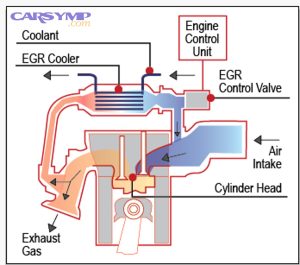
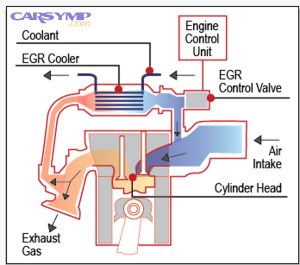
An EGR system is a group of parts that route, meter, and verify EGR flow, and the EGR valve is only one component within that larger “EGR system” (a classic part-to-whole relationship).
More specifically, your vehicle may include:
- EGR valve: Vacuum-actuated or electronically controlled metering valve.
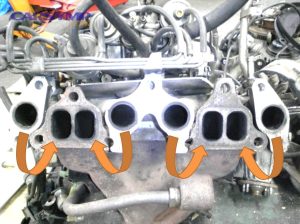
- EGR passages and ports: Internal intake manifold runners or dedicated channels that carry EGR gas.
- EGR tube/pipe: External metal feed pipe from exhaust to intake (common on many layouts).
- EGR cooler (common on many diesels and some modern setups): Heat exchanger that cools EGR gas to allow higher EGR rates and improve NOx control.
- Feedback/monitoring sensors (varies by model): DPFE (older Ford), EGR temperature sensor, MAP/MAF-based inferred flow, valve position sensor, and sometimes differential pressure sensors.
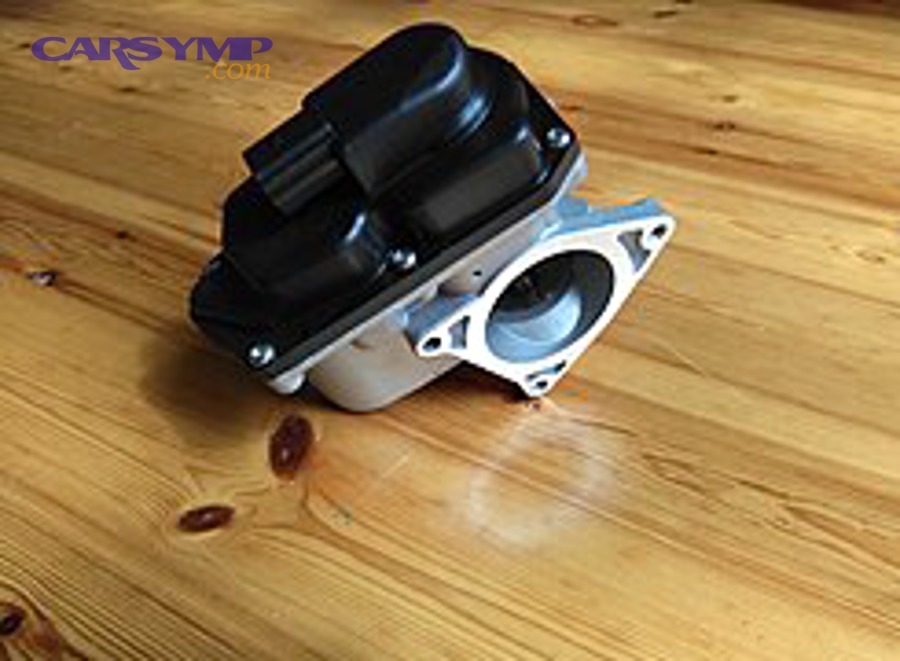
Is EGR used on gasoline and diesel engines in the same way?
No—gasoline and diesel engines use EGR differently because their combustion strategies and tolerance for dilution differ, even though the emissions goal is similar.
However, the practical implication for EGR repair is simple: diesels often run higher EGR rates and may rely on EGR coolers, so soot buildup and cooler-related issues can be more prominent, while gasoline engines may show EGR issues as pinging/knock prevention problems, roughness, or specific “insufficient flow” behavior depending on the system design.
Which symptoms and OBD-II codes point to an EGR problem?
EGR problems usually show up as drivability issues plus a check engine light, and the most reliable indicators are a consistent symptom pattern paired with scan data and Common EGR codes that match an EGR flow fault.
Next, you’ll want to recognize the most common driving symptoms, the typical code families (P0400–P0409 and related), and the safety question many drivers ask first: Can you drive with an EGR fault?
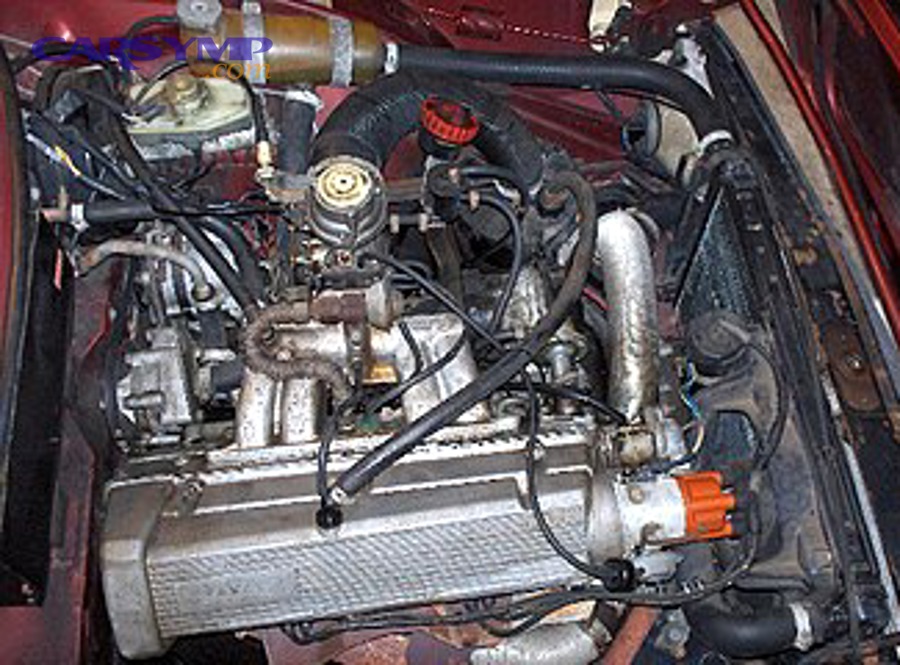
What are common EGR failure symptoms while driving?
EGR failure symptoms often include rough running, hesitation, or pinging because the engine is either getting EGR when it shouldn’t (too much/unstable flow) or not getting EGR when it should (insufficient flow).
To illustrate, here are common symptom clusters that frequently appear in EGR repair cases:
- Rough idle and stalling related to EGR: Often seen when the valve sticks open, leaks, or the control strategy is commanding unintended flow at idle.
- Hesitation, stumble, or poor throttle response: Can happen when EGR flow is erratic or mismatched to load.
- Pinging/knock under light load (some gasoline engines): Can happen when EGR is insufficient, raising combustion temps in the window where EGR is expected.
- Reduced fuel economy: Not universal, but can occur if the engine compensates for an airflow mismatch or runs inefficiently due to incorrect dilution.
- Emissions test failure: Particularly relevant when EGR is part of the vehicle’s NOx control strategy.
Which common EGR codes should you know (P0400–P0409 and related)?
There are several Common EGR codes, but most fall into “flow incorrect,” “control circuit,” or “position feedback” categories based on what the ECU is monitoring.
Below is a quick reference table that maps typical code themes to what they often mean and what you usually check first, so your EGR repair starts with the right inspection order.
| Code family (example) | What it commonly indicates | First checks to prioritize |
|---|---|---|
| P0401 / “EGR flow insufficient” | EGR is commanded but measured/inferred flow is too low | Clogged ports/passages, stuck-closed valve, vacuum supply (if applicable), cracked EGR pipe, sensor plausibility |
| P0402 / “EGR flow excessive” | Too much EGR flow or valve not closing fully | Stuck-open valve, carbon preventing seat closure, control solenoid fault, wrong gasket alignment |
| P0403 / circuit control faults | Electrical fault in EGR control circuit | Connector corrosion, wiring damage, power/ground, ECU command signal |
| P0404–P0406 / position range/performance | Valve position feedback doesn’t match commanded position | Valve position sensor, harness, valve motor/stepper, carbon binding |
| Manufacturer-specific EGR flow codes | Brand-specific monitoring logic | Service information + live data, freeze frame context, related air metering faults (MAF/MAP) |
Can you drive with an EGR fault?
Yes, you can sometimes drive with an EGR fault, but you should treat it as a limited, risk-managed situation because continued driving can worsen deposits, trigger limp modes, harm emissions components, and create stalling or unsafe drivability depending on how the valve failed.
However, whether the answer is “drive carefully to a shop” or “stop driving” depends on what the car is doing:
- Usually safer to limp to service: Mild drivability change, stable idle, no overheating, no flashing check engine light, no severe smoke or misfire.
- Stop and diagnose sooner: Stalling in traffic, severe misfire, strong fuel smell, overheating, or repeated limp mode that affects power/braking safety in your driving environment.
If you want a symptom checklist to structure your notes before a shop visit, some drivers use resources like carsymp.com to organize what they feel, when it happens, and what changed after recent repairs—just don’t substitute a checklist for scan data and test results.
How do you diagnose EGR issues vs intake carbon buildup?
EGR diagnosis works best when you confirm commanded vs actual EGR behavior with scan data and targeted tests, then separate true EGR flow faults from intake carbon buildup, sensor errors, and airflow leaks that can mimic EGR problems.
Then, once you commit to an EGR vs intake carbon buildup diagnosis approach, you reduce the odds of replacing an EGR valve when the real issue is clogged intake runners, a failing MAF/MAP signal, or a boost leak.
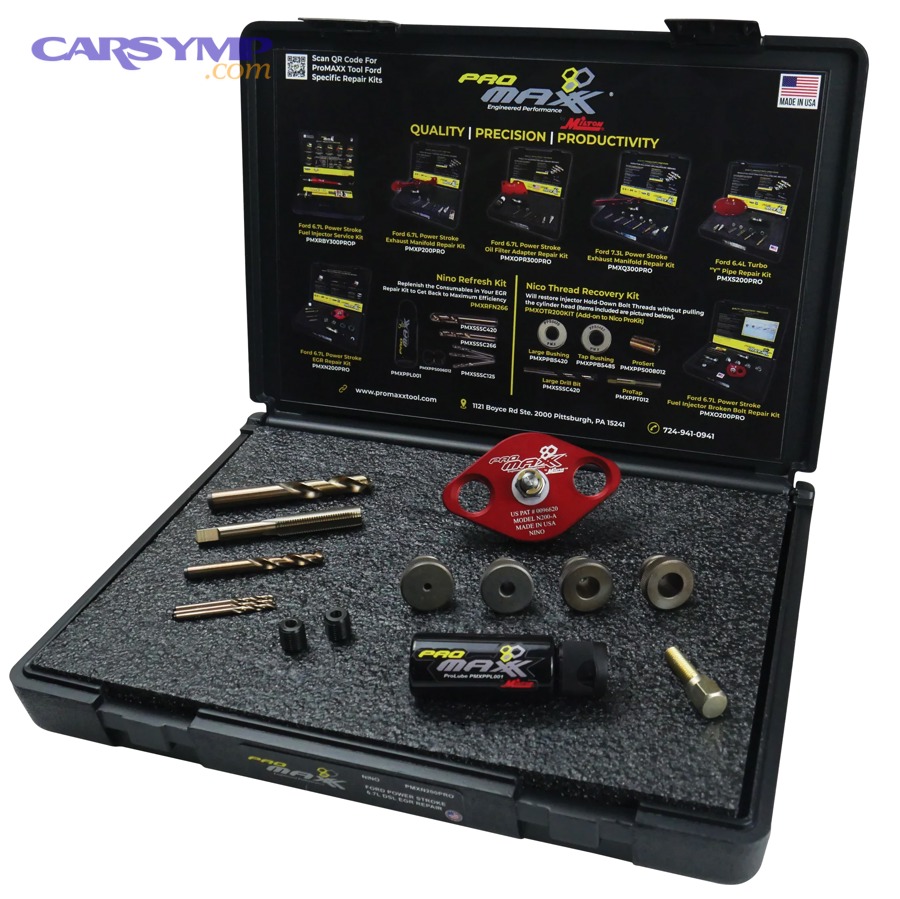
What tests confirm an EGR valve, passage, or cooler fault?
The most convincing EGR test is one that forces a known change in EGR command and verifies the expected response in airflow, MAP, idle quality, or dedicated EGR feedback signals.
Specifically, a competent diagnostic path often includes:
- Scan tool checks: Read codes, freeze frame, monitor EGR command/position (if available), MAP/MAF response, fuel trims, and misfire counters where applicable.
- Functional tests: Command EGR open/closed (bi-directional control on many platforms) and observe whether the engine reacts as expected.
- Physical inspection: Look for soot at joints, cracked EGR tube, melted connectors, coolant loss (possible cooler leak), and obvious clogging.
- Flow-path verification: If flow is “insufficient,” confirm whether the valve moves but the ports are blocked—this is a very common cause of repeat EGR codes.
On many vehicles, “insufficient flow” is not a dead valve—it’s a blocked pathway.
What does an EGR vs intake carbon buildup diagnosis look like in real life?
EGR vs intake carbon buildup diagnosis is the process of deciding whether the engine is failing because EGR flow is wrong, or because the intake path itself is restricted/dirty in a way that produces similar airflow and combustion symptoms.
For example, both problems can cause hesitation, poor throttle response, and odd fuel trims, but their patterns differ:
- More EGR-like patterns: Symptoms correlate with EGR command windows (light cruise, mid-load), and EGR-related P04xx codes are present with supportive live-data behavior.
- More intake-carbon patterns: Problems are broader across operating ranges (especially on some direct-injection gasoline engines), and you may see airflow limitation, misfire tendencies, or imbalance that doesn’t track with EGR commands.
In practice, many modern engines can have both issues at once: an EGR system that introduces soot plus an intake environment that accumulates deposits over time. That’s why testing matters more than guessing.
How do you avoid misdiagnosis (MAP/MAF, O2 sensors, vacuum leaks, turbo issues)?
You avoid misdiagnosis by treating EGR repair as an airflow-and-combustion problem first, and a parts-replacement problem second.
More importantly, watch for these common traps:
- MAF/MAP plausibility errors: A drifting sensor can make the ECU think EGR flow is wrong even when the valve is fine.
- Vacuum supply faults (vacuum EGR systems): A cracked hose or failed solenoid can prevent valve actuation.
- O2/A/F sensor issues: Some strategies infer EGR via combustion changes; a sensor error can skew inference.
- Boost leaks / turbo control issues: Especially in turbo engines, airflow deviations can mimic “EGR insufficient” logic.
According to a study by Clemson University from the Department of Mechanical Engineering, in 2006, testing of hot versus cooled EGR configurations showed NOx reductions increased with EGR use, and cooled EGR provided larger NOx reduction at comparable EGR rates, highlighting why the “EGR cooler vs valve” distinction matters during diagnosis.
What are the best EGR repair options: cleaning, replacement, or related fixes?
The best EGR repair option depends on whether the failure is caused by carbon blockage, mechanical/electrical valve failure, a cooler leak/restriction, or a control/feedback issue—because cleaning only works when the part is functional but obstructed.
Next, you’ll match the failure mode to the repair: clean clogged ports, replace failed components, verify control integrity, and finish with proper after-repair resets so the ECU can relearn and confirm emissions readiness.
What is the EGR clogged passages cleaning procedure?
The EGR clogged passages cleaning procedure is a controlled cleaning process that restores airflow through the EGR valve seat and intake ports by removing carbon buildup without damaging sensors, sealing surfaces, or the actuator mechanism.
To begin, use a methodical approach rather than “spray and pray,” because loose carbon can migrate and create new problems:
- Confirm the fault direction: If the code indicates insufficient flow, suspect ports/passages first.
- Access safely: Disconnect the battery where appropriate, and protect connectors from solvent intrusion.
- Remove the valve (often preferred): Bench-clean the valve seat and passages so debris doesn’t enter the intake uncontrolled.
- Clean ports/passages: Use appropriate brushes/picks and vacuum extraction; avoid pushing chunks deeper.
- Replace gaskets as needed: Many EGR joints rely on proper sealing; reusing damaged gaskets invites leaks.
- Reassemble and verify: Confirm commanded EGR causes expected engine response and that monitors can complete.
When should you replace the EGR valve or EGR cooler instead of cleaning?
You should replace the EGR valve or cooler when the component is mechanically damaged, electrically out of range, leaking, or repeatedly re-fouling because the underlying failure mode is not “simple blockage.”
However, replacement decisions become clearer when you use these rules of thumb:
- Replace the valve if: the actuator/stepper fails, position feedback is erratic, the pintle binds despite cleaning, or the seat is pitted and won’t seal.
- Replace the cooler if: you have coolant loss with exhaust contamination signs, internal restriction that won’t flush, or repeated EGR flow faults traced to cooler performance.
- Repair related systems if: a vacuum control solenoid, DPFE-style sensor, wiring harness, or intake gasket leak is the true cause.
In many shops, this falls under exhaust & emissions repair because the EGR system interacts with exhaust routing, intake airflow, and emissions monitoring all at once.
After repair: relearn and code clearing steps
After repair: relearn and code clearing steps matter because clearing codes without verifying readiness monitors and relearn behavior can leave the car “fixed” mechanically but still failing emissions monitors or drivability adaptations.
Then, follow a practical finishing checklist:
- Clear codes only after verification: Save freeze-frame data first so you don’t erase the story.
- Reset/learn if required: Some vehicles require throttle relearn, idle relearn, or EGR relearn routines via scan tool.
- Run a drive cycle: Confirm no pending codes return and that monitors move toward “ready.”
- Re-check live data: Validate EGR command vs response, fuel trims, and idle stability.
What about EGR delete legality and risks?
No—EGR delete legality and risks are not “optional details” for street-driven vehicles, because removing or disabling emissions controls is illegal in many jurisdictions and can also raise NOx emissions, increase combustion temperatures in some operating windows, and cause inspection failures.
Besides the legal exposure, the practical risks include:
- Emissions and inspection failure: Readiness monitors may fail, and visual checks can flag missing equipment.
- Calibration mismatch: The ECU expects EGR behavior; deletes often rely on software changes that can introduce new issues.
- Long-term engine and turbo stress: Some platforms depend on EGR strategies to manage temperatures and emissions under load.
According to an enforcement alert published by the U.S. Environmental Protection Agency (epa.gov), the Clean Air Act prohibits tampering that removes or renders inoperative emissions control devices, and enforcement actions can apply to manufacturing, selling, or installing defeat devices as well as vehicle tampering.
How much does EGR repair cost?
EGR repair cost depends on whether you need cleaning, a valve, a cooler, diagnostic time, or related intake/exhaust work, so a reliable EGR repair cost estimate starts with confirming the failure mode before pricing parts.
Next, you’ll see typical ranges by repair type, why access and platform complexity change labor, and how to evaluate a shop quote fairly.
Typical EGR repair cost estimate ranges by repair type
Typical costs vary widely, so the most useful way to think about an EGR repair cost estimate is to break it into diagnostic time, labor time for access, and the component being replaced or cleaned.
The table below summarizes common cost categories you’ll encounter, which helps you compare quotes that might otherwise look inconsistent.
| Repair type | What it includes | Why the range varies |
|---|---|---|
| Inspection/diagnosis | Scan, live data review, functional tests, smoke/leak checks | Shop rate, test depth, access to bi-directional controls |
| EGR valve cleaning | Remove/clean valve, clean ports, new gasket(s) as needed | Access time, severity of deposits, risk of broken fasteners |
| EGR valve replacement | New valve, gaskets, labor, verification | OEM vs aftermarket parts, packaging, calibration needs |
| EGR cooler service/replacement | Cooler removal, flush or replace, coolant service | Diesel complexity, leak diagnosis, additional emissions hardware |
| Related repairs | Vacuum solenoid, sensors, wiring, intake cleaning, boost leak fixes | Root cause, cascading faults, prior repair quality |
As a single reference point, RepairPal (repairpal.com) lists the average cost for an EGR valve replacement between $444 and $597, noting that labor and parts split varies by vehicle and that taxes/fees and location can change the total.
What factors change the price (vehicle, access, parts quality, diagnostics)?
EGR repair pricing changes mainly because some engines place the EGR valve and cooler in tight, heat-cycled locations, and because the diagnostic path can be short (obvious stuck valve) or long (inferred-flow logic with multiple plausible causes).
More specifically, price swings usually come from:
- Packaging: Some EGR components are buried under intake plumbing, cowl panels, or turbo hardware.
- Fastener risk: Heat and corrosion can add time for extraction or thread repair.
- Parts quality: OEM parts often cost more but may match calibration expectations better.
- System scope: If the repair includes intake cleaning or cooler service, labor increases quickly.
How do shops quote exhaust & emissions repair fairly?
A fair quote for exhaust & emissions repair explains what is being diagnosed, what is being replaced or cleaned, and what verification steps are included to confirm the fix and prevent immediate comebacks.
In addition, look for these markers of a good quote:
- Clear line items: diagnostic time, parts, labor, gaskets/fluids, and shop supplies separated.
- Verification included: post-repair scan, readiness guidance, and test drive notes.
- Failure-mode explanation: why the shop believes it’s the valve vs clogged ports vs cooler vs control issue.
What causes recurring EGR problems, and how can you prevent them?
Recurring EGR issues usually happen because deposits return faster than expected or because the original repair fixed the symptom but not the cause—so prevention focuses on reducing soot/oil contamination, ensuring proper operating conditions, and maintaining related systems.
Then, once you address why the system fouls, you can make EGR repair a one-time event instead of a repeating check engine light.
Why do some engines clog EGR faster (short trips, oil, coolant leaks)?
Some engines clog EGR faster because short trips keep temperatures low, which promotes deposit formation, and because oil vapor, blow-by, or coolant leaks can mix with soot to create sticky buildup that hardens inside EGR passages.
However, recurring clogging often signals a “why” beyond normal aging, such as excessive crankcase vapors, turbo seal issues, injector problems, or cooler concerns on platforms where the cooler can introduce additional failure modes.
Preventing EGR clogging with maintenance
Preventing EGR clogging with maintenance is about lowering the inputs that create deposits and keeping the engine operating in conditions that burn off moisture and reduce sludge-like buildup.
More specifically, prevention tends to be practical rather than exotic:
- Use correct oil and change it on time: Fresh oil reduces volatile contamination and helps control deposits.
- Address PCV issues: Excess crankcase vapors accelerate intake/EGR deposit formation.
- Fix coolant loss early: Coolant in the intake/EGR path turns soot into a sticky paste that clogs quickly.
- Don’t ignore misfires or rich running: Poor combustion increases soot and fouling risk.
What maintenance intervals and driving habits reduce repeats?
Driving habits reduce repeat EGR issues when they keep the engine reaching full operating temperature regularly, because stable temperature helps reduce moisture accumulation and deposit “cementing” inside EGR passages.
For example, if your usage is mostly short trips, adding periodic longer drives can help, and keeping up with scheduled air filtration, oil service, and addressing small vacuum leaks early can reduce deposit growth rates.
When should you get a second opinion or emissions test?
You should get a second opinion or targeted emissions test when codes keep returning after correct-looking repairs, when symptoms don’t match EGR command windows, or when multiple systems (EGR, boost, fueling, sensors) appear to be interacting.
In addition, a second opinion is especially valuable if the first repair was “parts first” without clear test results—because EGR repair is one of those categories where correct diagnosis often saves more money than any single part choice.