


Diagnosing rattles from broken exhaust resonator baffles requires a systematic approach that eliminates external rattle sources, confirms the sound originates internally, and identifies whether loose perforated tubes or corroded welds are the culprit. The diagnostic process involves three critical steps: performing tap tests with a rubber mallet to isolate the resonator, listening for characteristic “rocks in a can” sounds during specific operating conditions, and visually inspecting for holes or damage that indicate internal component failure. Most internal resonator rattles stem from corroded welds allowing baffles to break loose, creating metal-on-metal contact that worsens under acceleration or when driving over rough roads.
Understanding the internal architecture of your exhaust resonator helps you distinguish legitimate internal failures from common external issues like loose heat shields or worn hangers. The resonator contains perforated tubes and baffles welded or pressed into chambers, and these components can deteriorate over time due to moisture condensation, road salt exposure, and chronic vibration. Recognizing the difference between a rattling baffle inside the resonator and a loose heat shield vibrating against the outer casing saves you from unnecessary parts replacement and helps you communicate effectively with mechanics.
Identifying the specific symptoms of broken resonator internals versus other exhaust rattles prevents misdiagnosis and wasted repair dollars. Internal resonator rattles typically manifest as temperature-dependent sounds—often loudest during cold starts when metal components haven’t expanded, then quieting as the exhaust system heats up. You’ll hear distinct rattling at specific RPM ranges, particularly between 1500-2500 RPM, and the sound intensifies under load when towing or climbing hills. These characteristics differentiate resonator issues from catalytic converter substrate failure or muffler deterioration.
Repair options range from temporary DIY fixes to complete resonator replacement, and understanding the cost-benefit tradeoffs helps you make informed decisions about your vehicle’s exhaust system. Next, let’s explore the fundamental components inside your resonator and how they’re designed to function.
What Is an Exhaust Resonator and What Are Its Internal Components?
An exhaust resonator is a tubular chamber positioned between the catalytic converter and muffler that cancels specific sound frequencies through strategically placed perforated tubes and baffles, reducing exhaust drone without restricting gas flow. Inside the resonator housing, you’ll find one or more perforated tubes running lengthwise, metal baffles welded at precise angles to disrupt sound waves, and sometimes fiberglass or steel wool packing material that absorbs high-frequency noise. These components work together to tune your exhaust note by creating destructive interference—when sound waves bounce off baffles and through perforations, they collide with incoming waves and cancel each other out at specific frequencies.
To better understand how these internal components function together, we need to examine each element’s role in sound management and why their failure creates characteristic rattling.
How Do Resonator Baffles and Perforated Tubes Work?
Resonator baffles are flat or angled metal plates positioned inside the chamber to redirect exhaust gases and create turbulence that breaks up sound waves into smaller, less offensive frequencies. When exhaust pulses enter the resonator, they strike these baffles and split into multiple paths—some gas flows directly through the center, while other portions deflect off baffle surfaces and exit through perforations in the inner tube. This splitting action forces sound waves traveling at different speeds to meet and interfere with each other, effectively canceling the booming drone that occurs at cruising speeds between 1800-2500 RPM.
Perforated tubes contain hundreds of precisely sized holes drilled in patterns calculated to allow specific frequencies to escape into the outer chamber where they dissipate against the resonator walls. The perforation diameter typically ranges from 3mm to 8mm, and the hole spacing determines which frequencies get absorbed. As exhaust gases rush through these perforations, high-pressure pulses expand into the low-pressure outer chamber, losing energy and creating a quieter overall exhaust note. The tubes are welded or crimped at both ends to the resonator housing, and these weld points represent the most common failure locations.
When perforated tubes break loose from their mounting points, they vibrate freely inside the resonator chamber and create the characteristic rattling sound that mimics rocks bouncing in a metal can. The loose tube strikes against the outer housing during acceleration, deceleration, and when driving over bumps, producing intermittent metallic clanking that varies with engine RPM and exhaust gas velocity. Similarly, when baffles corrode at their weld joints and partially detach, they flutter in the exhaust stream and generate a buzzing or vibrating noise that’s distinct from external heat shield rattles.
Where Is the Resonator Located in Your Exhaust System?
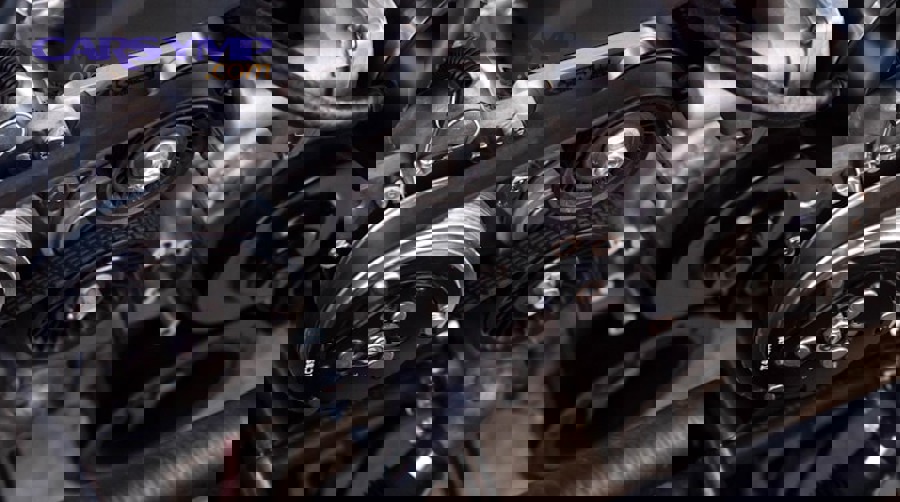
Most modern vehicles position the resonator in the mid-pipe section, approximately two to four feet before the rear muffler, though some manufacturers integrate the resonator and muffler into a single assembly. On trucks and SUVs, you’ll typically find a cylindrical resonator hanging beneath the passenger compartment area, suspended by rubber hangers and protected by a heat shield. The resonator sits downstream from the catalytic converter—which handles emissions reduction—and upstream from the muffler—which provides the final stage of sound dampening.
Vehicle-specific designs vary considerably: some European sports cars use multiple small resonators placed at strategic points throughout the exhaust system, while American trucks often employ a single large-diameter resonator positioned just before the muffler. Four-cylinder engines typically have smaller resonators focused on eliminating high-frequency whine, whereas V6 and V8 engines require larger resonators to manage the deeper frequencies produced by more cylinders firing.
Location matters significantly for diagnosis because resonators positioned lower to the ground suffer more impact damage from road debris and speed bumps, while those mounted higher experience less physical trauma but more heat-related degradation. You can visually identify your resonator by crawling underneath your vehicle with a flashlight and looking for a cylindrical or oval canister that’s noticeably larger in diameter than the exhaust pipes connecting to it. The resonator typically measures 12 to 20 inches long and 4 to 8 inches in diameter, with smooth outer walls that may have a heat shield wrapped around them.
Understanding your resonator’s position helps you access it for tap testing and allows you to differentiate its location-specific rattle from sounds originating at the catalytic converter (further forward) or muffler (further back). According to data from automotive repair surveys, resonators located in the center section of the exhaust system account for approximately 35% of all exhaust-related rattle complaints, making them a frequent culprit when diagnosing mysterious metallic sounds from underneath your vehicle.
What Are the Symptoms of Broken Resonator Internals?
The primary symptoms of broken resonator internals include a metallic rattling sound resembling loose change or rocks in a can, performance degradation from restricted exhaust flow, and temperature-dependent noise that varies between cold starts and fully warmed operation. You’ll notice the rattling intensifies during specific driving conditions: acceleration from a stop produces sharp clanking, cruising at steady speeds between 40-60 mph creates a persistent buzzing, and closing your car door after a long drive often triggers a brief rattle from residual vibrations traveling through the hot exhaust system. In severe cases where internal components completely collapse, you may experience reduced throttle response, decreased fuel economy, and occasionally a check engine light indicating excessive exhaust back pressure.
Recognizing these symptoms early prevents minor annoyances from escalating into performance-robbing failures. To help you identify exactly what you’re hearing and when it matters most, let’s examine the sound characteristics and performance impacts in detail.
What Does a Rattling Resonator Sound Like?
A rattling resonator produces a distinctive metallic clanking or jingling sound that automotive technicians commonly describe as “a baby rattle multiplied by ten” or “loose hardware bouncing in a coffee can.” The pitch sits in the mid-to-high frequency range—distinctly metallic rather than the deeper rumble of a muffler issue—and the rhythm follows your engine’s RPM, accelerating as you give it gas and decelerating as you let off the throttle. Unlike the constant drone of an exhaust leak or the ceramic rattle of a failing catalytic converter, resonator rattles come and go based on exhaust gas velocity and system vibration.
Temperature dramatically affects the sound intensity: during cold starts, the rattle is often loudest because metal components haven’t thermally expanded to fill their designed tolerances. As your exhaust heats up during the first five to ten minutes of driving, the loose baffles or tubes expand slightly and may temporarily wedge themselves into quieter positions, reducing or eliminating the rattle until the system cools again. This temperature-dependent behavior is the hallmark signature of internal resonator failure—if the rattle disappears when hot and returns when cold, you’re almost certainly dealing with loose internal components rather than external mounting issues.
The rattle manifests most prominently at specific RPM ranges where exhaust pulses create maximum vibration. Many drivers report the loudest rattling occurs between 1500-2500 RPM—the exact range used during gentle acceleration and steady cruising. At idle, the rattle may be barely audible or completely silent because exhaust flow velocity remains low. When you suddenly accelerate or downshift, the increased exhaust velocity can trigger violent rattling as loose components get buffeted by high-pressure gas pulses.
You can often hear the rattle from outside the vehicle when someone slams a door or drives over a speed bump, because the chassis vibration transfers through the exhaust hangers and shakes loose internals. This “door slam test” has become a popular diagnostic technique among mechanics—after driving the vehicle long enough to heat the exhaust, they stand near the rear bumper and have an assistant firmly close a door. If you hear a brief rattle emanating from the exhaust system, internal components are almost certainly loose.
Are There Performance Symptoms Beyond the Rattle?
Beyond the annoying sound, broken resonator internals can restrict exhaust flow and create measurable performance losses, though symptoms are typically subtle until the failure becomes severe. When baffles partially collapse or tubes bend inward, they reduce the effective diameter of the exhaust path and increase back pressure, forcing your engine to work harder to expel combustion gases. This added resistance manifests as sluggish acceleration—particularly noticeable when merging onto highways or climbing steep grades—and reduced fuel economy that can drop by 5-10% in extreme cases.
Modern engines equipped with oxygen sensors and sophisticated engine control units sometimes throw a check engine light when resonator restriction creates enough back pressure to disrupt the air-fuel mixture calculations. The most common diagnostic trouble code associated with resonator problems is P0420 (Catalyst System Efficiency Below Threshold), though this code more frequently indicates catalytic converter issues. If you see P0420 accompanied by rattling sounds, mechanics will typically inspect both the catalytic converter and resonator for internal damage.
In extreme scenarios where resonator internals completely collapse and block exhaust flow, you may experience difficulty starting the engine, stalling at idle, or complete failure to accelerate beyond low speeds. These severe symptoms occur rarely because most drivers replace their resonator long before internal components deteriorate to this degree. However, if you’ve been ignoring a progressively worsening rattle for months or years, total blockage becomes possible, especially in vehicles driven in harsh winter climates where road salt accelerates corrosion.
The oxygen sensors downstream of a collapsed resonator will read lean air-fuel ratios because excessive back pressure prevents normal exhaust evacuation, confusing the engine control unit and potentially causing rough idle, hesitation, and poor throttle response. According to diagnostic data from automotive service facilities, approximately 15% of vehicles with confirmed internal resonator damage show secondary performance symptoms beyond audible rattling, with fuel economy degradation being the most common measurable effect.
How Do You Diagnose Internal Resonator Rattles vs. External Exhaust Issues?
Diagnosing internal resonator rattles versus external exhaust issues requires a three-stage elimination process: first ruling out loose heat shields and hangers through visual inspection and tap testing, then confirming the sound originates specifically from inside the resonator chamber, and finally differentiating resonator failure from similar-sounding catalytic converter or muffler problems. The most reliable diagnostic method involves the “cool system tap test”—waiting until your exhaust is completely cool, crawling underneath with a rubber mallet, and systematically tapping each exhaust component while listening for internal rattles that sound distinctly different from the solid thud of healthy components.
Successfully pinpointing the exact source of exhaust rattles saves hundreds of dollars in unnecessary parts replacement and ensures you fix the actual problem rather than guessing. Let’s walk through each diagnostic stage systematically.
How to Test for Loose Heat Shields and Hangers First?
Begin your diagnosis by eliminating the most common external rattle sources: heat shields and rubber hangers. Heat shields are thin metal plates designed to protect your vehicle’s undercarriage from exhaust heat, and they’re fastened with clips, bolts, or spot welds that frequently corrode and loosen over time. With your vehicle safely supported on jack stands and the exhaust system completely cool, visually inspect every heat shield for rust damage, missing fasteners, or gaps between the shield and the component it covers.
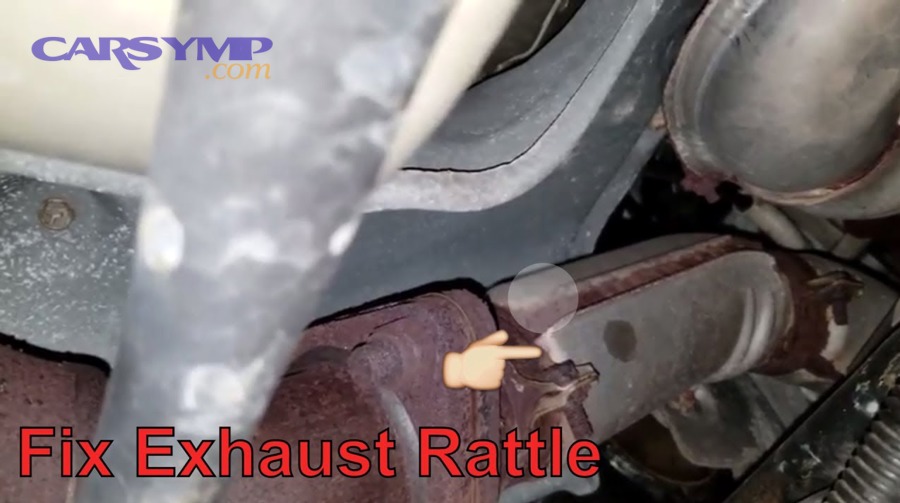
Perform the manual jiggle test by firmly grasping each heat shield and attempting to move it side-to-side and up-and-down. A properly secured heat shield should have zero movement or perhaps a few millimeters of flex, but a loose shield will rattle noticeably in your hand and produce the same metallic sound you hear while driving. Pay special attention to the large heat shield that typically covers the catalytic converter and the smaller shields surrounding the resonator—these are the most common rattle sources because they endure the highest temperatures and most severe corrosion.
Check rubber exhaust hangers by inspecting their condition and testing their grip. These donut-shaped rubber isolators connect metal loops on the exhaust system to hooks welded to your vehicle’s frame, and they deteriorate over time from heat exposure and age. Grasp the exhaust pipe near each hanger and pull downward—a failing hanger will stretch excessively or tear, allowing the exhaust to sag and potentially contact the undercarriage. Worn hangers create a low-frequency clunking sound rather than high-pitched rattling, but they can cause secondary rattles by allowing the entire exhaust system to shift and vibrate excessively.
Use a rubber mallet to tap each heat shield firmly while listening for loose components. A secure heat shield produces a dull thud, while a loose shield creates a tinny rattle that continues briefly after impact. If you find loose heat shields, you can temporarily secure them with stainless steel hose clamps (automotive technicians often string multiple clamps together for large components) or proper replacement hardware. Eliminating heat shield rattles first prevents you from mistakenly attributing external sounds to internal resonator damage.

How to Confirm the Rattle Is Coming from Inside the Resonator?
Once you’ve ruled out external sources, isolate the resonator specifically using the targeted tap test. With your rubber mallet or the back of your closed fist, strike the resonator housing firmly while listening closely to the sound it produces. A resonator with intact internals produces a solid, damped thud with minimal ring or reverberation, while a resonator with loose baffles or tubes generates a distinct secondary rattle—you’ll hear the initial impact followed immediately by internal components bouncing and settling.
The isolation technique requires systematically tapping every exhaust component in sequence: start at the catalytic converter, move to the resonator, then finish at the muffler. This comparative approach helps you recognize the difference between healthy and damaged components. When you tap a damaged resonator, you’ll hear what technicians call “rattle after-ring”—a brief half-second of internal movement following your impact that sounds like loose change settling in a can.
If your resonator is accessible and held by bolt-on clamps rather than welded connections, the shake test provides definitive confirmation. With the exhaust cool and wearing protective gloves, firmly grasp the resonator and shake it vigorously in all directions. Internal components that have broken loose will create obvious metallic rattling that you can both hear and feel through the housing. This test works best on vehicles where the resonator can be partially removed without cutting, though most modern exhaust systems use welded construction that makes removal impractical for diagnosis.
The door slam test offers another confirmation method that’s particularly effective after driving your vehicle long enough to heat the exhaust system. Park on level ground, exit the vehicle, and position yourself near the rear bumper where you can clearly hear the exhaust. Have an assistant firmly close the driver’s door—not slam it violently, but close it with enough force to create a solid thud. The chassis vibration transmits through the exhaust hangers and shakes any loose internal components, producing a brief rattle if baffles or tubes have broken free.
Pay attention to operating condition tests that help differentiate internal resonator rattles from other issues. Drive your vehicle through various scenarios while listening carefully: accelerate briskly from a stop to hear if the rattle intensifies with exhaust gas velocity, cruise at steady speeds in the 1500-2500 RPM range where drone typically occurs, and monitor whether the rattle changes with engine temperature. Internal resonator rattles are notoriously RPM-specific and temperature-dependent—they appear at certain speeds and thermal conditions, then vanish outside those parameters.
Is It the Resonator or Another Exhaust Component Rattling?
Differentiating resonator rattles from catalytic converter or muffler failures requires understanding the unique sound signatures and failure patterns of each component. Catalytic converter rattles result from broken ceramic honeycomb substrate inside the catalyst housing—these pieces are lighter and more fragile than metal baffles, producing a higher-pitched ceramic-on-metal chatter rather than the heavier metallic clanking of loose steel components. When you tap a failing catalytic converter with a rubber mallet, you’ll hear a distinct ceramic rattle that sounds like broken pottery shards, and the converter often exhibits performance symptoms like reduced acceleration and P0420 diagnostic codes.
Location provides the quickest differentiation clue: catalytic converters sit immediately downstream from the exhaust manifold or turbocharger, usually within the first two feet of the exhaust system, while resonators occupy the mid-pipe section much farther back. If you’re lying underneath your vehicle, you can trace the exhaust path from front to back—the larger cylindrical component closest to the engine is the catalytic converter, and the similar-shaped component near the center or rear is the resonator.
Muffler internal failures produce rattling that’s often deeper in tone and located at the very rear of the exhaust system. Mufflers contain larger baffles and sometimes fiberglass packing material that can disintegrate and create rumbling sounds rather than sharp metallic rattles. A failing muffler typically shows visible rust perforation or physical damage to its outer housing, and the rattling often accompanies a noticeable increase in exhaust volume—the vehicle sounds louder overall because the muffler’s sound-dampening ability has degraded.
Sound location techniques help you pinpoint which component is failing. Recruit an assistant to drive the vehicle slowly while you walk alongside listening to where the rattle originates. This method works best in empty parking lots or quiet streets where ambient noise won’t mask the rattle. Have your assistant accelerate gently through the RPM range where the rattle is loudest while you track the sound source by ear. Most people can locate rattles to within 12-18 inches using this technique, which is accurate enough to distinguish between adjacent components.
Consider the possibility of catalytic converter debris migrating into your resonator—a less common but documented failure mode. When catalytic converter substrate breaks apart severely, ceramic fragments can travel downstream through the exhaust pipe and lodge inside the resonator chamber. This scenario produces rattling that seems to originate from the resonator even though the root cause is catalytic converter failure. If you suspect this condition, inspect the catalytic converter first using the tap test, and look for a P0420 code or performance symptoms that indicate catalyst efficiency problems.
The table below compares the key diagnostic indicators for each exhaust component:
| Component | Rattle Sound | Typical Location | Associated Symptoms | Tap Test Result |
|---|---|---|---|---|
| Resonator | Metallic clanking, “rocks in can” | Mid-pipe, 2-4 feet before muffler | Temperature-dependent, RPM-specific | Secondary rattle after impact |
| Catalytic Converter | Ceramic chatter, higher pitch | Front section, near engine | Reduced performance, P0420 code, sulfur smell | Broken pottery sound |
| Muffler | Deep rumbling, lower frequency | Rear section, at tailpipe | Increased exhaust volume, visible rust | Dull thud or heavy rattle |
| Heat Shield | Tinny vibration, thin metal | Various locations covering components | Changes with body vibration, touch-sensitive | Loose rattling in hand |
This comparison table helps you systematically eliminate each possibility and confirm your resonator as the rattle source before proceeding with repairs.
What Causes Resonator Baffles and Tubes to Break Loose?
Resonator baffles and tubes break loose primarily due to weld corrosion from moisture condensation, chronic vibration fatigue from normal driving conditions, and external impact damage from road debris, with most failures occurring after 80,000-150,000 miles of operation. The failure process typically begins at weld joints where perforated tubes attach to the resonator housing—these welds endure extreme temperature cycling from cold starts to operating temperatures exceeding 800°F, creating thermal expansion and contraction stresses that gradually crack the metal. Once microscopic cracks form, they allow moisture intrusion, accelerating corrosion until the weld fails completely and internal components detach from their mounting points.
Understanding why resonators fail helps you prevent premature replacement and make informed decisions about repair quality. Let’s examine each failure mechanism in detail.
How Does Corrosion Cause Internal Resonator Failure?
Corrosion attacks resonator internals through a combination of moisture condensation, acidic exhaust byproducts, and external environmental exposure. During cold starts, water vapor in exhaust gases condenses on the cool metal surfaces inside your resonator, and this moisture collects in low points where it can’t easily evaporate. The condensed water combines with sulfur dioxide and nitrogen oxides from combustion to form weak sulfuric and nitric acids that eat away at steel surfaces, particularly at weld joints where metal thickness is minimal and heat-affected zones create vulnerability.
Road salt accelerates the corrosion process dramatically in cold-weather climates. Salt-laden slush kicked up from winter roads coats the exterior of your exhaust system, and salt moisture penetrates through any tiny perforation or seam in the resonator housing. Once inside, sodium chloride solution corrodes the weld beads holding baffles and tubes in place, causing rapid deterioration compared to vehicles driven in dry climates. This explains why resonators in northern states often fail within 5-7 years, while the same components in southern states can last 10-15 years or longer.
Material deterioration over time compounds the corrosion problem. Most factory resonators use aluminized steel construction—mild steel coated with an aluminum-silicon alloy that provides moderate corrosion resistance at reasonable cost. The aluminum coating protects the base steel initially, but road impacts, thermal cycling, and chemical exposure gradually compromise the coating, exposing bare steel underneath. Once exposed, the steel oxidizes rapidly, forming rust that expands and creates internal stresses, further accelerating component separation.
Weld point corrosion represents the critical failure mode because welds create narrow zones of concentrated stress where cracks initiate preferentially. The welding process itself alters the metal’s crystalline structure in the heat-affected zone surrounding each weld, making this area more susceptible to corrosion than the base metal. When moisture and acids attack these already-vulnerable zones, the welds fail relatively quickly, allowing baffles to pivot on remaining attachment points or tubes to break completely free and rattle inside the chamber.
According to corrosion studies conducted by automotive materials engineers, resonators exposed to winter road salt environments experience accelerated weld degradation at rates 3-5 times faster than those in salt-free climates, with the majority of failures occurring at the tube-to-housing weld interfaces where stress concentration is highest.
Can Road Impacts and Vibration Break Resonator Internals?
Physical impacts from speed bumps, potholes, and road debris can crack welds and dislodge internal resonator components even in relatively new vehicles. The resonator hangs beneath your vehicle supported only by rubber isolators, making it vulnerable to strikes from debris kicked up by tires or direct contact with road irregularities when ground clearance is limited. A single severe impact—like bottoming out over a speed bump at excessive speed—can crack weld joints instantly, while accumulated smaller impacts over thousands of miles create fatigue cracks that eventually propagate to failure.
Chronic vibration wear represents a more insidious failure mechanism that affects all vehicles regardless of driving conditions. Every time your engine fires, it generates exhaust pulses that travel through the system as pressure waves, causing the resonator and its internal components to vibrate at frequencies determined by engine RPM and exhaust system design. These vibrations stress weld joints millions of times over the vehicle’s lifetime—if your engine idles at 700 RPM, that’s 42,000 vibration cycles per hour of operation, or roughly 1 million cycles every 24 hours of runtime.
Fatigue cracks initiate at points of stress concentration, which in resonators means weld toes and root penetration zones where geometric discontinuities exist. Once a microscopic crack forms, each subsequent vibration cycle opens and closes the crack slightly, propagating it deeper into the metal through a process metallurgists call “crack growth.” The crack advances invisibly for thousands of cycles until it reaches critical length, at which point the remaining metal can no longer support the load and the weld fails suddenly, releasing the baffle or tube.
Poor road conditions accelerate vibration-induced failures significantly. Vehicles driven primarily on rough gravel roads, potholed urban streets, or poorly maintained highways experience higher-amplitude vibrations that stress weld joints more severely than smooth highway driving. The combination of harsh vibrations and corrosive environments creates worst-case conditions—you’ll find the shortest resonator lifespans in northern regions with aggressive winter road maintenance and deteriorating infrastructure.
Impact from road debris poses a unique threat because it can bend perforated tubes without immediately creating obvious external damage. If a large rock strikes the resonator housing hard enough, it can dent the outer shell inward, forcing internal tubes out of alignment and creating interference between components that weren’t designed to contact each other. This interference generates rattling even though the welds remain intact, and the problem worsens over time as vibration causes the misaligned components to work against each other and eventually break free.
Do Aftermarket Resonators Fail More Often Than OEM Parts?
Aftermarket resonators show significantly higher failure rates than OEM components, primarily due to cost-cutting measures that compromise weld quality, material thickness, and manufacturing precision. Budget-friendly aftermarket resonators—those priced 50-70% below OEM equivalents—typically use thinner-gauge steel (often 18-20 gauge versus 14-16 gauge OEM), fewer or shorter weld beads at critical joints, and lower-quality aluminized coating that provides inferior corrosion protection. These compromises allow manufacturers to hit aggressive price points but result in resonators that may fail within 20,000-40,000 miles rather than lasting the 100,000+ miles expected from OEM parts.
Quality differences between aftermarket brands vary enormously. Premium aftermarket manufacturers like Walker, Magnaflow, and Borla produce resonators that meet or exceed OEM specifications, using quality materials and manufacturing processes that deliver comparable or superior longevity. These premium aftermarket parts typically cost only 10-20% less than OEM but offer significant advantages like stainless steel construction (which virtually eliminates corrosion) and lifetime warranties. In contrast, budget brands sold through discount auto parts stores often come from overseas manufacturers with minimal quality control and no warranty beyond 30-90 days.
Fitment issues plague many aftermarket resonators and contribute to premature failure even when the component quality is acceptable. Generic “universal fit” resonators require cutting and custom welding to install, and improper positioning can create stress points or misalignment that accelerates failure. Mounting the resonator at a different angle than factory specifications changes how exhaust gas flows through the internal chambers and can increase turbulence and vibration, stressing welds beyond their design limits.
Weld quality variations represent the most significant differentiator between good and poor aftermarket resonators. OEM resonators feature robotic MIG or TIG welds with consistent penetration, proper heat input, and minimal porosity, while cheap aftermarket units may use stick welding with inconsistent penetration, excessive spatter, and weak fusion. You can sometimes identify poor weld quality by visual inspection—look for welds that appear lumpy, irregular, or have visible pinholes, all indicators of substandard welding that will fail prematurely.
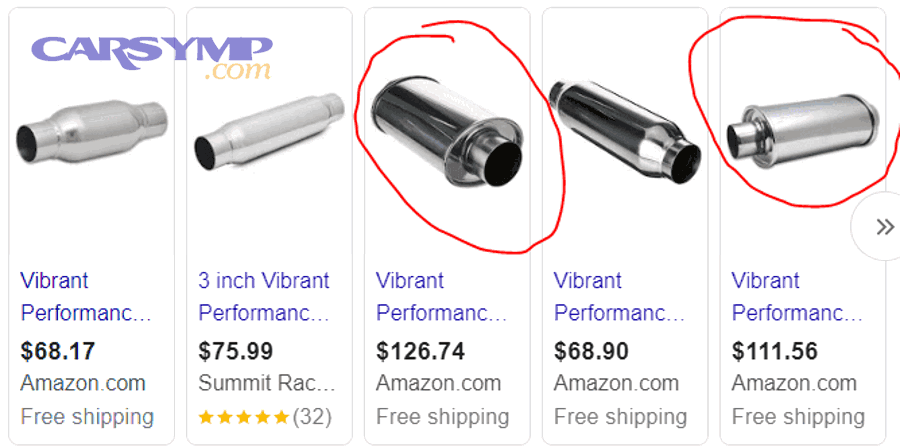
Cost versus longevity tradeoffs require careful consideration when choosing resonator replacement. A $75 discount resonator might save you money initially but could fail within two years, requiring reinstallation labor that costs more than the parts savings. Meanwhile, a $200 premium aftermarket or $300 OEM resonator might last the remaining lifetime of your vehicle, making it far more economical over the long term. Calculate the total cost including installation labor—most exhaust shops charge $100-200 for resonator replacement, so the labor cost often exceeds the parts cost for budget components.
According to warranty claim data from major auto parts retailers, budget aftermarket resonators generate warranty returns at rates 6-8 times higher than premium aftermarket or OEM components, with internal rattle being the most common failure mode reported within the first year of installation.
What Are Your Repair and Replacement Options?
Your repair and replacement options for a rattling resonator range from temporary DIY fixes like the dimpling technique that quiets loose internals without replacement, to complete resonator replacement with OEM or aftermarket parts, to resonator deletion where you remove the component entirely and install a straight pipe. The optimal solution depends on rattle severity, your vehicle’s age, your budget constraints, and whether you prioritize maintaining factory exhaust sound characteristics or prefer the deeper tone that comes with resonator removal. Most automotive technicians recommend against attempting repairs on severely corroded resonators and instead advocate for quality replacement parts installed by professionals with proper welding equipment.
Choosing the right repair strategy saves money while ensuring your vehicle’s exhaust system functions properly for years to come. Let’s examine each option in detail, starting with the quick fixes you can attempt at home.
Can You Repair a Rattling Resonator Without Replacing It?
The DIY dimpling technique offers a temporary fix for resonators with loose internal components by creating indentations in the outer housing that wedge against moving parts and stop rattling. Using a ball-peen hammer, you carefully strike the resonator’s outer shell at strategic points to create dimples that extend inward, physically blocking loose baffles or tubes from vibrating freely. The technique works best on single-chamber resonators with accessible outer surfaces, and skilled DIYers report success rates around 60-70% for temporary rattle elimination that lasts several months to a year.
To perform the dimpling technique safely, wait until your exhaust system is completely cool, support the resonator to prevent damage to exhaust hangers, and strike the housing with controlled blows—too light and you won’t create sufficient dimpling, too heavy and you risk cracking the outer shell or creating exhaust leaks. Start with gentle taps and gradually increase force while testing the results after every few strikes. Position your dimples strategically: if you can determine where the loose component moves inside, place dimples to block that specific area rather than randomly denting the entire housing.
The self-tapping screw method represents another DIY approach where you drill small holes through the resonator housing and install self-tapping screws with fender washers and muffler sealant, attempting to catch or pin the loose internal components. This technique carries significant risks—you’re intentionally creating penetrations in your exhaust system that can become leak points, the screws may break off inside the resonator, and you could damage perforated tubes or baffles beyond repair. Most professional technicians advise against this method because the risk of making the problem worse outweighs the potential benefit.
When repair attempts make things worse, you’ll know immediately: increased rattling, new exhaust leaks creating hissing sounds, or complete blockage if screws or dimples obstruct exhaust flow. At this point, resonator replacement becomes mandatory rather than optional, and you’ve added complexity to what should have been a straightforward parts swap. The lesson learned by many DIYers who attempt aggressive repairs is that investing $200-400 in proper replacement saves the frustration and additional expense of failed repair attempts.
Understanding the limitations of temporary fixes helps set realistic expectations. The dimpling technique might quiet your rattle for a few months, buying you time to budget for proper replacement or to drive the vehicle through winter before addressing the problem permanently. However, these fixes rarely last long-term because they don’t address the root cause—corroded welds and deteriorated internal components continue degrading regardless of external modifications.
Should You Replace or Remove the Resonator?
Resonator replacement represents the most straightforward solution that restores factory exhaust sound characteristics and ensures proper exhaust system function. The procedure involves cutting the old resonator from the exhaust pipe at both inlet and outlet connections, sliding the new resonator into position, and either welding it permanently or securing it with band clamps depending on your preference and your exhaust shop’s capabilities. Professional installation with welding typically costs $100-200 for labor plus parts, taking 1-2 hours to complete including time for the vehicle to cool if it was recently driven.
The resonator deletion or “resonator delete” option appeals to enthusiasts who want a deeper, more aggressive exhaust note without the expense of purchasing a replacement component. Instead of installing a new resonator, the shop cuts out the old one and welds in a straight section of pipe of matching diameter, maintaining exhaust flow while eliminating the sound-tuning effect the resonator provided. This modification costs less than replacement—typically $75-150 for labor only—but permanently changes your vehicle’s sound characteristics.
Sound level changes from resonator removal vary by vehicle but generally increase overall exhaust volume by 3-8 decibels and introduce drone at cruising speeds. The drone occurs because you’ve eliminated the specific frequency cancellation the resonator provided, allowing those frequencies to resonate through your cabin. Some drivers appreciate the sportier sound, while others find the constant drone on highway drives intolerable and regret the modification. Before committing to resonator deletion, search online forums specific to your vehicle make and model to read firsthand accounts of sound changes others experienced.
Emission testing implications depend on your state’s inspection requirements. The resonator itself doesn’t affect emissions—it purely manages sound—so removing it won’t cause you to fail emissions tests that measure exhaust gas composition. However, some states have noise restrictions or visual inspection requirements that could flag a missing resonator if inspectors are thorough. Check your local regulations before proceeding with resonator deletion to avoid inspection failures.
Warranty considerations apply if your vehicle is still under factory powertrain warranty or if you’ve purchased an extended warranty. Modifying the exhaust system can void warranty coverage for related components, and dealerships may refuse to perform warranty repairs on exhaust, sensors, or catalytic converters if they discover aftermarket modifications. If warranty protection matters to you, stick with OEM resonator replacement rather than deletion or aftermarket upgrades.
How Much Does Resonator Replacement Cost?
Parts costs for resonator replacement range from $75-150 for budget aftermarket components, $150-300 for premium aftermarket brands like Walker or Magnaflow, and $250-500 for OEM parts directly from vehicle manufacturers. The wide price variance reflects quality differences, material choices (aluminized steel versus stainless steel), and warranty coverage—budget parts typically carry 1-year warranties, premium aftermarket offers lifetime warranties, and OEM parts include 2-3 year manufacturer warranties.
Labor costs at professional exhaust shops typically run $100-200 for resonator replacement, though prices vary significantly by region and shop type. Independent muffler shops usually charge less than dealerships, with hourly rates ranging from $75-120 versus $120-180 at franchised dealers. The job requires 1-2 hours depending on resonator accessibility, whether welding or clamps are used, and whether the technician encounters seized or corroded hardware that complicates removal.
DIY savings potential is substantial if you have basic welding skills and equipment—you’ll pay only for parts and consumables (welding wire, grinding discs), saving the entire labor charge. However, exhaust work requires specific tools and safety equipment: a quality MIG welder capable of welding thin steel, proper exhaust pipe cutting tools, jack stands rated for your vehicle’s weight, and safety gear including respirators to avoid inhaling metal fumes. If you don’t already own this equipment, purchasing it solely for one resonator replacement makes little economic sense.
Total cost comparison helps illustrate your options clearly. A complete professional resonator replacement with OEM parts typically costs $350-700 all-in, while premium aftermarket replacement runs $250-500, budget aftermarket falls in the $175-350 range, and DIY replacement with quality parts costs $150-300 depending on parts choice. Resonator deletion (straight pipe installation) costs $75-150 at exhaust shops, making it the least expensive option if you’re willing to accept the sound changes.
When evaluating Resonator replacement cost estimates, consider longevity and total cost of ownership. A $175 budget replacement that lasts 2-3 years costs $58-88 per year of service, while a $400 stainless steel resonator that lasts 10+ years costs $40 or less annually—the premium part actually delivers better value despite the higher upfront investment. Factor in installation labor that you’ll pay repeatedly if cheap parts fail prematurely, and the economics clearly favor quality components for most vehicle owners.
According to pricing data collected from exhaust repair facilities across the United States in 2024-2025, the national average total cost for professional resonator replacement using quality aftermarket parts is approximately $325, with regional variations of ±$75 depending on local labor rates and parts availability.
What Other Issues Can Mimic Resonator Internal Rattles?
Several exhaust and chassis issues can mimic internal resonator rattles, including catalytic converter substrate failure that produces ceramic rattling, loose heat shields creating metallic vibration, muffler baffle deterioration generating similar clanking sounds, and even non-exhaust issues like loose brake dust shields or transmission heat shields that happen to rattle at the same frequencies. The key to differential diagnosis lies in understanding the unique sound signatures, locations, and operating characteristics of each potential source—catalytic converter rattles typically occur closer to the engine and produce higher-pitched ceramic sounds, heat shields rattle consistently regardless of exhaust temperature, and muffler issues manifest at the very rear of the vehicle with deeper tones than resonator problems.
Accurately differentiating these conditions prevents wasted money on unnecessary resonator replacement when the actual culprit lies elsewhere in your exhaust or chassis systems. Let’s examine each condition that commonly gets confused with resonator rattles.
How Are Catalytic Converter Rattles Different from Resonator Rattles?
Catalytic converter rattles stem from broken ceramic honeycomb substrate inside the catalyst housing, producing a distinctly different sound character than resonator baffles clanking against metal walls. When the ceramic substrate cracks due to thermal shock, physical impact, or contamination from engine oil consumption, the broken pieces float freely inside the catalytic converter and create a light, chattering rattle that sounds like broken pottery or marbles rolling in a can. This ceramic-on-metal contact produces higher-frequency sounds compared to the heavier, more metallic clanking of loose steel baffles in a resonator.
Sound differences provide the primary diagnostic clue—catalytic converter rattles have a brighter, almost tinkling quality, while resonator rattles sound deeper and more substantial. When you tap a failing catalytic converter with a rubber mallet, you’ll hear loose material shifting inside that’s unmistakably ceramic rather than metal-on-metal. The rattle from a damaged catalyst also tends to be more constant across operating conditions because broken ceramic pieces continue moving regardless of exhaust temperature or gas velocity.
Diagnostic distinctions become clearer when you consider symptom patterns. Catalytic converter failure almost always accompanies performance issues: reduced acceleration, poor fuel economy, sulfur smell from the exhaust (rotten egg odor), and illuminated check engine lights. The most common diagnostic code associated with catalyst failure is P0420 (Catalyst System Efficiency Below Threshold), which indicates the downstream oxygen sensor detects insufficient emission reduction across the catalytic converter.
P0420 code correlation provides a definitive clue—if your check engine light is on and scan tool diagnosis reveals P0420, combined with rattling sounds from the forward section of the exhaust, you’re almost certainly dealing with catalytic converter failure rather than resonator damage. Resonators don’t affect emissions and won’t trigger efficiency codes because they contain no oxygen sensors or emission-control components.
Understanding why catalytic converter debris can end up in your resonator explains some confusing diagnostic scenarios. When a catalytic converter fails catastrophically and breaks apart substantially, the ceramic fragments travel downstream with exhaust flow and can lodge inside your resonator chamber. This creates a situation where the rattle appears to originate from the resonator (because that’s where the debris currently sits) even though the root cause is catalyst failure. If you replace only the resonator in this scenario, the rattle may temporarily disappear but will likely return once more ceramic debris migrates from the still-damaged catalytic converter.
What’s the Difference Between Heat Shield Rattles and Internal Component Rattles?
Heat shield rattles originate from thin metal panels that protect your vehicle’s undercarriage from exhaust heat, and they produce characteristically tinny, vibration-based sounds that differ markedly from the substantial metallic clanking of internal resonator failures. External heat shields rattle when their mounting clips, bolts, or spot welds corrode and loosen, allowing the shield to vibrate against either the exhaust component it covers or the vehicle’s chassis. The resulting sound is higher-pitched and less rhythmic than internal rattles, often described as a buzzing or vibrating noise rather than distinct clanking.
Sound characteristics help you differentiate heat shield issues immediately: heat shield rattles change dramatically when you touch the suspect panel—even light finger pressure that wouldn’t affect internal components can completely silence an external heat shield rattle. This touch sensitivity provides a simple diagnostic test: if you can stop the rattle by pressing on a metal panel, you’re dealing with an external mounting issue rather than internal component failure.
Testing methods to distinguish between external and internal rattles include the tap test covered earlier, but add this specific variation: after tapping the resonator housing and hearing a rattle, immediately press your hand firmly against the outer surface. If the rattle continues or intensifies when you press on the housing, the noise originates internally. If pressing on the housing stops the rattle, you’ve likely got a loose heat shield or external bracket issue rather than internal component failure.
Fix complexity comparison strongly favors heat shield repairs—tightening or replacing heat shield hardware typically costs $20-50 in parts and can be accomplished in 30 minutes, while internal resonator issues require $200-400 and several hours for proper resolution. This vast difference in repair scope makes it critically important to correctly identify heat shield rattles and fix them immediately rather than ignoring them or mistakenly attributing them to more serious internal problems.
Common misdiagnosis scenarios occur frequently because heat shields cover many exhaust components including resonators, and the rattle seems to emanate from the same general location. Many vehicle owners replace resonators only to discover the rattle persists because they never fixed the actual culprit—the loose heat shield surrounding the resonator. Always eliminate heat shield issues first using visual inspection and the touch test before proceeding to more expensive internal component diagnosis.
Can Resonator Rattles Trigger Knock Sensors or Check Engine Lights?
In rare cases, severe resonator rattles can trigger knock sensors and cause unusual engine control unit responses, though this scenario occurs infrequently and only under specific conditions. Knock sensors are piezoelectric accelerometers mounted on the engine block that detect high-frequency vibrations characteristic of engine knock (premature detonation), and they operate in frequency ranges that can overlap with mechanical rattles transmitted through the exhaust system. When a violently rattling resonator creates vibrations that travel forward through exhaust pipes and hangers to the chassis and eventually to the engine block, sensitive knock sensors may interpret these vibrations as engine knock.
Frequency overlap between rattles and engine knock occurs in the 4-8 kHz range where both phenomena produce acoustic energy. Modern knock sensors are designed to filter out most non-knock vibrations, but severe exhaust rattles that generate sustained high-frequency noise can occasionally fool the detection algorithms. When the ECU interprets exhaust rattles as knock, it responds by retarding ignition timing to protect the engine, which reduces power output and can create a noticeable performance decrease beyond what the resonator restriction alone would cause.
ECU response to false knock signals manifests as timing retardation, which you’ll feel as reduced throttle response and sluggish acceleration. The engine control unit doesn’t necessarily set a diagnostic trouble code for knock detection—it simply adapts timing in real-time based on knock sensor input. You can monitor this behavior using an OBD-II scan tool capable of displaying live data for ignition timing advance; if you see timing being pulled back (becoming less advanced) during conditions when the rattle is present, the knock sensor may be responding to exhaust vibrations.
Diagnostic trouble code possibilities are limited because resonator failure doesn’t directly trigger sensors in most vehicles. However, if resonator restriction becomes severe enough to affect exhaust backpressure substantially, you might see codes related to oxygen sensor performance (P0131-P0141 range) or in extreme cases, catalyst efficiency codes (P0420/P0430). These codes don’t indicate resonator failure specifically—they show secondary effects of exhaust restriction affecting sensor readings.
When to suspect resonator instead of actual engine issues becomes clearer when you correlate the “knock” symptoms with exhaust rattle presence. If your vehicle exhibits timing retardation and performance loss that appears simultaneously with audible resonator rattling and disappears when the rattle quiets (such as after the exhaust heats up), you can reasonably conclude the knock sensor is responding to exhaust vibrations rather than detecting true engine knock. True engine knock typically occurs under load regardless of exhaust temperature and presents with consistent patterns based on operating conditions.
Does Resonator Position (Pre-Muffler vs. Mid-Pipe) Affect Rattle Characteristics?
Resonator positioning within the exhaust system significantly affects rattle characteristics, sound transmission patterns, and failure rates due to temperature differences, road debris exposure, and distance from the cabin. Pre-muffler resonators positioned in the center section of the exhaust (typically beneath the passenger compartment) experience moderate temperatures of 400-600°F during normal operation and endure higher vibration levels from engine pulses that haven’t been dampened by the muffler yet. These resonators develop temperature-dependent rattles that are clearly audible in the cabin because they’re located directly beneath passengers’ feet.
Temperature differences by location create distinct failure patterns—resonators closer to the engine run hotter and experience more severe thermal cycling, accelerating weld fatigue and corrosion at attachment points. Conversely, resonators positioned farther back in the system (near the muffler) operate at lower temperatures and may develop rattles more slowly, but they’re more susceptible to impact damage from road debris and low ground clearance issues because they hang lower as the exhaust system slopes downward toward the rear.
Exposure to road debris correlation shows that rear-mounted resonators suffer more physical impact failures while mid-pipe resonators fail primarily from corrosion and vibration. If you frequently drive on gravel roads or in areas with poor pavement, rear resonators take more abuse from rocks kicked up by the rear tires. Front-section resonators are somewhat protected by their position ahead of the rear axle but experience harsher vibrations from being closer to the engine’s firing impulses.
Sound transmission differences depend heavily on resonator location relative to the passenger cabin. Mid-pipe resonators positioned directly under the floor transmit rattles efficiently into the cabin through the floor panels and seats, making even moderate rattles annoying to occupants. Rear-mounted resonators near the bumper may produce equally severe rattles that are less intrusive in the cabin because sound dissipates before reaching passengers, though they’re clearly audible to people standing outside the vehicle.
Vehicle-specific design considerations vary dramatically between vehicle types—trucks and SUVs with higher ground clearance can position resonators lower without impact concerns, while sports cars and sedans with minimal ground clearance must mount resonators higher and closer to the underbody, affecting heat retention and rattle transmission. Four-wheel drive trucks often integrate resonators into the mid-pipe section between the transfer case and rear axle where they’re protected from impact but exposed to flexing from chassis articulation on rough terrain.
According to exhaust system acoustic studies conducted by automotive NVH (noise, vibration, harshness) engineers, resonators positioned in the center third of the exhaust system (between catalytic converter and muffler) generate cabin noise levels approximately 40% higher than equivalent rattles from rear-section resonators, making position a critical factor in how annoying a given rattle will be to vehicle occupants.
Diagnosing rattles from resonator internals requires systematic elimination of external rattle sources, careful attention to sound characteristics and operating conditions, and understanding that most failures stem from corroded welds allowing baffles or perforated tubes to break loose after 80,000+ miles of operation. The diagnostic process outlined in this guide—starting with heat shield and hanger inspection, progressing to resonator-specific tap tests and operating condition analysis, and finally differentiating resonator issues from similar catalytic converter or muffler problems—provides a logical framework that saves diagnostic time and prevents unnecessary parts replacement.
Whether you choose temporary DIY fixes, professional resonator replacement, or resonator deletion depends on your budget, tolerance for exhaust sound changes, and how long you plan to keep the vehicle. Remember that resonator replacement cost estimates averaging $325 for quality professional work represent good value when compared to the cumulative expense and frustration of repeated cheap replacements, and that understanding Resonator vs muffler function explained helps you make informed decisions about which components require attention. For those experiencing annoying highway drone in addition to rattles, Exhaust drone diagnosis and fixes often point back to resonator issues as the primary culprit, making proper diagnosis and repair essential for comfortable long-distance driving.