


resonator replacement costs range from $100 to $600+ in 2026, with most vehicle owners paying between $150 and $400 for a complete replacement including parts and labor. The final price depends on your vehicle type, the resonator quality you choose, the shop you visit, and whether the installation requires welding or simple bolt-on mounting. Understanding these cost factors helps you budget accurately and avoid overpaying for this essential exhaust system repair.
The total expense breaks down into two main components: parts and labor. Aftermarket resonators typically cost $35 to $150, while OEM (original equipment manufacturer) parts range from $150 to $400 or more. Labor charges vary significantly based on shop type, with independent muffler shops charging $60 to $150, chain stores like Midas or Meineke pricing services at $150 to $350, and dealerships commanding $300 to $600+ for the same work. Installation complexity also affects pricing—bolt-on resonators require minimal labor time, while welded installations can add $50 to $200 to your bill.
Several vehicle-specific and situational factors influence resonator replacement pricing beyond the basic parts and labor split. Luxury and European vehicles generally cost more to repair due to premium OEM parts requirements and specialized labor. Rust damage in the exhaust system can increase costs substantially when corroded bolts need cutting or adjacent pipes require replacement. Regional differences also play a role, with labor rates varying between urban and rural areas, and rust-belt states facing higher replacement frequencies due to road salt exposure.
Smart car owners compare quotes across different service providers and understand when DIY replacement makes financial sense versus when professional installation proves necessary. To begin, let’s examine the current pricing landscape and what you should expect to pay for resonator replacement in 2026.
How Much Does Resonator Replacement Cost in 2026?
Resonator replacement costs between $150 and $400 for most vehicles in 2026, with parts averaging $35 to $250 and labor ranging from $60 to $200 depending on your service provider choice. The typical scenario involves an independent muffler shop installing an aftermarket resonator for approximately $200 total, though luxury vehicles and complicated installations can push costs to $600 or higher.
To better understand these price ranges, consider how different vehicle types and service scenarios affect your final bill. The national average represents a middle ground, but your specific situation may fall anywhere along the cost spectrum based on multiple factors.
What Is the Average Cost to Replace a Resonator?
The average resonator replacement costs $250 to $300 for most sedan and compact car owners using independent repair shops with quality aftermarket parts. This typical scenario includes a $75 to $150 aftermarket resonator unit and $100 to $150 in labor charges for approximately one hour of work. The final price varies based on whether your vehicle requires welding or accepts bolt-on installation, with bolt-on setups requiring less labor time and lower overall costs.
Independent muffler shops offer the best value for standard resonator replacements because they specialize in exhaust work, maintain competitive labor rates, and source quality aftermarket parts at wholesale prices. These shops typically charge $60 to $90 per hour for labor compared to dealership rates of $120 to $200 per hour. For a straightforward replacement on a common vehicle like a Honda Civic, Toyota Camry, or Ford F-150, expect to pay closer to the lower end of the average range. Vehicles with complicated exhaust routing, multiple resonators, or premium requirements push costs toward the higher end.
The most economical scenario combines purchasing your own aftermarket resonator online for $50 to $100 and having a local shop weld it in for $60 to $100 in labor. However, this approach requires you to ensure parts compatibility and forfeit any warranty coverage that comes with shop-supplied components. Most car owners find the convenience and peace of mind of full-service installation worth the modest additional cost over the pure DIY parts-only approach.
Does Resonator Replacement Cost Vary by Vehicle Type?
Yes, resonator replacement costs vary significantly by vehicle type, with sedans and compact cars averaging $150 to $300, SUVs and trucks ranging from $200 to $400, and luxury or European vehicles costing $300 to $600+ for the same service. The price differences stem from parts availability, labor complexity, and whether the vehicle requires OEM components to maintain performance standards or emissions compliance.
Sedans and compact cars represent the most affordable category for resonator replacement because they use standardized exhaust components with abundant aftermarket options. A Honda Accord, Toyota Corolla, or Nissan Altima typically accepts universal-fit resonators that cost $50 to $100 at auto parts stores. Installation takes 45 minutes to 1.5 hours for bolt-on systems, resulting in total costs of $150 to $250 at independent shops. These vehicles benefit from high-volume parts production that keeps prices competitive.
SUVs and trucks cost more to repair due to larger exhaust systems, increased ground clearance requiring more labor time, and heavier-duty components. A Ford F-150, Chevrolet Silverado, or Toyota 4Runner might need a resonator costing $100 to $200, with labor extending to 1.5 to 2 hours due to the size and weight of components. Total replacement costs typically range from $250 to $400. Dual exhaust systems common in trucks can double these costs if both sides require attention.
Luxury and European vehicles command premium pricing because they often require OEM parts to maintain vehicle performance and resale value. A BMW 3 Series, Mercedes-Benz C-Class, or Audi A4 might demand an OEM resonator costing $250 to $400+ from the dealership. Independent shops familiar with European vehicles can sometimes source quality aftermarket alternatives for $150 to $250, but specialized labor and tight engine bay access often push total replacement costs to $400 to $600. These vehicles also face higher labor rates due to the specialized knowledge required for proper installation.
What Is the Parts Cost for a Replacement Resonator?
Replacement resonator parts cost between $35 and $400 depending on whether you choose aftermarket or OEM components, with material quality, brand reputation, and vehicle compatibility driving price variations. Aftermarket resonators provide the most budget-friendly option at $35 to $150, while OEM parts from vehicle manufacturers range from $150 to $400+ but guarantee perfect fit and factory specifications.
The parts pricing landscape offers multiple quality tiers and sourcing options that significantly impact your total replacement cost. Understanding the trade-offs between aftermarket and OEM parts helps you make informed decisions based on your budget, vehicle age, and performance expectations.
How Much Does an Aftermarket Resonator Cost?
Aftermarket resonators cost $35 to $150 for most applications, with budget options starting around $35 to $60, mid-range quality parts priced at $60 to $100, and premium aftermarket brands commanding $100 to $150. Popular manufacturers like Walker, DynoMax, and Thrush produce reliable resonators at the lower price points, while performance-oriented brands such as Magnaflow, Vibrant Performance, and Borla offer higher-quality options with better materials and construction.
Budget aftermarket resonators ($35 to $60) typically feature aluminized steel construction that resists corrosion adequately in moderate climates but may rust faster in salt-exposed regions. These units work well for older vehicles where longevity beyond 3 to 5 years isn’t critical or for drivers planning to sell within a few years. Brands like Walker and Eastern Manufacturing produce these economy options, available at AutoZone, O’Reilly Auto Parts, and Advance Auto Parts locations nationwide.
Mid-range aftermarket resonators ($60 to $100) offer improved durability with better welding, thicker gauge steel, and sometimes stainless steel construction. DynoMax, Thrush, and Cherry Bomb produce popular options in this category that balance cost and quality effectively. These resonators typically last 5 to 8 years in normal conditions and 3 to 5 years in harsh salt environments. Car owners keeping vehicles long-term find this price tier offers the best value proposition.
Premium aftermarket resonators ($100 to $150) feature full stainless steel construction, precision welding, and superior internal baffling that reduces drone while maintaining exhaust flow. Magnaflow leads this category with resonators designed for both sound quality and longevity, often lasting 10+ years regardless of climate. Vibrant Performance and Borla also compete here with products favored by enthusiasts who want performance and durability without OEM pricing. These parts typically ship with limited lifetime warranties that transfer with vehicle ownership.
Online retailers like Amazon, RockAuto, and CarParts.com often price aftermarket resonators 20% to 40% below local auto parts stores, though shipping costs and wait times factor into the value equation. Purchasing parts online and bringing them to your mechanic for installation can save money but may void shop warranties and complicate returns if fitment issues arise.
How Much Does an OEM Resonator Cost?
OEM resonators cost $150 to $400+ depending on vehicle make and model, with economy brands like Honda and Toyota pricing parts at $150 to $250, mainstream manufacturers charging $200 to $300, and luxury brands commanding $300 to $500 or more for factory components. Dealerships maintain exclusive access to many OEM parts, though online OEM parts retailers like TascaParts, ECS Tuning, and OEM Auto Parts offer the same genuine components at 10% to 30% discounts.
Honda and Toyota OEM resonators represent the most affordable genuine parts option because these manufacturers produce high-volume components with efficient supply chains. A genuine Honda resonator for an Accord or Civic typically costs $150 to $200 from the dealership parts counter, while Toyota prices Camry or Corolla resonators similarly. These parts guarantee perfect fitment, factory specifications for sound and emissions, and typically come with 12-month warranties that protect against manufacturing defects.
Mainstream American and Korean brands like Ford, Chevrolet, Nissan, and Hyundai price OEM resonators at $200 to $300 for most models. A genuine Ford resonator for an F-150 or Mustang costs approximately $225 to $275 through dealership parts departments. These components ensure compatibility with factory exhaust hangers, flanges, and emissions systems—critical considerations for vehicles still under manufacturer warranty or in states with strict emissions testing requirements.
Luxury and European OEM resonators command premium pricing due to specialized engineering, lower production volumes, and brand positioning. BMW, Mercedes-Benz, Audi, and Porsche charge $300 to $500+ for genuine resonators that meet stringent performance and sound quality standards. A BMW 3 Series OEM resonator might cost $350 to $450, while a Porsche 911 component can exceed $600. Owners of these vehicles often accept higher parts costs to maintain resale value and ensure proper integration with sophisticated exhaust systems featuring active valves and sound management technology.
OEM parts become mandatory when your vehicle remains under factory warranty, as aftermarket installations can provide dealerships grounds to deny warranty claims on related components. Vehicles requiring emissions compliance in strict states like California, New York, and Massachusetts sometimes need OEM catalytic converters and resonators to pass inspection. Additionally, leased vehicles typically require OEM parts to avoid end-of-lease penalties for non-factory modifications.
What Factors Affect Resonator Parts Pricing?
Five primary factors affect resonator parts pricing: material composition, diameter and length specifications, performance versus stock design, single versus dual exhaust applications, and brand reputation with associated warranty coverage. Material choice creates the largest price differential, with aluminized steel resonators starting at $35 while T304 stainless steel variants of the same size cost $80 to $150 due to superior corrosion resistance and longevity.
Material composition directly correlates with product lifespan and cost. Aluminized steel resonators feature a thin aluminum coating over mild steel that provides basic rust protection suitable for 3 to 5 years in moderate climates. These economy materials keep prices low but deteriorate rapidly when exposed to road salt, making them poor choices for northern climates. 409 stainless steel offers improved corrosion resistance at moderate pricing ($60 to $90), lasting 5 to 8 years in most conditions. T304 stainless steel represents the premium option, resisting rust indefinitely in all climates while commanding price premiums of 50% to 100% over aluminized alternatives.
Diameter and length specifications impact pricing because larger resonators require more material and manufacturing complexity. A compact 2-inch diameter resonator measuring 12 inches long might cost $40 in aftermarket form, while a 3-inch diameter performance resonator extending 18 inches can cost $120 for the same material quality. Larger diameters suit high-performance applications and trucks with bigger engines, while smaller units serve economy cars adequately at lower price points.
Performance resonators designed to minimize backpressure while controlling sound cost 30% to 50% more than stock-style units due to advanced internal designs. Standard resonators use simple chamber and baffle designs that restrict flow moderately, costing $50 to $80 in quality aftermarket form. Performance-oriented resonators from Magnaflow, Vibrant, and DynoMax incorporate straight-through perforated cores with sound-dampening materials that maintain exhaust velocity while reducing noise, justifying prices of $100 to $150. These units appeal to enthusiasts seeking power gains and specific exhaust notes.
Dual exhaust systems require two resonators instead of one, effectively doubling parts costs. Vehicles with factory dual exhaust like the Ford Mustang GT, Dodge Charger, or Chevrolet Corvette need matched pairs that add $70 to $300 to the parts total depending on whether you choose budget or premium options. Some repair scenarios allow replacing only the failed resonator rather than both sides, though sound imbalance between old and new units sometimes proves noticeable.
Brand reputation influences pricing through perceived quality, warranty coverage, and market positioning. No-name imported resonators sell for $35 to $50 with minimal warranties and unknown longevity. Established brands like Walker and DynoMax charge modest premiums ($60 to $90) supported by decades of market presence and limited lifetime warranties. Premium brands such as Magnaflow and Borla command top pricing ($100 to $150+) justified by superior materials, extensive testing, and warranties that transfer with vehicle ownership—valuable for maintaining resale value.
What Is the Labor Cost for Resonator Installation?
Labor costs for resonator installation range from $60 to $200 depending on shop type, installation method, and job complexity, with independent muffler shops charging $60 to $150, chain stores pricing services at $100 to $200, and dealerships commanding $150 to $300 for identical work. Installation time typically spans 0.5 to 2 hours based on whether the resonator bolts on or requires welding, with rust damage and accessibility issues extending labor time and increasing costs.
Understanding labor pricing helps you evaluate quotes and select the most cost-effective service provider for your specific situation. The installation method—bolt-on versus welded—creates the largest labor cost differential and determines which shops can competently perform the work.
How Much Do Mechanics Charge for Resonator Installation?
Independent mechanics and muffler shops charge $60 to $150 for resonator installation, representing 0.5 to 2 hours of work at labor rates of $60 to $90 per hour depending on regional cost of living and shop expertise. Bolt-on installations requiring only socket wrenches and jack stands take 30 to 60 minutes and cost $30 to $90 in labor, while welded installations demanding cutting and fabrication skills extend to 1.5 to 2 hours and cost $90 to $150 or more.
Regional labor rate variations significantly impact installation costs across the United States. Urban areas with high costs of living like San Francisco, New York City, and Seattle see labor rates of $80 to $120 per hour at independent shops, while rural and lower-cost regions in the Midwest and South charge $50 to $70 per hour for comparable work. A bolt-on resonator replacement in rural Alabama might cost $60 total for labor, while the same job in Los Angeles runs $120 to $150 due to higher overhead and wage requirements.
Bolt-on resonator installations represent the quickest and least expensive labor scenario because they require minimal tools and skills. Vehicles equipped with factory flanges and clamp connections allow technicians to unbolt the old resonator, position the replacement, and secure it with new hardware in 30 to 60 minutes. This straightforward process costs $30 to $90 at independent shops charging $60 to $90 hourly rates. Modern vehicles from Honda, Toyota, and Ford often feature bolt-on exhaust systems that keep replacement costs low.
Welded installations demand specialized equipment and expertise that increase labor costs substantially. When exhaust systems lack flanges or when rust fuses components together, technicians must cut out the old resonator and weld in the replacement. This process requires cutting wheels, welding equipment, and skills to create leak-free, durable joints. Labor time extends to 1.5 to 2 hours, costing $90 to $180 at standard shop rates. The welding premium explains why some shops quote $200 to $250 for installations that should cost $150 for parts and labor combined—the welding component justifies the increase.
Rust damage and accessibility challenges can double labor time and costs beyond standard estimates. Severely corroded exhaust bolts often snap during removal, requiring penetrating oil, heat application, and sometimes drilling out broken fasteners. Resonators positioned near catalytic converters or tucked against the vehicle frame require extra maneuvering and patience. These complications extend labor time to 2 to 3 hours, pushing costs to $120 to $270 even at moderate shop rates. Northern vehicles exposed to road salt face these scenarios more frequently than Sun Belt cars with minimal corrosion.
Is Welding Required for Resonator Replacement?
Welding becomes necessary for resonator replacement when the exhaust system lacks bolt-on flanges, when rust has fused components together beyond safe separation, or when custom installations require fabrication work to ensure proper fitment. Approximately 60% of resonator replacements require welding due to corroded fasteners or systems originally welded at the factory, adding $50 to $200 to labor costs compared to simple bolt-on installations.
Factory-welded exhaust systems represent the most common scenario requiring welding for resonator replacement. Many vehicles from manufacturers including Chevrolet, Dodge, and Nissan feature exhaust systems welded continuously from catalytic converter to muffler without intermediate flanges or clamps. Replacing the resonator in these systems requires cutting the exhaust pipe on both sides of the failed unit, removing the old resonator, and welding the new component into place with precision to maintain proper alignment and prevent leaks. This fabrication work justifies labor charges of $100 to $200 depending on shop rates and job complexity.
Rust corrosion transforms bolt-on systems into welding jobs when fasteners become immovable through oxidation. Exhaust bolts and nuts exposed to road salt and moisture often corrode beyond normal removal methods within 5 to 7 years in rust-belt states. Technicians attempting to unbolt severely corroded connections frequently break fasteners or damage flanges, requiring cutting and welding to complete the installation. What should have been a 45-minute bolt-on job becomes a 1.5 to 2-hour welding project, increasing labor costs from $50 to $150 or more.
Custom installations for performance applications or non-standard exhaust configurations always require welding expertise. Enthusiasts installing larger-diameter resonators, performance exhaust systems, or custom dual exhaust setups need fabrication work to adapt new components to existing systems. These projects demand measuring, cutting, and welding skills to create durable, leak-free connections that maintain proper ground clearance and avoid heat damage to vehicle components. Custom fabrication labor costs $120 to $300+ depending on project scope and shop specialization.
Bolt-on options exist for many common vehicles when corrosion hasn’t compromised the exhaust system. Manufacturers including Honda, Toyota, and Ford increasingly design exhaust systems with flanged connections that accept clamp-on resonators. These systems use two or three-bolt flanges with gaskets that seal properly when new hardware compresses the connection. Bolt-on installations prove most reliable on vehicles under 5 years old in moderate climates where corrosion hasn’t degraded fasteners or flanges. Choosing bolt-on compatible resonators and addressing the repair before severe rust develops saves $50 to $150 in welding-related labor costs.
The welding quality significantly affects installation longevity and performance. Poor welding creates exhaust leaks that reduce engine performance, increase noise, and allow toxic fumes into the cabin through ventilation systems. Professional muffler shops employ certified welders who use MIG or TIG welding techniques appropriate for stainless steel and aluminized steel exhaust materials. Quality welding adds minimal time compared to poor workmanship that requires costly rework, making shop selection based on reputation rather than lowest price a wise investment for welded installations.
How Do Resonator Replacement Costs Compare by Shop Type?
Resonator replacement costs vary dramatically by shop type, with DIY parts-only approaches costing $35 to $250, independent muffler shops charging $100 to $300 total, chain stores pricing services at $150 to $350, dealerships commanding $300 to $600+, and specialty performance shops requesting $200 to $500+ depending on customization complexity. The choice between these options depends on your mechanical skills, warranty concerns, vehicle value, and desired service quality.
Each shop type offers distinct advantages and disadvantages that make them optimal for different customer needs and situations. Understanding these trade-offs helps you select the most appropriate service provider for your specific circumstances.
What Does a Dealership Charge for Resonator Replacement?
Dealerships charge $300 to $600+ for resonator replacement, including $150 to $400 in OEM parts and $150 to $300 in labor at premium rates of $120 to $200 per hour. The higher costs reflect OEM parts requirements, factory-trained technician expertise, overhead expenses, and comprehensive warranty coverage that protects both parts and labor for 12 to 24 months depending on manufacturer policies.
OEM parts mandates drive dealership pricing above independent shop alternatives because dealers exclusively install factory components that meet manufacturer specifications exactly. A Honda dealership replacing an Accord resonator charges $175 to $225 for the genuine Honda part versus the $80 to $120 aftermarket equivalent an independent shop might use. This parts premium ensures perfect fitment, maintains emissions compliance, and preserves factory warranties on related components—critical considerations for vehicles under 3 years old or with remaining powertrain coverage.
Factory-trained technicians command higher labor rates justified by specialized training, manufacturer certifications, and access to technical service bulletins addressing model-specific issues. Dealership technicians attend ongoing training programs covering new vehicle technologies, diagnostic procedures, and repair techniques specific to their brand. This expertise proves valuable for complex vehicles with integrated exhaust systems, active sound management, or emissions components requiring precise installation procedures. Labor rates of $120 to $200 per hour at dealerships versus $60 to $90 at independent shops reflect these qualifications and overhead costs.
Comprehensive warranty coverage represents the primary value proposition justifying dealership price premiums for many vehicle owners. Dealerships typically warranty both OEM parts and installation labor for 12 to 24 months or 12,000 to 24,000 miles, whichever comes first. This coverage extends to related components if the resonator replacement contributes to subsequent failures. Independent shops usually offer 30 to 90-day labor warranties and pass through manufacturer parts warranties, providing less comprehensive protection.
Dealership service becomes mandatory in specific scenarios despite higher costs. Vehicles under factory warranty require dealership service records and OEM parts to maintain warranty coverage on engine, emissions, and drivetrain components. Attempting to save money with aftermarket resonators can void warranties worth thousands of dollars in potential future repairs. Leased vehicles face similar requirements, as lease agreements typically specify OEM parts for repairs to avoid end-of-lease penalties for unauthorized modifications. Additionally, some luxury vehicles with sophisticated exhaust systems perform improperly with aftermarket components, making dealership service the only reliable option.
What Does an Independent Muffler Shop Charge?
Independent muffler shops charge $100 to $300 for complete resonator replacement, including $50 to $150 for quality aftermarket parts and $60 to $150 in labor, representing the best value proposition for most vehicle owners seeking reliable service at competitive pricing. These specialized shops focus exclusively on exhaust work, maintain lower overhead than dealerships, and leverage wholesale parts pricing to deliver professional results at costs 30% to 50% below dealership rates.
Parts selection flexibility allows independent shops to offer multiple quality tiers matching different budgets and requirements. A reputable shop presents options ranging from economy aluminized steel resonators at $50 to $80 through premium stainless steel units at $120 to $150, explaining the longevity and performance differences. This consultative approach helps customers balance immediate cost concerns against long-term value. Shops purchasing parts from wholesale distributors at 40% to 60% below retail pricing pass these savings to customers while maintaining healthy profit margins.
Specialized exhaust expertise represents the core advantage independent muffler shops offer over general repair facilities. Technicians at shops like Midas, Meineke, and family-owned local operations perform exhaust work daily, developing proficiency with rust extraction, welding techniques, and custom fabrication beyond generalist mechanics’ capabilities. This specialization reduces labor time and improves installation quality compared to general repair shops charging similar rates but lacking exhaust-specific experience. A specialized shop completes challenging welded installations in 1.5 hours versus 2.5 to 3 hours at general shops, saving customers $60 to $120 in labor costs.
Competitive pricing structures emerge from lower overhead and efficient operations compared to dealerships. Independent shops avoid franchise fees, extensive advertising budgets, and luxury facility costs that inflate dealership pricing. Labor rates of $60 to $90 per hour versus dealership rates of $120 to $200 reflect these operational differences. A typical resonator replacement costing $450 to $550 at a dealership runs $180 to $280 at a quality independent shop for comparable service quality and similar parts longevity.
Warranty coverage at independent shops typically includes 30 to 90 days on labor and passes through manufacturer warranties on parts ranging from 1 year to limited lifetime depending on brand selection. While less comprehensive than dealership coverage, these warranties protect against installation defects and parts failures during the critical break-in period. Shops confident in their work often extend labor warranties to match parts coverage, particularly on welded installations where workmanship directly affects durability.
Selecting a reputable independent shop requires researching customer reviews, verifying business longevity, and confirming technician qualifications. Shops operating 10+ years in the same location demonstrate reliability and customer satisfaction. Online review platforms like Google, Yelp, and specialized automotive forums reveal patterns in customer experiences with pricing transparency, work quality, and warranty honoring. Asking for welding certifications and examples of previous custom work helps identify shops with genuine expertise versus those cutting corners with poor equipment and undertrained staff.
What Do Chain Shops (Meineke, Midas) Charge for Resonator Work?
Chain exhaust shops like Meineke, Midas, Monro, and Maaco charge $150 to $350 for resonator replacement, positioning their pricing between independent shops and dealerships while offering standardized service quality, national warranty coverage, and frequent promotional discounts. Labor rates typically range from $80 to $120 per hour with parts markup of 20% to 40% above wholesale cost, resulting in total costs approximately 20% to 30% higher than local independent shops but 30% to 40% below dealership pricing.
Standardized service procedures across franchise locations ensure consistent quality regardless of which shop you visit. Corporate training programs, uniform parts sourcing, and documented repair processes reduce variation in workmanship quality compared to independent shops where owner expertise varies widely. This consistency appeals to customers uncomfortable evaluating local shops or those needing service while traveling away from their regular mechanic. Meineke and Midas maintain detailed service protocols for common repairs including resonator replacement that technicians must follow, creating predictable outcomes.
National warranty coverage represents the primary advantage chain shops offer over local independents. Meineke’s nationwide warranty allows customers to claim coverage at any franchise location if problems arise, valuable for drivers relocating or traveling extensively. Warranty terms typically span 12 months or 12,000 miles on parts and labor for resonator replacements, matching or exceeding independent shop coverage. This protection proves particularly valuable for drivers without established relationships with local mechanics or those concerned about shop longevity affecting warranty claims.
Promotional discounts and coupons frequently reduce chain shop pricing to competitive levels with independent operators. Meineke, Midas, and Monro regularly advertise seasonal promotions offering 10% to 20% off exhaust work or fixed-price resonator replacement packages. Stacking manufacturer rebates with shop coupons can reduce a $300 quoted job to $225 to $250, approaching independent shop pricing while maintaining chain shop warranty benefits. Customers should request quotes inclusive of available discounts rather than accepting standard pricing without inquiry.
Parts quality at chain shops falls into the mid-range category, with most locations installing their proprietary brands manufactured to acceptable but not premium specifications. Midas-branded resonators typically feature 409 stainless steel construction positioned between budget aluminized steel and premium T304 stainless options. These parts last 5 to 7 years in most climates, adequate for average vehicle owners but potentially disappointing for customers expecting 10+ year longevity. Chain shops can special-order premium brands like Magnaflow upon request, though pricing advantages diminish when bypassing house-brand parts.
Service quality variation between franchises represents the primary risk with chain shops despite standardized procedures. Individual franchise owners control hiring, training, and quality standards within corporate guidelines, creating performance differences between locations. A well-managed Meineke in one city might deliver excellent service matching top independent shops, while an understaffed location in another area cuts corners and produces substandard work. Researching specific location reviews on Google and Yelp helps identify high-performing franchises versus problematic outlets within the same chain.
Chain shops suit customers prioritizing convenience, warranty coverage, and standardized service over absolute lowest pricing. They excel for straightforward replacements on common vehicles where specialized expertise provides minimal advantage over competent generalist execution. However, complex installations, custom work, or situations demanding experienced welders often justify selecting specialized independent shops despite modestly higher costs. Additionally, chain shops prove less flexible accommodating customer-supplied parts or non-standard requests compared to owner-operated independents willing to customize services for long-term customer relationships.
Can You Replace a Resonator Yourself (DIY Cost)?
DIY resonator replacement costs $35 to $250 for parts only, eliminating labor charges entirely while requiring mechanical skills, basic hand tools, jack stands or ramps, and 1 to 3 hours depending on installation complexity and your experience level. Bolt-on replacements prove achievable for moderately skilled DIYers with socket sets and basic exhaust knowledge, while welded installations demand specialized equipment and metalworking skills beyond most enthusiasts’ capabilities.
Parts-only costs create substantial savings when you possess the necessary skills and equipment. A quality aftermarket resonator costing $80 to $120 installed by you saves $100 to $200 in labor charges compared to professional installation. Over a vehicle’s lifetime, performing your own exhaust work can save $500 to $1,000 assuming multiple component replacements. These savings appeal to budget-conscious owners of older vehicles where professional service costs approach or exceed vehicle value.
Required tools and equipment for bolt-on installations include basic items most DIYers already own: jack and jack stands rated for your vehicle weight, socket set with metric and standard sizes, penetrating oil for corroded fasteners, wire brush for cleaning connection points, and new gaskets or sealant. Total tool investment for someone starting from scratch runs $150 to $300, but these tools serve countless future repair projects. Vehicles requiring welded installations demand MIG or flux-core welders costing $200 to $600+, cutting wheels, welding masks, and skills typically beyond casual DIYers.
Bolt-on resonator replacement follows a straightforward process suitable for mechanically inclined individuals. First, safely raise and support the vehicle on jack stands, never relying on jacks alone. Spray all fasteners with penetrating oil and allow 15 to 30 minutes for penetration. Remove exhaust clamps or unbolt flanges connecting the resonator to adjacent pipes, supporting the exhaust system to prevent stress on remaining components. Install the new resonator with fresh gaskets, torque fasteners to manufacturer specifications (typically 25 to 35 ft-lbs for exhaust work), and verify proper alignment before lowering the vehicle. Start the engine and check for leaks, retightening connections as needed.
Welded installations exceed most DIYers’ capabilities due to equipment requirements and skills needed for quality exhaust welding. Creating leak-free, durable welds on thin-wall exhaust tubing demands experience with MIG or TIG welding techniques, proper heat management to avoid warping, and understanding of stainless steel or aluminized steel welding characteristics. Poor welds create exhaust leaks allowing toxic fumes into the cabin, reduce engine performance through backpressure, and fail prematurely requiring expensive professional rework. Unless you possess documented welding experience and proper equipment, welded installations justify professional service costs.
Safety considerations make DIY exhaust work potentially hazardous without proper precautions. Exhaust systems reach 400°F to 1,200°F during operation and retain heat for 30 to 60 minutes after engine shutdown. Attempting repairs on hot exhaust causes severe burns. Corroded exhaust components release toxic rust particles and accumulated carbon deposits that irritate eyes, lungs, and skin without proper ventilation and protective equipment. Supporting vehicles solely on jacks without jack stands causes fatal crushing accidents annually. Proper safety equipment including jack stands, safety glasses, respirators for rust exposure, and heat-resistant gloves proves essential for safe DIY exhaust work.
Time investment for DIY resonator replacement ranges from 1 hour for experienced individuals performing simple bolt-on installations to 3+ hours for first-timers confronting rusted fasteners and alignment challenges. Professional mechanics complete the same work in 30 to 90 minutes due to experience, specialized tools, and efficient shop layouts. DIYers must honestly assess whether their time savings justify the difference—a $150 labor charge divided by 2 hours of DIY time values your effort at $75 per hour. Professionals with high-value time or those lacking mechanical confidence often find professional service worthwhile despite higher costs.
Warranty coverage disappears with DIY installations unless you purchase extended warranties on parts separately. Self-installed resonators carry only the parts manufacturer warranty, typically requiring you to remove, ship, and reinstall replacement parts if failures occur. Professional installations include labor warranties covering reinstallation costs if parts fail during the coverage period. This protection proves valuable for welded installations where removal and replacement labor exceeds initial installation costs.
What Factors Increase Resonator Replacement Costs?
Six primary factors increase resonator replacement costs above baseline estimates: rust and corrosion requiring additional labor and parts, geographic location affecting both labor rates and replacement frequency, multiple resonators in dual exhaust systems, premium vehicle requirements demanding OEM components, accessibility challenges extending labor time, and emissions compliance needs in strict-regulation states. Understanding these cost drivers helps you anticipate accurate pricing and avoid surprise charges during repair visits.
These factors interact and compound to create wide cost variations between simple replacements and complicated scenarios. A straightforward bolt-on replacement on a 3-year-old Toyota Camry in Arizona might cost $180, while replacing corroded resonators on a 12-year-old BMW in Minnesota with welded installation could exceed $550 for the same basic service.
Does Rust or Corrosion Affect Replacement Cost?
Yes, rust and corrosion significantly increase resonator replacement costs by $100 to $300 beyond clean installations due to broken fasteners requiring extraction, corroded pipes needing replacement alongside the resonator, and extended labor time dealing with seized components. Severe corrosion transforms 45-minute bolt-on jobs into 2 to 3-hour projects requiring cutting, welding, and additional parts, effectively doubling or tripling total costs compared to uncorroded systems.
Broken and seized fasteners represent the most common corrosion-related complication increasing labor costs. Exhaust bolts and nuts exposed to road salt, moisture, and heat cycles corrode rapidly in rust-belt states, often becoming immovable within 5 to 7 years. Mechanics attempting to remove corroded fasteners frequently break bolt heads or strip nut threads, requiring drilling, extraction tools, or cutting to separate components. This diagnostic and corrective work extends labor time from the estimated 1 hour to 2 or 3 hours, adding $60 to $180 in charges at typical shop rates. Severely corroded bolts may require heating with torches, specialized extraction sockets, or complete cutting and welding, further increasing costs.
Pipe damage adjacent to the resonator often necessitates replacing entire exhaust sections rather than just the resonator unit. Corrosion doesn’t limit itself to the failed resonator—it affects pipes, flanges, and hangers throughout the exhaust system. When mechanics remove a corroded resonator, they frequently discover that adjacent pipes have thinned to the point of failure or feature holes that prevent proper sealing even with a new resonator. Replacing an additional pipe section adds $50 to $150 in parts and 30 to 60 minutes of labor, increasing total costs by $100 to $250 beyond the initial estimate.
Structural rust converting bolt-on systems to welding projects creates the largest corrosion-related cost increase. Systems originally designed for bolted connections become welded installations when corrosion fuses flanges together or destroys mounting points beyond repair. Converting to welded installation adds $50 to $150 in labor for cutting and welding versus simple bolt removal. Additionally, welded joints require more expensive resonators with proper pipe ends rather than universal units designed for clamp installation, potentially adding $30 to $80 to parts costs.
Regional variations in corrosion rates create predictable cost patterns across the United States. Rust-belt states including Michigan, Ohio, Pennsylvania, New York, and Wisconsin see corrosion-complicated resonator replacements in 70% to 80% of jobs on vehicles over 7 years old due to aggressive road salt use. Shops in these regions routinely quote higher labor estimates (1.5 to 2 hours minimum) regardless of apparent condition because hidden corrosion emerges during disassembly. Sun Belt states like Arizona, Nevada, and Southern California experience corrosion-free installations even on 15-year-old vehicles, maintaining lower average costs.
Prevention strategies minimize corrosion-related costs on future exhaust work. Annual undercoating treatments with rust-inhibiting sprays cost $75 to $150 but significantly slow exhaust system corrosion in salt-exposed regions. Promptly washing undercarriages after winter months removes corrosive salt deposits before they penetrate metal surfaces. Addressing small exhaust leaks immediately rather than delaying repairs prevents moisture accumulation that accelerates corrosion. Parking in garages protects vehicles from moisture exposure that combines with salt residue to create corrosive environments. These preventive measures extend exhaust system life from 5 to 7 years to 10+ years in harsh climates, saving hundreds in premature replacement costs.

Does Your Location Affect Resonator Replacement Pricing?
Yes, geographic location affects resonator replacement pricing through regional labor rate variations of 40% to 60% and climate-driven replacement frequency differences, with high-cost urban areas charging $120 to $200 per hour versus $50 to $80 in rural regions, while salt-exposed northern states require exhaust replacements every 5 to 7 years compared to 12 to 15 years in dry southern climates. These combined factors create total cost differences of $100 to $300 for identical services across different regions.
Labor rate disparities reflect local cost of living, competition levels, and overhead expenses that vary dramatically between geographic markets. Metropolitan areas including San Francisco, New York City, Los Angeles, Seattle, and Boston see typical shop labor rates of $100 to $150 per hour due to high commercial rent, elevated wages, and expensive business insurance. A resonator replacement requiring 1.5 hours of labor costs $150 to $225 in these markets before parts. Meanwhile, rural areas in the Midwest, South, and Mountain West regions charge $50 to $80 per hour for identical work, reducing the same 1.5-hour job to $75 to $120 in labor costs—a difference of $75 to $105 on labor alone.
Climate-driven replacement frequency creates long-term cost variations between regions that compound over vehicle ownership. Northern states applying road salt aggressively during winter months see exhaust systems deteriorate in 5 to 7 years on average, requiring $200 to $400 resonator replacements twice during a 15-year vehicle lifespan. Southern and southwestern states with minimal precipitation and no salt exposure maintain exhaust integrity for 12 to 15 years, requiring only one replacement over the same ownership period. Over 15 years, a vehicle driven in Michigan incurs $400 to $800 in resonator replacement costs versus $150 to $400 for the same vehicle in Arizona—a climate-related cost difference of $250 to $400.
State emissions regulations influence parts selection and pricing in ways that create regional cost variations beyond labor rates. California, New York, Massachusetts, and other states following CARB (California Air Resources Board) standards require CARB-compliant catalytic converters and sometimes specific resonator designs to pass emissions testing. CARB-compliant parts cost 20% to 40% more than non-CARB equivalents, adding $40 to $100 to parts costs in affected states. Additionally, these states prohibit certain aftermarket modifications including resonator deletes that might prove legal and cost-effective in less-regulated regions.
Urban versus rural pricing differences extend beyond labor rates to parts availability and shop competition dynamics. Rural areas often feature limited exhaust shop options, reducing competitive pressure that keeps pricing low but potentially resulting in monopolistic pricing where the single local shop charges premium rates. Conversely, urban markets with dozens of competing shops create price competition that can reduce margins and benefit consumers despite higher labor rates. The optimal pricing often appears in suburban markets with 5 to 10 competing shops where businesses must price competitively but don’t face crushing urban overhead costs.
Regional parts availability affects costs when local shops stock common resonators for popular vehicles but must special-order components for less common makes. A shop in Houston stocking resonators for popular trucks like F-150s, Silverados, and Rams offers same-day service at competitive pricing. The same shop might require 3 to 5 days to source a BMW or Audi resonator, during which the customer either pays for rental car expenses or loses vehicle use—hidden costs beyond the parts and labor quote. Urban areas with specialty European or Asian import shops maintain broader parts inventories that reduce wait times and associated costs.
According to cost analysis data from RepairPal covering 50 major metropolitan areas in 2025, resonator replacement labor costs varied from $48 per hour in rural Mississippi to $158 per hour in San Francisco, representing a 229% price differential for identical service quality and time requirements. This variation explains why identical resonator replacements cost $120 to $180 in affordable regions versus $350 to $500 in expensive coastal cities.
Do Multiple Resonators Cost More to Replace?
Yes, vehicles with multiple resonators cost substantially more to replace, with dual exhaust systems requiring two resonators instead of one effectively doubling parts costs by $70 to $300 and increasing labor charges by 40% to 60% due to accessing and installing components on both sides of the vehicle. Some configurations feature three or four resonators in complex exhaust layouts, multiplying costs proportionally and potentially making full cat-back system replacement more economical than individual resonator service.
Dual exhaust systems common in performance vehicles, trucks, and luxury cars require two resonators positioned symmetrically in left and right exhaust paths. Vehicles including Ford Mustang GT, Dodge Charger R/T, Chevrolet Corvette, and luxury models from BMW, Mercedes-Benz, and Audi feature these configurations. Replacing both resonators costs $350 to $800 total versus $150 to $400 for single-resonator systems—an increase of $200 to $400 attributable solely to the dual setup. Parts costs double from $70 to $300 to $140 to $600 for two units, while labor increases from 1 hour to 1.5 to 2.5 hours as technicians must access both sides of the vehicle and ensure symmetric installation for balanced sound.
Partial replacement options sometimes allow addressing only the failed resonator rather than both units simultaneously, though this approach carries drawbacks. When one resonator fails due to physical damage from road debris or isolated rust-through, replacing only the damaged unit saves $100 to $300 compared to replacing both. However, if failure stems from age-related deterioration, the remaining original resonator likely approaches end-of-life and will require replacement within 6 to 18 months, ultimately costing more than replacing both simultaneously when labor charges apply twice. Additionally, new and old resonators produce noticeably different sound levels, creating an asymmetric exhaust note some owners find objectionable.
Multiple-resonator configurations beyond simple dual setups create complex replacement scenarios with costs exceeding $600. Some performance vehicles and luxury models feature three or four resonators positioned at different points in the exhaust path—one or two before the mufflers and additional units in the exhaust pipes. Mercedes-Benz S-Class, BMW M models, and Porsche 911 variants employ these sophisticated systems for precise sound management. Replacing all resonators costs $500 to $1,200+ in parts and labor, often making full cat-back exhaust system replacement more economical at $600 to $1,500 while upgrading all components simultaneously.
Bundled replacement discounts from shops can partially offset multiple-resonator cost increases. Shops purchasing two resonators simultaneously often negotiate better wholesale pricing, passing 10% to 15% savings to customers. Labor efficiencies from accessing both sides of the vehicle in one session versus two separate appointments can reduce per-unit labor charges by 20% to 30%. A shop charging $150 per resonator for single replacements might quote $250 for two units installed together—a $50 savings that somewhat mitigates the doubled parts cost.
Sound balancing considerations influence whether to replace one or both resonators in dual systems. Exhaust note differences between new and aged resonators create noticeable left-right sound imbalances that some drivers find unacceptable, particularly in performance vehicles where exhaust tone matters. Replacing both resonators simultaneously ensures symmetric sound output and prevents the need for follow-up service when the remaining original unit fails months later. This long-term perspective often justifies the higher upfront cost of dual replacement despite only one unit showing obvious failure symptoms.
What Is Included in a Resonator Replacement Quote?
Professional resonator replacement quotes include the resonator unit itself, necessary hardware like hangers and clamps, labor for removal and installation, and sometimes additional services such as exhaust system inspection and rust treatment, though specific inclusions vary between shops requiring customers to verify what services the quoted price covers. Comprehensive quotes itemize parts, labor, shop fees, and taxes separately to provide pricing transparency, while less scrupulous operations bundle everything into opaque totals that hide profit margins and create confusion.
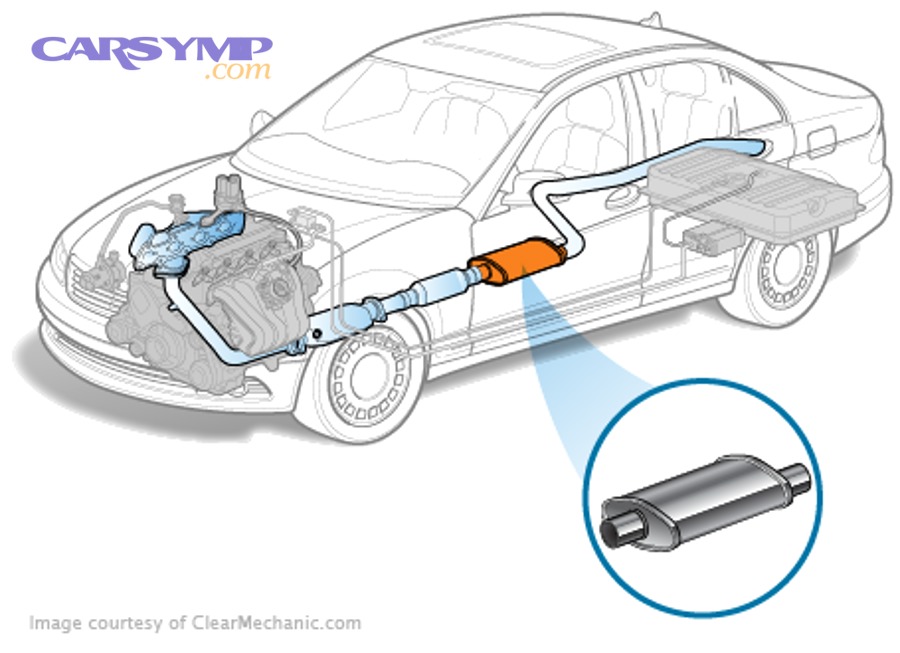
Understanding quote components helps you compare competing estimates accurately and identify whether shops include all necessary services or quote incomplete jobs requiring costly add-ons during service. Requesting itemized quotes rather than accepting lump-sum estimates protects against surprise charges and ensures fair pricing.
What Parts and Materials Are Included?
Standard resonator replacement quotes include the resonator unit, mounting hardware (clamps, bolts, or welding materials), exhaust hangers or bushings if needed, and gaskets or sealant for flanged connections, with total parts costs ranging from $85 to $350 depending on resonator quality and hardware requirements. Additional components including exhaust pipes, flanges, or catalytic converters represent separate line items when required, though dishonest shops sometimes hide these anticipated extras to present artificially low initial quotes.
The resonator unit itself represents the primary parts cost, ranging from $35 for budget aftermarket options to $400+ for premium OEM components. Quality shops specify the exact brand and model number in written quotes, allowing customers to verify pricing through online research. Quotes stating only “resonator” without brand or specifications suggest potential bait-and-switch tactics where customers receive lower-quality parts than discussed or face upcharges for acceptable quality. Reputable shops list specific brands like “Walker 21463 Resonator” or “Magnaflow 10416 Stainless Steel Resonator” with individual pricing.
Mounting hardware includes clamps, U-bolts, hangers, and bushings necessary to secure the resonator within the exhaust system. Quality installations replace all hardware rather than reusing corroded or weakened fasteners that risk failing shortly after service. New clamps cost $5 to $15 each, exhaust hangers run $8 to $20 per piece, and bolt kits range from $10 to $25. Comprehensive quotes itemize these components totaling $25 to $60 in hardware costs, while budget quotes sometimes omit hardware pricing assuming reuse of existing fasteners—a false economy that compromises installation longevity.
Gaskets and sealant for flanged connections prevent exhaust leaks at connection points between the resonator and adjacent pipes. Exhaust gaskets cost $5 to $15 each, with most systems requiring one or two depending on configuration. High-temperature silicone sealant supplements gaskets in some applications, adding $5 to $10 to parts costs. Welded installations eliminate gaskets but require welding wire or flux-core consumables costing $10 to $20 per job. Quotes should specify whether gaskets are included or charged separately to prevent surprise add-ons.
Additional pipes or exhaust sections become necessary when corrosion or damage extends beyond the resonator unit itself. Shops discovering deteriorated pipes during disassembly face ethical dilemmas about informing customers of additional costs versus proceeding with incomplete repairs. Quality shops perform pre-service inspections, identify likely additional needs, and communicate these possibilities before starting work. Quotes should indicate “pending inspection” items with estimated costs: “May require additional pipe section, approximately $75 to $150 in parts.” This transparency prevents disputes and allows customers to authorize or decline comprehensive repairs based on budget constraints.
Welding consumables for welded installations include MIG or flux-core wire, shielding gas (for MIG welding), and grinding discs for preparing surfaces. These materials cost shops $10 to $25 per job but often go unitemized in quotes, absorbed into labor charges. Understanding that welded installations include these consumables helps evaluate whether quoted labor rates reasonably compensate for materials and expertise versus representing excessive markups.
What Additional Costs Should You Expect?
Additional costs beyond basic parts and labor include shop fees or environmental charges of $10 to $30, disposal fees for the old resonator of $5 to $15, unexpected repairs when corrosion reveals hidden damage adding $50 to $300+, diagnostic fees of $50 to $150 if charging separately from service, and sales tax on parts and sometimes labor totaling 5% to 10% of the pre-tax total. These additional charges can increase the bottom line by $75 to $200 or more compared to the base parts-and-labor quote.
Shop fees or environmental charges cover overhead costs including hazardous waste disposal permits, EPA compliance, shop supplies, and administrative expenses. Most shops charge flat fees of $10 to $30 per visit regardless of service scope, while others calculate fees as percentages of labor (typically 5% to 10%). Some states prohibit percentage-based shop fees, limiting charges to actual documented environmental compliance costs. Customers should verify whether quotes include shop fees or add them at final billing, as this $20 to $30 difference affects quote comparisons between competitors.
Disposal fees for old resonators and exhaust components range from $5 to $15 depending on local recycling facility pricing and shop policies. Exhaust components contain recyclable metals that offset some disposal costs, though contamination from rust and exhaust residue reduces scrap value. Some shops waive disposal fees for customers purchasing parts from them, while others charge universally. Clarifying disposal fee policies before service prevents surprise charges and allows negotiation when comparing quotes.
Unexpected repairs discovered during disassembly represent the largest potential cost surprise in resonator replacement. Corroded pipes, damaged hangers, deteriorated flex pipes, and holes in adjacent exhaust sections become apparent only after removing the resonator. Ethical shops contact customers for authorization before proceeding with additional work, providing photographs and clear explanations of problems. Unethical operators complete extra work without authorization and demand payment before releasing vehicles. Establishing clear communication expectations and authorization procedures before service protects against these scenarios.
Diagnostic fees apply when shops charge separately for inspections versus bundling diagnostic work into service pricing. Some facilities charge $50 to $150 for comprehensive exhaust system inspections including leak tests, backpressure measurements, and component evaluations. These fees often apply toward service costs if you authorize repairs at the diagnosing shop but remain due even if you decline service or seek competitive quotes elsewhere. Understanding diagnostic fee policies helps you decide whether to pursue free quotes from multiple shops versus paying for thorough diagnostics followed by service at the best-priced competitor.
Sales tax applies to parts purchases and sometimes labor depending on state regulations. States including California, New York, and Texas tax both parts and labor for automotive repairs, adding 6% to 10% to total bills. Other states tax only parts, exempting labor charges from sales tax. A $200 parts and $150 labor job incurs $20 in tax where only parts are taxed but $35 where both parts and labor face taxation. This $15 difference affects quote comparisons when comparing out-of-state shops or evaluating DIY versus professional service economics.
According to a 2024 survey by AAA covering automotive repair pricing transparency, 34% of customers reported final bills exceeding initial quotes by more than 15%, with additional charges for shop fees, unexpected repairs, and taxes representing the most common sources of bill inflation beyond initial estimates.
How Does Resonator Replacement Cost Compare to Alternative Solutions?
Resonator replacement costs compare favorably to alternative solutions when sound quality and emissions compliance matter, but resonator deletes at $50 to $150 offer substantial savings for customers prioritizing budget over refinement, glasspack installations at $80 to $200 provide middle-ground pricing with distinctive sound characteristics, and full exhaust system replacements at $400 to $1,500 prove more economical than multiple individual component repairs over time. Understanding these alternatives helps you select the optimal solution balancing cost, performance, legality, and personal preferences.
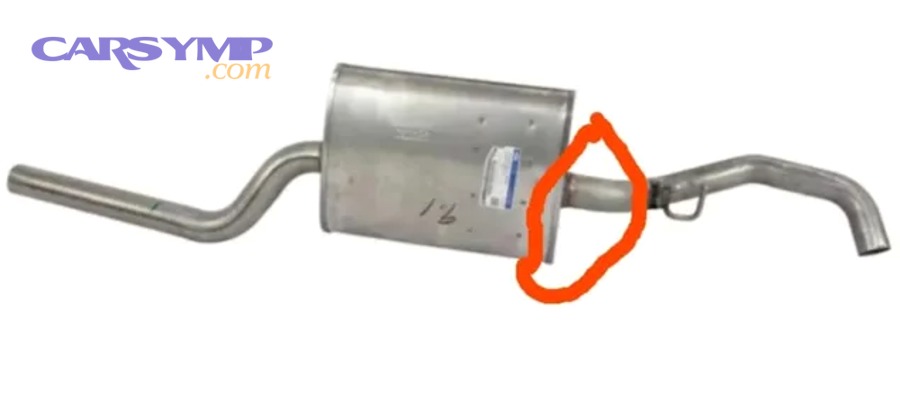
Each alternative addresses different priorities and creates distinct trade-offs in pricing, sound quality, emissions compliance, and long-term value. Evaluating these options requires considering your vehicle’s condition, intended use, budget constraints, and local regulations that may prohibit certain modifications.
What Is the Cost Difference Between Resonator Replacement and Resonator Delete?
Resonator deletes cost $50 to $150 for labor only compared to $150 to $400 for resonator replacement, creating savings of $100 to $250 by eliminating parts costs and reducing installation time to simple pipe welding or clamping. However, this budget advantage comes with trade-offs including increased cabin noise and exhaust drone, potential emissions testing failures in strict states, possible violation of local noise ordinances, and reduced resale value for buyers preferring refined exhaust notes.
Labor costs for resonator deletes include only cutting out the existing resonator and welding or clamping a straight pipe section in its place. Shops charge $50 to $100 for this straightforward work requiring 30 to 60 minutes, while some budget operators offer deletes for as little as $40 when customers supply their own pipe. Pipe material costs $10 to $30 for the necessary 12 to 18-inch section, bringing total delete costs to $60 to $130 versus $150 to $400 for replacement with an actual resonator unit. This $90 to $270 savings appeals to budget-conscious owners of older vehicles or those seeking performance modifications.
Sound quality changes represent the primary functional impact of resonator deletes. Resonators reduce specific frequency ranges that create annoying cabin drone during highway cruising. Removing the resonator increases overall exhaust volume by 3 to 8 decibels and allows lower-frequency resonance that creates persistent droning between 1,800 and 3,500 RPM—precisely the range used during steady highway driving. Drivers initially enjoy the sportier sound but frequently regret deletes after experiencing hours of drone fatigue on road trips. This acoustic consequence makes deletes poor choices for daily drivers covering significant highway miles.
Emissions compliance concerns make resonator deletes risky or impossible in states with strict testing requirements. While resonators don’t directly affect emissions like catalytic converters do, some states including California, New York, and Massachusetts require factory-compliant exhaust systems during inspections. Inspectors can fail vehicles with obviously modified exhaust configurations even when emissions measurements remain within legal limits. Additionally, some modern vehicles with sophisticated emissions systems throw check-engine codes when exhaust backpressure changes significantly from factory specifications after resonator removal, causing automatic inspection failures.
Legality regarding noise ordinances varies by jurisdiction, with some municipalities prohibiting exhaust modifications that increase sound beyond specific decibel limits. Police officers in areas actively enforcing noise regulations can issue citations for excessively loud exhausts, with fines ranging from $100 to $500+ depending on local ordinances. Resonator deletes often push exhaust noise beyond legal limits in strict jurisdictions, creating ongoing citation risk that offsets initial cost savings. Checking local exhaust noise regulations before performing deletes protects against these financial and legal complications.
Resale value implications affect long-term economics beyond the initial cost comparison. Vehicles with properly functioning factory-specification exhaust systems appeal to broader buyer pools than those with obvious modifications. Potential buyers concerned about reliability, inspection compliance, or refined driving experiences often avoid modified vehicles entirely or demand price discounts of $300 to $800 to offset modification reversal costs. This resale penalty can exceed the initial savings from choosing deletes over proper replacement, making deletes false economies for owners planning to sell within 3 to 5 years.
How Much Does a Glasspack Replacement Cost Instead of a Resonator?
Glasspack mufflers cost $30 to $100 for the component plus $60 to $100 in installation labor, totaling $90 to $200 for complete glasspack replacement compared to $150 to $400 for standard resonator replacement, creating potential savings of $60 to $200 while delivering distinctive sound characteristics preferred by muscle car and truck enthusiasts. However, glasspacks provide less sound dampening than resonators, increase cabin noise levels, and may fail emissions or noise inspections in strict jurisdictions despite lower upfront costs.
Glasspack pricing advantages stem from simple construction using perforated tubes surrounded by fiberglass packing material rather than the complex baffled chambers found in standard resonators. Budget glasspacks from brands like Cherry Bomb and Thrush cost $30 to $50 for 12 to 18-inch units, while premium options from Flowmaster and Hooker run $60 to $100. These lower parts costs combined with similar installation labor create total job costs of $90 to $150 at independent shops versus $150 to $300 for resonator replacements using mid-range parts.
Sound characteristics differ substantially between glasspacks and standard resonators, making the choice as much about acoustic preferences as cost savings. Glasspacks produce distinctive crisp, crackling exhaust notes especially apparent during deceleration and gear changes, appealing to enthusiasts seeking aggressive sound without the excessive volume of straight pipes. However, glasspacks offer minimal drone reduction compared to proper resonators, allowing highway cruise fatigue similar to resonator deletes. Vehicles with both glasspacks and mufflers maintain reasonable noise levels for daily driving, while glasspack-only configurations become excessively loud for most street applications.
Performance implications nominally favor glasspacks through reduced backpressure compared to standard resonators, though real-world horsepower gains prove negligible on street-driven vehicles. Glasspack manufacturers claim 2 to 5 horsepower improvements from reduced restriction, but dyno testing shows gains under 2 HP on naturally aspirated engines below 300 HP—imperceptible during normal driving. Turbocharged vehicles potentially benefit more from reduced backpressure, though proper turbo-back exhaust upgrades deliver far superior performance gains than simple glasspack substitutions.
Durability concerns affect long-term cost comparisons between glasspacks and standard resonators. Fiberglass packing inside glasspacks deteriorates over time from heat and moisture exposure, gradually degrading sound dampening properties until glasspacks sound nearly identical to straight pipes. This deterioration occurs over 3 to 7 years depending on climate and driving conditions, potentially requiring replacement sooner than quality stainless steel resonators lasting 10+ years. When factoring replacement frequency into lifecycle costs, cheaper glasspacks that require replacement every 5 years can ultimately cost more than durable resonators replaced once in 12 to 15 years.
Legal and compliance considerations mirror those affecting resonator deletes. Glasspacks increase exhaust volume beyond factory specifications, potentially violating noise ordinances in strict municipalities and complicating emissions inspection compliance in states requiring factory exhaust configurations. Additionally, some states mandate exhaust systems include specific components present on vehicles from the factory, making even glasspack upgrades technically illegal despite seeming innocuous. Researching local regulations before substituting glasspacks for resonators prevents potential citations and inspection failures that eliminate cost savings through fines and rework expenses.
When Should You Replace the Entire Exhaust System Instead?
Full cat-back exhaust system replacement becomes more economical than individual resonator service when multiple components show deterioration, when total piecemeal repair costs would exceed $400 to $500, or when vehicles exceed 12 to 15 years old in rust-prone climates where additional failures within 12 to 24 months seem likely. Complete systems cost $400 to $1,500 installed depending on vehicle and quality tier, providing fresh resonators, mufflers, pipes, and hardware that eliminate near-term repair needs while potentially improving performance and sound quality.
Multiple component failures within 6 to 12 months signal systemic exhaust deterioration favoring complete replacement over sequential repairs. When a shop identifies a failed resonator plus corroded pipes, deteriorating muffler, and rusted hangers all requiring attention soon, replacing everything simultaneously saves 30% to 40% versus addressing each component separately. A scenario requiring $200 resonator replacement now, $180 pipe repair in 6 months, and $220 muffler replacement in 12 months totals $600 over one year. A complete cat-back system installed immediately costs $450 to $650, saving $150+ while eliminating multiple shop visits and downtime periods.
Age and mileage thresholds suggest exhaust system replacement becomes prudent preventive maintenance regardless of current failure symptoms. Vehicles exceeding 12 years old or 150,000 miles in rust-belt states typically show widespread exhaust corrosion even when no components have catastrophically failed yet. Shops can identify deterioration during resonator replacement that indicates imminent failures of other components within 6 to 18 months. Investing in complete system replacement at this point provides 7 to 10 years of trouble-free exhaust performance versus facing sequential repairs totaling higher costs over the same period.
Performance and sound improvement opportunities justify system replacement costs beyond pure repair economics for enthusiast owners. Complete aftermarket exhaust systems from MagnaFlow, Borla, Corsa, and Flowmaster deliver noticeable performance gains, refined sound quality, and aesthetic improvements over piecemeal factory component replacement. Systems costing $600 to $1,500 include carefully engineered resonators, free-flowing mufflers, and optimized piping that factory systems don’t match. Enthusiasts addressing failing resonators often invest the modest additional cost for complete system upgrades rather than simply replacing failed components with equivalent factory parts.
Warranty coverage and long-term peace of mind factor into the replacement versus repair decision. Complete exhaust systems typically include 3-year to limited-lifetime warranties covering all components, whereas individual resonator replacements carry separate warranties for each service visit. Installing a complete system with comprehensive warranty eliminates exhaust repair concerns for years, valuable for owners planning extended vehicle retention or uncomfortable with mechanical uncertainty. This psychological value may justify complete replacement even when current needs technically require only resonator service.
Cost comparison examples illustrate the economics of complete system replacement versus sequential repairs. A 2010 Honda Accord in Michigan with failed resonator faces these options: (1) Replace resonator only for $220, likely requiring muffler replacement in 18 months for additional $250 ($470 total), or (2) Install complete Walker cat-back system now for $425, avoiding future repairs for 7+ years. The complete system costs $45 less over the two-year period while eliminating the second shop visit and providing warranty coverage on all components.
Can You Repair a Resonator Instead of Replacing It?
Resonators can sometimes be repaired through welding when damage consists of small holes or cracks rather than complete deterioration, with repair costs ranging from $50 to $150 for welding labor compared to $150 to $400 for complete replacement, though repairs prove temporary solutions lasting 6 months to 3 years before failure recurs and permanent replacement becomes necessary. Successful repairs require damage limited to small areas with surrounding material remaining structurally sound, conditions met in only 20% to 30% of failed resonators presented for service.
Welding repair viability depends on damage characteristics and remaining resonator integrity. Small holes under 1 inch in diameter caused by road debris impact or isolated rust-through in otherwise sound resonators potentially accept welding repair. Skilled welders clean the damage area, grind away corrosion, and weld patches or seal holes using MIG or TIG techniques appropriate for exhaust materials. Labor costs $50 to $120 for straightforward repairs requiring 30 to 60 minutes, plus $20 to $40 for patches and welding consumables. This $70 to $160 total compares favorably to $150 to $400 replacement costs when repairs prove successful.
Limitations of resonator repairs stem from the corrosive, high-vibration environment exhaust systems endure. Welded patches create stress concentrations where dissimilar metals and heat-affected zones meet, accelerating corrosion and crack propagation. Repaired resonators typically survive 6 months to 2 years before failure recurs adjacent to patches or elsewhere in the weakened structure. This temporary nature makes repairs suitable only for extending service life on older vehicles awaiting replacement or providing economical fixes when budget constraints prevent immediate proper replacement.
Internal damage and widespread corrosion eliminate repair options, requiring complete replacement. Resonators failing due to internal baffle deterioration, complete rust-through of multiple areas, or structural collapse cannot be effectively repaired because internal components remain inaccessible and external welding doesn’t address root causes. Approximately 70% to 80% of failed resonators present with damage too extensive for viable repair, limiting the repair option to minority cases with isolated, accessible damage.
Cost-benefit analysis rarely favors repairs except in specific circumstances. A $100 repair lasting 12 months on a vehicle near retirement provides reasonable value, delaying $250 to $350 replacement costs until vehicle disposal eliminates the need. However, the same $100 repair on a newer vehicle requiring proper replacement within 18 months effectively increases total costs to $350 to $450 (repair plus replacement) versus $250 to $350 for immediate replacement only. Repair economics work only when owners confidently expect vehicle disposal within the repair’s projected 6 to 24-month lifespan.
Professional recommendations almost universally favor replacement over repair for vehicles owners plan to keep over 12 to 18 months. Shops warrant repairs minimally if at all, recognizing high failure rates and temporary nature. Quality shops explain repair limitations honestly, presenting the option primarily for customers with severe budget constraints or vehicles approaching end-of-life. This professional consensus indicates repairs serve as short-term expedients rather than sound long-term solutions for most circumstances.
Environmental considerations slightly favor repairs through waste reduction and resource conservation when repairs prove viable. Successfully extending a resonator’s service life by 12 to 24 months delays manufacturing demand for replacement parts and reduces scrap metal waste stream contributions. However, these minor environmental benefits don’t outweigh practical and economic factors favoring replacement in most scenarios, particularly given repair failure rates exceeding 50% within 18 months.