
Resonator Replacement Cost Guide: OEM vs Aftermarket Parts & Installation for Car Owners
Resonator replacement costs between $150 and $600 total in 2026, with parts ranging from $50 to $400 and professional labor adding $100 to $300 depending on installation complexity. The choice between OEM (Original Equipment Manufacturer) and aftermarket parts significantly impacts both upfront costs and long-term value, with OEM resonators typically costing $150-$400 for parts alone while quality aftermarket options range from $50-$250. This price variation stems from differences in material quality, warranty coverage, brand reputation, and fitment precision, making the OEM versus aftermarket decision critical for car owners seeking the best balance of cost, performance, and durability.
Understanding installation options is equally important when budgeting for resonator replacement. Professional installation at exhaust & emissions repair shops typically requires 1-3 hours of labor, with costs varying based on whether the resonator bolts on, clamps in place, or requires welding. DIY installation can save $100-$300 in labor costs, but requires specific tools, safety equipment, and mechanical knowledge to handle challenges like rusted bolts, corroded flanges, and proper exhaust sealing. The installation method you choose affects not only immediate costs but also the quality and longevity of the repair.
Recognizing Resonator failure symptoms helps car owners address problems before they worsen or cause additional damage to the exhaust system. Common Car Symptoms indicating resonator problems include excessive exhaust noise, persistent droning sounds at certain RPMs, visible rust or holes in the resonator body, rattling from loose internal baffles, and reduced fuel economy from increased backpressure. Early detection through proper Exhaust drone diagnosis and fixes can prevent more expensive repairs down the line and ensure your vehicle maintains proper emissions compliance.
Beyond the basic replacement decision, car owners benefit from understanding specialized considerations that affect long-term satisfaction and cost-effectiveness. Below, we’ll explore detailed Resonator replacement cost estimates, compare OEM and aftermarket options across multiple criteria, evaluate DIY versus professional installation paths, and examine factors like Preventing exhaust rust on resonators and Choosing aftermarket resonators for sound characteristics that match your preferences.
What Does Resonator Replacement Cost in 2026?
Resonator replacement costs $150-$600 total in 2026, with parts accounting for $50-$400 and labor adding $100-$300 depending on vehicle type and installation complexity. Understanding these cost components helps car owners budget accurately and make informed decisions about parts selection and installation methods.
To better understand the total investment required, we need to examine each cost factor separately. Resonator replacement labor time varies significantly based on whether the part bolts on directly, requires clamp connections, or needs welding for proper installation. Vehicle design also plays a crucial role—some cars provide easy access to the resonator from underneath, while others require removing heat shields, exhaust hangers, or adjacent components to reach the damaged part.
How Much Do OEM Resonator Parts Cost?
OEM resonator parts cost $150-$400 on average, with domestic vehicles typically falling on the lower end ($150-$250) while imported and luxury vehicles command higher prices ($200-$400). These factory-original parts guarantee exact fitment and materials matching your vehicle’s original specifications.
The pricing structure for OEM resonators reflects several value factors beyond the part itself. Dealerships include warranty coverage ranging from 12 months to 36 months, depending on the manufacturer’s parts warranty policy. This coverage protects against defects in materials and workmanship, providing peace of mind that aftermarket parts may not offer. OEM resonators also maintain emissions compliance certifications specific to your vehicle’s make, model, and year, which is particularly important in states with strict emissions testing requirements like California, New York, and Massachusetts.
When purchasing OEM resonators, car owners typically source them through authorized dealerships or online OEM parts retailers. Dealership parts departments offer the advantage of guaranteed authenticity and direct manufacturer support, though prices tend toward the higher end of the range. Online OEM suppliers like TascaParts, BuyOEMParts, or manufacturer-specific portals often provide discounts of 10-30% off dealer retail pricing while maintaining part authenticity and warranty coverage.
Material quality distinguishes OEM resonators from budget alternatives. Factory resonators typically use aluminized steel for standard applications or 409/304 stainless steel for vehicles marketed with longer exhaust system warranties. The gauge thickness, internal baffle design, and acoustic tuning match the engineering specifications developed during vehicle design, ensuring the exhaust system maintains its intended sound characteristics and flow properties.
How Much Do Aftermarket Resonator Parts Cost?
Aftermarket resonator parts cost $50-$250 depending on brand reputation, material quality, and whether you select universal or direct-fit designs. Budget-tier options from lesser-known manufacturers start around $50-$80, mid-range brands like Walker and DynoMax range from $80-$150, and premium performance brands like Borla, MagnaFlow, and Vibrant Performance command $150-$250.
The aftermarket resonator market offers three distinct quality tiers that correspond to price ranges. Budget options typically use thinner-gauge aluminized steel with simpler internal construction, making them suitable for older vehicles where longevity beyond 2-3 years isn’t a primary concern. These resonators fulfill basic noise reduction functions but may not match OEM acoustic properties or corrosion resistance. Mid-range aftermarket resonators from established exhaust manufacturers use heavier-gauge materials, better welding quality, and more sophisticated internal baffle designs that more closely replicate OEM performance characteristics.
Premium aftermarket resonators often exceed OEM specifications by using 304 stainless steel construction throughout, which provides superior corrosion resistance critical for preventing exhaust rust on resonators in harsh climates. These high-end options also feature mandrel-bent tubing that maintains consistent internal diameter through curves, reducing backpressure compared to crush-bent alternatives. Performance-oriented brands design their resonators with acoustic tuning that can either maintain near-stock sound levels or provide a deeper, more aggressive exhaust note depending on the specific model chosen.
Direct-fit aftermarket resonators cost 20-40% more than universal alternatives but eliminate the need for custom fabrication or adaptation. These vehicle-specific parts include the correct inlet and outlet diameters, overall length, and mounting provisions to replace OEM resonators without modification. Universal resonators require professional adaptation to match your vehicle’s exhaust system dimensions and connection points, making them more suitable for custom exhaust builds or situations where a muffler shop will handle the installation.

What Are Professional Installation Labor Costs?
Professional installation labor costs $100-$300 for resonator replacement, with most jobs completed in 1-3 hours depending on vehicle accessibility, connection type, and whether rust has complicated disassembly. Welding vs clamp replacement options significantly influence both cost and installation time, with welded installations typically adding 30-60 minutes and $50-$100 to the total labor charge.
Shop rates vary considerably based on geographic location and facility type. Independent muffler shops in smaller markets often charge $60-$90 per hour for labor, while shops in major metropolitan areas command $90-$150 per hour. Dealership service departments typically charge premium labor rates of $120-$180 per hour but include the expertise of manufacturer-trained technicians and proper diagnostic equipment. National chains like Midas or Meineke fall in the middle range at $80-$120 per hour, offering standardized pricing and warranty coverage across locations.
Installation complexity determines where a job falls within the labor time range. Simple bolt-on resonator replacement on vehicles with minimal rust takes just 1-1.5 hours, consisting of raising the vehicle, removing old hardware, positioning the new resonator, and securing connections. However, resonator replacement labor time extends significantly when dealing with rusted or seized fasteners, which is common in regions that use road salt during winter months. Technicians may need to apply penetrating oil, use cutting tools to remove frozen bolts, or replace damaged studs and flanges, potentially doubling the labor time.
Welded installations require additional equipment and expertise compared to bolt-on or clamp repairs. Exhaust shops charge $75-$150 for welding services depending on the number of connections required and whether the technician needs to fabricate custom pipe sections to ensure proper fitment. While welding creates a permanent, leak-free seal superior to clamps, it also makes future service more difficult since the welded joints must be cut apart for component replacement.
Some exhaust shops offer package pricing that bundles parts and labor for common resonator replacement jobs. These packages typically range from $200-$450 for complete installation using mid-range aftermarket parts, providing cost savings of 10-20% compared to itemized parts and labor charges. Package deals work best for straightforward replacements on common vehicles where shops have experience with typical installation challenges.
Should You Choose OEM or Aftermarket Resonator Parts?
OEM resonators win for exact fitment and warranty coverage, aftermarket options excel in cost savings and performance customization, and premium aftermarket brands optimize the balance between value and longevity for most car owners. This comparison requires evaluating specific criteria including material quality, acoustic properties, emissions compliance, warranty protection, and total cost of ownership.
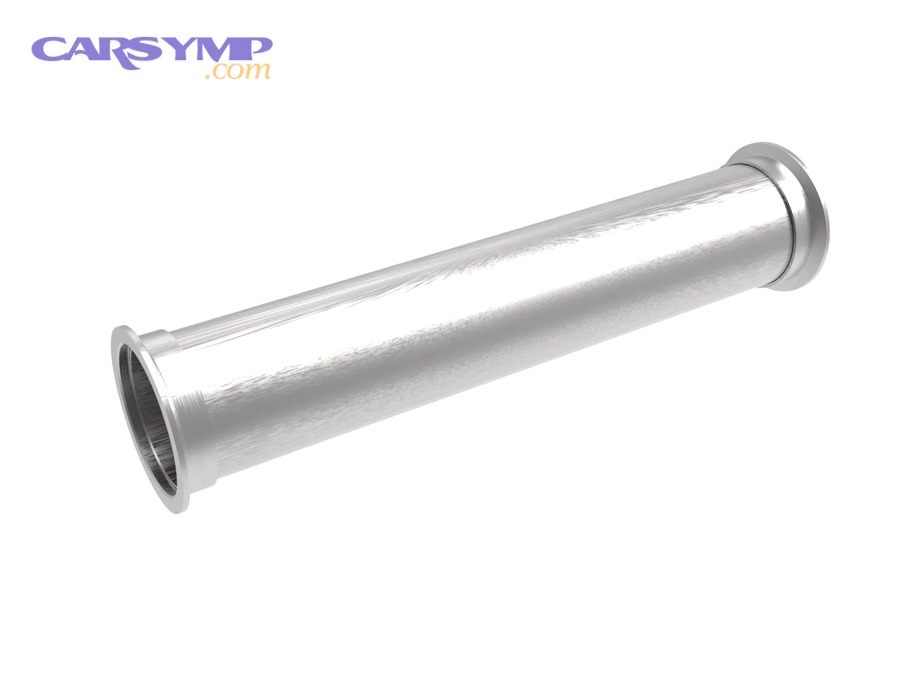
Understanding the trade-offs between these options helps car owners make decisions aligned with their specific circumstances. Let’s examine the distinct advantages each approach offers and identify scenarios where one choice clearly outperforms the other.
What Are the Advantages of OEM Resonators?
OEM resonators provide guaranteed exact fitment, comprehensive warranty coverage, and emissions compliance certification that eliminates concerns about inspection failures or check engine lights. These factory-original parts replicate the acoustic engineering your vehicle’s designers intended, maintaining the stock exhaust note without introducing unwanted drone or excessive volume.
The fitment precision of OEM resonators eliminates the trial-and-error often associated with universal aftermarket parts. Every mounting bracket, flange angle, and pipe diameter matches your vehicle’s original specifications exactly, ensuring proper alignment with adjacent exhaust components, sufficient ground clearance, and correct positioning of oxygen sensor bungs when applicable. This precision becomes particularly valuable on vehicles with complex exhaust routing or tight underbody packaging where even minor dimensional variations can create installation problems.
Warranty protection represents a significant OEM advantage, especially for newer vehicles. Manufacturer parts warranties typically cover 12-36 months and protect against defects in materials or workmanship. If an OEM resonator fails prematurely due to manufacturing defects, the dealership replaces it at no charge for parts or labor during the warranty period. This coverage provides financial protection that aftermarket manufacturers rarely match, particularly for less expensive options.
Emissions compliance certification is crucial for vehicles in states requiring periodic emissions testing. OEM resonators maintain EPA and CARB certifications specific to your vehicle’s engine and model year, ensuring you won’t encounter problems during state inspections. Some aftermarket resonators, particularly universal designs, lack the specific certifications required in strict emissions jurisdictions, potentially resulting in inspection failures even if the part functions adequately.
The primary situation favoring OEM selection involves newer vehicles still under manufacturer warranty. Installing non-OEM exhaust components could potentially void warranty coverage for related repairs if the dealership determines the aftermarket part contributed to a failure. Additionally, lease vehicles should maintain OEM components to avoid excess wear charges at lease end, and collectors maintaining original vehicles often prefer OEM parts to preserve authenticity and resale value.
What Are the Advantages of Aftermarket Resonators?
Aftermarket resonators deliver substantial cost savings of 30-60% compared to OEM pricing, offer superior corrosion resistance through upgraded materials, and provide acoustic customization options for car owners who want to modify their vehicle’s exhaust sound characteristics. Premium aftermarket brands often exceed OEM durability by using 304 stainless steel construction throughout the resonator body.
Cost efficiency makes aftermarket resonators attractive for older vehicles where the replacement cost approaches or exceeds the vehicle’s value. When a 12-year-old car needs a $350 OEM resonator, spending $100-$150 on a quality aftermarket alternative represents sensible resource allocation since the vehicle may only remain in service for a few more years. The cost savings can be redirected toward other maintenance needs or simply reduce the financial burden of keeping an aging vehicle operational.
Material upgrades available in premium aftermarket options provide better long-term value in harsh climates. Standard OEM resonators typically use aluminized steel that eventually succumbs to corrosion in salt-belt states, leading to replacement intervals of 5-8 years. Premium aftermarket resonators constructed from 304 stainless steel resist rust formation significantly better, potentially lasting 10-15 years even with regular salt exposure. This extended lifespan can offset the higher initial cost of premium aftermarket parts compared to budget alternatives.
The aftermarket market offers acoustic variety that OEM parts cannot match. Performance-oriented brands engineer resonators with specific sound characteristics—some maintain near-stock volume while delivering a slightly deeper tone, while others reduce resonance more aggressively for quieter highway cruising. Enthusiasts modifying their exhaust systems can select resonators that complement other components like cat-back systems or headers, creating a cohesive sound profile that matches their preferences. This customization capability is particularly valuable for choosing aftermarket resonators for sound quality that OEM parts don’t provide.
Quality aftermarket manufacturers have established strong reputations through decades of exhaust system production. Walker, owned by Tenneco and the OEM supplier for numerous manufacturers, produces aftermarket resonators with near-OEM quality at lower prices. DynoMax, MagnaFlow, and Borla focus on performance applications with premium materials and engineering. These established brands provide reliability and customer support that rival OEM options while maintaining significant cost advantages.
Brand selection matters considerably in the aftermarket segment. Reputable manufacturers include Walker (excellent OEM-quality reproduction parts), Borla (premium stainless construction with performance focus), MagnaFlow (stainless steel with lifetime warranty options), DynoMax (performance-oriented with various sound levels), and Vibrant Performance (high-flow racing applications). Lesser-known brands may offer attractive pricing but often sacrifice material quality, welding integrity, or acoustic engineering to achieve low costs.
Which Resonator Type Offers the Best Value for Your Vehicle?
The best-value resonator choice depends on vehicle age, ownership timeline, climate conditions, and budget constraints—OEM parts suit newer vehicles under warranty, premium aftermarket options optimize longevity in harsh climates, and budget aftermarket resonators work for older vehicles nearing end-of-life. Evaluating these factors against your specific circumstances identifies the optimal choice.
For vehicles under 5 years old or still under manufacturer warranty, OEM resonators represent the safest choice despite higher costs. The warranty protection, guaranteed fitment, and elimination of any concerns about voiding related coverage justify the premium. Additionally, newer vehicles typically command higher resale values where maintaining original components adds to buyer confidence and marketability.
Vehicles aged 5-10 years with expected ownership of 3+ additional years benefit most from premium aftermarket resonators in the $150-$250 range. These cars are old enough that warranty concerns have expired, but valuable enough to justify investing in quality components. Premium aftermarket parts using 304 stainless steel construction provide better longevity than OEM equivalents at similar or lower costs, particularly in regions where preventing exhaust rust on resonators is critical for extended service life.
Older vehicles beyond 10 years or those with limited remaining service life make ideal candidates for budget or mid-range aftermarket resonators priced at $80-$150. When a vehicle’s total value is $3,000-$5,000, spending $350 on an OEM resonator represents poor resource allocation. A $100 aftermarket Walker resonator provides adequate service life for the vehicle’s remaining useful years while preserving financial resources for other maintenance needs or eventual replacement.
Climate considerations should heavily influence material selection regardless of vehicle age. Car owners in dry, warm climates like Arizona, Southern California, or Florida can successfully use aluminized steel resonators since corrosion occurs slowly in these environments. However, owners in salt-belt states including Minnesota, Michigan, New York, Massachusetts, and other regions with harsh winters should prioritize stainless steel construction to combat aggressive corrosion. The material upgrade costs an additional $50-$100 but extends service life by 5-10 years, representing excellent long-term value.
The following table summarizes optimal resonator choices based on common scenarios:
| Vehicle Situation | Recommended Choice | Price Range | Key Benefit |
|---|---|---|---|
| Under warranty, <5 years old | OEM | $150-$400 | Warranty protection, guaranteed fitment |
| 5-10 years old, salt-belt climate | Premium aftermarket stainless | $150-$250 | Superior corrosion resistance |
| 5-10 years old, dry climate | Mid-range aftermarket | $80-$150 | Good balance of cost and quality |
| >10 years old, limited service life | Budget aftermarket | $50-$100 | Minimal investment for remaining lifespan |
| Lease vehicle | OEM | $150-$400 | Avoid excess wear charges |
| Performance modification project | Performance aftermarket | $150-$300 | Acoustic customization, flow optimization |
Budget allocation should account for total cost of ownership rather than just initial purchase price. A $200 stainless steel resonator lasting 12 years costs $16.67 per year, while a $80 aluminized steel resonator lasting 4 years costs $20 per year—making the premium option more economical long-term despite the higher upfront investment.
Can You Install a Resonator Yourself or Should You Hire a Professional?
DIY resonator installation saves $100-$300 in labor costs but requires proper tools, safety equipment, and mechanical knowledge to handle challenges like seized fasteners and proper exhaust sealing, while professional installation guarantees correct fitment and includes warranty coverage for the work performed. The installation difficulty varies significantly based on your vehicle’s design and the extent of rust or corrosion present.
Evaluating your mechanical capabilities, available tools, and working conditions helps determine whether DIY installation represents a practical option. Let’s examine what successful DIY installation requires and when professional service becomes the better choice.
What Does DIY Resonator Installation Require?
DIY resonator installation requires proper vehicle lifting equipment (jack stands or ramps), socket sets, penetrating oil, exhaust-specific tools, and safety equipment including gloves and eye protection to complete the job safely and effectively. Most bolt-on resonator replacements take DIY mechanics 2-4 hours compared to 1-2 hours for professional technicians with lifts and specialized tools.
Essential tools for resonator replacement include a quality floor jack and jack stands rated for your vehicle’s weight (never work under a car supported only by a jack), wheel chocks to prevent rolling, a socket set with 10mm-19mm sizes covering most exhaust fasteners, combination wrenches for holding nuts while breaking bolts loose, and an extensive selection of penetrating oil applied 24-48 hours before attempting disassembly. The penetrating oil step is crucial for preventing broken studs and rounded bolt heads, particularly on vehicles exposed to road salt.
Specialized tools significantly ease exhaust work compared to using basic hand tools alone. An oxygen sensor socket with a built-in wire slot prevents damage when removing sensors from exhaust components, exhaust flange spreaders separate corroded slip joints without destructive force, and an exhaust pipe cutter makes clean cuts if you need to remove welded connections. While these specialized tools add $50-$100 to your investment, they transform frustrating jobs into manageable projects and can be used for future exhaust repairs.
Dealing with rust represents the primary challenge in DIY resonator replacement. Fasteners exposed to years of heat cycling, moisture, and road salt often seize completely, requiring careful technique to remove without breaking. Best practices include applying penetrating oil like PB Blaster or Kroil to all fasteners 24-48 hours before work begins, reapplying immediately before attempting removal, using a propane torch to heat rusted nuts (which expands the nut while the bolt remains cooler and contracts slightly), and having a backup plan like drilling out broken bolts or cutting frozen fasteners with an angle grinder.
Safety considerations for DIY exhaust work go beyond the standard automotive maintenance precautions. Exhaust components retain heat for hours after driving, causing serious burns if handled too soon after operation. Always allow the exhaust system to cool completely before starting work. Additionally, exhaust work creates sharp edges on cut pipes and rusty components—heavy work gloves protect against cuts while safety glasses prevent rust particles and metal fragments from reaching your eyes. Working outdoors or in a well-ventilated garage prevents exhaust odor accumulation and provides better access around the vehicle.
Installation process overview for bolt-on resonator replacement follows these general steps: safely raise and support the vehicle on jack stands; spray all fasteners with penetrating oil and allow it to soak; support the resonator with wire or a helper to prevent it from falling when disconnected; carefully remove bolts while supporting the weight of the exhaust system; install new gaskets if the connection uses flanged joints; position the new resonator and thread bolts by hand to ensure proper alignment; torque bolts to manufacturer specifications (typically 25-35 ft-lbs for exhaust flanges); remove support wires; lower the vehicle and perform a leak check by starting the engine and listening for hissing sounds at connections.
Clamp-on installations provide a simpler alternative to bolt-on replacements when original connection points are damaged or when converting welded systems to serviceable components. Exhaust clamps cost $5-$15 each and create reliable seals when properly sized and installed. The process involves cutting away the old resonator, ensuring cut ends are clean and perpendicular, sliding the clamp over the pipe before inserting the new resonator, positioning the resonator for proper alignment and ground clearance, and tightening clamps to manufacturer specifications with a torque wrench. Double-clamping (using two clamps per joint spaced 1-2 inches apart) increases sealing reliability for critical applications.

When Should You Hire a Professional for Resonator Replacement?
Professional installation becomes the better choice when vehicles have significant rust damage, require welding for proper installation, involve complex exhaust routing with limited access, or when you lack appropriate tools and safe working conditions. Shops complete most resonator replacements in 1-2 hours using lifts, air tools, and cutting equipment that dramatically reduce labor time compared to DIY methods.
Severe rust conditions common in salt-belt states after 5-7 years make professional service highly advisable. Technicians equipped with cutting torches, plasma cutters, or reciprocating saws quickly remove seized components that would require hours of DIY effort. They also stock replacement hardware including studs, flanges, and hangers that commonly need replacement during resonator service on heavily corroded vehicles. The cost difference narrows considerably when DIY mechanics must purchase specialized rust removal tools or replacement hardware that professionals already have available.
Welded resonator installations require professional equipment and expertise to create proper, leak-free connections. MIG welding exhaust systems demands specific skills including proper heat control to avoid burning through thin-wall tubing, selection of appropriate filler metal for exhaust applications, and achieving full-penetration welds that withstand thermal cycling and vibration. Professional exhaust shops charge $75-$150 for welding services but deliver connections superior to clamps in terms of sealing reliability and long-term durability.
Complex exhaust routing on some vehicles creates access challenges that make DIY installation impractical without a lift. Modern vehicles often route exhaust components in tight spaces surrounded by heat shields, cross members, fuel lines, and brake lines. Professional technicians familiar with specific vehicle models know which components need removal for access and complete the work efficiently. Additionally, some vehicles require exhaust hanger repositioning or adjustment that’s difficult to execute properly without experience with that particular model.
Shop selection influences service quality and cost significantly. Independent muffler shops specializing in exhaust work often provide the best combination of reasonable pricing and expertise. These shops handle resonator replacement routinely and stock common parts for immediate installation. National chains offer standardized pricing and warranties valid at any location, beneficial for car owners who travel frequently or may relocate. Dealerships charge premium rates but provide manufacturer-trained technicians and OEM parts, appropriate for newer vehicles or complex problems requiring diagnostic capabilities.
Warranty coverage on professional installation adds value beyond the labor itself. Reputable exhaust shops warranty their work for 12-36 months, protecting against installation defects, improper fitment, or premature failure of components they provided. If the resonator develops leaks or fails prematurely, the shop corrects the problem at no additional charge. This warranty protection is particularly valuable when using aftermarket parts from unfamiliar manufacturers, since the installation warranty provides recourse if parts quality proves inadequate.
Time and convenience factors heavily into the DIY versus professional decision. Professional installation completed in 1-2 hours allows car owners to drop off their vehicle in the morning and retrieve it the same afternoon, minimizing disruption to daily schedules. DIY installation often requires an entire Saturday, factoring in time to acquire parts and tools, perform the work, clean up, and address unexpected complications. For car owners with busy schedules, paying $100-$150 for professional labor represents reasonable value compared to sacrificing a full day.
How Do You Know If Your Resonator Needs Replacement?
Resonator replacement becomes necessary when you experience excessive exhaust noise, persistent droning at highway speeds, visible rust holes or damage, rattling sounds from deteriorated internal baffles, or declining fuel economy from increased exhaust backpressure. Recognizing these resonator failure symptoms early prevents secondary damage to other exhaust components and maintains vehicle performance.
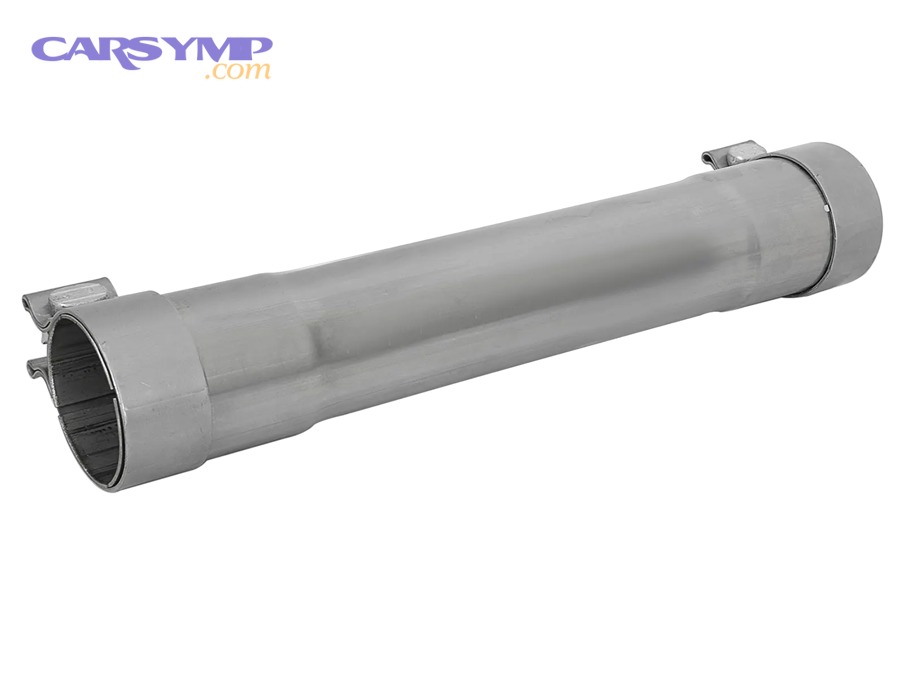
Early detection through proper exhaust drone diagnosis and fixes allows car owners to plan for replacement before complete failure creates emergency situations or leaves the vehicle undriveable. Understanding what to look for during routine maintenance helps identify developing problems before they escalate.
What Are the Common Signs of a Failed Resonator?
Common signs of a failed resonator include loud, raspy exhaust noise particularly noticeable during acceleration, annoying drone or resonance at specific RPM ranges (typically 1,500-2,500 RPM during highway cruising), visible rust perforation or physical damage to the resonator housing, and rattling sounds indicating internal baffle deterioration. These symptoms progressively worsen and should prompt timely diagnosis and repair.
Excessive exhaust noise represents the most obvious resonator failure symptom, occurring when internal baffles deteriorate or when rust creates holes that allow sound to escape unrestricted. Unlike a completely failed muffler which creates loud noise at all engine speeds, a damaged resonator often produces specific sound characteristics including harsh, raspy tones during acceleration and especially noticeable volume increases in the 2,000-3,500 RPM range. The exhaust note may sound hollow or tinny compared to the deeper, more controlled tone of a properly functioning system.
Diagnosing rattles from resonator internals requires careful listening to identify the source accurately. Resonators contain perforated tubes and sometimes internal baffles or packing material that can deteriorate and break loose. When internal components fail, they create metallic rattling or vibrating sounds that change with engine RPM and exhaust gas flow. This rattle is most noticeable during idle, light acceleration, and deceleration when exhaust flow varies. Distinguishing resonator rattle from heat shield vibration or loose exhaust hangers requires systematic inspection—have an assistant vary the engine RPM while you listen near the resonator to pinpoint the source.
Exhaust drone, a low-frequency resonance creating cabin noise and vibration, frequently indicates resonator problems. The resonator’s primary function is canceling specific sound frequencies before they reach the muffler, and when this component fails, certain frequencies pass through unrestricted. Drone typically manifests at steady-state highway cruising speeds where engine RPM remains constant, creating an annoying humming or buzzing sensation that penetrates the cabin. Some car owners describe it as similar to having a bee trapped in the car. Exhaust drone diagnosis and fixes begin with identifying whether the resonator is causing the issue—temporarily installing a straight pipe or examining the resonator for internal damage helps confirm the source.
Visible damage provides clear evidence of replacement needs during routine vehicle maintenance. When changing oil or rotating tires, take a moment to inspect the resonator for rust perforation, physical impact damage from road debris or bottoming out, or deterioration of weld seams. Small rust spots on the surface are normal on older vehicles but active rust perforation creating holes indicates replacement is needed soon. Pay particular attention to the bottom and rear surfaces where moisture accumulates and corrosion progresses fastest.
Performance symptoms including reduced fuel economy and decreased acceleration can result from resonator failure creating excessive backpressure. When internal resonator components collapse or when rust damage partially blocks the exhaust path, backpressure increases throughout the system. This forces the engine to work harder pushing exhaust gases out, increasing fuel consumption by 2-5% and reducing available power. While these symptoms more commonly indicate catalytic converter failure, they can occur with severe resonator damage and warrant inspection of the entire exhaust system.
According to data from the Car Care Council’s annual vehicle condition survey in 2024, approximately 12% of vehicles inspected showed exhaust system problems requiring repair, with resonators and mufflers representing the majority of these failures on vehicles over 8 years old.
How Can You Inspect Your Resonator for Damage?
Inspect your resonator by safely raising the vehicle on jack stands, visually examining the exterior for rust perforation and physical damage, tapping it gently with a rubber mallet while listening for loose internal components, and starting the engine to check for exhaust leaks at connection points. This comprehensive inspection identifies both current problems and developing issues before they cause failure.
Visual inspection forms the foundation of resonator assessment and requires proper vehicle access. Safely raise and support the vehicle on jack stands or drive it onto ramps to provide working clearance underneath. Using a flashlight, carefully examine the entire resonator surface looking for rust perforation (holes visible through the body), areas of severe surface rust indicating internal deterioration, physical damage from impacts with road debris, and deterioration of weld seams connecting the resonator to adjacent pipe sections. Pay special attention to the rear lower surface where moisture accumulation accelerates corrosion.
The tap test reveals internal resonator damage not visible externally. Using a rubber mallet or your knuckles, gently tap the resonator body while listening for rattling sounds indicating loose internal baffles or perforated tube sections that have broken free. A properly functioning resonator produces a dull, solid sound when tapped, while a failing unit creates metallic rattling or vibrating sounds. Compare the sound to other exhaust components like the muffler to calibrate your assessment—all solid metal components should produce similar dull thuds when tapped.
Leak testing identifies gasket failure and connection problems at resonator flanges. With the vehicle running and exhaust system warm, carefully move your hand near (not touching) all connection points while feeling for escaping exhaust gases. Exhaust leaks create noticeable air movement and may produce hissing sounds. Alternative testing methods include applying soapy water to connections and watching for bubbles that indicate escaping gases, or using an automotive stethoscope to listen for leak sounds. Address identified leaks promptly since escaping exhaust gases damage adjacent components through heat and corrosion.
Professional diagnostic equipment provides more sophisticated resonator assessment when needed. Exhaust backpressure testing measures the pressure differential across the resonator, with readings exceeding 1.5-2.0 PSI indicating restriction. Automotive scan tools can identify issues manifested in oxygen sensor readings that suggest exhaust flow problems. While most car owners won’t have access to this professional equipment, knowing these diagnostic capabilities exist helps when consulting with repair shops about suspected resonator problems.
Documentation of your inspection findings aids in planning and budgeting for replacement. Take photos of visible damage, note any unusual sounds during the tap test, and record when symptoms first appeared and how they’ve progressed. This information helps exhaust shops provide accurate resonator replacement cost estimates and ensures you receive appropriate repairs rather than unnecessary services.
What Additional Factors Should You Consider for Resonator Replacement?
Additional resonator replacement factors include evaluating resonator delete versus replacement options, deciding between component replacement versus full system upgrades, understanding how climate affects longevity, and determining whether performance resonators justify additional costs for your application. These considerations optimize long-term satisfaction beyond basic repair completion.

Understanding these specialized topics helps car owners make comprehensive decisions aligned with their goals, budget, and vehicle usage patterns. Let’s explore each factor to provide complete context for your resonator replacement project.
What Is the Difference Between Resonator Replacement and Resonator Delete?
Resonator delete removes the resonator and replaces it with straight pipe, creating louder exhaust volume and changing sound characteristics, while resonator replacement maintains stock-like sound levels and emissions compliance by installing a new functional resonator. The Resonator delete pros/cons and legality vary significantly by state and local regulations regarding exhaust noise levels.
Resonator delete involves cutting out the failed resonator and welding in a straight section of pipe to maintain exhaust flow without the sound-dampening properties a resonator provides. This modification increases exhaust volume by 5-15 decibels, creates more aggressive sound during acceleration, and often introduces drone at cruise speeds since the resonator’s frequency-canceling function is eliminated. Enthusiasts seeking louder exhaust note sometimes choose deletion as part of broader performance modifications, but many car owners find the resulting noise excessive for daily driving.
The cost comparison favors deletion slightly since straight pipe costs less than a replacement resonator—typically $40-$80 for the pipe and $75-$125 for welding labor, totaling $115-$205 versus $150-$600 for complete resonator replacement with parts and labor. However, this cost savings comes with significant tradeoffs in daily drivability and legal compliance.
Legal considerations around resonator delete vary substantially by jurisdiction. Some states including California, New York, and Massachusetts prohibit exhaust modifications that increase sound levels beyond stock specifications, with violations resulting in fines of $100-$500 and mandatory correction to pass vehicle inspection. Even in states without specific exhaust noise regulations, many municipalities enforce noise ordinances that make excessively loud exhaust illegal. Additionally, some states require all original emissions equipment remain functional and unmodified, potentially classifying resonator delete as illegal modification even if sound levels are acceptable.
Emissions testing implications require careful consideration in states requiring periodic inspections. While resonators typically don’t contain catalytic elements affecting emissions chemistry, removing them can affect backpressure enough to influence oxygen sensor readings. Vehicles with sophisticated engine management systems may set diagnostic trouble codes when exhaust flow characteristics change significantly, potentially causing inspection failure even if actual emissions remain within limits. Conservative vehicle owners in emissions testing states should maintain functional resonators to avoid complications during inspection.
Performance impact from resonator delete is minimal for most street vehicles since resonators create negligible restriction compared to catalytic converters. Claims of horsepower gains from resonator removal are typically exaggerated—actual improvements rarely exceed 1-3 horsepower on stock engines, imperceptible in normal driving. Serious performance applications already using free-flowing exhaust systems may see slightly larger gains, but even these represent small improvements relative to the sound increase.
Reversibility considerations matter for leased vehicles or car owners who may want to restore stock configuration. Resonator replacement is completely reversible—you can install a stock resonator later if needed. Resonator delete requires cutting and welding, making restoration more expensive and potentially complicated if the adjacent pipe sections are modified during the initial deletion. Lessees should avoid resonator delete to prevent excess wear charges when returning the vehicle.
Should You Replace Just the Resonator or the Entire Exhaust System?
Replace just the resonator when damage is isolated to that component and adjacent sections show minimal rust or wear, but consider cat-back system replacement when multiple components show deterioration, rust is extensive, or you’re addressing a second exhaust repair within 2-3 years. Complete system replacement costs $400-$1,200 but prevents the frustration and expense of replacing components individually over several months.
Component-by-component replacement makes economic sense for newer vehicles with isolated damage. If a 5-year-old car suffers physical impact damage to the resonator but the rest of the exhaust system appears in excellent condition, replacing only the damaged resonator is appropriate. Similarly, when just one component fails on vehicles in dry climates with minimal corrosion, isolated replacement provides cost-effective repair without unnecessary spending on components still functioning properly.
However, rust progression often affects multiple exhaust components simultaneously, particularly in salt-belt states. If your resonator has rusted through, inspect the entire exhaust system carefully—mufflers, intermediate pipes, and flex pipes exposed to the same conditions are likely deteriorating at similar rates. Car owners who replace just the resonator often find themselves back at the shop 6-18 months later for muffler or pipe replacement, ultimately spending more on multiple repair appointments than complete system replacement would have cost initially.
Cat-back exhaust systems include all components from the catalytic converter rearward—resonator, muffler, intermediate pipes, and exhaust tips. Complete cat-back kits cost $300-$900 for quality aftermarket systems, with installation adding $150-$300. While this represents significant investment compared to isolated resonator replacement at $150-$300 total, cat-back systems provide several advantages: all components are new with matched design specifications, single installation visit eliminates multiple service appointments, warranty coverage applies to the entire system rather than individual components, and the cohesive design ensures proper fitment and exhaust note characteristics.
Age and mileage guidelines help determine the appropriate approach. Vehicles under 7 years old or with less than 100,000 miles typically benefit from component replacement unless multiple failures have occurred. Vehicles 7-12 years old or 100,000-150,000 miles should be evaluated case-by-case based on overall exhaust condition—if just one component has failed and others show minimal wear, component replacement works, but if multiple areas show deterioration, system replacement prevents future problems. Vehicles over 12 years old or 150,000 miles with any exhaust failure should strongly consider complete system replacement since the original system has reached the end of its service life.
Cost analysis comparing scenarios illustrates the decision framework. Replacing a resonator for $250, then a muffler 18 months later for $300, then an intermediate pipe 12 months after that for $200 totals $750 over 30 months with three service appointments. Installing a complete cat-back system initially for $600 addresses all components in a single appointment, saving $150 and avoiding the inconvenience of multiple repairs.
How Does Climate and Location Affect Resonator Longevity?
Climate and location dramatically affect resonator longevity, with vehicles in salt-belt states experiencing failure after 5-8 years while those in dry climates often exceed 12-15 years before replacement becomes necessary. Preventing exhaust rust on resonators through material selection and protective coatings can extend service life by 50-100% in harsh environments.
Salt exposure creates the most aggressive corrosion environment for exhaust components. States that heavily salt roads during winter months—including Minnesota, Wisconsin, Michigan, Ohio, Pennsylvania, New York, Massachusetts, and others in the northern tier—accelerate exhaust corrosion dramatically. Salt spray thrown up by tires coats the underside of vehicles, and when combined with moisture and heat cycling from the exhaust system, creates ideal conditions for rapid rust formation. Resonators in these environments develop perforation after just 5-8 years even with OEM quality parts.
Moisture accumulation patterns influence where corrosion initiates and progresses fastest. Exhaust components trap moisture in low points and recesses where it remains between driving cycles. The rear lower surface of resonators—where dew or rain drainage accumulates—corrodes faster than top or side surfaces. Vehicles driven primarily for short trips never fully warm the exhaust system enough to evaporate accumulated moisture, accelerating corrosion compared to highway-driven vehicles where exhaust temperatures remain elevated long enough to dry out the system.
Coastal environments introduce salt air corrosion even without winter road salt. Car owners within 5-10 miles of ocean coastlines experience accelerated exhaust corrosion from airborne salt particles, though typically less severe than direct road salt exposure. Marine climates also feature higher humidity levels that maintain moisture on exhaust surfaces longer, promoting rust formation. Vehicles in coastal areas benefit from stainless steel exhaust components similar to salt-belt recommendations.
Dry climates including Arizona, New Mexico, Nevada, and inland California provide ideal conditions for exhaust longevity. Low humidity prevents moisture accumulation, minimal rainfall limits water exposure, and many of these regions don’t use road treatment chemicals since winter precipitation is rare. Vehicles in these environments routinely achieve 12-15+ years of exhaust system life, and even budget aluminized steel resonators perform adequately since corrosion occurs slowly.
Material selection for climate optimization makes substantial differences in longevity. The following table compares expected service life for different materials in various climates:
| Material | Dry Climate Lifespan | Moderate Climate Lifespan | Salt-Belt Lifespan | Coastal Climate Lifespan |
|---|---|---|---|---|
| Aluminized Steel | 12-15 years | 8-10 years | 4-6 years | 6-8 years |
| 409 Stainless Steel | 15-20 years | 12-15 years | 8-10 years | 10-12 years |
| 304 Stainless Steel | 20+ years | 15-20 years | 12-15 years | 15-18 years |
Protective coatings provide additional corrosion resistance when applied correctly. High-temperature exhaust coating products like POR-15 or VHT FlameProof create barriers that shield the base metal from moisture and salt exposure. These coatings work best when applied to new components before installation, requiring thorough surface preparation for proper adhesion. Professional ceramic coating services cost $150-$300 for exhaust components but can extend service life by 3-5 years in harsh environments, potentially justifying the investment for car owners committed to long-term vehicle retention.
Parking and storage practices influence corrosion rates more than many car owners realize. Vehicles garaged overnight dry out more thoroughly between drives compared to those parked outdoors where dew condenses on cold exhaust components. If garage storage isn’t available, parking on paved surfaces rather than grass or dirt reduces moisture exposure from ground evaporation. Washing the underside of vehicles monthly during winter in salt-belt states removes accumulated salt before it can cause maximum damage.
Are Performance Resonators Worth the Extra Cost?
Performance resonators are worth the extra cost for enthusiasts building modified exhaust systems who value specific sound characteristics and maximum flow potential, but provide minimal benefit for stock vehicles where OEM or standard aftermarket resonators deliver adequate performance and sound quality. The decision depends on your priorities regarding exhaust note, vehicle modifications, and budget flexibility.
Performance resonators differ from standard options in several engineering aspects. They feature larger internal diameter tubing that reduces backpressure, use straight-through perforated core designs rather than chambered baffles for maximum flow, employ high-quality 304 stainless steel construction for durability and heat resistance, and receive acoustic tuning for specific sound characteristics (aggressive, deep, mellow, etc.). Brands like Borla, Vibrant Performance, and MagnaFlow specialize in these enhanced designs, charging $150-$300 compared to $50-$150 for standard aftermarket resonators.
Flow capacity improvements from performance resonators are measurable but matter primarily for modified engines. A stock engine producing 200 horsepower generates exhaust gas volume easily handled by OEM exhaust sizing and resonator flow capacity. Performance resonators with 3-inch internal diameter and straight-through design offer minimal benefit since the stock engine doesn’t produce enough exhaust volume to create restriction in the original system. However, engines modified with forced induction, camshaft upgrades, or significant displacement increases benefit from performance exhaust components that accommodate higher exhaust flow without creating backpressure.
Sound customization represents the primary value proposition for performance resonators on street vehicles. These components allow enthusiasts to craft specific exhaust notes—deeper and more aggressive than stock while controlling volume to avoid excessive noise during cruising. Performance resonators designed for specific sound characteristics help build cohesive exhaust systems where all components work together to create the desired audio experience. This customization capability is valuable for choosing aftermarket resonators for sound quality that matches personal preferences.
The cost-benefit analysis for performance resonators depends heavily on your vehicle’s modifications and your priorities. Stock or mildly modified vehicles (cold air intake, cat-back exhaust) see minimal performance benefit from premium resonators, making the extra $100-$150 difficult to justify based purely on function. However, enthusiasts who value the specific sound qualities these resonators provide may find the cost worthwhile even without power gains. Modified vehicles with aftermarket headers, high-flow catalytic converters, and performance mufflers benefit more substantially from performance resonators that match the flow capacity of other system components.
According to testing published by Vibrant Performance in their 2023 exhaust component comparison study, performance resonators with straight-through design reduced backpressure by 15-20% compared to chambered OEM-style designs, but this translated to just 2-4 horsepower gains on stock engines versus 8-12 horsepower improvements on significantly modified engines producing 350+ horsepower.
Installation considerations for performance resonators are similar to standard options—they typically come as direct-fit or universal designs requiring professional adaptation. Some performance resonators use larger diameter inlets and outlets than stock systems, necessitating custom pipe work to integrate them into the exhaust system. This increases installation complexity and cost, potentially adding $100-$200 to the project compared to direct-fit standard resonators.
Warranty coverage on performance resonators often exceeds standard aftermarket options, with some manufacturers offering limited lifetime warranties against defects. This extended warranty protection adds value, particularly given the higher initial cost. However, warranty terms typically exclude damage from improper installation, physical impact, or modifications, so careful installation and appropriate use remain critical for maintaining coverage.
The recommended approach for most car owners is installing standard quality aftermarket resonators from established brands like Walker or DynoMax, reserving performance resonators for vehicles with comprehensive exhaust modifications where the enhanced flow and sound characteristics provide genuine benefits. This strategy optimizes value by allocating resources where they deliver the greatest impact.
Understanding Resonator vs Muffler Function Explained
Resonators and mufflers serve distinct but complementary roles in the exhaust system—resonators cancel specific sound frequencies through wave interference and tuning, while mufflers reduce overall exhaust volume through sound absorption and reflection across broad frequency ranges. Understanding Resonator vs muffler function explained helps car owners diagnose problems accurately and make informed repair decisions.
Resonators function as acoustic tuning devices designed to eliminate specific problematic frequencies that create drone or unpleasant tones. They use the principle of wave interference where sound waves traveling through the main exhaust path encounter carefully sized secondary chambers that create out-of-phase sound waves. When the primary and secondary waves combine, they cancel each other at specific frequencies determined by the resonator’s internal dimensions. This selective frequency cancellation targets the most objectionable sounds—typically low-frequency drone around 60-120 Hz—without affecting sound character at other frequencies.
The physical construction of resonators reflects their acoustic mission. Most resonators consist of a perforated tube running through a larger outer shell, creating an expansion chamber around the perforated section. Exhaust gases flow through both the perforated tube and the surrounding chamber, with the chamber volume and perforation patterns determining which frequencies get canceled. Some advanced designs use multiple chambers or Helmholtz resonator principles for more sophisticated tuning. Resonators typically measure 12-24 inches long and 4-8 inches in diameter, smaller and lighter than mufflers.
Mufflers tackle exhaust noise reduction through entirely different mechanisms. They employ sound absorption using fiberglass or steel wool packing that converts sound energy into heat, sound reflection where internal baffles bounce sound waves back on themselves for destructive interference, and expansion chamber technology where sudden volume changes force sound waves to dissipate. Unlike resonators which target specific frequencies, mufflers provide broad-spectrum noise reduction across all frequencies, with most designs offering 10-25 decibel reduction in overall exhaust volume.
The positioning difference between these components relates to their functions. Resonators typically install in the mid-pipe section between the catalytic converter and muffler, where they address droning frequencies before gases reach the final muffler. This forward position also places resonators in a hotter exhaust stream, necessitating robust construction. Mufflers always install near the rear of the exhaust system as the final sound control component before gases exit the tailpipe, positioned where cooler exhaust temperatures and more space allow larger, more complex internal designs.
Performance characteristics differ significantly between resonators and mufflers. Resonators create minimal backpressure since gases flow relatively freely through perforated tubes, making them performance-friendly components. Mufflers generate more backpressure due to their complex internal routing and packing materials, though modern designs minimize restriction. When performance enthusiasts talk about “removing” exhaust components, they more often delete resonators than mufflers since muffler removal creates excessively loud exhaust noise while resonator removal has less dramatic impact on overall volume.
Failure modes for these components reflect their construction differences. Resonators typically fail when rust perforates the outer shell or when internal perforated tubes deteriorate and rattle. Since resonators lack packing material, they don’t experience the gradual sound quality degradation that affects mufflers as packing deteriorates. Mufflers fail when packing material burns away or settles, reducing sound absorption, or when rust creates holes allowing sound to escape directly. This helps diagnose problems—rattling sounds indicate resonator failure while gradually increasing volume over months suggests muffler packing deterioration.
Cost differences reflect the simpler construction of resonators versus mufflers. Replacement resonators cost $50-$300 while mufflers range from $75-$400, with the higher price reflecting more complex internal construction and larger size. When both components need replacement simultaneously, addressing the entire cat-back system as a unit often provides better value than replacing components individually.
Some modern vehicles include multiple resonators for sophisticated acoustic tuning. These systems might feature a primary resonator in the traditional mid-pipe location plus secondary resonators integrated into the rear exhaust section or even in specific pipe bends designed for resonance control. Luxury vehicles emphasize quiet cabins and may use three or more resonators along with advanced muffler designs to minimize noise intrusion. Performance vehicles might use fewer or no resonators to preserve exhaust sound character while relying primarily on the muffler for acceptable noise control.
Understanding these functional differences helps car owners communicate effectively with exhaust shops and make appropriate repair decisions when addressing exhaust noise problems. If someone describes drone at specific speeds, resonator problems are likely, while general excessive exhaust volume across all driving conditions points to muffler failure. This knowledge prevents unnecessary repairs and ensures you receive services that address actual problems rather than generic “loud exhaust” complaints.