


Valve cover gasket leaks are easiest to identify at the top of your engine, oil pan gasket leaks drip straight down from the bottom, and rear main seal leaks appear in the bellhousing area between your engine and transmission. The key difference lies in leak location, oil migration patterns, and visual evidence—valve covers show wetness on upper engine surfaces, oil pans create puddles directly beneath the pan, while rear main seals coat the transmission case and flywheel chamber. Understanding these distinctions prevents costly misdiagnosis, as oil naturally travels downward and can make an upper leak appear like a lower one.
Proper diagnostic technique starts from the top of your engine and works downward, since oil follows gravity and airflow patterns. Many car owners waste hundreds of dollars replacing rear main seals when the actual culprit is a simple valve cover gasket that leaked oil down the engine’s back side. The diagnostic process requires cleaning your engine thoroughly, performing systematic visual inspection, and sometimes using UV dye to trace the exact leak source. Each leak type has distinctive visual signatures—rear main seal leaks create an oil “flinging” pattern inside the bellhousing, oil pan leaks remain localized to the pan surface, and valve cover leaks trail down engine sides.
Repair costs and complexity vary dramatically between these three leak types. A valve cover gasket replacement might cost $50-200 in parts and take 1-3 hours for a DIY mechanic, while rear main seal repair can exceed $1,200 due to transmission removal requirements. Understanding which leak you have determines whether you can handle the repair yourself or need professional service. The severity also differs—a minor valve cover seepage might lose drops per week, while a bad rear main seal leak can consume quarts of oil and damage your clutch or catalytic converter.
Beyond these three common sources, several other engine leaks masquerade as rear main seal problems, including oil pressure sender leaks, oil cooler line failures, and cam thrust cover gasket issues. Next, let’s explore the specific characteristics that distinguish each leak type and the diagnostic methods that ensure accurate identification.
What Are the Key Differences Between Rear Main Seal, Oil Pan, and Valve Cover Leaks?
Rear main seal leaks appear in the bellhousing area with oil coating the transmission, oil pan gasket leaks drip straight down from the pan’s lowest point, and valve cover gasket leaks originate at the engine’s top with oil running down sides. These three leak sources differ fundamentally in location, oil migration behavior, and repair complexity—rear main seals sit between the crankshaft and transmission requiring major disassembly, oil pan gaskets seal the engine’s oil reservoir at the bottom, while valve cover gaskets seal the cylinder head’s top where camshafts operate.
To better understand these distinctions, we need to examine what each seal or gasket does in your engine and how their different positions create unique leak patterns.
What Does Each Seal/Gasket Do in Your Engine?
The rear main seal serves as the primary barrier preventing engine oil from escaping where the crankshaft exits the engine block and enters the transmission bellhousing. This seal wraps around the rotating crankshaft and must maintain contact under constant rotation and oil pressure. Modern rear main seals are typically one-piece designs made from rubber compounds with a spring-loaded lip that presses against the crankshaft’s smooth surface. The seal location makes it particularly challenging to replace, as mechanics must separate the engine from the transmission or remove the oil pan and crankshaft components.
The oil pan gasket creates a seal between the engine block’s bottom surface and the removable oil pan that serves as the engine’s oil reservoir. This gasket must withstand engine vibration, thermal expansion, and the weight of 4-6 quarts of oil pressing downward. Oil pan gaskets come in different materials—cork-rubber composites for older engines, molded rubber with steel cores for modern designs, and form-in-place gasket (FIPG) silicone for certain manufacturers like Toyota and Honda. The gasket’s position at the engine’s lowest point means any leak creates immediate dripping and puddle formation.
Valve cover gaskets seal the junction between the cylinder head and the removable valve cover that protects camshafts, valves, and rocker arms. These gaskets experience constant heat cycling, oil splash, and valve train vibration. Modern valve cover gaskets are typically molded rubber with integral grommets for bolt holes, while older engines used cork gaskets that required careful installation. The valve cover’s top-engine position means leaks often travel down the engine’s exterior before becoming visible, creating diagnostic confusion.
How Do These Leaks Differ in Appearance and Location?
A rear main seal leak creates distinctive evidence inside the bellhousing inspection cover, where you’ll find oil coating the flywheel or flexplate. The oil appears as droplets or streaks on the transmission’s front face, and you might notice oil on the starter motor’s lower portion. The leak pattern shows an oil “flinging” effect—because the seal surrounds the spinning crankshaft, leaked oil gets thrown outward in all directions rather than simply dripping down. Manual transmission vehicles with rear main seal leaks often develop clutch slippage as oil contaminates the clutch disc, while automatic transmissions show oil coating the torque converter housing.
Oil pan gasket leaks produce straightforward evidence directly beneath the oil pan. You’ll find oil wetness along the pan’s sealing surface, particularly around bolt locations where gasket compression may be inadequate. The leak creates a direct downward drip pattern that forms puddles on your driveway in the same spot where you park. Unlike rear main seal leaks, oil pan leaks leave the bellhousing area dry—if you see oil above the oil pan or on the transmission, the pan gasket isn’t your problem. Some oil pan leaks concentrate at the rear corners where the pan meets the rear main seal cap, creating diagnostic confusion.
Valve cover gasket leaks start with oil wetness on the valve cover’s perimeter where the gasket meets the cylinder head. Fresh oil appears as clean, amber-colored liquid seeping from under the valve cover edge. Over time, this oil runs down the engine’s sides, accumulating dirt and creating black, crusty deposits. On V6 and V8 engines, rear valve cover leaks can drip directly onto exhaust manifolds, creating a burning oil smell and smoke from the engine bay. The critical diagnostic clue is finding oil on the upper engine—if the valve covers and intake manifold area are dry, you can rule out valve cover leaks as the source.
Understanding oil migration patterns is essential for accurate diagnosis. Oil follows gravity and will travel to the lowest accessible point, meaning a valve cover leak can drip down the engine’s back and pool exactly where a rear main seal leak would appear. Airflow under the vehicle while driving can blow oil backward, making a front crankshaft seal leak appear to originate from the oil pan area. This migration behavior explains why visual inspection must start at the engine’s highest point and work downward, checking each potential leak source before assuming the oil’s final resting place indicates the leak’s origin.
The table below summarizes the key distinguishing characteristics:
| Leak Type | Primary Location | Visual Evidence | Oil Pattern | Secondary Indicators |
|---|---|---|---|---|
| Rear Main Seal | Bellhousing/transmission interface | Oil inside bellhousing inspection cover | Flinging/spraying pattern | Starter motor oily, clutch slippage |
| Oil Pan Gasket | Bottom of engine block | Wetness on pan surface and bolts | Straight dripping downward | Puddles directly under pan, dry bellhousing |
| Valve Cover Gasket | Top of cylinder head | Oil on valve cover perimeter | Runs down engine sides | Burning smell, spark plug well oil |
How Can You Tell Which Oil Leak You Have?
You can tell which oil leak you have by performing systematic visual inspection starting from the engine’s top, cleaning all oil residue, then monitoring where fresh oil appears after driving. The most reliable identification method combines three approaches: checking the valve covers and upper engine first (eliminating the easiest sources), examining the bellhousing interior for oil fling patterns characteristic of rear main seal leaks, and inspecting the oil pan surface for localized wetness indicating gasket failure.
Specifically, the diagnostic sequence matters because oil migration creates false evidence. Let’s explore the specific visual signs that distinguish each leak type.
What Are the Visual Signs of a Rear Main Seal Leak?
A rear main seal leak shows its most definitive evidence inside the bellhousing inspection cover, where oil coats the flywheel or flexplate surface in a distinct pattern. To check this area, locate the small removable cover on the transmission bellhousing’s bottom—it’s typically held by two or three bolts and allows inspection of the flywheel without major disassembly. When you remove this cover on a vehicle with a rear main seal leak, you’ll find oil droplets, streaks, or complete coating on the flywheel’s surface and the bellhousing’s interior walls.
The oil pattern from a rear main seal leak differs from other leaks because the crankshaft’s rotation at 600-6000 RPM throws oil outward in all directions. This creates what mechanics call an “oil fling” pattern—rather than seeing a simple drip trail, you’ll observe oil splattered across the entire flywheel face and bellhousing interior. The centrifugal force from the spinning crankshaft prevents oil from accumulating in one spot; instead, it distributes throughout the bellhousing chamber. If you find oil only at the bottom of the bellhousing but the flywheel and upper bellhousing surfaces remain dry, suspect an oil pan leak rather than the rear main seal.
External visual signs include oil coating the transmission case’s front face, particularly visible where the bellhousing meets the transmission body. The starter motor often shows oil accumulation on its lower portion or mounting bolts, as it mounts to the bellhousing and catches oil dripping from above. On rear-wheel-drive vehicles, you might notice oil on the transmission’s underside trailing backward toward the driveshaft. Front-wheel-drive vehicles with transverse engines show oil on the transmission’s rear (firewall side) and potentially on the subframe directly beneath.
Manual transmission vehicles provide an additional diagnostic indicator through clutch behavior. When a rear main seal leak becomes severe, oil migrates past the rear main seal and contacts the clutch disc surface. This contamination causes clutch slippage—you’ll notice the engine RPM rising without corresponding vehicle acceleration, particularly in higher gears or under load. The clutch may also grab inconsistently or chatter during engagement. If you’re experiencing clutch problems along with oil leaks in the bellhousing area, rear main seal failure is highly likely.
Oil consumption patterns can also indicate rear main seal issues. Rear main seal leaks tend to lose oil more rapidly than valve cover or oil pan leaks because the oil is under pressure from the crankshaft’s rotation and the engine’s internal pressure. A moderate rear main seal leak might consume a quart of oil every 500-1000 miles, while severe leaks can lose a quart every 200 miles or create visible smoke when oil drips onto hot exhaust components.
What Are the Visual Signs of an Oil Pan Gasket Leak?
Oil pan gasket leaks create wetness along the oil pan’s perimeter where the gasket meets the engine block, with the most obvious evidence appearing as oil seepage around the pan bolts. When you inspect the oil pan from beneath the vehicle, you’ll see fresh oil appearing as a clean, amber-colored film along the gasket line, while old leaks show dark, crusty deposits mixed with road dirt. The leak typically concentrates at specific locations rather than uniformly around the entire pan—common failure points include the rear corners where the pan meets the rear main seal cap, the front where the pan meets the timing cover, and around bolt holes where gasket compression has failed.
The drip pattern from an oil pan leak is characteristically vertical and localized. Unlike rear main seal leaks that spread oil across a wide area, oil pan leaks create drips that fall straight down from the leak point, forming puddles on your driveway or garage floor in a consistent location. If you clean the engine and oil pan thoroughly, then drive the vehicle and re-inspect, you’ll see fresh oil appearing directly at the leak source rather than having migrated from elsewhere. The puddle size correlates with leak severity—minor seepage creates spots 2-4 inches in diameter after overnight parking, while significant gasket failure produces 6-10 inch puddles or larger.
A critical diagnostic indicator is that areas above the oil pan remain dry when the pan gasket is the leak source. Inspect the engine block sides, bellhousing area, and lower engine components—if these surfaces are clean and dry while the oil pan shows wetness, you’ve confirmed the pan as the leak source. However, be aware that oil pan leaks at the rear corners can sometimes drip onto the transmission bellhousing, creating confusion with rear main seal leaks. The distinguishing factor is that pan leaks won’t put oil inside the bellhousing inspection cover or on the flywheel.
Certain driving conditions affect oil pan leak behavior. The leak may worsen when the engine is hot and oil viscosity decreases, allowing it to seep through gasket imperfections more easily. Some vehicles show oil pan leaks only after sitting for several hours, as oil settles to the pan and creates maximum pressure on the gasket. Conversely, some pan leaks appear worse immediately after driving when oil sloshes in the pan and finds weak gasket spots. Testing the pan bolt torque can sometimes identify the problem—if bolts have loosened over time, re-torquing them to specification (typically 10-15 ft-lbs in a specific pattern) might temporarily reduce or stop the leak.
Modern vehicles using form-in-place gasket (FIPG) silicone instead of traditional rubber gaskets show different leak patterns. FIPG leaks often appear as localized seepage where the silicone bead was applied too thin, skipped, or contaminated during installation. These leaks concentrate at corners and transitions where applying even silicone beads is most difficult. Vehicles with rubber oil pan gaskets typically leak at bolt holes where the gasket has compressed unevenly or at the gasket ends where two pieces meet.
What Are the Visual Signs of a Valve Cover Gasket Leak?
Valve cover gasket leaks start with oil seepage visible around the valve cover’s perimeter where it meets the cylinder head, appearing initially as a slight wetness or oil film along the gasket edge. Fresh valve cover leaks show clean, amber-colored oil beading at the valve cover-to-cylinder-head junction, particularly around bolt locations where gasket compression may be inadequate. As the leak progresses, oil runs down the engine’s sides, accumulating dirt and carbon deposits that create black, tarry buildup on the engine’s exterior surfaces.
The leak location varies by engine configuration. On inline-four and inline-six engines with a single valve cover, leaks typically concentrate at the rear (firewall side) where heat accumulation is greatest and the gasket experiences maximum thermal stress. V6 and V8 engines have separate valve covers for each cylinder bank, and rear valve covers commonly leak first because they receive less cooling airflow and more heat from exhaust components. The oil trail pattern follows the engine’s shape—you’ll see vertical oil streaks running from the valve cover down the engine sides toward the oil pan.
A distinctive sign of valve cover leaks is oil accumulation in the spark plug wells or tube seals. Modern valve covers include rubber grommets or O-rings that seal around each spark plug tube, and these can fail independently of the main valve cover gasket. When spark plug tube seals leak, oil pools in the spark plug wells, which you can verify by removing the spark plug wires or ignition coils and inspecting the spark plug bases. Oil in spark plug wells can cause ignition misfires, rough idle, and check engine lights with misfire codes (P0300-P0308).
Valve cover leaks often produce a burning oil smell when oil drips onto hot exhaust manifolds or headers. This is particularly common on V-configuration engines where valve covers sit directly above or adjacent to exhaust components. You might notice smoke rising from the engine bay when the engine reaches operating temperature, though this smoke comes from the engine exterior rather than the tailpipe. The smoke appears wispy and blue-white, smelling distinctly of burning petroleum rather than the sweet smell of coolant or the acrid smell of electrical issues.
The leak severity increases with engine operation due to pressure cycling in the crankcase. When the engine runs, the positive crankcase ventilation (PCV) system creates vacuum that pulls blow-by gases from the crankcase, but PCV system failures can create excessive crankcase pressure that forces oil past valve cover gaskets. If your valve cover leak worsens noticeably after highway driving or under load, suspect PCV system issues contributing to the leak. Check the PCV valve functionality and ensure crankcase ventilation passages aren’t clogged with sludge.
What Is the Best Way to Diagnose Your Oil Leak?
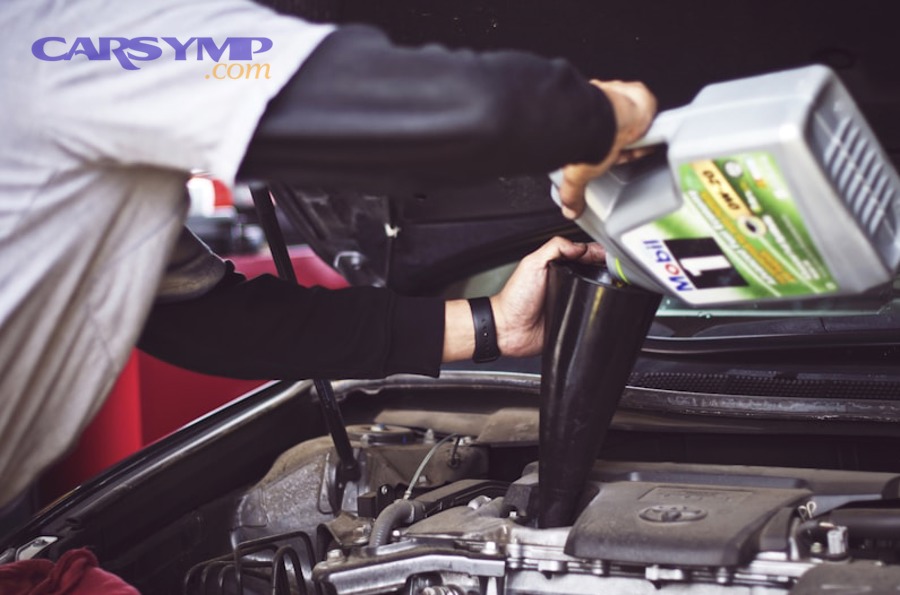
The best way to diagnose your oil leak involves cleaning the engine completely, performing top-down visual inspection with the engine cold and dry, then running the vehicle and re-inspecting with a flashlight to identify where fresh oil appears. This three-step approach—clean, inspect systematically, monitor fresh evidence—eliminates the confusion caused by oil migration and accumulated dirt. For difficult-to-locate leaks, adding UV fluorescent dye to the engine oil allows precise source identification using a UV light after 50-100 miles of driving.
More specifically, the cleaning step is crucial because old oil residue creates false leads that waste diagnostic time. Let’s examine the systematic inspection process.
How Do You Perform a Visual Inspection to Find the Leak Source?
Begin your visual inspection by thoroughly degreasing the engine using a quality engine degreaser and a brush to remove all existing oil residue. Spray the degreaser liberally on the lower engine, oil pan, bellhousing, and transmission areas where oil has accumulated, letting it soak for 5-10 minutes to dissolve old oil deposits. Use a parts brush or old toothbrush to agitate heavy buildup, then rinse with water using moderate pressure—a garden hose works well, though avoid high-pressure washers that can force water into electrical connections. Allow the engine to dry completely, either by running it briefly or letting it sit for several hours.
Once the engine is clean and dry, start your inspection at the highest point and work downward systematically. Begin by examining the valve cover gaskets, running your finger along the valve cover perimeter to check for wetness or oil seepage. Pay special attention to the rear of valve covers where they’re hardest to see and most prone to leakage. Check the intake manifold gaskets, particularly on V-configuration engines where the valley between cylinder banks can hide leaks. Inspect the oil pressure sender unit, typically located at the engine’s top rear—this sensor frequently leaks and is often misdiagnosed as a rear main seal leak because oil drips downward onto the bellhousing.
After checking upper engine components, inspect the middle engine area including the timing cover, front crankshaft seal, and oil filter housing. Remove the oil filter and check its mounting base for wetness or worn O-rings. Examine oil cooler lines where they connect to the engine block, as these connections can weep oil that runs down to lower engine areas. Check any accessories driven by the crankshaft, such as power steering pumps or air conditioning compressors, as their mounting points sometimes develop oil leaks.
Finally, examine the lower engine including the oil pan and bellhousing. Use a flashlight to inspect the oil pan’s entire perimeter, looking for fresh wetness along the gasket line. Remove the bellhousing inspection cover to check for oil on the flywheel—this is the definitive test for rear main seal leaks. Use a white paper towel or clean rag to wipe the flywheel surface and bellhousing interior; if you see fresh oil on the towel, the rear main seal is leaking.
The timing of your inspection matters significantly. Check the engine when cold after overnight parking to see what leaks while stationary—rear main seals and oil pan gaskets often show evidence after sitting as oil settles and seeps through gasket imperfections. Then drive the vehicle for 15-20 minutes to reach operating temperature and re-inspect immediately while the engine is hot. Some leaks only appear when oil viscosity decreases with heat, while others worsen due to thermal expansion creating gaps in gaskets.
Pay attention to the PCV system during inspection, as excessive crankcase pressure forces oil past seals and gaskets throughout the engine. Locate the PCV valve (often in a valve cover or intake manifold) and check its operation by removing it and shaking it—you should hear a rattle indicating the internal check valve moves freely. If the PCV valve is clogged or stuck, replace it before diagnosing further, as PCV failure can cause multiple simultaneous leaks that mislead diagnosis.
Check the oil level and condition during inspection. If the oil level is significantly overfilled, excess oil creates pressure that forces leaks at gaskets and seals. Overfilling by one quart might not cause issues, but two or more quarts above the full mark will definitely create leakage. Also inspect the oil’s appearance on the dipstick—if it looks milky or shows coolant contamination, you might have a head gasket failure creating pressure that forces oil leaks elsewhere.
Should You Use UV Dye to Identify Your Oil Leak?
Yes, you should use UV dye to identify your oil leak when visual inspection doesn’t clearly reveal the source, when multiple potential leak points exist, or when oil migration patterns create diagnostic confusion. UV fluorescent dye added to engine oil traces the exact leak path and glows brightly under UV light, eliminating guesswork about whether oil originated from the valve cover, oil pan, or rear main seal. This diagnostic method costs $12-25 for a dye kit from auto parts stores and provides definitive answers within 50-100 miles of driving.
The UV dye diagnostic process starts by adding the fluorescent dye to your engine oil through the oil fill cap or dipstick tube. Most dye products require 1-2 ounces per 5 quarts of oil capacity—follow the specific product instructions for your engine size. Add the dye with the engine cold, then start and run the engine for 5-10 minutes to circulate the dye throughout the oil system. The dye mixes with engine oil and will seep from any leak point along with the oil.
After adding dye, drive the vehicle normally for 50-100 miles to allow leaks to develop their full pattern. Short trips totaling 50 miles work fine, though some mechanics prefer a single longer drive to maximize leak evidence. The dye needs time and operating cycles to migrate to leak points and seep through gasket imperfections. During this driving period, the engine’s normal heat cycling and pressure variations push dye-laced oil through whatever gaps exist in seals and gaskets.
To inspect for leaks using the dye, you need a UV light (also called a black light) which comes with most dye kits or can be purchased separately for $15-30. UV LED flashlights work best as they’re bright, battery-powered, and easy to maneuver in tight engine compartments. Inspect the engine in a dark area—either at night or in a closed garage with lights off. Shine the UV light on suspected leak areas while looking for bright yellow-green fluorescence that indicates dye-contaminated oil. The dye glows intensely under UV light, making even small leaks clearly visible against the dark engine surfaces.
UV dye proves particularly valuable for distinguishing between nearby leak sources. For example, if you see oil in the bellhousing area, dye inspection can definitively show whether the leak originates from the rear main seal (dye inside the bellhousing on the flywheel), the rear oil pan gasket (dye on the pan’s rear edge but not inside the bellhousing), or the rear valve cover (dye trail starting at the valve cover and running down the engine’s back). This precision prevents unnecessary transmission removal for rear main seal replacement when a cheaper valve cover gasket was actually at fault.
When using UV dye, be aware that it remains in the engine oil until you change it. This persistence helps with long-term leak monitoring—you can check periodically to see if a minor leak is worsening—but it also means subsequent oil changes will glow under UV light even if the leak is fixed. Some mechanics prefer to fix known leaks, change the oil to remove dye, then add fresh dye if leaks persist to verify the repair’s effectiveness.
The dye method has limitations in certain scenarios. Engines with severe oil leaks that create heavy external oil coating may show dye fluorescence everywhere, making pinpointing difficult. In these cases, you must clean the engine thoroughly, add dye, drive briefly (10-20 miles), then inspect before new leakage spreads widely. Also, dye won’t help distinguish between very close leak sources—if the rear main seal and rear oil pan gasket both leak simultaneously, the dye will show both locations glowing.
What Common Mistakes Lead to Misdiagnosis?
The most common diagnostic mistake is assuming the lowest visible oil location indicates the leak source, when oil migration means the actual leak often sits much higher on the engine. Car owners frequently believe they have rear main seal leaks because oil appears in the bellhousing area, when valve cover gaskets or oil pressure senders actually caused the leak and gravity carried oil downward. This error leads to unnecessary transmission removal and expensive rear main seal replacement ($800-1,500) when a $75 valve cover gasket would have solved the problem.
Failing to clean the engine before diagnosis creates another major error. Accumulated oil residue from months or years of small leaks coats multiple engine areas, making it impossible to identify where fresh oil originates. Without cleaning, mechanics often see oil “everywhere” and make educated guesses rather than identifying the actual source. The proper approach requires degreasing the entire lower engine, allowing it to dry completely, then driving 20-50 miles and re-inspecting to see where new oil appears.
Not checking upper engine components first violates the fundamental diagnostic principle of starting at the top and working down. Many DIYers immediately focus on the bellhousing when they see oil there, neglecting to inspect valve covers, intake gaskets, and the oil pressure sender. These upper components leak frequently and their oil runs directly down to the bellhousing area. A rear main seal leak Repair labor time for rear main seal replacement typically requires 6-10 hours including transmission removal, while valve cover replacement takes 1-2 hours—the cost difference demands thorough upper-engine inspection before assuming rear main seal failure.
Overlooking the oil pressure sender unit causes frequent misdiagnosis, particularly on GM LS engines, Honda V6 engines, and various other designs where the sender mounts at the engine’s top-rear. This sensor includes an O-ring or tapered thread seal that can fail, releasing pressurized oil that drips directly onto the bellhousing and transmission. The leak location perfectly mimics a rear main seal leak, but sender replacement costs $20-40 and requires 15 minutes compared to $1,000+ and 8 hours for rear main seal work. Always check sender tightness and inspect directly around it for wetness.
Confusing oil cooler line leaks with engine seal leaks wastes diagnostic effort. Oil cooler lines connect to the engine block or oil filter housing and route pressurized oil to the radiator or separate cooler, and their connections use O-rings that deteriorate over time. When these connections leak, oil drips onto engine components below, including the oil pan and transmission. Inspect oil cooler line fittings carefully, looking for wetness at the connection points rather than assuming leaks originate from gaskets.
Ignoring airflow effects leads to false conclusions about leak location. When driving, air flows under the vehicle from front to rear, and this airflow catches oil drips and carries them backward. A front crankshaft seal leak or timing cover leak can produce oil drips that airflow blows all the way to the transmission area, creating the appearance of a rear main seal or oil pan leak. The diagnostic solution requires inspecting the vehicle after it has sat stationary for several hours, where fresh drips will fall straight down without airflow influence.
Not considering PCV system failure as a leak cause results in incomplete repairs. A clogged PCV valve or restricted crankcase ventilation creates excessive pressure in the crankcase, which forces oil past every seal and gasket in the engine. You might fix a valve cover gasket only to have the oil pan start leaking, then fix that only to develop a rear main seal leak—all because crankcase pressure is forcing oil everywhere. Before replacing any seal or gasket, verify PCV system operation by checking valve movement, inspecting ventilation passages for sludge, and ensuring crankcase pressure isn’t excessive.
Failing to verify transmission fluid versus engine oil causes confusion, particularly when both fluids appear in the bellhousing area. Transmission input shaft seals and front pump seals can leak transmission fluid that accumulates in the same location as rear main seal leaks. Check the fluid’s color and smell—engine oil is typically amber to dark brown and smells petroleum-based, while transmission fluid is red or brown and has a distinct sweet or burnt smell. Wipe the fluid on a white paper towel and compare to fresh samples of both fluids to confirm which you’re seeing.
Which Oil Leak Is Most Serious and Urgent to Repair?
Rear main seal leaks are most serious and urgent when actively dripping because they can contaminate manual transmission clutches causing immediate drivability issues, while valve cover and oil pan leaks are less critical unless losing more than one quart per 500 miles. However, severity depends on leak rate rather than just location—a minor rear main seal seepage losing drops per week poses less risk than a severe valve cover leak consuming quarts and dripping onto hot exhaust components. The repair urgency hierarchy places any leak losing more than one quart per 1,000 miles as high priority regardless of source, moderate leaks (quart per 2,000 miles) as medium priority, and minor seepage as low priority.
To better understand repair decisions, let’s examine the cost differences and drivability implications for each leak type.
How Much Does Each Type of Leak Typically Cost to Repair?
Valve cover gasket replacement costs $150-400 for professional installation or $50-150 for DIY repairs, making it the most affordable of the three leak types. The parts cost includes the valve cover gasket ($25-75), valve cover bolt grommets if needed ($10-20), and sometimes new valve cover bolts ($15-30). Labor time runs 1-3 hours depending on engine accessibility—inline-four engines with top-mounted valve covers require minimal disassembly, while V6 and V8 rear valve covers might require removing intake components, ignition coils, or wiring harnesses. The repair complexity sits within most DIY mechanics’ capabilities, as it requires only basic hand tools and doesn’t involve transmission removal or heavy component lifting.
Oil pan gasket replacement costs $250-600 professionally or $100-300 for DIY work, placing it mid-range for repair expense. Parts include the oil pan gasket ($30-80), new oil pan bolts if required ($20-40), and fresh engine oil and filter for the oil change required after repair ($35-60). Labor time varies significantly by vehicle design—rear-wheel-drive cars with accessible oil pans require 2-3 hours, while front-wheel-drive vehicles often need subframe lowering or partial removal adding 2-4 additional hours. Four-wheel-drive trucks sometimes require differential lowering or removal to access the oil pan, increasing labor to 4-6 hours. The repair difficulty exceeds valve covers because it requires lifting the vehicle, supporting the engine, and sometimes removing multiple components.
Rear main seal replacement costs $800-1,500 professionally or $400-700 for experienced DIYers, making it the most expensive repair by far. Parts cost relatively little—the rear main seal itself runs $15-50, and you might add a new oil pan gasket ($30-80) and fresh fluids ($50-80). The massive expense comes from labor, typically 6-10 hours, because accessing the rear main seal requires either removing the transmission from behind the engine or removing the oil pan and crankshaft components from below. Manual transmission vehicles require clutch inspection and often replacement during rear main seal work, adding $200-600 in parts and 1-2 labor hours. The repair exceeds most DIYers’ capabilities due to the transmission removal complexity, need for specialized tools like transmission jacks, and the precision required for rear main seal installation without damage.
Additional costs can surprise vehicle owners during these repairs. Mechanics often discover related issues requiring attention—worn transmission input shaft bearings making noise during rear main seal jobs, corroded oil pan bolts breaking during removal, or warped valve covers that leaked despite new gaskets. Budget an additional 20-30% beyond quoted prices for these possibilities. Also consider that some vehicles require specialized gaskets or seals—BMW and Mercedes engines often use OEM-specific parts costing 2-3 times aftermarket alternatives, while Honda and Toyota FIPG applications require specific silicone types and precise application.
The cost comparison clearly shows why accurate diagnosis matters. Misdiagnosing a $200 valve cover leak as a $1,200 rear main seal leak wastes $1,000 and creates unnecessary vehicle downtime. This financial impact explains why the diagnostic methods discussed earlier—cleaning the engine, systematic inspection, and UV dye testing—provide excellent return on the time invested.
Can You Drive with These Oil Leaks?
Yes, you can drive with minor oil leaks losing less than one quart per 1,000 miles, but you must monitor oil levels weekly and add oil as needed to prevent engine damage. The critical distinction lies between minor seepage creating drops or small spots after parking, versus active leaking that consumes quarts and creates puddles. Minor valve cover or oil pan seepage losing drops per day poses minimal immediate risk—you’ll spend $20-40 monthly on replacement oil and create environmental concerns from drips, but engine damage won’t occur if you maintain proper oil level. Active leaks consuming one quart per 500 miles or faster demand immediate repair because running low on oil, even briefly, causes bearing wear, piston scoring, and potentially catastrophic engine failure.
Monitor your oil consumption rate to assess leak severity and driving safety. Check the oil level on the dipstick every 3-4 days for the first two weeks after discovering a leak, noting how much oil you must add and how frequently. A leak requiring half a quart weekly (approximately one quart per 300-500 miles of typical driving) falls in the “repair soon” category—you can drive to work and run errands, but schedule repair within 1-2 weeks. Leaks consuming one quart every 1-2 days enter the “repair immediately” category—you risk engine damage and should minimize driving until repair.
Valve cover gasket leaks present additional safety considerations beyond oil consumption. Oil dripping onto exhaust manifolds creates fire risk, particularly if oil accumulates on hot exhaust surfaces. While engine fires from valve cover leaks are uncommon, they occur often enough to warrant caution—if you see smoke from the engine bay or smell burning oil strongly, address the leak promptly. Oil on spark plug tubes can cause misfires leading to reduced power, poor fuel economy, and potential catalytic converter damage from unburned fuel entering the exhaust.
Rear main seal leaks require more urgent attention for manual transmission vehicles because oil contamination ruins clutches quickly. If your clutch shows any slipping behavior—engine RPM rising without corresponding acceleration, difficulty engaging gears, or inconsistent grab—stop driving immediately and arrange towing to a repair facility. Continuing to drive with a slipping clutch damages the flywheel surface, requiring expensive flywheel resurfacing or replacement adding $200-400 to repair costs. Automatic transmission vehicles tolerate rear main seal leaks longer, though oil dripping onto hot exhaust or catalytic converters creates smoke and potential fire hazard.
Oil pan gasket leaks typically allow the longest driving duration before mandatory repair, assuming you maintain proper oil level. The main concerns are environmental—oil drips in your driveway or parking spots—and the potential for sudden leak worsening if a gasket section tears or a bolt loosens further. Some mechanics suggest using slightly thicker oil (10W-30 instead of 5W-20) as a temporary measure to reduce leak rate, though this only helps with minor seepage and shouldn’t substitute for proper repair.
Consider weather conditions in your driving decision. Cold weather thickens oil and can reduce leak rates temporarily, while hot weather decreases oil viscosity and worsens leaks. Summer driving with ambient temperatures exceeding 90°F might push a marginal leak into the “repair now” category. Similarly, highway driving generates more engine heat than city driving and can worsen temperature-sensitive leaks.
Keep emergency supplies in your vehicle when driving with known leaks: at least two quarts of appropriate engine oil, rags or absorbent pads to clean up drips, and cardboard or oil pans to protect surfaces where you park. Check oil level before starting the engine each day—never rely on the previous day’s level, as leaks can worsen overnight. Set phone reminders if necessary to ensure consistent oil level monitoring.
The environmental and legal aspects deserve mention. Oil leaks contaminate groundwater, harm wildlife, and violate environmental regulations in many jurisdictions. Some states and municipalities prohibit parking vehicles with active oil leaks on public streets or in certain parking areas. You might face fines or citations for visible oil spots in apartment complex parking lots or workplace parking areas. From both ethical and legal standpoints, repairing oil leaks promptly demonstrates responsible vehicle ownership.
What Other Engine Leaks Are Commonly Mistaken for These Three?
Oil pressure sender leaks, oil cooler line leaks, cam thrust cover gasket failures, and valley pan gasket seepage are commonly mistaken for rear main seal, oil pan, or valve cover leaks because they produce similar oil drip patterns and migrate to the same visible areas. These alternative leak sources create diagnostic confusion because oil follows gravity to familiar collection points—the bellhousing for upper leaks, the oil pan area for mid-engine leaks, and engine sides for various gasket failures. Proper diagnosis requires systematically checking these less common sources before committing to major repairs, particularly because many of these alternative leaks cost $50-200 to fix compared to $800-1,500 for rear main seal work.
Let’s explore these commonly overlooked leak sources that masquerade as the more familiar problems.
Could Your Leak Be From the Oil Pressure Sender or Oil Cooler Lines?
The oil pressure sender unit causes frequent leak misdiagnosis because it mounts at the engine’s top-rear position where leaked oil drips directly onto the bellhousing, perfectly mimicking rear main seal leak patterns. This sensor monitors engine oil pressure and sends signals to the dashboard gauge or warning light, connecting to the engine block via a tapered thread fitting or O-ring seal. When the sender’s seal fails, pressurized oil (typically 20-60 PSI at operating temperature) sprays or seeps from the connection, running down the engine’s back and accumulating exactly where rear main seal leaks appear.
General Motors LS engines are particularly prone to oil pressure sender leaks, with the sender located at the engine’s rear valley behind the intake manifold. On these engines, sender leaks create oil accumulation in the valley that overflows and runs down the bellhousing, often coating the transmission’s entire front face. Many owners replace rear main seals unnecessarily before discovering the sender was actually leaking. The fix requires removing the intake manifold for access, replacing the sender ($25-50), and cleaning the area—total repair time runs 2-3 hours compared to 8-10 hours for rear main seal replacement.
Honda and Acura V6 engines mount the oil pressure sender on the rear cylinder head or block, where it leaks onto the transmission and subframe. The sender uses an O-ring seal that hardens with heat cycling and age, eventually allowing oil seepage. Toyota V6 engines have similar sender positions that create rear main seal leak confusion. To check the oil pressure sender, locate it (consult your service manual or online diagrams), clean the area completely, then inspect closely with a flashlight for wetness at the sender’s mounting point. Even minor wetness indicates sender seal failure.
Oil cooler lines present another common source of mistaken diagnosis, particularly on vehicles with engine oil coolers for towing or high-performance applications. These lines route pressurized oil from the engine block or oil filter housing to a cooler (often integrated with the radiator or mounted separately), then return cooled oil to the engine. The connections use O-rings, compression fittings, or threaded adapters that can leak when O-rings harden, fittings loosen, or thread seals deteriorate.
Oil cooler line leaks typically originate at connection points on the engine block, creating drips that fall onto components below including the oil pan, steering rack, and transmission. The leak location depends on specific routing—some vehicles show oil cooler leaks at the oil filter housing above the oil pan, while others leak at block connections near the bellhousing. These leaks can be subtle, releasing oil only when the engine is hot and oil pressure is high, then stopping when the engine cools and pressure drops.
To diagnose oil cooler line leaks, inspect the lines themselves for wetness, paying particular attention to connection points where fittings attach to the engine block or oil filter housing. Look for oil residue on the line surfaces and trace any wetness back to its source. Some oil cooler lines use rubber hoses with crimp fittings that can seep at the crimp points—these are often overlooked because they’re assumed to be permanent connections. If you find oil cooler line leaks, repair typically involves replacing O-rings ($5-15), tightening fittings, or replacing damaged lines ($50-150 for parts).
The PCV system creates another frequently overlooked leak source that increases pressure forcing oil past multiple seals simultaneously. The positive crankcase ventilation system removes blow-by gases from the crankcase and routes them into the intake manifold for re-combustion. When the PCV valve sticks closed or ventilation passages clog with sludge, crankcase pressure builds beyond normal levels (should be slight vacuum, becomes positive pressure). This excess pressure forces oil past valve cover gaskets, rear main seals, oil pan gaskets, and any other potential leak path.
PCV system problems often create the confusing scenario where you fix one leak only to have another appear immediately. You might replace valve cover gaskets and see improvement for a week, then develop an oil pan leak. Or you replace the rear main seal only to have valve covers start leaking. This multiple-simultaneous-leak pattern indicates crankcase pressure issues rather than gasket failure. Before replacing any seal or gasket, test PCV system function by removing the PCV valve and shaking it (should rattle), checking for vacuum at the PCV connection with the engine running, and inspecting crankcase ventilation passages for sludge buildup.
How Do You Rule Out Cam Thrust Cover or Valley Pan Gasket Leaks?
Cam thrust cover gasket leaks affect primarily Honda and Acura V6 engines (3.0L, 3.2L, 3.5L, 3.7L variants), where these covers seal the front and rear of the camshafts on each cylinder head. The thrust covers prevent camshaft end play and seal oil passages, using gaskets that fail with age and heat cycling. When these gaskets leak, oil seeps from the cylinder head’s front or rear and runs down the engine sides, creating patterns identical to valve cover gasket leaks or rear main seal leaks depending on which thrust cover fails.
The rear cam thrust cover gasket is particularly prone to leakage and difficult to diagnose because it sits behind the intake manifold and EGR valve assembly on Honda V6 engines. Oil from this gasket drips directly onto the transmission bellhousing, mimicking rear main seal leaks perfectly. The front cam thrust cover gasket can also leak, with oil running down the engine’s front and getting blown rearward by airflow, again creating confusion about the leak source.
To check cam thrust cover gaskets, you must inspect the cylinder heads’ front and rear surfaces where the covers bolt on. This inspection often requires removing intake components for rear cover access. Look for oil seepage at the gasket perimeter, particularly at the top and sides where oil collects before dripping. The repair involves removing the appropriate cam thrust cover, replacing the gasket ($10-25), cleaning surfaces thoroughly, and reinstalling with proper torque. Front covers typically require 1-2 hours labor, while rear covers might need 3-4 hours due to intake manifold removal.
Valley pan gaskets (also called intake valley pans or lower intake gaskets) seal the valley area between cylinder banks on V-configuration engines. This gasket prevents oil from the lifter valley from leaking externally or from entering the intake ports. Valley pan gasket failures create oil leaks at the front or rear of the intake manifold, with oil running down the engine block toward the oil pan or bellhousing.
Diagnosing valley pan gasket leaks requires inspecting the intake manifold’s front and rear where it meets the engine block. Clean these areas and look for fresh oil seepage after running the engine. Valley pan leaks sometimes appear as oil accumulation in the intake manifold valley itself—if you remove the intake manifold for any reason and find it sitting in an oil puddle, the valley pan gasket has failed. Repair requires intake manifold removal, valley pan gasket replacement ($25-75), and careful surface cleaning and torque procedures. Labor runs 3-5 hours depending on engine accessibility.
Distributor gasket leaks affect older engines (pre-1995 typically) with distributor-based ignition systems. The distributor mounts to the engine block or cylinder head and uses an O-ring or gasket to seal the mounting point. When this seal fails, oil leaks from around the distributor base and runs down the engine, often toward the rear where it mimics rear main seal leaks. To check distributor seals, remove the distributor cap and inspect around the distributor housing base for oil wetness. The fix involves removing the distributor, replacing the O-ring or gasket ($5-15), and reinstalling with proper alignment and timing.
Crankshaft position sensor (CKP) O-ring leaks occur on engines where the CKP sensor mounts through the engine block into an oil passage. Some Honda engines place the CKP sensor at the engine’s rear-upper position with an O-ring seal, and this O-ring can fail with age. The resulting leak drips directly onto the transmission, creating another rear main seal impostor. CKP sensor O-ring replacement costs $10-20 for parts and requires 30-60 minutes labor, dramatically less than rear main seal work.
The diagnostic approach for these alternative leak sources follows the same principle as main leak diagnosis: clean the engine, inspect systematically from top to bottom, and monitor where fresh oil appears. Many mechanics recommend addressing any upper engine leaks first, then cleaning and re-inspecting before proceeding to oil pan or rear main seal work. This conservative approach saves customers money by fixing $100-300 upper engine problems before attempting $1,000+ lower engine repairs.
What About Front Engine Leaks That Travel Backward?
Front crankshaft seal leaks, timing cover gasket leaks, and water pump gasket failures at the engine’s front can migrate backward along the engine or chassis components, creating the false appearance of rear engine leaks. This backward oil migration occurs primarily due to airflow under the vehicle during driving—air enters from the front and flows rearward at 30-70 MPH, catching any oil drips and carrying them toward the transmission and rear suspension. Static drip inspection after overnight parking can reveal the true source, as oil without airflow influence falls straight down from the leak point.
The front crankshaft seal (also called front main seal) prevents oil from leaking where the crankshaft exits the engine’s front to drive the timing belt or chain and accessories. This seal mounts behind the harmonic balancer or vibration damper and can fail from age, improper installation, or crankshaft surface wear. When the front crank seal leaks, oil drips from the damper area onto the ground, but during driving, airflow carries these drips rearward along the oil pan, steering components, and chassis, depositing oil well behind the actual leak source.
To diagnose front crank seal leaks, inspect the harmonic balancer for oil fling marks—the spinning balancer throws leaked oil outward, creating radial streaks or spray patterns on nearby components. Check the balancer’s inner surface where the seal contacts it for wetness or oil accumulation. Front crank seal replacement requires removing the harmonic balancer using a puller tool, replacing the seal ($15-40), and reinstalling the balancer with proper torque. Labor runs 1.5-3 hours depending on balancer removal difficulty and whether timing components need removal for access.
Timing cover gasket leaks create similar migration patterns. The timing cover seals the engine’s front timing chain or belt area, using gaskets at the cover-to-block interface and often integrating with the oil pan gasket at the front. When timing cover gaskets fail, oil leaks from the engine’s front and runs downward, often accumulating at the oil pan’s front edge where it can be mistaken for oil pan gasket leaks. Timing cover leaks sometimes appear near the crankshaft area, confusing them with front crank seal leaks.
Inspect the timing cover by looking at its perimeter for oil seepage, particularly at the lower corners where the cover meets the oil pan. Clean the area and monitor for fresh leaks after driving. Timing cover gasket replacement varies in complexity—some engines allow timing cover removal without disturbing timing components (2-3 hours labor), while others require timing chain or belt removal, tensioner replacement, and timing reset (5-8 hours labor). Parts cost $50-150 for gaskets and seals.
Water pump gasket leaks occasionally appear as engine oil leaks because some engines use the water pump as part of the timing cover assembly, and failed gaskets can allow coolant and oil mixing. More commonly, water pump pulley bearing failures allow coolant leakage that drips onto the oil pan, creating wetness that might be mistaken for oil. Differentiate by inspecting the fluid’s color and smell—coolant is typically green, orange, or pink with a sweet smell, while oil is amber to brown with a petroleum smell.
The airflow effect becomes most pronounced on vehicles with undertray panels or skid plates that create aerodynamic channels directing airflow rearward. Some modern vehicles with full belly pans show front engine leaks migrating 18-24 inches rearward from the source before exiting the undertray and dripping to the ground. To overcome this diagnostic challenge, inspect the vehicle after overnight parking when there’s been no driving for 8-12 hours—any fresh oil drips will fall directly from the source rather than being blown backward.
Another migration path involves oil traveling along wiring harnesses, fuel lines, or brake lines that run from the engine’s front to rear. Oil can wick along these components’ surfaces through capillary action, eventually dripping from connection points far from the original leak. Inspect these pathways carefully, wiping them with white paper towels to trace oil back to its source. This investigation takes patience but prevents misdiagnosis.
Do Stop-Leak Additives Work for These Types of Leaks?
Stop-leak additives work moderately well for valve cover gasket seepage and minor oil pan gasket leaks by temporarily swelling rubber seals and filling minor gasket imperfections, but they rarely fix rear main seal leaks or any leak caused by torn, damaged, or missing gasket material. Products like AT-205 Re-Seal, Bar’s Leaks, and Blue Devil Oil Stop Leak contain seal conditioners and swelling agents that soften hardened rubber gaskets, helping them conform better to sealing surfaces. Effectiveness varies dramatically by leak type—minor seepage from age-hardened gaskets responds best, while leaks from damaged gaskets, warped flanges, or missing gasket material won’t respond to additives.
Valve cover gasket leaks show the best response to stop-leak additives because valve cover gaskets are typically rubber and prone to hardening with age and heat cycling. The additives soften the rubber, allowing it to expand slightly and fill minor gaps where oil seeps through. Users report 50-70% success rates with minor valve cover seepage when using quality products like AT-205 according to proper instructions. The treatment requires adding the specified amount (typically 1-2 ounces per 5 quarts of oil), driving 50-100 miles to allow circulation, and waiting 1-2 weeks for full effect as the additives gradually condition the seals.
Oil pan gasket leaks respond less consistently to stop-leak products, with success rates around 30-40% for minor seepage. The variability stems from oil pan gasket material differences—rubber gaskets might respond to swelling agents, while cork gaskets, FIPG silicone, and metal-core gaskets won’t swell or soften with additives. If your oil pan gasket is seeping due to age-hardened rubber, stop-leak might help temporarily. If the gasket has torn, the oil pan is warped, or bolts have loosened, additives won’t solve the problem.
Rear main seal leaks rarely respond to stop-leak additives despite manufacturer claims about “rear main seal leak” effectiveness. The limited success (estimated 15-25%) occurs because rear main seals use different rubber compounds designed to resist oil and heat, making them less responsive to swelling agents. Additionally, rear main seal leaks often involve worn crankshaft surfaces with grooves that no seal can follow, making leak stopping impossible without seal replacement and potential crankshaft repair. Many mechanics warn against using stop-leak products for rear main seal issues because they delay proper repair while the leak potentially worsens and causes additional damage like clutch contamination.
The stop-leak products’ risks for rear main seal and other seal types deserve consideration. Some additives can cause seal over-swelling that leads to binding or increased friction in rotating seals like the rear main. Cheaper products sometimes contain particles that can clog oil passages or accumulate in the oil pump pickup screen, potentially causing oil starvation. High-quality products like AT-205 use non-particulate formulations that work through chemical seal conditioning rather than physical gap-filling, reducing clogging risk but also limiting effectiveness on larger gaps.
Timing matters significantly with stop-leak products—they work best on fresh minor seepage where gaskets have recently begun hardening but haven’t suffered mechanical damage. If a leak has existed for months or years, the gasket has likely suffered compression set (permanent deformation) or tearing that additives can’t reverse. Similarly, leaks that worsen rapidly over days or weeks indicate mechanical failure rather than age-hardening, making stop-leak treatment unlikely to help.
Environmental and oil change considerations affect stop-leak product value. Most stop-leak additives remain in your engine oil until you change it, meaning you’re essentially paying for a temporary fix that lasts until your next oil change (3,000-7,500 miles typically). If you need a short-term solution to delay repair—perhaps you lack funds immediately but can afford repair in 2-3 months—stop-leak products might provide temporary relief. As a permanent solution, they rarely succeed and often delay inevitable repair while leaks worsen.
Some mechanics recommend high-mileage motor oil as an alternative to stop-leak additives. High-mileage oils include seal conditioners similar to those in stop-leak products, plus they provide proper lubrication without potential clogging risks. Products like Valvoline MaxLife, Pennzoil High Mileage, and Mobil 1 High Mileage include seal conditioners and cost only slightly more than conventional oil ($25-35 per oil change versus $20-28). This approach provides mild seal conditioning with every oil change rather than a one-time treatment.
The realistic expectation for stop-leak products should be “might reduce a minor seep to negligible levels” rather than “will stop leaks completely.” If you’re losing one quart per 2,000 miles from minor valve cover seepage, a stop-leak product might reduce that to one quart per 5,000 miles—noticeable improvement but not elimination. If you’re losing one quart per 200 miles from a torn gasket or severely worn seal, stop-leak won’t help meaningfully. Preventing seal leaks through regular oil changes, using quality oil appropriate for your climate, and avoiding over-tightening gasket bolts proves more effective than relying on additives to fix age-related deterioration.
Understanding the differences between rear main seal, oil pan gasket, and valve cover gasket leaks empowers you to make informed repair decisions and avoid costly misdiagnosis. Start every diagnostic process at the engine’s top and work downward, clean thoroughly before inspection, and consider UV dye testing for difficult cases. Remember that leak location doesn’t always indicate leak source due to oil migration, and check less common sources like oil pressure senders and PCV systems before committing to major repairs.
When you’ve identified your specific leak, weigh repair urgency against leak severity—minor seepage might wait for convenient repair timing, while active leaks demand immediate attention to prevent engine damage. The cost differences between valve cover ($150-400), oil pan ($250-600), and rear main seal ($800-1,500) repairs make accurate diagnosis financially critical. Finally, maintain realistic expectations about stop-leak products and temporary solutions, recognizing that proper gasket and seal replacement provides the only permanent fix for most leak scenarios.