


Bad sway bar links reveal themselves through seven distinct warning signs: clunking or knocking noises over bumps, squeaking sounds during turns, excessive body roll in corners, poor handling response, uneven tire wear, visible damage to components, and steering wheel vibrations. These symptoms indicate worn bushings, loose ball joints, or structural damage that compromises your vehicle’s stability and safety during normal driving conditions.
Understanding what each warning sign means helps you assess the severity of the problem and determine when professional intervention becomes necessary. The clunking noise typically appears first as a minor annoyance during low-speed driving over rough surfaces, while handling issues signal more advanced deterioration that directly affects vehicle control. Some symptoms manifest gradually over months, while others appear suddenly after hitting a pothole or curb, making regular inspection crucial for early detection.
The causes behind sway bar link failure range from normal wear and environmental exposure to aggressive driving habits and road conditions. Rubber bushings deteriorate from constant exposure to moisture, road salt, and temperature fluctuations, while ball joints develop excessive play from repetitive motion and stress. Drivers who frequently navigate rough roads, carry heavy loads, or encounter potholes accelerate the wear process significantly compared to those who drive primarily on well-maintained highways.
Knowing whether you can safely continue driving with damaged sway bar links and what to expect for repair costs empowers you to make informed decisions about your vehicle’s maintenance. While a single worn link may not immediately endanger your safety during routine commuting, completely broken links create unpredictable handling that becomes dangerous during emergency maneuvers or sudden lane changes. To help you navigate these concerns, let’s explore each warning sign in detail, examine diagnostic methods you can perform yourself, and outline the repair process from start to finish.
What is a Sway Bar Link and What Does It Do?
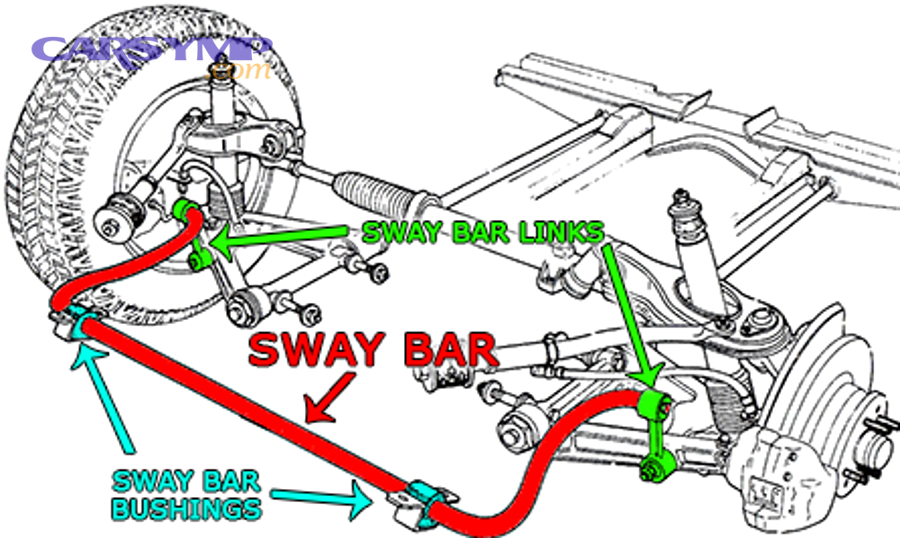
A sway bar link is a suspension component that connects the sway bar to the control arm or strut assembly, enabling the stabilizer system to reduce body roll and maintain vehicle balance during cornering and uneven road conditions. Also known as stabilizer links or end links, these components feature either ball-and-socket joints or bushing-style connections at each end, allowing flexible movement while transferring force between the sway bar and suspension.
To understand why these links matter, consider how your vehicle behaves during a sharp turn. The sway bar—a thick metal rod running across the front or rear axle—works to keep your vehicle level by resisting the natural tendency to lean outward. When you turn left, the right side of your vehicle wants to compress while the left side extends. The sway bar twists to counteract this motion, but it can only function properly when the links maintain solid connections between the bar and the suspension components on both sides.
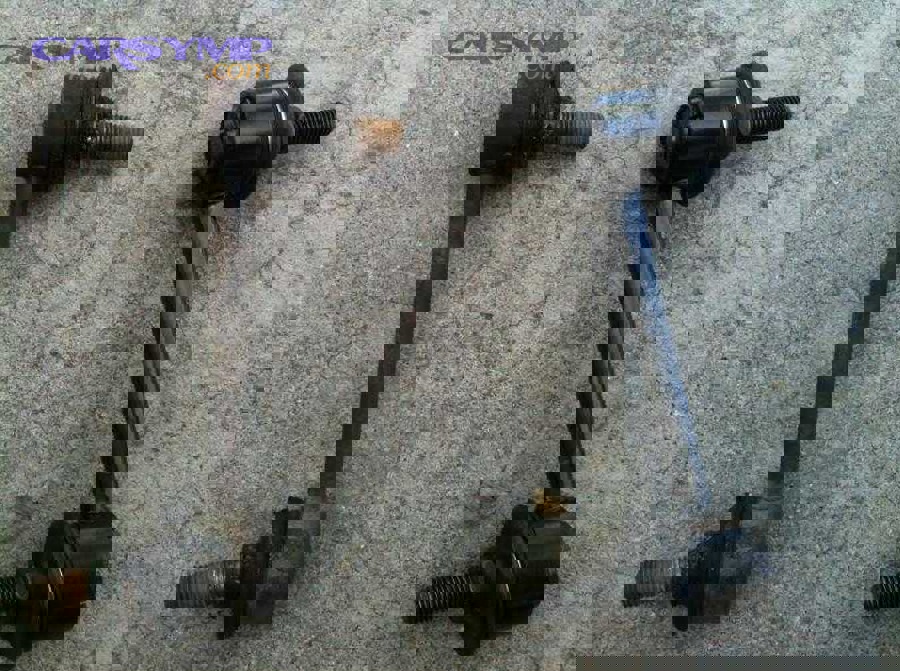
Each vehicle typically has four sway bar links total: two connecting the front sway bar and two for the rear sway bar, though some vehicles only feature front stabilizers. The front links primarily reduce body roll during cornering and improve steering response, while rear links enhance stability during lane changes and prevent the rear end from swaying excessively on uneven surfaces. These components work continuously whenever you drive, pivoting and flexing thousands of times during each trip to smooth out suspension movement and maintain tire contact with the road.
The basic anatomy of a sway bar link includes a metal shaft or rod with attachment points at both ends. Traditional designs use ball-and-socket joints similar to miniature tie rod ends, with a ball stud that passes through the sway bar and control arm, secured by nuts. The ball joint allows multi-directional movement while maintaining a strong mechanical connection. Alternative designs feature a long bolt with rubber or polyurethane bushings that compress and twist to accommodate suspension travel. Both styles serve the same purpose but fail in different ways—ball joints develop excessive play and separation, while bushings crack, tear, and deteriorate from age and exposure.
What Are the 7 Most Common Symptoms of Bad Sway Bar Links?
The seven most common symptoms of bad sway bar links include clunking noises over bumps, squeaking sounds during turns, excessive body roll in corners, poor handling response, uneven tire wear, visible component damage, and steering wheel vibrations, with each symptom indicating specific types of wear or failure modes. These warning signs often appear in progression, starting with subtle noises that worsen over time before developing into noticeable handling problems that affect your driving experience and safety.
Recognizing these symptoms early allows you to address sway bar link problems before they cause secondary damage to other suspension components or create dangerous driving conditions. Below, we’ll examine each warning sign in detail, explaining what causes it, when it typically appears, and what it tells you about the condition of your sway bar links.
#1 – Clunking or Knocking Noises When Driving Over Bumps
The most common symptom of failing sway bar links is a metallic clunking or knocking sound that occurs when driving over bumps, potholes, or uneven pavement, particularly noticeable at low speeds between 5-25 mph. This sway bar link noise results from worn bushings or loose ball joints that allow excessive movement between components, causing metal-to-metal contact each time the suspension compresses or extends.
The sound typically originates from the front wheel area and occurs once per bump with a sharp, distinct “clunk” rather than a continuous rattle. Fresh pavement produces silence while rough roads trigger repeated knocking, helping you distinguish this problem from other suspension issues. The noise may start quietly and gradually increase in volume over several weeks or months as wear progresses, or it may appear suddenly after hitting a particularly severe pothole that damages the link’s mounting hardware.
When ball joints within the sway bar link wear out, the ball develops excessive clearance inside its socket, creating a gap that allows the stud to move freely before engaging. Each bump causes the suspension to move, and the loose ball joint shifts rapidly within its socket, striking the socket walls and producing that characteristic clunk. Similarly, worn bushings lose their ability to grip the link shaft tightly, allowing the metal components to shift and strike against the mounting bracket or sway bar.
Drivers often notice this symptom most prominently when backing out of driveways with a dip at the curb, navigating parking lot speed bumps, or traveling over railroad crossings. The sound may disappear on smooth highways but return immediately when encountering rough city streets. Some describe it as the sound of someone tapping a wrench against the undercarriage, while others compare it to loose tools rattling in the trunk—except the source remains constant near the front wheels.
#2 – Squeaking or Creaking Sounds During Turns
A high-pitched squeaking or creaking sound that occurs specifically when turning the steering wheel, especially during low-speed maneuvers in parking lots, indicates deteriorated rubber bushings within the sway bar link assembly. Unlike the sharp clunking from worn ball joints, this symptom produces a sustained squeak or groan that continues throughout the turning motion and stops when you straighten the wheel.
The noise originates from dry, cracked, or compressed rubber bushings that can no longer flex smoothly under load. As the vehicle turns, weight transfers to the outside wheels, forcing the sway bar to twist and apply pressure through the links. Healthy bushings compress and twist silently, but degraded rubber generates friction against the metal components, creating that distinctive squeaking sound that many drivers compare to an old door hinge or a rusty swing set.
Temperature affects this symptom significantly, with cold weather often making the squeaking more pronounced as rubber becomes less pliable. Some drivers notice the sound primarily during the first drive of the day, with improvement after the bushings warm up from friction and movement. Conversely, extreme heat can accelerate rubber deterioration, making the squeaking worse during summer months or after highway driving when underbody components reach elevated temperatures.
This symptom often appears earlier in the wear cycle than clunking noises, serving as an advance warning that your sway bar links need attention. If addressed promptly when squeaking first begins, you may prevent more severe damage that leads to complete link failure. However, many drivers ignore these sounds because they don’t seem to affect vehicle performance initially, allowing the problem to progress until the bushings tear completely or the links develop dangerous amounts of play.
#3 – Excessive Body Roll in Corners
Increased body lean or roll during cornering, where your vehicle tilts more dramatically toward the outside of a turn than normal, indicates that damaged sway bar links have compromised the stabilizer system’s ability to resist lateral weight transfer. This symptom becomes particularly noticeable during moderate to sharp turns at speeds above 25 mph, when you feel the vehicle leaning outward more than usual or sense a delayed response as the suspension struggles to settle.
When sway bar links fail completely or develop significant play, the sway bar can no longer effectively transfer force between the left and right sides of the suspension. During a right turn, the left side of your vehicle should compress while the sway bar twists to resist this motion and help support the outside wheels. Broken or severely worn links break this mechanical connection, allowing the vehicle to roll freely without the stabilizing resistance that keeps it level.
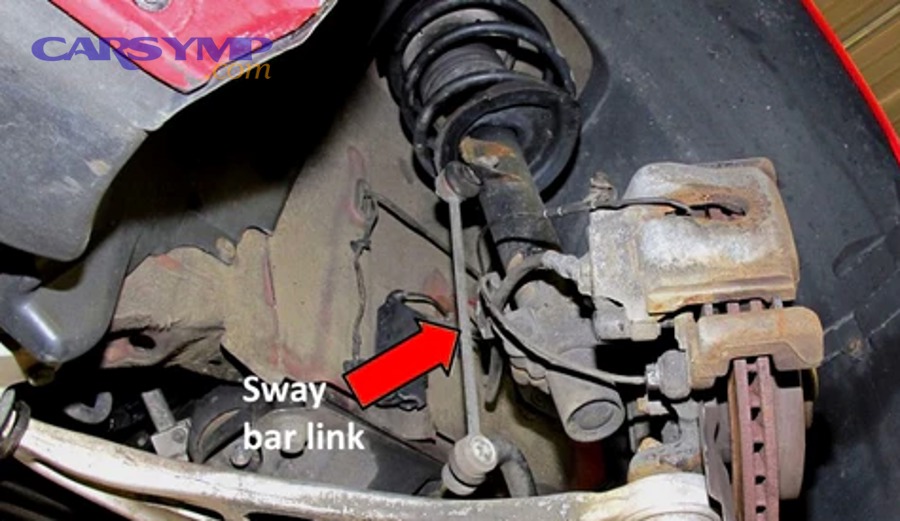
Drivers describe this feeling as their vehicle “wallowing” through turns or feeling top-heavy, as if cargo were shifting in the roof rack. Passengers may notice increased discomfort during normal cornering, experiencing more side-to-side motion than they remember from previous trips. The sensation becomes more pronounced when changing lanes on the highway or navigating curved freeway ramps, where the sustained lateral forces reveal the stabilizer system’s inability to maintain proper body control.
This symptom directly affects both safety and comfort, as excessive body roll reduces tire contact patch effectiveness and extends the time required for weight transfer to stabilize. During emergency maneuvers or sudden obstacle avoidance, the increased roll can momentarily lift the inside wheels or reduce their traction significantly, compromising your ability to maintain control. The delayed settling after completing a turn creates a floating sensation that reduces driver confidence and makes precise vehicle placement more difficult.
#4 – Poor or Unresponsive Handling
Vague, delayed, or unresponsive steering feel indicates that worn sway bar links have degraded your vehicle’s handling precision, creating a disconnected sensation between steering inputs and vehicle response, particularly noticeable at highway speeds above 55 mph. This symptom manifests as a lack of immediate feedback when you turn the wheel, requiring larger steering corrections to maintain your lane or navigate curves compared to when the links were new.
The connection between sway bar links and steering feel operates through the suspension system’s geometry and feedback mechanisms. When links maintain solid connections, steering inputs translate immediately into suspension movement and tire direction changes. Worn links introduce play and delay into this system, requiring the suspension to move further before engaging the sway bar’s stabilizing effect. This creates a mushy or numb steering sensation where small corrections feel ineffective and the vehicle seems to wander slightly within the lane.
Highway driving amplifies this problem because higher speeds magnify the effects of any suspension looseness or delay. Small road irregularities that would normally transmit subtle feedback through the steering wheel instead get absorbed by the play in worn links, leaving you with less information about road conditions and tire traction. Lane changes require more steering effort and feel less controlled, while maintaining a straight path demands constant minor corrections rather than feeling stable and planted.
Many drivers describe the sensation as their vehicle feeling “floaty” or as if they’re steering a boat rather than a car—inputs work eventually, but the connection between steering wheel and road feels indirect and imprecise. This symptom becomes particularly dangerous during emergency maneuvers, when split-second responsiveness determines whether you successfully avoid an obstacle. The delayed reaction time from worn sway bar links can mean the difference between clearing a hazard and making contact, especially when combined with the excessive body roll and reduced stability these damaged components create.
#5 – Uneven or Accelerated Tire Wear
Abnormal tire wear patterns, particularly excessive wear on the outer edges of front tires or irregular wear showing feathering and cupping, can result from prolonged driving with bad sway bar links that allow improper weight distribution during cornering and uneven road surfaces. While multiple suspension issues can cause tire wear, the pattern created by failed sway bar links typically shows more aggressive wear on the outside shoulder of tires, reflecting the increased stress these areas experience when body roll goes unchecked.
The mechanical relationship between sway bar link failure and tire wear operates through camber and load distribution changes. When the stabilizer system functions properly, it maintains relatively even tire contact patch pressure across the tread width during cornering. Failed links allow excessive body roll, which dramatically increases the load on the outer edge of outside tires during turns while potentially lifting the inner edge or reducing its contact pressure. This concentrated stress accelerates rubber wear in the outer tread area, creating a visibly sloped shoulder compared to the center of the tire.
Feathering—where tread blocks develop a sawtooth pattern with one edge worn lower than the other—can also indicate sway bar link problems, particularly when combined with other alignment issues that develop as secondary effects. Cupping or scalloping, where the tread surface shows irregular high and low spots around the circumference, sometimes appears when worn links allow the suspension to bounce or oscillate inconsistently over bumps and during dynamic driving.
Detecting tire wear early requires regular inspection of all four tires, running your hand across the tread surface to feel for uneven heights or edge differences that may not be visible to the eye. Front tires typically show the most dramatic wear from failed front sway bar links, though rear link failure can create similar patterns on rear tires. The financial impact extends beyond tire replacement costs—ignoring sway bar link problems that cause abnormal wear means purchasing new tires without addressing the root cause, resulting in rapid destruction of the fresh rubber and repeated replacement expenses.
#6 – Visible Damage to Links or Bushings
Physical inspection revealing cracked rubber bushings, torn protective boots, bent link shafts, missing hardware, or obvious separation between components provides the most definitive evidence of sway bar link failure before complete breakdown occurs. This symptom requires getting underneath the vehicle safely or having a professional mechanic inspect the suspension during routine service, but visual confirmation eliminates guesswork about whether your other symptoms actually originate from the sway bar links.
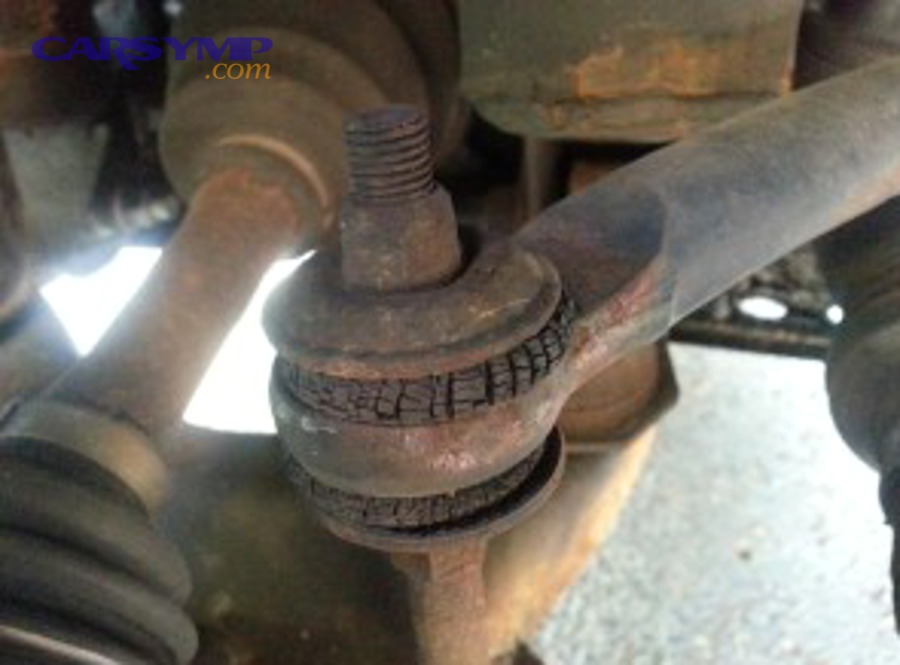
Common visible damage indicators include rubber bushings with deep cracks running through the material, sometimes splitting completely into separate pieces. The protective rubber boots that shield ball joints from dirt and moisture frequently tear first, exposing the joint to contamination that accelerates wear. You might notice rust stains or corrosion on the link shaft, metal components bent from impact damage, or mounting nuts that have backed off enough to create visible gaps between components that should fit tightly together.
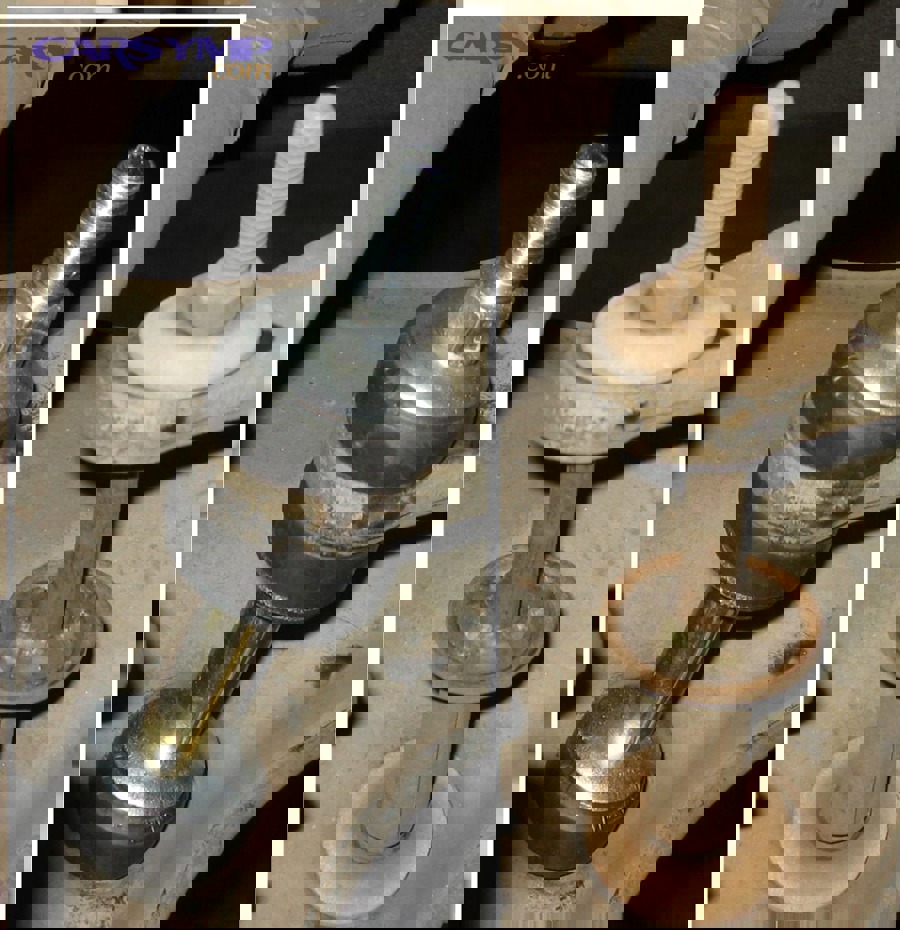
Comparing the left and right links side-by-side often reveals asymmetric wear, with one side showing significantly more damage than its counterpart. This comparison helps confirm that the damaged side likely caused the symptoms you’ve been experiencing. Fresh grease or oil residue around a ball joint indicates that the protective boot has failed and the internal lubricant has leaked out, guaranteeing that wear will accelerate rapidly without that crucial lubrication.
The inspection process involves safely raising the vehicle on jack stands (never trusting a hydraulic jack alone), removing wheels for better access if necessary, and examining both ends of each sway bar link. Look for movement when you push and pull on the sway bar or link with your hands—excessive play that allows visible gaps to open and close indicates worn-out components. Some mechanics use a pry bar to apply force while watching for movement, helping identify subtle wear that manual pushing might miss.
#7 – Vibrations in the Steering Wheel
Steering wheel vibrations or shaking that intensify during turns, especially over rough roads or at moderate speeds between 30-50 mph, can indicate severely worn sway bar links that allow the suspension to oscillate or vibrate inconsistently. Unlike the smooth vibration from unbalanced wheels or warped rotors, vibrations from bad sway bar links feel irregular and often correlate with road conditions, becoming more pronounced when the suspension works harder to absorb bumps during cornering.
This symptom typically appears only after significant wear has occurred, making it a late-stage warning sign that demands immediate attention. The vibration originates from the rapid movement of loose components that shift back and forth as road forces and suspension motion create oscillating loads. When a ball joint or bushing develops excessive play, each bump or steering input can cause the loose component to rattle rapidly, transmitting vibrations through the suspension and steering linkage up to the steering wheel.
The sensation differs from the constant vibration of wheel balance issues because it varies with road surface and steering input. Smooth pavement may produce minimal vibration while rough roads create noticeable shaking. Turning the wheel often makes the vibration worse as lateral forces increase the load on the worn links, forcing the loose components to move more dramatically within their excessive clearances.
Drivers sometimes confuse this symptom with other suspension or steering problems, but the correlation with rough roads during turns provides strong diagnostic clues. The vibration may feel almost rhythmic or pulsing rather than smooth, reflecting the individual impacts of the loose components as they rattle within their mounts. Severe cases produce vibrations you can feel through the floorboard and seat, not just the steering wheel, indicating that the worn links have progressed to a point where they significantly affect overall suspension behavior.
How Can You Tell if Your Symptoms Are Definitely Bad Sway Bar Links?
Confirming that your symptoms originate from bad sway bar links rather than other suspension components requires systematic diagnosis through physical inspection, simple mechanical tests, and understanding which symptoms specifically correlate with link failure versus related problems like worn tie rod ends, ball joints, or struts. Many suspension issues produce overlapping symptoms, making differential diagnosis essential before committing to repairs.
To narrow down the source of your symptoms, consider the specific character of the noises and sensations you’re experiencing. Sway bar link problems typically produce sounds and handling issues that worsen over bumps and during turns but may remain relatively quiet during straight-line driving on smooth roads. This differs from constant noise or vibration that persists regardless of road conditions, which more likely indicates wheel bearings, CV joints, or other continuously rotating components.
Simple Tests You Can Perform at Home
Several safe diagnostic tests help you evaluate sway bar link condition without specialized tools, starting with the bounce test where you push down firmly on each corner of your vehicle and release quickly while listening for clunking or rattling sounds from the suspension. Stand beside the front fender, place your hands on the hood or fender edge, and push down with your full body weight before releasing suddenly—healthy sway bar links remain silent during this test, while worn links often produce a distinct clunk or rattle as the suspension rebounds.
Performing this test on all four corners helps identify which links show problems, since front and rear sway bar links can fail independently. Listen carefully as the suspension compresses and extends, noting any metallic sounds that suggest loose components. The rebound after you release should feel controlled and dampened, without excessive bouncing or the sensation that components are moving independently rather than as a coordinated system.
Visual inspection from underneath the vehicle reveals obvious damage but requires safe support methods—never crawl under a vehicle supported only by a hydraulic jack. Using proper jack stands on a level surface, you can examine the sway bar links for the visible damage indicators mentioned earlier: cracked bushings, torn boots, bent shafts, and loose hardware. With the vehicle safely supported, try grasping the sway bar link and attempting to move it by hand—excessive play or the ability to create visible gaps indicates worn components.
The “rock test” involves grabbing the tire at the 12 and 6 o’clock positions and pushing/pulling to feel for movement, then repeating at the 3 and 9 o’clock positions. While this test primarily checks ball joints and wheel bearings, you can simultaneously listen for noises from the sway bar link area. Having an assistant watch the sway bar link while you perform this test helps identify whether the link moves excessively or makes noise during the motion.
Some mechanics recommend the “push-pull sway bar test” where you grasp the sway bar itself (not the link) and push up and down while watching the link connections. Properly functioning links move smoothly without excessive play or gaps appearing at the connection points. Any visible separation, movement within the bushings beyond slight compression, or clicking sounds during this test indicate wear that requires replacement.
When to Seek Professional Diagnosis
Professional mechanic inspection becomes necessary when home tests produce ambiguous results, when you lack the equipment to safely raise and support your vehicle, or when symptoms suggest multiple suspension problems that require comprehensive evaluation. Mechanics possess specialized tools like articulating inspection lights, pry bars calibrated for applying specific forces, and lifts that provide safe access to suspension components, enabling more thorough examination than most DIY scenarios allow.
The professional diagnostic process typically begins with a road test where the mechanic experiences your symptoms firsthand, helping them understand the specific character of noises, handling problems, or vibrations you’ve described. This test drive provides context that static inspection cannot reveal, showing how the problems manifest during actual driving conditions. Following the road test, the mechanic raises the vehicle on a lift for detailed inspection of all suspension components, not just sway bar links.
Professional diagnosis proves especially valuable because experienced technicians can differentiate between similar symptoms from different sources. The clunking noise you attribute to sway bar links might actually come from worn lower control arm bushings, loose strut mounts, or deteriorated engine mounts transmitting powertrain movement to the chassis. Mechanics apply systematic testing procedures, isolating each component by applying force in specific directions while observing movement and listening for sounds, building a complete picture of suspension condition.
Expect professional diagnosis to cost between $50-$150 at most repair facilities, with some shops waiving the diagnostic fee if you proceed with recommended repairs. This investment proves worthwhile when it prevents unnecessary parts replacement—buying and installing new sway bar links won’t solve your problem if the real issue involves different components. The inspection report should identify all worn suspension parts, allowing you to prioritize repairs based on safety and budget considerations.
Trust your instincts about when professional help becomes necessary. If you feel unsafe performing inspections, lack confidence in your diagnostic conclusions, or simply want expert confirmation before spending money on parts and labor, professional evaluation provides peace of mind. The safety implications of suspension problems justify the diagnostic cost, ensuring that the repairs you make actually address the problems affecting your vehicle’s handling and stability.
What Causes Sway Bar Links to Go Bad?
Sway bar links fail due to three primary factors: normal wear from continuous flexing and pivoting during suspension movement, environmental deterioration from exposure to moisture, road salt, and temperature extremes, and accelerated damage from driving conditions including rough roads, heavy loads, and impact events like potholes or curb strikes. Understanding these causes helps you anticipate failure patterns and potentially extend link lifespan through driving adjustments and preventive measures.
The typical service life for sway bar links varies dramatically based on these factors, ranging from as little as 30,000 miles in harsh conditions to over 100,000 miles when operating in favorable environments with gentle driving habits. Most manufacturers design these components as “lifetime” parts without specified replacement intervals, but this designation assumes average conditions that don’t account for the extreme variation in real-world use patterns and environmental exposure.
Normal Wear and Environmental Factors
Continuous mechanical movement creates gradual wear even under ideal conditions, as sway bar links pivot and flex thousands of times during every trip to accommodate suspension travel and steering inputs. Each time your vehicle encounters a bump, dip, or turn, the links articulate at their connection points—ball joints rotate within their sockets while bushings compress, twist, and rebound, gradually wearing the internal surfaces and deteriorating the rubber compounds through repetitive stress.
Environmental exposure accelerates this natural wear process significantly, particularly in regions using road salt for winter ice control. Salt creates a corrosive environment that attacks metal components, causing surface pitting that progresses to structural weakening if left unchecked. The salt-water solution penetrates protective coatings and works into crevices around ball joint boots and bushing contact areas, promoting rust formation that binds moving parts and destroys rubber seals. Northern states and coastal areas see dramatically shorter sway bar link lifespans compared to dry, temperate climates where corrosion poses minimal threat.
Temperature cycling between hot summer days and freezing winter nights subjects rubber bushings to expansion and contraction that eventually causes material fatigue. Rubber compounds naturally harden and become brittle over time, a process called “oxidative aging” that UV exposure and ozone in the atmosphere accelerate. Cold temperatures make rubber stiff and less flexible, reducing its ability to absorb and dampen suspension movement, while extreme heat softens the material and can cause it to deform or compress permanently.
Moisture penetration into ball joints destroys the thin film of lubricating grease that prevents metal-to-metal contact between the ball and socket. Most sway bar link ball joints use a sealed design without grease fittings, meaning they contain a lifetime supply of lubricant protected only by thin rubber or plastic boots. Once these boots crack or tear from age and flexing, water and contaminants enter the joint cavity, diluting or washing away the grease and introducing abrasive particles that accelerate wear dramatically.
| Climate Condition | Average Lifespan | Primary Wear Factor |
|---|---|---|
| Dry, moderate temperature | 80,000-120,000 miles | Normal mechanical wear |
| Salt-belt winter regions | 40,000-70,000 miles | Corrosion and salt damage |
| Extreme heat (desert) | 60,000-90,000 miles | Rubber deterioration |
| Coastal high-humidity | 50,000-80,000 miles | Moisture and salt exposure |
| Mixed conditions | 50,000-100,000 miles | Combined factors |
The table above shows typical sway bar link lifespan expectations based on environmental conditions and primary wear factors affecting component longevity.
Driving Habits and Road Conditions That Accelerate Failure
Aggressive driving habits and challenging road conditions impose forces on sway bar links that exceed normal design parameters, causing premature failure through overload stress and impact damage. Each pothole hit at speed, every aggressive corner entry, and all instances of overloading your vehicle contribute cumulative damage that shortens link lifespan compared to gentle driving on well-maintained roads.
Potholes create the most common impact damage, generating sudden shock loads when your tire drops into a depression and then strikes the far edge during exit. This violent suspension movement forces the sway bar link to absorb tremendous stress in milliseconds, potentially bending the shaft, cracking bushings, or separating ball joints from their sockets. A single severe pothole strike can damage a sway bar link enough to cause immediate failure, though more commonly the damage accumulates over multiple impacts until the weakened component eventually breaks.
Rough road driving subjects links to continuous high-frequency vibration and repeated compression cycles that accelerate fatigue in both metal and rubber components. Unpaved roads, deteriorated city streets, and construction zones create operating conditions far more severe than the smooth highways used for most component longevity testing. The constant hammering from rough surfaces literally shakes the sway bar links apart over time, with bushings taking particular abuse as they compress and rebound thousands of extra times per mile compared to smooth pavement driving.
Heavy loads and towing increase the forces acting on sway bar links during cornering and lane changes, as the additional weight creates greater lateral load transfer that the stabilizer system must resist. Regularly loading your vehicle to its maximum capacity or towing near your vehicle’s tow rating subjects the sway bar links to operating stresses approaching their design limits, leaving little safety margin for additional factors like rough roads or sudden maneuvers. Commercial vehicles and work trucks often experience shorter sway bar link lifespans than passenger cars simply due to the constant heavy-duty use they endure.
Off-road driving combines multiple destructive factors: rough terrain, articulation to suspension travel extremes, impact loads from rocks and obstacles, and the introduction of mud and debris that works into link components. Many off-road enthusiasts upgrade to heavy-duty sway bar links or disconnect systems specifically because standard links cannot withstand the severe conditions encountered on trails. Even occasional off-road excursions accelerate wear compared to exclusively paved road driving, as the extreme suspension movements and impacts create stress cycles that approach or exceed design limits.
Speed bumps and driveway transitions become problem areas when approached too quickly, as the rapid compression and extension cycle loads the sway bar links similarly to pothole strikes. The curb dip at the end of many driveways creates a particularly harsh impact when exited at speed, with the suspension dropping suddenly before rebounding as the tires climb back to street level. Slowing to 5 mph or less for these obstacles dramatically reduces the stress on sway bar links and all suspension components, representing one of the easiest preventive measures for extending component life.
According to research conducted by the Automotive Research Center at University of Michigan’s Department of Mechanical Engineering in 2019, vehicles operated primarily on rough urban roads experience 40-60% shorter suspension component lifespans compared to those driven mainly on highways, with sway bar links showing particularly accelerated wear rates due to their exposure to full-range suspension movement during every impact event.
Is It Safe to Drive with Bad Sway Bar Links?
No, driving with bad sway bar links is not recommended due to compromised vehicle stability, reduced control during emergency maneuvers, and potential for complete link failure that can damage adjacent components, though the immediate danger level varies from minor safety reduction with early-stage wear to critical hazard with completely broken links. The decision to continue driving depends on symptom severity and driving conditions, with short trips at low speeds to reach a repair facility generally acceptable but extended driving or highway use increasingly risky as damage progresses.
The safety implications center on your vehicle’s ability to maintain stability and respond predictably during situations that require quick reactions. Emergency lane changes, sudden obstacle avoidance, and hard braking while turning all depend on proper sway bar function to control body roll and maintain tire contact patch integrity. Worn or broken sway bar links undermine these critical safety systems, potentially causing loss of control precisely when you need maximum performance from your vehicle.
Short-Term Risks vs. Long-Term Consequences
Immediate safety risks from bad sway bar links escalate with the severity of wear and the driving conditions you encounter, ranging from minimal concern during gentle driving with early-stage link wear to serious accident potential when completely broken links allow extreme body roll during emergency maneuvers. The progression typically spans months from first symptoms to critical failure, giving you time to schedule repairs—but the unpredictable nature of complete link breakage means waiting too long introduces unnecessary risk.
Early-stage wear producing occasional clunking sounds but no noticeable handling changes presents relatively low immediate danger during normal commuting and errand running. The link still maintains mechanical connection between the sway bar and suspension, albeit with increased play that reduces system effectiveness. You can likely drive safely for several weeks while arranging convenient repair scheduling, though you should avoid aggressive driving, high speeds, or challenging conditions that demand maximum stability and control.
Progressive wear that creates noticeable body roll, delayed handling response, or continuous noise indicates approaching critical failure where the link barely maintains its connection. At this stage, the safety margin shrinks dramatically—the link might separate completely during a hard turn or severe bump, suddenly eliminating all sway bar function on that side of the vehicle. This sudden transition from partial to zero sway bar effectiveness creates unpredictable handling that can catch you completely off-guard, potentially causing loss of control or inability to complete an emergency maneuver.
Complete link failure, where the sway bar separates entirely from the suspension, creates maximum body roll and significantly degrades handling stability. Many drivers report that a single broken link still allows relatively normal gentle driving, but any situation requiring quick steering inputs or traveling on rough roads becomes noticeably unstable and uncomfortable. The vehicle feels “tippy” in turns and wallows over bumps, inspiring reduced confidence that naturally makes you drive more cautiously and defensively.
Long-term consequences of driving with bad sway bar links extend beyond the immediate safety concerns to include accelerated wear of other suspension components that must compensate for the non-functioning stabilizer system. Struts and shocks work harder to control body motion without sway bar assistance, shortening their service life. Uneven weight distribution during cornering stresses suspension bushings, ball joints, and wheel bearings asymmetrically, potentially causing premature failure of these expensive components.
The financial impact multiplies when neglected sway bar links cause secondary damage. A broken link swinging freely can strike brake lines, ABS sensor wiring, or CV axle boots, creating additional repair needs beyond simple sway bar link replacement. The mounting points where links attach to the sway bar or control arm can become damaged if a failed link allows excessive movement or metal-to-metal contact that wears the bolt holes into elongated slots, potentially requiring replacement of the entire sway bar or control arm rather than just the inexpensive links.
How Long Can You Drive Before Replacement Is Urgent?
The window for safe continued driving with bad sway bar links ranges from immediate repair necessity when links have completely separated or show visible severe damage, to several weeks for mild symptoms like occasional clunking sounds without handling changes, with most situations falling into a “weeks not months” category where prompt repair makes sense for both safety and component protection. Making this determination requires honest assessment of symptom severity and your typical driving conditions rather than hoping the problem resolves itself or remains stable indefinitely.
Complete link separation demands immediate repair—driving with a fully disconnected sway bar link creates the maximum safety risk and potential for secondary damage as the loose link swings and contacts other components. If you experience sudden dramatic increase in body roll, hear loud banging or dragging sounds from underneath, or see a dangling part beneath your vehicle, do not drive further except possibly to move off the roadway to a safe location. Arrange for towing to a repair facility rather than attempting to drive even short distances.
Severe symptoms including constant loud clunking, noticeable handling degradation, or visible damage during inspection suggest repair should occur within days, not weeks. While you might still drive to work or handle necessary errands, you should schedule repair appointments immediately and modify your driving to avoid highways, rough roads, and any situation requiring quick maneuvering. Consider this a countdown situation where each additional mile traveled increases risk incrementally, making prompt repair the responsible choice.
Moderate symptoms like intermittent clunking over bumps or mild body roll increases allow slightly more flexibility, suggesting repair within 1-2 weeks represents reasonable timing. You can maintain relatively normal driving patterns during this period, though exercising extra caution during poor weather, heavy traffic, or unfamiliar roads makes sense given your reduced safety margin. Use this time to obtain repair quotes, schedule service appointments during convenient time slots, and arrange alternative transportation if needed during repair.
Mild early-stage symptoms including occasional squeaking or very infrequent light clunking provide the most flexibility, though “flexibility” still means weeks rather than months before repair becomes necessary. Even at this early stage, the wear process continues and typically accelerates as damaged components deteriorate further. Addressing the problem now while it remains simple prevents more complex repairs later, makes economic sense, and eliminates the nagging concern about whether each trip might be the one where the link finally fails completely.
Never adopt a “drive until it breaks completely” mentality with suspension components that directly affect vehicle control and safety. The $150-300 cost of sway bar link replacement represents minimal expense compared to even a minor accident caused by stability loss, and absolutely trivial when measured against potential injury to yourself or others. Schedule repairs promptly when symptoms appear, erring on the side of caution rather than hoping worn components remain functional indefinitely.
What Should You Expect for Sway Bar Link Repair or Replacement?
Sway bar link replacement typically costs between $150-300 for professional service covering both front links, with the process requiring 30-60 minutes of labor plus parts costs of $20-50 per link for most vehicles, though some luxury or performance vehicles reach $400-500 total due to expensive OEM parts and complex designs requiring additional labor. The straightforward mechanical process involves removing wheels for access, unbolting the old links, installing new components, and torquing fasteners to manufacturer specifications, making it accessible for experienced DIY mechanics while remaining affordable even when performed professionally.
Understanding the repair process helps you evaluate quotes from different shops, recognize whether additional recommended work makes sense, and decide whether tackling the job yourself fits your skill level and available tools. The following sections detail what happens during professional sway bar link replacement and address the important question of whether replacing one or both links makes sense for your situation.
Average Repair Costs and Time Requirements
Professional sway bar link replacement labor rates vary by geographic location and shop type, with independent mechanics typically charging $75-125 per hour while dealership rates reach $125-175 per hour, resulting in labor costs between $40-120 for the straightforward replacement job on most vehicles. The relatively short labor time reflects the simple mechanical process—sway bar links rank among the easiest suspension components to replace, requiring only basic hand tools and minimal disassembly to access.
Parts costs depend heavily on whether you choose OEM (original equipment manufacturer) components from the vehicle manufacturer, aftermarket parts from major suppliers like MOOG or TRW, or budget options from economy brands. OEM links typically cost $30-80 each and provide guaranteed fitment and quality matching factory specifications. Premium aftermarket parts from established suspension specialists often cost $25-60 per link while offering improved durability or performance features like greaseable fittings. Economy aftermarket links start around $15-25 each but may feature lower-quality materials or less precise manufacturing tolerances that could affect longevity.
The total repair bill includes both links even when only one shows obvious damage—more on that decision in the next section—plus shop supplies fees of $5-15 and potentially wheel alignment checks if the shop recommends verifying alignment after suspension work. Some shops include alignment inspection in their service, while others charge separately, with full four-wheel alignment costing $75-150 if adjustments prove necessary. Most sway bar link replacements do not actually require alignment since the links don’t affect alignment angles, but conscientious shops verify alignment as a courtesy when performing any suspension work.
Vehicle-specific factors dramatically influence both parts and labor costs, with lifted trucks and luxury European vehicles representing the extreme high end of the cost spectrum. Large trucks may require longer links and more robust components that cost $75-100 each, while their increased ground clearance and wheel/tire size add labor time reaching 90-120 minutes. European luxury vehicles often use complex multi-piece link designs or require special tools for removal, pushing parts costs toward $100-150 per link and labor time past one hour even for experienced technicians.
The condition of mounting hardware significantly affects labor time and potentially parts costs, as rusted or seized fasteners sometimes require cutting and replacement rather than simple unbolting. Shops in salt-belt regions routinely encounter sway bar link mounting bolts rusted so severely that they must be cut off with torches or angle grinders, adding 30-60 minutes of labor time and necessitating new mounting hardware. This unpredictable factor explains why some shops provide estimate ranges rather than firm quotes before examining the vehicle—they simply can’t predict hardware condition until attempting removal.
Mobile mechanics and chain repair shops often offer competitive sway bar link replacement pricing, with national chains like Midas, Firestone, and Pep Boys frequently running promotions or package deals on suspension work. Mobile mechanics eliminate shop overhead costs, potentially offering $100-200 total cost for front link replacement at your home or workplace. Comparing quotes from multiple sources makes sense for this straightforward repair, as price variation between providers can reach $100-150 for identical work.
Should You Replace One Link or Both?
Replacing both sway bar links on the same axle simultaneously represents the universally recommended best practice, even when only one side shows obvious damage or produces symptoms, because matching new components ensures balanced performance and prevents the near-certain scenario where the second link fails shortly after replacing only the first. This recommendation applies whether dealing with front or rear links, with front and rear considered separate systems that don’t require simultaneous replacement.
The reasoning behind replacing pairs centers on several interconnected factors. First, sway bar links on both sides of an axle experience essentially identical service conditions—same mileage, same environmental exposure, same driving forces, and same manufacturing batch with similar materials and build quality. When one link deteriorates enough to require replacement, its partner sits very close to the same condition, having experienced the same wear factors throughout the vehicle’s life.
Second, the cost differential between replacing one versus both links proves minimal when you account for labor’s share of the total bill. Labor to access and replace one link requires nearly identical time as replacing both—the wheels must come off, the suspension must be loaded or unloaded with a jack, and the same basic procedures apply regardless of quantity. Adding the second link typically costs only the parts price plus perhaps 10-15 minutes of additional labor, meaning you might pay $180 total for both versus $140 for one—the $40 difference represents excellent value for the assurance of matching new components.
Third, the inconvenience and opportunity cost of addressing the second link separately in the near future outweighs any minor savings from replacing only the obviously damaged component now. If you replace only the right front link today, there’s a high probability the left front link will require replacement within 3-6 months, forcing you to pay another service fee, take time off work for another appointment, and be without your vehicle again. Handling both simultaneously eliminates this hassle and provides confidence that your sway bar system will function reliably for years to come.
Fourth, mismatched components—one old, one new—can create subtle performance imbalances where one side responds more crisply than the other, potentially affecting handling symmetry. While unlikely to create dangerous conditions, this imbalance can produce a vague sense that the vehicle pulls slightly or doesn’t feel quite right during aggressive cornering. Installing matched new links on both sides ensures balanced response and eliminates this concern entirely.
The separate consideration of front versus rear links allows flexibility in repair timing when both axles show problems. Replacing all four links simultaneously makes sense if your budget allows and both front and rear show symptoms, but you can address front and rear separately if cost constraints require prioritization. Most vehicles experience front sway bar link failure more frequently than rear due to greater load and movement during steering inputs, making front links the typical priority when choosing between axles.
DIY mechanics attempting sway bar link replacement should absolutely plan on replacing both links even if tempted to save the $20-40 parts cost by replacing only the damaged side. The labor investment you’re making with your own time becomes wasted if you must repeat the job months later for the second link, and the Rusted link removal tips and Handling improvements after replacement you’ll experience with matched new components make the small additional parts investment worthwhile.
How Can You Prevent Sway Bar Link Failure and Extend Their Lifespan?
Extending sway bar link lifespan requires combining regular visual inspections during routine maintenance, protective driving habits that minimize harsh impacts and excessive loads, and consideration of upgraded components for vehicles operating in severe conditions or beyond manufacturer design parameters. While you cannot prevent eventual wear from normal use, these proactive measures can extend service life by 30-50% compared to neglectful operation, potentially doubling the typical replacement interval in favorable scenarios.
Prevention strategies work best when implemented early in vehicle ownership rather than waiting until problems appear, as the cumulative benefits of gentle treatment compound over years of driving. The following sections detail specific practices that protect sway bar links and the broader suspension system, plus guidance on when upgrading to heavy-duty components makes economic and performance sense.
Regular Inspection and Maintenance Best Practices
Incorporating sway bar link inspection into your regular maintenance schedule catches early wear before it progresses to failure, allowing planned replacement during convenient service intervals rather than emergency repairs after breakdown. Most vehicles should receive thorough suspension inspection every 12 months or 12,000-15,000 miles, with more frequent checks recommended for vehicles operating in harsh conditions or showing any suspension-related symptoms.
The inspection process requires safely raising the vehicle on jack stands or using a professional lift to access the undercarriage while maintaining proper support to prevent injury. Once elevated, examine both ends of each sway bar link for the visible damage indicators discussed earlier: cracked or deteriorating bushings, torn protective boots, corrosion on metal components, and looseness at mounting points. Grasping the sway bar and attempting to move it up and down reveals excessive play in worn links that may not show obvious visual damage.
Including sway bar link condition in your vehicle’s service records creates documentation that helps predict replacement timing and proves valuable when selling the vehicle or evaluating overall suspension health. Many mechanics include basic suspension inspection as part of oil change service or tire rotations, though the inspection depth varies by facility. Specifically requesting sway bar link evaluation ensures the technician examines these components rather than limiting inspection to only the most obviously worn parts.
Protective measures against environmental damage include regular undercarriage washing during winter months to remove salt and corrosive road chemicals before they cause permanent damage. Many car washes offer undercarriage spray options, or you can use a pressure washer at home to flush the suspension components. This simple preventive measure proves particularly valuable in snow-belt regions where road salt use is heavy, potentially extending component life by years compared to never removing accumulated salt.
Applying rubber protectant to bushings during suspension work or detailed cleaning helps preserve the rubber compounds and slow deterioration from UV exposure and ozone. Products designed specifically for automotive rubber conditioning penetrate the material and maintain flexibility better than general-purpose protectants. While not a miracle cure for aging rubber, regular application during the first half of component life when rubber remains relatively healthy can extend the period before cracking and hardening begin.
Addressing small problems promptly prevents cascade failures where one worn component accelerates damage to related parts. If you notice minor squeaking from sway bar links, schedule inspection and potential replacement before the squeaking progresses to clunking that indicates severe wear. The minimal cost of early replacement versus waiting for complete failure often includes avoiding secondary damage to sway bars, control arms, or other components that worn links might impact or stress abnormally.
Driving Habits That Protect Your Suspension Components
Adjusting your driving style to minimize harsh suspension impacts represents the single most effective method for extending sway bar link life and protecting all suspension components simultaneously. Slowing to 5 mph or less for speed bumps, potholes, and driveway transitions reduces impact forces by 60-80% compared to crossing these obstacles at 15-20 mph, according to suspension engineering studies, translating directly into reduced stress on every component including sway bar links.
Scanning the road ahead allows you to identify and avoid potholes, road debris, and severe pavement irregularities before they impact your suspension. Adjusting your lane position to miss potholes proves far more effective than any suspension upgrade at preventing damage. When avoidance isn’t possible, reducing speed as much as traffic conditions allow minimizes the violence of the impact your suspension must absorb.
Moderating cornering speed and avoiding aggressive turn entry reduces lateral load transfer that stresses sway bar links during their primary function. While sway bar systems are designed for this duty, repeatedly cornering at the vehicle’s handling limits accelerates wear compared to gentler driving that keeps cornering forces well below maximum. This doesn’t mean you must drive timidly—simply avoiding the most aggressive maneuvers and allowing yourself slightly larger margin before the vehicle approaches its handling limits extends component life measurably.
Loading your vehicle within manufacturer specifications and avoiding chronic overloading protects sway bar links and the entire suspension system from excessive stress. Check your owner’s manual for maximum payload ratings and tongue weight limits if towing, then keep actual loads comfortably below these maximums when possible. Using a vehicle with higher capacity ratings for frequent heavy hauling proves more economical long-term than repeatedly exceeding a lighter vehicle’s limits and suffering accelerated component wear.
Tire pressure maintenance affects suspension stress more than many drivers realize—underinflated tires allow excessive sidewall flexing that transmits impacts more harshly to suspension components. Maintaining pressures at manufacturer recommendations ensures tires absorb their designed share of road impacts rather than passing excess forces through to the suspension. This simple maintenance task protects not just sway bar links but shocks, struts, springs, and all suspension bushings from premature wear.
When to Upgrade to Heavy-Duty or Performance Sway Bar Links
Upgrading to heavy-duty or performance sway bar links makes sense for vehicles frequently operating beyond normal passenger car parameters, including off-road trucks, vehicles with suspension lifts, those regularly towing at or near maximum capacity, and performance vehicles with upgraded sway bars requiring stronger links to handle increased forces. Standard replacement links prove adequate for typical commuting and highway use, but certain applications justify the additional investment in stronger components.
Heavy-duty links feature larger diameter shafts, reinforced ball joint housings, or polyurethane bushings that resist deformation better than standard rubber compounds. These upgrades increase load capacity and durability at the expense of slightly firmer ride quality—the less compliant bushings transmit more vibration and harshness compared to softer rubber, creating a trade-off between longevity and comfort. For work trucks and off-road vehicles where durability outweighs comfort, this trade-off makes perfect sense.
Off-road vehicles particularly benefit from upgraded links because standard components simply cannot withstand the extreme suspension articulation and impact forces encountered on trails. Many serious off-roaders install quick-disconnect sway bar systems that allow removing the sway bar’s influence entirely during technical trail sections requiring maximum suspension flex, then reconnecting for street driving where stability matters more. These systems typically include heavy-duty links designed for repeated installation and removal plus the shock loads from rock crawling and obstacle navigation.
Lifted trucks require longer sway bar links to accommodate the increased distance between mounting points created by suspension lifts. Using standard-length links with a lifted suspension creates geometry problems that prevent the sway bar from functioning properly and places side loads on links they weren’t designed to handle. Aftermarket lift kit manufacturers typically include appropriately sized links with their kits, but standalone sway bar link upgrades allow replacement without purchasing an entire kit if the original extended links wear out.
Performance vehicle owners who have installed larger diameter sway bars for reduced body roll and sharper handling should verify their links can handle the increased forces these stiffer bars generate. A sway bar upgrade from the stock 24mm diameter to a performance 28mm or 32mm bar creates substantially more resistance to body roll, translating into higher forces transmitted through the links during aggressive cornering. Upgraded links with stronger construction prevent premature failure under these increased loads.
Cost-benefit analysis for upgrades compares the additional expense against your specific needs and usage patterns. Heavy-duty sway bar links typically cost $35-75 each versus $20-40 for standard replacements—the roughly $30-70 per pair premium delivers value if your vehicle’s usage justifies it, but wastes money if you primarily drive on paved roads with normal loads. Honestly assess whether your driving conditions genuinely benefit from upgraded components rather than simply buying the most expensive option assuming it must be better.
What’s the Difference Between Front and Rear Sway Bar Link Problems?
Front and rear sway bar link problems differ primarily in how symptoms manifest and which driving situations reveal the issues most prominently, with front link failure typically producing more noticeable steering effects and body roll during turns, while rear link failure creates tail-end instability, particularly during lane changes and over bumps that affect only rear wheels. Understanding these differences helps you diagnose which links require attention and explains why front links fail more frequently than rear on most vehicles.
Front sway bar links experience greater duty cycle because they respond to steering inputs in addition to cornering forces and bumps. Every steering wheel movement creates suspension geometry changes that the front sway bar helps control, causing the links to articulate constantly even during straight-line driving with minor steering corrections. This continuous movement accelerates wear compared to rear links, which only work during body roll events from cornering, bumps, and weight transfer situations.
The symptom presentation differs between front and rear failures in ways that help isolate which set requires replacement. Front link problems typically announce themselves through the steering wheel—clunking felt through the column when hitting bumps, vibrations during turns, and reduced steering precision. The proximity of front links to the steering system’s tie rods and rack creates mechanical coupling that transmits link-related noises and vibrations directly into the steering components. Drivers describe feeling like the steering has looseness or vagueness when front links wear, even though the links don’t directly connect to steering components.
Rear link failure produces symptoms felt more in the vehicle’s body motion than through controls. Excessive rear body roll creates a “tail-happy” sensation where the back end seems to sway or lag behind the front during lane changes. Bumps that affect only rear wheels—like a pothole under the rear tire or a driveway transition—produce clunking isolated to the rear of the vehicle rather than the more common front suspension noise. Passengers in rear seats often notice rear link problems before drivers do, as they experience the increased motion and instability more directly.
Replacement timing for front versus rear links typically falls on different schedules, with front links requiring replacement roughly 1.5-2 times more frequently than rear links due to their higher duty cycle and exposure to steering-related movement. This creates scenarios where front links might need replacement at 60,000 miles while rear links remain serviceable until 100,000 miles or more. Budget-conscious drivers can address front and rear separately when only one set shows problems, though replacing all four simultaneously when both sets approach failure makes sense for vehicles approaching high mileage.
Vehicle design variations affect whether front or rear links experience more wear, with front-wheel-drive vehicles often showing accelerated front link wear due to the combination of steering and powertrain torque effects on front suspension. Rear-wheel-drive vehicles distribute stresses differently, sometimes showing more balanced wear between front and rear. Heavy vehicles with separate rear sway bars—many SUVs and trucks—may experience rear link failure at rates approaching front links simply due to the mass and forces involved in controlling a heavy rear end.
The handling improvements after replacement differ between front and rear, with front link replacement typically producing more dramatic improvement in steering feel and cornering confidence, while rear replacement enhances stability and reduces that tail-wagging sensation during lane changes. Both contribute to overall vehicle control, but drivers tend to notice front suspension work more immediately because of the direct connection between front suspension and steering response that creates tangible feedback through controls.
Understanding these seven warning signs empowers you to catch sway bar link problems early, when repairs remain simple and affordable rather than waiting until complete failure creates safety hazards and potential secondary damage. Pay attention to clunking noises, handling changes, and unusual tire wear patterns as your vehicle communicates suspension health through these symptoms. Schedule professional inspection when symptoms appear, replace both links on each axle simultaneously, and adopt driving habits that minimize harsh impacts to maximize component life. The investment in timely sway bar link replacement—typically under $300 for professional service—protects your safety, preserves other suspension components, and maintains the confident handling your vehicle was designed to deliver.