


wheel balancing cost is usually modest compared with the tire wear, vibration, and ride-quality problems it helps prevent. In current market references, a standalone tire balancing service is commonly quoted in the tens of dollars, while broader rotate-and-balance packages can move into the low hundreds depending on vehicle type, labor, and local pricing. (repairpal.com)
That basic estimate only tells part of the story, because the final price changes with wheel size, tire type, whether the tires are already off the vehicle, and whether the shop bundles the service with installation or rotation. Car owners usually are not just asking “how much,” but also “why does one quote look different from another?”
The next practical question is whether the service is actually needed right now. In most cases, wheel balancing becomes worth paying for when you notice speed-related vibration, install new tires, remount or repair a tire, or suspect a wheel-end disturbance after a pothole or curb impact. Michelin specifically notes that balancing is necessary when a tire is fitted and may be needed again after an impact. (michelin.ie)
Many drivers also confuse balancing with alignment, rotation, or premium services such as road force balancing. Introduce a new idea: the main content below separates the standard wheel balancing price estimate from the factors, symptoms, service steps, and related options that matter most when you decide where and when to book service. (michelinman.com)
How Much Does Wheel Balancing Cost for Car Owners?
Wheel balancing usually costs far less than alignment, and most car owners can expect a standard service quote somewhere between about $40 and $75 for a routine visit, although some market references show lower or higher ranges depending on whether the price is per wheel, per vehicle, or bundled with other tire work. More specifically, the number that matters is not one universal price, but the type of quote you are being shown. (bergetoyota.com)
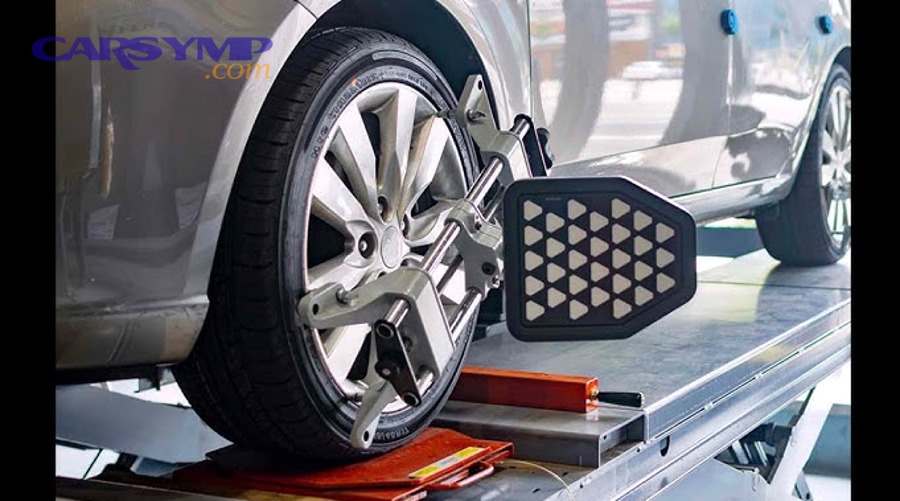
What Is the Average Wheel Balancing Cost Per Wheel and Per Set?
The average wheel balancing cost is commonly quoted either per wheel or for the whole vehicle, and that pricing method changes how affordable the estimate looks at first glance. Specifically, some shops and service guides frame the cost as roughly $15 to $50 per tire or $60 to $200 for a full set, while other sources present a simpler general-service average closer to $37 to $55 for a balancing visit.
That difference does not necessarily mean one source is wrong. A shop quoting “per tire” may be describing a straightforward on-vehicle or off-vehicle balance rate, while a broader estimate may reflect labor, vehicle-specific handling, or a more typical final invoice. For ordinary passenger cars, many owners will see quotes in the middle of those ranges. If you are balancing only one wheel after a repair, the ticket can stay relatively low. If all four wheels need attention, the total climbs accordingly.
The most useful approach is to ask the shop one simple question: “Is this price per wheel, for two wheels, or for all four?” That single clarification prevents most estimate confusion. It also helps when comparing chain stores, dealerships, and independent shops, because one provider may advertise a base number while another quotes a complete job.
According to RepairPal, updated January 28, 2026, the average cost for a tire balancing service is between $37 and $55 before taxes, fees, and location-based adjustments. (repairpal.com)
Does Wheel Balancing Cost More for Some Vehicles Than Others?
Yes, wheel balancing can cost more for some vehicles because larger assemblies, specialty tires, and added labor increase the time and precision required. More importantly, SUVs, trucks, performance cars, and vehicles with oversized wheels often push the estimate upward because the shop must handle heavier or less forgiving wheel-and-tire packages.
A compact sedan on standard wheels is usually the easiest and cheapest case. A half-ton truck, low-profile performance setup, or large-diameter alloy wheel can take longer to mount correctly, measure accurately, and recheck. Premium vehicles may also carry higher local labor rates if the shop expects more careful handling or specialized procedures. That is why a general national average works as a starting point, not a guaranteed final invoice. (bergetoyota.com)
Regional pricing also matters. Urban labor markets and dealership service departments often quote higher numbers than smaller independent shops. In addition, if the tires are already off the car during installation, the balance portion may feel cheaper because the labor overlaps with work already being done.
According to Kelley Blue Book’s service guide, average tire rotation and balance pricing is higher than rotation alone, which shows how bundled labor and vehicle-specific shop time can materially change the final service total. (kbb.com)
What Factors Affect a Wheel Balancing Cost Estimate?
A wheel balancing cost estimate depends mainly on labor, wheel-and-tire size, service bundling, and how much extra handling the assembly requires. To better understand the quote, it helps to separate the visible price from the hidden cost drivers that shape it.
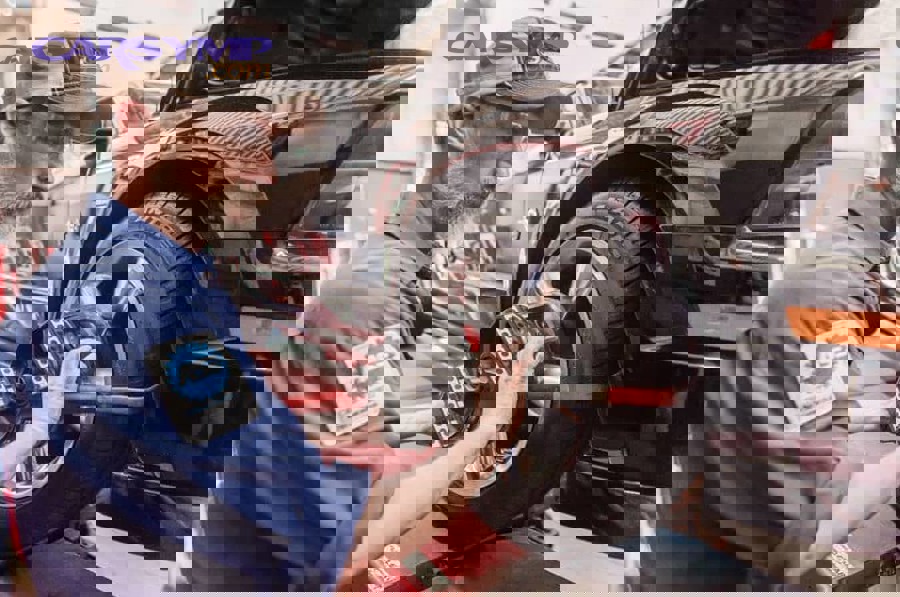
Which Parts of the Service Actually Affect the Final Price?
The final price is affected by the labor to remove and remount the wheel, the balancing measurement itself, the weights used, and any additional diagnostic or correction work. Specifically, the balance machine does not create most of the cost on its own; technician time does. (repairpal.com)
If the wheels are already off the vehicle because you are buying new tires, the balancing portion may be folded into installation pricing. If the technician must remove all four wheels, inspect tire condition, clean mounting surfaces, spin each assembly, apply weights, and verify the result, labor rises. Some shops also add charges when a wheel is bent, a tire is irregular, or repeated balancing attempts suggest a runout issue rather than a simple weight correction. (pepboys.com)
This is why two shops can advertise similar low starting prices but produce very different totals. One may be quoting only the balance step, while the other is pricing the complete wheel-handling job. Reading the estimate line by line matters more than comparing the first number you see.
According to Discount Tire’s installation guidance, tire-and-wheel installation fees are grounded in labor and supplies, which is why balancing feels cheaper when it is performed as part of a larger tire service rather than as a stand-alone visit. (discounttire.com)
Is Wheel Balancing Cheaper When Combined With Tire Rotation or New Tire Installation?
Yes, wheel balancing is often cheaper or more cost-effective when combined with tire rotation or new tire installation because the labor overlaps and the shop handles the wheel once instead of twice. In addition, many retailers package balancing as part of a broader tire-care offering. (discounttire.com)
This is where Balancing with new tires best practices becomes important. When new tires are installed, balancing should not be treated as an optional afterthought. Michelin states that balancing is always necessary when a tire is fitted, and Michelin also notes that tires should be balanced when they are mounted on wheels for the first time or remounted after repair. (michelin.ie)
In practical terms, that means the smartest time to pay for wheel balancing is often during tire installation. You avoid duplicate labor, you start the life of the new tires with a smoother baseline, and you reduce the chance that an early vibration complaint sends you back to the shop. Many national tire retailers also build rotation, rebalancing, or inspection benefits into their tire programs, which improves long-term value even if the initial invoice looks slightly higher. (discounttire.com)
According to Kelley Blue Book, the average cost of tire rotation and balance is $112 to $132, compared with $60 to $72 for rotation alone, showing that the incremental cost of adding balance to an existing tire-service visit is often easier to justify than paying for separate appointments later. (kbb.com)
Do You Need Wheel Balancing, and When Should You Pay for It?
Yes, you should pay for wheel balancing when vibration is speed-related, tires are newly installed or remounted, or impact and wear suggest the wheel-and-tire assembly is no longer running smoothly. Next, the key is recognizing when the symptoms point to balancing rather than another repair. (michelin.ie)

What Symptoms Tell You That Wheel Balancing Is Needed?
The most common Wheel balancing symptoms are vibration at certain speeds, shaking felt in the steering wheel or seat, and uneven wear patterns that develop without a clear alignment-only explanation. More specifically, imbalance usually shows up as a speed-dependent shake rather than a constant problem at every speed. (michelinman.com)
This pattern matters because wheel-end vibrations usually track vehicle speed. Technical bulletins filed with NHTSA note that wheel-end vibrations produce a lower-frequency shake or hop and often occur in a specific speed range, which helps separate them from engine-speed or driveline-related issues. Michelin also warns that out-of-balance tires can create vibration, driver fatigue, premature or uneven tire wear, and extra wear on suspension components. (static.nhtsa.gov)
In real driving, front-wheel imbalance is more likely to be felt through the steering wheel, while rear-wheel imbalance may feel like a seat or cabin vibration. That is why car owners often describe the problem as “it gets worse around 55 to 70 mph” rather than “it shakes all the time.” Those are classic wheel balancing symptoms, although bent wheels, bad tires, or worn suspension parts can mimic them. (static.nhtsa.gov)
According to Michelin, out-of-balance tires can lead to vibration, premature or uneven tire wear, and unnecessary wear and tear on the suspension, which is why these symptoms should not be ignored even when the car still feels drivable. (michelinman.com)
Should You Balance Tires After New Tires, Repairs, or Hitting a Pothole?
Yes, you should balance tires after installing new tires, after a tire has been remounted or repaired, and after a hard pothole or curb hit if vibration follows. Moreover, these are exactly the situations in which a routine balance check is most useful. (michelin.ie)
New tire installation is the clearest yes. The tire and wheel assembly has changed, and the shop should balance it before the vehicle returns to the road. After a repair or remount, the same logic applies because the assembly relationship has been disturbed. After a pothole or curb strike, the answer becomes “very likely” if a shake begins afterward, because the impact may have shifted a weight, damaged the rim, or exposed a preexisting uniformity problem. Michelin explicitly says balancing may be needed after a wheel has been hit. (michelin.ie)
This also connects to Tire flat-spot and balance issues after sitting. If a car sits for a prolonged period, temporary flat spotting can create a thump or vibration on the first drive. Michelin says typical flat spotting is often temporary and can be minimized with correct placard pressure and regular vehicle movement. If the vibration fades as the tires warm up, flat spotting is a plausible cause; if it stays, the assembly may need balancing or deeper inspection. (michelinman.com)
According to Michelin, balancing is always necessary when a tire is fitted, and typical flat spotting after sitting is often temporary rather than permanent, which helps car owners decide whether they need immediate balancing or a short warm-up drive followed by re-evaluation. (michelin.ie)
What Is Included in a Wheel Balancing Service?
A wheel balancing service includes measuring imbalance in the wheel-and-tire assembly and correcting it with precisely placed weights so the assembly rotates more evenly. To better understand the price, it helps to know what you are actually paying the shop to do. (hunter.com)
What Happens During a Standard Wheel Balancing Service?
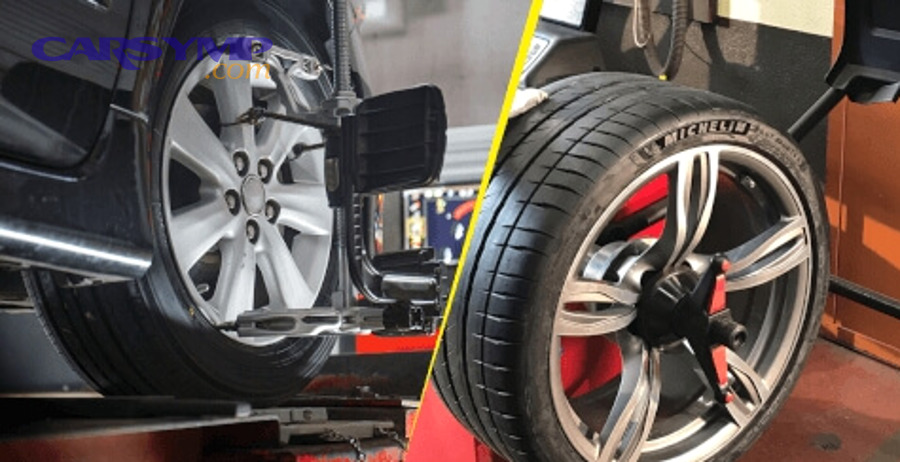
A standard wheel balancing service follows a simple process: remove the wheel if needed, mount the assembly on a balancer, measure the heavy and light spots, apply weights, and verify the correction. Then, if the numbers are within spec, the wheel goes back on the vehicle. (hunter.com)
In a normal service bay, the technician spins the assembly on a balancing machine that identifies where correction is needed. Weights are then attached in appropriate positions, commonly on the rim or behind the spokes depending on wheel style. The technician reruns the measurement to confirm the imbalance has been reduced to an acceptable level. That repeat-check step is what turns balancing from guesswork into a measurable service. (hunter.com)
Standard balancing focuses on weight imbalance. It does not necessarily diagnose every hidden tire or wheel defect. If the machine shows persistent issues, the technician may suspect runout, force variation, bent components, or tire construction problems that need more than ordinary weights to correct. That is when premium diagnostic balancing enters the conversation. (hunter.com)
According to GM technical guidance filed with NHTSA, a Hunter Road Force balancer can perform a static balance while also checking road force during a single measurement, illustrating how the modern balancing process can move from simple weight correction into deeper wheel-and-tire diagnostics when necessary. (static.nhtsa.gov)
Are Wheel Weights, Labor, and Rechecks Usually Included in the Price?
Usually, a quoted wheel balancing price includes the balancing measurement, technician labor for the procedure, and the small correction weights used in the job, but not always every follow-up or related repair. In short, “included” depends on how the shop wrote the estimate. (repairpal.com)
When balancing is part of a new tire installation, weights and routine balancing labor are commonly built into the service package. When it is a stand-alone visit, some shops still price it as one all-in service, while others break out separate items or advertise a per-wheel number. Rechecks may be free if the shop stands behind the work or if the tires were purchased there; some retailers even promote ongoing rebalance support as part of their tire programs. (discounttire.com)
That is why reading the estimate closely matters. A low advertised price may not include wheel removal, reinstall, diagnostic time, or any deeper troubleshooting if vibration persists. The cleanest estimate is the one that states whether the quote covers all four wheels and whether a comeback check is included.
According to RepairPal, labor accounts for essentially the whole average tire balancing estimate it publishes, which helps explain why most quotes naturally bundle technician time with the balancing step instead of listing many separate line items. (repairpal.com)
Is Wheel Balancing Worth the Cost?
Yes, wheel balancing is worth the cost because it improves ride smoothness, helps protect tire life, and can reduce avoidable wear on suspension-related components. More importantly, the service is usually inexpensive compared with the cost of replacing prematurely worn tires. (michelinman.com)

Can Paying for Wheel Balancing Help Prevent More Expensive Tire Problems?
Yes, paying for wheel balancing can help prevent costlier tire problems because repeated vibration stresses the tread, the suspension, and the driver’s tolerance for a problem that rarely fixes itself. Specifically, imbalance can contribute to premature or uneven wear and unnecessary strain on the vehicle. (michelinman.com)
Once a tire begins wearing irregularly, the costs can compound. You may end up replacing tires sooner, chasing a vibration complaint with multiple inspections, or mistaking the symptom for alignment, bearing, or suspension trouble. Balancing does not solve every vibration source, but it is one of the cheapest and most rational first corrections when the symptoms fit. Even when the underlying issue turns out to be a bent wheel or bad tire, a proper balance check helps narrow the diagnosis. (static.nhtsa.gov)
That cost-benefit logic is why balancing remains part of basic tire care rather than an exotic add-on. If a shop can smooth the ride and slow irregular wear with a modest service charge, the value case is usually strong.
According to Michelin, out-of-balance tires can cause premature or uneven wear and unnecessary wear on suspension parts, which means the small cost of balancing can offset larger maintenance expenses later. (michelinman.com)
Is It Better to Pay for Wheel Balancing Now or Delay the Service?
Paying for wheel balancing now is usually better than delaying it when the symptoms clearly point to imbalance, because early correction limits vibration exposure and prevents wear from accumulating mile after mile. However, a short delay may be reasonable if you suspect temporary flat spotting after storage and the vibration disappears as the tires warm up. (michelinman.com)
This is the practical contrast between prevention and neglect. If the vehicle shakes at a repeatable speed range every day, postponing service rarely saves money. It just lets the driver live with a worse ride while the tire and suspension absorb the consequences. If the issue appears only after the car sat for a long period and then fades away within a short drive, that temporary flat-spot pattern may not need an immediate balancing appointment. Michelin’s flat-spotting guidance supports that distinction. (michelinman.com)
A useful rule is simple: if the vibration stays, book the service; if it fades quickly and does not return, monitor it. That approach keeps the decision practical rather than reactive.
According to Michelin, typical flat spotting is often temporary, while out-of-balance tires can continue causing vibration and uneven wear, so persistent symptoms are the strongest signal that paying for balancing sooner is the smarter choice. (michelinman.com)
How Does Wheel Balancing Compare With Other Tire and Suspension Services?
Wheel balancing corrects rotational imbalance, alignment corrects wheel angles, and rotation changes tire positions to even out wear, so each service solves a different problem even when shops recommend them together. Let’s explore the differences car owners most often confuse. (michelinman.com)

What Is the Difference Between Wheel Balancing and Wheel Alignment?
Wheel balancing wins for vibration caused by uneven wheel-and-tire mass, while wheel alignment is best for angle-related issues such as pulling and certain tire wear patterns. Meanwhile, alignment usually costs much more than balancing, which is why mixing the two terms can distort your price expectations. (tirediscounters.com)
Balancing makes the wheel assembly rotate more smoothly. Alignment changes how the wheels point and track relative to the vehicle and the road. A car that shakes at highway speed may need balancing; a car that pulls to one side, has an off-center steering wheel, or shows clear angle-related wear may need alignment. Sometimes a vehicle needs both, but they are not interchangeable services. Michelin explains that alignment, balancing, mounting, and fitment work together, yet each addresses distinct issues. (michelinman.com)
The price contrast is also clear. RepairPal currently places wheel alignment in a much higher average range than basic tire balancing, so a driver searching “wheel balancing cost estimate” should not assume alignment pricing applies. (repairpal.com)
According to RepairPal, the average cost for wheel alignment is between $189 and $277, compared with $37 and $55 for tire balancing, which shows how different the labor scope is even though the services are often mentioned together. (repairpal.com)
Is Wheel Balancing the Same as Tire Rotation or Tire Installation?
No, wheel balancing is not the same as tire rotation or tire installation because each service has a different goal, even though shops often bundle them for convenience. Besides, the overlap in labor is exactly why combined packages can make financial sense. (discounttire.com)
Tire rotation moves tires to new positions so wear evens out over time. Tire installation mounts new tires onto the wheels and usually includes setup-related procedures that should also include balancing. Wheel balancing, by contrast, specifically corrects the mass distribution of the assembled unit. It is common for a new tire installation package to include mounting and balancing together, and some tire retailers add ongoing rebalancing or rotation benefits after purchase. (pepboys.com)
For car owners, the key point is that balancing belongs naturally beside installation and rotation, but it is still its own service. That distinction helps you read quotes correctly and decide whether a bundle is a bargain or simply a repackaged necessity.
According to Discount Tire, tire purchases include free rotations and rebalancing, which shows how retailers frequently position balancing as a connected maintenance task rather than a one-time isolated repair. (discounttire.com)
What Specialized Wheel Balancing Options Can Change the Price Estimate?
Specialized wheel balancing options such as road force balancing, large-wheel service, and TPMS-related handling can raise the estimate because they add diagnostic depth, equipment demands, or extra labor beyond a standard spin balance. Below, the less-common price modifiers expand the picture beyond routine passenger-car service. (hunter.com)

What Is the Difference Between Standard Balancing and Road Force Balancing?
Standard balancing corrects weight imbalance, while road force balancing adds a load-based diagnostic layer that can reveal problems standard balancing misses. More specifically, road force balancing simulates road pressure on the assembly and measures force variation and runout, which is why it typically costs more. (discounttire.com)
This service is useful when a normal balance does not cure the vibration, or when the technician suspects the tire-and-wheel assembly has a uniformity problem rather than a simple weight issue. Hunter says its Road Force system performs a diagnostic load roller test to solve vibration problems, and Discount Tire explains that road force balancers measure force variation and runout of the complete wheel-and-tire package. GM technical guidance filed with NHTSA also highlights the ability to check road force during the balancing process. (hunter.com)
For the driver, the value question is simple: if a standard balance solves the problem, the cheaper service was enough. If the vibration survives, road force balancing may save time and misdiagnosis.
According to Hunter Engineering, its Road Force system can perform the diagnostic load roller test and balance faster than a traditional balancer while helping solve vibration problems, which explains why premium balancing usually commands a higher price. (hunter.com)
Do Alloy Wheels, Low-Profile Tires, or Oversized Wheels Increase Balancing Cost?
Yes, alloy wheels, low-profile tires, and oversized wheels often increase balancing cost because they can require more careful handling, more exact weight placement, and more time to achieve a clean result. In addition, large or stiff assemblies are less forgiving when uniformity issues are present.
Low-profile tires tend to transmit vibration more noticeably, so customers may be less satisfied with a “good enough” balance. Large alloy wheels may also call for adhesive weights placed behind the spokes for appearance reasons, which can slow the work compared with simpler clip-on arrangements. Trucks and off-road setups add weight and mass that influence labor and sometimes machine setup. These are not separate repairs, but they can change the balance estimate enough to explain why one vehicle costs more than another. (texangm.com)
According to current pricing references from multiple dealership service pages and market articles, wheel balancing cost rises with labor complexity and vehicle configuration, especially when wheel size and tire type move away from the standard passenger-car setup. (texangm.com)
Can TPMS Sensors or Specialty Tire Setups Affect the Final Price?
Yes, TPMS sensors and specialty tire setups can affect the final price because they may require extra care, specific tools, or a sensor-system reset during tire service. More importantly, the technician must avoid damaging components mounted inside the wheel. (firestonecompleteautocare.com)
Modern TPMS hardware sits in or on the wheel assembly, so tire service around the bead area has to account for sensor position and condition. While balancing itself is not the same thing as TPMS service, sensor-related work can appear on the same visit, especially during tire replacement or when a warning light is already on. Firestone notes that TPMS service requires a special tool and a system reset, and the federal rule history confirms that TPMS became mandatory equipment on new light vehicles. (firestonecompleteautocare.com)
That means the estimate can change if your shop identifies a sensor issue while doing tire work. It also explains why a simple balance quote sometimes grows once the technician sees the full condition of the wheel assembly.
According to Firestone Complete Auto Care, TPMS service requires a special tool and a reset of the vehicle’s sensor system, which helps explain why sensor-related wheel work can add labor beyond a normal balancing charge. (firestonecompleteautocare.com)
Are Specialty Balancing Methods Used for Trucks or Performance Vehicles?
Yes, specialty balancing methods are used for some trucks and performance vehicles because the standard passenger-car approach does not always deliver the smoothness or diagnosis those applications demand. Especially with persistent vibration complaints, shops may move beyond ordinary spin balancing. (discounttire.com)
Performance vehicles can be sensitive to small disturbances, so owners may authorize road force balancing sooner. Large trucks, off-road tires, or unusually heavy assemblies may also need a technician with specific equipment and more patience to get the result right. The service is still wheel balancing at its core, but the labor profile becomes more specialized, and the price follows that complexity.
For most drivers, the takeaway is simple: start with standard balancing when the symptoms fit. Move to premium or specialty balancing when the vehicle setup is demanding or the vibration remains after a normal service.
According to Discount Tire and Hunter Engineering, road force balancing evaluates the combined wheel-and-tire package under simulated load, which is why specialty balancing is often reserved for difficult vibration cases and higher-demand vehicle setups. (discounttire.com)