


wheel balancing symptoms usually show up as speed-related vibration, a rougher ride, and gradually worsening tire wear. In practical terms, the earliest clue is often vibration at speed rather than obvious damage, because a small weight difference in the wheel-and-tire assembly becomes more noticeable as rotation speed rises. ([nhtsa.gov](https://www.nhtsa.gov/sites/nhtsa.dot.gov/files/brochure.pdf?))
Those symptoms matter because they rarely stay isolated. A mild shake in the steering wheel or seat can turn into faster tread wear, reduced ride comfort, and more stress on suspension parts if the cause remains uncorrected. That is why wheel balancing is best treated as an early diagnostic issue, not just a comfort complaint. ([bridgestonetire.com](https://www.bridgestonetire.com/content/dam/consumer/bst/na/warranties/bs_maintenance_and_safety_us_en_2024v2.pdf?))
The next question most drivers have is not only what the symptoms are, but also what causes them and how they differ from alignment problems. That distinction matters because vibration complaints are generally linked to the wheel-and-tire assembly, while pulling or off-center steering is more often associated with alignment. ([static.nhtsa.gov](https://static.nhtsa.gov/odi/tsbs/2025/MC-11015409-0001.pdf?))
Drivers also need to know when to escalate from basic balancing to more advanced diagnostics. In some stubborn cases, Balancing with new tires best practices, Static vs dynamic balancing explained, and Road force balancing and when it helps can make the difference between a temporary improvement and a lasting fix. Next, let’s explore the signs, causes, comparisons, and service decisions in the order that matches real search intent. ([bridgestonetire.com](https://www.bridgestonetire.com/learn/maintenance/tire-alignment/?))
What are wheel balancing symptoms in a car?
Wheel balancing symptoms are driving-related signs caused by uneven weight distribution in a wheel-and-tire assembly, usually felt as vibration, shake, or roughness that increases with speed. ([nhtsa.gov](https://www.nhtsa.gov/sites/nhtsa.dot.gov/files/brochure.pdf?))
To better understand wheel balancing symptoms, it helps to separate what you feel first from what you see later.
What does “wheel balancing symptoms” mean?
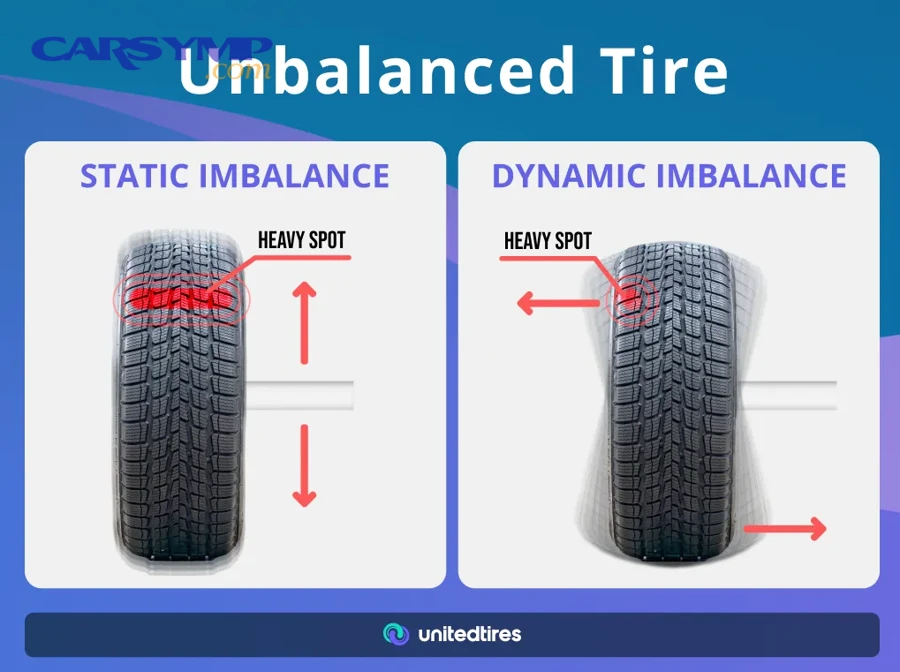
“Wheel balancing symptoms” refers to the clues a vehicle gives when a tire and wheel assembly no longer rotates with even mass distribution. In a balanced assembly, the wheel spins smoothly around its axis. In an imbalanced assembly, one area carries more effective weight than another, so the assembly tries to hop, shimmy, or wobble as speed climbs. That is why so many drivers describe the problem as a buzz on the highway, a tremor through the steering wheel, or a cabin shake that appears only in a certain speed range. ([nhtsa.gov](https://www.nhtsa.gov/sites/nhtsa.dot.gov/files/brochure.pdf?))
The “symptoms” part matters because imbalance is often experienced before it is visually confirmed. A wheel can look normal from the outside while still producing a noticeable shake because a balance weight fell off, a tire was mounted slightly off, or road-force variation exposed a weakness under load. In other words, the car often tells you something is wrong before the tread tells you. ([static.nhtsa.gov](https://static.nhtsa.gov/odi/tsbs/2020/MC-10183960-0001.pdf?))
Are wheel balancing symptoms usually felt before they are seen?
Yes, wheel balancing symptoms are usually felt before they are seen because vibration appears early, visible tread irregularity takes longer to develop, and many imbalance problems begin with missing weights or minor distribution errors. ([nhtsa.gov](https://www.nhtsa.gov/sites/nhtsa.dot.gov/files/brochure.pdf?))
Specifically, most drivers notice a steering-wheel tremor, seat buzz, or vibration at speed long before they inspect the tread closely enough to find patchy wear. That pattern is one reason manufacturers and tire makers advise evaluation when vibration occurs, even if the tires still appear acceptable at a glance. Once the vibration has been present for a while, the repeated hopping or oscillation can begin contributing to irregular contact with the road, which may then show up as cupping or accelerated wear. ([bridgestonetire.com](https://www.bridgestonetire.com/content/dam/consumer/bst/na/warranties/bs_maintenance_and_safety_us_en_2024v2.pdf?))
According to the U.S. National Highway Traffic Safety Administration, proper tire balance is required to avoid vibration or shaking as a tire rotates. ([nhtsa.gov](https://www.nhtsa.gov/sites/nhtsa.dot.gov/files/brochure.pdf?))
What are the most common signs that your wheels are out of balance?
There are five main signs of wheel imbalance: steering wheel vibration, seat or floor vibration, roughness at certain speeds, reduced ride smoothness, and irregular tread wear over time. ([michelinman.com](https://www.michelinman.com/auto/assistance/michelin-faqs?))
To illustrate those wheel balancing symptoms clearly, it helps to group them by what the driver feels in the cabin and what the tires show later.
Which driving symptoms most often point to wheel imbalance?
The most common driving symptoms are a shaky steering wheel, a vibrating seat or floor, a coarse ride at highway speed, a mild bouncing sensation, and a narrow speed band where the vibration gets worse. ([static.nhtsa.gov](https://static.nhtsa.gov/odi/tsbs/2018/MC-10130816-9999.pdf?))
More specifically, front-wheel imbalance often gets your attention through your hands because the steering wheel shakes or flutters. Rear-wheel imbalance is more often felt through the seat, floorboard, or entire cabin. Many drivers also report that the car feels smooth below one speed, rough within a certain range, and somewhat calmer again above or below that window. That speed-sensitive pattern is one of the strongest practical clues pointing toward wheel balancing rather than a random noise issue. ([static.nhtsa.gov](https://static.nhtsa.gov/odi/tsbs/2018/MC-10130816-9999.pdf?))
A related clue is reduced ride quality. The car may not feel unsafe in a dramatic way, but it loses the composed, planted feel you expect on a clean road. Small road inputs feel exaggerated, and the vehicle may seem busier than usual over smooth pavement. That matters because drivers sometimes dismiss the problem as “just tire noise” when the more accurate description is early imbalance. ([bridgestonetire.com](https://www.bridgestonetire.com/content/dam/bridgestone/consumer/bst/PDF/Bridgestone%20Firestone%20Tire%20Maintenance%20Safety%20and%20Warranty%20Manual%201015%20p….pdf?))
Does wheel imbalance usually get worse at certain speeds?
Yes, wheel imbalance usually gets worse at certain speeds because rotational force amplifies the heavy spot, the suspension reacts more strongly in a specific speed range, and the vibration becomes easier to feel in the cabin. ([nhtsa.gov](https://www.nhtsa.gov/sites/nhtsa.dot.gov/files/brochure.pdf?))
For example, a driver may feel almost nothing around town, notice a clear vibration at 55 to 70 mph, and then describe the symptom as fading or changing character outside that range. This pattern does not mean the problem has gone away; it means the wheel-and-suspension system is hitting a resonance window where the imbalance is most noticeable. That is why “vibration at speed” remains one of the most useful phrases for identifying wheel balancing symptoms during diagnosis. ([static.nhtsa.gov](https://static.nhtsa.gov/odi/tsbs/2018/MC-10130816-9999.pdf?))
According to a General Motors service bulletin published through NHTSA, steering wheel shimmy often indicates steer-tire dynamic imbalance, and side-to-side vibration can point toward runout, balance, or irregular wear concerns. ([static.nhtsa.gov](https://static.nhtsa.gov/odi/tsbs/2018/MC-10130816-9999.pdf?))
How can you tell if the vibration is coming from the front wheels or the rear wheels?
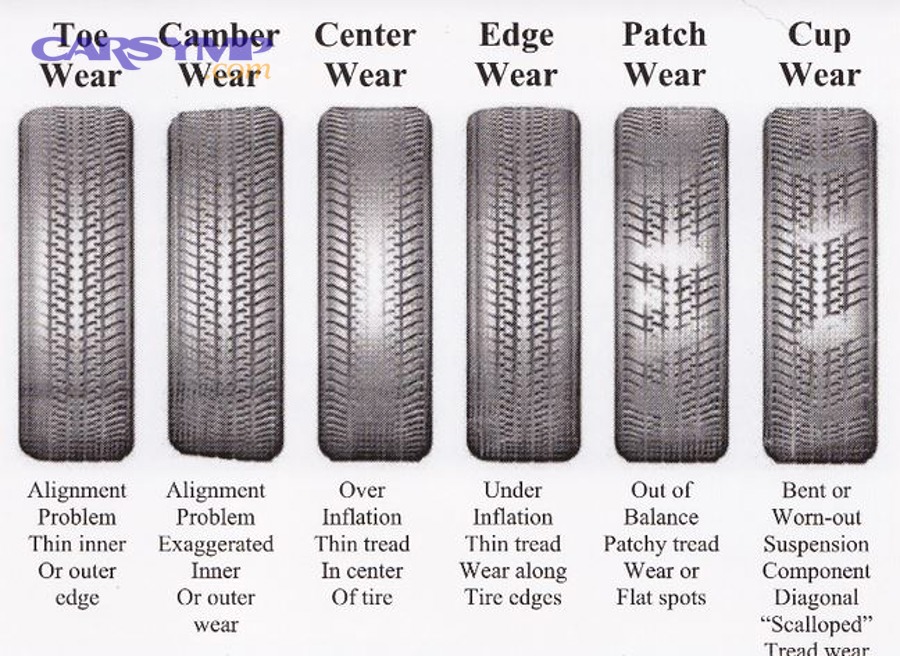
Front-wheel imbalance is usually felt in the steering wheel, while rear-wheel imbalance is more often felt in the seat, floor, or body of the car. ([static.nhtsa.gov](https://static.nhtsa.gov/odi/tsbs/2018/MC-10130816-9999.pdf?))
To better understand where wheel balancing symptoms begin, pay attention to where your body senses the vibration first and most strongly.
What symptoms suggest the front wheels are out of balance?
Front-wheel imbalance usually shows up as steering wheel shimmy, hand-level buzzing, and a more obvious change in steering feel at cruising speed. ([static.nhtsa.gov](https://static.nhtsa.gov/odi/tsbs/2018/MC-10130816-9999.pdf?))
Specifically, when the front tires are out of balance, the steering system transmits that disturbance directly into the wheel rim and column. The driver often notices a tremor while holding the wheel on a straight road, sometimes with a light left-right flutter rather than an up-down hop. The faster the wheel spins through its critical range, the more pronounced the shimmy becomes. That makes front imbalance easier to identify than rear imbalance in many vehicles. ([static.nhtsa.gov](https://static.nhtsa.gov/odi/tsbs/2018/MC-10130816-9999.pdf?))
Drivers sometimes confuse this with alignment because both can affect confidence on the highway. The key distinction is that front imbalance feels like a vibration problem, while front alignment trouble more often feels like a tracking problem. If the steering wheel shakes but the car still mostly tracks straight, balancing deserves an early look. ([static.nhtsa.gov](https://static.nhtsa.gov/odi/tsbs/2025/MC-11015409-0001.pdf?))
What symptoms suggest the rear wheels are out of balance?
Rear-wheel imbalance usually shows up as vibration in the seat, floor, or whole cabin, often without the steering wheel being the strongest symptom. ([michelinman.com](https://www.michelinman.com/auto/assistance/michelin-faqs?))
More specifically, a rear imbalance can make the vehicle feel as if the body is droning, humming, or lightly hopping on the highway. Some drivers describe it as a “rear buzz” or a shudder that seems to come from behind them. Because the steering wheel may remain relatively calm, the problem can be overlooked or mistaken for road texture, tire noise, or a general rough ride. In reality, the location of the sensation is the clue: rear-origin vibration tends to reach the driver through the seat base and floor pan instead of the hands. ([static.nhtsa.gov](https://static.nhtsa.gov/odi/tsbs/2018/MC-10130816-9999.pdf?))
Can unbalanced wheels cause uneven tire wear?
Yes, unbalanced wheels can contribute to uneven tire wear because they create repeated oscillation, reduce smooth tire contact with the road, and can accelerate irregular tread patterns over time. ([middle-east.michelin.com](https://middle-east.michelin.com/ar/auto/faq-cars?))
Because the title promises help before tire wear gets worse, the next step is to connect those wheel balancing symptoms to visible tread changes.
What kinds of tire wear can wheel imbalance contribute to?
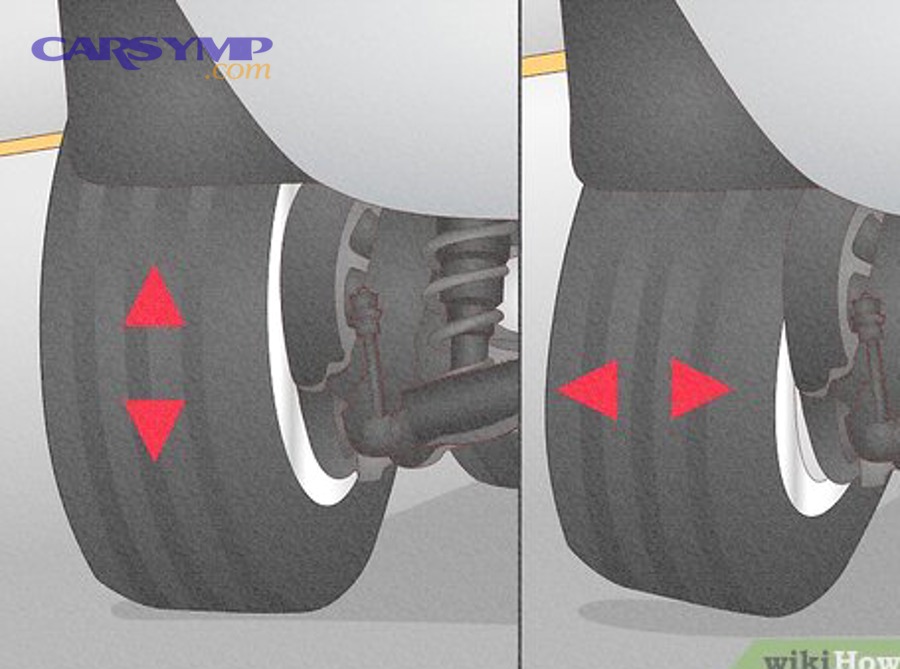
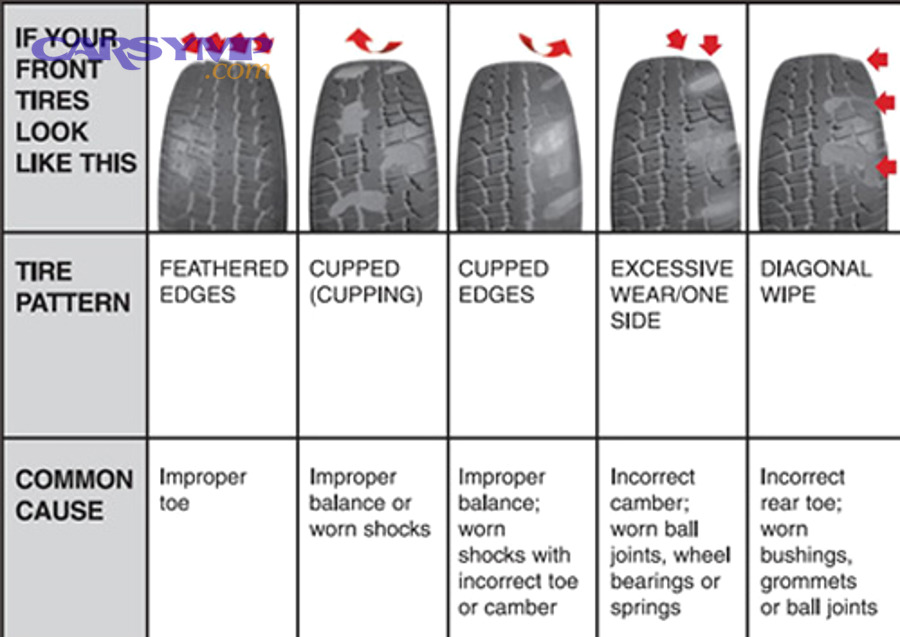
Wheel imbalance can contribute to cupping, scalloping, patchy wear, and faster overall tread loss, especially when the vibration continues for many miles. ([middle-east.michelin.com](https://middle-east.michelin.com/ar/auto/faq-cars?))
To better understand that, think about what an imbalanced assembly does while driving. It does not keep the tire planted with consistent pressure on the road. Instead, it introduces tiny repeated disturbances that can make the tread strike the road unevenly. Over time, that repeated disruption can leave a scalloped or cupped pattern rather than smooth, even wear across the tire. The problem may begin subtly, with only a few irregular spots, then become easier to hear and feel as those spots worsen. ([middle-east.michelin.com](https://middle-east.michelin.com/ar/auto/faq-cars?))
It is important, however, not to overstate balancing as the only cause. Cupping can also be linked to worn shocks, struts, wheel bearings, or other suspension issues. That is why good diagnosis always pairs a balance check with a visual inspection of the tire and wheel condition. ([static.nhtsa.gov](https://static.nhtsa.gov/odi/tsbs/2020/MC-10183960-0001.pdf?))
Will ignoring wheel balancing symptoms make tire wear worse over time?
Yes, ignoring wheel balancing symptoms can make tire wear worse over time because the vibration repeats on every rotation, the tread experiences uneven loading, and minor irregularity can compound into a larger wear pattern. ([middle-east.michelin.com](https://middle-east.michelin.com/ar/auto/faq-cars?))
More importantly, the cost is not limited to ride comfort. A tire that starts with mild imbalance-related disturbance may later develop noise, patchy wear, reduced refinement, and earlier replacement needs. In a service context, that means the cheapest moment to act is usually when the symptom is still “just a vibration.” Once the tread has worn irregularly, balancing may stop the cause, but it cannot restore lost rubber. ([bridgestonetire.com](https://www.bridgestonetire.com/content/dam/consumer/bst/na/warranties/bs_maintenance_and_safety_us_en_2024v2.pdf?))
According to Michelin’s tire guidance, uneven tread wear can be caused by improper balancing as well as other issues such as inflation and alignment, which is why early inspection matters before the pattern becomes severe. ([middle-east.michelin.com](https://middle-east.michelin.com/ar/auto/faq-cars?))
What causes wheel balancing symptoms to start?
There are six common triggers for wheel balancing symptoms: missing weights, new tire installation, pothole impacts, mud or debris buildup, wheel damage or runout, and tire variation under load. ([static.nhtsa.gov](https://static.nhtsa.gov/odi/tsbs/2020/MC-10183960-0001.pdf?))
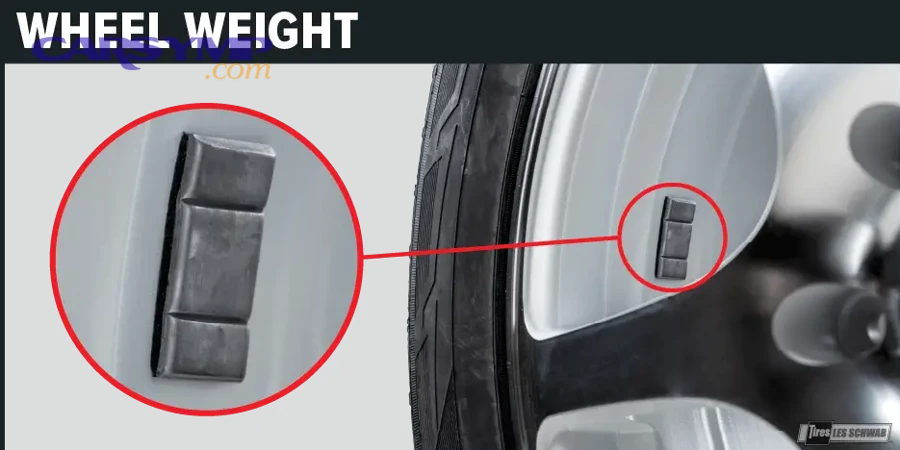
To better understand why the symptom may appear suddenly, it helps to group causes into service-related, road-related, and tire-related sources.
Which common situations can trigger wheel imbalance symptoms?
The most common triggers are a weight falling off, a recent tire change, a pothole hit, mud or snow packed inside a wheel, and damage or manufacturing variation in the tire or rim. ([static.nhtsa.gov](https://static.nhtsa.gov/odi/tsbs/2020/MC-10183960-0001.pdf?))
A weight can fall off after curb contact, corrosion, or normal use. A fresh set of tires can reveal a balance problem if the initial setup was rushed or if the tire itself needs more advanced matching under load. Road debris matters too. In winter climates or muddy conditions, packed material inside a wheel can change mass distribution enough to create a noticeable shake. Pothole impacts can also alter the situation by damaging a rim, shifting a weight, or creating runout that feels similar to classic imbalance. ([static.nhtsa.gov](https://static.nhtsa.gov/odi/tsbs/2020/MC-10183960-0001.pdf?))
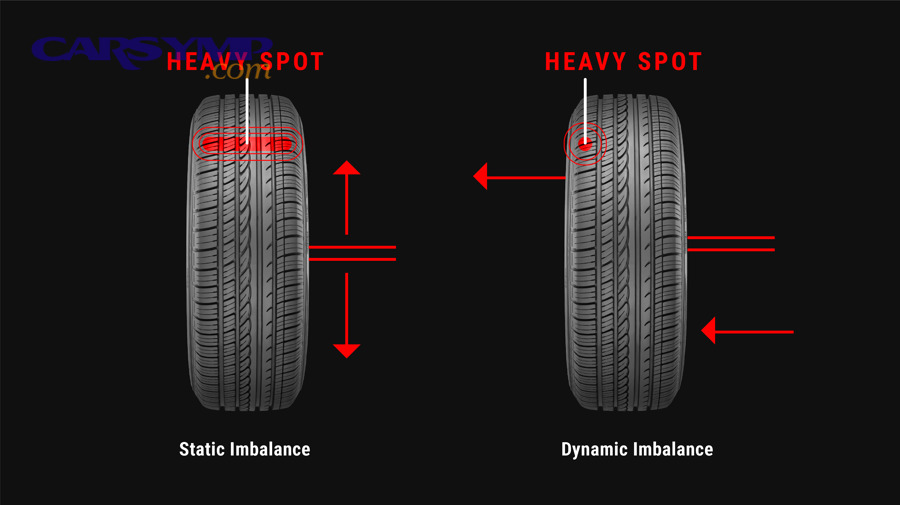
This is also where Static vs dynamic balancing explained becomes useful. Static balance corrects vertical imbalance on one plane. Dynamic balance corrects imbalance across two planes, including side-to-side forces. In modern passenger vehicles, dynamic balancing is usually the more complete method because the tire and wheel assembly can generate both vertical and lateral vibration. Bridgestone’s maintenance guidance explains that static balance addresses one plane of movement, while dynamic imbalance involves two planes and requires machine balancing to correct properly. ([bridgestonetire.com](https://www.bridgestonetire.com/learn/maintenance/tire-alignment/?))
Can wheel balancing symptoms appear after new tires or tire rotation?
Yes, wheel balancing symptoms can appear after new tires or a tire rotation because the mass distribution has changed, the mounting process may expose a problem, and previously hidden vibration can move to a more noticeable position. ([hunter.com](https://www.hunter.com/wheel-balancers/road-force/?srsltid=AfmBOoqcXsqP6IexdditfpQ_x72nCV-57nBOJ7FbOCSTA0Dz7_G23wet&))
Specifically, new tires do not automatically guarantee a smooth ride. A new tire can still need precise balancing, and some assemblies benefit from match-mounting or road-force diagnosis when ordinary balancing does not eliminate vibration. That is why Balancing with new tires best practices matters: balance all four assemblies during installation, verify proper mounting and centering, inspect the wheels for damage, set inflation correctly, and road-test the car after the service rather than assuming the machine result alone tells the full story. ([hunter.com](https://www.hunter.com/wheel-balancers/road-force/?srsltid=AfmBOoqcXsqP6IexdditfpQ_x72nCV-57nBOJ7FbOCSTA0Dz7_G23wet&))
Tire rotation can also change the symptom location. A mild rear vibration that was easy to ignore can become a steering-wheel shake after the same tire is moved to the front. The problem is not created by the rotation itself; the rotation simply changes where the imbalance is felt. ([static.nhtsa.gov](https://static.nhtsa.gov/odi/tsbs/2018/MC-10130816-9999.pdf?))
How do wheel balancing symptoms compare with wheel alignment symptoms?
Wheel balancing wins for vibration-related complaints, wheel alignment is best linked to pulling and off-center steering, and mixed cases are common when tires and suspension already have wear. ([static.nhtsa.gov](https://static.nhtsa.gov/odi/tsbs/2025/MC-11015409-0001.pdf?))
To better understand the comparison, it helps to separate what the vehicle does from how the steering feels.
What is the difference between wheel balancing symptoms and wheel alignment symptoms?
The main difference is that wheel balancing symptoms are usually vibration-based, while wheel alignment symptoms are usually direction-based. ([static.nhtsa.gov](https://static.nhtsa.gov/odi/tsbs/2025/MC-11015409-0001.pdf?))
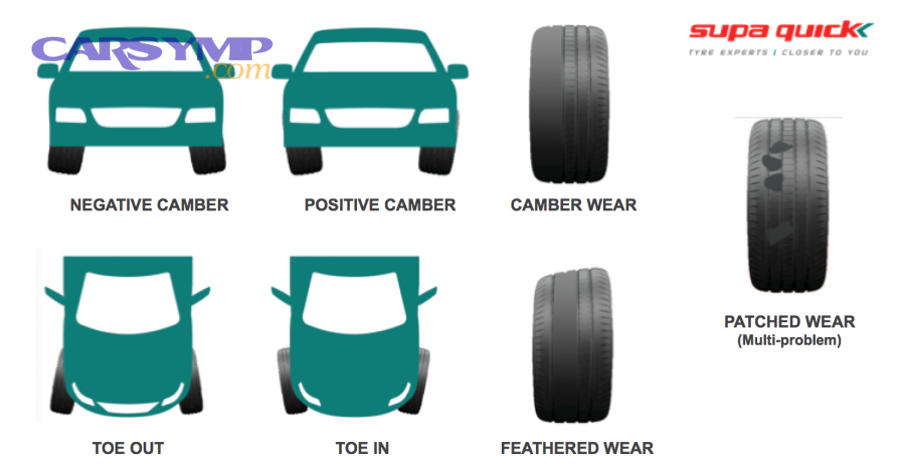
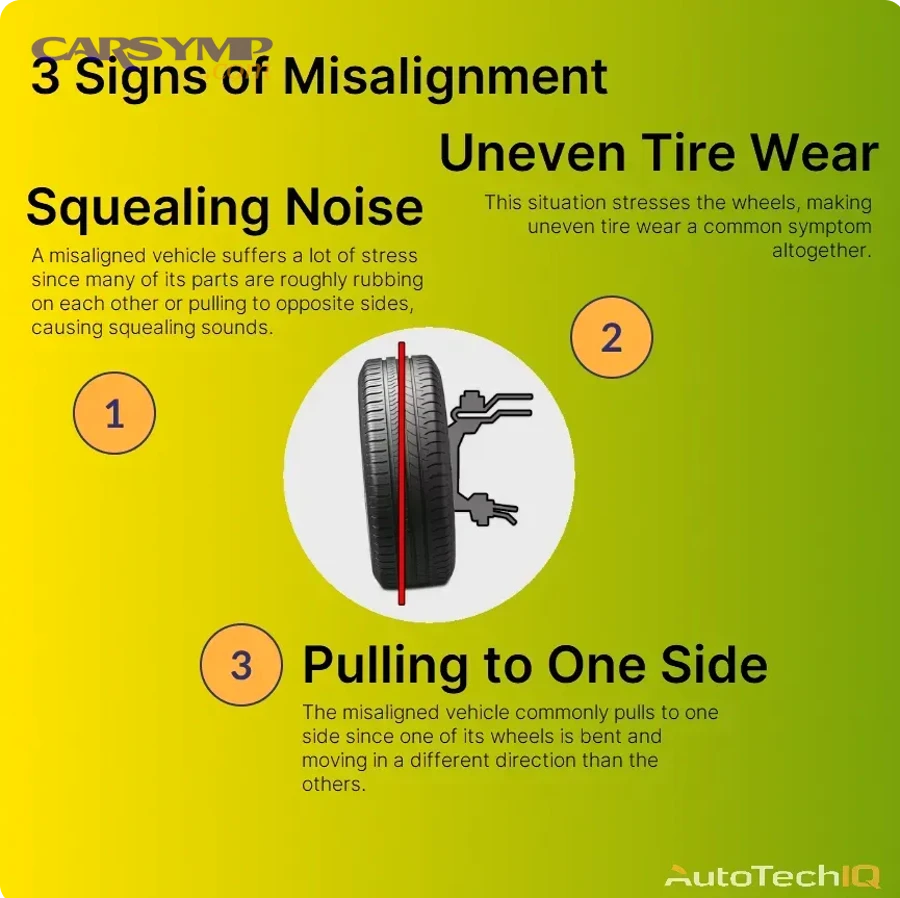
More specifically, wheel balancing problems tend to create steering-wheel shimmy, seat vibration, or roughness that shows up at a certain speed. Alignment problems more often cause the car to pull left or right, the steering wheel to sit off-center, or the tread to wear in patterns associated with incorrect toe, camber, or caster settings. Both issues can affect tire life, but they do so differently. Balancing is about rotating mass. Alignment is about wheel angles and tracking geometry. ([michelinman.com](https://www.michelinman.com/auto/assistance/michelin-faqs?))
The table below summarizes the practical difference a driver can use during first-pass diagnosis.
| Symptom pattern | More likely balancing | More likely alignment |
|---|---|---|
| Steering wheel vibration at highway speed | Yes | Sometimes |
| Seat or floor vibration | Yes | Uncommon |
| Vehicle pulls to one side | Uncommon | Yes |
| Off-center steering wheel | Uncommon | Yes |
| Irregular wear from oscillation/cupping | Possible | Possible |
| Feathering or angle-related wear | Uncommon | More common |
In short, the table shows which symptom patterns more strongly suggest wheel balancing and which point toward alignment, while also acknowledging that some tire-wear clues can overlap. ([michelinman.com](https://www.michelinman.com/auto/assistance/michelin-faqs?))
Can a car have both wheel balancing and alignment problems at the same time?
Yes, a car can have both problems at the same time because tire wear can overlap, suspension condition influences both outcomes, and one unresolved issue can make the other easier to notice. ([michelinman.com](https://www.michelinman.com/auto/assistance/michelin-faqs?))
For example, a vehicle may have a front-tire imbalance that causes steering shake and also have toe misalignment that causes feathering and a slight pull. In that case, balancing alone will not solve the directional complaint, and alignment alone will not remove the speed-sensitive shake. This overlap explains why good tire shops inspect the wheel-and-tire assembly, the tread pattern, and the steering/suspension system together instead of treating every vibration complaint as alignment. ([static.nhtsa.gov](https://static.nhtsa.gov/odi/tsbs/2020/MC-10183960-0001.pdf?))
According to a GM service bulletin made available through NHTSA, vibration-type customer concerns are generally not due to wheel alignment except in rarer cases, which supports using balance-focused diagnosis first when the complaint is clearly vibration-related. ([static.nhtsa.gov](https://static.nhtsa.gov/odi/tsbs/2025/MC-11015409-0001.pdf?))
When should you get your wheels checked and balanced?
You should get your wheels checked and balanced when vibration begins, after new tires are installed, after a pothole or curb impact, or when irregular tread wear starts to appear. ([bridgestonetire.com](https://www.bridgestonetire.com/content/dam/consumer/bst/na/warranties/bs_maintenance_and_safety_us_en_2024v2.pdf?))
Because timing affects both comfort and tire life, the practical question is not whether the car is still drivable, but how much avoidable wear will happen if you wait.
Which wheel balancing symptoms mean you should book service soon?
The clearest book-service-soon signs are recurring vibration at speed, worsening steering-wheel shimmy, seat or floor shake after tire service, and any new irregular wear pattern. ([bridgestonetire.com](https://www.bridgestonetire.com/content/dam/consumer/bst/na/warranties/bs_maintenance_and_safety_us_en_2024v2.pdf?))
More specifically, act sooner rather than later when the symptom is repeatable on the same road and in the same speed range. A one-time shudder after hitting a rough patch is not the same as a consistent 60-mph steering tremor. Repetition is the clue. You should also schedule service promptly if the vibration started right after a new tire install, because that timing often points to something fixable in the wheel-and-tire setup. ([static.nhtsa.gov](https://static.nhtsa.gov/odi/tsbs/2020/MC-10183960-0001.pdf?))
Persistent noise paired with vibration is another reason to act. Once imbalance has contributed to tread irregularity, the tire may continue to sound rough even after the balance is corrected. Catching the issue early improves the odds that balancing will solve both the feel and the long-term wear problem. ([middle-east.michelin.com](https://middle-east.michelin.com/ar/auto/faq-cars?))
Is it safe to keep driving with wheel balancing symptoms?
Yes, it may be temporarily possible to keep driving with mild wheel balancing symptoms, but it is not wise to ignore them because tire wear can worsen, ride quality can deteriorate, and the root cause may be something more serious than simple imbalance. ([bridgestonetire.com](https://www.bridgestonetire.com/content/dam/consumer/bst/na/warranties/bs_maintenance_and_safety_us_en_2024v2.pdf?))
However, safety judgment depends on what is actually causing the symptom. If the problem is only minor imbalance, the immediate danger may be low. If the same vibration is coming from a bent wheel, damaged tire, or worn suspension component, the risk can rise quickly. That is why the correct standard is not “Can I still drive?” but “Should I diagnose this now before it becomes more expensive or less safe?” In most cases, the right answer is yes. ([static.nhtsa.gov](https://static.nhtsa.gov/odi/tsbs/2020/MC-10183960-0001.pdf?))
According to Bridgestone’s tire safety manual, if vibration occurs while driving or irregular wear appears, the tires and vehicle should be evaluated by a qualified tire service professional. ([bridgestonetire.com](https://www.bridgestonetire.com/content/dam/consumer/bst/na/warranties/bs_maintenance_and_safety_us_en_2024v2.pdf?))
What other problems can feel like wheel balancing symptoms?
Three common look-alikes are bent wheels or runout, worn suspension or steering parts, and tire force variation that only appears under load. ([static.nhtsa.gov](https://static.nhtsa.gov/odi/tsbs/2020/MC-10183960-0001.pdf?))
Besides classic wheel balancing, these related problems explain why some vehicles still vibrate after a basic balance job.
How are wheel balancing symptoms different from a bent rim or damaged wheel?
Wheel imbalance mainly involves uneven mass distribution, while a bent rim or damaged wheel changes shape or runout, often creating vibration that balancing alone cannot fully cure. ([static.nhtsa.gov](https://static.nhtsa.gov/odi/tsbs/2020/MC-10183960-0001.pdf?))
To illustrate the difference, a wheel with a missing weight may respond well to a standard balance. A bent rim may still shake because the assembly is no longer rotating true, even if the balancer adds weights. In shop terms, balancing corrects where the mass sits; it does not repair a wheel that is physically deformed. That is why inspection for damage, runout, and missing weights belongs at the start of diagnosis, not after multiple failed balancing attempts. ([static.nhtsa.gov](https://static.nhtsa.gov/odi/tsbs/2020/MC-10183960-0001.pdf?))
Can suspension or steering problems mimic wheel balancing symptoms?
Yes, suspension or steering problems can mimic wheel balancing symptoms because worn shocks, struts, bearings, bushings, or joints can create vibration, tire hop, and irregular wear that feel similar from the driver’s seat. ([static.nhtsa.gov](https://static.nhtsa.gov/odi/tsbs/2020/MC-10183960-0001.pdf?))
More specifically, weak dampers allow the tire to bounce more than it should. Worn bearings can create roughness or hum. Loose front-end parts can introduce shake that a driver may interpret as simple imbalance. This is why a competent inspection never treats a balance machine reading as the entire answer. If the vibration returns quickly or the tread shows repeated scalloping, suspension health deserves equal attention. ([static.nhtsa.gov](https://static.nhtsa.gov/odi/tsbs/2020/MC-10183960-0001.pdf?))
What is road force variation, and why can it feel like a balance problem?
Road force variation is a loaded-tire condition where stiffness or uniformity differences create vibration under pressure, and it can feel like a balance problem because the driver experiences the result as highway shake. ([hunter.com](https://www.hunter.com/wheel-balancers/road-force/?srsltid=AfmBOoqcXsqP6IexdditfpQ_x72nCV-57nBOJ7FbOCSTA0Dz7_G23wet&))
This is exactly why Road force balancing and when it helps belongs in any authoritative discussion of wheel balancing symptoms. A traditional balancer measures imbalance in free spin. A road-force machine adds a load roller that simulates the tire pressing against the road, helping identify tires and wheel assemblies that balance numerically yet still produce vibration on the car. In stubborn cases, especially with new tires, premium wheels, or repeated highway complaints, road-force testing can reveal a problem that a basic spin balance misses. ([hunter.com](https://www.hunter.com/wheel-balancers/road-force/?srsltid=AfmBOoqcXsqP6IexdditfpQ_x72nCV-57nBOJ7FbOCSTA0Dz7_G23wet&))
According to Hunter Engineering, its Road Force diagnostic balancing system is designed to solve vibration issues by measuring road force and performing conventional balance functions together. ([hunter.com](https://www.hunter.com/wheel-balancers/road-force/?srsltid=AfmBOoqcXsqP6IexdditfpQ_x72nCV-57nBOJ7FbOCSTA0Dz7_G23wet&))
Do wheel weight type and placement affect whether balance problems come back?
Yes, weight type and placement can affect whether balance problems come back because secure attachment, accurate positioning, and correct plane selection all influence how long the correction remains effective. ([bridgestonetire.com](https://www.bridgestonetire.com/learn/maintenance/tire-alignment/?))
Specifically, clip-on and adhesive weights serve the same basic purpose, but the wheel design determines which one fits best. On many alloy wheels, adhesive weights are preferred for packaging and appearance. What matters most is not the style itself but whether the technician uses the correct placement, the correct balancing mode, and a clean mounting surface when tape weights are used. That is another reason dynamic balancing is usually favored on modern passenger vehicles: it corrects imbalance across the planes where placement matters most. ([bridgestonetire.com](https://www.bridgestonetire.com/learn/maintenance/tire-alignment/?))
In short, the best long-term result comes from combining accurate machine setup, proper wheel inspection, appropriate balancing method, and follow-up diagnosis when a vibration complaint survives the first repair. That is the real standard for solving wheel balancing symptoms before tire wear gets worse.