


Diagnosing low transmission fluid as the cause of gear slippage is a process every driver can follow at home — and catching it early can prevent a minor fluid issue from becoming a costly transmission rebuild. When hydraulic pressure inside the transmission drops due to insufficient fluid, the clutch packs lose their grip on gear sets, causing the engine to rev freely while forward motion lags or stutters. This is the fundamental mechanical reason why fluid level is always the first diagnostic target when slipping occurs.
Recognizing the warning signs before reaching for a wrench is equally important. Low transmission fluid produces a recognizable cluster of symptoms — RPM spikes during acceleration, delayed engagement when shifting from park to drive, a burning smell from beneath the vehicle, and jerking or hesitation between gear changes. These symptoms rarely appear in isolation, and understanding how to read them together is what separates a confident driver from one who ignores the problem until the transmission fails entirely.
Checking the fluid itself goes beyond simply confirming the level on a dipstick. The color, smell, and texture of transmission fluid carry diagnostic information that reveals not just whether fluid is low, but whether it has degraded, burned, or been contaminated — each of which demands a different repair response. A driver who knows how to read fluid condition can determine within minutes whether a simple top-up will resolve the slipping or whether a deeper mechanical issue is at play.
Once the fluid check confirms low fluid as the root cause, the path forward depends on what the fluid and the vehicle tell you next. Understanding the causes behind fluid loss, confirming the diagnosis through a structured step-by-step process, and knowing precisely when to stop DIY work and hand the vehicle to a professional are the three pillars that complete this diagnostic guide. Below, each stage of the process is covered in full detail so any driver can move through diagnosis with clarity and confidence.
What Is Low Transmission Fluid and Why Does It Cause Gear Slippage?
Transmission fluid is a specialized hydraulic and lubricating fluid that enables gear engagement, reduces heat, and maintains pressure inside the transmission — and when its volume drops below the minimum threshold, the entire system loses the pressure needed to keep gears engaged under load.
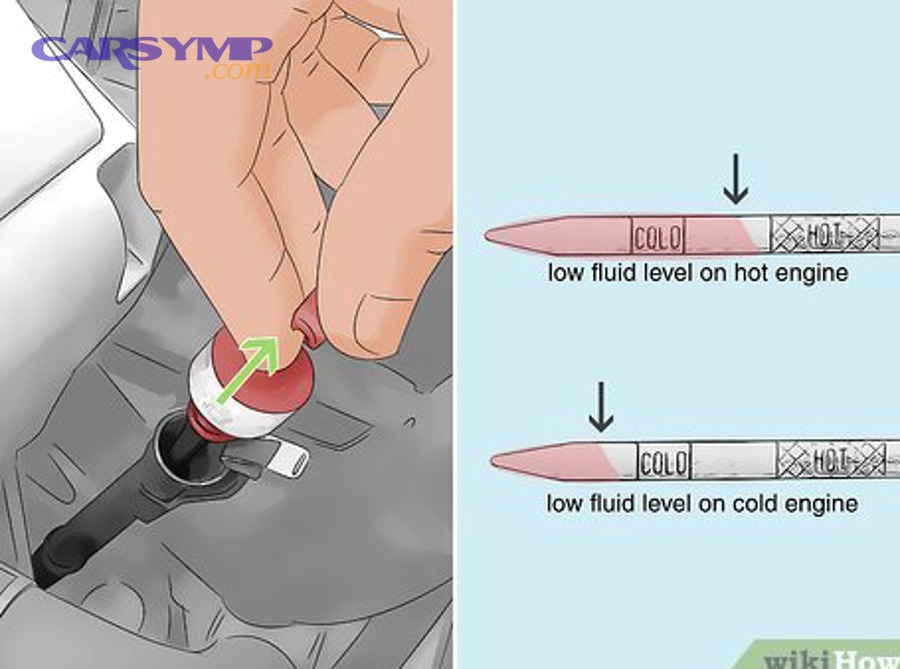
To better understand this relationship, it helps to start at the mechanical source of the problem.
How Does Transmission Fluid Control Gear Engagement?
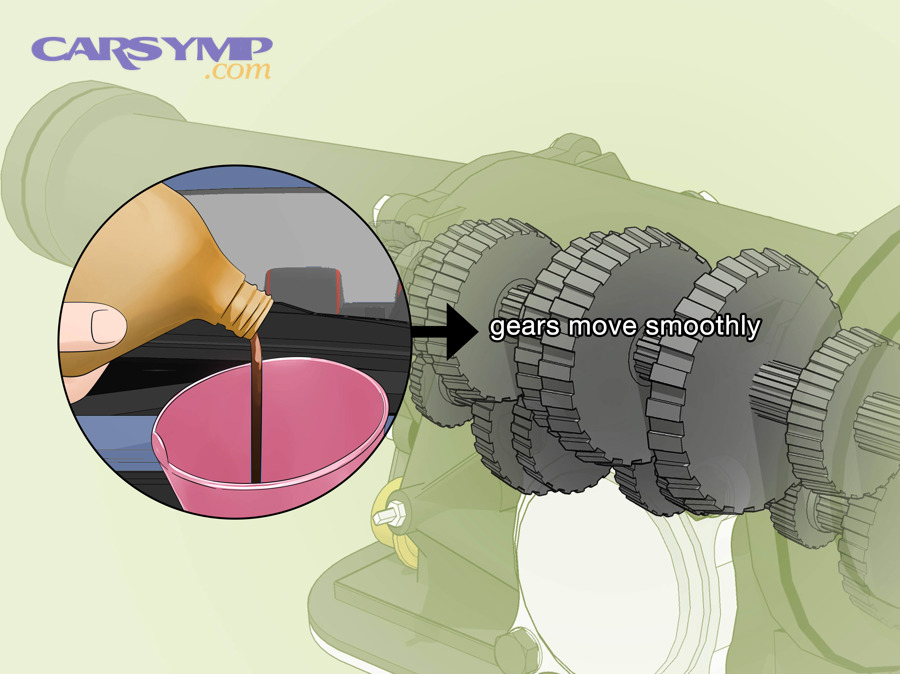
Transmission fluid controls gear engagement by acting as the hydraulic medium that pressurizes clutch packs and bands, forcing them to clamp onto specific gear sets and hold them locked during power transfer. Without sufficient fluid pressure, those clutch packs cannot maintain their grip — and that momentary loss of grip is what drivers feel as a slip.
Specifically, the transmission pump draws fluid from the pan and pressurizes it through a network of passages and valves. Each gear change is triggered by hydraulic pressure directed to specific clutch packs. When fluid volume is low, the pump draws air alongside fluid — a condition called cavitation — which breaks the pressure signal and causes inconsistent clutch engagement. A useful parallel is the brake system: just as low brake fluid produces a soft, inconsistent pedal, low transmission fluid produces a soft, inconsistent gear hold. The clutch pack engages partially, releases under load, re-engages, and the driver experiences this cycle as gear slipping.
What Happens Inside the Transmission When Fluid Is Low?
When fluid is low, the internal sequence follows a predictable and damaging path: pump cavitation leads to a pressure drop, the pressure drop causes clutch slip, and clutch slip generates heat — which further thins the already-low fluid and accelerates the failure cycle.
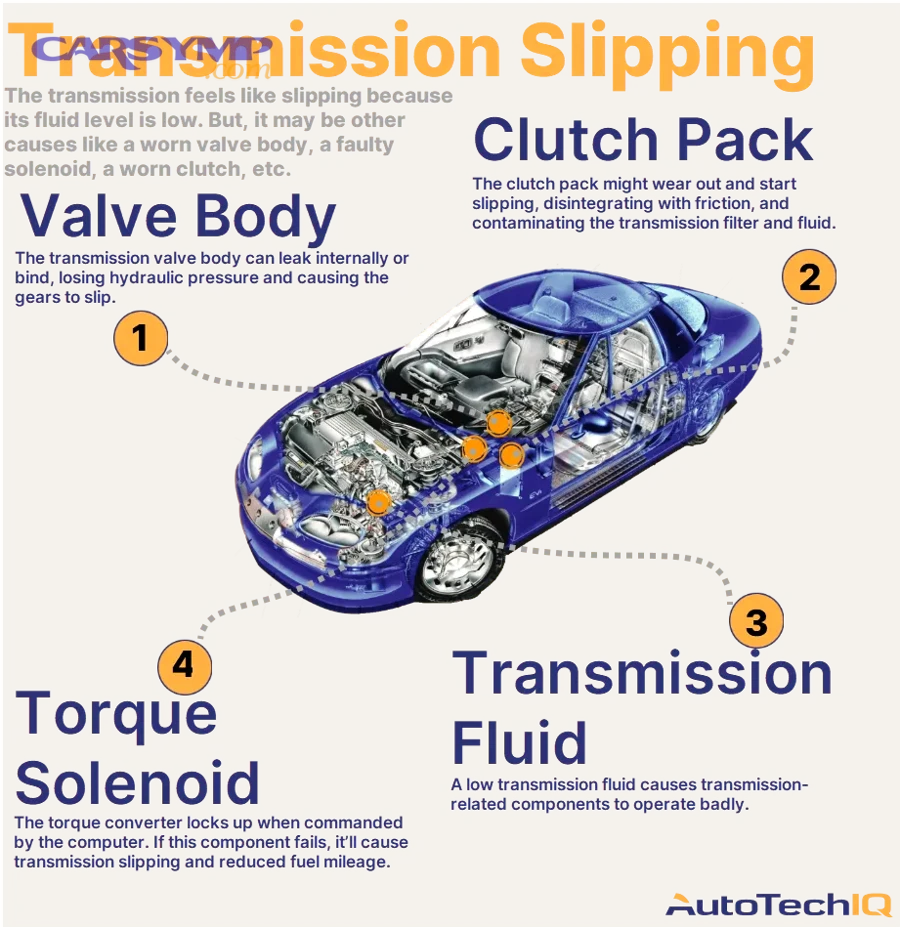
More specifically, heat is the amplifying factor that turns a manageable fluid shortage into a serious mechanical problem. Transmission fluid is engineered to operate within a specific viscosity range at operating temperature. When slipping begins, the friction between clutch surfaces that should be fully engaged generates additional heat. That heat thins the fluid further, reducing its ability to maintain pressure — which means more slipping, more heat, and more thinning in a self-reinforcing loop. The three most common causes behind the initial fluid shortage that starts this cycle are external leaks from seals and gaskets, internal bypass leaks where fluid moves across seals without doing hydraulic work, and improper fill levels from previous service.
What Are the Warning Signs That Low Fluid Is Causing Your Transmission to Slip?
There are five primary warning signs that low transmission fluid is causing gear slippage: RPM surges without matching acceleration, delayed gear engagement, jerking or hesitation during shifts, a burning smell from beneath the vehicle, and dashboard warning lights — particularly the transmission temperature or check engine light.
Symptom recognition is the entry point of any transmission slipping diagnosis, and understanding what each signal means allows a driver to build a case before ever touching the dipstick.
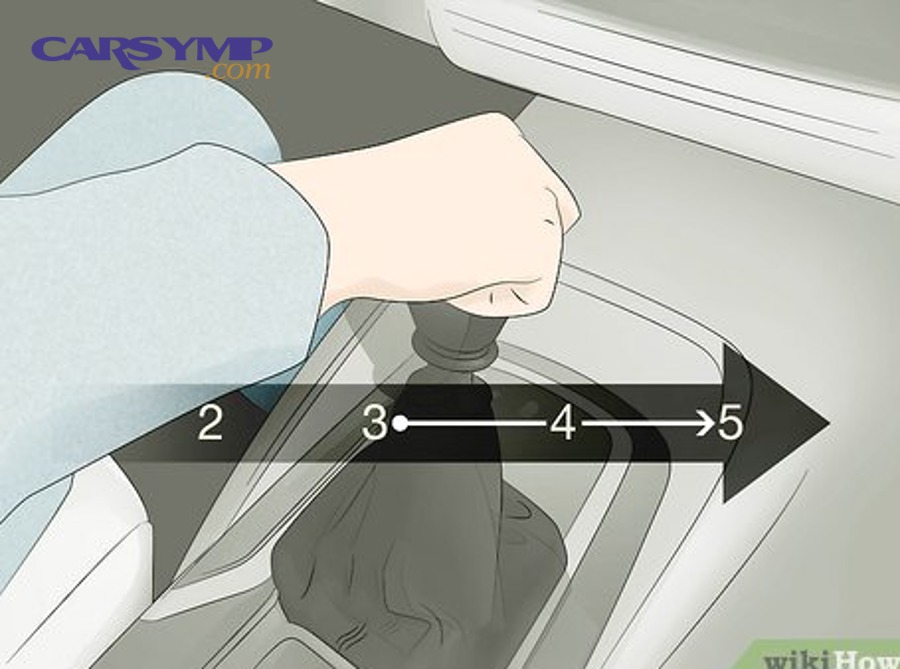
What Does Transmission Slipping Feel Like While Driving?
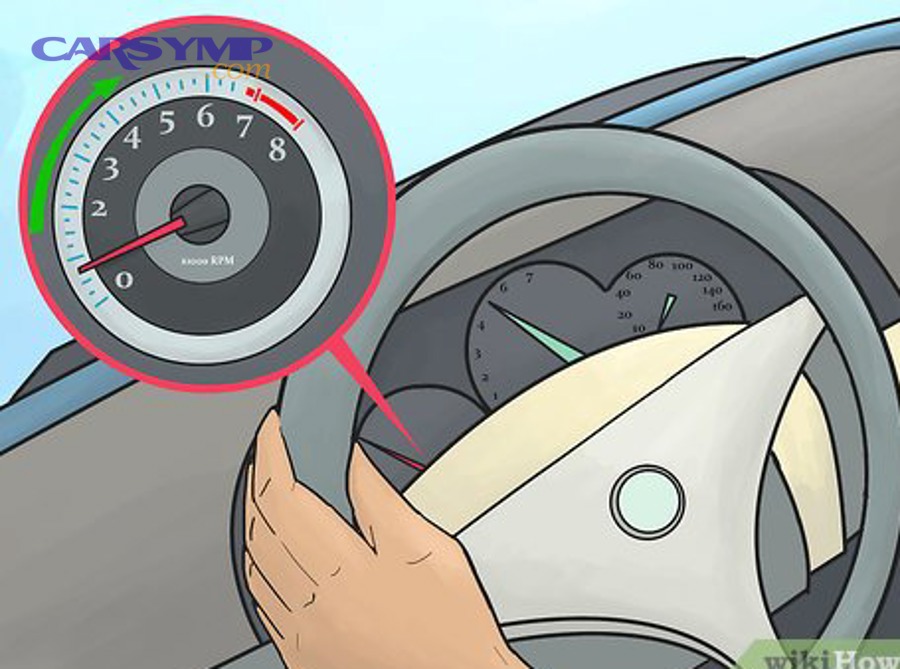
Transmission slipping caused by low fluid feels like a disconnect between engine effort and vehicle response — the engine revs climb noticeably, but the car does not accelerate proportionally, as if the power is momentarily going nowhere.
The physical sensation varies depending on when and where the slip occurs. During acceleration from a stop, slipping appears as a hesitation or lurch after the throttle is pressed, with RPMs climbing before the vehicle moves. At highway speed, slipping manifests as a brief RPM spike — often accompanied by a slight jolt — when the transmission attempts an upshift or downshift. In reverse, slipping feels like a delayed grab when shifting from park or neutral, with the vehicle rolling slightly before engagement locks in. The following checklist helps drivers self-assess before performing any mechanical check:
- Do RPMs rise sharply during acceleration before the car gains speed?
- Is there a delay of one or more seconds when shifting from Park to Drive or Reverse?
- Does the transmission seem to “hunt” between gears at steady highway speed?
- Is there a jerk or shudder when the transmission shifts under light throttle?
- Does slipping occur in one specific gear, or across all gear changes?
That last point — slipping in one gear vs all gears — is an important diagnostic clue. Slipping limited to a single gear range often points to a specific clutch pack or solenoid issue, while slipping across all gears more strongly implicates fluid pressure as the systemic cause. Resources such as carsymp.com provide further symptom breakdowns organized by driving condition for drivers who want to cross-reference their specific experience.
What Other Symptoms Appear Alongside Gear Slippage When Fluid Is Low?
Beyond the slipping sensation itself, low transmission fluid typically produces a cluster of secondary symptoms that appear simultaneously and, taken together, point strongly toward a fluid-level diagnosis rather than a mechanical component failure.
The most diagnostically significant secondary symptom is a burning smell emanating from beneath the vehicle after driving. This odor results from transmission fluid overheating due to insufficient volume — the fluid that remains is being worked harder than designed, burning off its additive package and breaking down thermally. A whining or humming noise from the transmission tunnel, particularly noticeable during low-speed maneuvers, indicates the transmission pump straining to maintain pressure with limited fluid. Rough, clunky shifts — where gear changes feel mechanical and abrupt rather than smooth — occur because hydraulic pressure is inconsistent, causing clutch packs to engage unevenly. Finally, the transmission temperature warning light or check engine light may illuminate once the control module detects irregular shift timing or abnormal operating temperature. When three or more of these symptoms appear together with gear slipping, low fluid is the leading diagnostic candidate.
Is Gear Slippage Always Caused by Low Transmission Fluid?
No — gear slippage is not always caused by low transmission fluid, but low fluid is the most statistically common and easiest-to-rule-out cause, which is why every slipping diagnosis must begin there before investigating worn clutch packs, faulty shift solenoids, or valve body problems.
However, the diagnostic value of this distinction is significant. Other causes of transmission slipping — including worn friction material on clutch discs, a malfunctioning shift solenoid that fails to direct pressure correctly, or a worn transmission pump that cannot build adequate pressure even with sufficient fluid — all produce symptoms that overlap closely with low-fluid slipping. The step-by-step approach described throughout this guide establishes fluid level and condition as the first checkpoint precisely because it is non-invasive, free, and takes under ten minutes. If fluid is low and slipping resolves after topping up, the diagnosis is confirmed. If fluid level is correct and condition is good but slipping persists, the diagnostic focus shifts to those internal mechanical components.
How Do You Check Transmission Fluid Level and Condition Step by Step?
Checking transmission fluid level and condition involves four sequential steps — gathering tools, locating and pulling the dipstick, reading the fluid level against MIN/MAX markers, and assessing fluid color, smell, and texture — with a complete check taking under ten minutes on most vehicles.
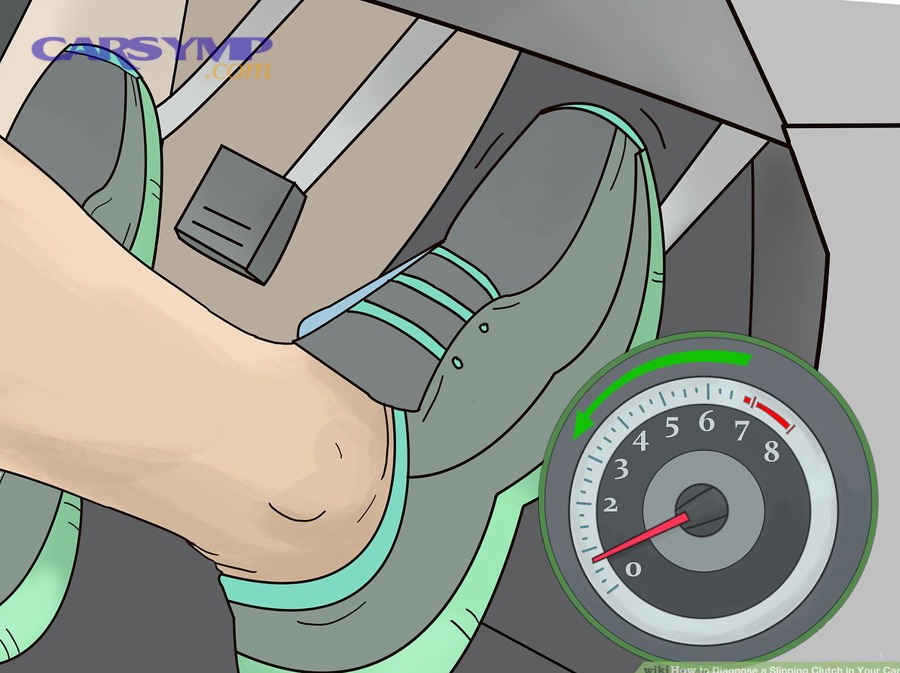
This is the procedural core of the diagnosis, and performing it correctly is what separates a confirmed low-fluid finding from a missed or misread result.
What Tools and Preparations Do You Need Before Checking Transmission Fluid?
Before checking transmission fluid, a driver needs a clean white paper towel or lint-free rag, the vehicle’s owner’s manual, protective gloves, a level surface to park on, and a warmed-up engine — as most dipstick readings are designed to be taken at operating temperature.
Preparation directly affects the accuracy of the reading. Checking fluid on a cold engine often produces a false-low reading because the fluid has contracted and not yet circulated fully through the system. Parking on an uneven surface tilts the fluid in the pan, causing an inaccurate level reading. The owner’s manual is essential because it specifies whether the reading should be taken with the engine running or off — this varies by manufacturer and getting it wrong by even one step produces a misleading result. For vehicles with automatic transmissions that do have a dipstick, the procedure also requires cycling through the gear selector positions (P-R-N-D) before pulling the dipstick, to ensure fluid has moved through all circuits.
How Do You Check Transmission Fluid Level Using the Dipstick? (Step-by-Step)
Checking transmission fluid level using the dipstick follows six specific steps, and skipping any one of them risks an inaccurate reading that could either miss a low-fluid problem or create a false alarm.
Step 1: Warm up the vehicle. Drive for at least 10–15 minutes or until the engine reaches normal operating temperature. This ensures fluid has expanded to its operating volume and circulated fully.
Step 2: Park on a level surface and set the parking brake. An uneven surface tilts the fluid pan and distorts the level reading.
Step 3: With the engine running (unless the manual specifies otherwise), locate the transmission dipstick. On most rear-wheel-drive vehicles it sits toward the back of the engine bay; on front-wheel-drive vehicles it is typically near the front. The handle is usually red or pink.
Step 4: Pull the dipstick fully out, wipe it completely clean with the paper towel, and reinsert it all the way until it seats. This wipe-and-reinsert step is critical — fluid splashes during driving and a single pull without wiping will give a falsely high reading.
Step 5: Pull the dipstick out again and hold it horizontally. Read where the fluid film ends relative to the MIN and MAX markers. Fluid below the MIN line, or appearing as only a thin smear with no clear fluid coating the lower section, indicates the level is low.
Step 6: Note the fluid appearance on the dipstick for the condition assessment in the next step. Do not reinsert the dipstick until the condition check is complete.
An important caveat: many modern vehicles — particularly those with CVT transmissions and newer European models — are built as “sealed” units with no accessible dipstick. On these vehicles, fluid level and condition checks require a lift, a fill plug removal, and specialized equipment. Attempting DIY fluid checks on sealed transmissions without the correct tools risks improper fill levels and should be deferred to a transmission-equipped workshop.
How Do You Diagnose Transmission Fluid Condition Beyond Just the Level?
Diagnosing transmission fluid condition beyond level requires evaluating three sensory indicators — color, smell, and texture — each of which reveals a specific type of fluid degradation that a level reading alone cannot detect.
The following table maps fluid appearance to its likely cause and recommended action, giving drivers a structured reference for interpreting what they see on the dipstick:
| Fluid Color | Smell | Texture | Diagnosis | Recommended Action |
|---|---|---|---|---|
| Bright red / pink | Neutral / slightly sweet | Smooth, slippery | Healthy fluid | Monitor level; top up if low |
| Dark red / brown | Slightly stale | Smooth | Age-related degradation | Schedule fluid service |
| Dark brown / black | Burnt | Thin or normal | Thermal overheating | Fluid flush + leak inspection |
| Milky / cloudy pink | Unusual / chemical | Frothy or watery | Coolant contamination | Immediate professional inspection |
| Dark with grit | Metallic / burnt | Gritty or grainy | Internal component wear | Professional diagnostic required |
Color is the most immediately readable indicator. Healthy fluid is translucent red or pink — hold the dipstick up to light and it should allow some light through. As fluid ages and degrades, it darkens toward brown and eventually black. A burnt smell, even if color appears normal, signals that the fluid has experienced thermal stress beyond its design limits. Texture carries the most serious diagnostic weight: gritty fluid indicates metallic particles suspended in the fluid, meaning internal transmission components are shedding material — a condition that requires professional evaluation regardless of fluid level. Milky or frothy fluid indicates coolant intrusion through a failed transmission cooler, which is a severe condition requiring immediate professional attention and is not addressable through a fluid top-up.
What Are the Most Common Causes of Low Transmission Fluid?
There are two primary categories of causes for low transmission fluid: external leaks from seals, gaskets, and lines that allow fluid to escape visibly onto the ground, and internal leaks or improper fill conditions that cause fluid loss without any visible puddle beneath the vehicle.
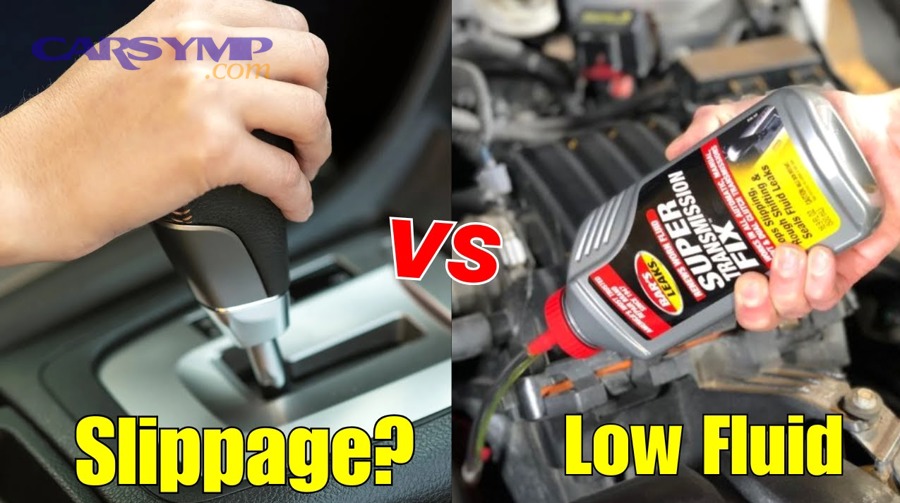
Understanding the cause behind the low level is a necessary part of the diagnosis, because topping up fluid without addressing the source of the loss means the level will drop again — and the slipping will return.
Does Transmission Fluid Leak Out — and How Do You Spot a Leak?
Yes — transmission fluid does leak, and external leaks are the most common reason fluid drops below the minimum level, with the most frequent leak points being the transmission pan gasket, the dipstick tube seal, the output shaft seal, the torque converter seal, and the transmission cooler lines.
Spotting a leak requires looking in the right places. After parking the vehicle overnight on a clean, dry surface, inspect the ground beneath the transmission area. Transmission fluid drips are identifiable by their red or reddish-brown color and their position — typically centered under the vehicle slightly behind the engine. A slow seep from the pan gasket may produce only a film of fluid on the pan’s exterior with no ground drip, visible only by looking directly at the underside of the transmission. Cooler line leaks often appear near the radiator or along the transmission lines running toward the front of the vehicle. For leaks that are not visually obvious, a UV dye test — available at most auto parts stores — involves adding a UV-reactive dye to the fluid and using a UV light to trace where fluid is escaping after a short drive.
Can Transmission Fluid Burn Off or Disappear Without a Visible Leak?
No — under normal operating conditions, transmission fluid does not burn off or evaporate the way engine oil can, meaning fluid loss without a visible external leak almost always indicates an internal leak or an overfill-and-vent condition rather than consumption.
This is a point of genuine confusion for many drivers, because engine oil loss without visible leaks is common and often attributed to combustion. Transmission fluid, by contrast, operates in a sealed hydraulic circuit that is not exposed to combustion gases. If fluid level is dropping but no puddle appears beneath the vehicle, one of three scenarios is occurring: an internal seal has failed, allowing fluid to bypass internally between circuits without exiting the casing; the transmission was overfilled and is expelling excess fluid through the vent tube, which can appear as a fine mist or residue near the vent rather than a visible drip; or a transmission cooler failure is allowing fluid to mix with engine coolant rather than escaping externally. In each case, the absence of a ground puddle does not mean the transmission is leak-free — it means the leak path is internal and requires a more thorough inspection.
How Do You Confirm Low Fluid Is the Cause of Slipping Before Refilling?
Confirming that low fluid is the root cause of transmission slipping follows a seven-step diagnostic sequence: observe and log symptoms, check fluid level, assess fluid condition, inspect for leaks, top up fluid to the correct level, perform a test drive under the same conditions that triggered slipping, and re-evaluate whether slipping has resolved.
This confirmation process turns the top-up itself into a diagnostic tool — if slipping stops after fluid is restored to the correct level, the diagnosis is confirmed.
What Is the Correct Diagnostic Sequence for Low Fluid Slipping?
The correct diagnostic sequence for low fluid slipping moves from observation to physical check to corrective action to verification, with each step building on the findings of the previous one.
Step 1 — Observe and log symptoms. Note when slipping occurs (cold start, warm driving, specific gear, under load), how frequently, and whether any secondary symptoms (smell, noise, warning lights) are present. This log becomes the baseline for the post-top-up test drive comparison.
Step 2 — Check fluid level. Follow the dipstick procedure detailed above. Confirm whether fluid is below the MIN line.
Step 3 — Assess fluid condition. Check color, smell, and texture. If fluid is burnt, milky, or gritty, do not proceed with a simple top-up — these conditions require a fluid flush or professional inspection before adding fresh fluid.
Step 4 — Inspect for visible leaks. Check the ground beneath the vehicle and the underside of the transmission for signs of fluid loss before adding any fluid.
Step 5 — Top up fluid to the correct level. Using the manufacturer-specified fluid type, add fluid in small increments and recheck the dipstick after each addition. Do not overfill.
Step 6 — Perform a test drive. Replicate the driving conditions that originally triggered slipping — same speed range, same throttle load, same gear sequence. This controlled replication is what makes the test drive diagnostic rather than anecdotal.
Step 7 — Re-evaluate. If slipping has resolved completely and no other symptoms remain, low fluid is confirmed as the cause. If slipping persists, reduced, or changed in character, additional causes must be investigated.
How Is Low-Fluid Slipping Different From Slipping Caused by Other Transmission Problems?
Low-fluid slipping resolves or significantly improves after a correct fluid top-up, while slipping caused by worn clutch packs, faulty solenoids, or internal mechanical wear persists at the same severity regardless of fluid level correction — and this post-top-up response is the single most reliable diagnostic differentiator.
The following comparison table outlines the key distinguishing characteristics across the three most common causes of transmission slipping, providing drivers with a decision matrix for determining next steps. Understanding this comparison is essential for knowing when a transmission slipping fix is achievable at home versus when professional intervention is required:
| Diagnostic Factor | Low Fluid Slipping | Worn Clutch Pack | Faulty Shift Solenoid |
|---|---|---|---|
| Fluid level | Below MIN on dipstick | Normal | Normal |
| Fluid condition | Normal or degraded | May show metal particles | Normal |
| Resolves after top-up? | Yes | No | No |
| Affects all gears? | Often yes | Often one gear range | Often one gear range |
| Warning light present? | Sometimes | Sometimes | Often (check engine) |
| Onset pattern | Gradual, linked to fluid loss | Gradual, worsens with mileage | Often sudden |
| DIY fixable? | Yes (if no active leak) | No | Possible (solenoid replacement) |
The slipping in one gear vs all gears distinction visible in this table is a particularly useful clue during diagnosis. Slipping that is isolated to a single gear change — for example, only during the 2-3 upshift — strongly suggests a specific clutch pack or solenoid issue rather than a systemic fluid pressure problem, which tends to affect multiple gear changes because all circuits share the same hydraulic supply.
What Should You Do After Diagnosing Low Transmission Fluid?
After confirming low transmission fluid as the cause of gear slippage, the correct next steps are to top up the fluid with the manufacturer-specified type, address any identified leak source, and determine whether a full fluid flush is warranted based on fluid condition — following this sequence in order prevents the same problem from recurring within a short service interval.
These post-diagnosis actions close the loop between identifying the problem and resolving it durably.
How Do You Safely Top Up Transmission Fluid at Home?
Safely topping up transmission fluid at home requires four things done correctly: identifying the exact OEM-specified fluid type, adding fluid through the dipstick tube using a long-neck funnel, adding in small increments with level checks between each addition, and stopping precisely at the MAX line — not above it.
The fluid type requirement is non-negotiable. Using a Dexron VI fluid in a transmission specified for a Toyota WS or a Honda ATF-DW1 can cause friction modifier mismatches that produce slipping symptoms nearly identical to low fluid — meaning an incorrect top-up can create a new problem while appearing to address the old one. The owner’s manual or the OEM specification label near the dipstick tube specifies the exact fluid code required. After identifying the correct fluid, add approximately 250ml (roughly half a pint) at a time, then recheck the dipstick level before adding more. Overfilling is a genuine risk — fluid level above the MAX line causes aeration as the spinning transmission components churn the excess fluid into foam, which reduces hydraulic pressure in the same way that having too little fluid does.
When Should You Stop DIY Diagnosis and Take Your Car to a Mechanic?
Yes — there are specific conditions under which DIY transmission diagnosis must stop and a professional mechanic must take over, including when fluid is burnt, milky, or gritty; when slipping continues at the same severity after a correct fluid top-up; when an active and significant leak source cannot be addressed at home; when the vehicle has a sealed transmission without a user-accessible dipstick; or when a warning light remains illuminated after the fluid service.
Each of these conditions represents a diagnostic threshold where the likely repair exceeds what fluid service can address. Burnt fluid indicates the transmission has experienced thermal damage that may have affected clutch friction material — a flush alone does not restore mechanical components. Milky fluid means coolant has entered the transmission circuit, which requires identifying and repairing the failed cooler as well as flushing the entire system before refilling. Persistent slipping after a correct top-up means the hydraulic system cannot maintain pressure even with adequate fluid, pointing to a worn pump, a failed pressure regulator valve, or mechanical clutch wear — all of which require disassembly to diagnose. The cost implications are significant: a professional fluid top-up or flush typically ranges from $80–$250 depending on fluid type and labor market, while a transmission rebuild can range from $1,500 to $4,000 or more. Catching the issue at the fluid-service stage through early diagnosis is always the economically sound choice. Preventing slipping with proper fluid service — meaning regular fluid level checks every 30,000–60,000 miles as specified by the manufacturer — is the most effective long-term strategy for avoiding this diagnostic scenario entirely.
Advanced Diagnostic Scenarios: When Low Fluid Slipping Is Harder to Identify
Advanced low-fluid slipping diagnosis becomes necessary when the standard dipstick check returns a normal reading, yet slipping symptoms persist — in these cases, three less-common fluid-related causes must be investigated: incorrect fluid type causing friction modifier mismatch, fluid aeration producing pressure loss despite adequate volume, and thermal degradation causing viscosity failure only at operating temperature.
These scenarios represent the edge cases where a surface-level diagnosis misses the root cause, and understanding them prevents unnecessary component replacement.
Can the Wrong Type of Transmission Fluid Cause Slipping Even at the Right Level?
Yes — using the wrong transmission fluid type can cause slipping at a correct fluid level because friction modifier chemistry varies significantly between fluid specifications, and a mismatch between the fluid’s friction package and the transmission’s clutch material causes the same clutch engagement instability that low fluid produces hydraulically.
This scenario is particularly common after a fluid top-up performed with a “universal” ATF or a similar specification rather than the OEM-specified fluid. For example, a transmission requiring a low-viscosity fluid like Toyota WS will exhibit sluggish clutch engagement and slipping if filled with a higher-viscosity fluid such as Dexron VI, because the thicker fluid resists the rapid pressure changes that control smooth clutch engagement timing. CVT transmissions are the most sensitive to this issue — using a conventional ATF in a CVT, even at the correct level, causes immediate slipping of the variator belt due to the fundamentally different friction requirements of CVT fluid versus gear-clutch ATF. The diagnostic approach for suspected fluid-type mismatch involves draining the current fluid, identifying the correct OEM specification, refilling with the correct fluid, and performing a test drive to determine whether slipping resolves.
What Is Transmission Fluid Aeration and How Does It Mimic Low-Fluid Slipping?
Transmission fluid aeration is a condition in which air bubbles become suspended in the hydraulic fluid, reducing its effective density and compressibility so that it behaves like low fluid in terms of pressure output — even when the volume reading on the dipstick appears normal or even slightly high.
Aeration is the most deceptive low-fluid mimic in transmission diagnostics because it passes the standard dipstick check. The tell-tale sign on the dipstick is a frothy, foamy, or bubbly appearance rather than the clean, smooth film of healthy fluid. The slipping behavior associated with aeration is typically erratic rather than consistent — it may appear and disappear over short time intervals as bubbles move through the hydraulic circuit and temporarily interrupt pressure. Three primary causes produce aeration: overfilling, which causes the rotating gear sets to whip the excess fluid into foam; mixing of incompatible fluid types, which destabilizes the anti-foam additive package; and an internal seal failure that allows the transmission pump to draw air into the suction circuit. Resolving aeration requires draining the fluid to the correct level if overfilled, or flushing and refilling with the correct single-specification fluid if mixing is the cause.
How Does Thermal Degradation of Transmission Fluid Cause Slipping at Normal Levels?
Thermal degradation causes transmission slipping at a normal fluid level because prolonged heat exposure permanently changes the fluid’s viscosity profile, causing it to thin excessively at operating temperature even though it reads at the correct level and appears adequately colored on a cold dipstick check.
This scenario explains a common and frustrating diagnostic pattern: the vehicle drives normally when cold, begins slipping after 15–20 minutes of driving, and the slipping worsens progressively as the transmission heats up. The diagnostic confirmation method involves two dipstick checks — one performed cold before the first drive of the day, and one performed after a 20-minute warm drive that triggered slipping. Thermally degraded fluid that reads normal when cold will often appear darker, smell more strongly of heat, and may show reduced viscosity (a thinner film on the dipstick) after the warm drive. The repair is a complete fluid flush and refill — partial top-ups dilute rather than replace degraded fluid and do not restore the viscosity profile.
What Is a Transmission Line Pressure Test and When Is It Needed to Diagnose Slipping?
A transmission line pressure test is a professional diagnostic procedure in which a calibrated pressure gauge is connected to the transmission’s pressure test port to measure actual hydraulic pressure output at idle and under load — and it becomes necessary when slipping persists after a confirmed correct fluid level and condition, or when the transmission is sealed with no dipstick access.
The line pressure test is the definitive diagnostic tool for distinguishing fluid-related pressure loss from mechanically-caused pressure loss. Normal line pressure for most automatic transmissions at idle ranges from approximately 55–100 psi, rising to 150–250 psi under load, though specifications vary by make and model. Low pressure at correct fluid level indicates that the transmission pump is worn and cannot build adequate pressure, or that the pressure regulator valve is stuck open and venting pressure before it reaches the clutch circuits. Both of these findings require internal transmission work — no fluid service addresses a mechanically failed pump or valve body component. For drivers who have followed every step in this guide, confirmed correct fluid level and type, found no aeration or thermal degradation, and still experience slipping, requesting a line pressure test from a transmission-equipped workshop is the logical and necessary next step in the diagnostic sequence.
Transmission slipping diagnosed early and correctly at the fluid level is one of the most cost-effective repairs in automotive maintenance. The step-by-step process outlined in this guide — from symptom recognition through fluid check, condition assessment, leak inspection, top-up, and test drive confirmation — gives any driver the tools to determine whether their slipping transmission needs a $15 bottle of ATF or a conversation with a transmission specialist. The advanced scenarios in the supplementary section ensure that even cases where the standard check returns a normal reading are not misdiagnosed. Acting on this information at the first sign of slipping, rather than after the slipping has progressed to full gear loss, remains the single most effective way to protect a transmission from preventable and expensive damage.