


A slipping transmission is diagnosed most effectively when you combine three things: the driver’s symptoms, stored trouble codes, and live scan data captured during the exact moment the slip happens. That combination matters because transmission slip is not a single fault. It can come from low pressure, bad sensor input, a torque converter clutch problem, worn internal clutches, or software and adaptation issues that distort shift timing. The title promise is practical, so this article focuses on a real diagnostic workflow rather than theory alone.
The first secondary question is which codes actually matter. Many readers search for slip-related codes because the scanner is often the first tool they use. That is useful, but codes only point to a direction. Generic P07xx transmission codes identify the transmission fault family, while more specific codes such as ratio errors or P0894 can narrow suspicion toward slip, control faults, or severe internal problems. ([obd-codes.com](https://www.obd-codes.com/p07-codes))
The second secondary question is which live PIDs are worth watching. Many people pull up dozens of data lines and still miss the fault because they do not compare the right values at the same time. For slipping diagnosis, the most useful data usually includes input speed, output speed, commanded gear, actual ratio, TCC command, TCC slip, and pressure-related values when the vehicle supports them. Freeze-frame data also matters because EPA documentation notes that freeze frame captures a snapshot of conditions at the time the fault is detected. ([nepis.epa.gov](https://nepis.epa.gov/Exe/ZyPURL.cgi?Dockey=P100KPTW.TXT))
The third secondary question is how to separate electronic problems from mechanical failure. That distinction matters because some vehicles show harsh or delayed shifting with no codes and still require programming, adaptive learning, or valve body work before condemning the entire unit. Manufacturer service bulletins also show that the diagnostic path may begin with retrieving DTCs, then reprogramming strategy or performing adaptive learning before major repair decisions are made. Introduce a new idea: below, the article moves from definition to code reading, PID interpretation, and a practical decision path you can use on a real car. ([static.nhtsa.gov](https://static.nhtsa.gov/odi/tsbs/2023/MC-10234596-0002.pdf))
What Is Transmission Slipping, and Can Scan Data Really Diagnose It?
Yes, scan data can diagnose many transmission slipping problems because it reveals ratio errors, clutch behavior, and control commands, but it cannot prove every purely mechanical failure by itself.
To better understand transmission slipping, you have to connect the complaint to the data instead of trusting the scanner screen alone.
What Does “Transmission Slipping” Mean in Real Driving Conditions?
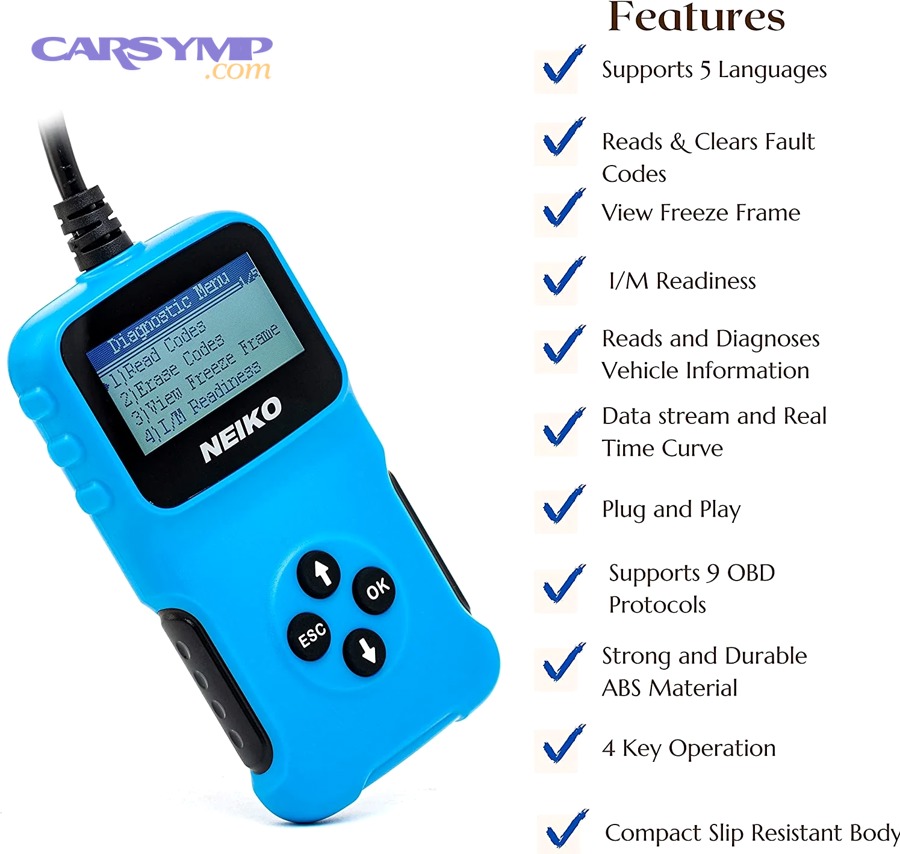
Transmission slipping means the engine speed rises without a matching increase in wheel speed or vehicle acceleration. In daily driving, that often feels like an RPM flare during upshift, a delayed engagement when shifting into Drive or Reverse, a shudder during converter clutch apply, or a brief loss of pull while the vehicle is already moving. Those are the core Transmission slipping symptoms and tests begin by reproducing them safely.
The key point is that true slip is an energy loss between engine output and wheel delivery. The PCM or TCM commands one thing, but the transmission does not hold the commanded ratio cleanly. On the road, that can show up during the 2-3 shift, only under heavy throttle, only when hot, or only when the converter clutch applies at cruise.
Not every “it feels like it slipped” complaint is real clutch slip. A misfire, torque reduction event, throttle issue, or traction control intervention can mimic slipping. That is why the first job is to define the condition precisely: when it happens, in which gear, at what temperature, under what load, and whether the tachometer flares.
Can a Scan Tool Confirm Slipping by Itself?
No, a scan tool does not confirm every slip fault by itself, but it can confirm many of them when codes and live data agree with the symptom. In practice, the scanner becomes strong evidence when commanded gear, speed-sensor data, ratio calculation, and slip behavior all match the driver complaint.
For example, if the vehicle flares on the 3-4 shift and live data shows commanded 4th gear with abnormal ratio or delayed pressure response, that is meaningful. If the vehicle shudders at steady cruise and TCC is commanded on while TCC slip RPM stays high or unstable, that points in a different direction. The scanner is strongest when it shows a pattern, not just one odd reading.
According to EPA documentation on onboard diagnostics, freeze-frame data is a snapshot of conditions at fault detection and helps a technician identify and repair the failure more effectively. That is exactly why slipping diagnosis improves when you match the freeze-frame moment to the road-test symptom. ([nepis.epa.gov](https://nepis.epa.gov/Exe/ZyPURL.cgi?Dockey=P100KPTW.TXT))
Which Trouble Codes Most Often Point to a Slipping Transmission?
There are four main code groups that most often point to slipping transmission diagnosis: ratio-error codes, speed-sensor codes, pressure or solenoid codes, and converter-clutch slip codes.
Next, those code groups matter because each one changes the likely diagnostic path.
What Are the Main Code Groups for Slipping Diagnosis?
The first group is generic P07xx transmission codes. OBD reference material explains that P07xx codes are generic transmission-related codes used across makes, even though diagnosis varies by vehicle. That group gives the broad family, not the exact failed part. ([obd-codes.com](https://www.obd-codes.com/p07-codes))
The second group is gear-ratio error codes. These are often the most important for slip complaints because they tell you the commanded gear and the measured ratio are not matching within expected limits. Ratio-error codes do not automatically mean the clutches are burned, but they do raise suspicion of holding failure, hydraulic loss, or wrong speed input.
The third group is speed-sensor and circuit codes. These matter because the control module calculates transmission behavior from sensor inputs. If an input speed sensor or output speed sensor lies, the module may calculate a false ratio problem or shift the unit poorly enough to create what feels like slip.
The fourth group is TCC and slip-related codes. P0894 is especially important because OBD reference material describes it as transmission component slipping and notes that it can indicate either a serious electrical issue or catastrophic mechanical failure. That is why it deserves immediate attention rather than casual code clearing. ([obd-codes.com](https://www.obd-codes.com/p0894))
What Is the Difference Between Gear-Ratio Codes and Solenoid Codes?
Gear-ratio codes win for identifying the result of a slip event, while solenoid codes are best for identifying a likely control-side cause. A ratio code tells you the transmission did not achieve or hold the expected ratio. A solenoid code suggests the command, circuit, or hydraulic actuation that should create that ratio may be faulty.
That difference matters because the repair path changes. With a ratio code, you are asking, “Why did the gear fail to hold?” With a solenoid code, you are asking, “Did the control system fail to apply the gear correctly?” Sometimes the answer is still internal wear, but the logic trail begins in different places.
This is where a Worn clutches vs solenoid issues comparison becomes useful. Worn clutches usually produce repeatable flare or slip under load, often worse when hot, with ratio trouble or persistent performance loss. Solenoid issues may produce inconsistent timing, erratic shifts, on-off harshness, or slip-like complaints that correlate strongly with commanded states and electrical faults.
Does a Slipping Transmission Always Set a Code?
No, a slipping transmission does not always set a code because early wear, fluid problems, intermittent heat-related faults, and some hydraulic losses may not cross the module’s fault threshold right away.
That matters because many drivers assume “no code means no problem.” In reality, no-code slip is common enough that your diagnostic process must include symptom verification, fluid inspection, and a road test with live data. Even Ford service information shows cases where the procedure begins with retrieving DTCs and, if none are present, moving into strategy download and adaptive learning steps before further repair decisions. ([static.nhtsa.gov](https://static.nhtsa.gov/odi/tsbs/2023/MC-10234596-0002.pdf))
Which Live PID Checks Should You Watch First When Diagnosing Slipping?
The best first PID checks for slipping diagnosis are input speed, output speed, commanded gear, calculated ratio, TCC command, TCC slip RPM, and any available pressure-control values.
Then, those PIDs must be read together during the exact moment the symptom occurs, not one at a time in isolation.
What Do Input Speed, Output Speed, and Calculated Gear Ratio Tell You?
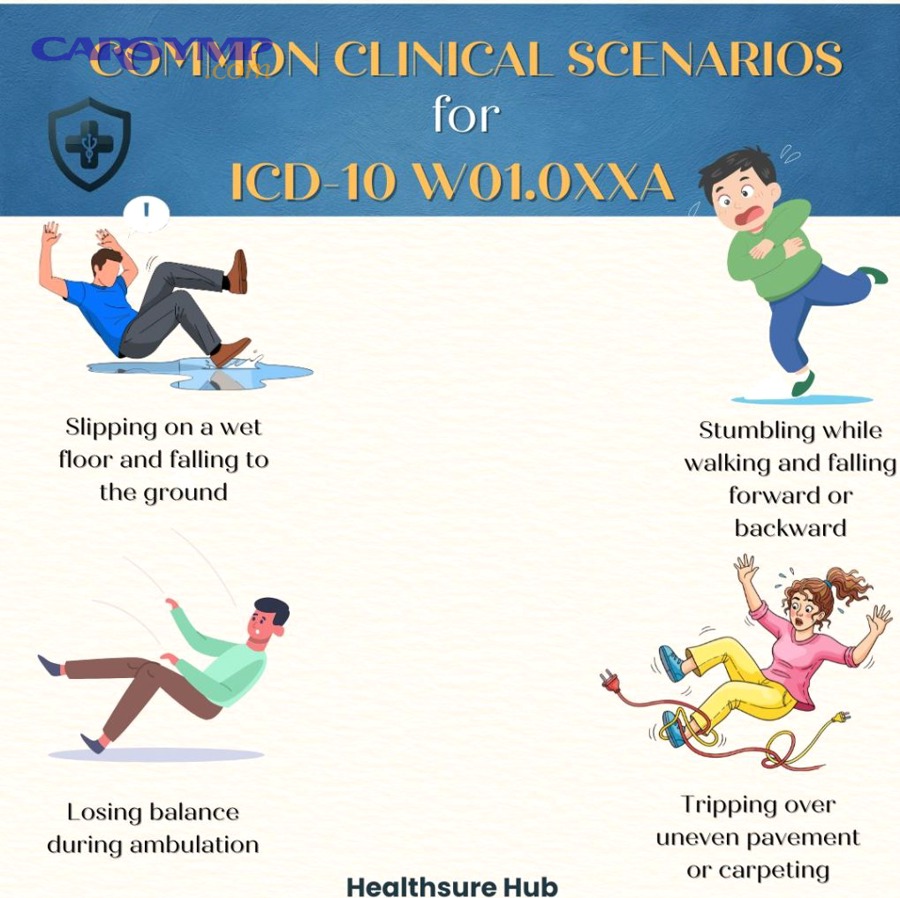
These values tell you whether the transmission is delivering the ratio the computer expects. Input speed shows what is entering the unit. Output speed shows what is leaving it. The ratio between them should match the active gear within the design limits.
If the module commands 4th gear but the calculated ratio looks closer to 3rd, or it wanders excessively during a steady event, you have a real diagnostic lead. If the ratio becomes unstable only when the fluid gets hot, that points you toward heat-sensitive hydraulic leakage, weak apply pressure, or worn friction elements. If the ratio jumps because one speed sensor drops out, the problem may be electrical rather than internal.
The table below shows what the most useful PID groups typically help you confirm.
| PID group | What it helps you diagnose | What abnormal behavior can mean |
|---|---|---|
| Input speed + output speed | Actual gear performance | Ratio error, sensor dropout, true slip |
| Commanded gear + actual ratio | Shift success | Wrong gear hold, delayed apply, flare |
| TCC command + TCC slip RPM | Converter clutch health | TCC shudder, no lockup, unstable apply |
| Pressure command + line pressure PID | Hydraulic response | Weak apply, pressure-control issue |
| Solenoid command/status | Control-side cause | Circuit or actuation fault |
| Fluid temperature | Heat-related pattern | Symptom only when hot |
In practical use, the table helps you decide which signals belong together during a road test rather than forcing you to watch random numbers.
Which PID Groups Should Be Checked Together During a Road Test?
You should check speed sensors with commanded gear first, TCC data second, and pressure or solenoid data third. That order works because it moves from the symptom result to the likely cause.
Start with input speed, output speed, commanded gear, and engine RPM. That group tells you whether the unit actually slips or merely feels wrong. Next, add TCC command and TCC slip RPM if the complaint happens during cruise or light throttle. Finally, add pressure-control and solenoid data if your scan tool and vehicle support them.
A common mistake is trying to monitor too many PIDs at once and losing the moment when the fault occurs. Instead, graph the critical values and repeat the same road-test event. If the symptom happens on the 3-4 shift at 35 mph with light throttle, recreate that condition three times and see whether the same pattern repeats.
How Is Clutch-Pack Slipping Different from Torque Converter Clutch Slip in Live Data?
Clutch-pack slip is most obvious during a gear change or under load, while torque converter clutch slip is most obvious during steady-speed cruise when lockup should apply cleanly.
Clutch-pack slip usually shows as RPM flare during a specific upshift or in a particular gear under throttle. TCC slip usually shows as unstable or excessive slip RPM when the converter clutch is commanded on. The driver may describe TCC slip as a shudder, soft vibration, or hunting feeling around light throttle instead of a dramatic flare.
This distinction matters because the transmission slipping fix may be very different. A TCC issue may point to converter clutch control, valve body wear, fluid condition, or converter failure. A clutch-pack issue raises stronger concern about internal wear and holding capacity.
How Do You Diagnose a Slipping Transmission Step by Step with a Scan Tool?
The most reliable method uses five steps: verify the complaint, inspect basics, scan codes and freeze frame, road-test live PIDs, and separate control faults from internal failure.
Below, that process works because each step either confirms the symptom or narrows the cause before money is wasted on the wrong repair.
What Should You Check Before Looking at Codes and PIDs?
Yes, you should check the basics before diving into codes because fluid condition, fluid level, voltage, and connector integrity can distort everything that comes afterward.
Start with the customer complaint. Ask whether the slip happens cold, hot, uphill, towing, at highway speed, or only after a long drive. Then inspect the fluid if the design allows it. Burnt smell, dark fluid, foaming, or obvious contamination changes the diagnostic picture immediately. Also confirm battery voltage and charging health because low voltage can affect solenoid behavior and module decisions.
Check external connectors and wiring, especially near the transmission case. A poor connection can create intermittent speed-sensor or solenoid behavior that looks like major internal damage. If the vehicle has service information about strategy updates or adaptive relearn, note that before condemning hard parts.
How Do You Use Freeze-Frame Data and Road-Test Data Together?
Use freeze-frame data to identify the fault conditions, then duplicate those same conditions during the road test. That is the fastest way to move from stored history to confirmed diagnosis.
If freeze frame shows the fault happened at moderate throttle, in 4th gear, with warm fluid, do not spend all your time testing cold at low speed. Recreate the original context. Once the symptom appears, compare the live graph to the freeze-frame snapshot. The better the match, the stronger your diagnosis.
EPA material on OBD effectiveness explains that freeze-frame data preserves a snapshot of the conditions when the failure was detected. In real transmission work, that makes freeze frame one of the best bridges between a stored code and a reproducible complaint. ([nepis.epa.gov](https://nepis.epa.gov/Exe/ZyPURL.cgi?Dockey=P100KPTW.TXT))
When Do Scan Results Point to an Electronic Problem vs a Mechanical One?
Electronic faults become more likely when sensor readings are implausible, solenoid or circuit codes are present, or commanded states do not match expected actuation. Mechanical faults become more likely when ratio errors and flare persist under repeatable load with sane sensor data.
For example, if output speed drops out momentarily while the car does not physically flare, suspect sensor or wiring issues first. If the engine flares, commanded gear stays stable, the ratio goes wrong, and the event worsens when hot, the case for mechanical holding loss becomes stronger.
This is where a worn clutches vs solenoid issues comparison helps in plain language. Worn clutches are load-sensitive and often heat-sensitive. Solenoid issues are more command-sensitive and can look erratic, intermittent, or electrically suspicious. Neither pattern is absolute, but the distinction helps prevent a premature rebuild recommendation.
What Are the Most Common Causes Revealed by Scan Data in a Slipping Diagnosis?
The most common scan-revealed causes are pressure-control faults, shift-solenoid problems, speed-sensor errors, torque-converter clutch faults, valve body wear, and internal clutch wear.
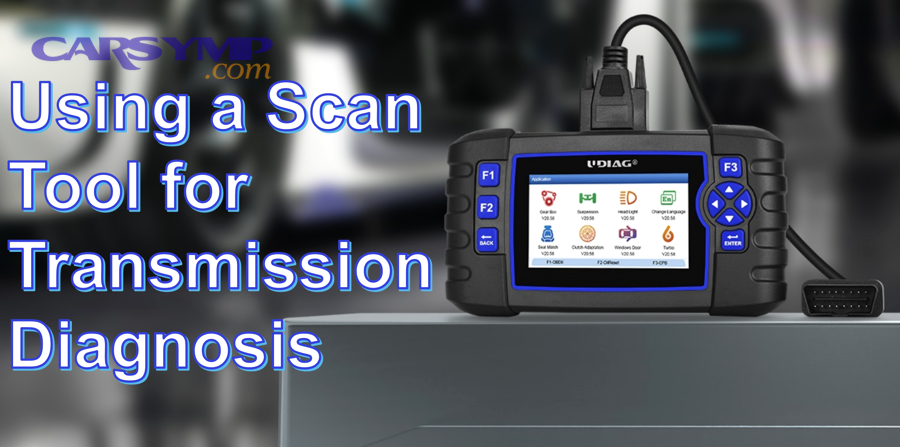
More specifically, the pattern of codes plus live data matters more than any one symptom by itself.
Which Scan Patterns Suggest Solenoid, Pressure-Control, or Valve Body Problems?
These patterns usually include delayed shift completion, inconsistent timing, commanded pressure changes without expected response, and fault codes involving shift or pressure-control circuits. On the road, the transmission may shift too softly, too harshly, or inconsistently from one event to the next.
Valve body problems can sit in the middle. They are not always purely electrical and not always full internal failure. A worn bore, leaking circuit, or sticky valve can create genuine slip because the clutch never receives stable apply pressure. That is why some service bulletins pair DTC retrieval with valve body work and adaptive learning rather than jumping straight to full overhaul. ([static.nhtsa.gov](https://static.nhtsa.gov/odi/tsbs/2023/MC-10234596-0002.pdf))
Which Scan Patterns Suggest Worn Clutches or Internal Transmission Damage?
These patterns usually include repeatable RPM flare under the same load, persistent ratio errors, worsening behavior when hot, and weak performance that does not disappear after basic checks. The scan tool may not always show a dramatic electrical fault because the problem is the clutch’s ability to hold torque, not the module’s ability to issue a command.
If the vehicle slips in one gear family repeatedly, that often points toward the clutch elements or hydraulic circuit assigned to that range. If it slips broadly in multiple ranges with burnt fluid or debris evidence, the concern rises further. A severe code such as P0894 also belongs in this category because code references describe it as potentially tied to catastrophic mechanical failure as well as serious electrical issues. ([obd-codes.com](https://www.obd-codes.com/p0894))
What Is the Difference Between Low Fluid Symptoms and Internal Clutch Slip in Scan Data?
Low fluid tends to create broad, unstable, and sometimes intermittent behavior, while internal clutch slip tends to create a more repeatable failure in a specific shift or ratio.
Low fluid may cause delayed engagement, aeration, inconsistent pressure, and symptoms that change dramatically with temperature, incline, or pump pickup conditions. Internal clutch slip often becomes predictable: same gear, same event, same flare pattern. That difference is useful because the transmission slipping fix for low fluid or leakage can be far less severe than the fix for worn friction elements.
This is also the point where you should consider When to stop driving to prevent damage. If the vehicle is flaring heavily, losing drive, overheating, or setting severe slipping codes, continued driving can turn a manageable fault into a full hard-part failure.
Can You Rule Out False Diagnoses When Reading Slipping Data?
Yes, you can rule out many false diagnoses by checking sensor plausibility, symptom consistency, temperature effects, and whether the live data matches what the vehicle physically does.
However, false conclusions happen when a technician reads codes without verifying the event on the road.
Can Bad Speed Sensor Data Mimic Transmission Slipping?
Yes, bad speed sensor data can mimic transmission slipping because the module depends on those signals to calculate gear ratio, shift completion, and converter behavior.
If a sensor signal drops out or becomes noisy, the ratio may appear wrong even when the clutches are holding. In that case, the vehicle may not show a true flare, but the data will still look suspicious. This is why graphing speed signals during the exact complaint event matters so much.
A useful rule is simple: if the live numbers look dramatic but the vehicle behavior does not, verify the input source before blaming the transmission. Sensor plausibility checks often save expensive misdiagnosis.
What Is the Difference Between a Real Slip Event and a Sensor or Software Interpretation Problem?
A real slip event shows matching physical evidence and data evidence. A sensor or software interpretation problem often shows one without the other.
A real slip event usually includes noticeable flare, delayed pull, shudder, or lost acceleration plus scan data showing abnormal ratio or excessive slip. A software or adaptation problem may show harsh or poorly timed shifts, but the hard-part capacity may still be intact. That is why adaptation and programming matter in modern units.
Manufacturer information supports this caution. Ford bulletins describe procedures that begin with retrieving DTCs and, depending on findings, continue with transmission strategy download and adaptive learning before or alongside valve body or transmission repair. Ford also notes that after adaptive strategy reset, the computer relearns transmission parameters and shift quality can change for several days. MOTOR likewise notes that relearn procedures are very important on some CVTs after repairs. ([static.nhtsa.gov](https://static.nhtsa.gov/odi/tsbs/2023/MC-10234596-0002.pdf))
What Advanced Scan-Tool Features and Edge Cases Can Expand a Slipping Diagnosis?
Advanced scan-tool features expand slipping diagnosis through bidirectional tests, adaptation data, manufacturer-specific PIDs, and long road-test analysis for heat-related faults.
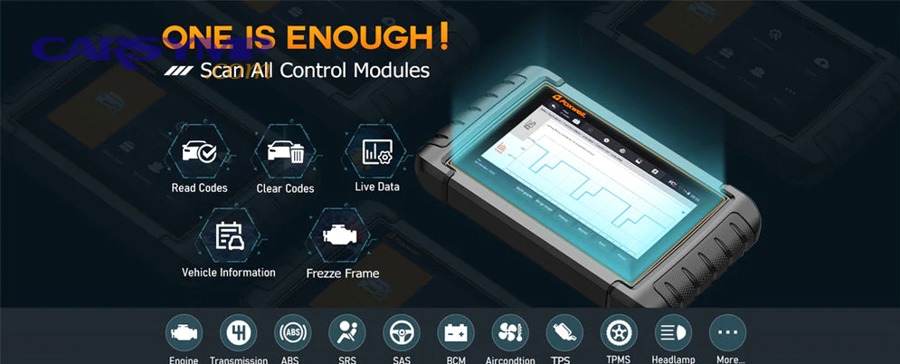
In addition, these tools deepen the diagnosis after the main fault path is already understood.
Can Bidirectional Tests and Adaptation Data Improve Slipping Diagnosis?
Yes, bidirectional tests and adaptation data can improve diagnosis because they let you command functions, observe response, and see whether the control system is compensating for a shift-quality problem.
Adaptive values are especially useful when a unit has learned around wear or after service work changed its behavior. On some vehicles, relearn is not optional. MOTOR reports that relearn procedures are very important on certain CVTs after repairs, and Ford service documents repeatedly pair strategy download with adaptive learning drive cycles in transmission complaint workflows. ([motor.com](https://www.motor.com/magazine-summary/cvt-diagnostics-june-2007/))
What Is the Difference Between Generic OBD Data and Manufacturer-Specific Transmission PIDs?
Generic OBD data is best for broad fault detection, while manufacturer-specific PIDs are better for precision diagnosis. Generic data may show basic codes and limited live values. Enhanced data often adds clutch pressure commands, adaptation counters, individual solenoid states, converter apply details, and learned values.
That extra detail matters when the basic scanner says little but the symptom is clear. If you are diagnosing a modern electronically controlled transmission, enhanced data often determines whether the next step is a software procedure, a valve body inspection, or internal teardown.
Can a Transmission Slip Only When Hot or Under Heavy Load?
Yes, a transmission can slip only when hot or under heavy load because fluid viscosity, pressure control, and clutch holding capacity change as temperature and torque demand rise.
That pattern is common enough that a cold parking-lot check may miss the fault completely. If the driver says it slips after 25 minutes on the highway or only when climbing a hill, your road test must include that condition. Heat-only slipping often strengthens suspicion of marginal hydraulic sealing, valve body wear, or friction material wear that is not obvious when cold.
What Rare Conditions Can Look Like Transmission Slipping but Mislead the Diagnosis?
Rare but real look-alikes include wheel-speed and tire-size mismatch effects, engine torque reduction events, intermittent module logic issues, limp-mode behavior, and converter shudder mistaken for gear slip.
These cases matter because they can produce the same complaint words from the driver even though the root cause differs. A disciplined workflow prevents that confusion: define the symptom, verify it, read freeze frame, graph the right PIDs, compare command to result, and only then choose the transmission slipping fix. If the vehicle is losing drive, flaring badly, or repeatedly setting severe slip-related codes, that is when to stop driving to prevent damage and arrange proper diagnosis before the unit fails more completely. ([obd-codes.com](https://www.obd-codes.com/p0894))
In sum, slipping diagnosis becomes accurate when you stop chasing single clues and start reading the whole system. Codes tell you the fault family. Live PIDs show whether the event is real and when it happens. Freeze frame captures the scene. Road testing confirms the pattern. That is the method that helps car owners and technicians avoid both under-diagnosis and expensive guesswork.