How to Fix a Slipping Transmission: Causes, DIY Remedies, and When to Call a Mechanic
A slipping transmission is one of the most urgent mechanical problems a driver can face — and fixing it starts with understanding exactly what is happening inside your drivetrain. In most cases, a slipping transmission can be resolved by checking and correcting the fluid level, replacing degraded fluid, or addressing a faulty solenoid, but the right fix depends entirely on the underlying cause. Acting early is critical: what begins as an occasional hesitation can escalate into a full transmission failure within weeks if left unaddressed.
Recognizing the Transmission slipping symptoms and tests available to you is the first step toward an accurate diagnosis. Drivers typically notice sudden RPM spikes without a matching increase in speed, shuddering during gear changes, delayed engagement when shifting from park to drive, or a faint burning smell from under the hood. These signs can appear in one specific gear or across all gears — and Slipping in one gear vs all gears clues you in to whether the problem is isolated to a single clutch pack or band, or whether a systemic issue like fluid pressure failure is at play.
Understanding the causes behind the slip — from worn friction material to electronic solenoid failure — determines whether a DIY remedy is appropriate or whether a mechanic is the only path forward. Low fluid is the most common and cheapest cause to fix, while internal component failures like clutch packs or torque converter damage require professional disassembly. Temporary measures vs real fixes is a distinction every car owner needs to make clearly before spending money, because the wrong approach can accelerate damage rather than stop it.
To give you a complete picture, this article also covers repair cost estimates for slipping transmissions, the role of Scan data and codes for slipping diagnosis, and how Preventing slipping with proper fluid service can protect your transmission long-term. Whether you drive a conventional automatic, a manual, or a hybrid, the guidance below walks you through every stage — from first symptom to final repair decision.
What Is a Slipping Transmission?
A slipping transmission is a drivetrain condition in which the transmission fails to maintain a consistent gear engagement, causing the engine’s power output to disconnect momentarily from the wheels — resulting in RPM spikes, hesitation, or loss of acceleration during normal driving.
To better understand what makes this problem so disruptive, it helps to picture how a healthy transmission works. Under normal conditions, your transmission selects a gear, locks into it with hydraulic pressure or mechanical clamping force, and transfers engine torque directly to the driveshaft. When that locking mechanism fails — whether due to insufficient fluid pressure, worn friction surfaces, or a faulty electronic signal — the gear “slips” out of engagement mid-transfer. The engine revs but the car barely moves, which is the defining sensation of a slip.

Slipping behaves differently depending on the transmission type. In an automatic transmission, slipping usually presents as unexpected RPM surges, rough or delayed upshifts, or the sensation that the car is “hunting” for a gear. In a manual transmission, slipping most often occurs when the clutch disc wears thin and fails to transfer full engine torque to the input shaft — the driver experiences a surge in engine speed without a corresponding increase in vehicle speed, particularly under load such as on hills or during hard acceleration.
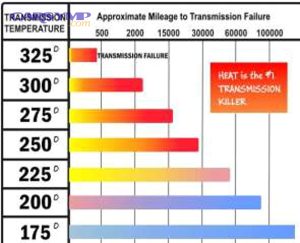
What makes transmission slipping a serious concern — beyond the frustrating driving experience — is the feedback loop it creates. When the transmission slips, the clutch packs or bands that are failing to grip generate intense heat through friction. That heat degrades the transmission fluid further, which in turn reduces the hydraulic pressure needed to maintain gear engagement, which causes more slipping. Left unchecked, this cycle can destroy an otherwise repairable transmission within a short period.
What Does It Feel Like When Your Transmission Is Slipping?
The physical sensation of a slipping transmission is distinctive once you know what to look for. The most common experience is pressing the accelerator and feeling the engine rev loudly — the tachometer needle climbs — while the car accelerates sluggishly or not at all. It can feel as though the car momentarily “disconnects,” like a clutch being pressed without intent.
Beyond the RPM surge, drivers report the following transmission slipping symptoms:
- Delayed engagement: A pause of one to three seconds between shifting from Park to Drive or Reverse before the car moves
- Shuddering or vibrating: A rhythmic shake during acceleration, especially between 30–45 mph, often associated with torque converter issues
- Gear hunting: The transmission repeatedly shifts up and then immediately back down, unable to settle in a gear
- Burning smell: A sharp, acrid odor from degraded or overheated transmission fluid — a sign that friction surfaces are overheating
- Dashboard warning light: Many modern vehicles will illuminate the Check Engine light or a dedicated transmission warning light when a slip-related fault is detected
It is worth noting that these symptoms can be intermittent in the early stages — the transmission may slip once on a cold morning and then behave normally for days. This intermittent quality leads many drivers to delay action, which is a mistake. Early-stage slipping is far cheaper and easier to fix than late-stage slipping.
Is a Slipping Transmission Dangerous to Drive?
Yes, driving with a slipping transmission is dangerous, for three compounding reasons: unpredictable power loss during acceleration, risk of sudden complete gear disengagement, and the rapid escalation of internal damage that can lead to total transmission failure at highway speed.
The danger is not merely mechanical — it is situational. If your transmission slips while you are merging onto a highway, pulling into an intersection, or attempting to pass another vehicle, the sudden loss of drive power can put you in a collision path. Unlike a blown tire, which gives some warning, a transmission slip can occur without notice and resolve itself just as suddenly, creating an unpredictable driving environment.
When to stop driving to prevent damage is a judgment every driver needs to make based on symptom severity. If slipping is occasional and only occurs from a cold start, you may have a short window to drive carefully to a shop. However, if slipping occurs consistently across multiple gears, is accompanied by a burning smell, or if the car refuses to move at all in certain gear ranges, you should stop driving immediately and have the vehicle towed. Continuing to drive under those conditions risks turning a $500 repair into a $4,000 transmission replacement.
What Are the Common Causes of Transmission Slipping?
There are five primary causes of transmission slipping — low or degraded fluid, worn clutch packs, broken or stretched gear bands, faulty shift solenoids, and torque converter failure — ranging from a simple fluid top-up to complex internal repairs.

Each of these causes disrupts the transmission’s ability to maintain hydraulic pressure or mechanical grip during gear engagement. The most important thing to understand is that causes exist on a spectrum from inexpensive and DIY-accessible to expensive and shop-only. Correctly identifying which cause is responsible before spending money on parts or labor is what separates a smart repair from a costly mistake. Low fluid slipping diagnosis steps are always the right starting point because they cost nothing and take less than ten minutes.
Can Low Transmission Fluid Cause Slipping?
Yes, low transmission fluid is the single most common cause of slipping, because transmission fluid serves as both the hydraulic medium that engages gears and the lubricant that prevents clutch and band surfaces from overheating and wearing prematurely.
Specifically, an automatic transmission relies on pressurized fluid to activate clutch packs and hold gear bands in position. When fluid level drops — due to a leak at the pan gasket, cooler lines, front pump seal, or axle seals — the hydraulic pressure available to hold gears in engagement drops with it. The result is a gear that briefly engages and then releases under load, which is the defining mechanical event of a transmission slip.
Checking fluid level is the correct first step in any slipping diagnosis. On most vehicles, this involves:
- Warming the engine to operating temperature (fluid expands when warm)
- Locating the transmission dipstick (red handle, typically toward the rear of the engine bay on rear-wheel-drive vehicles)
- Pulling the dipstick, wiping it clean, reinserting fully, then reading the level against the MIN/MAX markers
- Checking fluid color: healthy ATF is bright red and slightly translucent; degraded fluid is dark brown, murky, or black with a burnt odor
If fluid is low, top up with the exact ATF specification listed in your owner’s manual. Using the wrong fluid type — for example, adding Dexron III to a transmission requiring Dexron VI or a Honda-specific ATF — can cause seal swelling, pressure issues, and ironically, more slipping.
What Internal Components Cause a Transmission to Slip?
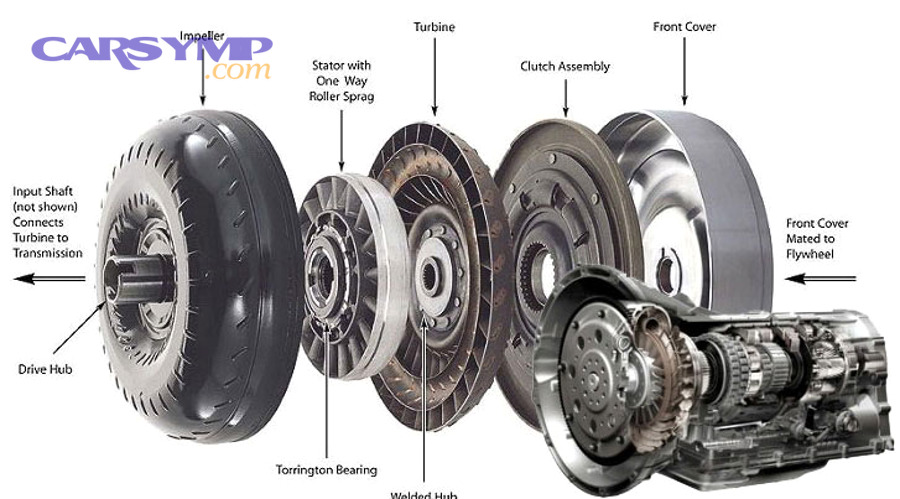
Three internal components are most frequently responsible for mechanical slipping beyond fluid issues: clutch packs, gear bands, and the torque converter. Each plays a distinct role in gear engagement, and each fails in a characteristic way.
The Worn clutches vs solenoid issues comparison is one of the most practically important distinctions in transmission diagnosis because the repair approach and cost differ dramatically. The following table summarizes the four primary mechanical causes of slipping alongside their repair complexity and estimated costs, helping you match symptoms to components before visiting a shop:
| Component | Function | Failure Mode | Repair Complexity | Estimated Cost |
|---|---|---|---|---|
| Clutch packs | Friction-based gear locking | Worn friction material → slip under load | High — requires disassembly | $800–$1,500 |
| Gear bands | Steel bands that clamp planetary gears | Stretched, cracked, or out of adjustment | Medium — some are externally adjustable | $200–$600 |
| Shift solenoids | Electrically control fluid flow between circuits | Stuck open/closed → wrong gear or no hold | Low to medium — often accessible without full disassembly | $150–$400 |
| Torque converter | Fluid coupling between engine and transmission | Worn needle bearings, damaged clutch | High — must remove transmission | $600–$1,200 |
Clutch packs are the most wear-prone components in a high-mileage automatic transmission. Each clutch pack consists of alternating steel plates and friction-material discs that are squeezed together by hydraulic pressure to lock a specific planetary gear set. As the friction material wears thin over time and high heat cycles, the pack can no longer generate enough clamping force to prevent slip under load — particularly noticeable during hard acceleration or towing.
Can a Bad Transmission Solenoid Cause Slipping?
Yes, a faulty shift solenoid can absolutely cause transmission slipping, because solenoids are the electronically controlled valves that direct pressurized fluid to the correct clutch circuit at the precise moment a gear change is commanded.
When a solenoid sticks in the open or closed position — due to electrical failure, debris contamination, or internal wear — the fluid routing to a specific clutch pack becomes erratic. The transmission either engages the wrong gear, delays engagement, or fails to hold the commanded gear under load. This is one of the most common causes of slipping in vehicles manufactured after 2000, where electronically controlled transmissions are standard.
Scan data and codes for slipping diagnosis are particularly useful here. A solenoid fault typically triggers an OBD-II code that points directly at the affected circuit:
- P0750–P0770: Shift solenoid A through E malfunction
- P0730: Incorrect gear ratio — often caused by a solenoid delivering fluid to the wrong circuit
- P0700: General transmission control module fault — requires further live data analysis
Using a scan tool to pull these codes before replacing parts is strongly recommended. Without codes, a solenoid replacement is a guess; with codes, it becomes a targeted repair.
How Do You Fix a Slipping Transmission?
You can fix a slipping transmission using a four-step approach: check and correct the fluid level, perform a transmission flush if fluid is degraded, adjust gear bands if applicable, and evaluate transmission additives only as a short-term measure — all before considering professional solenoid or mechanical repair.
This progression matters because each step is progressively more invasive and expensive. Moving straight to an additive or a flush without first confirming fluid level is a common and costly mistake. Below, each DIY remedy is covered in the correct order of execution.
How Do You Check and Top Up Transmission Fluid to Stop Slipping?
Checking and topping up transmission fluid is the fastest and least expensive fix for a slipping transmission — it costs under $20, takes 15 minutes, and resolves slipping in a significant percentage of cases where fluid loss is the root cause.
To perform this correctly:
- Park on level ground and apply the parking brake — an unlevel surface gives a false fluid reading
- Run the engine and let the transmission reach operating temperature (drive for 5–10 minutes)
- With the engine still running (on most vehicles), locate and pull the transmission dipstick
- Wipe, reinsert, and re-read — check against both MIN and MAX marks; the fluid should fall between them
- Assess fluid condition: bright red = healthy; dark brown or black with a burnt smell = needs a flush, not just a top-up
- Add fluid in small increments (½ quart at a time) using the correct ATF specification, rechecking level each time
- Test drive and monitor for continued slipping
If the fluid was low, it is important to find the source of the leak and address it — otherwise the level will drop again and slipping will return within weeks.
Does a Transmission Flush Fix Slipping?
A transmission flush fixes slipping in cases where degraded, contaminated, or oxidized fluid is the primary cause — but it can worsen slipping in high-mileage transmissions where worn seals are being held in place by varnish deposits in the old fluid.
This nuance is critical and frequently misunderstood. Here is when a flush is appropriate vs. when it should be avoided:
Flush is appropriate when:
- Fluid is dark brown but not burnt black
- Vehicle has fewer than 100,000 miles and regular service history
- Slipping is mild and intermittent, particularly on cold starts
- No metal particles are visible on the drain plug magnet
Avoid a flush when:
- Fluid is black with a strong burnt smell (damage already done)
- Vehicle has 150,000+ miles with no prior transmission service
- Slipping is severe or occurs across all gear ranges
- Metal particles or debris are present in the pan
The cost for a professional transmission flush ranges from $100 to $200 depending on the shop and vehicle. Many dealers and transmission specialists perform this as part of a broader transmission service that includes a new filter and pan gasket, which is the recommended approach when the pan needs to come off anyway.
Can You Adjust Transmission Bands to Fix Slipping?
Yes, band adjustment can fix slipping in vehicles that use adjustable bands — primarily older American-made automatics (pre-2005 Ford, GM, and Chrysler transmissions) — by restoring the correct clamping force on the planetary gear set.
Modern transmissions largely use fixed bands or clutch-pack-only designs, so this repair does not apply universally. To determine if your transmission has adjustable bands, consult a vehicle-specific service manual or search your transmission model number (e.g., 4L60E, 4R70W, 722.6).
For transmissions with adjustable bands, the general procedure is:
- Locate the adjustment screw on the exterior of the transmission case (usually a bolt with a locknut)
- Loosen the locknut while holding the adjustment bolt
- Turn the adjustment bolt clockwise until lightly snug (finger tight against the band)
- Back off the bolt by the exact number of turns specified in the service manual (commonly 1.5–3.5 turns depending on band and transmission model)
- Hold the bolt at that position and re-tighten the locknut firmly
- Test drive under load to evaluate improvement
Caution: over-tightening a band causes it to drag and generates excessive heat, which accelerates wear. Under-tightening provides insufficient clamping force and the slip continues. Always use manufacturer torque specifications — this is not a repair to estimate.
What Transmission Additives or Stop-Slip Products Actually Work?
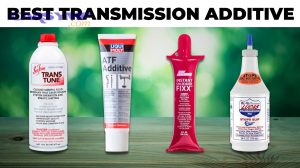
Transmission additives like Lucas Transmission Fix or Sea Foam Trans Tune can temporarily reduce slipping caused by dried-out seals or mildly degraded fluid — but they do not repair worn clutch packs, broken bands, or faulty solenoids, and using them as a substitute for proper repair can delay necessary action and worsen internal damage.
Additives for slipping transmission risks deserve serious consideration before purchase. The active chemistry in most “stop-slip” products works by softening and swelling transmission seals, which can temporarily restore fluid pressure in a leaking or low-pressure circuit. In a transmission where slipping is purely fluid-related and the seals are slightly dried out, this approach can provide noticeable short-term improvement.
However, the same seal-swelling chemistry that helps in mild cases can cause over-swollen seals to crack or blow out completely in transmissions with more advanced wear. Additionally, some additives alter the friction coefficient of the ATF, which can interfere with the engineered shift feel and clutch engagement timing that the transmission control module expects — potentially triggering fault codes or erratic shifting behavior.
Use additives only as a temporary bridge — specifically when:
- You need a few more weeks of driving time to budget for a proper repair
- The transmission is otherwise scheduled for replacement and you want to delay failure
- Slipping is minor, fluid-related, and a proper diagnosis has already been completed
Never use additives as a long-term fix or as a substitute for diagnosing the root cause.
When Should You Call a Mechanic for a Slipping Transmission?
You should call a mechanic when slipping occurs consistently across multiple gears, is accompanied by a burning smell or fault codes, involves metal particles in the fluid, or when DIY steps — fluid top-up, flush, and band adjustment — have failed to produce improvement after a test drive.

The decision point between DIY and professional repair is less about mechanical skill and more about the nature of the failure. Most car owners can safely handle fluid checks, a top-up, and even a flush. But once the diagnosis points to internal component failure — worn clutches, a damaged torque converter, or a failed valve body — the repair requires transmission removal, specialized tooling, and component-level disassembly that is beyond practical DIY territory for most people.
What Is the Difference Between a Minor Transmission Slip and a Major One?
A minor slip is fluid-related, intermittent, and responsive to a fluid correction — while a major slip is mechanical, consistent, and requires professional disassembly to resolve.
Use the following symptom checklist to self-triage before deciding whether to visit a shop:
Minor slip (DIY-viable):
- Slipping only on cold starts, resolves after 5 minutes of driving
- Fluid is low or slightly dark but not burnt
- No fault codes stored
- Slipping in one gear only (isolated clutch pack or band)
- No burning smell, no metal debris in fluid
Major slip (mechanic required):
- Slipping occurs consistently in multiple gears or all gears
- Fluid is black, smells burnt, or contains metal particles
- OBD-II fault codes present (P0730, P0750–P0770, P0700)
- Vehicle hesitates to move or lurches aggressively during gear engagement
- Slipping has been present for more than two to three weeks without improvement
The distinction between slipping in one gear vs all gears is one of the most reliable diagnostic clues available without a scan tool. Slipping confined to a single gear almost always points to the specific clutch pack or band responsible for that gear ratio — an isolated, potentially lower-cost repair. Slipping across all gears suggests a systemic problem: a failed pump, a cracked valve body, or pressure failure throughout the entire hydraulic circuit.
How Much Does It Cost to Fix a Slipping Transmission?
The repair cost estimate for a slipping transmission ranges from $10 for a DIY fluid top-up to over $4,500 for a full transmission rebuild or replacement — and the final cost depends entirely on which component is causing the slip.
The following table provides a realistic breakdown of transmission slipping repair costs by fix type, helping you set expectations before contacting a shop:
| Fix Type | DIY Cost | Shop Cost | Appropriate For |
|---|---|---|---|
| Fluid top-up | $10–$25 | $30–$60 | Low fluid level |
| Transmission flush + filter | $25–$60 | $100–$200 | Degraded fluid |
| Band adjustment | $0 (DIY) | $100–$250 | Adjustable-band transmissions |
| Solenoid replacement | $50–$120 (part) | $150–$400 | Solenoid-caused slip with fault codes |
| Clutch pack replacement | Not DIY | $500–$1,500 | Worn friction material |
| Torque converter replacement | Not DIY | $600–$1,200 | Shudder + slipping under load |
| Full rebuild | Not DIY | $1,800–$3,500 | Multiple failed components |
| Remanufactured replacement | Not DIY | $2,500–$4,500+ | Beyond economical repair |
Vehicle make and model significantly affect labor costs. European luxury vehicles and modern dual-clutch transmissions carry higher labor rates due to access complexity. Trucks and SUVs with heavy-duty transmissions typically cost more for parts but sometimes less for labor because of easier access. Always obtain two to three written estimates before authorizing transmission work beyond a fluid service.
How Can You Diagnose and Prevent Transmission Slipping Before It Gets Worse?
You can diagnose and prevent transmission slipping from worsening by combining three tools: OBD-II fault code scanning for precise component identification, transmission adaptive relearn reset after fluid service, and a consistent fluid service interval of every 30,000 to 60,000 miles.

These three approaches represent the difference between reactive and proactive transmission ownership. Most transmission failures — including slipping — do not happen suddenly. They develop over thousands of miles of gradual fluid degradation, slow seal wear, and solenoid contamination. Catching the early indicators through periodic scanning and regular fluid service gives you the opportunity to make a $150 repair instead of a $3,000 one.
What OBD-II Codes Are Associated with a Slipping Transmission?
Scan data and codes for slipping diagnosis give you direct insight into which circuit or component is failing, transforming a vague symptom into a targeted repair — making this the most valuable diagnostic step available before spending any money on parts.
The most clinically useful OBD-II codes for transmission slipping diagnosis include:
- P0700 — Transmission Control System Malfunction: A general flag indicating the TCM has detected a fault. This code almost always appears alongside a more specific code; read all stored and pending codes before drawing conclusions.
- P0730 — Incorrect Gear Ratio: The transmission is not achieving the gear ratio commanded. This code is consistent with clutch pack slippage, solenoid misrouting, or hydraulic pressure loss.
- P0740 — Torque Converter Clutch Circuit Malfunction: Points to TCC solenoid or torque converter clutch failure, commonly associated with shuddering and slipping at highway cruise speeds.
- P0750–P0770 — Shift Solenoid A through E: Each code corresponds to a specific solenoid. These codes are the most actionable for targeted repair without full disassembly.
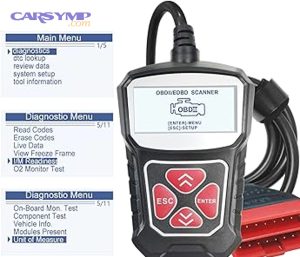
Using a mid-range OBD-II scanner (not just a basic code reader) that displays live transmission data — including line pressure, TCC slip RPM, gear commanded vs. gear achieved, and solenoid duty cycle — allows a level of diagnosis previously available only to professional shops. This live data is especially useful for intermittent slipping that does not always store a fault code.
Does Resetting the Transmission Adaptive Learning Fix Slipping?
Yes, resetting the transmission adaptive learning — also called a TCM adaptive relearn reset — can fix erratic shifting and mild slipping that developed after a transmission fluid change, solenoid replacement, or battery disconnect, because the TCM’s stored shift maps may no longer match the new fluid or component behavior.
More specifically, modern automatic transmissions use adaptive shift logic: the transmission control module continuously learns and adjusts shift timing, pressure, and solenoid activation based on driving history and component wear. When a fluid change refreshes the friction coefficient of the ATF, or when a solenoid is replaced with a new unit, the old adaptive data no longer reflects the current hardware — causing rough, delayed, or slipping shifts.
Two methods exist for performing an adaptive relearn reset:
Method 1 — Battery disconnect (basic reset):
- Disconnect the negative battery terminal for 30 minutes
- Reconnect and drive gently for 20–30 miles to allow the TCM to re-adapt
- Note: this method also resets other vehicle systems (radio presets, idle calibration)
Method 2 — Scan tool reset (preferred):
- Connect a compatible OBD-II scanner with TCM reset capability
- Navigate to transmission module → Adaptations → Clear/Reset
- Drive a specific relearn cycle as outlined in the service procedure (typically: several gentle accelerations, highway cruise, and deceleration events)
This procedure is particularly relevant after a transmission service. Many mechanics perform a fluid change without resetting adaptive data, leaving owners frustrated when shifting quality temporarily worsens before improving.
How Often Should You Service Your Transmission to Prevent Slipping?
Preventing slipping with proper fluid service means changing transmission fluid every 30,000 to 60,000 miles under normal driving conditions, or every 15,000 to 30,000 miles under severe conditions — including towing, stop-and-go city driving, performance driving, or operation in extreme heat.
The service interval varies by manufacturer: some automakers (notably Honda and Toyota) recommend fluid changes every 30,000 miles, while others (notably Ford and GM with their “lifetime fluid” marketing) suggest the fluid never needs changing. Independent transmission specialists broadly agree that “lifetime fluid” claims are optimistic and that fluid degradation accelerates beyond 60,000 miles in most driving environments.
A complete transmission service — not just a fluid top-up — should include:
- Drain and refill or full flush: A drain-and-refill replaces approximately 40–50% of total fluid volume; a full flush replaces 90–100%
- Filter replacement: The internal filter captures debris and metallic particles; a clogged filter restricts fluid flow and reduces hydraulic pressure
- Pan gasket inspection and replacement: The pan gasket is a common leak point; replacing it during a service costs little extra and prevents future fluid loss
- Cooler line inspection: Transmission cooler lines corrode and crack, causing slow leaks that gradually drop fluid level — the same scenario that leads to slipping months later
According to data compiled by the Automatic Transmission Rebuilders Association (ATRA), the majority of transmission failures brought to shops involve fluid that has never been changed or was last changed more than 60,000 miles prior — reinforcing the direct relationship between service neglect and slipping onset.
Can a Slipping Transmission Affect Electric or Hybrid Vehicles?
Most pure electric vehicles are not affected by transmission slipping in the traditional sense, because EVs use a single-speed fixed-ratio reduction gear with no clutch packs, gear bands, or shift solenoids — eliminating the primary mechanical causes of slipping entirely.
However, hybrid vehicles occupy a more nuanced position. Hybrid powertrains vary significantly across manufacturers. A Toyota Prius, for example, uses a Power Split Device — a planetary gear set that blends electric motor and engine torque continuously, with no traditional gear shifts. While this design does not slip in the conventional sense, a failing MG1 or MG2 motor bearing or a deteriorating hybrid battery can produce symptoms that a driver might describe as “slipping” — including RPM surges and loss of drive response under load.
Plug-in hybrid vehicles (PHEVs) that use a conventional automatic or dual-clutch transmission in combination with an electric drive motor are fully susceptible to the same clutch pack, solenoid, and fluid-related slipping as their non-hybrid counterparts. Specifically, dual-clutch transmission (DCT) hybrids — including several Ford and Hyundai PHEV models — have documented histories of clutch slip under low-speed electric-to-combustion transition events, a rare attribute that typically surfaces through transmission-specific technical service bulletins (TSBs) rather than general repair databases.
Car Symp monitoring — tracking your vehicle’s performance patterns over time, including shift quality, RPM behavior during acceleration, and any unusual sounds during gear changes — remains the most accessible early-warning system available to any driver, regardless of whether they drive a conventional automatic, a hybrid, or a vehicle with a CVT.
A slipping transmission is a problem that rewards fast, methodical action and punishes delay. Starting with the simplest and least expensive steps — checking fluid level, assessing fluid condition, and pulling fault codes — gives you the information needed to make a confident repair decision without overspending. Whether the fix is a $15 fluid top-up or a $2,000 clutch pack replacement, knowing the cause before authorizing work is always the right approach. Schedule a transmission service at the first sign of slipping, document your fluid change intervals going forward, and use your OBD-II scanner as a regular maintenance tool — not just an emergency one.