


Worn clutches and solenoid issues are the two most common internal causes of automatic transmission failure — and distinguishing between them is the single most important step before spending a dollar on repairs. Both faults can produce nearly identical symptoms: slipping gears, harsh shifting, shuddering, and sluggish acceleration. Yet their root causes, diagnostic paths, and repair costs sit at completely opposite ends of the spectrum. Getting the diagnosis wrong means replacing an expensive solenoid only to find the clutch packs were the real problem all along — or worse, rebuilding a transmission when a $200 solenoid swap would have resolved everything.
Understanding the symptoms that belong exclusively to each fault — and those that overlap — gives you the diagnostic leverage to narrow down the cause before touching a wrench. Worn clutches leave behind a trail of physical evidence: burnt fluid, metallic debris, and symptoms that worsen gradually under load. Solenoid failures tend to arrive suddenly, often with a Check Engine Light and stored fault codes pointing directly at the transmission control circuit. Learning to read these signals accurately is what separates a precise diagnosis from an expensive guess.
The diagnostic process itself follows a logical sequence: pull OBD-II codes, inspect transmission fluid condition, monitor live scan data from the TCM, and — when necessary — perform hands-on electrical and mechanical tests. Each step either confirms or eliminates one of the two failure modes, progressively narrowing the field until the true cause is isolated. This layered approach is what a transmission slipping fix actually demands; temporary measures like a fluid top-off or a reset of fault codes treat symptoms, not causes.
Once you confirm the root cause, repair cost and urgency become the deciding factors in your next move. A faulty solenoid is a targeted, relatively affordable repair. Worn clutch packs require a partial or full transmission rebuild — a significantly larger investment with a longer labor window. The gap between the two is not just financial; it is also a question of how quickly each fault escalates into secondary damage if left unaddressed. Next, we’ll build the complete picture, starting with a clear definition of both components and how they function inside your transmission.
What Are Worn Clutches and Solenoid Issues in a Transmission?
Worn clutches are degraded mechanical friction components inside the transmission’s clutch packs, while solenoid issues are failures of the electro-hydraulic valves that control fluid pressure and shift timing — two entirely different failure modes that share the same transmission housing.
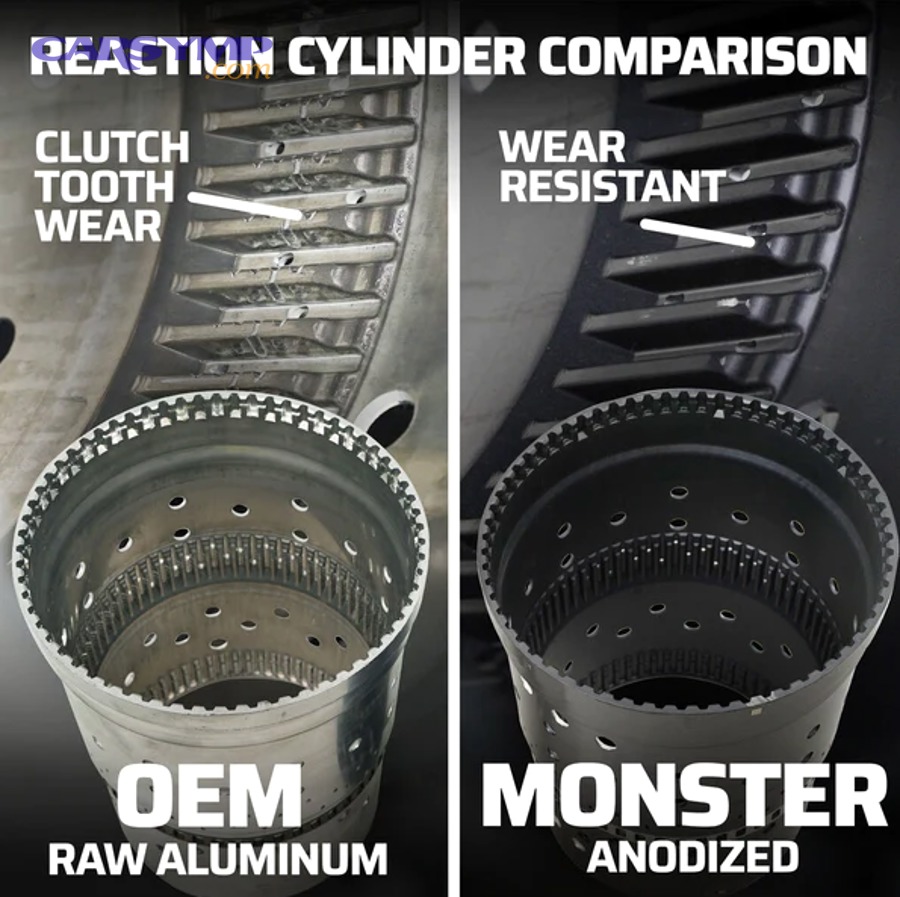
To better understand why they are so frequently confused, it helps to see exactly where each component sits in the system and what it is responsible for.
What Is a Worn Clutch and What Does It Do in an Automatic Transmission?
A clutch pack in an automatic transmission is a stack of alternating friction discs and steel plates held together by hydraulic pressure to engage specific gear ratios. The friction material — typically a cellulose or carbon-fiber composite bonded to the discs — is what wears down over time. When the transmission applies a gear, hydraulic pressure clamps the clutch pack together. When the gear releases, that pressure drops and the pack separates. Every engagement cycle generates heat and microscopic friction material loss.
- Clutch bands are a related component: a band wraps around a drum and contracts to hold a gear, functioning similarly to clutch packs but in a different geometry.
- Wear accelerators include chronic overheating from towing or aggressive driving, degraded transmission fluid that loses its lubrication and cooling properties, and extended service intervals that allow debris to circulate.
- Manual vs. automatic clutch wear differs fundamentally: in a manual transmission, the driver controls clutch engagement directly and can feel slippage immediately. In an automatic, wear occurs internally and invisibly — often reaching significant damage levels before any symptom surfaces.
What Is a Transmission Solenoid and How Does It Control Gear Shifts?
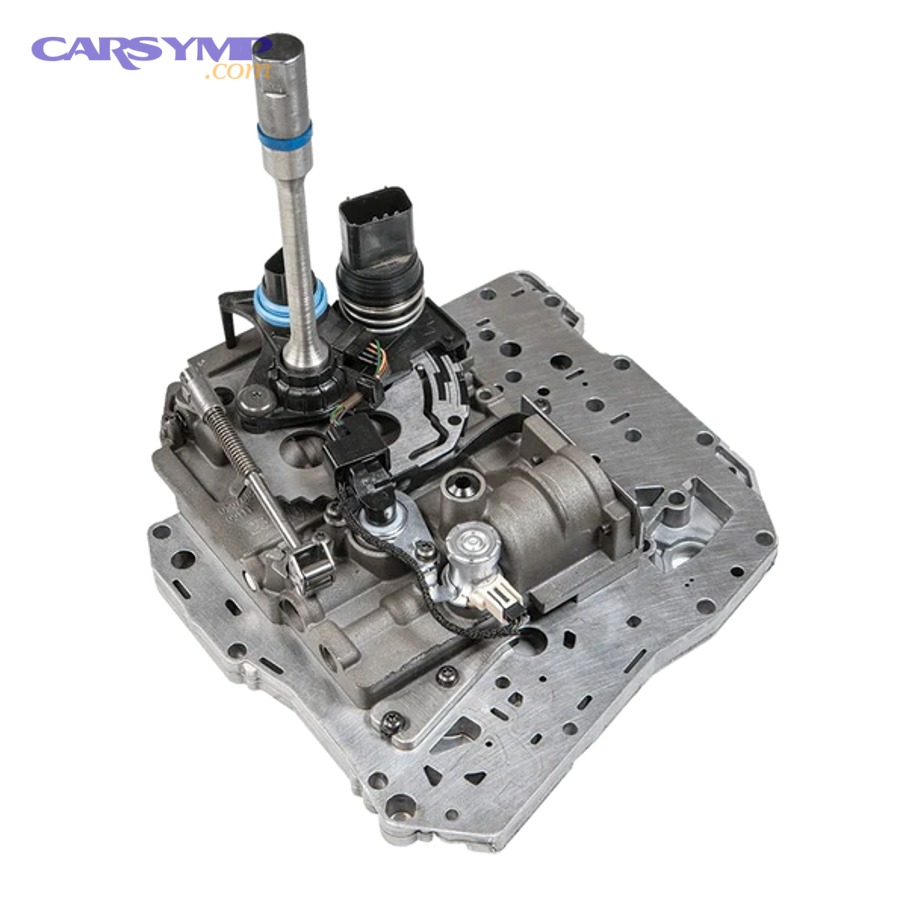
A transmission solenoid is an electro-magnetic valve that opens and closes hydraulic fluid passages inside the valve body in response to electrical signals from the Transmission Control Module (TCM). When the TCM determines a gear change is needed, it sends a pulse-width modulated signal to the appropriate solenoid, which then meters hydraulic pressure to engage the target clutch pack or band.
There are several distinct solenoid types inside a modern automatic transmission, each with a specific function:
| Solenoid Type | Function | Common Fault |
|---|---|---|
| Shift Solenoid (SSA, SSB) | Controls which gear range is engaged | Stuck open/closed, internal short |
| Torque Converter Clutch (TCC) Solenoid | Locks the torque converter at highway speeds for efficiency | Shudder, converter slip, code P0740 |
| Pressure Control Solenoid (PCS) | Regulates line pressure across all gear engagements | Harsh shifts, pressure loss |
| Variable Force Solenoid (VFS) | Fine-tunes clutch apply pressure for smooth shifts | Erratic shifts, flare between gears |
The table above maps each solenoid to its specific hydraulic role, which matters for diagnosis — because a TCC solenoid failure produces different symptoms than a shift solenoid failure, even though both are “solenoid issues.”
Solenoids fail in three primary modes: electrical failure (open circuit, short circuit, or a damaged wiring harness connector), mechanical failure (the solenoid plunger sticks open or closed due to contamination or wear), and TCM command failure (the solenoid is electrically healthy but the TCM is sending incorrect signals). Correctly identifying which failure mode is present determines the repair path.
What Are the Symptoms of Worn Clutches vs. Solenoid Issues?
Worn clutches win on gradual, load-dependent symptoms and fluid evidence, while solenoid issues are best identified by sudden onset, gear-specific faults, and stored diagnostic codes — but both share a group of symptoms that make initial diagnosis genuinely difficult.
Specifically, the overlap between these two fault types is the primary reason misdiagnosis is so common at the repair shop level.
What Symptoms Do Worn Clutches and Solenoid Issues Share?
The following symptoms appear in both fault types because both ultimately affect how hydraulic pressure is applied to engage gear changes:
- Transmission slipping: The engine RPM climbs without a proportional increase in vehicle speed — the gear fails to fully hold under load.
- Delayed engagement: A pause between shifting from Park to Drive or Reverse before the transmission responds.
- Shuddering or shaking: A vibration felt through the drivetrain during acceleration, often most noticeable at 35–45 mph.
- Rough or harsh shifting: Gear changes feel abrupt, clunky, or accompanied by a thud.
- Reduced acceleration: The vehicle feels sluggish or hesitant, particularly under moderate to heavy throttle.
These overlapping symptoms exist because both worn clutch packs and malfunctioning solenoids disrupt the same end result: the precise application of hydraulic pressure to engage a gear ratio. When either component fails, that pressure delivery becomes inconsistent — and inconsistent pressure produces slipping, shuddering, and rough shifts regardless of whether the cause is mechanical or electrical.
This overlap is why fluid inspection, fault code analysis, and live scan data are all required to move past surface symptoms toward a confirmed diagnosis.
What Symptoms Point Specifically to Worn Clutches?
Worn clutches produce a distinct symptom profile rooted in physical material degradation — the friction material is literally being consumed, leaving behind evidence that a solenoid failure never produces.
- Burning smell from the transmission: The friction material on clutch discs has a distinctive burnt odor when it overheats or has worn past its effective thickness. This smell, noticeable from inside or outside the vehicle, is a strong indicator of clutch pack damage.
- Slipping only under load: The vehicle may shift normally during light acceleration but slip noticeably when climbing hills, towing, or accelerating hard from a stop. This is because worn clutch packs still generate enough clamping force for low-load situations but cannot hold under high torque demand.
- Gradual symptom onset: Clutch wear develops over thousands of miles. Drivers typically notice symptoms that slowly worsen over weeks or months rather than appearing suddenly one morning.
- Dark, burnt transmission fluid with metallic or fibrous debris: This is the most reliable physical indicator. Pull the dipstick and examine the fluid. Healthy ATF is a translucent red or pink. Clutch-damaged fluid appears dark brown or black, smells burnt, and may contain fine metallic particles or dark fibrous flecks — the worn friction material itself.
- No fault codes in many cases: Because clutch wear is a purely mechanical process, the TCM has no direct sensor measuring clutch pack thickness. A vehicle with severely worn clutches may throw no DTCs at all, which is a critical diagnostic distinction.
What Symptoms Point Specifically to a Faulty Transmission Solenoid?
Solenoid failures carry a fundamentally different symptom signature — one that reflects electrical or hydraulic control failure rather than physical material degradation.
- Sudden onset: Unlike the gradual deterioration of clutch wear, solenoid failures often appear abruptly. A driver may have zero symptoms on Monday and experience harsh, erratic shifting by Tuesday. This sudden shift in behavior strongly suggests an electrical or control-system fault.
- Stuck in a specific gear or inability to access certain gears: A shift solenoid that sticks closed blocks hydraulic pressure from reaching its target clutch pack, preventing engagement of the gear it controls. The transmission may default to a single safe gear or refuse to shift beyond a certain point.
- Check Engine Light or Transmission Warning Light: Because solenoids are electrically monitored, the TCM detects circuit failures immediately and stores a fault code. The warning lamp illumination is often the first and most prominent symptom the driver notices.
- Stored DTCs in the P0700–P0799 range: Codes such as P0750 (Shift Solenoid A Malfunction), P0760 (Shift Solenoid C), P2714 (Pressure Control Solenoid D), and P0740 (TCC Circuit Malfunction) point directly to solenoid circuit faults. These codes are absent in pure mechanical clutch wear.
- Erratic shifting at consistent speeds or temperatures: A temperature-sensitive solenoid may function normally when cold but fail once the transmission reaches operating temperature, causing shifting anomalies that disappear after the vehicle cools down — a pattern consistent with a failing solenoid rather than worn clutches.
How Do You Diagnose Whether the Problem Is Worn Clutches or a Bad Solenoid?
Accurate diagnosis follows a four-step sequence — OBD-II code scan, transmission fluid inspection, live scan data analysis, and hands-on mechanical or electrical testing — and completing all four steps in order produces a confirmed root cause in the majority of cases.
To begin, each step either confirms one fault or eliminates it, progressively narrowing the diagnosis until the true cause is isolated.
Can OBD-II Fault Codes Tell You If It’s a Clutch or Solenoid Problem?
Yes — OBD-II fault codes can identify solenoid issues with high reliability, but they cannot directly confirm worn clutches, making code scanning a necessary first step that only partially resolves the diagnosis.
The distinction matters enormously. If your scan returns codes in the P0700–P0799 range, the TCM has detected an electrical or hydraulic anomaly in the solenoid control circuit — this points to a solenoid fault. If your scan returns no transmission codes at all but symptoms are present, you have not ruled out a problem; you have instead increased the probability that the cause is mechanical, specifically worn clutch packs.
The following scanner features matter for this diagnosis:
- Basic code readers retrieve stored and pending DTCs — sufficient to detect solenoid circuit faults.
- Bidirectional scan tools can command individual solenoids to activate and monitor their response in real time — essential for confirming a mechanically stuck solenoid versus an electrically healthy one.
- Live data monitoring shows solenoid duty cycle percentage, commanded gear versus actual gear, and line pressure readings — critical for identifying a solenoid receiving correct commands but failing to respond.
A key diagnostic rule: the absence of fault codes does not mean the transmission is healthy. Worn clutch packs produce no electrical anomaly and therefore store no codes. Always proceed to fluid inspection regardless of scan results.
How Does Transmission Fluid Condition Help Identify Worn Clutches vs. Solenoid Failure?
Transmission fluid condition is the most accessible physical diagnostic indicator available without disassembling the transmission — and it speaks almost exclusively to clutch wear rather than solenoid failure.
To perform a fluid inspection:
- With the engine warm and the vehicle on a level surface, locate the transmission dipstick (if equipped) or use a fluid extraction pump through the fill port.
- Wipe a small amount of fluid onto a white paper towel.
- Assess color: healthy ATF ranges from translucent red to light pink. Fluid that appears dark brown, opaque, or black indicates thermal degradation consistent with clutch friction material burning.
- Assess smell: burnt ATF has a sharp, acrid odor clearly distinct from fresh fluid.
- Assess particulates: tilt the paper towel under light and look for metallic glitter (metal-on-metal wear) or dark fibrous flecks (worn friction material). Either finding is a strong indicator of internal mechanical wear — specifically clutch packs or bands.
Clean, normal-colored fluid alongside solenoid fault codes suggests the solenoid failed electrically without causing secondary mechanical damage — a best-case scenario for repair cost. Burnt fluid with debris alongside solenoid codes is a warning that the solenoid failure may have been caused by, or already caused, clutch pack damage — dramatically changing the repair scope.
What Is the Step-by-Step Process to Diagnose Transmission Slipping Correctly?
The most reliable method to diagnose transmission slipping combines five sequential steps, each building on the previous, to isolate the fault to either the solenoid circuit or the mechanical clutch assembly.
Step 1 — Pull and document all OBD-II codes. Use a scan tool capable of reading transmission-specific codes. Note every stored and pending code, including manufacturer-specific codes beyond the standard P07XX range. Record which solenoids are flagged, if any.
Step 2 — Inspect transmission fluid color, smell, and particulates. As described above, this step either confirms mechanical wear or keeps both causes open. Burnt, debris-laden fluid immediately elevates clutch wear as the primary suspect regardless of what fault codes show.
Step 3 — Monitor live scan data with the vehicle in operation. Connect a bidirectional scan tool and monitor:
- Solenoid duty cycle (%) — should match TCM commands
- Commanded gear vs. actual gear — a mismatch confirms a control fault
- Engine RPM vs. vehicle speed — a rising RPM without speed increase during engagement confirms slipping
- Transmission temperature — confirms whether faults are temperature-dependent
Step 4 — Perform a stall speed test if safe to do so. With the vehicle stationary, foot firmly on the brake, apply full throttle briefly (no more than 5 seconds) and note the RPM at which the engine stabilizes. Caution: this test generates significant heat and should not be repeated without allowing the transmission to cool. A stall speed below specification suggests clutch pack slippage; above specification may indicate torque converter or solenoid issues. Consult the vehicle-specific service manual for target stall speed values.
Step 5 — Escalate to a transmission specialist when live data is inconclusive. If steps 1–4 do not produce a clear diagnosis, a specialist with a manufacturer-level scan tool, pressure gauge test ports, and transmission teardown experience is the appropriate next resource. Some faults — particularly worn clutch clearances — are only confirmed through internal measurement.
How Do Worn Clutches and Solenoid Issues Compare in Terms of Repair Cost and Urgency?
Solenoid replacement wins on cost at $150–$400 per unit, while clutch pack repair demands $1,500–$3,500 or more — but urgency is determined less by cost and more by how rapidly each fault type causes secondary damage if left unrepaired.
However, understanding the full repair cost estimate for a slipping transmission requires knowing which fault is confirmed before any figure becomes meaningful.
Is It More Expensive to Fix Worn Clutches or Replace a Bad Solenoid?
The repair cost gap between these two faults is substantial, and it stems primarily from labor hours and whether transmission removal is required.
The table below summarizes the typical repair cost ranges for each fault type across different service scenarios:
| Repair Type | Parts Cost | Labor Cost | Total Estimate | Transmission Removal Required? |
|---|---|---|---|---|
| Single solenoid replacement (accessible) | $30–$120 | $120–$280 | $150–$400 | Sometimes |
| Full solenoid pack / valve body replacement | $200–$600 | $300–$600 | $500–$1,200 | Usually |
| Clutch pack rebuild (partial) | $300–$700 | $900–$1,800 | $1,200–$2,500 | Yes |
| Full transmission rebuild | $800–$2,000 | $1,500–$2,500 | $2,300–$4,500+ | Yes |
| Remanufactured transmission (replacement) | $1,500–$3,500 | $500–$1,200 | $2,000–$4,700 | Yes |
The table above illustrates why accurate pre-repair diagnosis is so financially significant. Misidentifying a solenoid fault as clutch wear — or vice versa — can result in thousands of dollars in unnecessary work.
Key cost drivers include:
- Transmission removal: Many solenoids are accessible through the transmission pan without full removal. Clutch pack repair always requires full removal and disassembly.
- Labor rate by region: Shop rates range from $90–$180 per hour depending on geography and shop type (dealership vs. independent specialist).
- Vehicle make and model: Import vehicles and those with proprietary transmission designs (ZF, Aisin, GM 10-speed) carry higher parts costs and require specialized tooling.
It is worth noting the distinction between temporary measures vs. real fixes here. Adding a bottle of transmission stop-slip additive or performing a fluid flush may temporarily reduce slipping symptoms by swelling seals or restoring fluid viscosity — but these are not repairs. They mask the underlying fault and can, in some cases, accelerate damage by temporarily increasing clutch engagement pressure beyond what worn friction material can safely handle. A confirmed diagnosis followed by the appropriate targeted repair is always the correct path.
What Happens If You Drive With Worn Clutches or a Faulty Solenoid Left Unrepaired?
Driving with either fault unresolved causes progressive secondary damage — but the failure cascade differs in speed and scope between the two fault types.
Worn clutches left unrepaired follow a predictable escalation path:
- Continued slipping generates exponential heat inside the transmission
- Friction material breaks down faster as temperatures rise, accelerating wear
- Debris circulates through the fluid, clogging solenoid screens, valve body passages, and the transmission filter
- Clutch steel plates warp from heat, damaging the transmission drum
- Eventually, the torque converter and planetary gear set are exposed to abnormal stress loads, requiring replacement alongside the clutch rebuild
- What begins as a $1,500–$2,500 clutch job can escalate to a $4,000+ full rebuild if deferred too long
Solenoid failures left unrepaired can escalate more rapidly under certain conditions:
- A pressure control solenoid failure can cause systemwide hydraulic pressure loss, putting every clutch pack and band under stress simultaneously
- A stuck-closed shift solenoid forces the transmission to default to limp mode, locking it in a single gear — which, if driven aggressively in this state, stresses the torque converter
- Solenoid-generated fault codes that go unaddressed can mask secondary codes, making eventual diagnosis significantly more complex
- If a failing solenoid is caused by contamination from clutch debris, continued operation without repair ensures the debris continues circulating and damaging other hydraulic components
The urgency comparison:
| Fault Type | Rate of Escalation | Risk of Secondary Damage | Recommended Action Timeline |
|---|---|---|---|
| Worn Clutches (early stage) | Gradual | High if deferred > 3,000–5,000 miles | Schedule repair within 2–4 weeks |
| Worn Clutches (advanced) | Rapid | Severe — converter, drums, valve body at risk | Do not drive; repair immediately |
| Solenoid Failure (electrical) | Variable | Moderate — limp mode protects system | Schedule repair within 1–2 weeks |
| Solenoid Failure (pressure control) | Fast | High — systemic pressure loss | Do not defer; repair within days |
Neither fault should be deferred past the thresholds above. The idea of a transmission slipping fix resolving itself without intervention has no mechanical basis — every mile driven in a slipping condition consumes friction material, generates heat, and circulates debris.
What Advanced Diagnostic Techniques Help Confirm Worn Clutches vs. Solenoid Problems?
Advanced confirmation of the root cause uses three specialized techniques — solenoid resistance testing, clutch debris contamination assessment, and live TCM scan data interpretation — each of which goes beyond basic code scanning to pinpoint the specific failure mechanism.
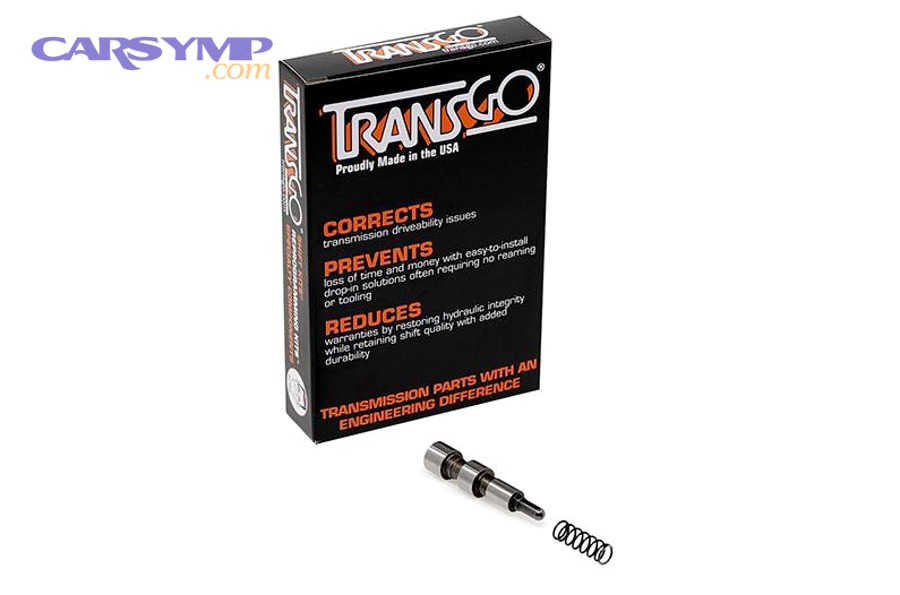
More importantly, these techniques address the diagnostic scenarios where standard OBD scanning and fluid inspection produce ambiguous results.
How Do You Test a Transmission Solenoid With a Multimeter?
A multimeter resistance test confirms or rules out electrical solenoid failure in under ten minutes and requires no transmission disassembly — making it one of the highest-value diagnostic steps available to a DIYer or technician.
Procedure:
- Locate the solenoid harness connector. On most vehicles, the solenoid pack is accessible after removing the transmission pan. The external connector is usually on the driver’s side of the transmission case.
- Disconnect the harness connector from the solenoid pack.
- Set the multimeter to resistance (Ω) mode.
- Probe the terminals corresponding to the solenoid under test. Consult the vehicle service manual for the correct pin assignments — these vary by manufacturer and transmission model.
- Read and compare the resistance value:
| Reading | Interpretation |
|---|---|
| Within spec (typically 10–30 Ω) | Solenoid is electrically healthy — fault may be mechanical (sticking) or in the wiring harness |
| OL (over limit / open circuit) | Solenoid coil is broken — electrical failure confirmed, solenoid requires replacement |
| Near 0 Ω (short circuit) | Solenoid is shorted internally — electrical failure confirmed |
| Borderline (e.g., 8 Ω when spec is 11–13 Ω) | Marginal — solenoid may fail intermittently under heat; consider replacement |
An important limitation: a solenoid that tests within resistance specification may still fail mechanically — the plunger can stick due to varnish deposits or debris even when the coil is electrically intact. In these cases, bidirectional activation through a scan tool is needed to confirm the plunger is moving freely.
Can Worn Clutch Debris Clog Solenoids and Cause Both Problems Simultaneously?
Yes — worn clutch debris contaminating solenoid screens is one of the most commonly overlooked failure scenarios in transmission diagnosis, and it is the leading reason why replacing a solenoid alone fails to resolve the problem.
Here is the failure cascade in detail:
- Clutch friction material degrades and breaks down into fine fibrous particles and carbon deposits
- These particles circulate through the transmission fluid
- The solenoid screens — fine mesh filters integrated into each solenoid or the valve body — capture some debris, but progressively clog as contamination increases
- A clogged solenoid screen restricts hydraulic flow through the solenoid, mimicking a stuck-closed solenoid fault
- The TCM detects the hydraulic anomaly and stores a solenoid-related DTC
- A technician reads the DTC, replaces the solenoid, and clears the code
- Within days or weeks, the new solenoid clogs with the same debris still circulating in the fluid — the fault returns
This cascade is why a complete transmission service — including a fluid flush, new filter, and valve body inspection — must accompany any solenoid replacement when fluid condition shows signs of clutch wear. Replacing the solenoid without removing the source of contamination guarantees repeat failure.
Additionally, when this dual-fault scenario is present, the repair scope and cost change fundamentally. The clutch pack damage must be addressed at the same time as the solenoid to prevent the debris cycle from continuing. Attempting a staged repair — solenoid first, clutches later — typically results in higher total cost than addressing both simultaneously.
Do CVT Transmissions Have the Same Worn Clutch vs. Solenoid Diagnostic Process?
No — CVT (Continuously Variable Transmission) diagnosis diverges significantly from conventional automatic transmission diagnosis because the underlying hardware architecture is different, even though some diagnostic principles overlap.
In a conventional automatic transmission, clutch packs engage discrete gear ratios. In a CVT, a steel push belt or chain runs between two variable-diameter pulleys to produce a continuously variable ratio — there are no discrete gears and no traditional clutch packs. The CVT does use clutch-type components, but in a different form:
- Launch clutch or forward clutch: Engages when pulling away from a stop — this component does experience wear and can produce slipping symptoms similar to conventional clutch pack wear
- Pulley solenoids (stepper motors or pressure solenoids): Control pulley width and belt clamping force — failure here produces ratio errors, belt slip, and shuddering analogous to solenoid-induced slipping in a conventional transmission
Where the diagnostic process overlaps with conventional automatics:
- OBD-II code scanning still applies — CVT-specific codes (e.g., P0868 for line pressure low, manufacturer-specific CVT codes) flag hydraulic and solenoid anomalies
- Fluid inspection remains critical — CVT fluid (CVTF) degradation and metallic debris indicate belt or pulley surface wear
- Live scan data monitoring of pulley ratio and belt slip is directly analogous to monitoring gear engagement in a conventional unit
Where CVT diagnosis diverges:
- CVT-specific diagnostic tools are often required — many CVT systems use proprietary TCM protocols not fully accessible with generic OBD scanners
- Belt wear does not manifest the same way as clutch pack wear — there is no friction disc debris, but there is metallic powder from steel belt wear and pulley surface degradation
- CVT rebuild costs are typically higher than conventional automatic rebuilds, often $3,500–$8,000, because the precision tolerances of the pulley and belt system require specialized equipment to restore
- Many manufacturers recommend CVT replacement over rebuild due to the difficulty of achieving correct belt tension and pulley alignment specifications in the field
For CVT owners experiencing slipping or shuddering, the diagnostic sequence begins identically — scan for codes, inspect fluid — but the moment internal inspection is warranted, a CVT-specialist technician with the correct factory or professional-grade scan tool is the appropriate resource.
How Does Live Scan Data From a Transmission Control Module Help Pinpoint the Fault?
Live TCM scan data is the single most powerful non-invasive diagnostic tool available because it shows exactly what the control system is commanding and how the transmission is actually responding — revealing whether the fault lies in the command chain or the mechanical response.
The following parameters are the most diagnostically useful when monitoring live data during a test drive:
| Parameter | What It Shows | Fault Indicator |
|---|---|---|
| Solenoid duty cycle (%) | How hard the TCM is commanding each solenoid | Commanded high duty cycle with no response = mechanical solenoid fault |
| Commanded gear vs. actual gear | Whether the transmission achieves the gear the TCM requests | Mismatch = solenoid or clutch holding failure |
| Engine RPM vs. vehicle speed | Ratio between engine speed and road speed | RPM rises without speed rise = slipping confirmed |
| Transmission fluid temperature | Operating temperature | Fault appears only above 180°F = temperature-sensitive component (often solenoid) |
| Line pressure (if monitored) | Hydraulic pressure in the main feed | Low line pressure = pressure control solenoid fault or pump wear |
| Torque converter slip RPM | Speed difference between engine and turbine shaft | Elevated slip RPM = TCC solenoid fault or worn converter clutch |
Identifying a solenoid receiving correct commands but failing to respond — this is the key diagnostic distinction. If the TCM is commanding a solenoid at 80% duty cycle and the transmission is not achieving the commanded gear, the solenoid is either mechanically stuck, electrically open (confirmed by multimeter), or hydraulically blocked by debris. This is the signature of a genuine solenoid fault.
Identifying a clutch slip signature — if the solenoids are responding correctly (commanded gear matches actual gear under light load) but slip occurs under hard acceleration, the clutch pack is failing to hold under high torque demand. The TCM is doing its job; the mechanical component is not. This is the live data signature of worn clutches.
According to diagnostics guidance published by the Automatic Transmission Rebuilders Association (ATRA), using live TCM data in combination with a fluid inspection and a visual solenoid resistance test resolves the diagnostic question — worn clutches vs. solenoid failure — accurately in the majority of slipping transmission cases before any disassembly is required.
Worn clutches and solenoid issues occupy opposite ends of the transmission failure spectrum — one is a mechanical wear process, the other an electro-hydraulic control failure — yet they converge on the same surface symptoms, making accurate diagnosis a prerequisite for every repair decision. The four-step diagnostic process outlined here — code scanning, fluid inspection, live data monitoring, and targeted electrical or mechanical testing — provides a systematic path from ambiguous symptoms to a confirmed root cause. Whether the answer points to a $250 solenoid swap or a $3,000 clutch rebuild, the diagnosis itself costs almost nothing compared to the price of guessing wrong.