



To disinfect AC vents without damage, focus on controlled contact: remove dust mechanically first, then apply a mild, interior-safe disinfecting approach that never floods louvers, sensors, or electronics.
Next, this guide covers AC vent cleaning methods that protect soft-touch plastics, painted trim, and airflow doors—so you eliminate germs and odors without warping louvers or leaving residue that re-traps dust.
After that, you’ll learn how to reach the real odor zone (the damp HVAC path behind the vents) safely, plus simple habits that keep the system dry so smells don’t return.
To begin, “Giới thiệu ý mới”: we’ll start at the vent face (where damage is easiest to cause) and then work deeper—only as far as a careful DIY approach should go.
What does “disinfect AC vents without damage” actually mean in a car?
It means you sanitize the surfaces you can touch (vent louvers and nearby trim) and reduce microbial buildup in the airflow path without soaking the dash, dissolving coatings, or pushing chemicals onto motors and sensors.
Next, it helps to know what “vents” are in automotive terms: the visible grille and louvers are just the front door of a larger HVAC airway where moisture and debris can collect.

Which parts are fragile and why they get damaged during disinfecting?
The fragile parts are the louver pivots, any soft-touch coating, printed icons, and hidden electronics (sunload sensors, infotainment buttons, climate panels) that can be dulled or shorted by liquid.
Next, damage often happens when disinfectant is sprayed directly into the vent at close range—liquid travels beyond the louvers, then drips onto blend-door foam, wiring, or the blower housing.
What “safe” looks like: clean, dry, and residue-free airflow
Safe disinfection leaves vents dry to the touch, with no sticky film that attracts dust and no strong chemical scent lingering for hours, which can irritate eyes and breathing.
Next, residue control matters as much as germ-kill: a perfectly “disinfected” vent that’s tacky will look dirty again within days and can restart odor problems.
Is DIY vent disinfection safe, and when is it not?
Yes—DIY disinfecting is generally safe if you use low-moisture wiping, interior-safe products, and avoid saturating the vent openings; it becomes unsafe when you suspect mold colonization deep in the HVAC box or you have severe respiratory sensitivity.
Next, you can decide quickly by checking odor, moisture patterns, and airflow behavior before you start spraying anything.
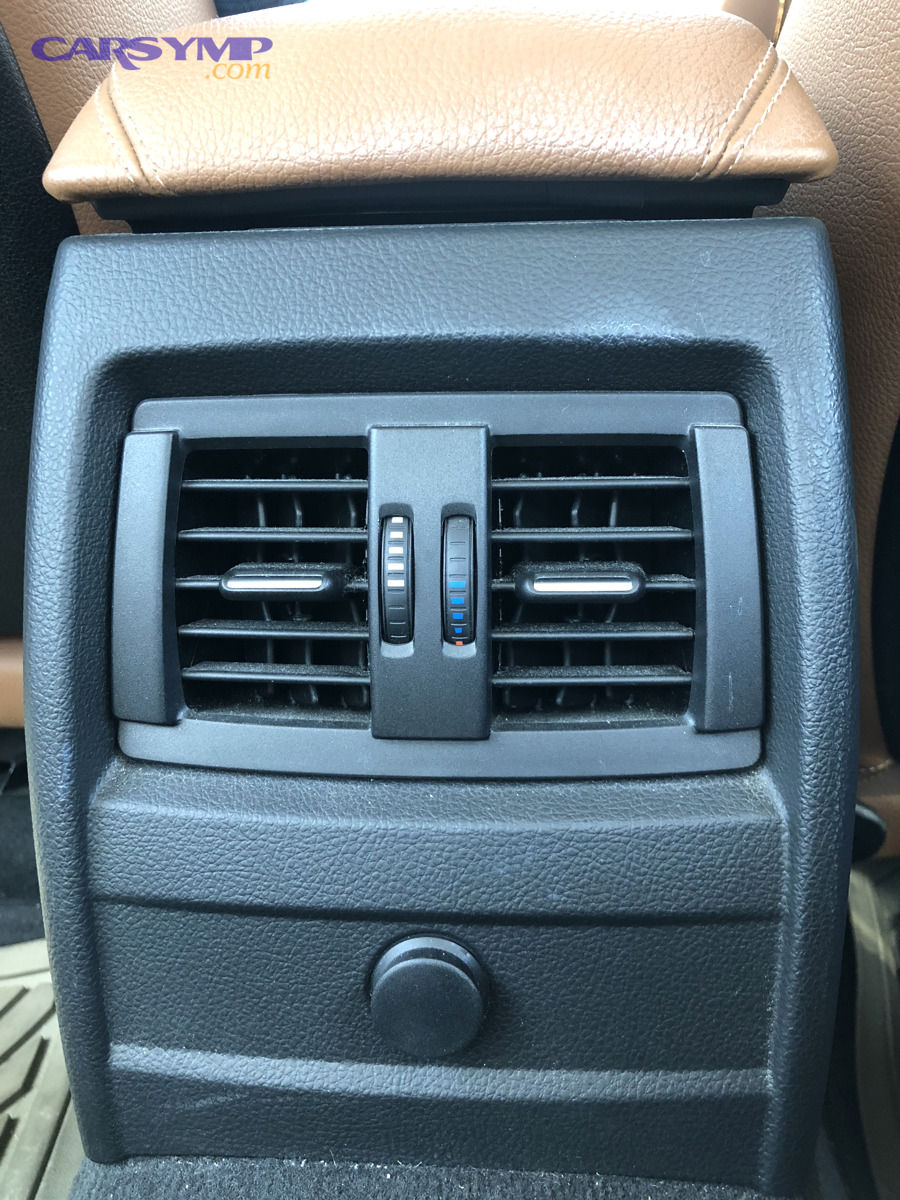
Quick “go/no-go” checklist before you touch chemicals
Go if: the smell is mild, vents are dusty, airflow is normal, and you can keep the cabin ventilated while you work.
No-go (or proceed only with professional help) if: you see visible mold, the odor is intensely musty and returns immediately, there’s water intrusion, or the blower squeals and airflow is weak.
Next, if symptoms point to deeper contamination, the best outcome comes from addressing moisture at the evaporator and replacing the cabin filter—not stronger chemicals on the vent face.
Health and comfort precautions that also prevent interior damage
Wear gloves, keep doors open, and avoid fogging the cabin with aerosols—over-spraying isn’t just unpleasant, it can leave chemical fallout on screens, leather, and glossy trim.
Next, plan a “dry-out cycle” at the end (fan-only or warm air) so moisture doesn’t linger in the ducts.
Which products and tools disinfect vents without harming plastics or electronics?
There are four main categories of vent-safe options: (1) mechanical dust removal tools, (2) diluted soap-and-water wiping, (3) alcohol-based light wiping, and (4) HVAC-specific foams used at the intake or evaporator access—not poured into vents.
Next, the safest approach combines a tool for dust + a wipe for sanitizing, instead of relying on heavy sprays.
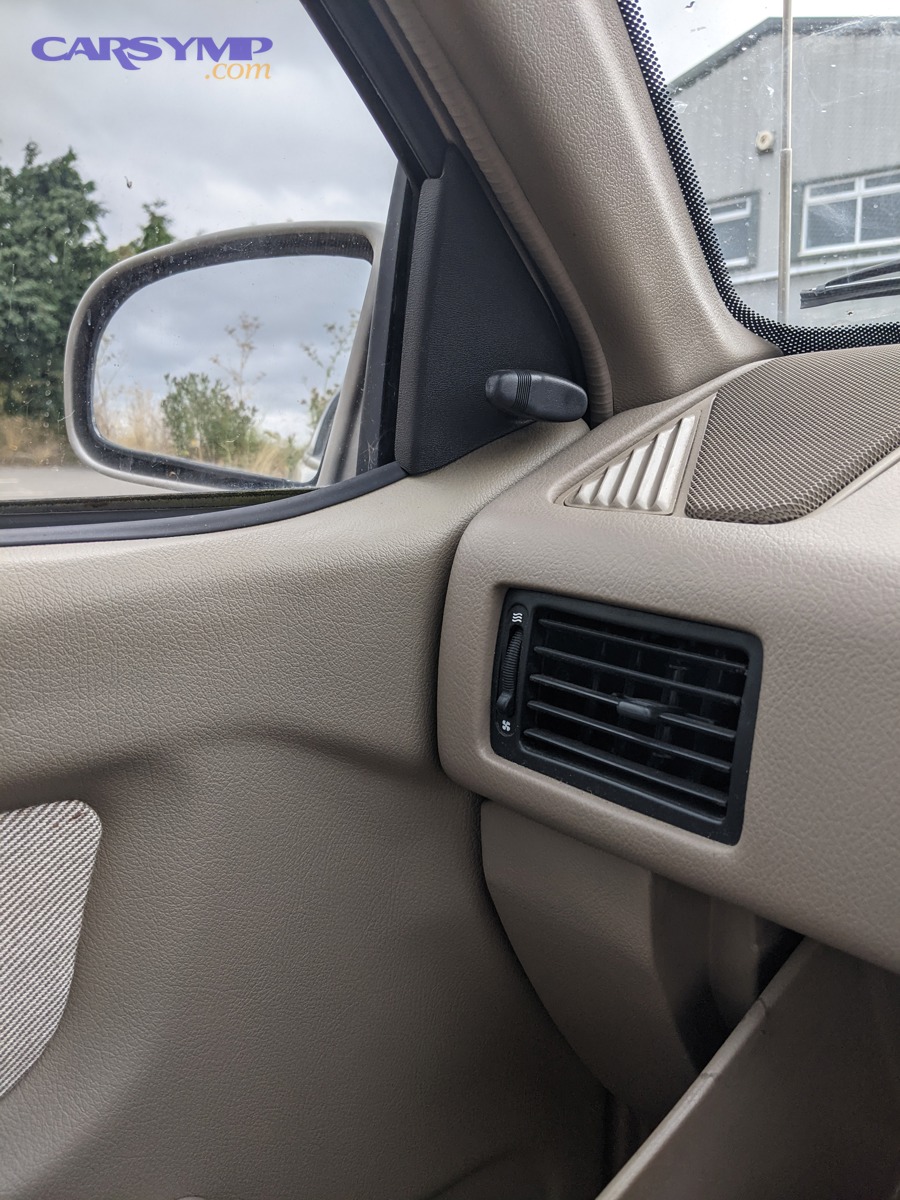
Tool kit for AC vent cleaning with low risk
Soft detailing brush (natural or very soft synthetic) loosens dust without scratching; a microfiber cloth captures it; cotton swabs reach edges; and a vacuum with a brush attachment prevents dust from falling into the duct.
Next, if you only buy one thing: choose microfiber cloths—lint-free wiping is what prevents streaks, residue, and repeated cleaning.
Disinfectant choices ranked by “least likely to damage”
Least risky: mild soap solution wiped on a cloth (for grime) followed by a lightly dampened cloth with a gentle disinfectant; moderate risk: alcohol-based wipes used sparingly; highest risk: strong solvents, bleach mixes, and “shiny” interior dressings that leave film.
Next, remember that “stronger” doesn’t mean “better” inside a dashboard—plastics, adhesives, and coatings can haze or discolor.
This table helps you choose a method by balancing germ control, residue risk, and material safety.
| Method | Best for | Damage risk | Key caution |
|---|---|---|---|
| Vacuum + dry brush | Dust, pollen, pet hair | Very low | Use soft bristles to avoid scratches |
| Microfiber dampened with mild soap | Sticky grime on louvers | Low | Never drip liquid into vent openings |
| Light alcohol wipe (spot use) | Quick surface sanitizing | Medium | Test on hidden area; avoid glossy screens and soft-touch trim |
| HVAC deodorizing foam (proper intake/evaporator use) | Odor from HVAC pathway | Medium | Follow label and vehicle access points; do not “free-spray” into dash vents |
What to avoid if you want “no damage” results
Avoid acetone-like solvents, harsh degreasers, bleach sprays, and oily fragrances; they can discolor plastics, weaken adhesives, and coat surfaces so dust sticks harder next time.
Next, avoid “spray-and-pray” aerosols directly into vents—overspray travels deeper than you think and can land on the blower resistor, wiring, or cabin temperature sensors.
How do you disinfect vents step-by-step without soaking the dash?
Use a 5-step low-moisture process: vacuum, brush, wipe, disinfect-wipe, then dry-out—this removes soil first so disinfecting is effective without using excess liquid.
Next, each step is intentionally “dry first, damp second” to stop drips and prevent damage.

Step 1: Set up airflow and protect surrounding surfaces
Turn the car off, open doors, and place a towel under the vent area; if your vents are above electronics, cover those areas so accidental moisture can’t pool there.
Next, move the louvers to fully open positions so you can clean the edges without forcing pivots.
Step 2: Vacuum while you brush (so dust doesn’t fall into the duct)
Hold the vacuum brush near the vent while gently agitating dust with a soft detailing brush; this captures debris instead of pushing it deeper.
Next, work from the top louver down—gravity helps you control where dust goes.
Step 3: Wipe grime using a barely damp microfiber
Dampen (don’t soak) a microfiber cloth and wipe each louver, folding the cloth to a clean face often so you aren’t smearing the same grime back on.
Next, for tight corners, wrap the cloth around a swab or plastic trim tool—never use metal picks that nick plastic.
Step 4: Disinfect with “product on cloth,” not “product into vent”
Apply your chosen disinfectant to the cloth first, then wipe the vent face and louver edges; this limits chemical exposure and prevents liquid from entering the duct.
Next, if you need to treat the first inch inside the duct, use a lightly dampened swab and stop before you feel resistance or see moisture pooling.
Step 5: Dry-out cycle to prevent moisture and odor rebound
Start the engine and run the fan on medium with fresh-air mode for a few minutes, then switch to warm air briefly; the goal is to remove any trace moisture you introduced.
Next, this simple dry-out habit is also a practical “AC bad smell fix” strategy because it reduces the damp conditions microbes love.
How do you disinfect deeper HVAC airflow safely (without tearing the dash apart)?
You can reduce microbes deeper in the airflow path by targeting air intake and filtration points rather than pushing chemicals through the vent face.
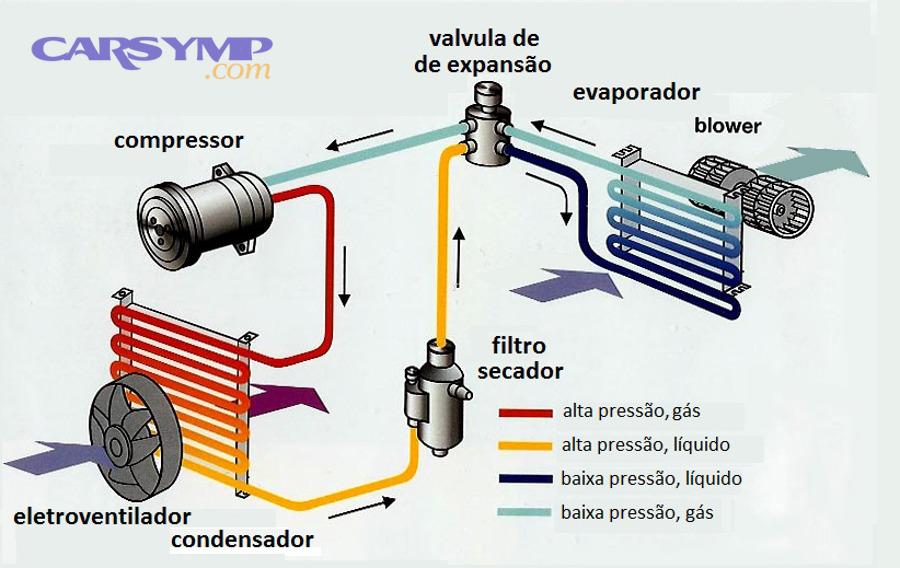
Next, the key is to treat the system like a chain: intake → filter → blower → evaporator → ducts → vents, and choose the least invasive access point that matches your symptom.
Fresh-air intake treatment: when it helps and when it doesn’t
If odor appears mainly in fresh-air mode, the intake area may be pulling in organic debris; cleaning that region and ensuring drains are clear can reduce recurring smells.
Next, use only products designed for HVAC intake use, and keep the cabin ventilated—avoid filling the cabin with aerosol “fog.”
Recirculation vs fresh air: the setting that changes where chemicals go
Fresh-air mode draws from outside intake; recirculation pulls cabin air. Choose the mode based on the product’s instructions and your goal—wrong mode can concentrate chemicals in the cabin or miss the affected pathway.
Next, for most vent-face disinfection, the mode matters less than the low-moisture wiping principle that prevents damage.
Why the evaporator is the real odor hotspot
The evaporator gets cold and wet, so it can hold biofilm and trapped dust—this is why smells often show up after the AC has been running, then intensify when you stop and moisture remains.
Next, if your musty odor returns quickly even after vent cleaning, you’re likely dealing with “Musty AC smell causes” that live deeper than the vents.
What causes musty smells, and how do you stop them from coming back?
Musty smells usually come from a moisture + debris loop: condensation, dust/leaf fragments, and limited drying time create a habitat for microbial growth inside the HVAC housing.
Next, once you understand the loop, prevention becomes straightforward: reduce debris entry, improve drying, and keep filtration fresh.
Three common patterns that signal moisture is staying inside
(1) Odor is strongest at startup, (2) smell worsens after parking with AC running, or (3) odor only appears in humid weather. Each points to moisture not drying out completely.
Next, the most reliable fix is not stronger perfume—it’s improving drying and dealing with filtration and evaporator cleanliness.
Drying habit that prevents odor without extra chemicals
In the last 2–3 minutes before you park, switch to fan-only or slightly warm air (with AC compressor off if possible) so the evaporator and ducts dry out.
Next, this small routine reduces conditions that create recurring odors and cuts down how often you need AC vent cleaning.
Debris control: stop feeding the smell
Keep the cowl area (near the windshield base) free of leaves and avoid parking under heavy leaf drop; organic debris breaks down and contributes to odor inside the system.
Next, if water drains are clogged, moisture lingers—clearing drains is often a hidden but essential part of odor prevention.
When should you replace the cabin air filter to reduce odor (and improve cleaning results)?
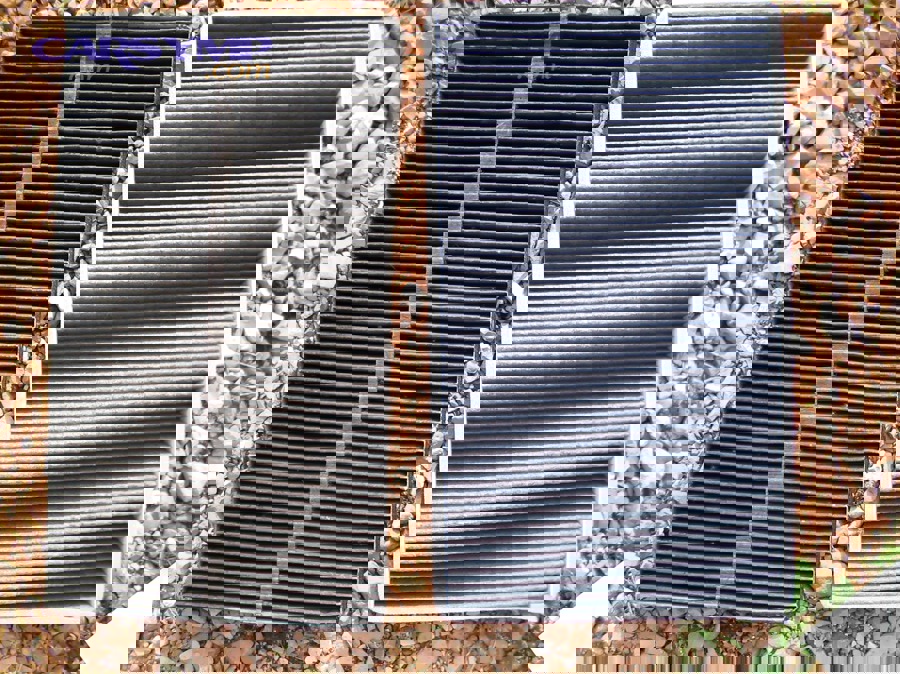
You should replace the cabin filter when airflow drops, odor persists, or the filter shows visible debris—because a dirty filter can re-contaminate clean vents and keep smells circulating.
Next, filter replacement is often the highest-impact, lowest-risk step in “Cabin air filter replacement for odor” scenarios.
Why a dirty cabin filter defeats vent disinfection
If the filter is loaded with dust and organic debris, it becomes a smell reservoir; even perfect vent wiping won’t last because the system keeps blowing air through contaminated material.
Next, replacing the filter before deep deodorizing makes every other step more effective and longer lasting.
How to replace the filter without making a mess in the cabin
Open the access panel (often behind the glovebox), slide the old filter out slowly, and keep it level so debris doesn’t spill; vacuum the housing lightly before installing the new filter in the correct airflow direction.
Next, run the fan for a minute after replacement to confirm airflow and reduce any loose dust.
Choosing filter type: standard vs activated carbon
Standard filters trap particles; activated carbon versions can reduce odors and some fumes. Choose carbon if odor is your main complaint, but don’t treat it as a substitute for drying and evaporator hygiene.
Next, even the best filter can’t fix moisture that never dries—pair filtration with the dry-out habit.
Which common cleaning mistakes damage vents—and what to do instead?
Most damage comes from too much liquid, too harsh chemistry, or too much force on louvers; the fix is to switch to controlled wiping, gentle tools, and targeted treatment points.
Next, avoiding mistakes is easier than repairing broken louvers or dulled trim, so use these comparisons to choose safer methods.
Spraying into vents vs wiping the vent face
Wiping is safer for plastics and electronics because you control the liquid; spraying into vents can push chemicals into ducts and onto hidden components, increasing residue and damage risk.
Next, if you feel you “must spray,” spray onto the cloth from a distance and keep the cloth only lightly damp.
Steam cleaning vs low-moisture detailing
Steam can loosen grime but adds moisture and heat; low-moisture detailing is slower but safer for dashboards, adhesives, and soft-touch coatings.
Next, if you use steam, keep it brief, far from electronics, and follow with thorough drying—otherwise you may worsen odor conditions.
Fragrance bombs and foggers: why they often backfire
Foggers can deposit oily residue on vents, glass, and sensors, masking odor temporarily while leaving a film that traps dust and can irritate sensitive passengers.
Next, long-term results come from removing soil and managing moisture—not from heavier scent layers.
How do you disinfect vents for allergies, kids, or sensitive passengers?
Use minimal fragrance, low-residue wipes, and longer ventilation time; the goal is cleanliness without chemical irritation, especially in a small enclosed cabin.
Next, your product choice matters more than intensity—strong-smelling products can create discomfort even if they “work.”
Low-irritant routine that still keeps vents sanitary
Vacuum + dry brush first, then wipe with a lightly damp microfiber and a gentle disinfectant on the cloth; finish with a longer fan-only dry-out and open-door airing period.
Next, consider changing the cabin filter more frequently if passengers have allergies—clean airflow reduces the need for stronger chemicals.
What to do if someone reacts to disinfectant smell
Stop using aerosols, switch to fragrance-free products, and prioritize mechanical removal; run fresh-air mode with windows down to flush the cabin, then keep the system dry to prevent odor recurrence.
Next, if irritation persists, focus on filtration and moisture control rather than repeated chemical disinfecting.
When should you stop DIY and get professional HVAC cleaning?
You should stop DIY if odor is severe and persistent, you see visible mold, there’s water intrusion, or airflow is restricted—because the underlying issue may be in the evaporator box, drains, or blower housing.
Next, professional service can access evaporator surfaces and drains more directly, which is often where the problem truly lives.
Symptoms that suggest a deeper mechanical or moisture issue
Recurring musty odor within days, wet carpets, gurgling sounds from the HVAC area, or intermittent blower operation are red flags that go beyond vent-face cleaning.
Next, in these cases, repeated disinfecting of vents can waste time and may increase residue without solving the source.
What to ask a shop so you don’t get “perfume only” service
Ask whether they will inspect drains, check for water intrusion, assess the cabin filter housing, and address evaporator contamination—rather than simply spraying fragrance through the system.
Next, a real solution is process-based: diagnose moisture, clean properly, then verify the odor is gone under the same operating conditions.
Contextual border: once your vents are clean, what’s the next level for long-term HVAC hygiene?
Once you’ve done safe disinfection and AC vent cleaning, the next level is preventing recurrence by treating the HVAC system as a moisture-managed environment rather than a surface to perfume.
Next, the supplementary topics below go beyond basic wiping and focus on less obvious options and cautions—use them only when the basics aren’t enough.
Supplementary: advanced odor-control options (and the ones that can cause problems)
These approaches can help in stubborn cases, but they require careful selection and correct placement to avoid damage or irritation.
Next, consider them as “step-up tools” after you’ve handled debris, drying habits, and filtration first.
Evaporator cleaning foam: effective when used at proper access points
Evaporator foams can reduce odor by breaking down biofilm on cold, damp surfaces, but they must be applied through correct access points (often via drain or service port) to avoid soaking electronics or leaving residue in ducts.
Next, if you try this route, pair it with a cabin filter change and a dry-out habit so the system stays clean longer.
UV treatments: a pro-level option with limitations
Some professional setups use UV-based approaches to reduce microbial growth, but effectiveness depends on placement, exposure, and system design; it’s not a universal fix and can be overkill for mild odor issues.
Next, treat UV as an adjunct, not a replacement for moisture control and filtration.
Ozone generators: why caution matters
Ozone can remove odors but also poses health risks and can affect some materials; it should be handled only with strong precautions and is best left to trained professionals with proper procedures.
Next, if you’re aiming for “without damage,” ozone is rarely the first choice for a daily driver’s interior.
Antimicrobial coatings and “scented protectants”: the residue trade-off
Coatings and scented protectants may claim long-term protection, but many leave films that attract dust and can change surface sheen; they often create maintenance problems even if the cabin smells “fresh” briefly.
Next, for most drivers, the best long-term outcome is a clean, dry system—not a coated one.
FAQ
Can I spray disinfectant directly into the AC vents?
It’s usually safer not to; spraying directly can push liquid into ducts and onto hidden components, while wiping with product on a cloth achieves surface sanitizing with far less risk.
Next, if you need deeper treatment, use products designed for HVAC pathways at the correct intake or service point rather than blasting the vent face.
Why does the smell come back even after I clean the vents?
Because the odor source is often deeper—especially on damp HVAC surfaces—so vent wiping alone doesn’t remove the underlying moisture + debris loop.
Next, focus on drying habits, cabin filter replacement, and proper HVAC cleaning steps instead of stronger perfumes.
How often should I do AC vent cleaning?
Light vent cleaning can be done monthly or as dust appears, while disinfecting should be occasional and targeted—more frequent chemical use can increase residue and interior wear.
Next, the best “schedule” is symptom-based: dust buildup, allergy season, or post-illness cleanup are common triggers.
Does replacing the cabin filter really help with odor?
Yes, because a dirty filter can hold odor and circulate contaminants; replacing it supports cleaner airflow and makes your vent disinfection last longer.
Next, pair filter replacement with a dry-out habit for the strongest long-term improvement.
Key entities: car HVAC vents, louvers, cabin air filter, evaporator moisture, fresh-air intake, recirculation mode, low-moisture wiping, residue control.
Primary intent: disinfect AC vents without damage. Secondary intent: AC vent cleaning with safe materials and steps.