


A musty odor after rain or humid weather usually means moisture is lingering somewhere it shouldn’t—inside the cabin materials, inside the HVAC box, or in hidden drains that trap water until microbes and organic debris start producing smell. The fastest diagnosis is to figure out where the moisture lives, not which spray can hide it.
Tiếp theo, you’ll learn how to separate a vent smell (evaporator/duct condensation) from a cabin smell (wet carpet, trunk, door seals, sunroof drains), because the fix is different and guessing wastes time and money.
Besides pinpointing the source, you’ll also get safe, repeatable checks you can do in one afternoon—using your nose, your hands, a flashlight, and a few paper towels—before you decide whether to dry it yourself or bring it to a shop.
Để bắt đầu, here’s the diagnostic flow that turns “it smells weird when it’s humid” into a clear, fixable root cause.
What does a musty odor after rain usually indicate in a vehicle cabin?
It usually indicates trapped moisture feeding microbial growth or soaking organic debris (leaves, dust, skin cells), which produces a musty “damp basement” odor—especially after rain raises humidity and reactivates the smell. Sau đây is how that moisture typically gets trapped.
The smell itself is a signal, not the problem. Odor becomes noticeable after rain because humidity increases evaporation from wet surfaces, pushing volatile compounds into the air. In other words: the rain doesn’t create the odor, it releases it.

Most common moisture “homes” inside a car include:
- Wet carpet or underlay from door seals, windshield cowl leaks, body seams, or clogged drains.
- HVAC evaporator case where condensation should drip out, but drains slowly (or not at all).
- Cabin air filter housing where moisture and dirt accumulate and start to smell.
- Trunk/spare tire well that stays damp after rain (often unnoticed for weeks).
The key idea is time. Moisture that dries in a few hours rarely creates a persistent musty odor; moisture that stays for a day or more often does. Theo nghiên cứu của U.S. Environmental Protection Agency (EPA) từ Mold Program, vào 03/2025, if damp materials are dried within 24–48 hours, in most cases mold will not grow.
Để hiểu rõ hơn, the next step is to determine whether your odor is vent-driven or material-driven.
Is the smell coming from the HVAC vents or from damp cabin materials?
Yes—you can usually tell in minutes by testing when the odor appears and where it concentrates: vents point to the HVAC box/evaporator; carpets and seats point to water intrusion. Cụ thể, run these quick separation checks.
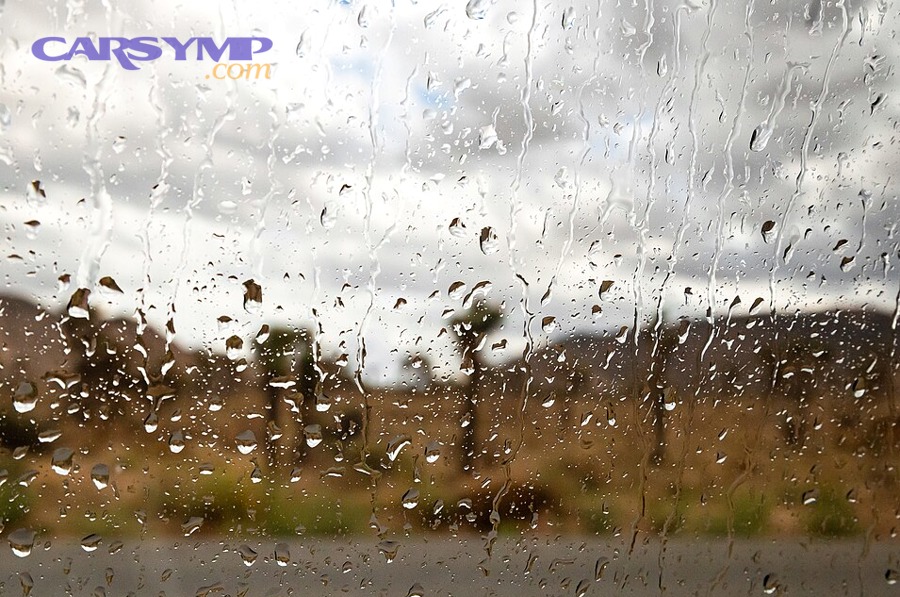
Vent-driven pattern: “first blast smells, then fades”
If the musty odor hits right when you start the fan (especially on A/C or after the car sat overnight), then fades after a few minutes, the usual source is condensation and biofilm on the evaporator or in the adjacent duct surfaces. Tiếp theo, confirm it with a “fan-only” test.
- Start engine, set fan ON, A/C OFF, fresh air mode (not recirc) for 60 seconds.
- Then switch A/C ON for 60 seconds.
- If odor spikes mainly when A/C engages or right after shutdown, it’s likely evaporator moisture retention.
Material-driven pattern: “cabin smells even with fan off”
If the odor is present before you turn on the fan, or intensifies when you open the doors after rain, suspect wet fabric, carpet underlay, trunk liners, or hidden standing water. Bên cạnh đó, do a “nose map” around the cabin.
- Sniff close to floor mats, seat rails, trunk corners, spare tire well, and under the dashboard.
- Press a paper towel firmly into carpet in multiple spots; any damp transfer is a red flag.
- Lift mats and feel the carpet under the mat—this is where water hides.
Mixed pattern: both sources are active
In humid climates, you can have both: a slightly wet evaporator plus a damp underlay. That’s why you diagnose in layers: first identify the strongest smell zone, then move outward. Quan trọng hơn, the next section shows how to find hidden water intrusion fast.
How do you check for hidden water intrusion after rain?
You check by locating fresh moisture pathways (entry points) and retention zones (where water pools), then drying and retesting after the next rain. Dưới đây is a methodical “from high to low” inspection.
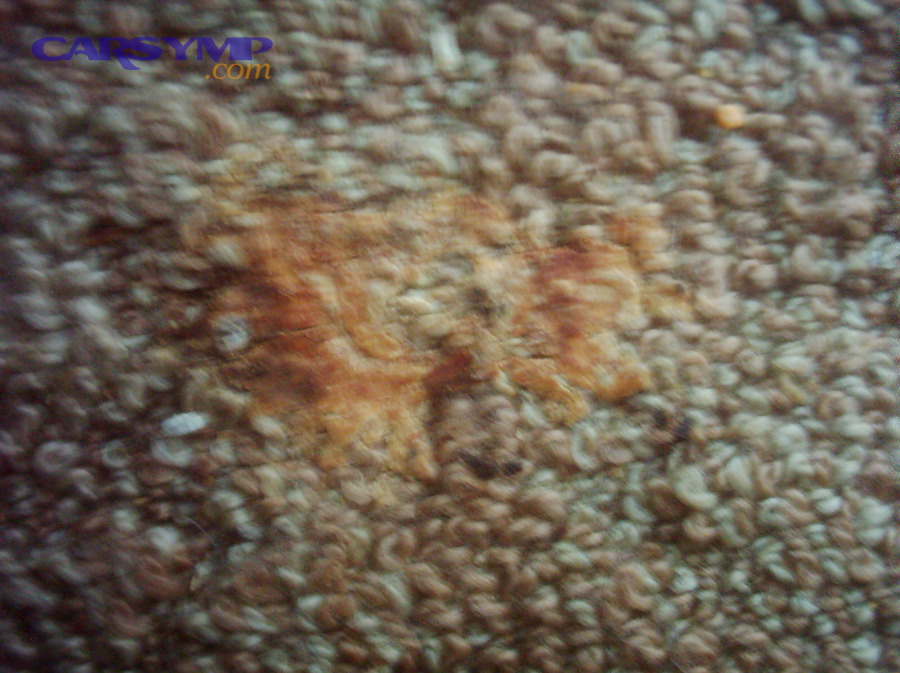
Step 1: Identify the retention zone
Start where water loves to sit: carpet edges, under-seat foam, door sills, and trunk wells. Cụ thể hơn, feel with your fingertips along the carpet seam near the door opening; moisture often shows there first.
- Front footwells: press down hard near firewall and under pedals.
- Rear footwells: check under front seats—drips from HVAC or door vapor barriers can collect there.
- Trunk/spare tire well: lift the floor panel; smell directly in the well.
Step 2: Track the entry point (the “upstream” test)
Once you find dampness, move upward: doors, windshield base/cowl, roof drains, and hatch seams. Tiếp theo, look for telltale signs: water marks, rust on seat bolts, fogged lenses, or wet insulation behind panels.
- Door vapor barrier leaks: water runs inside the door and should exit via door drains; if the barrier is loose, water enters the cabin.
- Windshield/cowl area: debris can block drains so rainwater overflows into HVAC intake or onto carpets.
- Sunroof drains (if equipped): clogged drains can route water into A-pillars or footwells.
Step 3: Use a controlled hose test (safe version)
If you’re comfortable, use a gentle hose stream (not a pressure washer) and test one area at a time while someone sits inside with a flashlight. Ngược lại, blasting water everywhere creates false leaks and confusion.
- Start with windshield perimeter and cowl.
- Then doors (upper seals, mirror triangle area).
- Then roof/sunroof perimeter.
The goal is to reproduce the leak in a controlled way, so your fix is targeted. Tóm lại, if you find damp carpet, dry it quickly—because lingering dampness is what makes odor persist. Theo nghiên cứu của CDC từ Mold & Health guidance, vào 2017, when materials stay wet beyond about 24–48 hours, you should assume mold growth is likely and act quickly.
Hãy cùng khám phá the HVAC side next, because humid-weather odors often come from condensation that doesn’t drain well.
How do you diagnose a clogged A/C drain line or wet evaporator case?
You diagnose it by confirming condensate isn’t leaving the HVAC box: look for damp passenger carpets, gurgling/sloshing sounds, weak drainage under the car after A/C use, and odor spikes after shutdown. Tiếp theo, follow a simple condensation test.
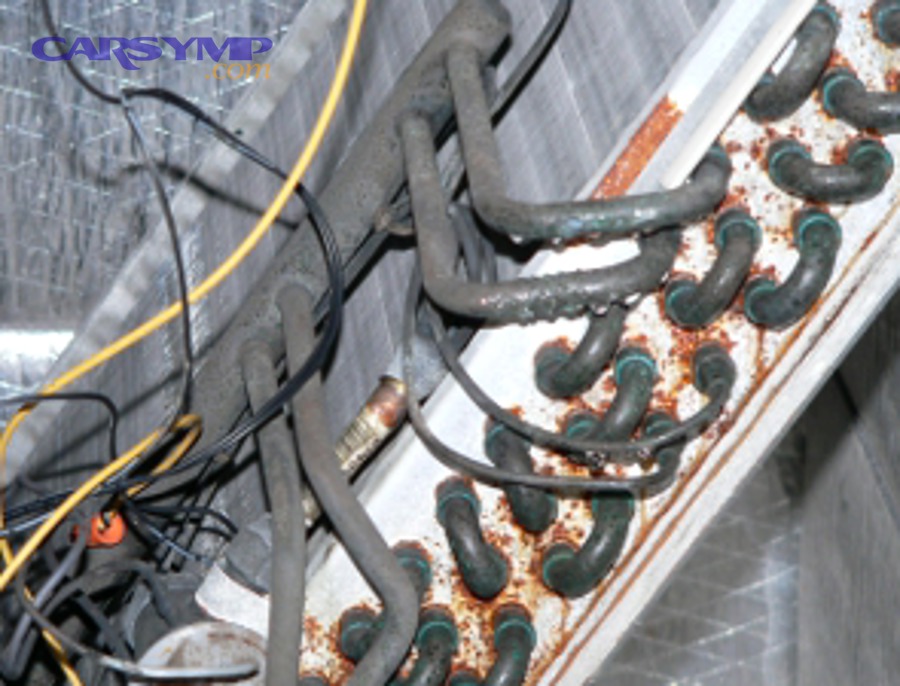
Condensation test: does water drip outside like it should?
On a warm, humid day, run A/C for 10–15 minutes, then park and look under the car near the firewall area. A healthy system often leaves a small puddle or steady drip. In while đó, a clogged drain may show no drip and leave moisture inside.
- No drip + musty odor + damp floor = strong clue the drain path is restricted.
- Drip present but odor persists = evaporator still staying wet too long (biofilm) or the cabin filter/ducts are contaminated.
Passenger-side dampness and “sweet spot” under the dash
If the passenger footwell feels damp, or the odor is strongest near the center console/under-glovebox area, suspect the evaporator case or drain outlet. Cụ thể, check for damp insulation and dark staining on the HVAC housing seams.
Don’t force water into the system
People sometimes poke wires or blast air into drains, which can dislodge debris into worse places or damage components. If you proceed DIY, choose gentle, reversible methods and stop if you’re unsure.
In practice, a targeted approach often works: clear the drain outlet, then dry and disinfect the evaporator surface. This is where the intent phrases matter in real-world searches: many owners look for an AC drain line unclog to stop smell routine, but the best results come from unclogging plus drying and prevention, not unclogging alone.
To see a typical drain-cleaning approach on a common vehicle layout, here’s a practical video walkthrough:
Why does this matter for odor? Because microbes can colonize wet HVAC surfaces and release odor compounds. Theo nghiên cứu của Park et al. từ Microbiology research team, vào 2020, multiple bacterial groups were isolated from car air-conditioning evaporator systems, consistent with biofilm formation and odor risk when moisture persists.
Đặc biệt, if your smell persists even after drainage looks normal, the next suspect is the filter path—because it’s the “catcher’s mitt” for humid, dirty air.
Can the cabin air filter be the source of the humid-weather smell?
Yes—cabin air filters can cause musty odor because they trap moisture, dust, and organic debris; when humidity rises, the filter rehydrates and releases odor back into the cabin. Sau đây is how to confirm it and what to do next.
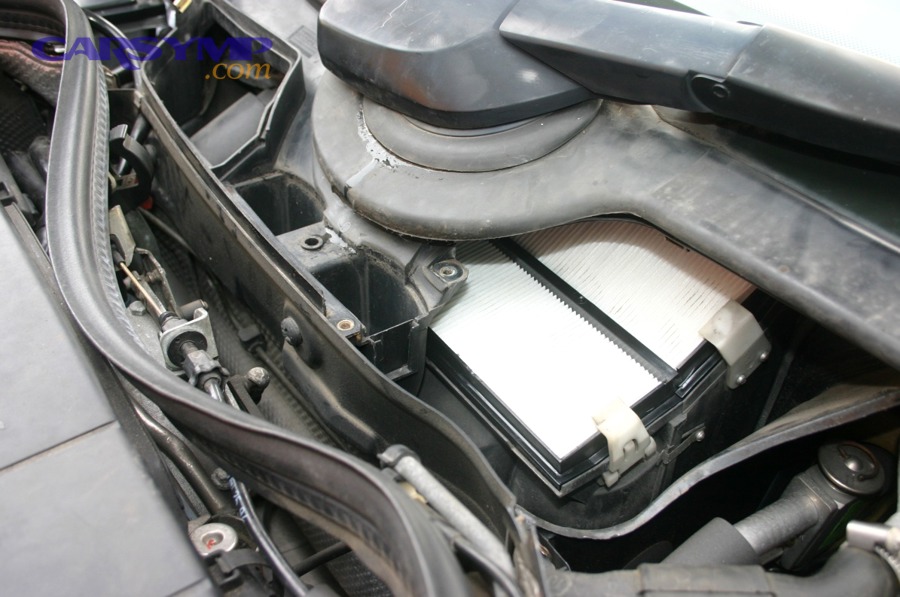
Fast confirmation: “filter-out sniff test”
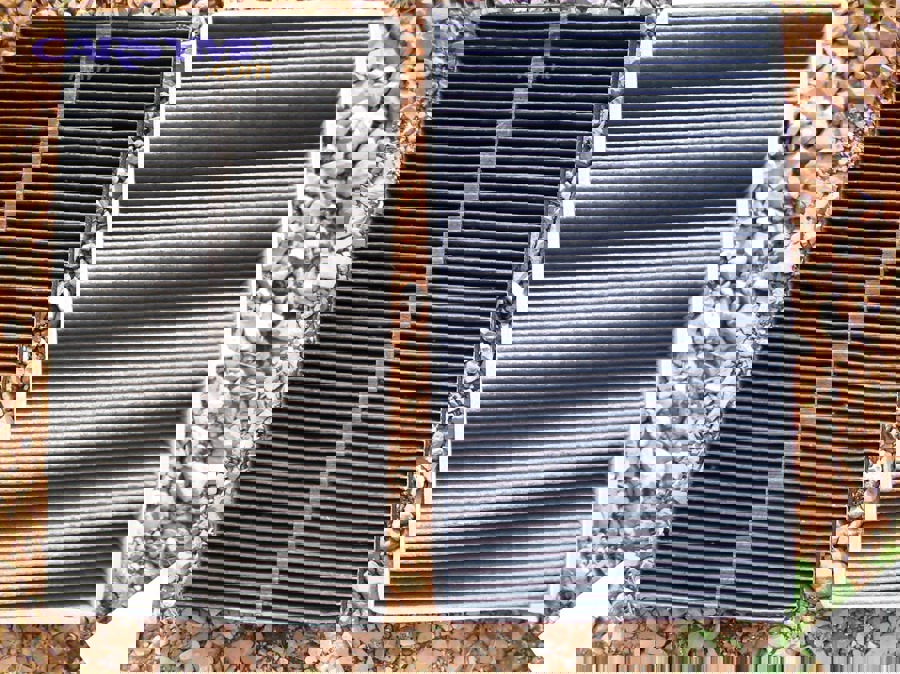
With the car off, access the cabin filter (often behind glovebox or at the cowl). Remove it carefully and smell it away from the car. If the filter smells like the problem, you likely found a major contributor. Tiếp theo, inspect for visible debris, dampness, or discoloration.
Why humidity makes filters smell worse
Filters can hold tiny amounts of water and organic material. When the air becomes humid, odor compounds volatilize more easily. In other words, your filter may smell “fine” on dry days and “awful” after rain.
Replace versus clean
Most cabin filters are designed to be replaced, not washed. If you want a straightforward action that often gives immediate improvement, do a Cabin air filter replacement for odor and then reassess the next humid day. If odor improves but returns, the filter may be a symptom (moist HVAC intake or evaporator biofilm), not the root.
Some drivers assume the filter is always the culprit, but research suggests filters can also host microbes when conditions allow. Theo nghiên cứu của Gołofit-Szymczak et al. từ Environmental health research group, vào 2023, automobile air conditioning filters were assessed as potential in-car sources of fungal contamination, supporting the idea that a damp, dirty filter can contribute to odor and exposure.
Hơn nữa, not all smells are “musty.” The odor profile can tell you whether you’re dealing with microbes, organic rot, or something that needs urgent attention.
What odor clues help you distinguish mold, bacteria, and organic debris?
There are four main odor types you can group by pattern and “notes”: musty/earthy (mold), sour/sock-like (bacteria/biofilm), rotten/leafy (organic debris), and chemical/sharp (non-biological). Tiếp theo is a practical cheat sheet.
This table helps you map the smell to the most likely source and the fastest confirmation test.
| Odor description | When it appears | Most likely source | Quick confirmation | First action |
|---|---|---|---|---|
| Musty, damp, “basement” | After rain, doors first open, damp mornings | Wet carpet/underlay, trunk well, hidden water intrusion | Paper towel dampness test on carpet edges | Dry within 24–48h; find entry point |
| Sour, “dirty socks” from vents | First 30–120 seconds of fan/A/C use | Evaporator biofilm, wet HVAC box | Fan-only vs A/C-on smell spike test | Drain check; evaporator cleaning routine |
| Rotten leaves / compost | After rain; when using fresh-air intake | Cowl intake packed with leaves; cabin filter loaded with debris | Inspect cowl area and filter housing | Remove debris; replace filter |
| Sharp chemical / sweet solvent | Random; sometimes with HVAC use | Spill, off-gassing materials, or non-odor issue (needs caution) | Check for recent spills; note eye/throat irritation | Ventilate; consider professional inspection |
Microbial odors are pattern-driven
Mold and bacteria smells often follow a clear pattern: stronger after the car sits closed, stronger after humidity, and strongest near the wet component. That predictability is your advantage. Sau đây, we turn odor pattern into a step-by-step diagnosis you can follow without guesswork.
Organic debris smells are location-driven
Leafy/compost odors often point to the cowl intake (base of windshield) or a filter housing full of debris. The fix is usually removal and prevention, not chemicals.
Chemical odors are symptom-driven
If the smell is sharp, burning, or causes headache/eye irritation quickly, treat it differently: ventilate first and avoid prolonged exposure until identified.
Now that you can classify the smell, the next step is to run a structured “elimination checklist” that confirms the root cause in one pass.
How can you diagnose the source in one afternoon without special tools?
You can diagnose it by running a three-zone checklist (cabin floor, trunk, HVAC intake/vents) and documenting what changes with fan mode, humidity, and drying. Tiếp theo is a practical workflow that minimizes rework.
Zone A: Cabin floor and underlay (15 minutes)
Remove all floor mats. Feel carpet at four corners of each footwell, then along door sills. If any spot is damp, mark it and smell it up close. Cụ thể, damp underlay often smells stronger than the carpet surface.
Zone B: Trunk and spare tire well (10 minutes)
Lift the trunk floor. Smell inside the spare tire well and check for condensation on metal. This area is a frequent “hidden pond.” Bên cạnh đó, check tail light seals and trunk weatherstripping for water tracks.
Zone C: HVAC intake and vent test (20 minutes)
Inspect the cowl intake area for leaves and sludge. Then run the fan-mode tests: fresh air vs recirc, A/C on vs off. If odor is strongly vent-linked, prioritize evaporator/drain checks.
Document and retest (the underrated step)
Take notes: “odor strongest at passenger floor,” “odor spikes 30 seconds after A/C on,” etc. The pattern is the diagnosis. Ngoài ra, after drying or replacing a filter, retest on the next humid morning to confirm you fixed the cause, not the symptom.
At this point, most owners have enough evidence to choose either a DIY drying/cleaning path or a professional leak/evaporator service. The next section explains when the odor is a health or safety red flag.
When should you stop DIY and get professional help for humid-weather odors?
You should stop DIY when the odor is paired with persistent dampness, visible mold, recurring water intrusion, or respiratory irritation, because the underlying moisture source may be structural, electrical-adjacent, or extensive. Tiếp theo are the most important red flags.

Red flag 1: Water returns after every rain
If you dry the area and it becomes damp again after the next rain, you need the entry point fixed (seal, drain, vapor barrier, cowl channel). Otherwise, odor will return no matter what you spray.
Red flag 2: Visible mold or heavy musty smell from underlay
Carpet underlay can hold water deep inside. If you see fuzzy growth, dark spotting, or smell a strong “mold room” odor from the foam, drying the surface isn’t enough. Theo nghiên cứu của OSHA từ Safety & Health Information Bulletin, vào 2010, prompt response within 24–48 hours and thorough drying/removal of water-damaged materials helps prevent or limit mold growth.
Red flag 3: Symptoms in occupants
If people develop coughing, wheezing, asthma flare-ups, or persistent irritation in the vehicle, treat it as an indoor air quality issue. This isn’t about fear—it’s about reducing exposure while you eliminate moisture.
Red flag 4: Electrical-adjacent wetness
Water under dashboards, around fuse boxes, or near wiring harnesses can cause corrosion and intermittent electrical faults. That’s a shop-level fix.
Đặc biệt, if you want a quick “masking” approach, it often fails and can make things worse. Many searches for an AC bad smell fix lead to fragrances that temporarily cover odor without drying the source. The durable solution is moisture control and targeted cleaning.
— Contextual Border —
Preventing humid-weather odors long-term without masking sprays
Long-term prevention is a combination of drying habits, airflow strategy, and scheduled maintenance that keeps moisture from lingering long enough to feed odor. Sau đây are the highest-leverage prevention moves.
Dry the HVAC box before shutdown
On humid days, run the fan for 30–60 seconds with A/C off before turning the car off, or use a mode that reduces residual condensation. This helps the evaporator surface dry faster and reduces the “first blast” musty hit next morning.
Keep drains and intakes clear seasonally
Clear leaves from the cowl intake and confirm water drains freely from the cowl channels. If you have a sunroof, keep its drains flowing. The logic mirrors building moisture control: remove the blockage, then verify flow.
Use a targeted evaporator cleaning routine when needed
If the smell is consistently vent-linked and returns after filter replacement, you may need an evaporator cleaning cycle. People often search How to clean evaporator core at home; the safest path is to follow your vehicle’s service guidance and use products intended for HVAC foam cleaning, then ensure drainage is normal and the system dries after use.
Replace cabin filters on a humidity-aware schedule
In humid or leafy environments, change filters more often than the “once a year” habit—especially if the filter smells damp or shows debris. Combine replacement with cleaning the filter housing and intake area so the new filter isn’t immediately contaminated.
FAQ
Why does the odor show up only after rain, not on dry days?
Rain raises humidity and rehydrates residues, which increases how easily odor compounds evaporate into cabin air. Dry days can “silence” the smell, while humid air amplifies it.
If I replace the cabin filter and the smell improves, am I done?
Maybe—but retest on the next humid morning. If odor returns, the filter was likely capturing odor from a still-wet intake path or evaporator case, meaning you fixed a contributor but not the moisture source.
Can a clogged A/C drain cause wet carpets and odor?
Yes. If condensate can’t exit, it can overflow or keep the HVAC box wet, feeding biofilm and sometimes dampening nearby insulation or carpets. Confirm by checking for A/C drip under the car after running the system.
Are microbial odors in HVAC systems “real” or just a myth?
They are real when moisture persists. Research on vehicle air-conditioning components has identified microbial presence consistent with biofilm behavior, which aligns with the common “dirty socks” odor pattern in humid conditions.
What is the single fastest way to prevent musty odor after a leak?
Dry the affected area thoroughly within 24–48 hours and fix the entry point, because time is the key factor that separates a temporary damp smell from a persistent microbial odor.