How to Fix Car AC Odor for Drivers: Musty vs Fresh Air
An AC bad smell fix usually comes down to three things: removing moisture, removing the “food” (dust/film), and stopping odors from circulating back through the cabin. If you tackle those in the right order, most smells improve the same day and stay gone longer.
Beyond the quick win, many drivers want to know what the smell means—whether it’s mold, a clogged drain, a dirty cabin filter, or something that needs professional attention. That’s why this guide starts with fast diagnosis before any cleaning steps.
Some odors show up only after rain, during humid weeks, or right at startup, which makes people think the problem is “random.” It’s not—humidity and temperature swings simply amplify what’s already growing or trapped inside the HVAC box.
Giới thiệu ý mới: Below, you’ll follow a step-by-step path—from identifying the odor type to cleaning, draining, and prevention—so you can get back to fresh air without guessing.
What usually causes a bad smell from your car AC?
A bad car-AC smell is usually caused by moisture + dust creating microbial growth on the evaporator area, or by odors trapped in the cabin filter and vents. Next, the key is to match the smell type to the most likely source so you fix the cause, not just mask it.
What are the most common odor patterns and what do they point to?
Most odors fall into a few patterns—musty, sour, chemical, or “dirty socks”—and each pattern points to a different source inside the system. To connect the dots, start with when the smell appears (startup vs constant) and whether it changes with A/C on or off.
- Musty/moldy: Moist evaporator housing, biofilm on fins, or standing water in the case.
- Sour/vinegar: Organic film reacting with humidity, sometimes mixed with bacterial growth on damp surfaces.
- Dirty socks: Biofilm on the evaporator core that “puffs” odor on startup, then fades as it dries.
- Sweet: Possible coolant odor from a heater core leak (often worsens with heat).
- Burning/chemical: Electrical overheating, oil vapors, or an external leak pulled into the intake—treat as a caution flag.
To keep your process practical, you’ll use the diagnostic checks in the next section before buying products or tearing panels apart.
Why do smells come back even after you spray a deodorizer?
Smells come back when the evaporator area stays wet or the drain can’t keep up, because the odor source remains inside the airflow path. For a more durable result, you need to clean the evaporator zone and restore proper drainage before you worry about perfumes.
In other words, a lasting AC bad smell fix is less about fragrance and more about breaking the “moisture–film–microbes” cycle.
How can you diagnose the AC smell in 5 minutes before cleaning?
You can diagnose most AC odors in five minutes by checking timing, airflow, and moisture signs—then choosing the simplest fix that matches the evidence. Next, use the quick tests below so you don’t waste time cleaning the wrong part.
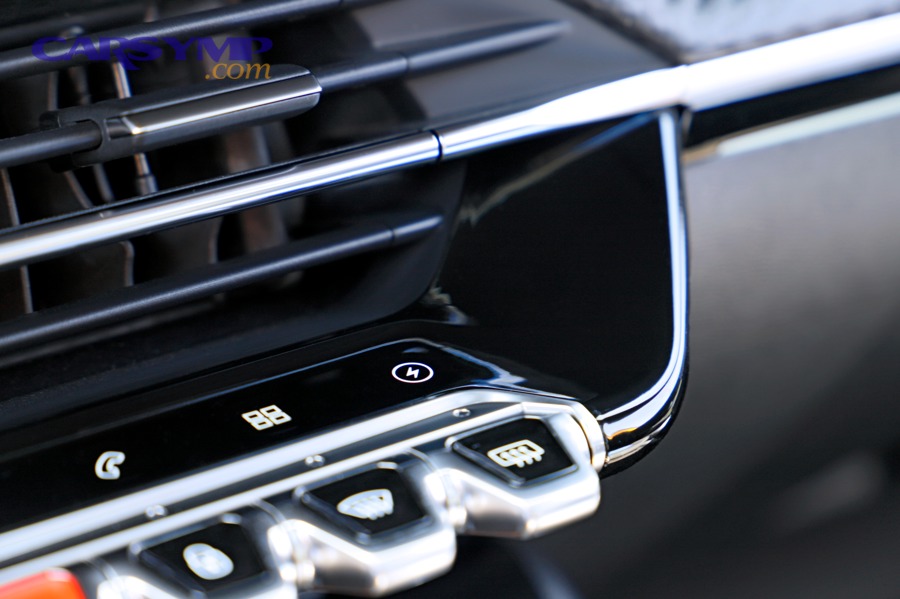
When does the smell appear: startup only, or constant?
If the odor is strongest for the first 10–60 seconds, it often points to the evaporator area and a damp HVAC case. To confirm, run the fan (no A/C) for a minute at the end of your drive—if startup odor improves within a day, moisture is the driver.
- Startup-only odor: Common “biofilm puff” from the evaporator.
- Constant odor: Cabin filter contamination, trapped debris, or a persistent moisture issue.
Once you know the timing, you can target either the evaporator cleaning path or the filter/vent path.
Is there reduced airflow or window fogging?
Reduced airflow or slow defogging often indicates a clogged cabin air filter or debris buildup restricting the blower. To narrow it down, listen for fan strain or whistling and compare airflow at different fan speeds—if higher speeds don’t feel much stronger, the filter is a prime suspect.
Are there water signs: damp carpets, dripping, or sloshing?
Water on the passenger-side carpet or a damp floor mat suggests the condensate isn’t draining outside as it should. To make this actionable, look for wetness near the front passenger footwell and check if water drips under the car when the A/C has been running.
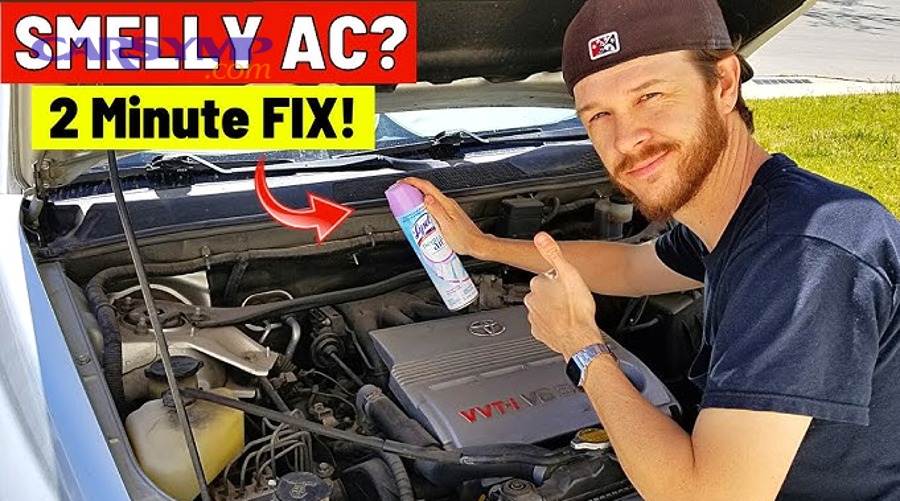
If you see dampness inside the cabin, you’ll want the drain-line steps later, because cleaning alone won’t stop recurring odor.
How do you fix a musty or moldy AC smell step-by-step at home?
You fix a musty AC smell by cleaning the airflow path in the correct order—filter, vents, evaporator zone—and then drying the system so microbes can’t rebound. Next, follow the steps below; each step builds on the previous one.

Step 1: Replace or reset the cabin filter first
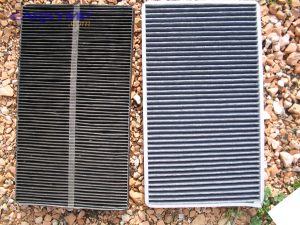
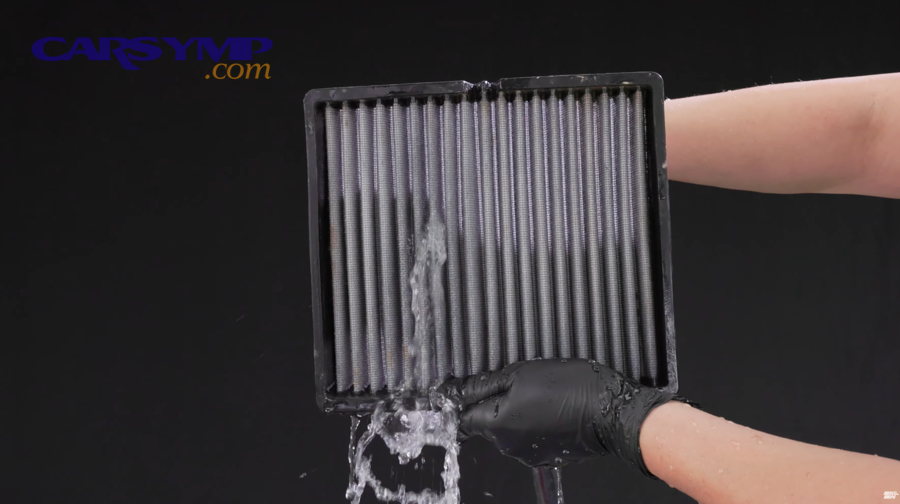
Start with the cabin air filter because it can hold odors and re-seed the system after you clean everything else. To move efficiently, remove the filter, inspect for dark spots or dampness, and replace it if it’s dirty or smells musty—this is often the fastest “noticeable improvement” step.
In practice, Cabin air filter replacement for odor is one of the highest-ROI steps because it prevents you from blowing the same contaminated air back into the cabin.
Step 2: Clean the vent surfaces without soaking electronics
Next, wipe the visible vent louvers and surrounding trim with a lightly damp microfiber to remove residue that can hold smell. To stay safe, avoid pouring liquids into the vents; instead, use a cloth and gentle interior-safe cleaner so moisture doesn’t drip onto electronics behind the dash.
This is where Disinfect AC vents without damage becomes a technique, not a product: use minimal liquid, short contact time, and thorough drying.
Step 3: Treat the evaporator zone (where odor often starts)
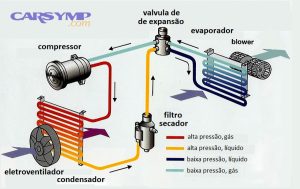
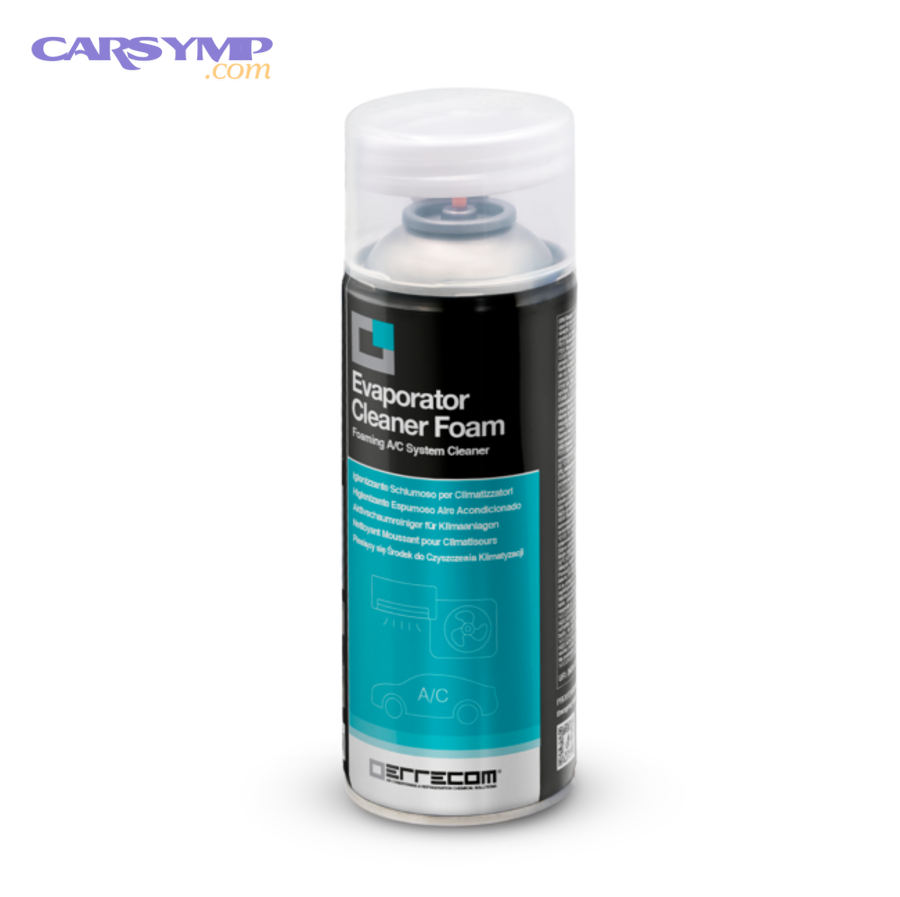
After the filter and vent surfaces, treat the evaporator zone because that’s where condensation forms and biofilm grows. To do this at home, use an automotive A/C evaporator foam or cleaner designed for HVAC cases, following the instructions and ventilation precautions.
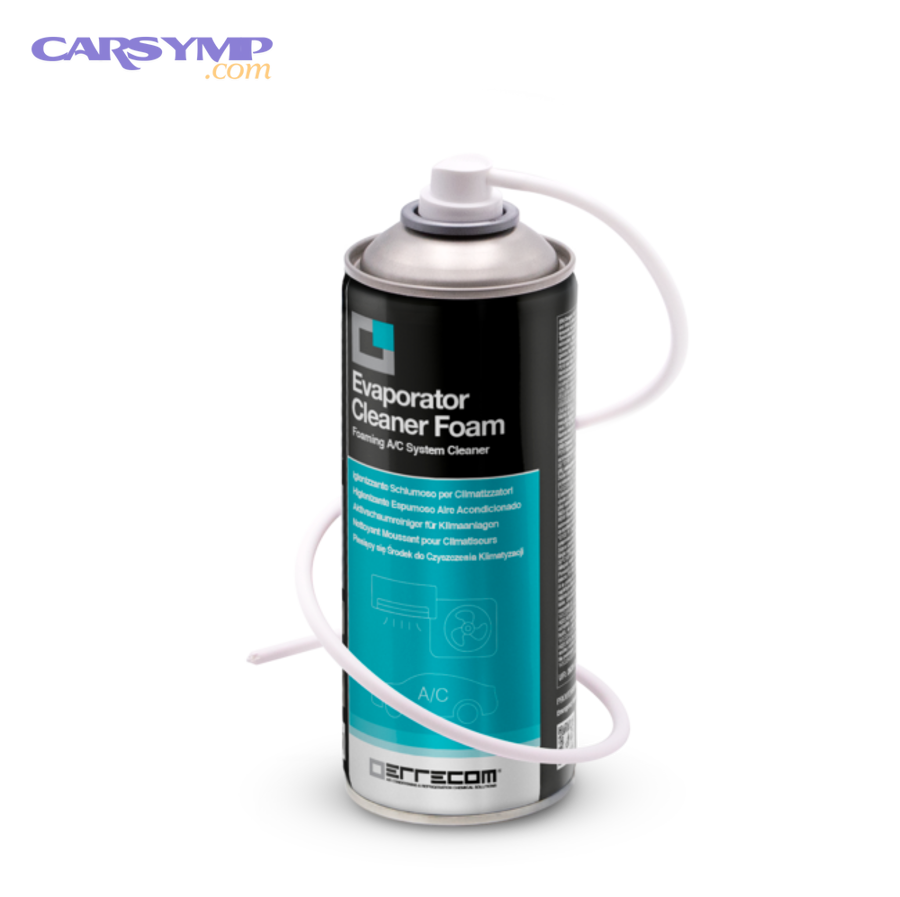
Many DIYers search for How to clean evaporator core at home; the practical goal is to let cleaner contact the damp surfaces where odor lives, then let it drain and dry rather than flooding the box.
Step 4: Dry-out routine to stop the “biofilm puff”
Finally, dry the system to prevent immediate regrowth: for the last 2–3 minutes of each drive, switch off A/C but keep the fan running. To make the habit stick, do it most days in humid weather and whenever you park after a long A/C run.
This simple routine supports Prevent AC smell coming back because it reduces standing moisture, which is the main fuel for musty odor.
Why does AC sometimes smell like vinegar or dirty socks, and how do you fix it?
Vinegar or “dirty socks” odor usually happens when a thin organic film on the evaporator turns smelly under warm, humid airflow—especially at startup. Next, the fix is a targeted evaporator treatment plus moisture control, not just vent spraying.
What’s the difference between sour, socks, and musty odors?
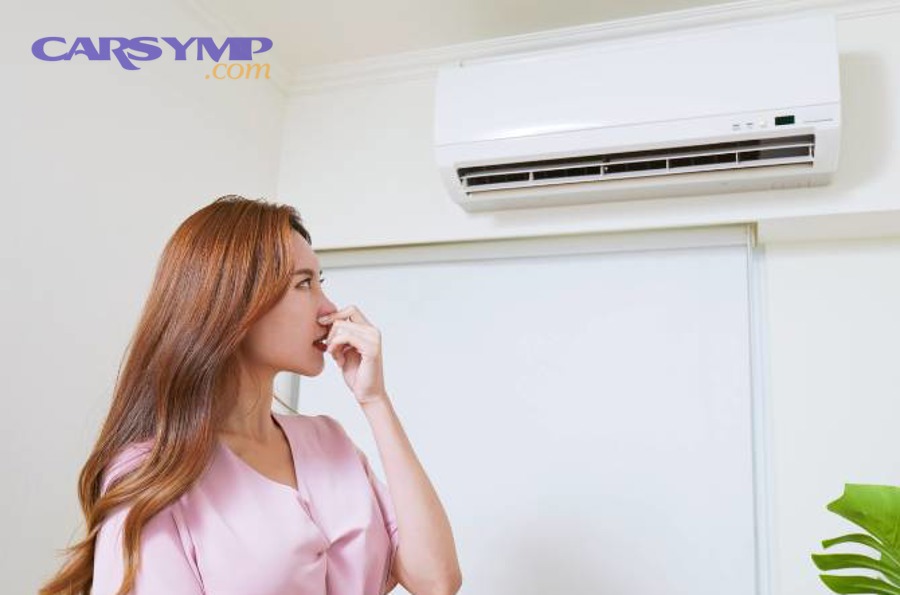
Sour/vinegar and socks-like odors are often “microbial volatile” smells produced when moisture and residue interact on evaporator surfaces. To make it practical, treat sour/socks odors as an evaporator problem first, while musty odors can be evaporator and cabin-filter related.
Drivers commonly describe this as Why AC smells like vinegar or socks; the takeaway is that odor character can guide where you clean first.
What is the fastest DIY fix when the smell is strongest only at startup?
The fastest DIY approach is an evaporator foam treatment followed by a strict dry-out routine for a week. To boost the outcome, replace the cabin filter the same day and avoid recirculation immediately after cleaning so the system can vent out residue and humidity.
That combination directly addresses Musty AC smell causes and the startup “puff” without turning your car into a perfume cloud.
How do you unclog the AC drain line so odor and dampness stop returning?
You unclog the drain line by restoring condensation flow out of the HVAC case, which stops standing water that feeds odor and can soak carpets. Next, use the checks below to confirm drainage before and after you clear it.
How can you confirm the drain is clogged without disassembly?
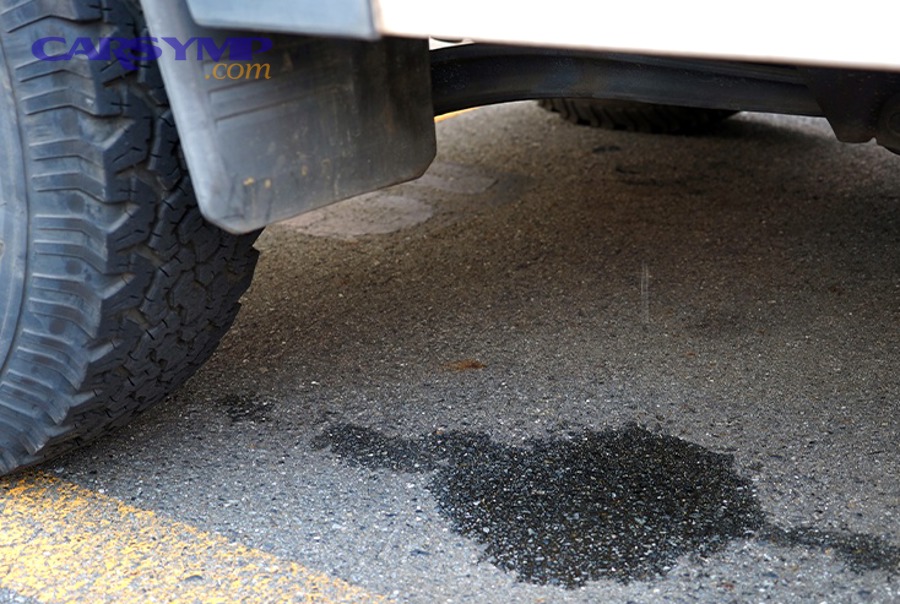
A likely clog shows up as water on the passenger floor, persistent musty odor, or little/no dripping under the car after running A/C. To verify quickly, run A/C for 10 minutes on a humid day and check for a small puddle under the passenger-side area.
Safe clearing methods that won’t damage the HVAC case
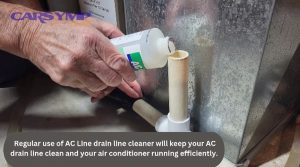
Use gentle suction or low-pressure air rather than forcing sharp tools into the tube. To do it safely, locate the drain outlet (often near the firewall), apply a wet/dry vacuum briefly, and then test with a small water flush to confirm free flow.
Many people describe this job as AC drain line unclog to stop smell; the critical detail is to clear debris without puncturing the tube or pushing the clog deeper into the case.
What if the drain keeps clogging?
If the drain reclogs, treat it as a “system condition,” not a one-time event: heavy leaf debris, parking under trees, or a damaged grommet can let dirt collect inside. To reduce recurrence, keep the cowl intake area clean and consider more frequent cabin-filter changes in dusty regions.
Should you replace the cabin air filter or try to clean it first?
You should replace the cabin air filter if it’s dark, damp, or smells bad, because cleaning rarely removes embedded odor and spores from paper media. Next, use the comparison below to decide quickly and avoid repeat odor.
Replace vs clean: which is better for odor control?
Replacement is best for most vehicles because it resets airflow and removes a major odor reservoir. To decide in seconds, check filter type: if it’s paper/pleated, replace; if it’s a reusable synthetic filter, follow the manufacturer’s wash-and-dry instructions fully before reinstalling.
This table summarizes the decision and what you gain from each option.
| Filter Condition | Best Action | Why It Helps Odor | What to Watch For |
|---|---|---|---|
| Dirty, dusty, gray/black, smells musty | Replace | Removes the odor source and restores airflow | Check for moisture; moisture suggests an upstream drain/evaporator issue |
| Damp or water-stained | Replace + inspect drain | Stops re-seeding and flags standing water in HVAC case | Look for wet carpet, fogging, or no drip under car |
| Reusable synthetic filter, lightly dusty | Clean properly | Can remove surface debris if fully dried before use | Reinstalling while damp can worsen odor |
Common mistake: changing the filter but ignoring the evaporator
Replacing the filter helps quickly, but if the evaporator area remains wet and coated, the smell can return in days. To prevent that, pair a filter change with an evaporator-zone clean and a one-week dry-out routine.
How do you disinfect the vents safely without damaging plastics or sensors?
You disinfect vents safely by using low-moisture cleaning, avoiding harsh chemicals, and keeping liquids out of electronics behind the dash. Next, use the technique below to get real odor reduction without sticky residue or brittle plastics.
Best practice: wipe + controlled mist, not “flood and pray”
Wipe louvers and nearby trim with microfiber first to remove grime that holds smell. To follow up, apply cleaner to the cloth (not directly into the vent) and wipe again, keeping moisture minimal.
If you want a single phrase to remember, it’s Disinfect AC vents without damage: minimal liquid, targeted contact, and full drying.
What to avoid when treating vent odor
- Aerosols sprayed deep into vents without knowing what’s behind the duct (wiring, sensors, blower motor).
- Bleach-heavy cleaners that can degrade materials and leave harsh fumes.
- Oily fragrances that coat plastic and can trap dust, creating a future odor film.
After vent cleaning, the next leverage point is moisture control—because vents rarely create the smell on their own unless the evaporator keeps feeding them.
What’s the best long-term prevention so the bad AC smell doesn’t come back?
The best long-term prevention is keeping the evaporator area dry and the intake air clean, so microbes can’t rebuild odor-causing film. Next, combine small habits (dry-out) with periodic maintenance (filter/drain checks) for the most stable results.
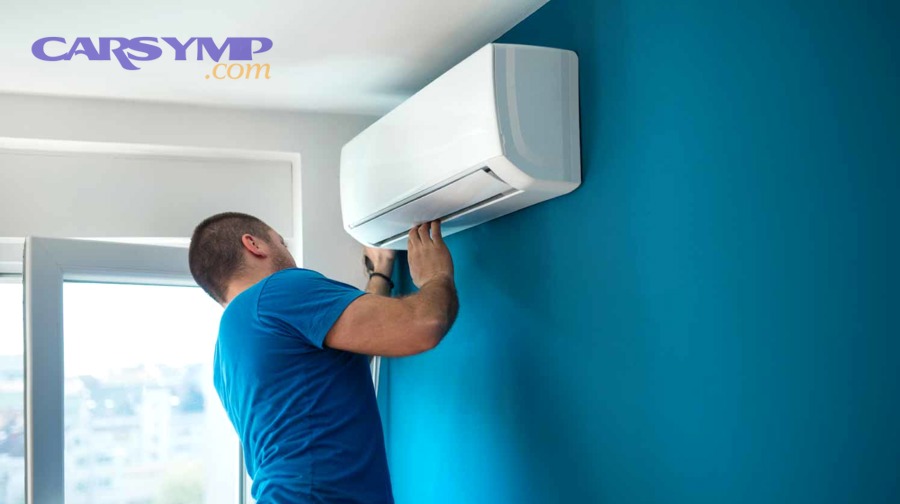
Daily habit: dry-out at the end of the drive
Turn off A/C and leave the fan running for a couple minutes before parking. To make this more effective in humid climates, crack the windows slightly for the last minute if safe and appropriate, so moist cabin air doesn’t linger.
Monthly habit: check the intake area and cabin filter schedule
Leaves and debris at the cowl intake can add moisture and organic material to the system. To prevent buildup, clear the cowl area, then keep to a reasonable cabin filter interval—more frequent if you drive in dust, smoke, or heavy traffic.
Seasonal habit: confirm drainage and odor-free operation
Once per season, run A/C for 10 minutes and confirm you see a normal drip outside. If there’s no drip and you notice odor after rain or humid weeks, move straight to the drain inspection and evaporator-zone clean.
That’s how you operationalize Prevent AC smell coming back as a routine rather than a one-time fix.
Contextual Border: Up to here, you’ve covered the standard causes and DIY paths for most vehicles. Next, we’ll zoom into edge cases and “look-alike” problems that can mimic an AC smell, especially in wet weather or when odors appear only under specific conditions.
Edge cases: when the smell isn’t only the AC (and how to tell)
Some odors feel like A/C problems but actually come from damp insulation, cabin materials, or outside air entering at specific times. Next, use the scenarios below to avoid repeating cleaning steps that won’t solve the real source.
Odor after heavy rain or humid weather
Humidity can amplify smells trapped in carpets, seat foam, and insulation, which then get blown around when the fan starts. This is often described as Odor after rain or humid weather diagnosis; the practical test is to run the fan with A/C off—if the smell persists similarly, check cabin dampness and drains, not just the evaporator.
Smell only when switching to fresh air (not recirculation)
If fresh-air mode makes the smell worse, you may be pulling in odors from outside the vehicle through the intake—standing water near the cowl, leaf compost, or nearby exhaust. To isolate it, switch between fresh and recirculation while parked in a different location; if it changes dramatically, investigate the intake area.
Sweet or oily smell that increases with heat
A sweet smell that grows when heat is on can suggest coolant vapor from a heater core issue, while oily smells can point to engine-bay vapors entering the cabin. To stay safe, treat these as “inspect soon” scenarios rather than only deodorizing.
When DIY stops helping and you should visit a shop
If odor returns within days despite filter replacement, evaporator treatment, and verified drainage, you may have deeper contamination, a damaged HVAC case seal, or a recurring moisture intrusion. In that situation, When to visit a shop for AC odor is simple: go when you see repeated damp carpets, electrical concerns, persistent sweet/burning smells, or when you need full car AC repair diagnostics beyond basic cleaning.
FAQs
Can I fix a bad AC smell without special products?
Yes—many cases improve with a cabin filter change, vent wipe-down, and a strict dry-out routine. However, if the evaporator area already has heavy biofilm, an evaporator-safe cleaner usually speeds up results and improves durability.
Is spraying household disinfectant into vents a good idea?
It can create short-term odor masking, but it may also leave residue and introduce moisture in places that shouldn’t get wet. A safer approach is low-moisture wiping and an evaporator-focused treatment, which targets the main odor source.
Why does my AC smell worse on the first cold start of the day?
Overnight condensation and temperature changes can make odor compounds more noticeable at startup. The dry-out routine and improved drainage reduce that morning “puff” over time.
What’s the single most important step for a lasting AC bad smell fix?
Moisture control—confirming proper drainage and drying the evaporator area after use—because a clean system that stays wet tends to smell again, while a slightly imperfect system that stays dry often stays odor-free longer.