


If you want to prevent AC smell coming back, the most reliable path is moisture control + targeted cleaning + habits that keep the evaporator and vents dry. This approach stops the “musty return” cycle instead of temporarily covering it up.
To make AC odor prevention stick, you’ll also want to fix the conditions that feed odor—clogged cabin filters, standing condensate, organic debris, and short trips that never dry the system.
Many drivers clean once, celebrate, then the smell reappears weeks later. That usually means one hidden contributor—like a slow drain, damp evaporator, or contaminated filter—was left behind and kept rebuilding the same problem.
Tiếp theo, “Giới thiệu ý mới” you’ll get a practical, step-by-step framework that connects every fix into a single routine—so you’re not guessing which part actually made the difference.
Why does the AC smell come back even after you “cleaned it”?
It comes back because the source (moisture + biofilm + trapped debris) was reduced but not removed, so bacteria and mold rebuild on the evaporator and in damp duct corners. To begin, you need to identify what keeps staying wet.
After that, the quickest way to stop the repeat cycle is to treat the AC like a humidity system: if it can’t drain and dry, odor will return—no matter what spray you used.
What “AC smell” usually means in real life
Most recurring odors are microbial (musty, “wet socks”), caused by growth on the evaporator fins where condensation forms. Some are organic (food, spilled drinks) trapped in carpeting or ducts, and some are chemical (cleaner residue, off-gassing) that lingers when airflow is low.
Because these smell types behave differently, the correct prevention isn’t one universal spray—it’s matching the cause with the place it keeps feeding from.
Where odor hides when your nose can’t pinpoint it
Odor doesn’t have to sit at the vent opening. It often lives on the evaporator core, in the blower housing, on the cabin filter media, inside a partially blocked drain tube, or on dust film lining duct walls.
So the “clean smell” you notice right after cleaning may simply be the scent of product—while the damp growth remains underneath, ready to flare up again.
Three fast checks before you do anything else
- Timing: Does it smell worst at startup after the car sat overnight? That points to moisture and growth.
- Mode: Is it stronger on A/C than heat? That often points to evaporator/condensate issues.
- Fan: Does higher fan speed reduce it? That can indicate buildup localized near the evaporator or blower housing.
Next, once you know the pattern, you can choose the most efficient prevention steps—starting with drying the evaporator, because that’s the fuel line for recurring odor.
How do you dry the evaporator so odors don’t return?
Use a simple drying routine: run the fan to evaporate leftover condensate and reduce the wet time on the evaporator, which starves odor-causing microbes. After that, pair it with a filter and drain check so moisture has a way out.
This is the “habit” layer of AC odor prevention—small actions that prevent the next buildup from forming.
The 60–120 second routine that matters most
Before parking (especially after humid driving), switch A/C off but keep the fan on for about 1–2 minutes. This pushes warmer cabin air over the evaporator to reduce surface moisture.
To make it consistent, tie it to a trigger you already do—like the last traffic light before home—so it becomes automatic, not another “maybe later” task.
When this routine works best
It’s most effective in warm climates, rainy seasons, and for drivers who take short trips where the AC runs but the system never gets a long “dry-out” window.
However, if your drain is blocked or your filter is saturated, drying helps but won’t fully solve it. So, the next step is ensuring airflow stays clean and balanced.
Small airflow tweaks that help drying
- Use fresh air mode periodically (not always recirculation) to reduce trapped humidity cycles.
- Don’t run the fan at the lowest setting all the time; moderate airflow can reduce localized damp pockets.
- Keep floor mats and carpets dry—interior humidity feeds the AC’s moisture load.
Next, once drying is in place, your cabin filter becomes the gatekeeper—if it’s dirty or damp, it can “re-seed” odor even when the evaporator is improving.
Which cabin air filter choices help prevent odor from coming back?
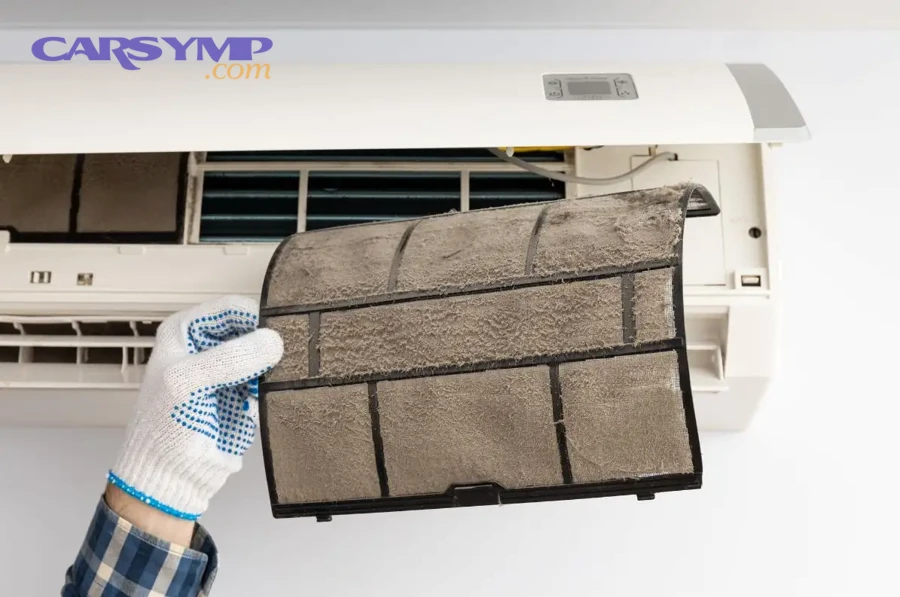
The best choice depends on your goal: a quality particulate filter reduces dust that feeds biofilm, while an activated carbon layer can reduce odor compounds and traffic fumes. Next, replace it on time because an overloaded filter becomes a damp, smelly sponge.
For AC odor prevention, consistency beats “premium once.” A clean filter keeps your system from re-contaminating itself.
How to pick: standard vs. carbon vs. antimicrobial
- Standard: Best for dust/pollen control; choose a reputable brand and correct fit.
- Activated carbon: Helpful for exhaust/urban smells; can reduce perceived odors even when humidity is managed.
- Antimicrobial-treated: Can help in humid areas, but it’s not a substitute for drying and drainage.
To keep the logic tight: the filter is prevention, not the main “odor remover.” If you skip moisture fixes, even the best filter will be overwhelmed.
Replacement timing that prevents the “sudden comeback”
Replace sooner if you drive in heavy dust, park under trees, or notice reduced airflow. A filter that looks “only a little dirty” can still trap moisture and organic debris that smells once warmed.
As a practical rule, if odor returns soon after a cleaning, treat the filter as suspicious and swap it early—because it’s the easiest reset you can do.
Installation details people miss
- Confirm the airflow arrow direction on the filter frame.
- Seal gaps—poor fit lets unfiltered debris bypass and stick to ducts and the evaporator.
- Vacuum loose debris from the filter slot before inserting the new one.
Next, even a perfect filter can’t compensate for standing water. So the drain system is the next “root” to lock down.
How do you keep the condensate drain from causing repeat AC odor?
Keep the drain clear so condensate exits quickly; standing water is a growth accelerator and can reintroduce odor into the airflow. After that, verify it actually drips under the car when A/C runs on humid days.
This is a key pillar of AC odor prevention: you’re removing the “swamp” environment that microbes love.

Signs your drain may be restricted
- Musty smell strongest after rain or high humidity.
- Foggy windows that take longer to clear.
- Damp passenger-side carpet (in some vehicles).
- No visible water dripping under the car after 10–20 minutes of A/C use in humid weather.
If you see any of these, the goal isn’t aggressive poking—it’s gentle clearing that doesn’t damage the drain grommet or crack plastic fittings.
Safer ways to confirm drainage without creating damage
Start simple: run the A/C on a warm, humid day and look under the car near the firewall area for dripping. If there’s no drip, you can inspect the drain outlet visually and clear soft debris gently.
Important: avoid forcing rigid tools deep into unknown plastic parts. “More force” can turn a maintenance job into a leak.
What to do if the cabin carpet is damp
Dry the interior thoroughly and address the source quickly. Damp insulation can hold odor for weeks and keep re-humidifying the cabin, which undermines every other prevention step.
Next, once drainage is confirmed, the big question becomes: how do you clean the evaporator area effectively without dismantling half the dashboard?
How can you clean the evaporator area without pulling the dashboard apart?
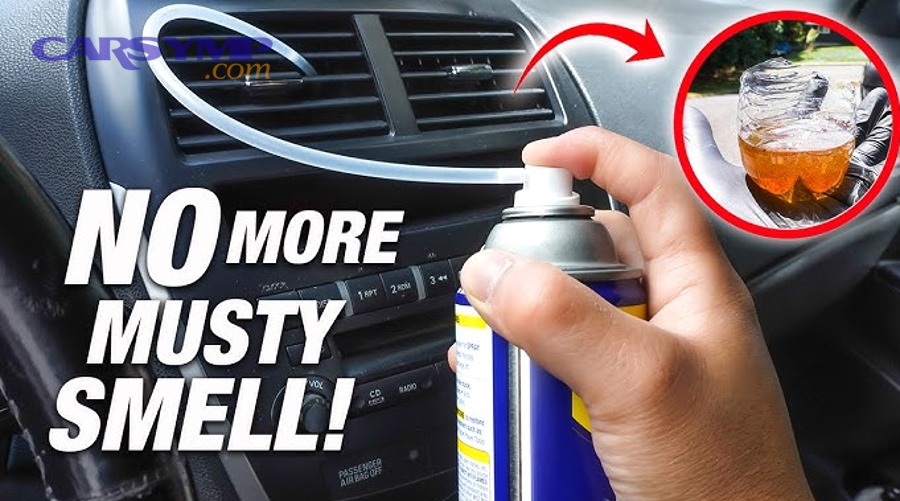
You can clean effectively by targeting the evaporator region through accessible openings (like the blower housing or drain path) using methods designed for HVAC coils, then letting the system dry fully. Next, the goal is removing biofilm, not just perfuming airflow.
This is where many “one-time deodorizer” attempts fail: they mask odor while leaving growth attached to fins.

What “effective” cleaning looks like
Effective cleaning means loosening and flushing organic film from the evaporator fins and nearby surfaces, then restoring a dry baseline. If the smell returns quickly, you likely reduced surface odor but didn’t remove the root layer.
In practice, prevention improves when you pair cleaning with the drying routine and a fresh filter—because you’re removing the source and then cutting off its ability to regrow.
Product selection without shortcuts
Use products intended for automotive HVAC systems and follow directions precisely. Avoid random household sprays that can leave sticky residue and attract more dust.
Also, do not confuse “strong scent” with “clean.” A strong fragrance can make you think you won—until the fragrance fades and the original problem resurfaces.
Where those extra phrases fit in your decision-making
If you’re searching for an AC bad smell fix, treat it as the removal phase—then commit to prevention steps so the smell doesn’t come back. Likewise, learn the warning signs for When to visit a shop for AC odor if the odor persists after filter + drain + cleaning steps, or if you suspect a deeper HVAC issue. And if you need to sanitize ducts, focus on techniques that Disinfect AC vents without damage by avoiding harsh solvents and preventing liquid pooling near electronics.
Next, once the evaporator area is addressed, you’ll want to keep vents and duct openings from becoming “new homes” for odor—especially if dust and skin oils build up where airflow exits.
How do you keep AC vents and ducts from recontaminating the air?
Keep ducts cleaner by reducing dust input (filter), removing surface grime at vents, and avoiding wet cleaners that linger inside duct corners. After that, maintain airflow so the system doesn’t run “stuffy,” which increases odor perception.
This is an easy win for AC odor prevention because it’s visible, accessible, and repeatable.
Cleaning vent surfaces the right way
Use a lightly damp microfiber cloth for the vent louvers and surrounding trim, then dry immediately. The goal is to remove dust film and oils that trap smells, not to soak the vent interior.
To connect the steps: clean vents after you’ve handled the evaporator and filter, otherwise you’re polishing the “exit” while the “source” continues upstream.
Why over-wetting vents backfires
Over-wetting can leave moisture in duct corners, creating a new growth zone. It can also move grime deeper into the duct where it’s harder to remove.
So, think of vent cleaning as “surface hygiene,” while evaporator and drain work is “root hygiene.” Together they prevent the comeback.
Airflow habits that reduce odor perception
- Use a mix of fresh air and recirculation depending on humidity and traffic.
- Run the fan briefly after cleaning so surfaces fully dry.
- Avoid long periods of ultra-low fan speed in humid weather.
Next, daily habits are great—but many odors return seasonally. So you’ll want a simple seasonal checklist that prevents “first hot day” surprises.
What seasonal checklist prevents AC odor after humid or rainy months?
A seasonal checklist prevents odor by resetting the system before peak humidity: replace or inspect the cabin filter, confirm drainage, clean vent surfaces, and do a short evaporator drying routine consistently. Next, schedule it around weather shifts, not after the smell appears.
This is proactive AC odor prevention: you’re preventing the environment that creates odor, not reacting to symptoms.

Spring and early summer: stop growth before it blooms
Warm, wet transitions are prime time for microbial growth. Replace the cabin filter early if you had heavy pollen or tree debris, because that organic load becomes food once it gets damp.
Then, confirm you see condensate dripping during humid A/C operation—because a clear drain turns “standing water” into “gone water.”
Late summer and fall: prevent the “stale storage” smell
As temperatures drop, many drivers use A/C less, which can leave residue and moisture sitting longer. Do a light cleaning and keep the drying routine going before long parking periods.
This is especially important if the car sits for days at a time, because stagnant moisture has more time to turn into smell.
Winter: don’t ignore the filter just because you use heat
Even in winter, the blower runs and dust accumulates. A clogged filter reduces airflow, and low airflow makes any lingering odor more noticeable.
Next, once your seasonal baseline is stable, the next problem is product misuse—some deodorizing products create residue or damage. So you need a “safe product” framework.
Which deodorizing and cleaning products are safest for long-term prevention?
The safest products are those formulated for automotive HVAC coils and interior plastics, used in the correct amount, and fully dried afterward. Next, avoid “heavy oils” or harsh solvents that can leave sticky films or degrade materials.
This protects AC odor prevention because residue can trap dust and restart the cycle.
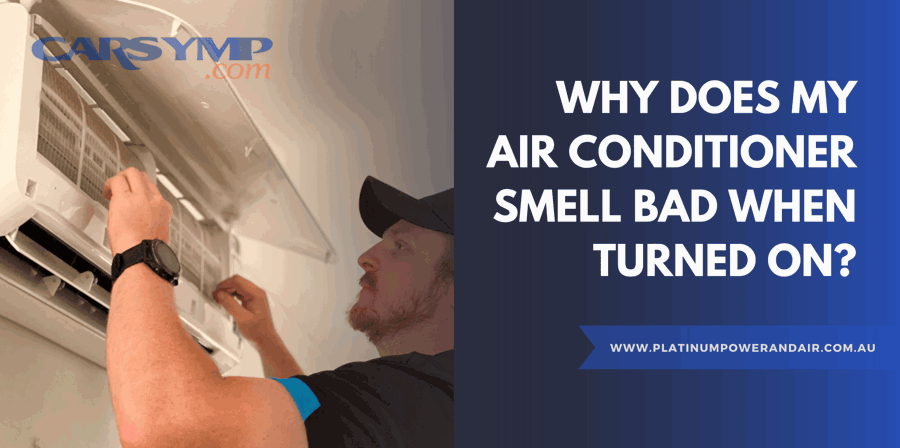
A simple “safe product” checklist
- Purpose-built: Labeled for automotive HVAC/evaporator use.
- Non-sticky finish: Doesn’t leave oily residue that attracts dust.
- Material compatibility: Safe for plastics, foam seals, and rubber.
- Drying requirement: Instructions include ventilation/drying steps.
This keeps your system clean without creating a new layer that captures dirt.
Why “stronger” chemicals can worsen the problem
Harsh solvents may temporarily overpower odor but can also strip protective finishes, irritate occupants, or leave lingering chemical smells—creating a new “problem smell.”
So, prevention is not just about killing microbes; it’s about keeping surfaces stable, dry, and not “dust-magnets.”
One helpful video for a prevention-friendly routine
Below is a practical walkthrough that aligns with prevention principles like filter attention and proper drying habits.
Next, once products and routines are in place, the last step is verification—so you know the smell is truly gone, not just masked for a week.
How can you tell the odor is eliminated instead of just masked?
You can tell it’s eliminated when the smell remains neutral across startup, different fan speeds, and after humid driving—without relying on fragrance. Next, test under conditions that used to trigger the odor, because that’s where “masked” problems reveal themselves.
This closes the loop for AC odor prevention: measure results, then maintain the steps that worked.
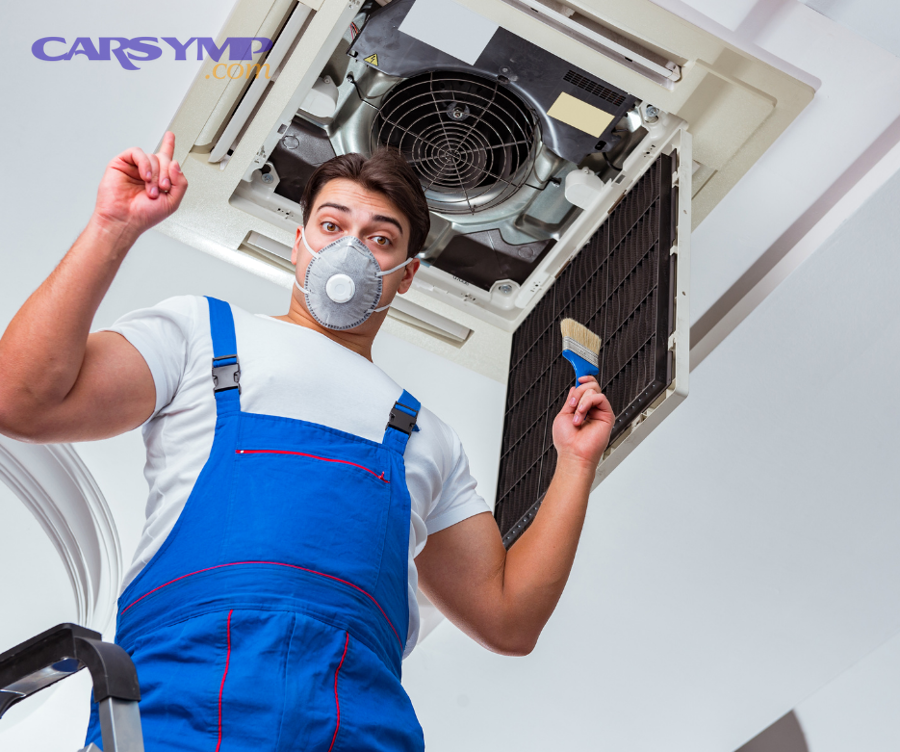
The three-condition sniff test
- Cold start: First 10–30 seconds after turning the car on.
- After A/C use: Following 15–20 minutes on a humid day.
- After drying routine: Fan-only run for 1–2 minutes, then shut down.
If the musty note is gone in all three, you likely removed the growth and corrected moisture conditions.
What “partial success” looks like
Partial success is when the smell is weaker but still appears at startup, or only returns after rain. That usually points to a remaining moisture pocket—often the drain path, blower housing, or a still-damp filter area.
So, instead of repeating random sprays, revisit your root checks in order: filter → drain → evaporator cleaning → drying routine.
When repeat odor means “something else”
Not every odor is microbial. If you notice a sweet smell, a burning smell, or eye irritation, stop treating it as a normal musty issue and inspect for other causes (leaks, electrical odor, spilled fluids). Prevention only works when the diagnosis is correct.
Next, with the core framework done, you can handle special cases that require slightly different prevention strategies.
Contextual Border: From here, we move from the general prevention framework to special cases and edge scenarios—still focused on preventing recurring odor, but tailored to different usage patterns and environments.
Beyond the Basics: Special-Case AC Odor Prevention Scenarios
These scenarios adjust the same fundamentals—drying, filtration, drainage, and gentle cleaning—based on conditions that make odor more likely. Next, choose the closest match and apply the targeted tweaks.
What if you park outside in constant humidity or near trees?
Outdoor parking in humid areas increases condensation time and organic debris. Replace the cabin filter more frequently, keep cowl areas clear of leaves, and prioritize the end-of-drive drying routine.
Also, consider using fresh air mode periodically to reduce trapped moisture cycles—especially if you default to recirculation all the time.
What if you have smokers, pets, or frequent food odors in the cabin?
In these cases, the AC system isn’t the only source—the interior is a continuous odor reservoir. Vacuum and clean fabric surfaces, keep mats dry, and use a carbon cabin filter to reduce odor compounds passing through the HVAC intake.
The key link is this: interior odor loads raise what the system has to “process,” making minor HVAC smells more noticeable.
What if you drive short trips almost exclusively?
Short trips create the perfect pattern for recurring odor: condensation forms, then the system shuts off before it dries. Make the drying routine non-negotiable, and occasionally take a longer drive that allows the system to stabilize and dry more completely.
Also, check filter condition sooner than the calendar suggests—because short trips in cities often mean heavier dust and fumes.
What if the smell returns quickly even after filter + drying + basic cleaning?
If the odor rebounds fast, treat it as a sign of a deeper pocket—like a persistent drain restriction, contamination in the blower housing, or an evaporator that needs professional-level access. In that case, consider a diagnostic approach rather than repeating the same consumer steps.
Tóm lại, preventing repeat AC odor is less about “one miracle spray” and more about a connected system: remove the source, restore drainage, keep airflow clean, and shorten the time the evaporator stays wet. When those links are strong, the smell usually doesn’t get a chance to come back.