



If your car’s AC smells like vinegar or dirty socks, the most common reason is moisture plus microbes growing on surfaces like the evaporator core, drain pan, and air ducts—then the blower pushes those odor compounds into the cabin.
Beyond the “why,” you also want to know what to check first: whether the smell happens only at startup, only on recirculation, or only when the AC is cold and dehumidifying—those patterns point to different odor sources.
You may also be wondering if it’s dangerous. Most of the time it’s an annoyance, but persistent musty odors can aggravate allergies or asthma in sensitive people, especially when mold spores and bioaerosols are involved.
To connect the dots, Giới thiệu ý mới: below you’ll learn the exact causes, quick tests to locate the source, and the safest home and shop fixes that stop the smell from coming back.
Is a vinegar or sock smell from car AC dangerous?
No—most vinegar or sock odors are not immediately dangerous, but they can be a warning sign of microbial growth, trapped moisture, and dirty airflow pathways that may irritate your eyes, nose, or throat and can worsen allergies in sensitive passengers.
To make the risk practical, the key is whether you’re inhaling mostly “stale odor compounds” or actual bioaerosols (tiny particles carrying bacteria/fungi). That depends on how long the problem has existed, humidity, and whether there is visible mold or standing water.
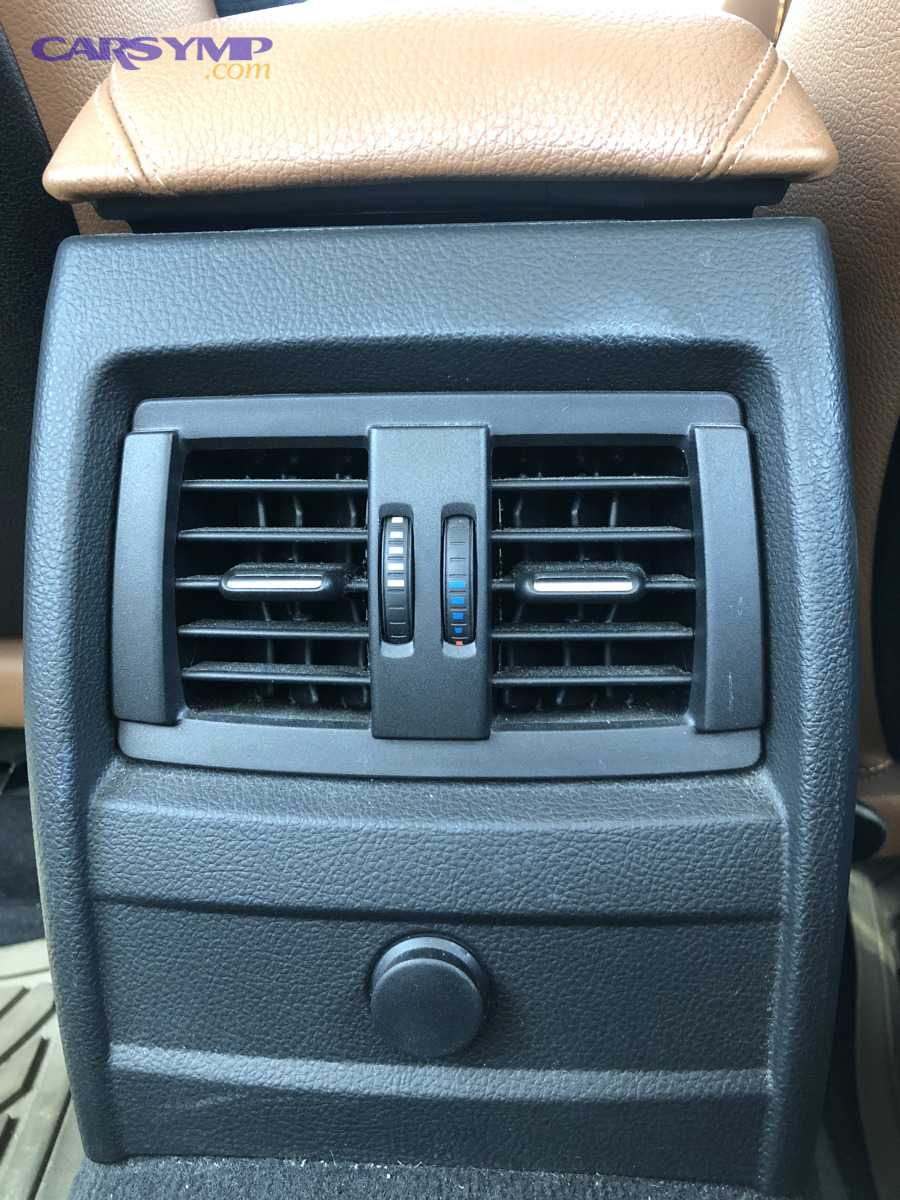
Three signs it’s mainly an odor nuisance (lower concern)
If the smell lasts under a minute, shows up mostly at startup, and improves when you switch from recirculation to fresh air, it’s usually odor trapped on damp surfaces rather than heavy contamination. After that, cleaning and drying steps typically solve it.
- Short duration: odor fades quickly after airflow stabilizes.
- No health symptoms: nobody gets persistent coughing, wheezing, or headaches that track with AC use.
- No moisture evidence: carpets are dry, no foggy windows from excessive cabin humidity.
Three signs you should treat it more seriously
If the smell is strong, persistent, and returns every time the AC runs cold, you may have ongoing microbial growth supported by water that’s not draining. Next, you should investigate the drain path and evaporator area to remove the moisture driver.
- Smell persists: continues longer than 3–5 minutes or never fully disappears.
- Symptoms appear: sneezing, watery eyes, throat irritation, or asthma flare-ups during AC use.
- Moisture clues: sweet/musty damp odor plus wet passenger carpet (possible drain backup).
Evidence that microbes and spores can be involved
When a car AC system is cleaned and serviced, microbial levels in cabin air can drop—meaning that the system can be a real source of bioaerosols when dirty. As a result, persistent odors deserve a “find-and-fix” approach, not just masking sprays.
Theo nghiên cứu của Hannover Medical School từ Institute for Medical Microbiology and Hospital Epidemiology, vào Jun/2010, running car air conditioning reduced the total number of microorganisms by about 81.7% and mold spores by about 83.3% within minutes—while also emphasizing regular maintenance and filter changes to prevent problems.
Why does car AC smell like vinegar specifically?
A vinegar-like AC smell usually points to acidic odor compounds created when moisture sits in the system—often from microbial metabolism on the evaporator core or from contamination trapped in the cabin filter and ducts.
To narrow it down fast, compare when the odor appears: vinegar-like sharpness at cold start can differ from a deeper “gym-sock” mustiness that builds over time. Next, use pattern-based checks to identify the source zone.
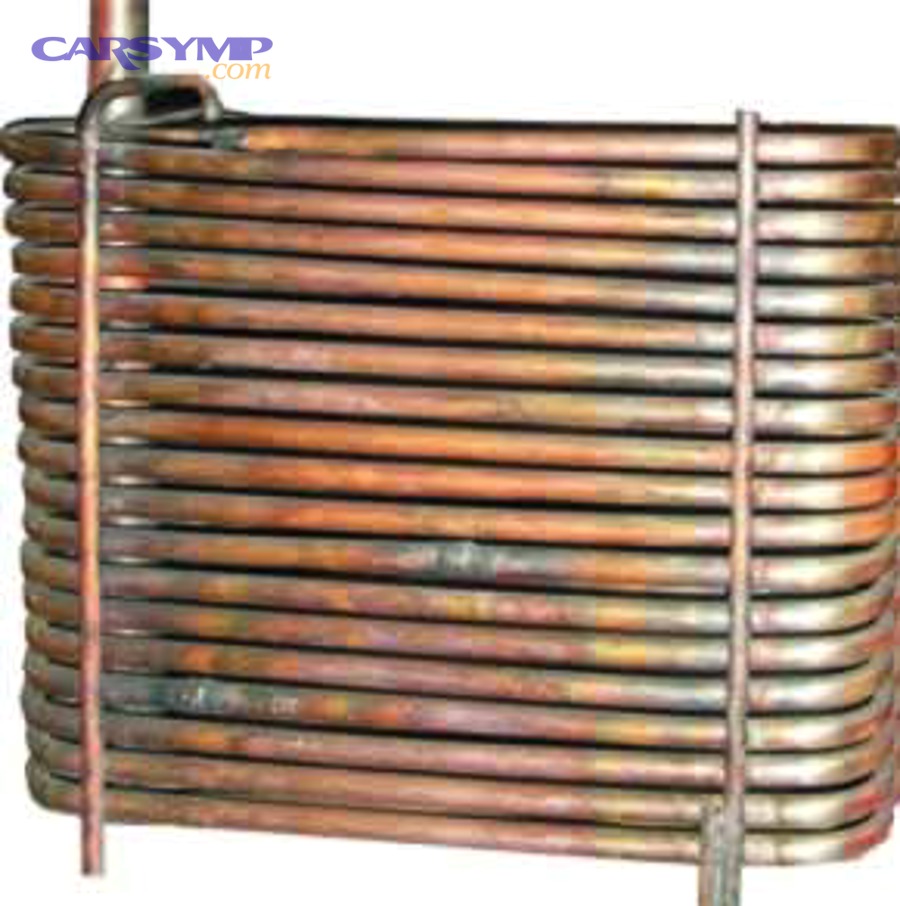
Cause 1: Biofilm on the evaporator core producing acidic odor notes
If the smell is strongest when the AC first turns cold, the evaporator core is a prime suspect because it becomes wet with condensation and then warms up after you park—perfect for biofilm formation. After that, the first blast of air carries the odor.
In practice, this is why a true “AC bad smell fix” targets the evaporator surface and its drain path, not just the vents.
Cause 2: Cabin air filter contamination with sour or “old towel” odor
If vinegar odor appears even with the fan on but AC off (no cold), a dirty cabin filter can be the dominant odor reservoir. Next, inspect and replace it before spending time on deeper cleaning.
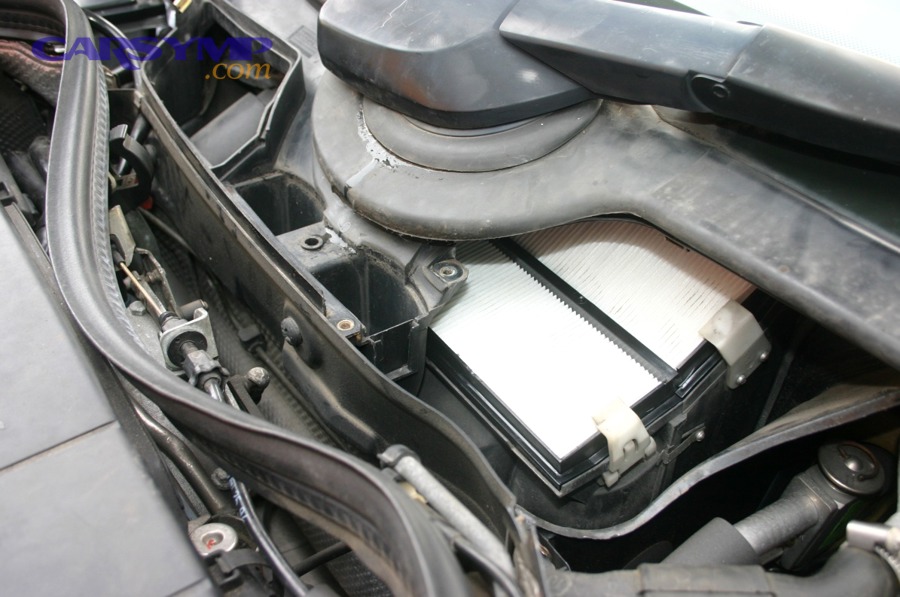
Cause 3: Moisture trapped by poor drainage or frequent short trips
If you do many short drives, the evaporator stays wet and never fully dries, so odors get worse over weeks. After that, even a new filter may only reduce the smell temporarily until you dry and disinfect the wet surfaces.
Theo nghiên cứu của Springer Nature từ Air Quality, Atmosphere & Health, vào Aug/2019, disinfection methods applied to passenger car AC systems reduced bacterial and fungal concentrations in cabin air, showing that servicing and cleaning can measurably reduce microbial contamination.
Why does car AC smell like socks or “musty gym bag”?
A sock-like, musty AC smell is most commonly caused by mold or bacteria growing on damp AC components—especially the evaporator core and air ducts—then releasing earthy, sweaty-smelling compounds into the airflow.
To keep the diagnosis grounded, focus on the moisture source first. Next, you’ll test whether the smell is tied to condensation (AC cold) or to airflow alone (fan and ducts).

How the “wet-coil” cycle creates the sock smell
When you run AC, the evaporator gets cold and wet; when you park, it warms and stays damp. Over time, microbes colonize the fins and drain pan, so the first airflow later smells musty. After that, the smell may linger longer each week.
Why recirculation mode often makes it worse
Recirculation concentrates whatever is in the cabin air and reduces dilution from outside air. Next, if odor is much worse on recirculation, you should inspect the cabin filter and consider cleaning the intake area where debris collects.
Why “masking scents” can backfire
If you spray fragrance into the vents, you may temporarily hide odor but leave the wet biofilm untouched. Over time, the fragrance mixes with mustiness and can smell even more “sour-sweet,” making the problem feel worse than before.
How can you pinpoint where the vinegar/sock smell is coming from?
You can usually locate the source in under 10 minutes by using three quick tests: AC on vs off, recirculation vs fresh air, and “startup blast” vs steady-state airflow—each test narrows the odor to filter, ducts, or evaporator/drain.
To make this systematic, document the exact condition that triggers the smell. Next, follow the decision table below to choose the right fix, not a random spray.
This table contains the most common odor patterns, likely causes, and the first action that saves the most time.
| Odor pattern | Most likely source | Fastest confirmation | Best first action |
|---|---|---|---|
| Smell only when AC turns cold | Evaporator core / drain pan biofilm | Odor spikes 10–30 seconds after AC engages | Evaporator-safe cleaner + check drain |
| Smell with fan even if AC is OFF | Cabin filter or ducts | Odor present in heat/vent mode | Replace cabin filter, inspect intake debris |
| Smell is worse on recirculation | Filter saturated + cabin humidity | Fresh-air mode reduces odor quickly | Filter + dry-out routine, verify drain flow |
| Smell + wet passenger carpet | Clogged evaporator drain | Little/no water dripping under car with AC on | Clear drain line; prevent standing water |
Test 1: AC OFF vs AC ON (cold)
If the smell shows up only when the system is making cold air, the evaporator and drain are the top suspects. Next, you’ll check if water is draining under the car after 5–10 minutes of AC operation.
Test 2: Fresh air vs recirculation
If switching to fresh air reduces odor fast, you’re likely dealing with a concentration issue: filter saturation, humid cabin, or intake debris. After that, cleaning the intake and replacing the filter often yields a big improvement.
Test 3: Startup blast vs steady-state
If the first 30–90 seconds are worst, then it’s often “evaporator stink” from damp fins. Next, a dry-out routine (fan-only before parking) plus targeted evaporator cleaning can solve the root cause.
How to fix vinegar or sock smells at home without damaging your AC
The safest at-home fix is a three-part approach: replace the cabin filter, clean the evaporator area with an AC-safe cleaner, and restore drainage and drying habits—this removes odor reservoirs and prevents fast regrowth.
To avoid expensive mistakes, never pour harsh household chemicals into vents or onto the evaporator. Next, use steps that match the material and airflow design of vehicle HVAC.
Step 1: Replace the cabin air filter the right way
Start with the filter because it’s cheap, fast, and often the primary odor sponge. After that, if odor improves by 50% or more, you’ve confirmed the filter was a major contributor and the remaining smell is likely deeper in the system.
- Choose the correct filter type (standard vs activated charcoal).
- Confirm airflow direction arrows before installing.
- Clean leaves/debris from the filter housing and intake path.
Step 2: Clean the evaporator core at home (safe principles)
If the odor is tied to cold AC operation, you need to treat the wet coil surface where microbes live. Next, use an evaporator-safe foam cleaner applied according to the vehicle’s access point (often via drain tube or blower housing).
Use a method consistent with “How to clean evaporator core at home” best practice: deliver cleaner to the evaporator surface, let it dwell, and allow it to drain—without soaking electronics or leaving residue that attracts dust.
- Access: via evaporator drain tube (common) or through a service port behind glovebox (varies by model).
- Dwell time: follow label directions; avoid “more is better.”
- Drain check: ensure liquid exits under the car, not onto carpet.
Step 3: Disinfect vents without damage (what actually matters)
You can reduce odor in ducts and vents, but the goal is not to “sterilize everything”—it’s to remove deposits and prevent moisture. After that, gentle disinfection plus airflow drying is safer than aggressive chemicals that can degrade plastics or irritate lungs.
Apply “Disinfect AC vents without damage” logic: use products designed for automotive HVAC, avoid bleach/ammonia, and ventilate well during and after treatment.
- Use a non-corrosive HVAC disinfectant labeled for evaporator/duct use.
- Run the fan on fresh air after treatment to purge vapors.
- Avoid saturating vent louvers; misting is enough.
Step 4: Restore drainage and drying so the smell doesn’t return
If moisture remains, odors return—often within days. Next, verify that condensate drains properly and adopt a dry-out routine before parking in humid weather.
- Drain verification: after 10 minutes of AC, look for water dripping under the car.
- Dry-out habit: run fan-only (AC off) for 1–3 minutes before shutdown.
- Recirculation caution: avoid constant recirc in humid climates if odor is recurring.
Theo nghiên cứu của Springer Nature từ Air Quality, Atmosphere & Health, vào Aug/2019, servicing and disinfection of passenger-car AC systems reduced measured bacterial and fungal concentrations in cabin air, supporting a clean-and-maintain approach rather than masking odors.
What prevents vinegar and sock smells from coming back?
The most reliable prevention is moisture control plus routine filtration: keep the evaporator from staying wet, replace the cabin filter on schedule, and prevent debris from feeding microbial growth in the intake and ducts.
To lock in results, focus on habits that reduce humidity in the HVAC box. Next, combine seasonal maintenance with “high-humidity behavior” changes that many drivers overlook.
Prevention habit 1: Keep moisture from lingering
Moisture is the enabler; remove it and the system becomes less hospitable to microbes. After that, odors fade and stay gone because there’s no wet surface for biofilm to rebuild.
- Use fan-only dry-out before parking, especially after short trips.
- Fix clogged drains early to prevent standing water in the HVAC box.
- Reduce “AC on/off cycling” that repeatedly wets the evaporator.
Prevention habit 2: Replace filters before they become odor reservoirs
A filter loaded with dust and organic particles becomes a sponge for humidity and smells. Next, replace it at the interval recommended for your conditions (often sooner in dusty cities or heavy pollen seasons).
Prevention habit 3: Keep the intake area clean
Leaves and debris near the cowl intake can decay and seed odors into the HVAC box. After that, even a fresh filter can pick up odor again if the intake area stays dirty.
- Clear leaves from the cowl and around the windshield base.
- Ensure intake drains are open so water doesn’t pool.
- Use fresh-air mode periodically to reduce recirc buildup.
Prevention habit 4: Treat “musty season” like a maintenance window
In humid months, odor issues spike because condensation and warm parking conditions accelerate growth. Next, schedule a preventive evaporator-safe treatment once or twice per year if you live in high humidity or do many short trips.
Theo nghiên cứu của Hannover Medical School từ Institute for Medical Microbiology and Hospital Epidemiology, vào Jun/2010, the authors observed rapid reductions in microorganisms and mold spores with AC operation and recommended regular maintenance and filter replacement to sustain air-quality benefits.
When should you visit a shop for AC odor instead of DIY?
You should visit a shop when the smell persists after a filter change and basic cleaning, when there’s evidence of drain blockage or water intrusion, or when odor is paired with performance issues like weak airflow, poor cooling, or repeated fogging.
To avoid wasting money, the goal is to pay for targeted diagnostics: drain inspection, evaporator access cleaning, blower and duct inspection, and leak checks—not generic fragrance treatments. Next, use clear triggers to decide.
Trigger 1: You suspect a clogged evaporator drain
If carpets are damp, windows fog easily, or you never see condensate dripping under the car, a drain issue is likely. After that, a shop can clear the drain safely and verify the HVAC box isn’t holding standing water.
Trigger 2: Odor returns within days after DIY treatment
Fast recurrence suggests you didn’t reach the evaporator surface or the moisture cause is still present. Next, professional evaporator access cleaning (and sometimes blower removal) can eliminate deeper biofilm layers.
Trigger 3: You also have cooling problems or refrigerant odor concerns
While vinegar/sock smells are usually microbial, mixed symptoms—like weak cooling, oily residue, or chemical smells—can indicate additional faults. After that, a shop can perform a system performance check and inspect for leaks or airflow restrictions.
Trigger 4: You need a safe, documented process
If you’re sensitive to chemicals or have passengers with asthma, a shop can choose products and procedures that minimize irritant exposure and ensure proper ventilation and drying. Next, ask what chemicals they use and how they prevent moisture recurrence.
When discussing service, you can phrase your request as “When to visit a shop for AC odor” criteria: persistent odor, moisture evidence, and failed basic steps—so the shop focuses on the real cause.
Contextual Border: At this point you’ve covered the main moisture-and-microbe causes. Next, we’ll shift to less common “look-alike” odors—things that mimic vinegar or socks but come from entirely different sources.
Rare causes and odor look-alikes you should not ignore
Some smells that drivers describe as “vinegar” or “socks” can actually be coolant, chemical reactions, or pest contamination; these are rarer, but they matter because the fix is different and delaying can cause damage.
To keep you from treating the wrong problem, focus on odor timing, location, and any visible residue. Next, compare these look-alikes to your symptoms.
Look-alike 1: Sweet coolant odor mistaken for “sour” smell
If the odor is sweet, syrupy, and you notice greasy film on the windshield, heater-core or coolant leaks may be involved. After that, stop focusing on vent disinfection and inspect cooling system levels and leaks.
Look-alike 2: Chemical “sharp” smell after using ozone generators
Ozone can reduce microbes but can also leave a harsh, reactive smell and irritate lungs if misused. Next, if odor began right after ozone use, ventilate thoroughly and avoid repeated treatments without addressing moisture and deposits.
Look-alike 3: Rodent nesting or decomposing organic matter in intake
If the smell is strongest near the windshield base intake and worsens with fan speed, debris or nesting is possible. After that, remove leaves, inspect the cowl area, and consider professional inspection if you see droppings or chewed materials.
Look-alike 4: “Dirty sock syndrome” in other HVAC contexts (what it teaches drivers)
In building HVAC, musty odors are strongly tied to moisture and coil contamination—reinforcing the same root principle for cars: moisture control is the foundation. Next, prioritize drain, drying, and filtration rather than relying on routine chemical fogging.
Theo nghiên cứu của US EPA từ Indoor Air Quality program, vào May/2025, the agency notes moisture increases the potential for microbiological growth in HVAC components and recommends correcting underlying causes to prevent recurrence rather than cleaning alone.
Frequently Asked Questions
These quick answers help you confirm the most likely cause, choose the safest action, and avoid repeating fixes that don’t address moisture and contamination.
Will replacing the cabin filter always remove the smell?
No. A filter change often helps, but if the odor is tied to cold AC operation, the evaporator core and drain area may still be contaminated. Next, combine the filter change with evaporator-safe cleaning and a dry-out routine.
Can I use bleach or household vinegar in the vents?
No. Bleach can corrode metals and damage plastics, and household vinegar can leave residues and odors and is not designed for HVAC materials. After that, choose automotive HVAC products labeled for evaporator/duct use and ventilate well.
Why does the smell get worse right after turning the AC on?
That “startup blast” usually happens because air hits damp, contaminated surfaces and carries trapped odor compounds into the cabin. Next, focus on evaporator cleaning and drying habits, not just vent sprays.
Is there a video that shows the general approach?
Yes—this video demonstrates common inspection and cleaning concepts for musty AC odors (filter, evaporator area, and drying). Use it to understand the workflow, then follow your vehicle’s service-access points and product directions.
What’s the single best habit to prevent sock smell in humid climates?
Run the fan for 1–3 minutes with AC off right before parking to dry the evaporator. After that, you reduce lingering moisture—the main driver of microbial regrowth and recurring odor.
Tóm lại: vinegar and sock odors usually come from moisture-driven microbial growth in the evaporator, drain, filter, and ducts. If you replace the filter, clean the evaporator safely, confirm drainage, and adopt drying habits, the smell typically stops—and stays gone.