


If your car’s air conditioner suddenly smells “off,” you should visit a shop when the odor is strong, repeats every drive, or comes with warning signs like weak cooling, foggy windows, fluid leaks, or burning/chemical notes. Those patterns usually mean the cause is deeper than surface dust and needs proper diagnosis.
Beyond comfort, the timing matters because some odors point to moisture and microbial growth in the HVAC box, while others suggest electrical overheating, refrigerant/oil leaks, or engine-related fluids entering the cabin. These aren’t always urgent emergencies, but they often get more expensive when ignored.
You also don’t want to waste money: mild smells can sometimes be improved by a targeted cleaning and a cabin filter change, but repeating odors often return unless the root cause (water drainage, evaporator contamination, or a leak source) is handled correctly.
Giới thiệu ý mới: Below is a practical decision framework—based on smell intensity, timing, and companion symptoms—so you can confidently choose between a quick DIY attempt and booking a professional inspection.
Should you visit a shop immediately when your car AC smells?
Yes—go immediately if the AC odor is burning, chemical, or makes you feel dizzy/nauseous, because these can indicate electrical overheating, fumes entering the cabin, or a leak that shouldn’t be “tested” by driving. However, a mild musty smell without other symptoms can usually wait a short time while you try safe checks.
To begin, treat “urgent smell types” like a safety decision first, then treat “musty/dusty” smells like a maintenance decision. That distinction keeps you from either panicking unnecessarily or delaying a real hazard.
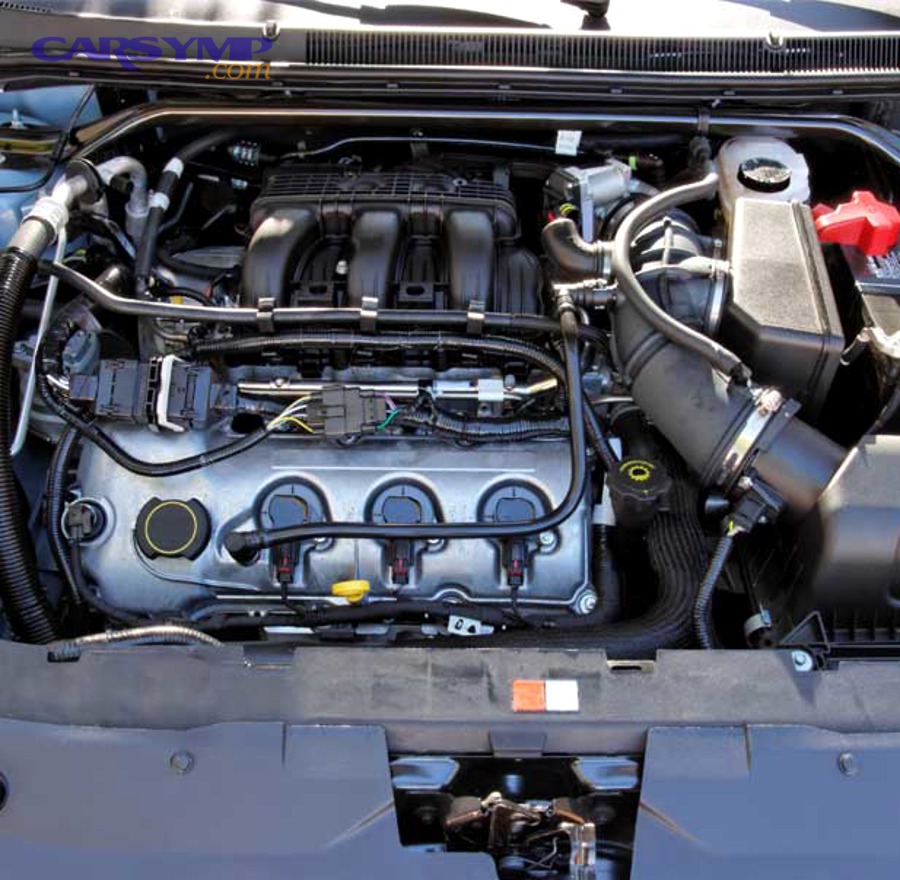
What counts as “urgent” in real life?
Urgent means the odor is sharp, hot, acrid, or plastic-like; it appears even with the AC off; it worsens when you turn on the blower; or you notice smoke/haze. In those cases, stop using the HVAC system and have the vehicle inspected—especially if the smell builds quickly within seconds.
Next, remember that “urgent” isn’t only about danger—it’s also about preventing damage. An overheating blower resistor, a failing blower motor, or a wiring short can escalate from an odor to a blown fuse, melted connector, or worse if it’s kept running.
When can you wait a day or two?
If the smell is faint, appears mostly at startup, fades after a few minutes, and the AC still cools normally, you can usually wait 24–72 hours. Use that window to do a targeted check for simple issues (like a saturated cabin filter or trapped debris) and to observe the pattern—because pattern is what a shop will use to pinpoint the cause.
After that, if the smell returns repeatedly, becomes stronger, or starts showing up with heat and defrost too, that’s your cue to book service even if it isn’t “urgent.”
Which AC odors are urgent red flags versus “normal” maintenance smells?
There are five common AC odor groups: musty/mildew, dusty/dirty, chemical/solvent, burning/electrical, and sweet/oily. The last two groups are the biggest red flags, while musty and dusty smells usually signal cleaning and moisture control needs.
To make this actionable, classify the smell first, then match it with companion symptoms (cooling performance, fogging, leaks, noises). That pairing is the fastest path to the right decision.

Musty or mildew smell
This is the classic “wet basement” odor. It usually points to moisture lingering on the evaporator core or inside the HVAC box, allowing biofilm to develop. It’s typically not an immediate danger, but it is a strong signal that drainage, filter condition, or evaporator cleanliness needs attention.
Next, note when it happens: if it’s strongest in humid weather or after short trips, moisture management is likely the root theme.
Dusty, dirty, or stale air smell
Dusty smells often come from a clogged cabin air filter, dirty vents, or debris in the intake plenum near the windshield cowl. It’s a maintenance smell—usually fixable with a filter swap and cleaning—unless it persists after those steps.
Afterward, if airflow is weak or noisy, the problem may be deeper than “dust” and worth professional inspection.
Chemical or solvent-like smell
A chemical smell can happen briefly when you first switch on the AC after a long time, but it shouldn’t persist. If it’s ongoing, it can suggest off-gassing from interior products, a contaminated evaporator, or—less commonly—refrigerant oil vapors or fumes entering through the fresh-air intake.
To stay safe, treat persistent chemical smells like a “book a shop soon” symptom, especially if you feel headaches or throat irritation.
Burning, hot plastic, or electrical smell
This is a stop-and-check smell. It can be a blower motor struggling, a resistor overheating, or a wiring connector heating up under load. Because it can become a reliability and safety issue quickly, it’s a strong reason to visit a shop promptly.
Next, avoid running the fan at high speed until it’s inspected, because higher load can intensify overheating.
Sweet, syrupy, or oily smell
A sweet odor can indicate coolant (especially if you also see fogging windows or a film on the glass), which could point toward a heater core leak. An oily smell can suggest fluids entering the HVAC intake or an engine-bay leak that becomes noticeable when the fan draws air in.
After that, if the sweet smell is paired with unexplained coolant loss, treat it as a priority inspection.
How long can you wait before a shop visit if the AC smell is mild?
You can usually wait one to two weeks for a mild, occasional smell—only if cooling is normal, there’s no burning/chemical odor, and there are no leaks or fogging. But you should not “wait and hope” indefinitely, because recurring moisture-based odors often intensify over time.
To keep it practical, use the waiting period to track a simple pattern log: when it happens, which mode (recirculation vs fresh air), and whether it fades. That information dramatically speeds up diagnosis.
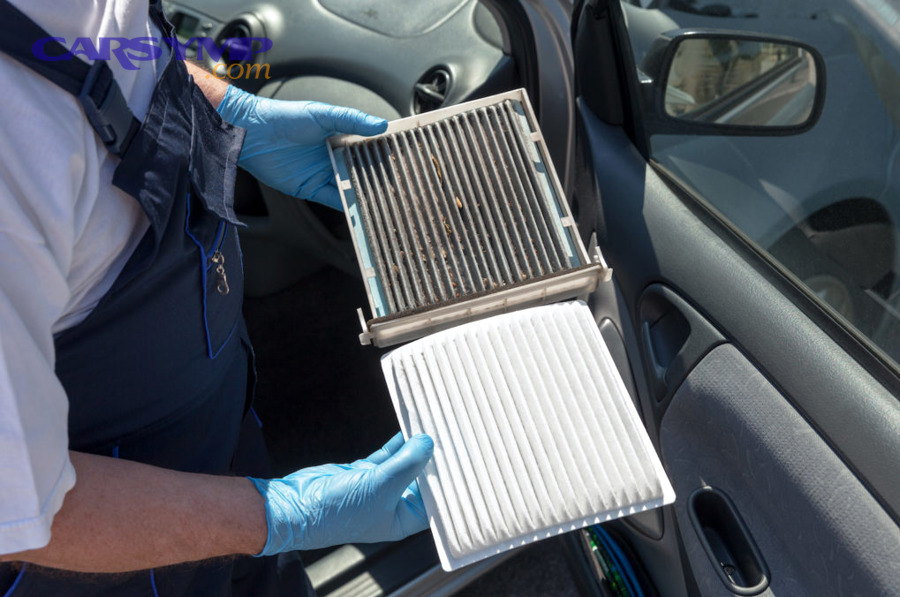
A quick timing guide you can follow
Wait 24–72 hours if the smell is new and faint: observe and try a basic cabin filter check. Book within 7–14 days if it repeats weekly or gets stronger. Book immediately if it turns burning/chemical, if airflow drops sharply, or if you see moisture problems like persistent fogging.
Next, remember that the “right time” is less about the calendar and more about whether the odor is stable, worsening, or adding new symptoms.
Why mild odors tend to return
The evaporator core routinely gets wet during AC operation, and the HVAC box can trap humidity. If the system doesn’t dry out (common in short trips), the smell often returns after a temporary improvement. That’s why recurring mild odors are a sign to treat the cause—drainage, cleanliness, or filter quality—rather than masking it.
After that, if the smell returns within a few days of cleaning sprays, it’s a strong hint that professional cleaning or drainage correction is needed.
What symptoms combined with odor suggest a mechanical or refrigerant problem?
When AC odor comes with poor cooling, weak airflow, oily residue, hissing sounds, or repeated cycling, you should suspect a mechanical or refrigerant-side issue rather than “just dirty vents.” In those cases, a shop visit is the safest and most cost-effective next step.
To connect the dots, odors alone can be ambiguous—but odor plus performance symptoms is highly diagnostic.
Weak cooling or cooling that fades while driving
If the air starts cold and then warms up, or it never gets truly cold, the system may be low on refrigerant, have a restriction, or have an airflow/temperature blend issue. Shops use gauges, temperature probes, and leak detection methods to confirm this—because guessing can lead to unnecessary parts replacement.
Next, avoid repeated “top-offs” without leak testing, since leaks usually worsen and can introduce more contaminants over time.
Oily film on vents or windshield
An oily film is a meaningful clue. It can be from interior products, but it can also suggest that oily vapors (from engine bay sources or refrigerant oil) are being carried into the cabin airflow. If you notice a consistent film, especially near vents, that’s a strong “shop soon” indicator.
After that, if the film is paired with reduced cooling, the diagnostic priority rises further.
Hissing, bubbling, or frequent compressor cycling
Some cycling is normal, but frequent rapid cycling with odor may signal low refrigerant or pressure issues. A shop can verify pressures safely and check for leaks with UV dye or electronic methods.
Next, if you hear noise changes right when the AC clutch engages, that’s another reason to get it evaluated instead of relying on sprays or fragrances.
Fogging windows or sweet smell on heat/defrost
Fogging that’s oily or persistent can suggest coolant vapor from a heater core leak, especially if paired with a sweet smell and unexplained coolant loss. While this is not always catastrophic, it is a “don’t delay” issue because visibility and cabin air quality can be impacted.
After that, if you also notice damp carpet near the center console, schedule service promptly.
What can you safely try at home before booking a shop?
You can try four safe steps—cabin filter inspection/replacement, intake debris check, vent cleaning, and a dry-out routine—because these address the most common maintenance causes of mild AC odor without risking damage to refrigerant components.
To keep the flow logical, start with filtration and airflow basics, then move to moisture control, and only then decide whether professional cleaning is needed.
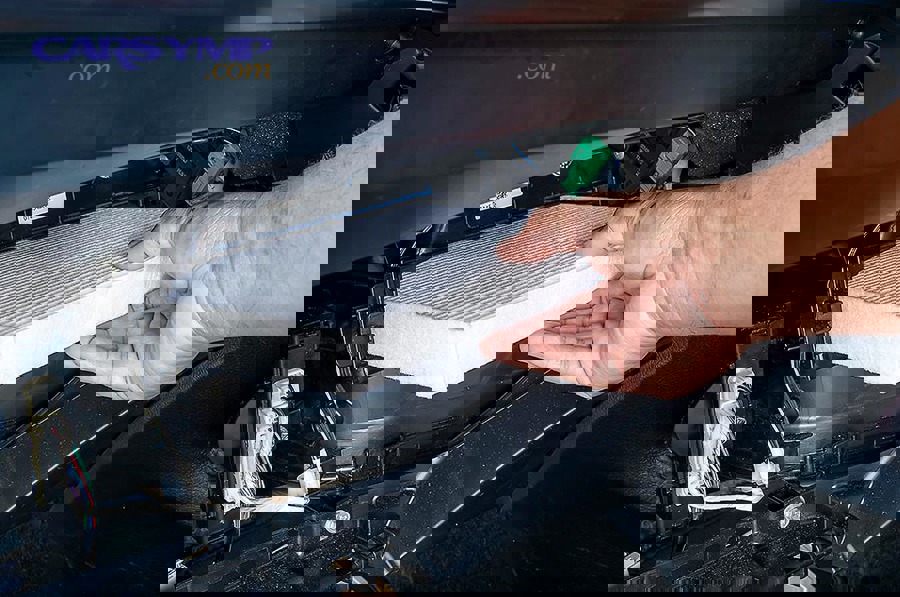
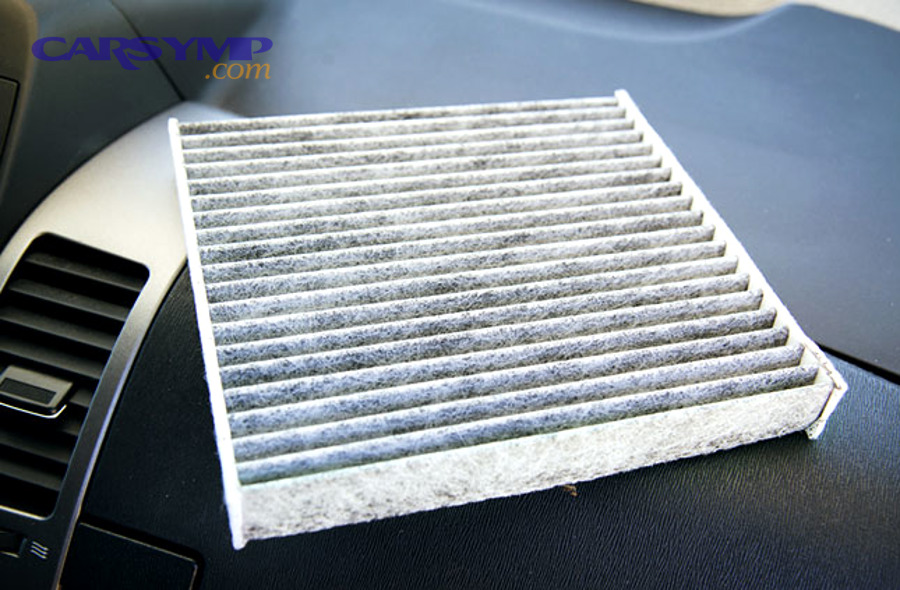
Step 1: Check and replace the cabin air filter
A dirty cabin filter can hold moisture and odor, and it can also reduce airflow—making the system feel “stale.” Replace it if it’s dark, damp, or smells like the odor you notice in the cabin. Use the correct airflow direction arrow and ensure the filter is seated properly.
Next, consider upgrading to an activated carbon filter if odors are a recurring theme in your environment (urban traffic, construction dust, pollen seasons).
Step 2: Inspect the fresh-air intake area for leaves and debris
Leaves near the windshield cowl can rot and send a musty smell into the HVAC intake. Clearing that area is low risk and often surprisingly effective. If you park under trees, this is one of the highest-value checks you can do.
After that, if water seems to pool near the cowl or drain channels, a shop may need to verify drain paths and seals.
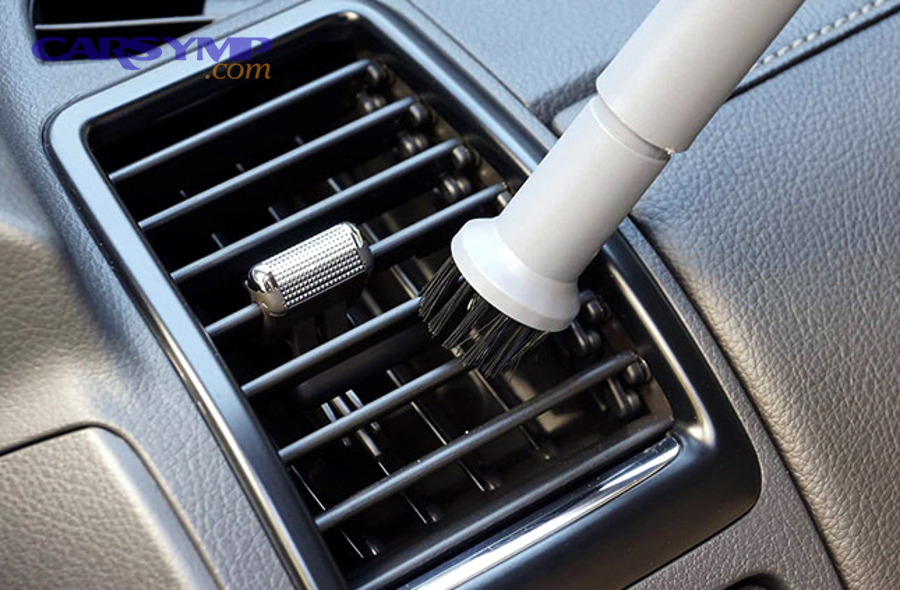
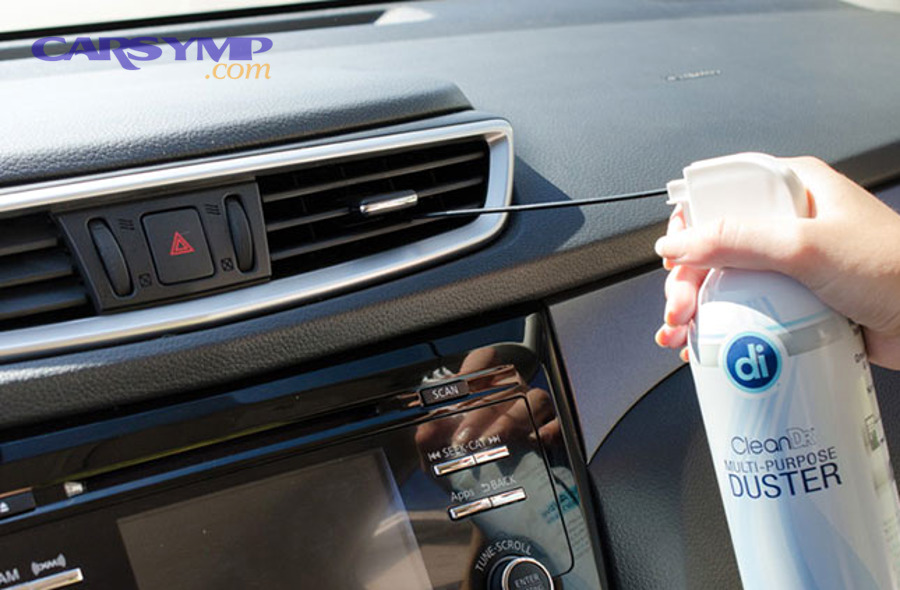
Step 3: Clean vents gently and avoid soaking the system
Light vent cleaning removes surface dust and reduces stale smells. Use a soft brush and wipe rather than flooding vents with liquids that can drip into electronics. If you use an interior-safe cleaner, apply it to a cloth first rather than spraying deep into the vent.
Next, if your odor returns quickly after vent cleaning, the smell source is likely deeper in the HVAC box or on the evaporator core.
Step 4: Run a “dry-out routine” to reduce moisture odor
On humid days or after short trips, run the fan for 2–5 minutes with AC off (or slightly warmer temperature) before shutting the car down. This helps dry the evaporator surface and reduces the damp environment that supports odor buildup.
After that, if your smell is mainly at startup and improves with this habit, you’ve confirmed moisture as a key driver—yet recurring issues may still warrant a professional evaporator clean.
What will a professional shop check and fix for AC odor?
A reputable shop will use a structured HVAC diagnosis: confirm odor source, inspect filtration and drains, evaluate evaporator condition, and test the refrigerant system when performance symptoms exist. This approach prevents guesswork and targets the actual root cause.
To understand what you’re paying for, it helps to know the typical workflow and the tools involved—especially when odors are paired with weak cooling.
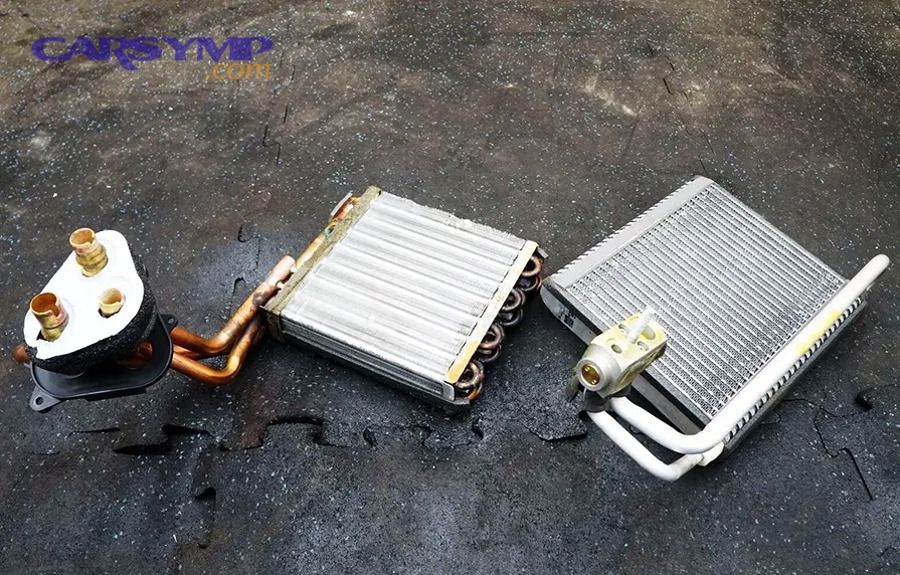
Evaporator cleaning and HVAC box sanitizing
For persistent musty odors, shops often recommend an evaporator-focused cleaning (not just vent deodorizing). This may involve accessing the evaporator case, applying specialized foam cleaner, and ensuring the condensate drain is flowing freely. Done correctly, it removes biofilm rather than masking it.
Next, they may verify that the drain tube is not kinked or clogged, because a blocked drain recreates the same wet conditions quickly.
Drainage and water intrusion checks
A shop can confirm whether condensate water exits properly under the car while the AC runs. If drains are clogged, water can remain in the HVAC box and create chronic odor. Shops can also check for cabin water intrusion that keeps carpets damp and amplifies smells.
After that, they may recommend correcting cowl seals or cleaning drain channels if debris buildup is the source.
Refrigerant leak testing when odor and cooling issues coexist
When odor is paired with poor cooling, shops may perform pressure checks and leak testing. UV dye and UV inspection are common methods, and electronic sniffers may be used depending on the situation. This is where professional service becomes much more valuable than DIY sprays.
Next, if a leak is confirmed, the correct fix is repair plus evacuation and recharge to specification—not just adding refrigerant.
Electrical and blower system inspection for burning smells
Burning or hot plastic odors can lead a technician to inspect the blower motor, blower resistor/module, cabin fuses, and connectors for heat damage. Catching a failing component early often prevents a bigger repair later.
After that, they may also check for debris contacting the blower fan, which can overwork the motor and cause overheating odors.
This table helps you connect odor type and companion symptoms to the most likely shop test, so you can understand recommendations and avoid upsells.
| Odor pattern | Common companion symptoms | Best next step | Typical shop focus |
|---|---|---|---|
| Musty at startup, fades | Humid days, short trips | DIY filter + dry-out; book if recurring | Evaporator cleaning, drain check |
| Dusty/stale airflow | Weak airflow, visible dust | Replace cabin filter | Airflow inspection, blower check |
| Chemical/solvent persistent | Irritation, headaches | Book soon | Intake source check, HVAC contamination |
| Burning/hot plastic | Fan speed triggers smell | Stop use; book immediately | Blower motor/resistor/wiring inspection |
| Oily/sweet | Fogging, film on glass, coolant loss | Book promptly | Heater core/coolant intrusion diagnosis |
How should you describe the AC odor to a shop for faster diagnosis?
You should describe the odor using three anchors: what it smells like, when it happens, and what changes it (recirculation, fan speed, temperature). This simple structure helps technicians narrow causes quickly and reduces “trial-and-error” visits.
To make your description powerful, you’re not trying to be poetic—you’re trying to be repeatable and specific.
Use timing language instead of vague statements
Say: “It smells musty for the first 30 seconds after startup,” or “It smells burning only at fan speed 4,” rather than “It smells bad sometimes.” Timing is often the key to distinguishing evaporator moisture from electrical overheating.
Next, note whether the smell happens with heat and defrost too—because that expands the suspect list beyond just the AC side.
Explain mode effects: recirculation vs fresh air
If the smell is stronger on fresh air, the intake area may be involved. If it’s stronger on recirculation, the HVAC box or cabin-side contamination may be the source. This detail helps the shop start in the right place.
After that, mention any recent changes: cabin filter replacement, interior detailing chemicals, water leaks, or windshield/cowl work.
Bring evidence if you have it
If you saw damp carpet, a leak, or a film on the glass, mention it. If you can safely take a photo of a clogged filter or debris at the intake, that’s helpful too. Evidence reduces diagnostic time and makes recommendations easier to trust.
Next, you’ll be able to compare the shop’s findings against what you observed, which is one of the best protections against unnecessary repairs.
How can you prevent AC odor from coming back after repair or cleaning?
You can prevent recurring AC odor by combining drying habits, filter discipline, and moisture control. The goal is simple: reduce how long the evaporator stays wet and reduce what feeds odor buildup (dust, organic debris, and stagnant water).
To keep it consistent, think in routines rather than one-time fixes—because HVAC odors often return when the same conditions return.
Adopt a shutdown dry-out habit
Especially in humid climates, run the fan briefly with AC off before parking. This reduces moisture left on the evaporator fins. It’s a small routine that often makes a big difference over weeks.
Next, if you consistently drive short trips, this habit is even more important because the system cycles frequently and rarely gets extended drying time.
Change the cabin air filter on a schedule that matches your environment
If you drive in dusty areas, heavy traffic, or park under trees, change your cabin air filter more often. A clogged filter doesn’t just reduce airflow—it can trap moisture and odors, then release them right into the cabin each time you turn the fan on.
After that, consider a charcoal/activated carbon filter if external odors are common where you drive.
Keep the intake area clean
Leaves and debris near the windshield cowl are a major contributor to musty HVAC smells. Cleaning that area periodically is low-cost prevention. If you notice water pooling there, have drains checked to prevent chronic moisture issues.
Next, if the smell returns after rainstorms, that’s another clue pointing to intake-area moisture and drainage.
Choose repair quality over quick masking
Fragrances and deodorizing sprays may offer short relief, but they often don’t remove the biofilm or fix the water retention that caused the smell. If your problem is recurring, invest in a root-cause approach: evaporator cleaning, drain clearing, and proper leak diagnosis if cooling is weak.
After that, your maintenance steps will actually “stick,” rather than resetting the odor cycle.
Here is a short video that demonstrates common steps people use to address mild musty AC odor and improve HVAC freshness. Use it for understanding, but avoid spraying liquids deep into vents if you’re unsure of your vehicle’s design.
Contextual Border: Up to this point, you’ve used odor type, timing, and symptoms to decide when a shop visit is necessary. Next, we’ll zoom in on “rare but telling” smell signatures and the vocabulary traps that cause misdiagnosis, so you can communicate clearly and act faster.
How do specific smell signatures change your decision, and what does the “opposite” smell suggest?
Specific smell signatures matter because they narrow the suspect list quickly, and the “opposite” smell (like odorless air after a cleaning) can confirm the root cause was contamination rather than a deeper mechanical fault. The key is to use smell as a diagnostic clue, not as the entire diagnosis.
To make this micro-level interpretation useful, pair each smell with a “what else would you notice?” checklist so you know when the shop visit is non-negotiable.
Musty versus fresh: why the contrast matters
If the smell is musty only when the AC starts and the air becomes neutral after a minute, that pattern usually supports a moisture-on-evaporator hypothesis. People often search for Musty AC smell causes because it feels mysterious, but the pattern is typically consistent: damp surfaces + trapped dust + time. The opposite state—air that stays neutral after filter replacement and better drying habits—suggests you removed the fuel and reduced moisture retention.
Next, if your smell is musty on both AC and heat modes, that can broaden the suspect list toward general HVAC box contamination or even cabin moisture, which is where a shop inspection is often the fastest path.
Vinegar or “socks” smell and why it tends to persist
When drivers ask Why AC smells like vinegar or socks, they are usually describing a sharp sour note that repeats. This tends to align with microbial activity on damp HVAC surfaces, especially if airflow is restricted. The opposite smell—brief neutral air after a deep evaporator clean—can be a strong confirmation that the root problem was surface contamination rather than a refrigerant-side fault.
After that, if the sour smell returns within days, it often signals a drainage issue or a still-wet environment; that’s when a shop visit becomes the smart choice rather than repeating deodorizing sprays.
Burning or electrical smell versus “hot air” smell
A true electrical burning odor is different from warm air that simply feels unpleasant. If your nose detects hot plastic or an acrid electrical scent, you should prioritize safety and schedule service quickly. The opposite scenario—no odor at all but still poor cooling—points away from electrical overheating and more toward mechanical or refrigerant performance issues.
Next, if a shop finds overheating connectors or a struggling blower, addressing it early can prevent a chain reaction of failures in related components.
Sweet smell versus odorless airflow after checks
A sweet smell with fogging or film should trigger a prompt inspection because it may involve coolant vapor or a heater core concern. If, after cleaning and filter replacement, the air becomes odorless and stays that way, it suggests the issue was on the air path and filtration side. In contrast, if odorless airflow still comes with poor cooling, a shop should check pressures, compressor behavior, and potential leaks as the next step.
After that, if your goal is a lasting AC bad smell fix, the most reliable path is combining root-cause repair (drainage, evaporator cleaning, leak repair if needed) with the prevention routines you already learned.
FAQ: When to visit a shop for AC odor
This FAQ answers the most common “last-mile” questions people have after they identify an odor pattern, so you can decide confidently without overreacting—or delaying too long.
To keep it clear, each answer includes a decision cue you can use immediately.
If the smell only happens on the first blast of air, do I still need a shop?
Not always. If it’s mild and fades quickly, start with a cabin filter replacement and a dry-out routine. However, if it repeats for weeks or becomes stronger, book a shop for evaporator cleaning and drain inspection because recurring startup odor often indicates moisture retention.
Can a cabin air filter alone solve AC odor?
Sometimes, yes—especially for dusty or stale smells and for mild musty odor. But if the odor returns quickly after a filter change, the source is likely deeper (evaporator surface, drain issues, or HVAC box contamination), which is when professional service becomes more cost-effective than repeated DIY attempts.
Is it safe to keep driving with a burning smell from the vents?
It’s safer to avoid running the HVAC system and to schedule inspection promptly. Burning smells can indicate overheating electrical components, and continuing to run the blower at high speed can worsen the heat load. If you see smoke or feel symptoms, stop and get help immediately.
What if the smell is worse in fresh-air mode than recirculation?
That often points to an outside-air intake issue—like leaf debris, stagnant water near the cowl, or external odors being drawn in. Clean the intake area if you can, and if the smell persists, a shop can inspect drains and seals to prevent repeat contamination.
When should I suspect a refrigerant leak based on odor?
Odor alone isn’t enough to confirm a leak, but odor plus weak cooling, unusual cycling, or oily residue makes a leak more plausible. In that case, a shop should perform proper leak testing and recharge procedures rather than guessing or repeatedly topping off.