


AC compressor replacement labor time is usually best estimated as a range, not a single number, because access, required A/C service steps, and vehicle packaging can swing the job from “straightforward” to “time-heavy.”
Beyond the removal/install itself, many vehicles require recover–evacuate–recharge procedures, leak checks, and performance verification—steps that can add meaningful time even when the compressor bolts are easy to reach.
Just as important, “labor time” can mean flat-rate guide time or clock time in the bay; those aren’t always the same, and knowing the difference helps you judge quotes and set realistic expectations.
Tiếp theo, we’ll break down typical hour ranges, the exact operations that drive those hours, and how to estimate a fair total—without guessing.
Quick take: Expect a base compressor swap time plus A/C service time; complexity comes from access, seized fasteners, contamination, and extra component replacements (dryer/orifice/condenser). Use a step-based estimate to avoid undercounting.
What is the typical AC compressor replacement labor time range?
Most vehicles land in a moderate range, but total labor time can vary widely—from a few hours on easy-access layouts to longer on tight engine bays or when additional A/C system work is required.
To begin, treat “labor time” as two buckets: mechanical R&R (remove/replace) and A/C service operations (recovery, vacuum, recharge, testing).
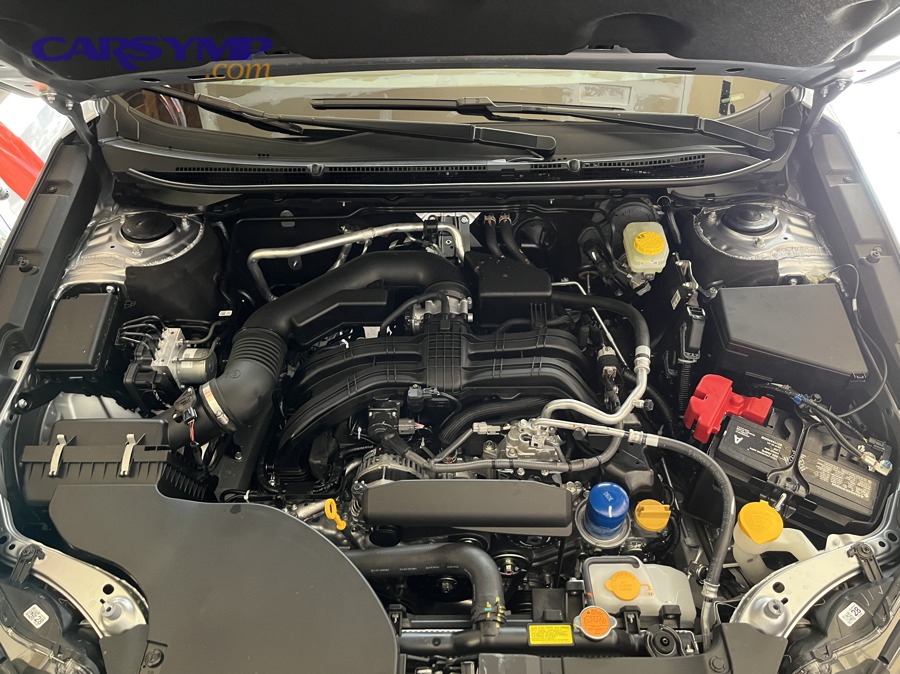
For a concrete reference point, one example drawn from a flat-rate guide discussion cites 1.1 hours to replace the compressor plus 1.4 hours to evacuate and/or recharge (total 2.5 hours) on a specific vehicle context.
However, other real-world scenarios—especially vehicles with restricted access—can push labor higher; Q&A examples in the field commonly reference totals in the mid-single-digit hours for some models and layouts.
According to a published estimating position on refrigerant service, an evacuate/recharge/recovery allowance can be listed around 1.8 hours (labor allowance context), and that’s before adding any mechanical removal/install time.
The key implication is simple: if a quote only mentions “swap the compressor,” ask whether the A/C service portion is included, because that part alone can be roughly an hour-plus in many estimating frameworks. Tuy nhiên, the exact number should follow your vehicle’s packaging and required procedures.
Theo nghiên cứu của National Renewable Energy Laboratory từ Vehicle Technologies Office, vào 02/2017, U.S. light-duty vehicles use about 7.6 billion gallons of fuel per year for vehicle A/C, showing why correct A/C performance (and correct charging/testing steps) matters after compressor work.
Which factors make the labor time shorter or longer?
Labor time changes mostly because of access, fastener condition, and how much of the A/C system must be serviced beyond the compressor.
Next, use a checklist mindset: every “extra operation” (move a component, remove a shield, drop a mount) is an hour-creeper.

Vehicle packaging and access path
Easy jobs have a clear top or side access path; harder jobs require removing undertrays, splash shields, airboxes, fans, or loosening mounts to create working space.
For some vehicles, the compressor sits low and tight near subframes or axle paths—so you spend time creating access, not turning compressor bolts. Đặc biệt, AWD layouts and turbo plumbing can add disassembly steps that don’t show up in “basic” expectations.
Seized hardware, damaged fittings, and line disconnection risk
Rust, road salt, or prior repair damage can turn a standard line disconnect into careful work to avoid rounding fittings or cracking aluminum lines.
When fittings fight, technicians may need heat, specialty sockets, or replace O-rings and hardware—each adding measured time and risk management. Hơn nữa, if a line is damaged, the labor expands beyond compressor time into line repair or replacement.
Contamination and system condition
If the old compressor failed catastrophically, metal debris can spread through the system, leading to flushing, replacing the receiver/drier or accumulator, and sometimes replacing the condenser depending on design.
This is exactly where the phrase AC compressor failure symptoms becomes relevant in the repair decision: the symptom pattern can hint at internal damage, which often correlates with more required operations and thus more labor time.
Theo nghiên cứu của U.S. Environmental Protection Agency từ MVAC Program, vào 10/2015 (publication context), technician certification and proper recovery practices are part of compliant servicing—meaning labor must account for correct procedures rather than shortcuts.
Does labor time include refrigerant recovery, vacuum, and recharge?
Sometimes yes, sometimes no—so you must confirm, because A/C service operations are often billed as a distinct labor line item or a separate operation within estimating systems.
After that, think of the A/C side as “regulated and procedural”: you can’t responsibly skip it, and it takes real time.
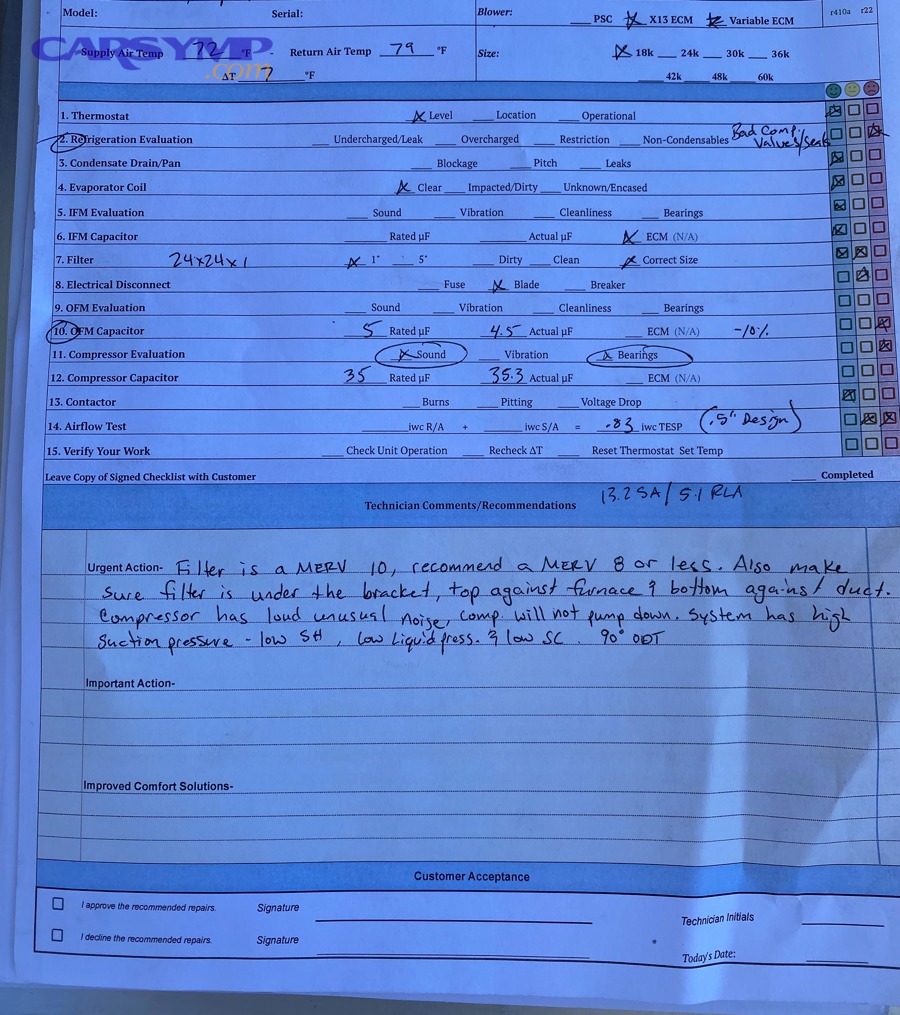
One example from a flat-rate discussion explicitly separates compressor replacement time and evacuate/recharge time, summing them to a total.
Another published estimating note lists an evacuate/recharge/recovery allowance as a defined labor operation, while also clarifying that additional tasks (like leak detection or replacing O-rings) are not included.
From a compliance standpoint, EPA documentation highlights that MVAC service involves approved refrigerant recovery equipment and prohibits venting, reinforcing that recovery/handling is not optional labor.
Theo nghiên cứu của U.S. Environmental Protection Agency từ Section 609 program materials, vào 08/2015 (document context), MVAC shops must use approved recovery equipment and follow venting prohibitions—practices that inherently add structured labor steps.
Flat-rate guide time vs clock time: which one should you trust?
Flat-rate time is a standardized benchmark for billing consistency, while clock time reflects real conditions—so the most accurate expectation comes from combining guide structure with your vehicle’s actual constraints.
To begin, treat flat-rate as a baseline, then adjust for variables you can verify (access, corrosion, added parts).
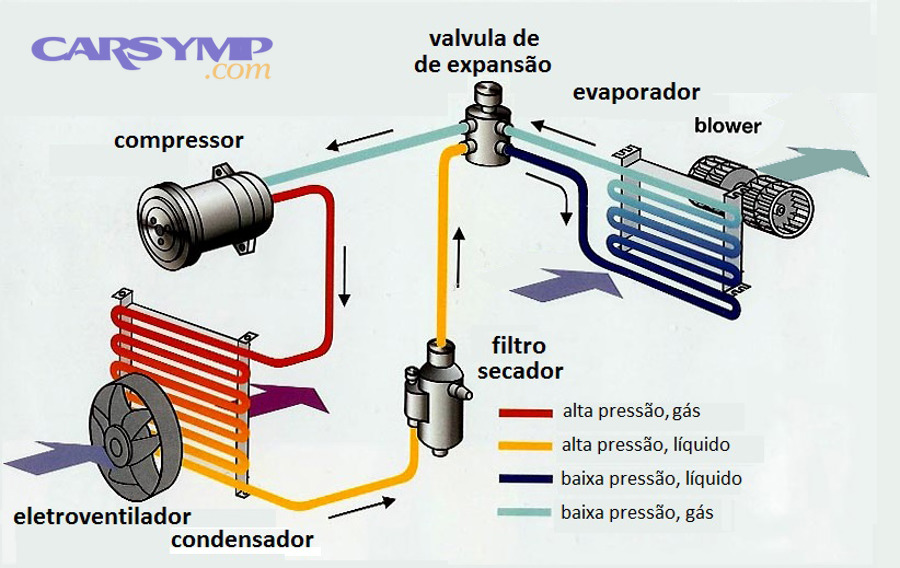
Why flat-rate can be lower than real time
Flat-rate assumes typical tools, typical conditions, and technicians who already know the fastest disassembly path.
If the vehicle has heavy corrosion, prior damage, missing shields, or aftermarket modifications, the real time can exceed the benchmark even when the job is done correctly.
Why flat-rate can be higher than real time
On clean, familiar platforms with excellent access, an experienced technician can beat the book time—especially if the shop workflow is optimized.
In those cases, the customer still benefits because the quote is predictable and the shop absorbs the efficiency gains.
When you see a quote, ask whether it’s based on a guide plus a defined A/C service allowance, because some references explicitly separate compressor R&R from evacuate/recharge time.
What steps actually happen during the job, and which steps drive the hours?
The labor time is driven by a sequence: safe refrigerant handling, mechanical removal/install, oil management and sealing, deep vacuum, precise recharge, and functional testing.
Next, we’ll map each step to where time realistically accumulates so you can audit a quote line-by-line.
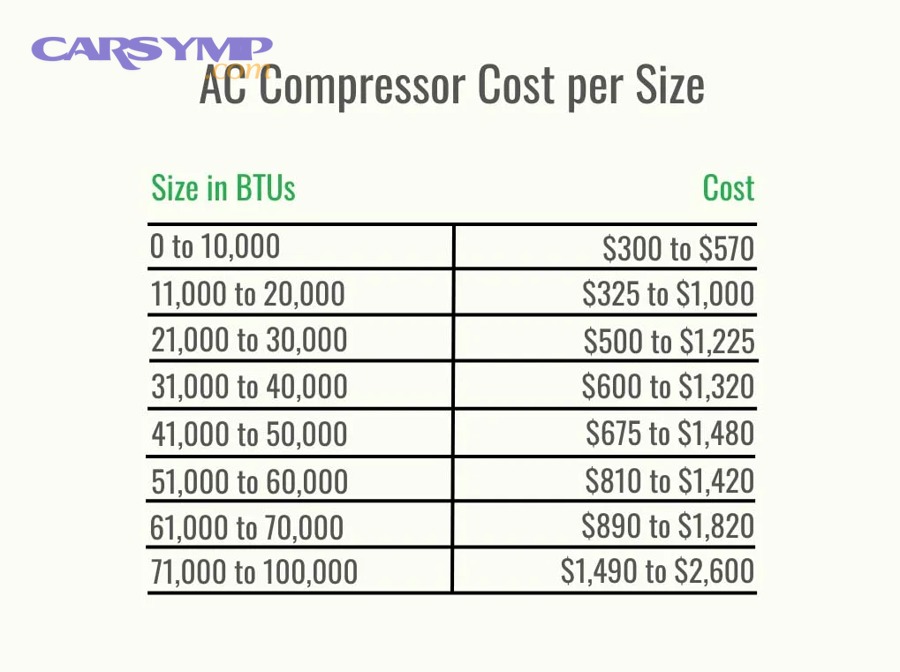
Before the table, this table contains the major operations that commonly appear in an A/C compressor job and what each operation helps you understand when reviewing labor time.
| Operation | What it includes | Why it affects labor time |
|---|---|---|
| Refrigerant recovery | Hook-up, recover, stabilize pressures | Required process; cannot be rushed safely/compliantly |
| Compressor removal/install | Belt release, mounting bolts, line disconnect/reconnect | Access and seized hardware can swing time dramatically |
| Seals and oil management | O-rings, correct oil type/amount, torque specs | Leak prevention and compressor longevity depend on it |
| Vacuum and leak check | Pull vacuum, hold test, verify no major leaks | Adds structured time; protects against repeat failures |
| Recharge and performance test | Charge by weight, vent temp/pressure checks | Accuracy matters; under/overcharge can mimic faults |
Some estimating references treat evacuate/recharge as its own defined labor allowance, and others list it as an add-on to compressor replacement time; either way, it’s a real slice of the labor total.
How do you estimate the total labor cost from labor time?
You estimate total labor cost by multiplying expected billed hours by the shop’s posted labor rate, then adding regulated materials/fees and any additional operations required by system condition.
After that, compare the result to a market benchmark to see if the quote is within a reasonable band.
A widely referenced consumer estimator shows labor costs for an A/C compressor job in the low-to-mid hundreds of dollars (labor-only estimate range), illustrating how billed hours and labor rates translate into a labor subtotal.
Here’s a practical estimating method:
- Start with billed hours: compressor mechanical time + A/C service time.
- Multiply by labor rate: e.g., 3.0 hours × $150/hr = $450 labor.
- Add materials/fees: refrigerant, oil, dyes, shop supplies, disposal/compliance fees.
- Add condition-based operations: drier/accumulator replacement, flushing, leak diagnosis, or condenser replacement if required.
In the context of estimating transparency, this is where mentioning AC compressor replacement cost breakdown helps: ask the shop to split the quote into compressor R&R labor, evacuate/recharge labor, parts, and materials so you can verify nothing critical is missing.
Theo nghiên cứu của U.S. Environmental Protection Agency từ MVAC refrigerant impacts guidance, vào 08/2015 (program context), MVAC refrigerants differ greatly in global warming potential (e.g., HFC-134a vs HFO-1234yf), reinforcing why correct recovery and charging practices are part of the labor—not an optional shortcut.
When should you add extra labor operations beyond the compressor itself?
You should add extra operations when the system shows contamination, recurring leaks, or component designs that make “best practice” replacement necessary to prevent repeat failures.
Next, we’ll translate common add-ons into labor-time logic so you can anticipate why a quote may legitimately be higher than the baseline.
Receiver/drier or accumulator replacement
Many procedures recommend replacing the drier/accumulator when the system is opened, because moisture control and debris capture matter for longevity.
This adds parts and labor, but it can reduce comeback risk—especially after a failure that may have circulated contaminants.
Flushing and condenser considerations
Flushing can be time-consuming and sometimes limited by condenser design; some condensers are difficult to flush effectively, which can lead to replacement decisions in certain failure modes.
That’s why an “easy” compressor swap can become a system restoration job depending on how the old unit failed and what debris is present.
Leak diagnosis and verification
If the system was low, you may need leak tracing steps (dye, electronic detection, pressure testing). Some estimating notes explicitly state that leak detection and O-ring replacements may not be included in a base evacuate/recharge allowance.
From a regulatory angle, the need for proper recovery equipment and certified servicing under Section 609 (for paid service) underscores why professional workflows include these extra verification steps.
Supplementary: Less-common scenarios that change labor time dramatically
These scenarios are less frequent, but when they apply, they can shift labor time from “normal” to “special-case” quickly.
Đặc biệt, spotting these early helps you avoid surprise add-ons after teardown begins.
Hybrid and EV electric compressors
Some hybrids/EVs use high-voltage electric compressors and require additional safety steps and specific oil/refrigerant handling, which can add procedural time and narrower technician/tooling requirements.
Severe corrosion, rounded fittings, or broken bolts
When line fittings seize or bolts snap, labor expands into extraction, thread repair, or line replacement—work that’s inherently unpredictable until the vehicle is on the lift.
Refrigerant type constraints and compliance workflow
Different MVAC refrigerants have different regulatory and handling considerations; EPA guidance lists acceptable refrigerants and their impacts, including global warming potential differences that reinforce careful recovery and correct recharge procedures.
Shops that separate “mechanical” and “A/C machine time” billing
Some shops bill compressor R&R labor and A/C machine operations separately, aligning with references that explicitly list evacuate/recharge as a defined allowance.
FAQ
Is it normal for an estimate to list compressor labor and evacuate/recharge labor separately?
Yes—some references explicitly separate compressor replacement time from evacuate/recharge time, and some estimating guidance treats evacuate/recharge as its own defined labor allowance.
Can a shop legally skip refrigerant recovery to save time?
No—EPA materials describe required recovery equipment use and venting prohibitions for MVAC servicing, so “skipping recovery” is not a legitimate time-saver in compliant professional work.
Why do two shops quote very different labor hours for the same compressor job?
Because “labor time” may be based on different assumptions: access difficulty, whether system add-ons (dryer, flush, leak diagnosis) are included, and whether the quote reflects flat-rate benchmarks or real-world condition risks.
What should I ask to confirm the labor time is complete?
Ask for a line-by-line breakdown: compressor R&R hours, evacuate/vacuum/recharge hours, leak test/verification steps, and any condition-based add-ons (dryer/accumulator, flush, seals). That aligns your expectations with how many estimating frameworks separate these operations.