


If your compressor failed, you should flush the AC lines after compressor failure because debris and degraded oil can circulate and destroy the replacement compressor in minutes. An AC system flush is the controlled process of pushing an approved solvent or refrigerant through specific components to remove contamination, then drying and verifying the circuit before reassembly.
Beyond “cleaning,” most people also want to know what can be flushed versus what must be replaced, because modern condensers and small metering passages can trap particles. The right answer depends on how the compressor failed and what you find in the oil, ports, and lines.
Another common intent is execution: what order to disconnect, which direction to flush, how to dry the system, and what checks prove you’re safe to install the new parts. That’s where many DIY and even shop jobs go wrong—by skipping measurement and relying on hope.
Giới thiệu ý mới: below is a practical, contamination-first guide that walks from diagnosis to flushing, reassembly, and verification—so the new compressor starts life in a clean circuit.
Why does a compressor failure contaminate the AC circuit?
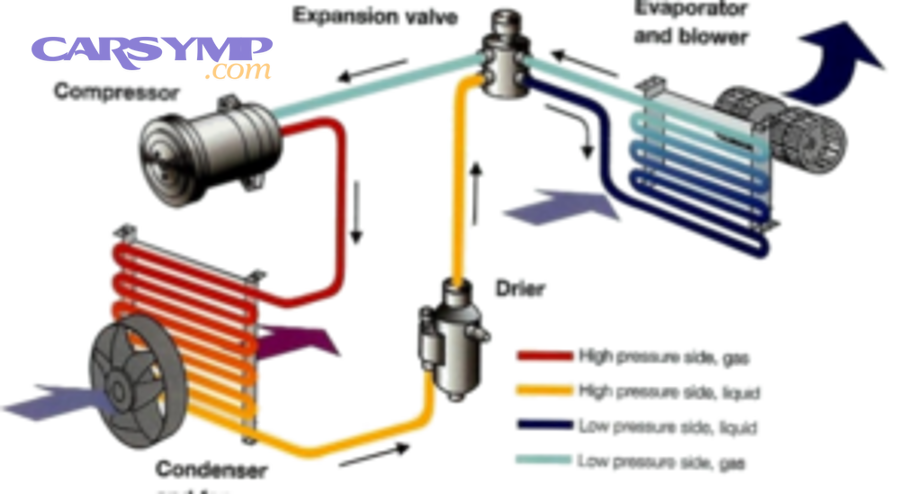
A compressor failure contaminates the circuit because wear metal, carbonized oil, and seal debris can be ejected into the discharge side and then migrate throughout the system. Tiếp theo, understanding the contamination path helps you pick the right flush targets and replacement parts.
What “type of failure” changes the flushing plan?
It changes the plan because each failure mode leaves a different contamination signature, and the signature tells you how aggressive you must be. Cụ thể, a seized compressor often produces metallic glitter; a “black death” style event produces dark sludge; and chemical incompatibility can create waxy or gel-like residues that clog small passages.
- Mechanical wear/seizure: shiny particles, gritty residue, noisy rotation, discolored ports.
- Overheat and oil breakdown: burnt odor, dark oil, sticky film on lines.
- Additive/sealer contamination: clumps, gel, swollen O-rings, unpredictable blockages.
Where does debris get trapped first?
Debris gets trapped first in the smallest passages and “dead zones,” especially in the condenser, the metering device (orifice tube/TXV), and any screens or mufflers built into lines. Hơn nữa, when the system equalizes after shutoff, debris can reverse migrate and contaminate the low side components.
How do you confirm contamination without guessing?
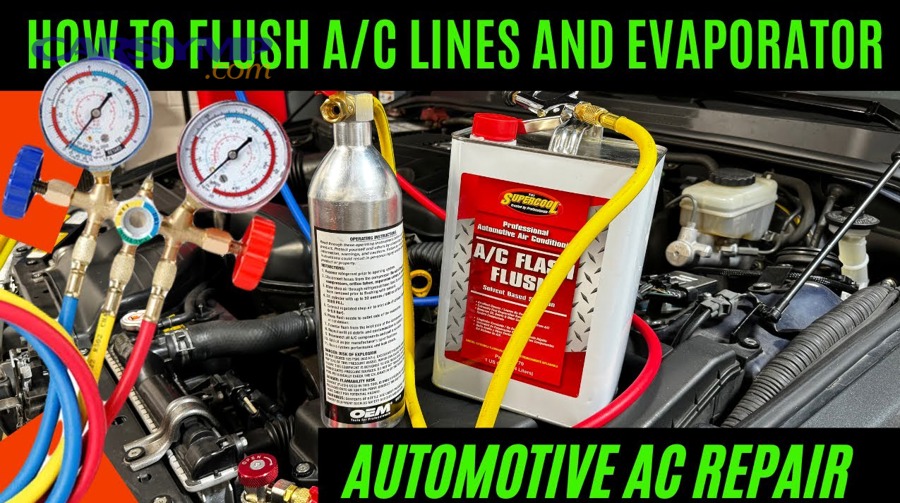
You confirm it by inspecting the old compressor ports, draining and examining the oil, checking the orifice tube or TXV screen, and looking for discoloration or particles in the outlet hose. Để minh họa, if you see glittery metal or tar-like sludge anywhere, you should treat the entire circuit as contaminated and plan flushing plus targeted replacement.
Can you skip flushing after a compressor failure?
No—skipping flushing after a compressor failure is a high-risk shortcut because remaining debris can score the new compressor, clog the metering device, and restrict the condenser. Tuy nhiên, there are rare cases where a flush is minimal, such as a clutch-only issue with no internal compressor damage and clean oil evidence.
Three reasons skipping the flush fails in real life
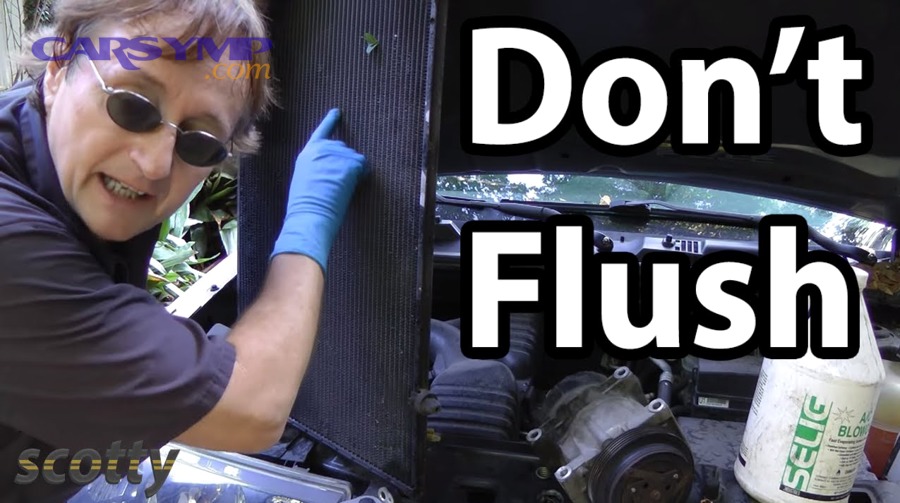
Skipping fails because (1) particles recirculate, (2) old degraded oil reduces lubrication, and (3) small restrictions raise head pressure and overheat the compressor. Quan trọng hơn, the new compressor is most vulnerable during its first minutes of operation when oil distribution is still stabilizing.
- Recirculation: loose particles move with refrigerant flow and re-enter the compressor.
- Restriction: a partially blocked condenser or metering device spikes high-side pressure.
- Lubrication loss: contaminated oil film breaks down and increases wear immediately.
The risk is not theoretical: according to MACS Recommended Service Procedures, in December 2005, workshops are advised to replace the accumulator/receiver-drier after internal compressor failure and note that flushing may be required for hoses and lines while some assemblies with mufflers may need replacement. Theo nghiên cứu của MACS Worldwide từ Recommended Service Procedures, vào December 2005, flushing may not remove all debris from certain hose assemblies and non-flushable components should be replaced after internal compressor failure.
When is flushing still necessary even if cooling “kind of works”?
Flushing is still necessary when you had noise, intermittent cooling, pressure anomalies, or visible debris, because partial function can mask an internal wear event. Bên cạnh đó, a “weak” system often has restriction developing, and restriction is exactly what kills the next compressor.
Which AC components should be flushed, and which should never be flushed?
You should flush the lines, hoses, and heat exchangers that are designed to pass solvent, while you should not flush the compressor, receiver-drier/accumulator, or the metering device because they trap debris and can be damaged by solvent. Sau đây, use a “bridge” (bypass) strategy: remove non-flushable parts, flush what remains, then install new consumables.
Flushable components
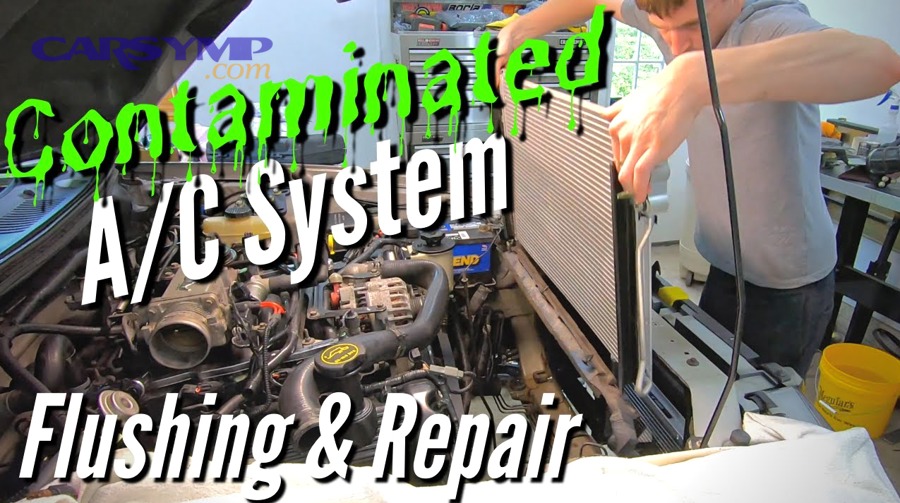
Flushable components are typically the hard lines, most hoses (if not integrated with mufflers/screens you can’t clean), and the evaporator when access allows. Cụ thể, you flush until discharge runs clear and particle-free, then dry thoroughly.
- Refrigerant lines (high and low side)
- Separate hoses without permanent restrictions
- Evaporator core (if flush direction and drainage are controlled)
Non-flushable components
Non-flushable components include the compressor itself, the receiver-drier/accumulator, and the expansion valve/orifice tube. Hơn nữa, many modern parallel-flow condensers behave like particle traps, so replacement is often safer than relying on solvent to clear every micro-passage.
- Compressor (always replace after internal failure)
- Receiver-drier / accumulator (always replace once the system is opened and especially after contamination)
- TXV/orifice tube (replace; don’t flush through it)
How to handle “integrated” mufflers, screens, or fixed orifices in lines
If a hose assembly has an inline muffler, screen, or a fixed orifice you cannot remove, it’s often smarter to replace the assembly because flushing may not reach trapped pockets. Ngược lại, if the restriction is removable (serviceable screen), remove it before flushing and replace it afterward.
How do you decide between flushing the condenser and replacing it?
You decide by judging the condenser design and contamination severity: light contamination in a serviceable design may be flushed, while heavy metallic debris or modern parallel-flow designs often justify replacement. Bên cạnh đó, the cost of a condenser is usually lower than repeating compressor labor twice.
Three decision tests that prevent “repeat failure”
The best tests are (1) debris evidence at the metering device, (2) oil appearance and smell, and (3) whether you can reliably flush and verify flow through the condenser. Cụ thể, if the orifice tube is packed with glitter or black sludge, assume the condenser is contaminated too.
- Metering device inspection: heavy debris = high likelihood condenser trap.
- Oil diagnosis: burnt/black oil suggests widespread residue.
- Flow verification: if you can’t confirm free-flow and clean discharge, replace.
Table: what each choice optimizes
This table helps you compare condenser flushing versus condenser replacement based on risk, verification, and repeat-repair probability.
| Option | Best for | Main risk | What you must verify |
|---|---|---|---|
| Flush condenser | Light contamination; accessible fittings; proven flush equipment | Trapped debris in micro-passages | Clear discharge, no particles, consistent flow |
| Replace condenser | Metallic glitter, black sludge, parallel-flow designs, unknown history | Higher parts cost up front | Clean assembly, correct fitment, sealed caps until install |
Why “clean-looking discharge” can still be misleading
It can be misleading because fine particles can remain embedded and release later under vibration and temperature cycling. Quan trọng hơn, a condenser can look “rinsed” yet still have restricted channels that elevate head pressure, pushing the new compressor into overheating and early wear.
How do you flush AC lines after compressor failure step by step?
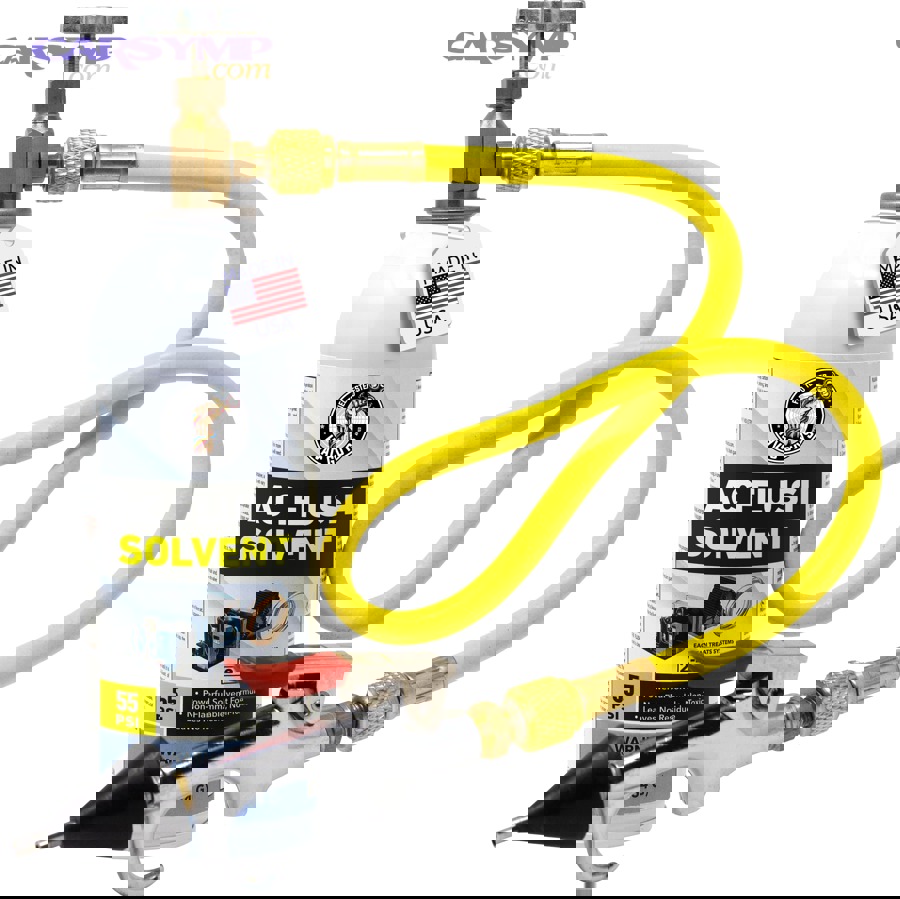
The safest method is a controlled, component-by-component flush: isolate non-flushable parts, push approved flush medium through each target in the correct direction, capture discharge, repeat until clean, then dry thoroughly. Để bắt đầu, treat flushing as a measured procedure—not a single blast.
Preparation: disconnect, cap, and plan the flow path
Preparation means recovering refrigerant properly, disconnecting lines, removing the receiver-drier/accumulator and metering device, and capping open ends to prevent moisture entry. Cụ thể, label fittings and plan your flush order so debris exits away from sensitive passages.
- Recover refrigerant with proper equipment (don’t vent).
- Remove compressor (if internally failed) and isolate the circuit.
- Remove TXV/orifice tube and receiver-drier/accumulator for replacement later.
- Cap open lines when you pause to avoid humidity absorption.
Flushing technique: direction, pulses, and capture
Flush technique works best when you pulse rather than continuously spray, because pulsing dislodges particles and carries them out. Tiếp theo, always capture the discharge into a clear container so you can inspect for particles and discoloration.
- Attach flush adapter to the component inlet; connect discharge hose to a capture container.
- Inject flush medium in short bursts; let it drain; repeat until discharge is clear.
- Reverse flush once (if allowed) to dislodge trapped particles, then flush forward again.
Component order that reduces recontamination
A practical order is to flush the evaporator, then the lines, and finally the condenser (if you choose to flush it), so you don’t push condenser debris into cleaner parts. Hơn nữa, keep each component isolated so contamination from one doesn’t re-enter another.
How do you dry, verify cleanliness, and prevent moisture after flushing?
After flushing, you must dry and verify because leftover solvent or moisture can react with refrigerant oil, create acids, and reduce lubrication. Bên cạnh đó, “dry” is not a feeling—it’s a measurable outcome: no solvent mist, no odor, and stable vacuum performance later.
Drying method: clean gas purge and time
The most common drying method is a clean, dry gas purge (often nitrogen in professional settings) through each flushed component until no liquid droplets appear and no solvent smell remains. Cụ thể, keep pressure within safe limits for the component and never exceed what your equipment and service information allows.
- Blow through each component until discharge is dry and clear.
- Rotate and reposition components (when removed) to drain hidden pockets.
- Allow time for evaporation if your flush medium requires it.
Cleanliness verification: what “good” looks like
“Good” means your captured discharge shows no visible particles, wiping the outlet produces no grit, and restrictions are absent when you test flow. Tiếp theo, re-check the old metering device area: if it was loaded with debris, confirm you no longer see debris in repeat flush discharge.
Why a new receiver-drier/accumulator is non-negotiable
It’s non-negotiable because the desiccant becomes saturated once exposed to air and because contaminated systems can carry moisture and acids. Quan trọng hơn, installing a new dryer late (or reusing the old one) defeats the point of flushing by leaving a moisture sink in the circuit.
The same MACS guidance emphasizes replacement of the accumulator/receiver-drier after internal compressor failure to reduce repeat damage. Theo nghiên cứu của MACS Worldwide từ Recommended Service Procedures, vào December 2005, replacement of the accumulator or receiver-drier is necessary when an internal compressor failure has occurred.
What mistakes most often ruin the new compressor after flushing?
The most common mistakes are incomplete contamination removal, incorrect oil balancing, and reintroducing moisture during assembly. Hơn nữa, these errors often happen at the “finishing” stage—when the system is open and time pressure tempts shortcuts.
Mistake 1: flushing through the metering device or dryer
This mistake ruins parts because metering devices and dryers trap debris and solvent, then release it later or become internally damaged. Cụ thể, always remove and replace those components, and bridge/bypass them during the flush procedure.
Mistake 2: leaving solvent pooled in the evaporator or condenser
Pooled solvent can thin the oil, change viscosity, and reduce the protective film on first start-up. Tiếp theo, purge and drain until you have a dry discharge and no solvent odor—then keep components capped until assembly.
Mistake 3: using the wrong oil type or “universal” mixes
Wrong oil can reduce lubrication and accelerate wear, especially with modern refrigerants and variable compressors. Quan trọng hơn, always follow vehicle and compressor supplier oil specifications, and avoid “one oil fits all” assumptions in contaminated systems.
How do you reassemble and confirm the system is ready to run?
Reassembly is “ready to run” when all non-flushable components are replaced, O-rings are renewed, fittings are torqued correctly, and the system can hold vacuum without rapid decay. Tiếp theo, the final checks ensure your cleaning effort translates into stable pressures and cold vent temperatures.
Assembly essentials that prevent leaks and recontamination
Essentials include new O-rings (correct material), clean sealing surfaces, capped components until the last moment, and correct routing that avoids kinks. Cụ thể, keep the new receiver-drier/accumulator sealed until just before installation so it doesn’t absorb moisture from ambient air.
- Replace O-rings and lubricate them with the correct compressor oil.
- Install the metering device new (TXV/orifice tube) and confirm correct orientation.
- Install a new receiver-drier/accumulator at the end of reassembly.
Vacuum hold: what it proves and what it doesn’t
A vacuum hold test proves gross leak integrity and helps remove air and moisture, but it does not prove perfect cleanliness. Bên cạnh đó, if vacuum decays quickly, fix leaks before charging—charging a leaking system invites moisture and repeat failure.
Oil balancing and charging discipline
After cleaning and part replacement, you must restore the correct oil amount and charge the exact refrigerant mass for the vehicle; too much oil can reduce cooling and elevate pressure, while too little oil starves the compressor. Hơn nữa, this is where many “AC compressor replacement” jobs fail: the mechanical install looks fine, but the lubrication math and charging control are wrong.
In the same spirit, the “What parts to replace with compressor” question is really about risk control: the receiver-drier/accumulator and metering device are the minimum, and the condenser is often included when debris is present—while the finishing “Post-replacement vacuum and recharge steps” must be performed with measurement, not guesswork.
Contextual Border: At this point you have the core contamination logic, the flushable/non-flushable map, and a repeatable procedure. Below are special cases that change the best choice—even when the steps look the same.
What special cases change an AC system flush strategy?
Special cases matter because refrigerant type, condenser architecture, and vehicle electrification can change what solvents are compatible and what “clean enough” means. Đặc biệt, these cases influence whether you flush at all, what you flush with, and how you verify success.
Parallel-flow condensers and micro-channel traps
Parallel-flow condensers can trap fine particles in many tiny passages, making it hard to guarantee full cleanliness. Tiếp theo, if you have metallic glitter or black sludge evidence, replacement often provides a more reliable reset than flushing alone.
R1234yf and solvent compatibility
Systems using R1234yf require extra attention to approved chemicals and equipment because improper solvents can attack seals or leave residues. Bên cạnh đó, always use flush media specifically rated for the refrigerant/oil ecosystem in your vehicle.
Hybrid/EV electric compressors
Electric compressors often require non-conductive oils and strict contamination control because moisture and wrong oils can create electrical risks and component damage. Quan trọng hơn, consult vehicle-specific procedures; when in doubt, replacing more components may be cheaper than risking a high-voltage compressor.
Environmental and safety handling of flush waste
Flush waste can contain oil, metal, and chemicals, so it should be captured and disposed of according to local regulations—never dumped. Tóm lại, safety glasses, chemical-resistant gloves, and good ventilation are baseline requirements for a responsible flush job.
FAQ
Below are quick answers that align with the contamination-first approach, so you can sanity-check your plan before you spend money on parts and refrigerant. Hãy cùng khám phá the most common “People also ask” patterns.
Do I flush the evaporator core or leave it alone?
Flush it if you can isolate and drain it properly, because debris can lodge there and later return to the compressor; otherwise, if access and drainage are risky, replacement or professional service may be safer. Bên cạnh đó, never flush through the metering device—remove it first.
How do I know if the system is “clean enough” to protect the new compressor?
You know it’s clean enough when discharge is clear and particle-free, no grit appears on wipes, flow is consistent, and your vacuum hold is stable after assembly. Tiếp theo, if you still see glitter anywhere, assume something is still trapping and releasing debris.
Should I replace the condenser every time the compressor fails?
Not every time, but often when there’s internal compressor damage and metal debris—especially with modern condenser designs where verification is difficult. Ngược lại, if the failure was external (clutch-related) and evidence shows clean oil, condenser replacement may be unnecessary.
What video shows a professional-style flush process?
This installation-style walkthrough demonstrates why flushing matters and how shops approach it with dedicated equipment. Tiếp theo, compare the video’s isolation steps to your plan and ensure you are not flushing non-flushable components.