


AC stop-leak products can seem like a fast fix, but the real-world AC stop-leak risks and warnings are serious: they may clog precision parts, contaminate service equipment, and turn a small leak into a costly, system-wide repair.
Because many cans are marketed as “recharge + sealer,” AC sealant problems often start accidentally—drivers add refrigerant to restore cooling and unknowingly introduce chemicals that behave unpredictably inside a moisture-prone, already-leaking system.
This guide explains what stop-leak is, why shops fear it, which situations make it especially risky, and what safer steps to take so you restore cooling without gambling with your compressor, expansion device, or future repair options.
To connect the dots, we’ll move from the “why people try it” to the “hidden consequences,” then finish with practical diagnosis and repair priorities—Giới thiệu ý mới that turns short-term cooling into long-term reliability.
What is AC stop-leak, and why do people try it first?
AC stop-leak is a chemical additive meant to slow or seal refrigerant leaks by reacting at leak points, but it’s a gamble because the same chemistry can create AC sealant problems elsewhere in the system. Next, it helps to understand why that gamble feels tempting.
Most drivers reach for stop-leak when the cabin suddenly turns warm, the compressor cycles rapidly, or the system “works only when driving.” Those symptoms strongly suggest low refrigerant, and the quickest retail solution is a can that promises cold air in minutes.
Why stop-leak marketing matches real pain points
Stop-leak is sold as a “one-step” solution: top off refrigerant, add lubricant, and seal small leaks. That message fits the driver’s immediate goal—cold air today—especially when the car is needed for commuting, rideshare, deliveries, or family travel.
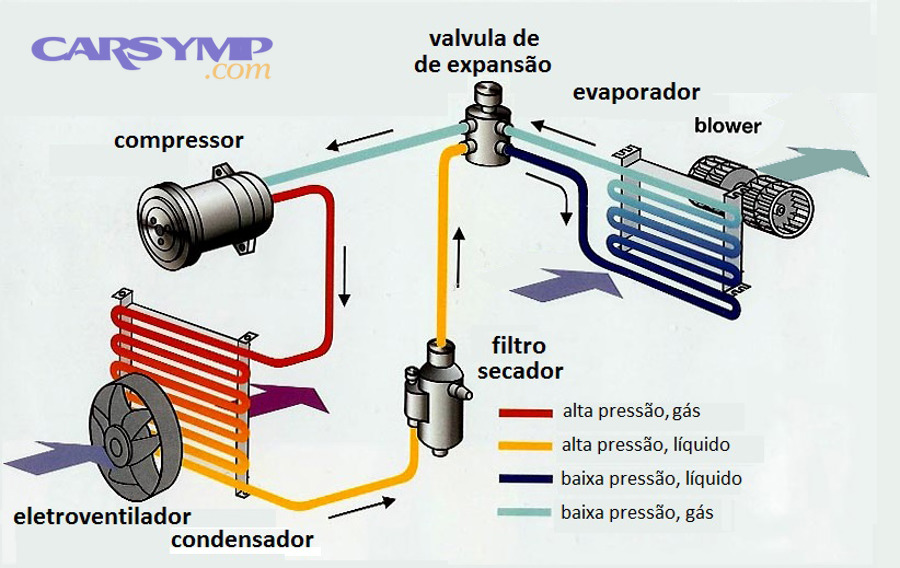
However, the A/C system is not a simple hose; it’s a closed loop with tight metering devices, desiccants, and valves. So the same product that “might” seal a tiny seep can also harden in a screen, restrict an orifice, or coat an internal surface where it doesn’t belong.
What stop-leak is trying to “compete” with inside the system
In normal service, leaks are addressed by finding the leak, replacing the failed seal/component, evacuating moisture, and charging by specification. The stop-leak approach skips diagnosis and moisture control, which is exactly where risk accumulates.
To see how that risk shows up, we need to ask the uncomfortable question: does it truly fix leaks—or only hide them?
Do AC stop-leak products actually fix leaks, or mainly mask symptoms?
In most cases, stop-leak is not a true repair: it may temporarily reduce leakage in specific micro-leaks, but it often masks the underlying failure mode and delays proper service. Next, that delay matters because the system’s condition changes while you wait.
The “best-case” scenario for stop-leak is narrow: a very small leak at an accessible sealing surface, with low moisture, clean oil, and stable pressures. Real vehicles rarely match that ideal because leaks commonly pull in air and moisture over time.
Three reasons the success rate is unpredictable
First, many leaks aren’t pinholes—they’re failed O-rings, cracked hoses, worn shaft seals, or corroded joints that keep moving with engine vibration and temperature cycles. A chemical film is not a mechanical seal replacement.
Second, stop-leak chemistry often depends on exposure to moisture or air to “activate.” A leaky A/C system is exactly the place where moisture is more likely to be present, which can cause reactions inside the system instead of only at the leak point.
Third, modern A/C systems have extremely small passages (especially at the metering device). Any thickening, polymerizing, or particulate formation can create restrictions long before the leak is “sealed.”
Why “cooling came back” can be a misleading signal
Cooling often returns simply because you added refrigerant—not because you sealed anything. If the leak remains, performance fades again, and repeated top-offs increase the chance of overcharge, oil imbalance, or introducing contaminants with each can.
So instead of asking “Did it get cold today?”, the smarter question becomes “What risks did I add for tomorrow?”
What are the biggest AC stop-leak risks inside your A/C system?
There are four main categories of AC stop-leak risks and warnings: internal restrictions, compressor damage, sensor/valve issues, and long-term contamination that makes future repairs harder. Next, we’ll break each risk down so you can recognize it early.
Risk 1: Restrictions at the metering device and screens
The expansion valve (TXV) or orifice tube meters liquid refrigerant into the evaporator. These components often include fine screens that catch debris. Stop-leak byproducts can accumulate there, causing partial blockage that shows up as poor cooling at idle, erratic vent temps, or abnormal pressure readings.
Once restriction begins, the system may develop high-side pressure spikes, starved evaporator flow, and rapid cycling—conditions that stress the compressor and reduce lubrication return.
Risk 2: Compressor lubrication disruption and overheating
Compressors rely on oil moving with refrigerant to lubricate internal surfaces. If stop-leak creates restrictions or changes oil/refrigerant flow characteristics, oil return can drop. Low oil return increases wear, raises operating temperature, and can trigger a noisy compressor or eventual seizure.
Even when a compressor survives, marginal lubrication shortens its life—meaning the “cheap fix” can become a “full system” repair later.
Risk 3: Unpredictable reactions with moisture and acids
Leaky systems tend to ingest moisture. Moisture can promote acid formation (especially when refrigerant and oil break down under heat), and reactive sealants may polymerize or form solids in the presence of moisture. This is where AC sealant problems escalate from “maybe helps” to “creates sludge.”
That chemical instability is why professional service emphasizes evacuation and moisture removal before charging.
Risk 4: Contamination that follows the system for years
Some sealants don’t stay localized; they circulate. Even if you replace the original leak source later, residue can remain in hoses, condenser passages, and the compressor. That residue can interfere with later flushing, component replacement, or warranty coverage from professional shops.
To make these risks more concrete, the next section explains why stop-leak can also harm the shop equipment needed to fix your A/C correctly.
Why can stop-leak ruin A/C service equipment and raise your repair bill?
Yes—stop-leak can damage recovery and recharge machines by causing internal blockages, which is why many shops refuse to connect their equipment to a system they suspect contains sealant. Next, that refusal directly impacts your cost and options.
How sealant affects professional recovery/recharge machines
Professional machines contain solenoid valves, filters, and narrow internal passages. If sealant solidifies or forms deposits, it can clog lines and valves and take the machine out of service. Dorman’s Shop Press warns that sealant can lead to internal blockage of lines and solenoid valves within recovery equipment, potentially requiring expensive repairs and downtime.
From the shop’s perspective, one contaminated vehicle can create lost revenue, repair costs, and risks to other customer vehicles if contamination spreads. That’s why stop-leak becomes a “liability flag,” not just a repair preference.
Why the shop may require extra testing or special procedures
To protect equipment, some shops use sealant detection methods or adopt strict intake policies. In the R-1234yf era, industry standards also emphasize identification and controlled procedures. SAE standards exist for refrigerant identification (for example, J2912 covers refrigerant diagnostic identifiers used to identify R-134a and R-1234yf), supporting the broader industry push to prevent contamination events.
This matters because the more uncertainty your system has (unknown refrigerant, unknown additives, possible sealant), the more steps a shop must take before doing normal service—steps you ultimately pay for.
How “cheap in a can” turns into “expensive to undo”
If a shop refuses service, you may need a specialist, component replacement that wouldn’t otherwise be necessary, or additional labor to isolate and clean the system. In some cases, the cost increase isn’t because the leak got worse—it’s because the service pathway got narrower.
So rather than trying to “hide” the issue, the safer strategy is to diagnose the leak properly before adding anything that could contaminate the system.
How can you diagnose a refrigerant leak safely before you add refrigerant?
The safest approach is to confirm a leak and locate it using proven methods before charging, because topping off without diagnosis can violate best practices and multiply failure points. Next, you’ll see practical steps that reduce guesswork and protect components.
A simple, reliable path from symptom to confirmed leak
Start by verifying symptoms: vent temperature, compressor engagement, and visible signs such as oily residue at hose crimps, condenser corners, or service ports. Then move to AC leak detection methods that confirm the leak rather than guessing.
MACS notes that leaking systems should be repaired and recommends established service procedures for leak checking, including electronic leak detection aligned with SAE service practices.
Electronic detection, UV dye, and bubbles: what each method is best at
Electronic leak detectors are fast for pinpointing vapor leaks around fittings and components. UV dye is useful for slow leaks when you can inspect later with UV light, but you should use dye compatible with the system’s refrigerant type and follow manufacturer guidance.
Soap bubbles can work for accessible joints, but you must interpret results realistically. MACS highlighted lab testing where one bubble in 10 minutes could indicate a very large leak rate (on the order of dozens of ounces per year), which is significant when many systems carry only a small refrigerant charge.
Why “just add a can” can be the wrong first move
Regulators and industry guidance often emphasize that repeated top-offs are not a real solution. EPA leak-prevention guidance for refrigeration systems bluntly states that repairing leaks is the only real fix and topping off is not viable as a strategy.
Even though automotive systems differ from large stationary systems, the logic is the same: if refrigerant keeps leaving, something is broken—and chemical additives won’t restore the system’s design integrity.
Once you can confirm and locate the leak, the next decision becomes clearer: when is stop-leak completely the wrong tool?
When is stop-leak never appropriate, and what are safer alternatives?
Stop-leak is never appropriate when the leak is significant, the refrigerant type is sensitive or unknown, or moisture/contamination is likely—because the additive increases the odds of restrictions and equipment refusal. Next, you’ll get safer alternatives that match each scenario.
Situation A: You have a “fast leak” or cooling disappears quickly
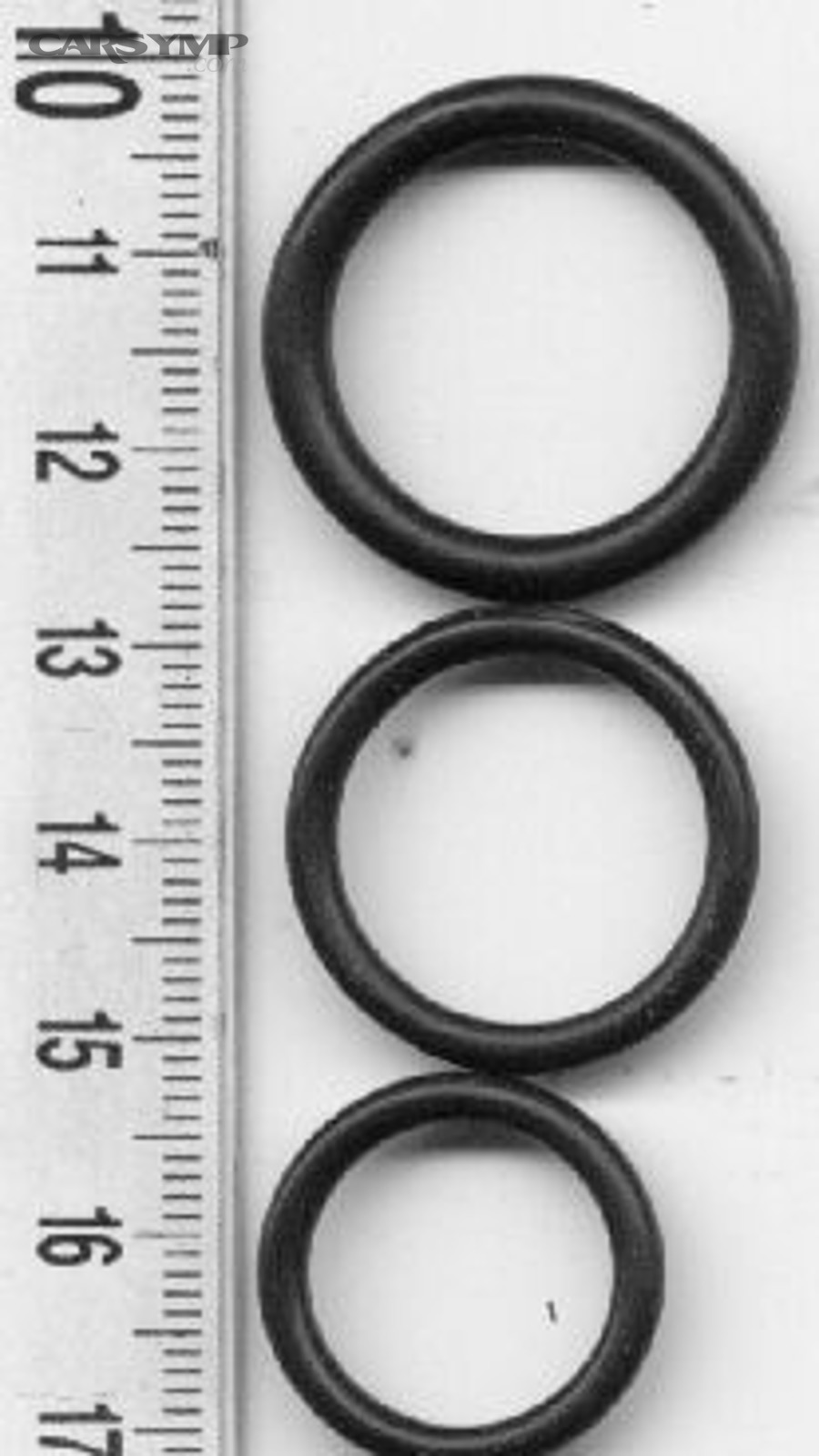
If cooling fades within days, you likely have a leak too large for sealant to handle. The safe alternative is to locate the leak, replace the failed component (hose, condenser, O-ring, service valve), then evacuate and charge to spec.
Fast leaks also raise the probability that air and moisture entered the system—exactly the condition that can make AC sealant problems worse.
Situation B: Your system uses R-1234yf or you’re unsure what’s inside
Modern vehicles increasingly use R-1234yf, and service equipment is designed around controlled procedures and contamination prevention. SAE J2843 service equipment requirements include checks (such as vacuum/pressure holds) to prevent charging systems with major leaks and to protect expensive refrigerant and equipment.
If you add stop-leak without knowing what’s already in the system, you can compound contamination risk and reduce the chance any shop can service it normally.
Situation C: Local rules discourage charging a system with detectable leaks
Some jurisdictions restrict adding refrigerant to systems with detectable leaks. MACS has discussed regional rules such as those in parts of California that prohibit adding refrigerant unless the system has no detectable leaks.
Even where not explicitly regulated, the professional expectation is the same: confirm and repair the leak before you recharge.
Before comparing options, this table summarizes what each path tends to cost you in risk and future flexibility.
This table compares common “quick fix” choices versus repair-first choices so you can see which option preserves long-term serviceability and which option adds hidden downstream risk.
| Approach | Short-term result | Primary downside | Best use case |
|---|---|---|---|
| Recharge + stop-leak | May restore cooling temporarily | Restriction risk, contamination, shop refusal | Rarely justified; only in very narrow micro-leak scenarios |
| Recharge only (no sealant) | Restores cooling if charge was low | Still not a repair; leak continues | Very short bridge while scheduling leak repair |
| Leak locate + repair + evac + charge | Restores performance correctly | Higher upfront cost | Best long-term reliability and lowest total risk |
| Professional diagnostic first | Clear root cause plan | Diagnostic fee | Best when symptoms are unclear or multiple faults exist |
Now that you know when to avoid it, the next step is critical: what if you already used stop-leak?
What should you do if you already added stop-leak to your A/C system?
If you already added stop-leak, your best move is to stop adding cans, document what you used, and tell any shop up front—because transparency protects equipment and helps the technician choose a safer service path. Next, follow a damage-limiting checklist.
Step 1: Assume the system is now “contamination-sensitive”
Once sealant is present, the system’s risk profile changes. Don’t add more refrigerant, oil, or additives “to help it along.” Each addition increases uncertainty and can push the system toward overcharge or further chemical reaction.
Write down the exact product name, the number of cans, and whether it claimed “seals leaks.” That information can save hours of troubleshooting later.
Step 2: Choose diagnosis methods that minimize equipment exposure
A professional may decide to use dedicated protection tools or refuse to connect a standard recovery machine. This is where Vacuum decay test explained becomes relevant: a controlled vacuum hold test helps assess whether the system can maintain vacuum (indicating no large leaks) before proceeding with charge procedures. SAE-based equipment practices also emphasize vacuum/pressure checks to prevent waste and protect tooling.
Importantly, a vacuum hold test is not a full guarantee of “no leaks,” but it is a meaningful screening tool to prevent charging a system that will immediately vent refrigerant.
Step 3: Expect that some components may become “replace rather than flush”
In many modern condensers (especially parallel-flow designs), internal passages are extremely small and hard to flush effectively. If sealant residue is suspected, technicians may recommend replacing specific components—condenser, receiver-drier, expansion valve/orifice tube—rather than risking repeat contamination.
This is frustrating, but it’s also rational: you’re buying certainty and long-term stability.
Step 4: Use a practical decision point before spending big
If the A/C was only marginally weak and now holds vacuum and cools well, you may choose to monitor rather than immediately replace everything. But if pressures, vent temps, and cycling are unstable, treat stop-leak as a likely contributor and plan repairs before the compressor is stressed into failure.
To make this easier, the following video shows why technicians focus on preventing sealant damage to service equipment—useful context when a shop explains its policy.
Now you’re ready for the final practical challenge: when leaks come in clusters, how do you decide what to repair first?
How do you prioritize repairs when you suspect multiple leaks?
You prioritize by impact and accessibility: fix the largest leak first, then address the most failure-prone seals and components, because stabilizing the system prevents moisture entry and protects the compressor. Next, use a structured checklist instead of guessing.
A practical order of operations for “multiple leak” situations
Start with obvious high-loss points: damaged condenser, ruptured hose, loose fitting, or a visibly oily joint. These are the leaks that dump refrigerant quickly and pull moisture in fastest.
Then move to common slow-leak sources: service port valve cores, O-rings at connection points, compressor shaft seals, and rubber hose crimps. MACS has discussed how service ports and caps work together as a sealing system, which is why sloppy cap handling can contribute to leakage over time.
How to avoid “repair whack-a-mole”
If you only fix one leak and immediately recharge without validating stability, the next weakest point can fail. A better method is to repair the major suspected sources, then validate with controlled testing before final charge.
This is where What to fix first in multiple leaks becomes a real strategy rather than a guess: stop the big leak, stop the moisture ingress, then confirm system stability before spending on smaller, secondary seep points.
Why “system stability” matters more than “one perfect seal”
A/C performance depends on correct charge, clean flow, proper oil return, and dry internals. Multiple small leaks often indicate aged seals or vibration-related wear; if you stabilize the system early, you reduce the chance that heat, acids, and moisture accelerate the decline.
Contextual border: At this point, you understand the core warning story—why stop-leak is risky and how to choose diagnosis and repairs. Next, we’ll step into advanced details that explain why sealants behave the way they do and how to interpret long-term refrigerant loss without panic.
Supplementary: Advanced details on sealant behavior and long-term reliability
These advanced notes help you make better decisions when the symptoms are subtle, the leak is slow, or you’re trying to estimate “how bad” the situation really is. Next, we’ll focus on rare-but-important attributes that influence outcomes.
Reactive sealants vs “conditioners”: why labels can mislead
Some products are truly reactive sealants; others are marketed as conditioners or lubricants that claim to reduce seepage by swelling seals. The problem is that retail labels may bundle these claims, and users can’t easily tell what chemistry is inside the can.
As a result, two drivers can report opposite experiences with “stop-leak” even when both followed directions—because they effectively used different chemical strategies under different moisture and contamination conditions.
Moisture control is the hidden divider between “serviceable” and “problematic” systems
Dryness is not a luxury; it’s a performance requirement. Moisture can freeze at the metering device, contribute to acid formation, and accelerate internal corrosion. If a leak has been present long enough, assume moisture risk is elevated—especially if the system has cycled warm/cold repeatedly or was opened to atmosphere.
That’s why professional service emphasizes evacuation and controlled holds; when people ask for a “quick explanation,” Vacuum decay test explained is often the simplest concept: if the system can’t hold vacuum, it’s not ready to hold refrigerant reliably.
Interpreting slow loss without guessing: what a “normal” refrigerant lifespan looks like
Drivers often ask, How long refrigerant should last if the system is healthy. In a properly sealed system, refrigerant is not a consumable like fuel; it should remain stable for years, with only minimal losses over time. If you notice a yearly need to top off, that is not “normal”—it is evidence of a leak path that needs diagnosis.
MACS emphasizes that leaks should be repaired rather than repeatedly recharged, and it points to structured leak-check procedures for pinpointing the source.
Mini-FAQ: fast answers that prevent expensive mistakes
Q: If stop-leak “worked once,” can I use it again? A: Repeating it increases contamination risk and can turn mild AC sealant problems into restrictions that kill compressors and block valves; if cooling returned, treat that as time gained to repair the real leak.
Q: Should I tell a shop I used stop-leak? A: Yes—always. Shops protect recovery machines from sealant-related blockages, and disclosure helps them choose safer procedures.
Q: What’s the safest next step if I’m unsure? A: Choose professional diagnosis and leak location first; don’t add more cans, and prioritize repairs that stop moisture ingress and protect oil return.
Q: Is topping off ever acceptable? A: As a short bridge while you schedule repairs, it can be practical, but repeated top-offs are not a repair strategy, and industry guidance consistently frames leak repair as the real solution.