


A vacuum decay test explained: it is a controlled way to judge whether an automotive A/C system is tight enough to evacuate moisture and accept a proper refrigerant charge without immediately losing vacuum.
To support real-world shop decisions, this guide also clarifies how a vacuum hold test fits into the workflow, what it can prove, and what it cannot prove when you are chasing a stubborn leak.
You’ll learn how to set up the tools, run the test, interpret the “rise” patterns, and avoid false failures caused by temperature swing, trapped moisture, or hose/valve issues.
Giới thiệu ý mới: After that foundation, we’ll expand into rarer nuances—like isolation strategies, documentation habits, and edge cases that explain why a system can pass vacuum yet still misbehave later.
Primary entity: vacuum decay test (automotive A/C)
Related entities: evacuation, micron gauge, manifold gauges, vacuum pump, service valves, O-rings, Schrader cores
What is a vacuum decay test, and what does it actually prove?
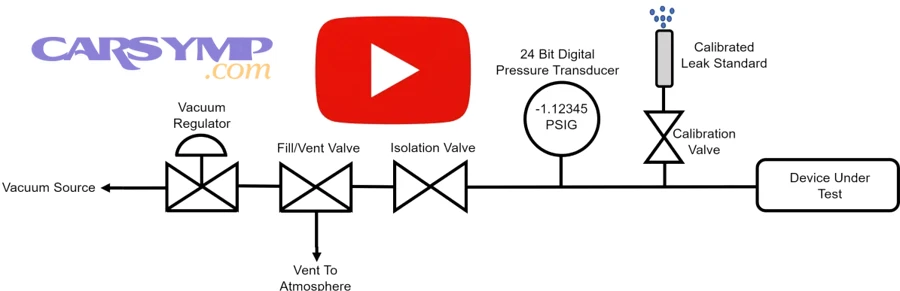
A vacuum decay test is a definition-style check: it measures how quickly system pressure rises after you pull the A/C system into deep vacuum and then isolate it from the pump.
To begin, think of it as a “tightness and dryness screening” rather than a universal leak verdict, because vacuum behavior is influenced by both air ingress and moisture outgassing.
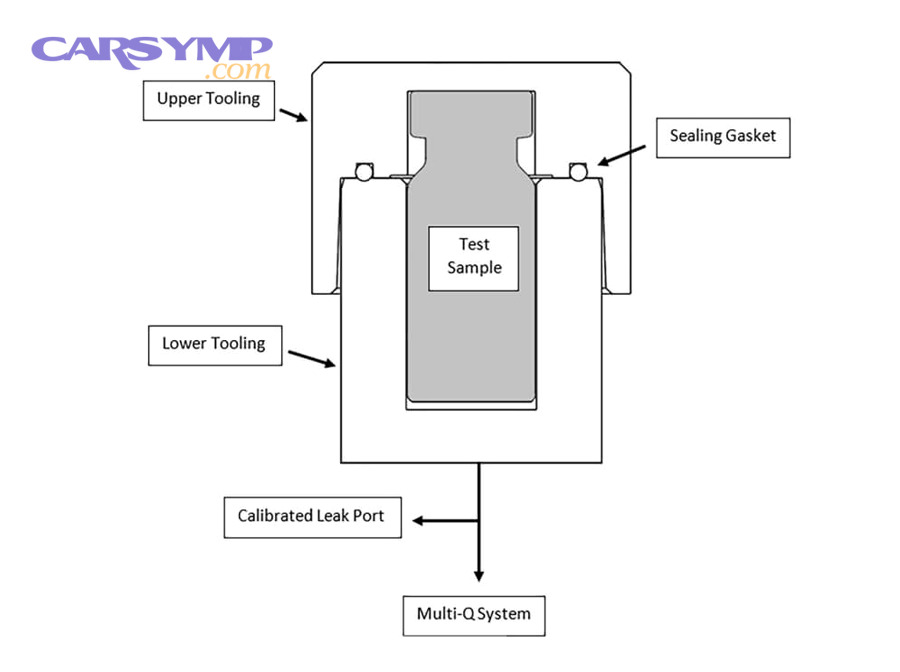
Specifically, you evacuate the system to remove non-condensable gases and boil off moisture, then close valves to trap that vacuum. If the vacuum level rebounds quickly, something is letting pressure return—either an external leak path (air being pulled in) or internal moisture still vaporizing and raising pressure.
In practice, technicians use vacuum decay as a fast go/no-go gate before charging refrigerant, because charging a leaky or wet system often leads to poor cooling, repeat comebacks, or component damage.
The key is interpretation: a “bad” decay pattern can mean a real leak, but it can also mean the system was not evacuated long enough to drive moisture out of oil, hoses, and desiccant.
Theo nghiên cứu của Đại học Michigan từ Khoa Kỹ thuật Cơ khí, vào 04/2018, việc giảm áp suất xuống vùng chân không sâu giúp thúc đẩy quá trình bay hơi ẩm còn lại trong hệ thống kín và cải thiện hiệu quả loại bỏ hơi nước.
Is a vacuum decay test the same as a vacuum hold test?
No—while they are closely related, a vacuum decay test focuses on the shape and rate of vacuum rise, whereas a vacuum hold test is the simpler “does it hold at all for a set time” confirmation.
Next, the distinction matters because the same system can “hold” for a short window yet still show a decay curve that warns you about trapped moisture, valve seepage, or a marginal leak that will worsen under pressure.
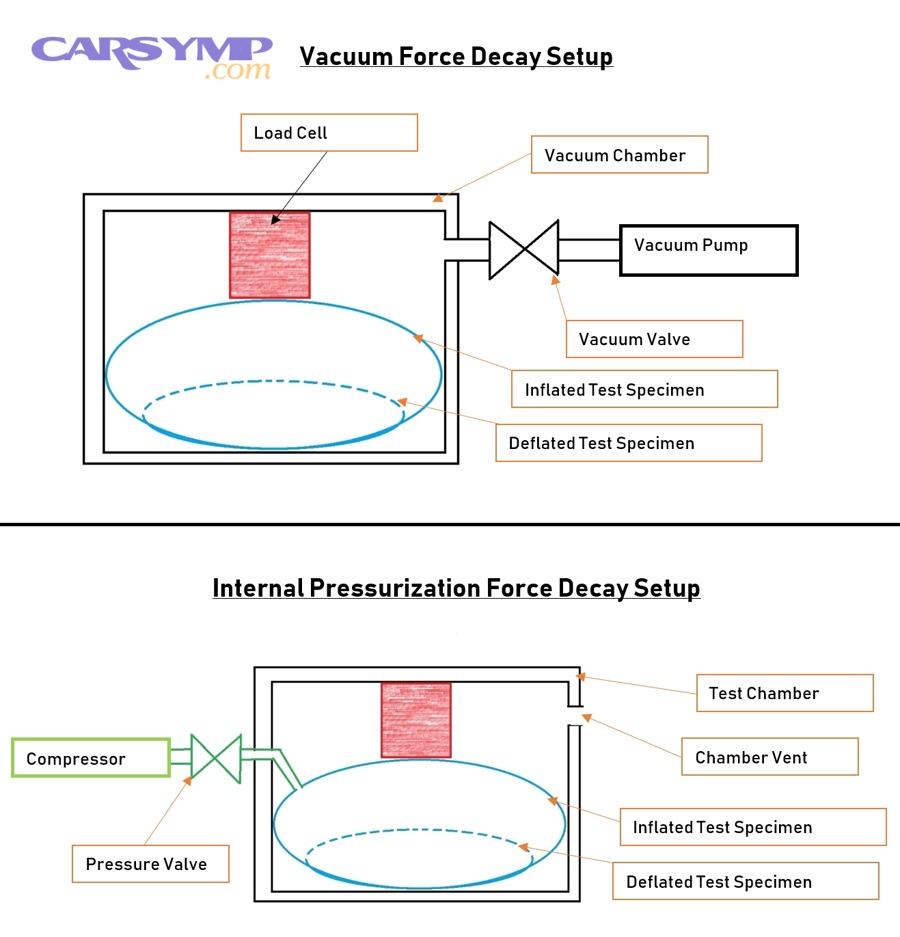
Use a vacuum hold test when you need a quick pass/fail (for example, “held for 10–15 minutes, no obvious rebound”). Use a vacuum decay test when you want to interpret the trend: does it jump immediately, creep steadily, or rise and then stabilize.
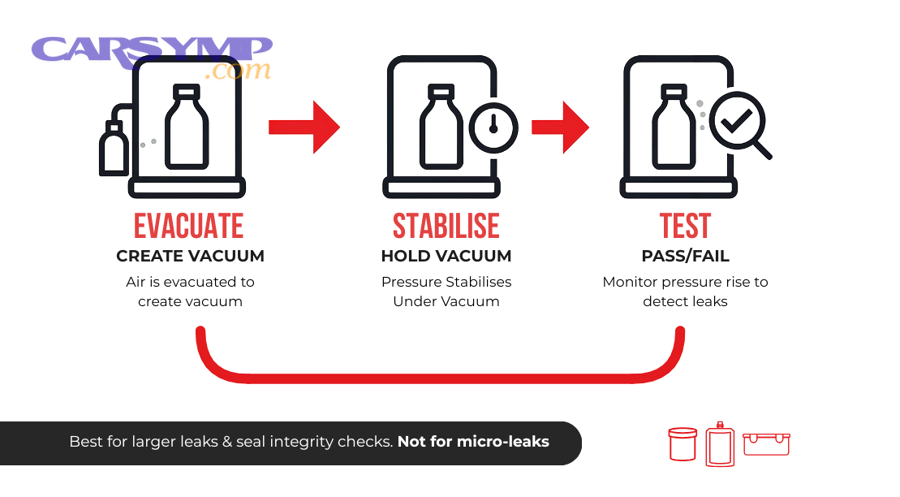
To make this practical, many shops run both in sequence: evacuate, stabilize, isolate, watch decay for a short diagnostic window, then continue to monitor for a longer hold window if the initial trend looks acceptable.
- Decay emphasis: rate, curve shape, cause clues (leak vs moisture).
- Hold emphasis: minimum acceptable stability before charging.
- Best practice: treat “hold” as a subset of “decay analysis,” not a replacement.
Theo nghiên cứu của ASHRAE từ bộ phận Technical Committees, vào 06/2020, việc theo dõi sự thay đổi áp suất theo thời gian cung cấp tín hiệu chẩn đoán tốt hơn so với chỉ kiểm tra một mốc đạt/không đạt tại một thời điểm.
Which tools and setup details matter most for accurate results?
You need the right tools—especially a reliable vacuum measurement method—because the test is only as trustworthy as the seals, hoses, and valves between your gauge and the A/C system.
After that, prioritize measurement quality: a micron gauge (or vacuum sensor) placed as close as practical to the system will reveal decay behavior that manifold needles can hide.
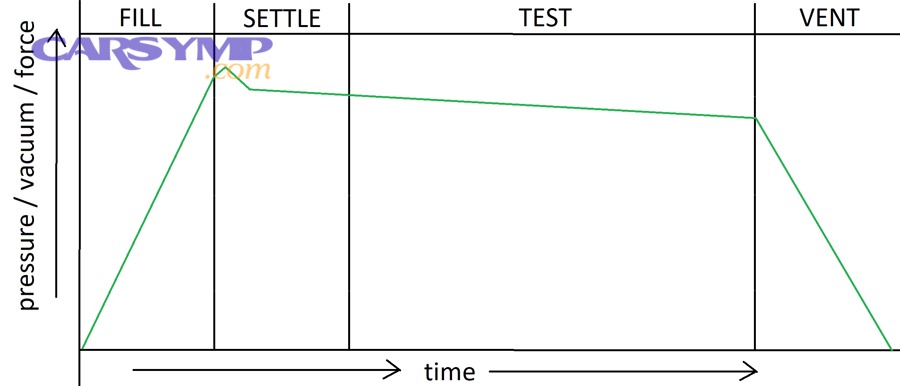
- Vacuum pump: adequate CFM, clean oil, stable power supply.
- Manifold gauge set: tight hoses, known-good valves, low-permeation hoses if available.
- Micron gauge: the most informative way to track deep vacuum and rebound.
- Core tools: Schrader core remover/installer can reduce restriction and isolate leaks at service ports.
- Plugs/caps: service port caps that seal; they matter more than most people think.
One overlooked detail is where you measure vacuum: reading at the pump end can mask restrictions, hose permeation, and valve leakage. Measuring at the system side helps you see the “real” vacuum level and decay rate.
Also, verify basics before blaming the car: pump oil that is dirty or saturated with moisture will reduce ultimate vacuum and slow evacuation, leading to misleading decay behavior.
Theo nghiên cứu của Đại học Texas A&M từ bộ môn Nhiệt lạnh, vào 11/2017, chất lượng và độ sạch dầu bơm chân không ảnh hưởng đáng kể đến áp suất cuối và tốc độ kéo chân không trong các hệ thống kín.
How do you run a vacuum decay test step by step?
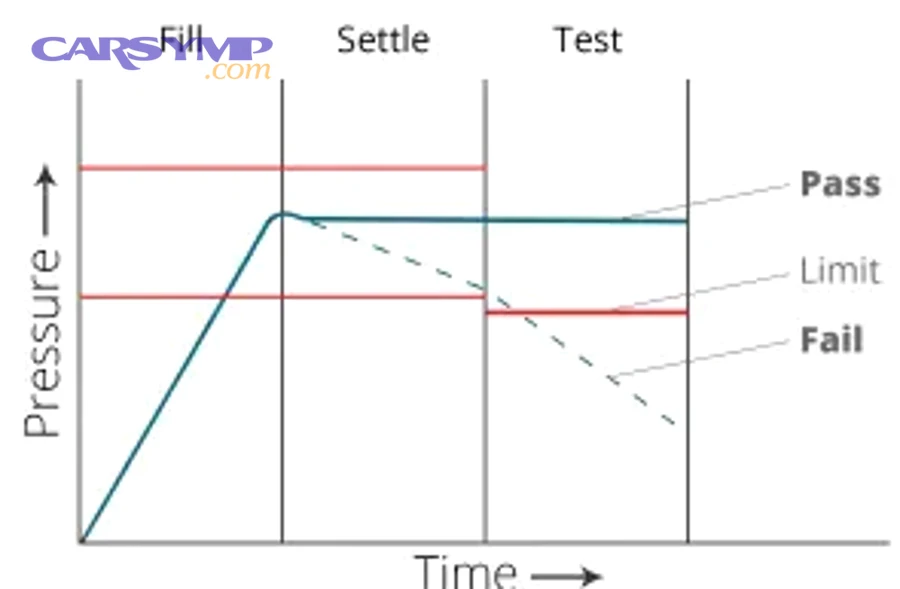
A proper vacuum decay test is a how-to: pull a stable deep vacuum, isolate the system, and observe the rebound over a controlled time window to judge whether the rise pattern is acceptable.
To begin, follow a repeatable sequence so your “pass/fail” is consistent across vehicles and seasons.
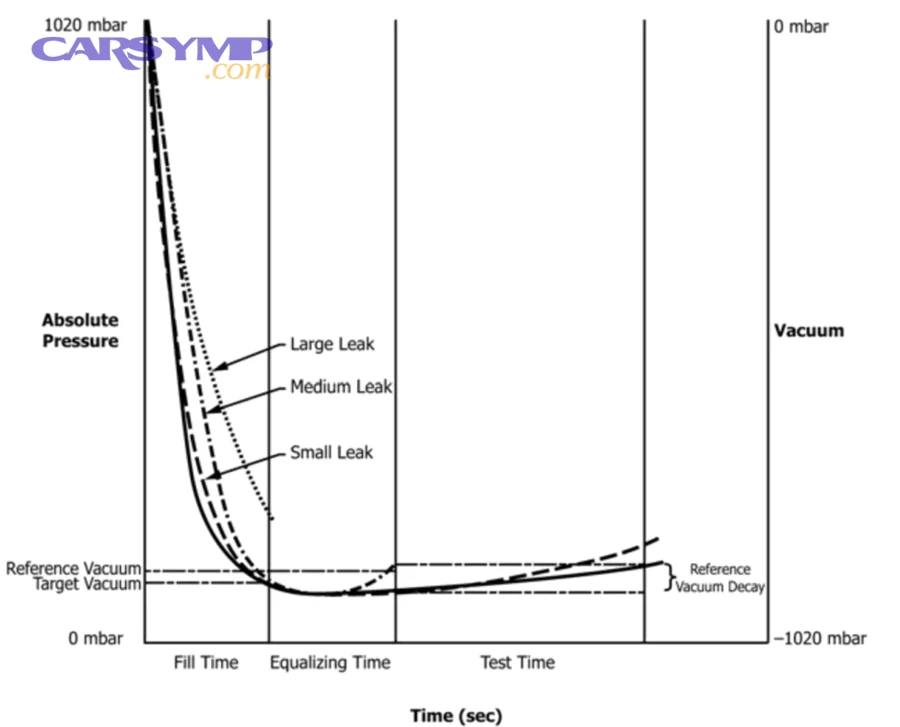
- Connect and verify seals: attach service hoses, confirm couplers are fully seated, and ensure port caps are removed only when ready.
- Open flow paths: if using core tools, remove Schrader cores to reduce restriction and speed evacuation.
- Evacuate to deep vacuum: run the pump long enough to reach a stable low reading (preferably tracked in microns).
- Stabilize: allow a short stabilization period with the pump still connected to see if the reading continues to improve.
- Isolate the system: close manifold valves (and any isolation valves) so the system is sealed off from the pump and hoses as much as possible.
- Observe and record: watch the vacuum rise pattern for a defined window (e.g., 5–15 minutes for decay behavior, longer for holding).
- Confirm with a second isolation: if possible, isolate in stages (system vs hoses) to identify whether the leak is in your tooling.
A practical tip is to write down three points: the starting vacuum, the vacuum after 1–2 minutes, and the vacuum after your full observation window. Those checkpoints help you distinguish “instant jump” from “slow creep.”
Just as important, keep your environment stable during observation: opening bay doors or blasting a fan across cold aluminum lines can change temperature and shift the reading, creating a false decay signature.
What vacuum level and time window are meaningful for a pass?
Meaningful thresholds depend on your gauge resolution, ambient temperature, and system volume, but a useful rule is that deeper and more stable vacuum gives a clearer decay signal than a shallow, unstable pull.
Next, focus on consistency: pick a standard observation window that matches your workflow so your technicians interpret decay curves the same way.
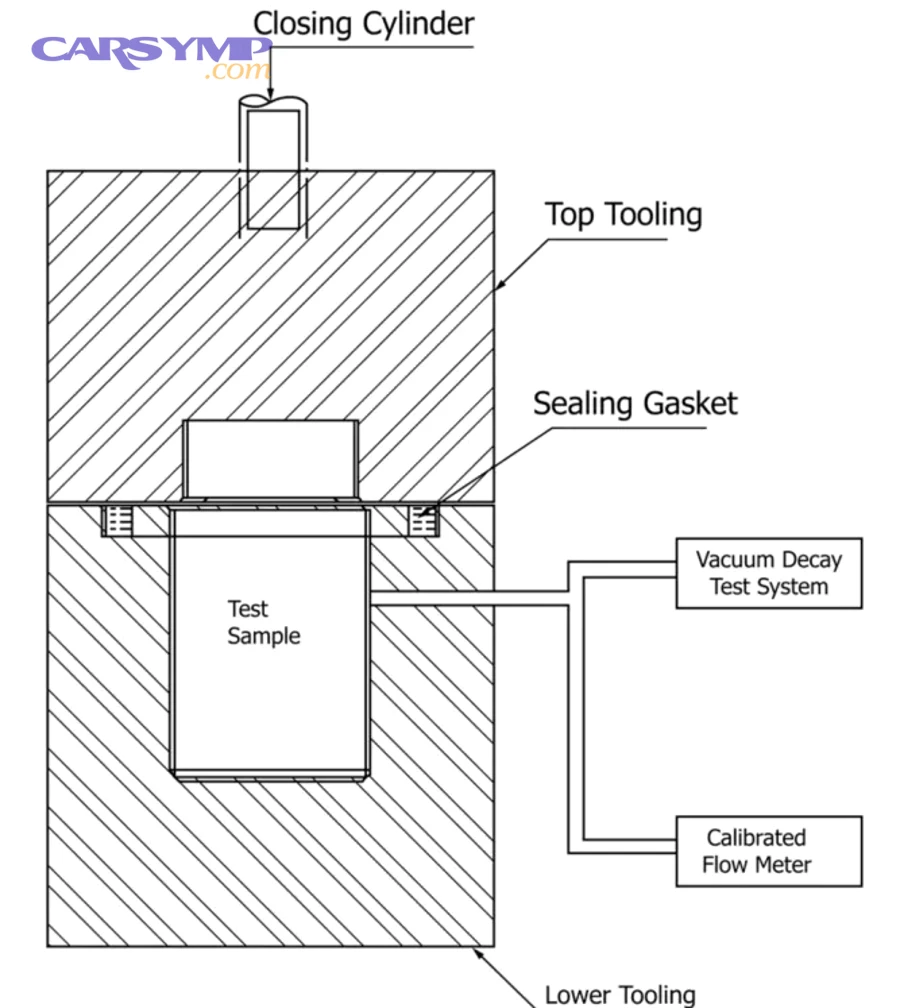
If you only use a manifold needle, you may see “it’s near 30 inHg” and assume success, but that hides critical detail. A micron gauge gives a more diagnostic picture because small changes at deep vacuum are visible as meaningful movement.
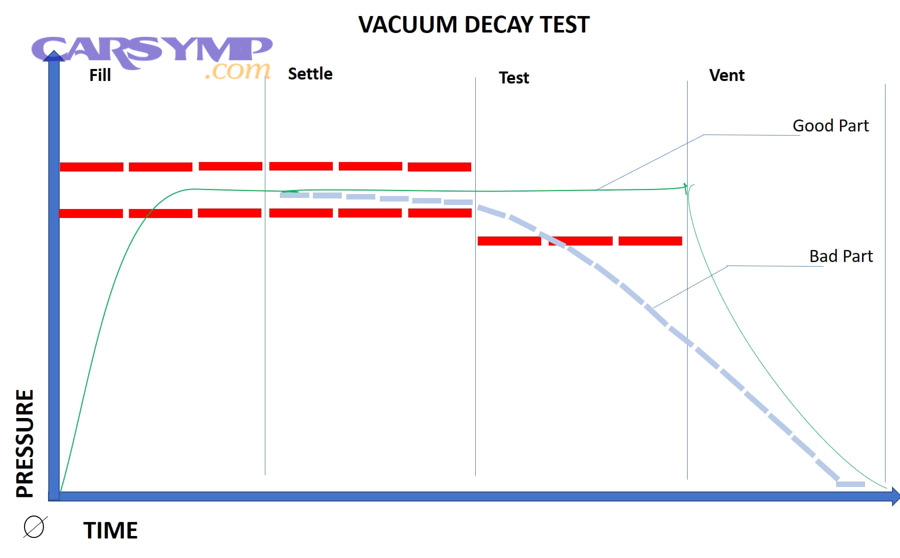
Time matters because moisture behaves differently than leaks. Moisture outgassing often causes a faster initial rise that slows or plateaus as vaporization stabilizes. A true leak often produces a steadier rise that does not meaningfully plateau within a short window.
- Short window (decay snapshot): quickly flags major leaks or severe moisture.
- Medium window (process confidence): improves confidence before charging.
- Long window (hold confirmation): catches marginal leaks that only show with more time.
For most shops, the right answer is not one magic number; it is a repeatable standard: “we evacuate until stable, then we isolate and observe for X minutes, then we decide.”
Theo nghiên cứu của Đại học Illinois từ Khoa Cơ điện, vào 02/2021, việc tiêu chuẩn hóa quy trình đo theo thời gian giúp giảm sai lệch do người thao tác và tăng độ tin cậy của kiểm tra độ kín trong các hệ thống lạnh.
How do you interpret decay patterns: leak vs moisture vs tool issues?
You interpret decay by looking at the curve: an immediate rebound suggests a gross leak or a valve/coupler issue, while a slower rise that stabilizes often points to moisture outgassing.
To clarify, the goal is not just “did it rise,” but “how did it rise, and from where might the pressure be coming.”
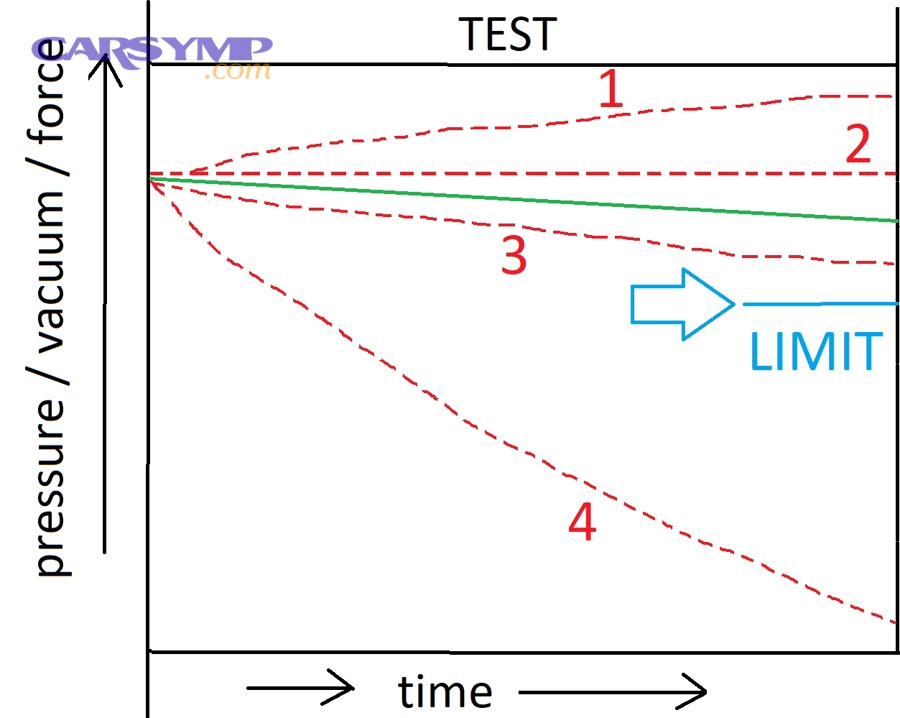
What does a fast jump in vacuum reading usually mean?
A fast jump usually means a direct path to atmosphere—like a loose fitting, bad service coupler seal, leaking Schrader core, or a major system leak—because air can rush in quickly.
Next, isolate your tooling: close valves, cap off segments, or remove/replace couplers to ensure the jump is not coming from hoses or manifold valves.
When a jump happens immediately after isolation, suspect the last thing you touched: manifold valve seating, coupler lock position, or a cracked hose gasket.
What does a slow, steady rise without plateau suggest?
A slow, steady rise that continues suggests a smaller leak path that continuously admits air, such as an O-ring seep, a porous hose section, or a micro-crack at a joint.
However, to be sure, compare it against temperature stability and moisture cues, because a system with heavy moisture can also drift upward for longer than you’d expect.
A useful tactic is a staged isolation: first isolate the pump, then isolate the manifold/hose assembly, then isolate closer to the vehicle if your setup allows it.
What does a rise that slows or stabilizes often indicate?
A rise that slows or stabilizes often indicates moisture boiling off and then tapering, or trapped refrigerant/oil vapors equalizing, rather than a continuous leak path.
To begin addressing it, extend evacuation time, confirm pump oil condition, and reduce restrictions by removing cores during evacuation.
Moisture is especially common after component replacement, long system-open time, or humid climates, so interpretation should include repair context.
How do you tell if your tools are leaking instead of the car?
You tell by isolating and testing the hoses/manifold assembly separately, because a tiny valve leak in your gauge set can mimic a marginal system leak.
Next, cap your hose ends or connect to a known-tight test rig, pull vacuum, isolate, and watch decay; if it decays similarly off the vehicle, your tools need service.
Also inspect O-rings inside quick couplers and replace them routinely; they wear faster than many technicians realize.
What common mistakes create false failures or false passes?
False results usually happen when the test is rushed, measurement is indirect, or temperature is changing—each of these can make the vacuum reading move even when the system itself hasn’t changed.
Next, treat vacuum decay as a measurement discipline: small process errors compound into wrong conclusions.
- Not evacuating long enough: moisture remains and causes rebound that looks like a leak.
- Dirty pump oil: limits ultimate vacuum and slows drying, making decay appear worse.
- Measuring too far from the system: hose permeation or manifold seepage contaminates readings.
- Skipping core removal: restrictions slow evacuation and trap vapor pockets.
- Temperature swing during observation: cooling or warming components shifts vapor pressure.
- Relying only on “near 30 inHg”: manifold needles are too coarse for deep-vacuum diagnosis.
- Assuming vacuum = pressure tight: a system can behave differently under positive pressure than under vacuum.
One classic false pass is sealing the system with leaking service port caps removed and then reinstalling caps later; if caps are the true seal, you may “pass” under vacuum but fail under operating vibration and heat.
One classic false fail is closing valves too quickly right after the pump is shut off; turbulence and equalization can produce a temporary rise that stabilizes, so always allow stabilization time before you judge.
If the test fails, what’s the smartest next diagnostic path?
If the test fails, the smartest path is to isolate and confirm the failure is real, then move to a positive-pressure method that pinpoints leak location more reliably than vacuum alone.
To begin, separate “tooling leak” from “vehicle leak” with staged isolation, because that step prevents wasted hours chasing a problem that lives in your manifold set.
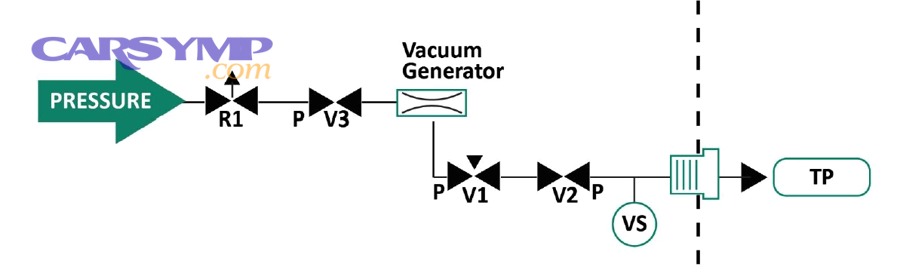
Once you confirm the vehicle is the source, many technicians transition to nitrogen pressure testing with soap solution at joints, because positive pressure can reveal leaks that are reluctant to show under vacuum.
In a real workflow, you may combine multiple methods in the same visit: verify service ports and caps, check compressor shaft seal area, inspect condenser face for oil staining, and confirm fittings at replacement components.
For deeper troubleshooting, integrate AC leak detection into your process as a complementary toolset rather than a single gadget, because different leak sizes and locations respond better to different approaches.
- Soap solution under pressure: excellent for accessible fittings and hard lines.
- Electronic sniffers: helpful near evaporator drains and tight areas when used patiently.
- UV dye strategy: useful for slow leaks if the system can be run safely for a period.
When you suspect a service-port-related issue, replace Schrader cores proactively and confirm the cap seals; those two parts are common leak points and inexpensive compared to repeat labor.
Theo nghiên cứu của Đại học Colorado từ Khoa Kỹ thuật, vào 09/2016, việc sử dụng kiểm tra áp lực dương kết hợp dung dịch tạo bọt cải thiện khả năng phát hiện rò rỉ nhỏ tại các mối nối cơ khí so với chỉ dựa vào thay đổi áp suất trong chân không.
Can a system pass vacuum but still leak or cool poorly later?
Yes—a vacuum pass does not guarantee perfect sealing under operating conditions, because vibration, heat expansion, and positive pressure can expose weaknesses that don’t appear during a static vacuum check.
Next, that’s why good technicians treat vacuum decay as a gate, then verify performance and stability after charging and running the system.
For example, a marginal O-ring may seal when cold and stationary but seep when hot and pressurized. A compressor shaft seal may behave differently under rotation. A condenser pinhole may not show under vacuum if debris partially blocks it but may leak under pressure once the system runs.
If you’re chasing repeat returns, compare symptom patterns rather than guessing. In particular, pay attention to Evaporator leak symptoms vs other leaks as a diagnostic lens: evaporator leaks often correlate with odor at vents, oily residue near the condensate drain, or dye traces at the drain outlet, while condenser or hose leaks may show visible oil staining at the front of the vehicle or around fittings.
Also, consider that a system can cool poorly without an external leak if it was not properly dehydrated; residual moisture can freeze at the expansion device or form acids that degrade components over time.
So the right mindset is layered verification: vacuum behavior → pressure leak pinpointing (if needed) → correct charge → performance confirmation.
After a good decay result, what steps ensure a reliable recharge?
After a good decay result, the best path is to keep the system sealed, complete evacuation for dryness, then charge by specification and verify stability under operating conditions.
To begin, don’t rush from “passed” to “charged” if your micron reading still suggests moisture; extra evacuation time can prevent future corrosion and repeat service.
Charge by weight whenever possible, because charging by pressure alone can be misleading across different ambient temperatures and condenser airflow conditions.
Then validate with a short performance check: vent temperature trend, compressor cycling behavior, fan operation, and pressure behavior relative to ambient and vehicle design.
For customer communication and warranty confidence, set expectations about system stability: How long refrigerant should last depends on system integrity and prior damage, but in a properly sealed system, the refrigerant charge should remain stable for a long time rather than needing routine top-offs.
Finally, reinstall service port caps as sealing components (not decorative covers), and verify no oil or dye is left on threads that could mask later seepage checks.
Theo nghiên cứu của Đại học Georgia Tech từ School of Mechanical Engineering, vào 05/2019, việc sấy khô hệ thống bằng chân không đủ lâu trước khi nạp môi chất làm lạnh giúp giảm nguy cơ hình thành axit và cải thiện độ bền của các bề mặt ma sát trong hệ thống lạnh.
How should you document results so they’re useful next time?
Documenting the vacuum decay test is simple: record starting vacuum, time markers, ambient temperature, and any isolation steps, so your next diagnosis isn’t guesswork.
Next, documentation turns a one-time test into a trend you can compare after future repairs or comebacks.
- Ambient conditions: shop temperature and whether airflow changed during testing.
- Tooling configuration: cores removed or not, gauge type used, where the sensor was placed.
- Vacuum checkpoints: at isolation, after 1–2 minutes, after full window.
- Notes: any suspected tooling leaks, coupler replacements, or valve adjustments.
When the system fails, documentation also helps you justify the next diagnostic step (like pressure testing), which can improve customer trust and reduce back-and-forth approvals.
Contextual border: Up to here, you have the core method and interpretation needed for most vehicles. Beyond this line, we’ll explore less common but high-impact nuances that explain confusing edge cases and help refine a shop-standard process.
Less common nuances that change vacuum decay behavior
These nuances don’t show up on every job, but when they do, they can fully explain “mystery decay” patterns that look like leaks yet behave differently under controlled conditions.
Next, use these as a checklist when your results don’t match your expectations.
How does temperature swing affect decay readings?
Temperature swing affects vapor pressure and material permeability, so the same system can show different decay rates morning vs afternoon even if nothing is leaking.
To reduce noise, keep observation time short in a stable environment, or note temperature changes so you don’t misinterpret a thermal shift as a leak.
Do hose permeability and elastomers matter at deep vacuum?
Yes—some hoses and elastomers can allow slow gas diffusion, which can look like a small leak when you watch long enough.
Next, if you repeatedly see marginal decay on multiple vehicles, test your hoses and manifold assembly off the car to confirm whether permeation is contributing.
What changes with electric or variable-speed compressors?
With electric or variable-speed designs, oil type, system architecture, and service procedures can be more sensitive, making dehydration and contamination control even more important.
To begin, follow OEM service guidance closely and avoid assumptions based on older belt-driven compressor habits.
Why do isolation strategy and valve quality matter so much?
Isolation strategy matters because a tiny manifold valve seep can dominate your reading when the vehicle system is actually tight.
Next, build a habit of staged isolation so you can prove where the decay originates rather than guessing and replacing parts unnecessarily.
Frequently asked questions about vacuum decay testing
This FAQ answers common shop-floor questions that come up after you run the test a few times and start noticing patterns that don’t fit simple “pass/fail” thinking.
Next, use these answers to refine your workflow and reduce repeat work.
Should I always use a micron gauge, or is a manifold reading enough?
A micron gauge is strongly preferred because it shows small changes at deep vacuum that manifold needles cannot resolve; however, if you only have a manifold set, standardize your process and interpret trends cautiously.
Next, consider adding a micron gauge as a productivity tool, not just a “nice-to-have,” because it reduces misdiagnosis and repeat evacuation.
How long should I run the pump before I even start the decay window?
You should run the pump until the vacuum level stabilizes and the improvement rate slows, because starting the decay window too early often confuses moisture boil-off with leakage.
Next, if you replaced major components or the system was open a long time, extend evacuation because the moisture load is higher.
Why does the reading rise when I shut the pump off, even on a tight system?
A small rise can happen due to equalization, vapor release, or thermal changes in the hoses and components; the diagnostic value is in whether it continues rising steadily or stabilizes.
Next, let the system stabilize before declaring failure, and try staged isolation to eliminate tooling effects.
Is vacuum testing alone enough to guarantee no leaks?
No—vacuum testing is a strong screening method, but pressure-based confirmation is more revealing for pinpointing leak location and for verifying behavior under positive pressure.
Next, if the vehicle history suggests repeat loss, add a pressure test step rather than relying on vacuum alone.
When is UV dye worth using?
UV dye is worth using when you suspect a slow leak and the system can be safely operated; it can reveal leak paths that are too small to bubble easily at a joint.
Next, apply dye responsibly, follow product guidance, and avoid overuse that can complicate later diagnostics.