


How long refrigerant should last; car air conditioning refrigerant; R-134a; R-1234yf; automotive HVAC; recharge; leak; pressure; vacuum; manifold gauge; compressor; condenser; evaporator; receiver-drier; accumulator; expansion valve; orifice tube.
In a properly sealed car A/C system, refrigerant should last for years—often the life of the vehicle—because it is not “used up”; when the charge drops, the most common cause is a leak rather than normal consumption.
To make that answer actionable, you’ll want to know what “normal” looks like (small seasonal performance changes vs a real loss of charge) and what early warning signs suggest the system is no longer sealed.
You’ll also need a practical way to decide what to check first when cooling is weak: whether the issue is charge level, airflow, heat exchange, control problems, or multiple small leaks that add up over time.
Giới thiệu ý mới: below is a step-by-step, mechanic-style breakdown of how long refrigerant should last, what causes it to “disappear,” and how to verify stability after any repair or recharge.
How long should A/C refrigerant last in a healthy car system?
Ideally, A/C refrigerant should last the lifetime of the system because a sealed loop does not consume refrigerant; a noticeable drop over months is usually a sign of leakage, not a routine maintenance interval.
To begin, it helps to separate “performance drift” from “charge loss,” because they can feel similar from the driver’s seat.
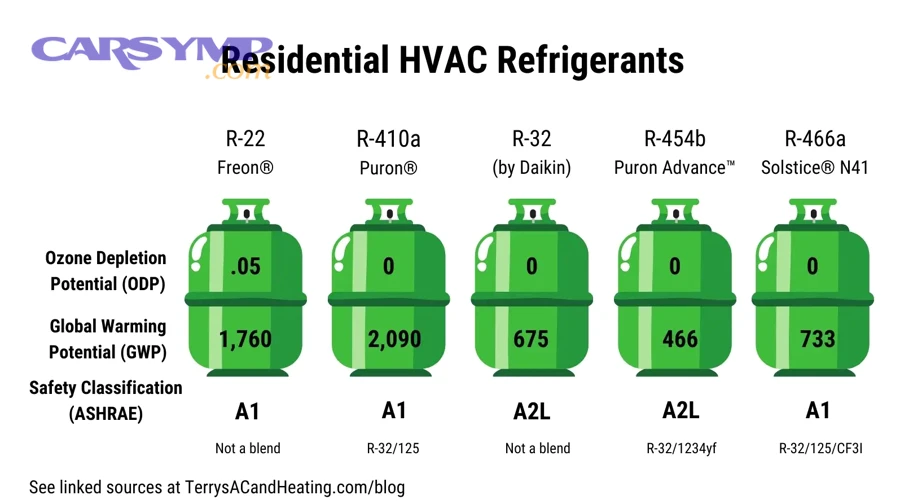
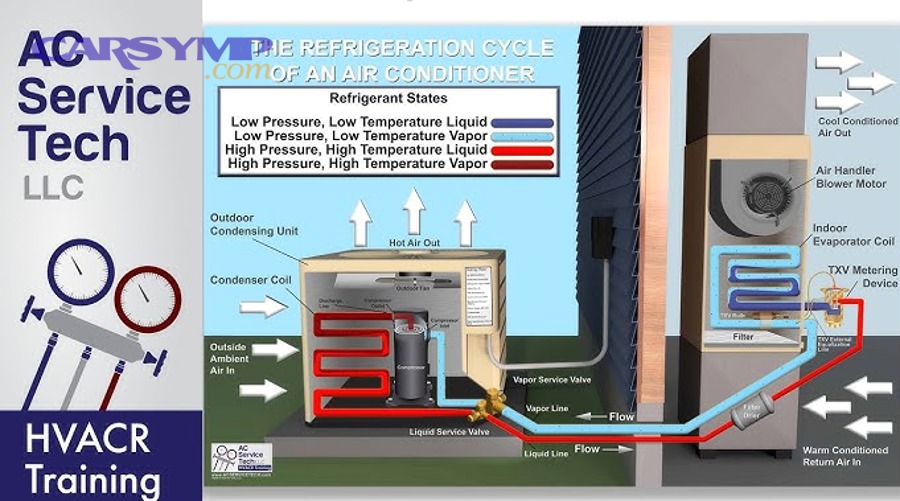
Refrigerant in automotive HVAC acts as a working fluid: it changes state (liquid to vapor and back) while carrying heat from the cabin to the outside air. In a sealed circuit, that same mass of refrigerant circulates repeatedly—so “time” alone is not what reduces the amount in the system.
What does change over time is everything around the refrigerant: rubber seals age, O-rings flatten, hoses permeate slightly, and vibration plus thermal cycling can loosen fittings. Those changes can create a pathway for refrigerant molecules to escape. Modern systems can also be sensitive to even minor losses because correct charge is tightly tied to heat exchanger efficiency and compressor protection.
A useful rule-of-thumb for drivers: if your A/C performance is stable season to season (recognizing hot/humid days are tougher), and you don’t need top-offs, your refrigerant is lasting as it should. If cooling fades noticeably within a year after a recharge, the system likely has a leak that was not located and repaired.
Theo tài liệu kỹ thuật của U.S. Environmental Protection Agency từ chương trình Section 609, vào 03/2021, EPA nhấn mạnh rằng môi chất lạnh không bị “tiêu hao” và việc thiếu gas thường gắn với rò rỉ cần được sửa trước khi nạp lại.
Next, let’s translate “years” into real-world patterns you can recognize without guessing.
What is “normal” loss versus a problem leak over time?
“Normal” is best defined as no meaningful loss that changes cooling, while a problem leak is any loss that degrades vent temperature, causes compressor cycling, or requires repeat recharges within months.
After that baseline, you can spot patterns by watching how quickly symptoms return after a recharge or repair.
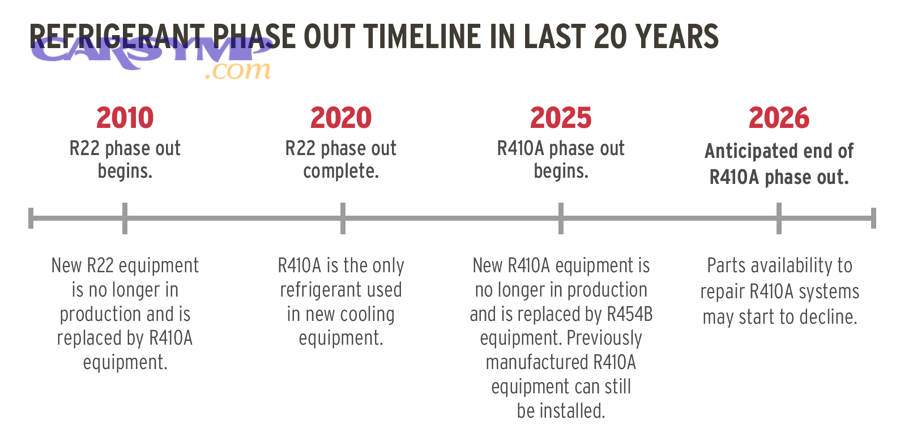
Some vehicles may experience very slow permeation through hoses and seals, but in practice you should not expect to “top off every summer” as a standard schedule. When a shop adds refrigerant repeatedly without addressing the reason for the low charge, the underlying issue remains—and the system may be at risk of oil loss (because refrigerant leakage often carries some oil mist).
Signs you’re dealing with a real leak rather than “normal aging” include:
- Cooling fades quickly after a recharge (weeks to a few months).
- Compressor short-cycling (rapid on/off), especially with mild ambient temps.
- Hissing near the dash or engine bay after shutdown (sometimes a large leak at a joint).
- Oily residue on A/C fittings, hoses, condenser, or compressor body.
- Intermittent cooling that becomes consistently weak over time.
However, some “weak A/C” complaints are not refrigerant-related at all—cabin air filter restriction, blend door issues, radiator fan problems, or a condenser blocked by debris can mimic low charge. That’s why the next section focuses on symptoms that correlate strongly with charge loss.
What symptoms suggest refrigerant isn’t lasting because it’s leaking out?
Refrigerant-related problems usually show up as reduced cooling capacity, unstable vent temperature, and compressor behavior changes—especially cycling patterns that match low-pressure protection logic.
To understand why, it helps to connect what you feel (warm air) to what the system is doing (pressure/temperature relationships).
When charge is low, the evaporator may not receive enough liquid refrigerant to fully absorb cabin heat. That can raise vent temperature and sometimes reduce dehumidification, making the cabin feel clammy. Low charge can also trigger the low-pressure switch or sensor strategy, causing the compressor to disengage to protect itself from insufficient oil return and abnormal operating conditions.
Look for these symptom clusters:
- Vent temperature slowly rising over weeks while blower airflow stays strong.
- Cold at highway speed, warm at idle (can be charge-related but also airflow/fan related—needs confirmation).
- Cold for 10–30 seconds, then warmer as the compressor cycles off due to low pressure.
- Frosting on a line or at the expansion device area (can happen with low charge or restrictions; must be diagnosed carefully).
Crucially, if the system was cold after a recharge and degrades again, it’s less likely to be a control-door issue and more likely that refrigerant is not staying in the system.
Now let’s move from symptoms to the practical question: where does it usually leak from?
Where do car A/C systems commonly leak from?
Most leaks occur at seals, O-rings, hose crimps, service ports, and heat exchangers like the condenser and evaporator—places that combine vibration, temperature swings, and many joints.
Next, mapping likely leak zones by “front vs cabin” makes the search more efficient.

Front-of-vehicle leaks are common because the condenser sits behind the grille, facing road debris and corrosion. Micro-impacts can create pinholes, and bent fins can hide damage. In the engine bay, compressors can seep at shaft seals, case seals, or rear head O-rings. Hoses can leak at crimped ends where rubber meets metal.
Cabin-side leaks are often tied to the evaporator core. Because the evaporator is buried in the HVAC box, the leak may be slower and harder to see. One clue is a persistent oily film or dye traces at the evaporator drain tube area (when dye is used), but confirmation typically requires specialized detection methods.
Service ports are another frequent culprit. Schrader valves can seep, caps can be missing or loose, and the port itself can be damaged. A loose cap seems trivial, but it’s a secondary seal—so it matters.
To make this more concrete, here’s a quick reference that helps you prioritize inspection points when refrigerant doesn’t last.
The table below lists typical leak locations, what you might notice, and why those points fail—so you can prioritize checks instead of guessing.
| Likely leak area | Common clue | Why it fails | Best first check |
|---|---|---|---|
| Service ports (Schrader valves) | Oil/dirt ring at port, missing cap | Valve core wear, cap not sealing | Soapy solution / electronic sniff |
| Condenser | Cooling worse at idle, visible fin damage | Road debris, corrosion, pinholes | Visual + dye + pressure test |
| Compressor (shaft/case seals) | Oily residue on compressor body | Seal wear, heat cycling | UV dye + electronic detector |
| Hose crimps | Oil at crimp, grime buildup | Crimp fatigue, rubber aging | Visual + dye |
| Evaporator | Slow loss, hard to see externally | Corrosion, manufacturing defects | Detector via vents / drain inspection |
Once you know the likely points, the next step is choosing the right verification method—because “it leaked” is not a complete diagnosis.
How can you confirm whether refrigerant loss is real and not a measurement mistake?
You confirm true loss by combining performance observations with objective checks—system pressures, vent temperature, and leak indicators—because A/C behavior can be misleading if airflow or heat exchange is compromised.
After that, you can avoid the two most common traps: misreading pressure without context and confusing “warm at idle” with “low charge.”
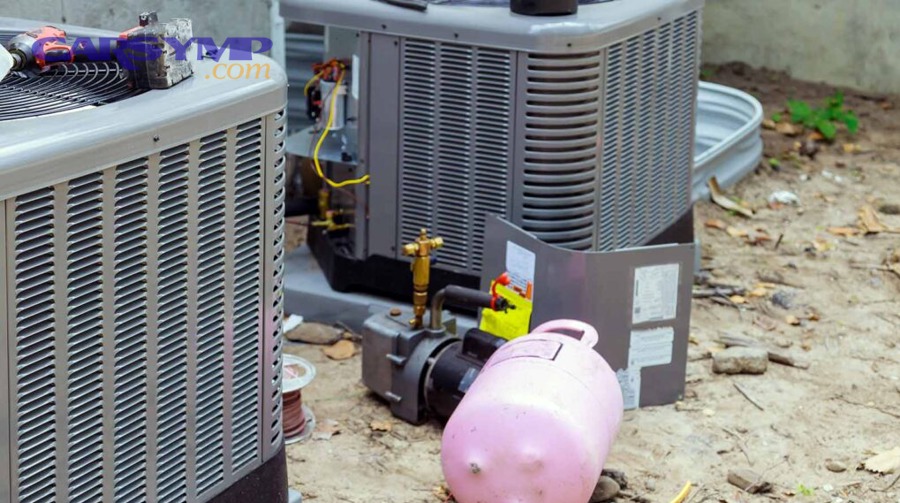
Pressure readings alone are not a perfect “charge gauge,” especially with modern variable-displacement compressors and electronically controlled expansion valves. Ambient temperature, condenser airflow, and engine cooling fan operation all influence pressures. That’s why pros look at the whole picture: high/low side behavior, vent temperature drop, and stability over time.
Here’s a reliable approach for drivers and DIY-minded owners:
- Start with airflow basics: cabin filter, blower strength, vents unobstructed.
- Check condenser airflow: radiator fans operating, condenser not blocked by debris.
- Measure vent temperature with a thermometer and compare at idle vs 1500–2000 rpm.
- Look for visible oil residue on A/C components and around fittings.
- Use a professional leak check if repeat topping-off has occurred.
If the system was recently serviced, ask whether it was charged by weight (best practice) or by pressure/“feel.” Charging by weight matters because both undercharge and overcharge can reduce performance and durability.
Now that you can confirm the problem is truly charge loss, the next question is: how do professionals find the leak efficiently?
What are the most reliable ways to find the leak causing refrigerant not to last?
The most reliable leak-finding strategy combines visual inspection, UV dye tracing, and electronic detection—then confirms with pressure-based validation—because some leaks only show under certain temperatures, pressures, or vibration.
Next, you’ll see how each method fits into a logical sequence rather than random testing.
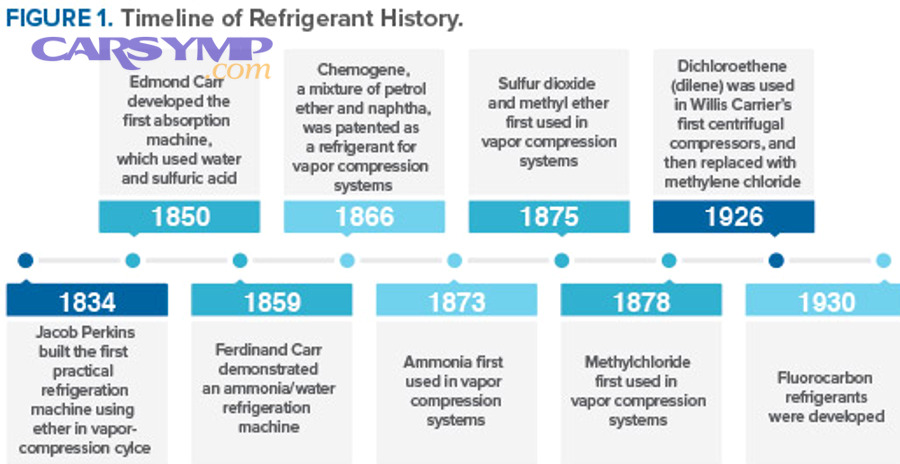
Shops often start with a careful visual inspection: oily grime is a strong clue because refrigerant carries compressor oil. Then they may use UV dye (already present in some systems or added during service) and scan components with a UV lamp. Dye is excellent for finding slow leaks at fittings, compressor seals, and condensers—provided the system ran long enough for dye to circulate.
Electronic leak detectors (“sniffers”) can detect small leaks without dye, especially around service ports, compressor seals, and evaporator drain areas. However, false positives can happen near solvents, windshield washer fluid, or residual refrigerant from previous service—so technique matters.
Soapy water can work on accessible fittings and service ports, but it’s limited on hidden areas and tiny leaks. For hard-to-reach leaks (like evaporators), technicians may probe via vents or near the condensate drain, sometimes paired with dye evidence.
Inside this workflow, you’ll often hear terms like AC leak detection (a full process, not a single tool). The best results come from matching method to leak location: dye for surfaces you can see, electronic detection for hidden areas, and confirmation testing to ensure the repair actually holds.
To make this even more practical, let’s look at the reason some vehicles seem “more leak-prone” than others.
Why does refrigerant last longer in some vehicles than others?
Refrigerant lasts longer when the system design minimizes joints, uses durable hose materials and seals, protects the condenser, and maintains stable operating pressures—while some vehicles have more leak opportunities due to packaging and component placement.
After that, understanding “risk by design” helps you target inspections and set realistic expectations.
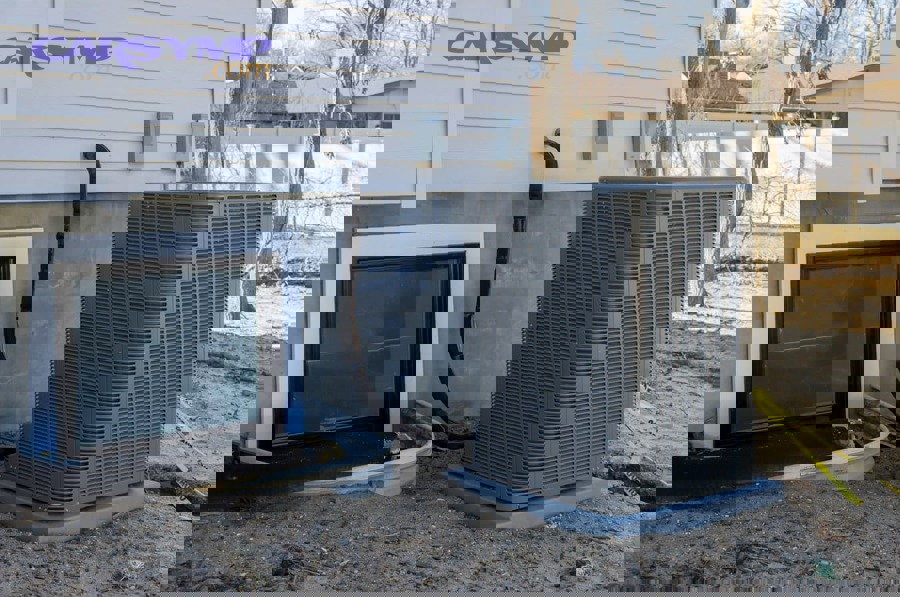
Vehicles differ in how the A/C lines route through the engine bay, how many connections they use, and how exposed the condenser is to stones and corrosion. A design with long hose runs and multiple joints increases potential leak points. Likewise, systems that run higher pressures (often influenced by refrigerant type and condenser size) can be less forgiving of marginal seals.
Climate and usage also matter. Hot, humid climates demand longer A/C run times and higher heat rejection, which increases thermal cycling. Vehicles that sit unused for long periods can develop seal dryness, while vehicles in snowy, salty regions may see more corrosion at the condenser and fittings.
If you’re trying to understand your own vehicle’s tendencies, it helps to think in terms of common leak zones by platform rather than assuming a universal pattern. In practice, there are Common AC leak points by vehicle—for example, some models see more condenser pinholes, while others are known for compressor seal seepage or evaporator corrosion. The key is not the label, but the inspection logic: start where your model is most exposed and where evidence is easiest to confirm.
Now, one of the biggest confusion points: does the refrigerant type change how long it should last?
Does refrigerant type affect how long it should last (R-134a vs R-1234yf)?
Both R-134a and R-1234yf should last equally long in a sealed system because neither is consumed, but systems using R-1234yf can feel more sensitive to small losses due to design choices and service precision requirements.
Next, we’ll connect refrigerant properties to what owners actually notice—cooling stability and service outcomes.
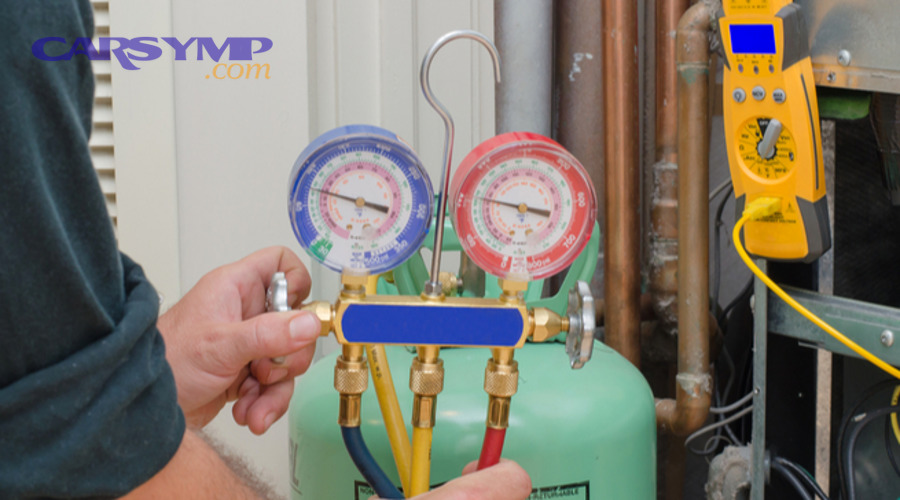
Refrigerant choice influences operating pressures, lubricant compatibility, and service equipment requirements. R-1234yf systems often require careful charge-by-weight procedures and dedicated equipment to avoid contamination. If service is performed incorrectly—wrong charge amount, improper vacuum, or contaminated refrigerant—the system may not perform well, and the owner may mistakenly attribute it to “refrigerant not lasting.”
However, when refrigerant truly does not last, the root cause is still a leak path. Smaller molecules, different miscibility with oils, and operating conditions can influence leak detection sensitivity, but they don’t convert a sealed system into one that “uses up” refrigerant.
One practical takeaway: if your vehicle uses R-1234yf, repeat recharges are especially costly, so locating and fixing leaks before recharging is even more important than with older systems.
Next, let’s address the maintenance question directly: when should you recharge, and when should you repair instead?
When should you recharge versus repair first?
You should recharge only after you’ve identified and corrected the cause of the low charge (or confirmed it was a one-time service loss), because recharging without repair usually leads to repeated loss, wasted cost, and potential compressor damage.
After that, you can use a simple decision tree to avoid “top-off loops.”
If the system has never been serviced and suddenly becomes weak, the first step is diagnosis: confirm airflow, fan operation, and basic A/C command. If evidence suggests low charge, the right move is to find the leak, repair it, then evacuate and recharge to the specified amount.
If your A/C was recharged recently and performance faded again, treat it as a leak until proven otherwise. The faster it fades, the larger the leak likely is. If it fades slowly over a year or more, it may be a small seep—still a leak—but it might require more sensitive detection methods.
In many cases, “just add a little” is not only temporary but can be risky. Undercharge reduces cooling and oil return; overcharge can elevate pressures and stress components. The safest path is charge-by-weight after a proper evacuation and leak repair.
Now let’s cover the tricky scenario that frustrates many owners and shops alike: multiple leaks.
What if there are multiple leaks—what should be fixed first?
If there are multiple leaks, you fix the largest, most accessible, and most failure-prone leak points first—then retest—because one major leak can mask smaller ones and prevent accurate confirmation of system stability.
Next, a staged approach prevents wasted labor and reduces repeat visits.
Multiple leaks are common in older systems: a seeping service port plus a condenser pinhole plus an aging compressor seal can all exist together. If you only repair one minor leak while a larger one remains, the refrigerant will still not last—and you may wrongly conclude the repair “didn’t work.”
A practical triage plan looks like this:
- Start with service ports and caps (cheap, common, easy to verify).
- Address visible oil/dye leaks at fittings, hose crimps, and compressor body.
- Prioritize the condenser if it’s damaged or heavily corroded (high exposure area).
- Investigate the evaporator if loss persists with no external evidence.
In this context you may hear the phrase What to fix first in multiple leaks: the answer is not “the most expensive part,” but the leak that most strongly explains the rate of loss and is most likely to sabotage confirmation testing.
Once you’ve repaired suspected leak points, the next step is proving the system is tight before adding refrigerant back in.
How do shops verify the system is sealed before charging it?
Shops verify sealing by evacuating the system, confirming it holds vacuum, and—when needed—pressure testing with dry nitrogen, because these checks reveal whether a repaired system will retain refrigerant long-term.
After that, a stable pre-charge test reduces the chance of wasting refrigerant and time.
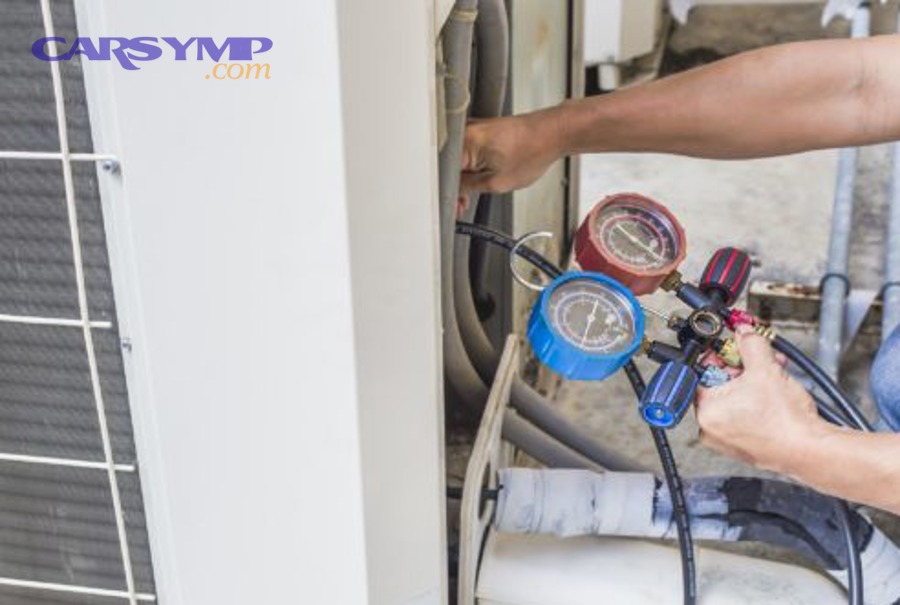
Evacuation removes air and moisture. Moisture is harmful because it can freeze at the expansion device, cause corrosion, and degrade lubricants. But evacuation is also a test: once the system is pulled into a deep vacuum, a stable reading suggests there isn’t a large leak path. If the vacuum quickly rises (loss of vacuum), there is likely a significant leak or a service tool/connection issue.
For higher confidence, many technicians also use nitrogen pressure testing (with appropriate regulators and safety practices). Nitrogen is dry and inert, allowing pressure to be applied without introducing moisture. Soap solution, electronic detection, and pressure stability checks can then be used to pinpoint leaks.
In industry practice, this workflow aligns with the idea of proving tightness before charging—because once refrigerant is installed, leak hunting can become more expensive and environmentally sensitive.
Now, we’ll move from “shop-level” methods to what you can do as an owner to improve the odds your refrigerant lasts after service.
How can you help refrigerant last longer after a repair or recharge?
You help refrigerant last longer by ensuring the leak is actually repaired, the system is evacuated correctly, the charge is added by weight, and airflow/heat exchange conditions are healthy—because poor service practices can mimic “loss” and accelerate wear.
Next, a few smart habits and questions for the shop can prevent repeat failures.

Start by asking the right service questions:
- Was the leak source found and documented? (location, evidence, method used).
- Was the system evacuated to remove moisture? (not just “topped off”).
- Was the charge amount added by weight? (matches the under-hood spec).
- Were O-rings replaced where disturbed? (cheap insurance at opened joints).
- Were service port cores and caps checked? (common slow-leak point).
Then focus on heat exchange health, because poor condenser airflow raises pressures and can stress seals:
- Keep the condenser area clear of leaves, bugs, and road film.
- Make sure engine cooling fans operate correctly (especially at idle).
- Maintain engine cooling system health to avoid excess under-hood heat.
Finally, don’t ignore early warning signs. If cooling weakens shortly after service, returning promptly can help the shop catch the issue while dye traces and evidence are fresh—making the fix faster and less costly.
To bring everything together, watch this short explainer that covers leak causes and why recharges don’t “solve” loss without repair.
At this point, you have the core answer to “how long” and the main diagnostic logic. Now we’ll step beyond the baseline into less-obvious verification details and edge cases that affect whether refrigerant truly lasts after service.
What advanced checks confirm the charge will remain stable after service?
Advanced confirmation comes from stability testing over time—vacuum stability, pressure stability with inert gas, and post-charge monitoring—because some leaks only appear under specific conditions and can evade quick checks.
Next, we’ll connect each confirmation method to the type of leak it is best at exposing.
How does a vacuum hold test reveal tiny leak paths?
A deep vacuum test can reveal meaningful leaks when the system cannot maintain low pressure, but it is most reliable as a “gross leak” screen and must be interpreted carefully to avoid false conclusions.
After that, understanding what “vacuum rise” means helps you avoid blaming the wrong component.
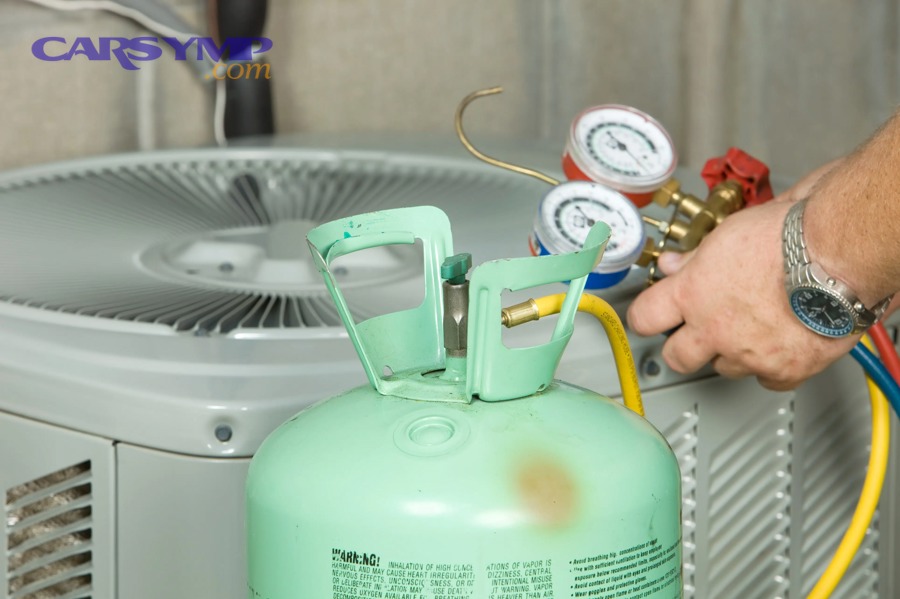
Technicians often describe this as Vacuum decay test explained: the system is evacuated, isolated, and the rise in pressure is observed over time. A rapid rise suggests a significant leak; a slow rise can be a very small leak, permeation, or sometimes residual moisture outgassing. Proper technique (tight service couplers, correct valves, stable temperature) matters because tool-side leaks can mimic system leaks.
Best practice is to treat vacuum stability as one layer of confidence, not the only proof—especially when you suspect a leak that only opens under positive pressure.
When is nitrogen pressure testing the better proof?
Nitrogen pressure testing is often a stronger proof for small leaks because it applies positive pressure similar to operating conditions without wasting refrigerant, making bubble testing and electronic detection more effective.
Next, pairing nitrogen with targeted inspection increases detection speed.
With dry nitrogen, the system can be brought to a controlled test pressure. Then a technician can apply soap solution to suspected joints, scan with an electronic detector (if a tracer is used where appropriate), and watch for pressure drop over time. This is particularly helpful when vacuum holds but refrigerant still doesn’t last—an outcome that can happen when a leak behaves differently under vacuum vs positive pressure.
How do you prioritize leak checks when evidence is mixed?
You prioritize by leak rate, accessibility, and likelihood—checking the easiest high-probability points first—because a small, hidden leak is harder to confirm if a bigger leak remains unfixed.
After that, a staged plan prevents repeated recharging and rework.
This is where the concept What to fix first in multiple leaks becomes critical. If you suspect more than one leak point, address ports, visible oil/dye areas, and high-exposure components first. Then retest, because each successful repair changes the system’s “background noise,” making remaining leaks easier to find.
Which detection methods work best for hard-to-see components?
Hard-to-see components are best checked using a combination of electronic detection, dye tracing (when appropriate), and indirect evidence points like drains and vents—because direct visual confirmation isn’t always possible.
Next, combining methods reduces the chance of a missed leak.
For example, evaporator leaks may leave subtle clues at the condensate drain, and electronic detection near vents can suggest refrigerant presence in the HVAC box. Meanwhile, the broader workflow still falls under AC leak detection as a process: choose tools based on access, confirm with stability testing, and document the result. On many platforms, experience also highlights Common AC leak points by vehicle, which can guide where to probe first when the system repeatedly loses charge with no obvious external evidence.
FAQ
These quick answers address common owner questions so you can make decisions without restarting the diagnosis from scratch.
Should I “top off” refrigerant every year as routine maintenance?
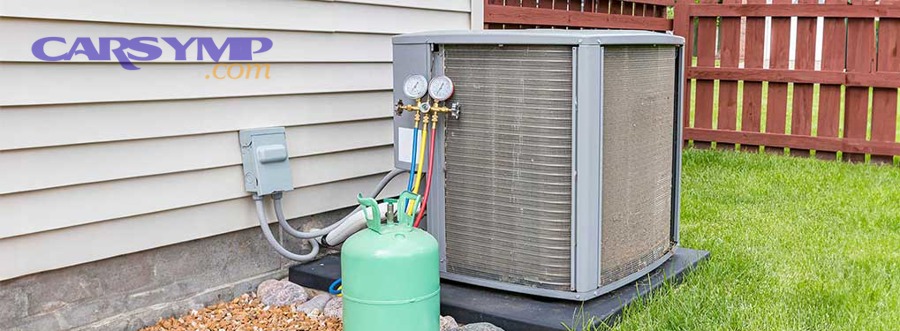
No—routine yearly top-offs usually indicate a leak; a sealed system should not need regular refrigerant additions, and repeat topping-off delays the real fix while risking compressor lubrication issues.
If my A/C is cold at speed but warm at idle, is it always low refrigerant?
No—low refrigerant can contribute, but condenser airflow problems (fans, debris blockage), high engine temps, or condenser efficiency issues can cause the same pattern, so it needs confirmation with objective checks.
Can refrigerant leak out without leaving any visible residue?
Yes—some slow leaks, especially at evaporators or tiny pinholes, may not leave obvious oil residue externally, which is why electronic detection and stability testing are often necessary.
Is it safe to keep driving if refrigerant is low?
It depends—many vehicles will disable the compressor when pressure is too low, but running a marginally charged system can increase wear and reduce oil return; it’s best to diagnose and repair promptly rather than repeatedly recharging.
What’s the single best way to make refrigerant “last” again?
Fix the leak and verify tightness before charging by weight; a correct repair plus proper evacuation/charging is what restores long-term refrigerant retention and stable cooling performance.