


DIY “recharge” can help only in a narrow, specific situation: a system that is slightly low on the correct refrigerant and has no major leak or airflow problem. Outside that window, adding refrigerant often hides the real fault, wastes money, and can damage expensive parts.
Beyond whether it “works,” the real question is safety: refrigerant can cause frostbite on contact, displace oxygen in poorly ventilated areas, and become a legal/environmental problem if it is intentionally vented. So the safest DIY approach starts with diagnosis, not a can.
You also need to avoid the most common DIY trap—guessing. Modern A/C systems are sensitive to charge amount, oil balance, and contamination, so “low-side-only” kits and stop-when-cold methods can push you into overcharge or poor heat rejection.
To connect all of this into a practical plan, the sections below walk through what can go wrong, how to screen for non-refrigerant causes, and how to choose safer stop-points. After that, we broaden the context to newer refrigerants and special cases where DIY is a bad idea even when symptoms look simple.
Is DIY A/C refrigerant recharge risky for modern vehicles?
Yes—DIY recharge is risky because it can lead to overcharge, contamination, and unsafe handling, and it often treats a symptom instead of the root cause. To connect the risk to a safer decision, you need to understand what the “can” cannot tell you.
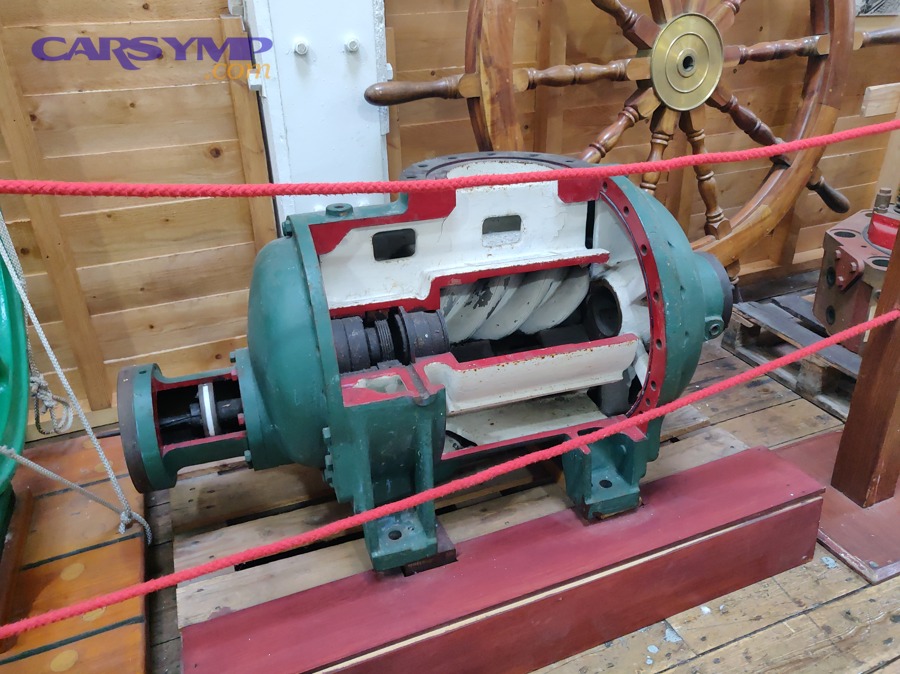
First, a modern automotive A/C system is not a simple “add until cold” loop. It is a closed, engineered system where refrigerant mass, oil amount, and heat rejection capacity must match the compressor design. When you add refrigerant without confirming charge condition, you can drive high head pressure, raise compressor torque, and shorten component life.
Second, DIY recharge often happens when the A/C “suddenly” stops cooling. But sudden loss commonly implies a leak, an electrical/fan fault, a blend-door issue, or a compressor clutch/control problem. Adding refrigerant can temporarily change pressures and make it seem “better,” while the real fault continues to grow.
Third, there are safety and compliance hazards. Refrigerant is a pressurized chemical; careless hose connection can vent refrigerant, and some DIY products contain additives (including sealers) that can harm service equipment and complicate professional repair.
Practical takeaway: treat DIY recharge as the last step after you’ve ruled out obvious airflow and control faults, and only if you can monitor pressure and behavior responsibly.
Theo nghiên cứu của U.S. Environmental Protection Agency từ chương trình quản lý chất làm lạnh cho MVAC, vào October/2025, cơ quan này nhấn mạnh yêu cầu xử lý/chứa môi chất đúng quy trình và không được cố ý xả thải ra môi trường khi bảo dưỡng hệ thống lạnh.
What are the most common DIY mistakes that cause damage or wasted refrigerant?
The biggest DIY mistakes are overcharging, charging with air/moisture present, and charging a leaking system without fixing the leak first. Next, we’ll link each mistake to the failure it creates so you can recognize it early.
Overcharging by “feel” instead of by an objective target
Overcharge happens when you use vent temperature alone as the stopping rule, because vent temperature can look “good” briefly while head pressure is climbing. To connect this to a safer step, think of charge as a measured quantity—not a comfort setting.
Overcharge can reduce condenser efficiency, increase compressor load, and in some cases cause cycling that looks like an electrical problem. It can also mask airflow faults by temporarily changing the low-side reading.
Charging a system that is pulling in air through a leak
If the system leaked enough to reduce cooling, it can leak enough to pull in air during off cycles, and that air does not condense like refrigerant. To connect this to diagnosis, you must treat air contamination as a performance problem, not just a pressure reading.
Air contamination raises pressures and reduces cooling, especially at idle or hot ambient conditions. Moisture contamination is worse: it can freeze at the metering device and create intermittent cooling that tricks you into “topping off.”
Using sealant cans or mixed products without understanding the tradeoffs
Sealants can gum up equipment and can harden inside valves or service ports if exposed to moisture. To connect this to a safer strategy, avoid “miracle fix” additives and focus on finding the leak source first.
Some professional shops refuse systems that have been dosed with unknown sealers because it can damage recovery machines.
Charging without confirming the condenser fan and airflow are healthy
If the condenser cannot reject heat, pressures climb and cooling falls—exactly the moment DIY users assume “low refrigerant.” To connect airflow to safe charging, you should verify fan operation and condenser cleanliness before adding anything.
Theo nghiên cứu của Mobile Air Climate Systems Association (MACS) từ nhóm kỹ thuật Mobile A/C, vào August/2010, các thử nghiệm và quan sát vận hành cho thấy chỉ một tỷ lệ nhỏ không khí lẫn trong môi chất cũng có thể làm hiệu suất giảm rõ rệt và nhiệt độ gió ra tăng lên.
How do you rule out “not a refrigerant problem” before adding anything?
You rule it out by checking airflow, fan operation, cabin controls, and obvious leaks first—because many “A/C not cold” complaints come from heat rejection or control faults. After that, you can decide whether pressure checks are even worth doing.
Start with airflow and cabin-side basics
Confirm the blower is strong on all speeds, the cabin air filter isn’t clogged, and the mode doors are routing air correctly. A weak blower or blocked filter can mimic low refrigerant by limiting heat transfer at the evaporator.
If you’re troubleshooting quickly, write down a Quick AC troubleshooting checklist that includes: blower strength, cabin filter condition, compressor engagement behavior, condenser fan operation, and whether cooling changes with engine RPM.
Confirm condenser fan operation and heat rejection at idle
Many vehicles cool “okay” at speed and fail at idle because airflow is missing when the car isn’t moving. To connect this to safer charging, do a targeted visual and electrical check before touching refrigerant.
Look for the fan turning on when A/C is commanded. If it doesn’t, you’re in the realm of relays, fuses, fan control modules, pressure switches, or wiring—issues that refrigerant won’t fix. If you need a focused path, treat it like a dedicated Condenser fan not running diagnosis task: verify power, ground, command signal, and fan motor load.
Look for evidence of leaks without opening the system
Oil residue at hose crimps, service ports, condenser corners, and compressor seals can hint at a leak. UV dye traces (if dye was used previously) can also help, but don’t assume dye exists in every system.
Also note behavior: if the A/C was strong last week and is warm today, a significant leak or control failure is more likely than “slightly low.”
In that moment, the best AC not cold fix is often not adding refrigerant—it’s confirming the compressor is being commanded on and the condenser can reject heat.
Theo nghiên cứu của Mobile Air Climate Systems Association (MACS) từ nhóm thử nghiệm hiệu suất Mobile A/C, vào February/2022, các bài test minh họa cho thấy mức lẫn không khí cao hơn làm sai lệch áp suất và làm hệ thống lạnh hoạt động kém dù linh kiện khác vẫn bình thường.
What safety gear and tools make DIY A/C work less dangerous?
At minimum you need eye protection, gloves, and a method to avoid venting, because liquid refrigerant can frostbite skin and a sudden release can injure eyes. Next, we’ll connect each tool to the specific hazard it reduces.
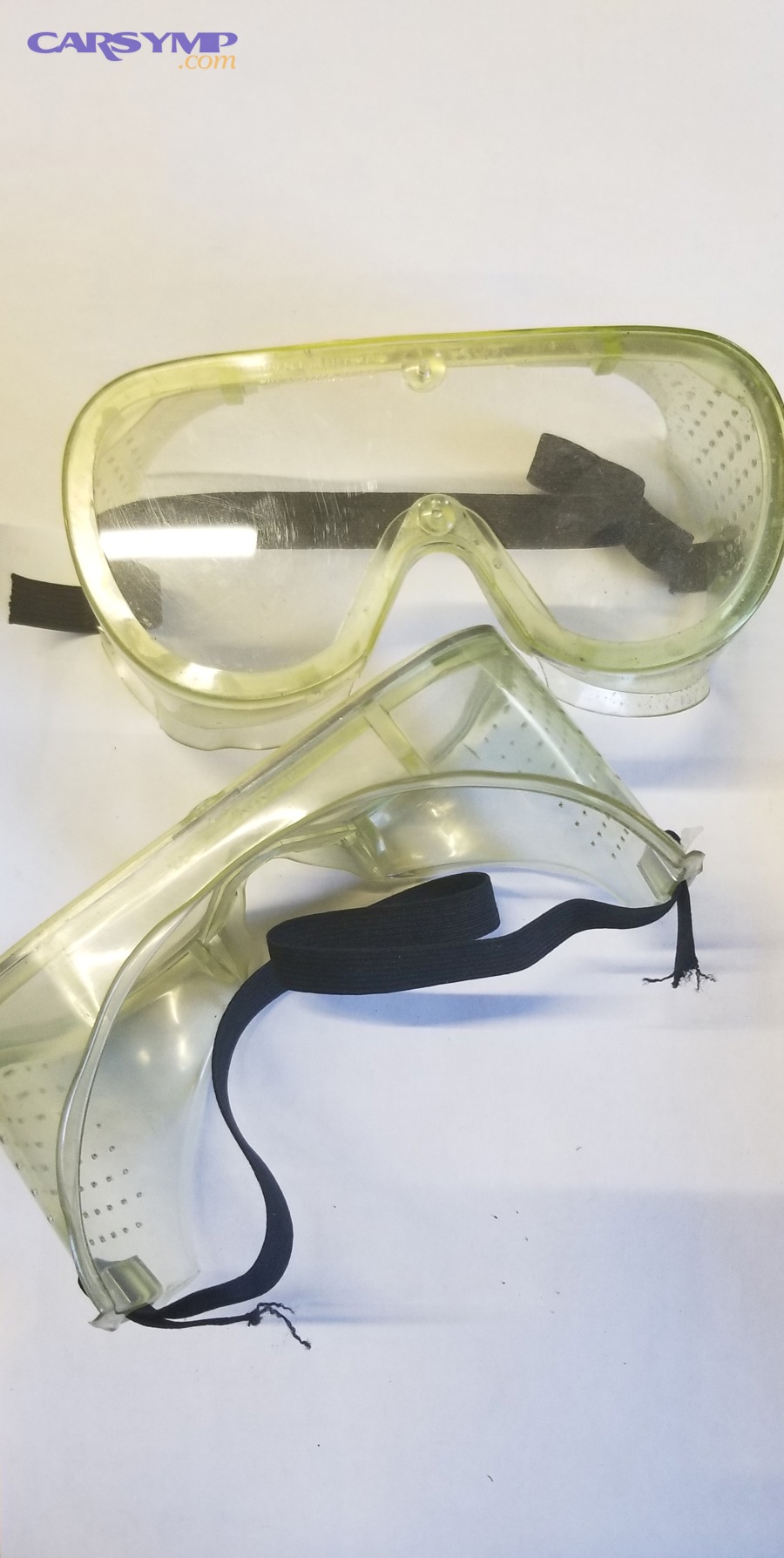
Eye and skin protection are not optional
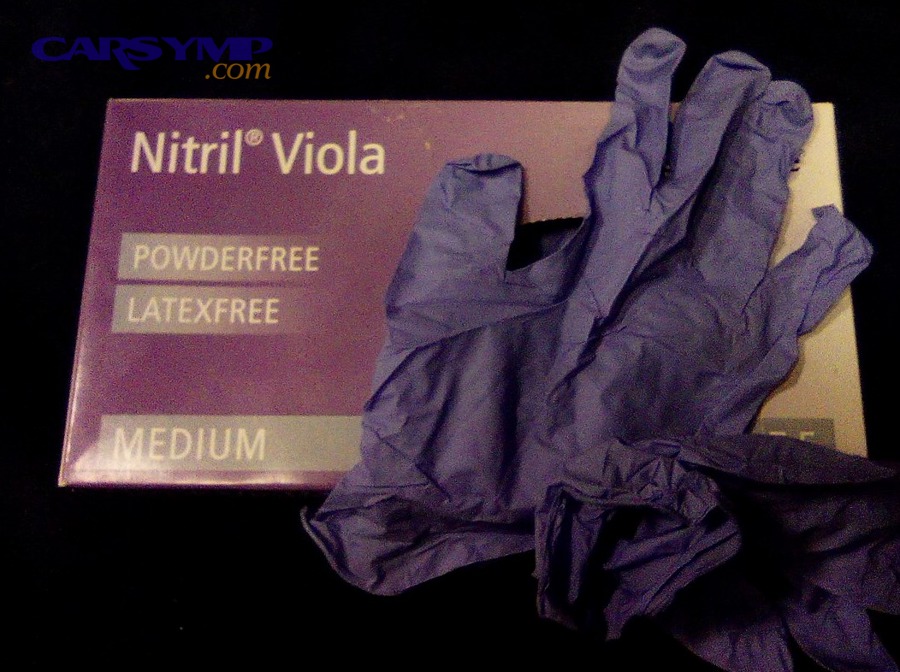
Wear sealed safety goggles (not just glasses) and nitrile or work gloves. Refrigerant can flash-boil on contact, pulling heat from tissue and causing cold burns. Goggles protect you from a pinhole spray at a service port or a hose that isn’t fully seated.
Use proper service couplers and keep the work area ventilated
Work outdoors or with strong ventilation. Avoid confined garages where heavier-than-air gases can pool. Keep your face away from couplers as you connect and disconnect, and never “purge” hoses by venting to the air.
Prefer manifold gauges and a scale over single-gauge kits
Single-gauge kits show only low-side pressure and can mislead you when the metering device is restricting flow or when the condenser can’t reject heat. A manifold gauge set gives a clearer picture of system behavior, and a scale lets you measure how much you actually added.
Even if you reference an AC pressure chart by ambient temp, treat it as a rough sanity check—not a charging method—because pressure depends on many variables (airflow, compressor speed, metering behavior, and heat load).
Theo nghiên cứu của National Institutes of Health (NIH) từ chương trình đánh giá độc tính/tiếp xúc HFC-134a, vào 1996, các tổng hợp dữ liệu cho thấy rủi ro cấp tính thường đến từ thay thế oxy (ngạt) và tiếp xúc lạnh với dạng lỏng hơn là “độc tính” kiểu truyền thống ở nồng độ thấp.
How can you recharge more safely without guessing or overcharging?
The safer method is a controlled, minimal-add approach: confirm the system is actually low, add only small measured amounts, and stop at clear warning signs. To connect this into action, use the step sequence below instead of “add until cold.”
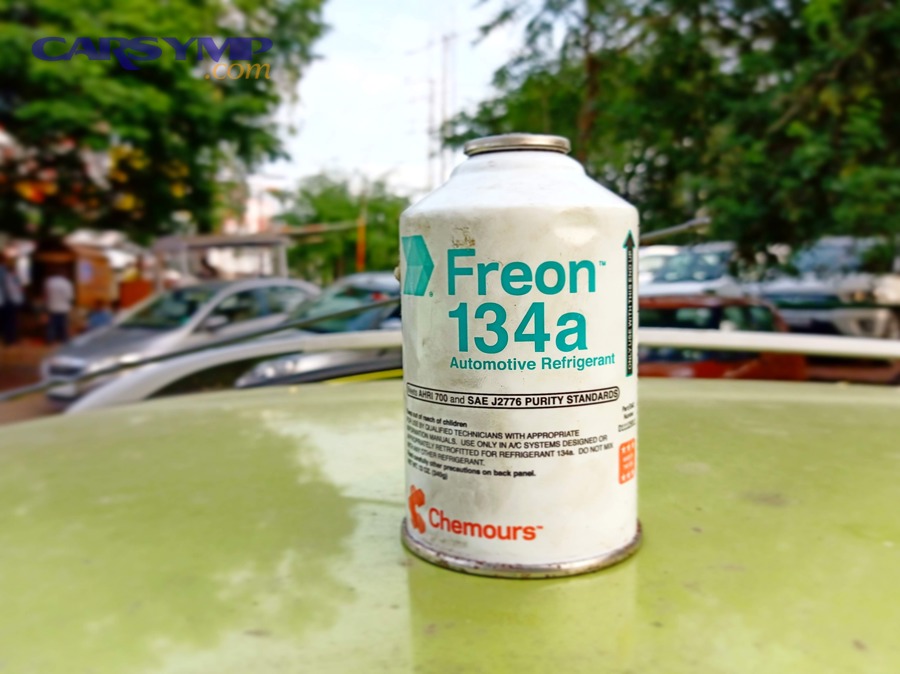
Before you start, understand a hard truth: if the system is significantly low, the correct repair is to find and fix the leak, evacuate, and recharge by weight. A top-off is only a “limp-along” strategy for a minor leak you plan to repair properly soon.
Step 1: Confirm compressor command and condenser airflow first
Turn A/C to max, observe whether the compressor engages (or whether the control system is attempting to engage it), and confirm the condenser fan runs as needed. If airflow is missing, stop—charging into a heat-rejection problem is how DIY overcharge happens.
Step 2: Stabilize conditions so your readings mean something
Let the engine idle for a few minutes with the hood open. Keep doors open and blower on a consistent setting. If you’re using gauges, allow pressures to stabilize before interpreting anything. If conditions are changing every 30 seconds, you will chase noise instead of signal.
Step 3: Add only a small measured amount, then reassess
If you choose to proceed, add in small increments and pause long enough to see the system respond. The goal is not “max cold instantly”; the goal is to avoid stepping over the safe operating zone.
To make this practical, the table below summarizes what you’re watching and what each observation usually means.
This table lists safer DIY recharge checkpoints so you can decide when to continue, pause, or stop before damage happens.
| Checkpoint | What you observe | What it often indicates | Safer move |
|---|---|---|---|
| Condenser airflow | Fan not running or airflow weak at idle | Heat rejection problem, not low charge | Stop and fix airflow/fan issue first |
| Low-side behavior | Low-side very low and stays low after small add | Possibly low charge or restriction; needs high-side context | Do not keep adding blindly; check for restriction/leak |
| Vent temperature | Cools briefly then warms, cycles irregularly | Moisture/air contamination, icing, control issue | Stop; leak test and proper evacuation likely needed |
| Compressor sound/load | New rattles, harsh cycling, or belt squeal | High load, poor lubrication, or abnormal pressure | Stop immediately to avoid compressor damage |
Step 4: Avoid “magic additives” and stop if you see warning signs
Do not mix unknown products, and avoid sealants unless you fully accept the downstream costs. If you notice oily spray at service ports, rapid loss of cooling, or pressure behavior that doesn’t respond logically, assume you’re beyond the safe DIY zone.
Below is a visual walkthrough on finding leaks with UV methods; it’s often more useful than adding refrigerant repeatedly.
Theo nghiên cứu của SAE International từ nhóm tiêu chuẩn đào tạo kỹ thuật viên (Interior Climate Control Service), vào November/2021, các yêu cầu đào tạo nhấn mạnh quy trình chứa/thu hồi môi chất và thực hành dịch vụ có kiểm soát để giảm xả thải và giảm rủi ro an toàn khi thao tác hệ thống A/C.
When should you stop DIY and go to a professional shop?
You should stop when there are signs of a significant leak, airflow/control faults, abnormal compressor noise, or when correct service requires evacuation and recharging by weight. Next, we’ll connect these stop-signs to why professional equipment matters.
Stop if the system is empty or nearly empty
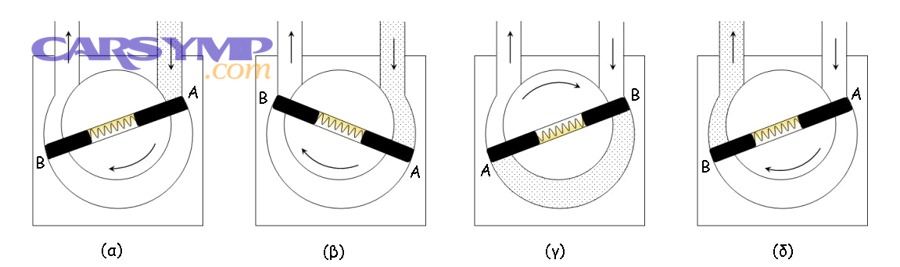
A near-empty system is a leak problem, not a “top-off” problem. Air and moisture are likely present, and proper service requires recovery (if any remains), evacuation with a vacuum pump, and recharging by the specified mass. DIY cans cannot replicate that reliably.
Stop if pressures or behavior suggest restriction or contamination
If cooling changes wildly, vents swing from cold to warm, or you see symptoms consistent with icing or erratic metering, you may have moisture contamination or a restriction at the expansion device/orifice tube. Adding refrigerant can worsen the cycling and does not remove water.
Stop if the compressor load or sound changes abruptly
New screeching, heavy cycling, or belt squeal can indicate high head pressure or mechanical stress. The compressor is one of the most expensive components; the safest move is to stop before you turn a cooling issue into a full system replacement.
Stop if you suspect the wrong refrigerant or mixed contents
If prior history is unknown, the system could contain mixed refrigerant or additives. Professional shops can identify refrigerant type and purity with dedicated tools. DIY mixing is a common pathway to expensive contamination and service refusal.
Theo nghiên cứu của National Institute for Occupational Safety and Health (NIOSH) từ chương trình cảnh báo an toàn hóa chất làm lạnh, vào May/1989, các khuyến cáo nêu rõ nguy cơ rối loạn nhịp tim và ngạt do thay thế oxy khi tiếp xúc nồng độ cao trong không gian kém thông gió, nhấn mạnh yêu cầu thông gió và kiểm soát thao tác.
How do you reduce risk even if you decide not to recharge at all?
You reduce risk by focusing on non-invasive fixes—airflow, cleanliness, and basic electrical checks—because these can restore cooling without touching refrigerant. To connect this to a practical plan, treat “recharge” as optional and diagnosis as mandatory.
Clean and straighten what you can safely access
Carefully rinse debris from the condenser face with low-pressure water. Do not blast fins with high pressure, and avoid bending them further. Heat rejection is often the hidden limiter, especially in hot weather or stop-and-go driving.
Verify the basics of electrical control
Check fuses and relays related to A/C clutch, compressor control valve, and fans. If the vehicle uses variable displacement control, the compressor may be commanded “on” without an obvious clutch click. Your goal is to confirm that the system is being told to cool and is capable of removing heat.
Address cabin-side heat load
Window tint legality aside, sun load is real. Ensure recirculation works, door seals are intact, and the cabin filter isn’t restricting airflow. These steps don’t create refrigerant risk, yet they can noticeably improve perceived cooling.
Theo nghiên cứu của Mobile Air Climate Systems Association (MACS) từ nhóm vận hành và dịch vụ hệ thống lạnh xe hơi, vào August/2010, phân tích thực tế cho thấy hiệu suất giảm thường liên quan đến tổn thất trao đổi nhiệt và lẫn khí/ẩm, nên các bước cải thiện trao đổi nhiệt có thể tạo khác biệt trước khi nghĩ đến nạp thêm môi chất.
What changes the risk picture for newer refrigerants and special vehicle types?
Newer refrigerants and hybrid/EV compressors raise the stakes: flammability class differences, tighter service procedures, and electrical safety concerns can make DIY recharge a poor choice. Next, we’ll connect these unique attributes to clear “do not DIY” boundaries.
R-1234yf systems demand stricter service discipline
Many newer vehicles use refrigerants with different safety classifications and service requirements. Even when the risk is controlled under normal design, the DIY risk rises because improper handling, wrong equipment, or contamination can turn a routine job into a hazardous one.
In these systems, “top-off” guesses are especially risky because the acceptable operating window can be narrower, and service ports and procedures are designed to prevent cross-contamination.
Hybrid/EV electric compressors add electrical and oil-compatibility risk
High-voltage electric compressors and specialized oils are not forgiving. Using the wrong oil, contaminating oil with moisture, or mischarging can cause insulation breakdown and expensive failure. If your vehicle is hybrid/EV, treat DIY recharge as a strong “no” unless you have the correct training and equipment.
After major component replacement, DIY recharge is the wrong endpoint
If any major part was replaced (compressor, condenser, evaporator, hoses), correct service requires evacuation, leak testing, and charging by exact mass and oil specification. DIY cans cannot restore that baseline reliably.
Environmental and liability considerations are part of “safer steps”
Even if the vehicle cools afterward, venting and improper disposal create environmental harm and can create liability. Safer steps include preventing release, using proper recovery where required, and knowing when to hand off to certified service.
Theo nghiên cứu của SAE International từ chương trình Cooperative Research Project về R-1234yf (CRP1234), vào November/2009, các đánh giá rủi ro theo mô hình sự cố kết luận rằng nguy cơ đánh lửa trong điều kiện vận hành/thiết kế được kiểm soát là rất thấp, nhưng điều này phụ thuộc vào quy trình và điều kiện dịch vụ đúng chuẩn.
FAQ: Common questions about DIY recharge risks and safer choices
Most DIY questions come down to one thing: “Can I add refrigerant safely?” To connect the answer to real outcomes, each question below includes a clear yes/no boundary and a safer next step.
Can I recharge using only a low-side gauge kit?
Not safely for anything beyond a very minor, verified low-charge situation, because low-side pressure alone can be misleading. Instead, prioritize airflow checks and leak evidence, and use proper gauges and measured amounts if you proceed at all.
If the can says “stop when the needle is in the green,” is that reliable?
No, because the “green” zone ignores condenser airflow, ambient conditions, and high-side pressure. A safer approach is to stabilize conditions, add minimally, and stop at warning signs rather than chasing a colored band.
Why does my A/C cool while driving but not at idle?
Often because airflow across the condenser is inadequate at idle (fan, shrouding, debris, or control). Fixing heat rejection is safer and more effective than adding refrigerant into a system that can’t dump heat.
Is it okay to “top off” every summer?
No—regular topping off usually means a leak. Safer practice is to identify the leak source, repair it, and recharge correctly; repeated topping off increases the chance of contamination and eventual component damage.
Should I use refrigerant with sealant to avoid a costly repair?
Usually no, because it can complicate future service and may damage equipment. A safer decision is to locate the leak (often the condenser or service ports), repair it, and recharge properly.
Theo nghiên cứu của Safety Data Sheet (SDS) cho R-134a từ bộ phận an toàn hóa chất của nhà cung cấp, vào December/2019, tài liệu nêu rõ nguy cơ bỏng lạnh khi tiếp xúc dạng lỏng và nguy cơ ngạt khi khí thay thế oxy ở nồng độ cao, vì vậy PPE và thông gió là nền tảng an toàn khi thao tác.