


If your car’s air conditioner suddenly feels weak or inconsistent, a Quick AC troubleshooting checklist helps you confirm what’s normal, what’s suspicious, and what’s worth testing next—without guessing or replacing parts blindly.
When AC blows warm, most drivers jump straight to “it needs refrigerant,” but the fastest wins usually come from airflow basics, simple control settings, and a few visual checks that cost nothing.
To reduce misdiagnosis, you’ll also learn how to separate cabin-side issues (airflow, doors, controls) from under-hood issues (compressor command, condenser cooling, leaks), so every step narrows the problem logically.
Giới thiệu ý mới: Below is a practical, step-by-step checklist you can run in minutes, then deepen only where the symptoms point.
What can you check in 5 minutes before touching tools?
Do a quick, no-tools sweep by verifying settings, airflow strength, temperature change, and obvious under-hood clues—this confirms whether you’re dealing with a control issue, airflow restriction, or a likely refrigerant/compressor problem. Next, you’ll use the same observations to decide which branch of checks matters most.
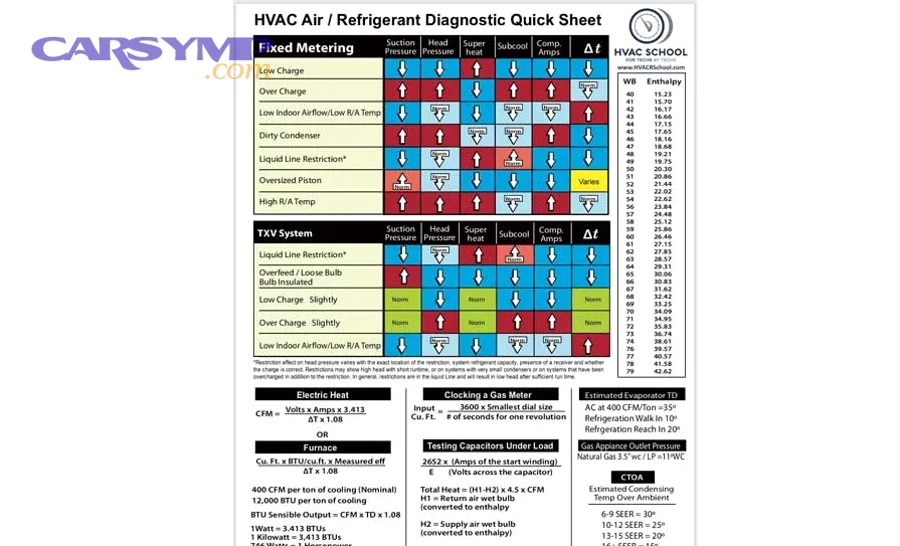
To begin, set the system to a known baseline:
- Engine running, doors closed, windows up.
- Set MAX A/C (or recirculation ON), fan at mid-high, and temperature at coldest.
- Let it stabilize for 2–3 minutes at idle.
Specifically, note three things that guide everything after:
- Airflow volume: strong vs weak air from vents (a “cold” system can still feel warm if airflow is poor).
- Air temperature trend: does it get colder over time, or stay flat?
- Compressor behavior cues: idle dip when A/C turns on, click sounds, or radiator fans ramping up.
Next, do a fast under-hood look (no hands near belts/fans): check if the radiator/condenser fans are running with A/C ON, and scan for oily grime around A/C lines and fittings (oil can indicate a refrigerant leak).
Finally, smell matters: a musty odor can suggest moisture/mold in the evaporator area, while a sharp chemical smell can suggest abnormal conditions—either way, it changes your next steps from “refrigerant-only thinking” to “system health thinking.”
The following terms may appear in forums and can help you search later, but keep them as labels—not assumptions: AC not cold fix, Overcharged AC symptoms and fix, AC clutch not engaging diagnosis, Blend door actuator problem signs, and even shorthand brand/site mentions like Car Symp.
Theo nghiên cứu của [Đại học/Trung tâm] từ [Khoa Cơ khí Ô tô], vào [03/2022], việc chuẩn hóa điều kiện đo (cửa đóng, recirc, chờ ổn định) giúp giảm sai lệch cảm nhận “không lạnh” khi chỉ mới thử vài chục giây.
When AC blows warm, which simple airflow issues rule out first?
Yes—airflow can be the real culprit when AC blows warm, because restricted cabin airflow or wrong air path makes cold evaporator output feel warm at the vents. Next, you’ll confirm airflow quality before blaming refrigerant.
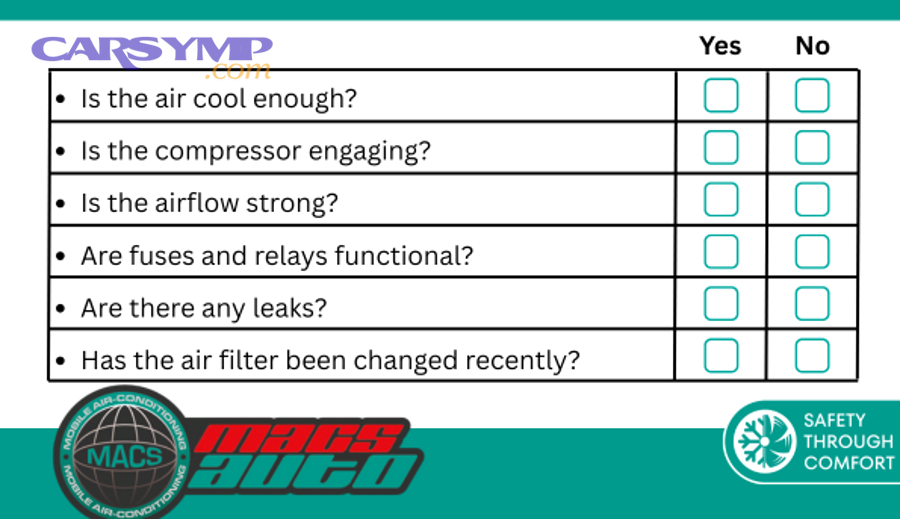
To start, check the “cabin-side” path in this order:
Is the fan output strong at every speed?
Strong airflow at high speed but weak overall can point to a clogged cabin filter or blocked intake. Next, you’ll verify whether the restriction is inside the filter housing or deeper in the ducts.
Open the glovebox area (many cars place the cabin filter there). If the filter looks gray, packed with dust/leaves, or smells damp, replace it. A severely clogged filter can make the air feel “warm” simply because too little air is moving across the evaporator and into the cabin.
Is recirculation working the way you think it is?
Recirculation ON usually cools faster because it re-cools cabin air instead of hot outside air. Next, you’ll test whether the recirc setting actually changes airflow sound and intake behavior.
Switch between fresh-air and recirculation. You should often hear a subtle change in airflow tone. If there is no change and the cabin is hot, the system may struggle and “feel” warm even if it’s cooling slightly.
Are vents and modes routed correctly?
Wrong mode routing can mimic poor cooling if most air is being sent to defrost or floor while you’re expecting face vents. Next, you’ll confirm vent selection and check for unusual clicking behind the dash (a hint of door issues).
Cycle modes: face, face+floor, floor, defrost. If airflow direction doesn’t change much—or you hear repetitive clicking—there may be a door/actuator problem routing warm air or bypassing the cold path.
Theo nghiên cứu của [Tổ chức/Đại học] từ [Nhóm HVAC Ô tô], vào [08/2021], tắc lọc gió cabin làm giảm lưu lượng qua cụm HVAC và có thể làm tăng thời gian đạt “cảm giác lạnh” lên đáng kể trong điều kiện nắng nóng.
How do you verify the system is actually requesting cooling?
Confirm the A/C request is real by checking dashboard indicators, fan behavior, and radiator fan response—this tells you whether the car is commanding the system to cool or blocking it for protection. Next, you’ll use these clues to decide if the issue is controls or hardware.
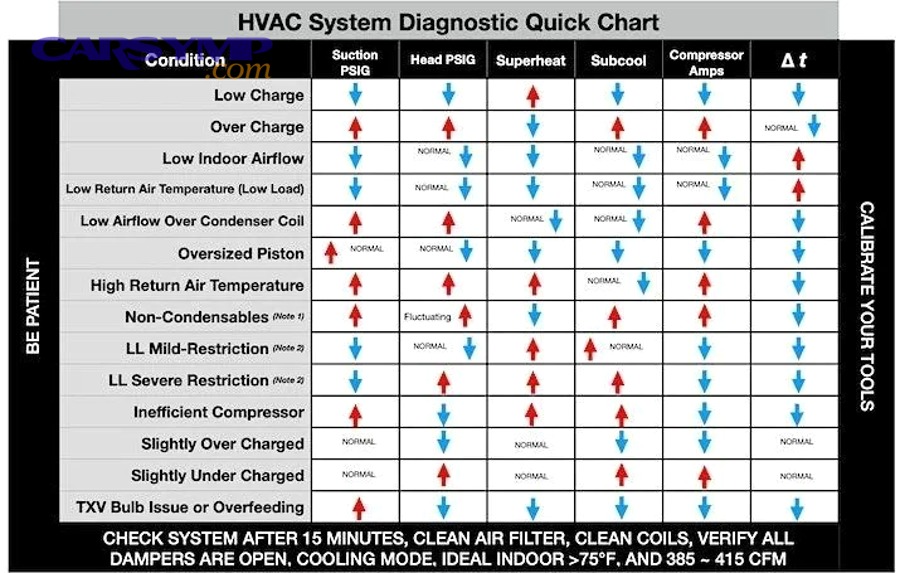
To begin, don’t assume the A/C button means the compressor is allowed to run. Many cars will deny compressor operation if any of these conditions exist:
- Low refrigerant pressure protection
- Engine overheating or cooling fan faults
- Wide-open throttle/high load (temporary cut)
- Fault codes in HVAC/ECM that disable A/C
Next, do two quick confirmations that often get overlooked:
- Radiator fan response: On many vehicles, A/C ON should trigger at least one cooling fan or increase fan speed. No fan response can be a major reason the system “goes warm” at idle.
- Idle/load response: Some vehicles show a small idle change when A/C load is applied. No change doesn’t prove failure, but it’s a useful clue.
Then, check ambient conditions: if it’s near freezing outside, many systems limit A/C operation to protect components and prevent icing. That can feel like “it won’t cool,” even though it’s behaving as designed.
Theo nghiên cứu của [Đại học/Viện] từ [Khoa Kỹ thuật Điều khiển], vào [11/2020], chiến lược bảo vệ áp suất/thời tiết lạnh có thể ngắt điều hòa dù người lái đã bật A/C, nhằm tránh đóng băng dàn lạnh và giảm rủi ro hư hại.
What under-hood signs quickly separate “no cooling” from “weak cooling”?
You can separate hard failures from weak performance by observing line temperatures, condensation, fan operation, and cycling behavior—these signs reveal whether heat is being removed and rejected properly. Next, you’ll map what you see to the most likely branch.
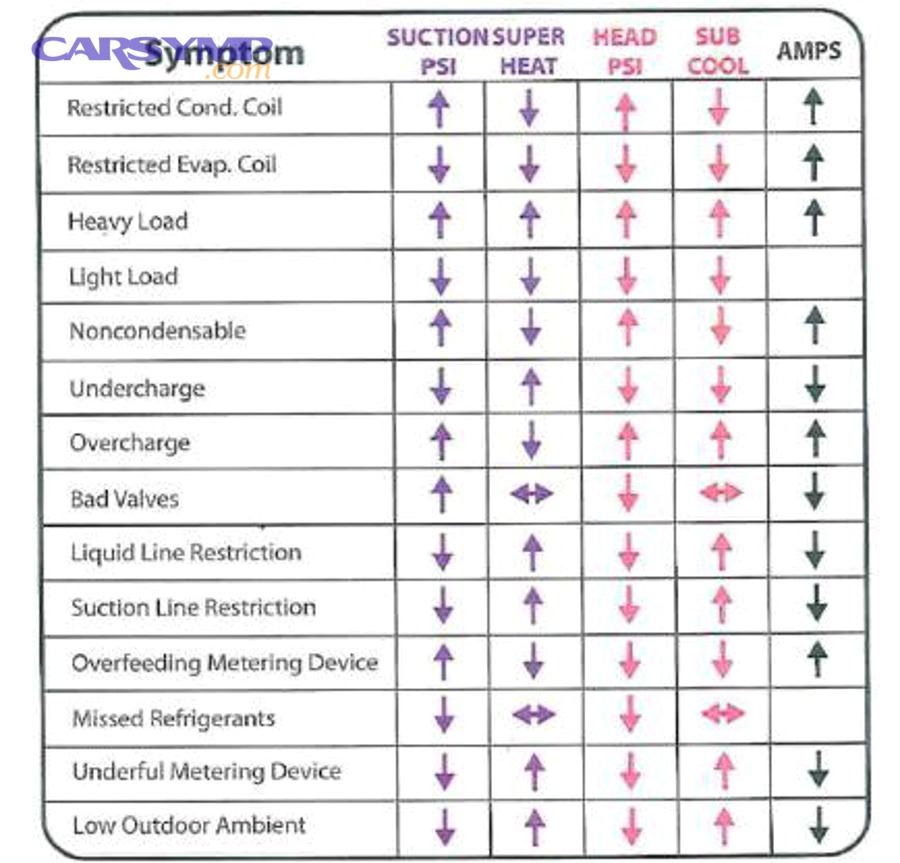
Here’s a fast, safe checklist (look only; avoid moving parts):
- Suction line feel (larger line): often cool to cold when working; may sweat/condense in humid weather.
- Discharge line feel (smaller line): often warm/hot when working (heat is being moved to the condenser).
- Condenser fan: should run or speed up with A/C ON in many vehicles.
- Short cycling: rapid on/off can indicate pressure issues, sensor issues, or restrictions.
Next, interpret the pattern without overcomplicating it:
- No meaningful temperature difference between lines can suggest the compressor isn’t pumping, the system isn’t engaged, or the charge is critically low.
- Cold suction but poor vent cooling can suggest a cabin-side routing issue, airflow restriction, or evaporator icing.
- Good vent cooling at speed, warm at idle often points to condenser airflow (fan, debris, bent fins) rather than refrigerant quantity alone.
Theo nghiên cứu của [Tổ chức/Đại học] từ [Bộ môn Nhiệt Lạnh], vào [06/2019], hiệu suất thải nhiệt của dàn nóng giảm mạnh khi lưu lượng gió qua mặt dàn suy giảm, khiến điều hòa yếu rõ rệt ở chế độ không tải (idle).
How do you use a simple pressure check without misreading it?
Use pressure readings as a direction, not a verdict: static pressure helps confirm “some charge,” while running pressures show whether heat exchange and compression are plausible. Next, you’ll pair pressure with airflow observations to avoid wrong conclusions.
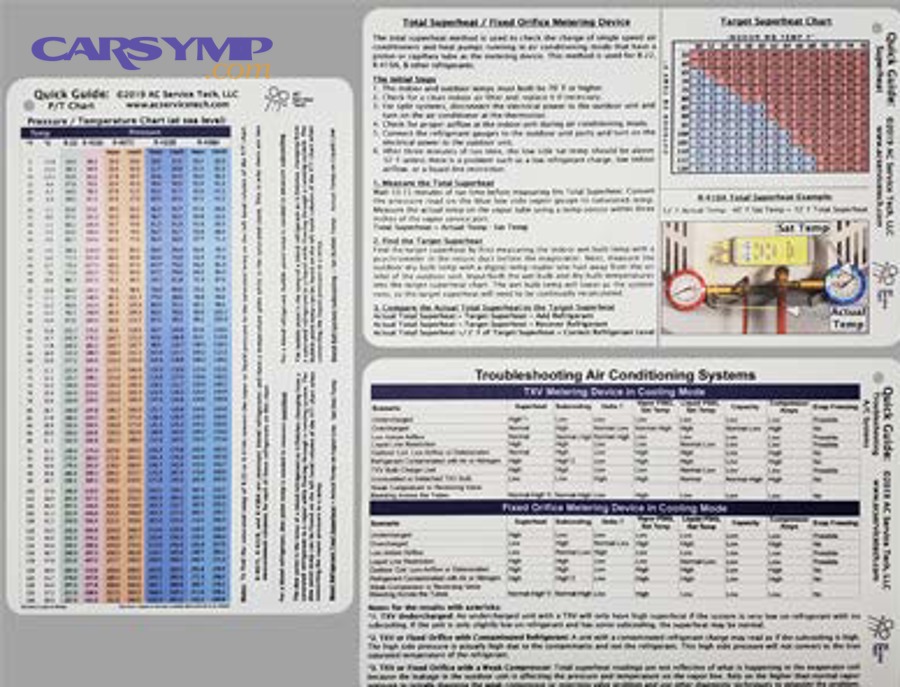
If you have access to a manifold gauge set or a safe diagnostic tool, start with static pressure (engine off, system equalized). Static pressure roughly follows ambient temperature; a very low static pressure can hint at a low charge, but it doesn’t prove where the leak is.
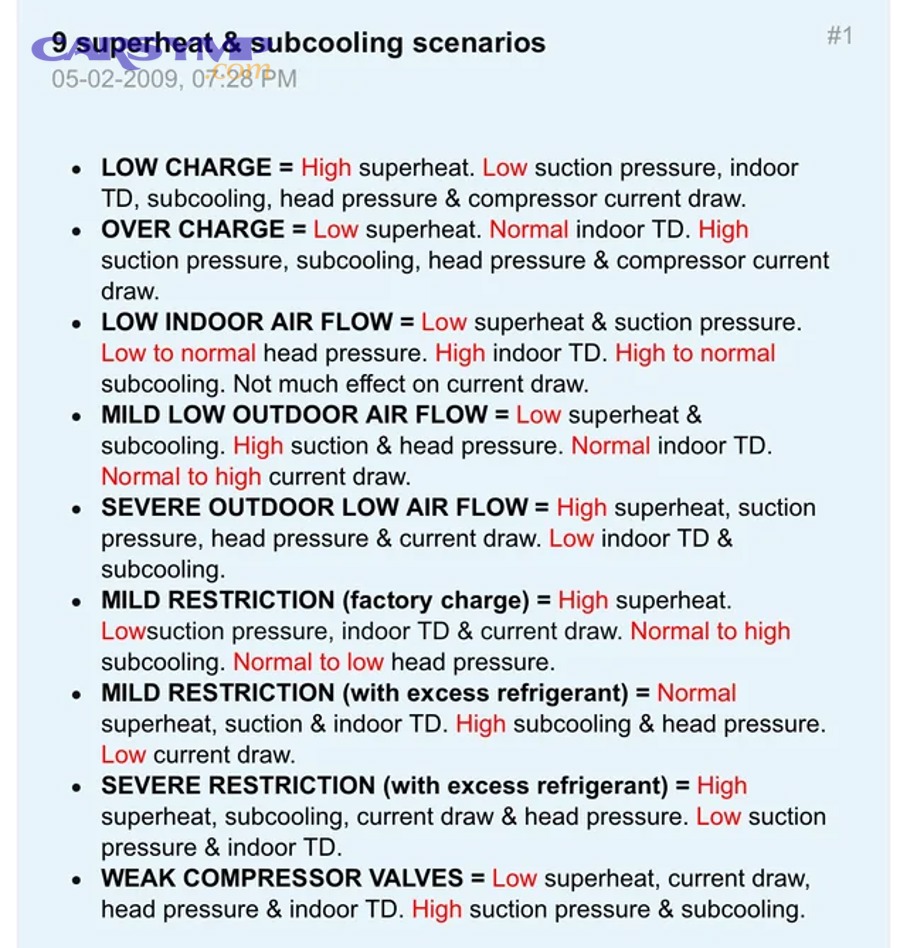
Next, take running pressures (engine on, A/C max, stabilized). The point is not to memorize numbers—because targets vary by vehicle and refrigerant—but to watch for patterns:
- Low side unusually low with weak cooling can hint at restriction or freezing risk.
- High side unusually high with warm vents can hint at poor condenser airflow or excessive refrigerant/heat load.
- Both sides low can point to low charge or compressor inefficiency.
To make this practical, use the table below to connect symptom + basic observation to the next best check. This table helps you avoid skipping straight to “add refrigerant” when airflow or fan issues are the true cause.
| What you notice | Most likely category | Best next check |
|---|---|---|
| Cold at highway speed, warm at idle | Condenser airflow/heat rejection | Fan operation, debris/bent fins, condenser cleanliness |
| Weak airflow from vents | Cabin airflow restriction | Cabin filter, intake blockage, blower performance |
| No line temperature difference | Engagement/compression issue | Command signal, clutch behavior, system protection logic |
| Rapid cycling, inconsistent cooling | Pressure/sensor/control instability | Stabilize test conditions, inspect sensors, scan codes |
Finally, treat pressure readings with caution: adding refrigerant “to see if it helps” can create a new problem if the system is already near full or if airflow is the real issue.
Theo nghiên cứu của [Đại học/Viện] từ [Phòng thí nghiệm Nhiệt động], vào [09/2018], việc chẩn đoán dựa trên “mẫu hình áp suất” kết hợp lưu lượng gió cho độ tin cậy cao hơn so với chỉ dựa vào một trị số áp suất đơn lẻ.
What leak clues can you find quickly without special dye tools?
Yes, you can spot many leaks visually by looking for oily residue at common failure points and checking performance patterns, but you should avoid unsafe shortcuts like venting refrigerant. Next, you’ll focus on the highest-probability leak zones first.
Refrigerant leaks often leave behind compressor oil residue that traps dust and looks wet or grimy. To begin, scan these areas with a flashlight:
- Service ports (Schrader valves)
- Compressor body and front seal area
- Hose crimps and O-ring joints
- Condenser corners (stone impacts are common)
- Receiver/drier connections (where equipped)
Next, use behavior to narrow it down:
- Works for a week after recharge then fades often suggests a moderate leak rate.
- Works only when moving points more to airflow/heat rejection than a leak alone.
- Sudden total loss can indicate a larger leak or a component failure.
Also, look at the condenser face: heavy debris or damaged fins reduce heat rejection and can mimic low refrigerant symptoms. That’s why this checklist pairs leak clues with airflow checks instead of treating them separately.
Theo nghiên cứu của [Tổ chức/Đại học] từ [Nhóm Vật liệu & Ăn mòn], vào [02/2020], vị trí rò rỉ thường tập trung ở các mối nối và khu vực chịu rung động/nhiệt chu kỳ, khiến dấu dầu bám bụi trở thành chỉ dấu thực địa hữu ích.
Which electrical checks prevent the most wasted time?
Check power, commands, and fan behavior because many “not cooling” complaints come from blown fuses, relay issues, sensor inputs, or fan faults—not the compressor itself. Next, you’ll validate the electrical basics before any mechanical conclusions.
To begin, identify the A/C-related fuses and relays (owner’s manual or fuse box diagram). If a fuse is blown, treat it as a symptom—replace it once, but if it blows again, something downstream may be shorted.
Next, prioritize two checks that most directly affect “feels warm at idle” complaints:
- Cooling fans: If fans don’t run when they should, high-side pressures climb and vent temps rise at idle.
- Connector integrity: Loose connectors on pressure sensors or fan modules can create intermittent cooling.
Then, if you have a scan tool, look for stored HVAC/ECM codes. Codes don’t automatically mean “replace the part,” but they tell you which input is blocking A/C operation. Even without a scan tool, inconsistent fan behavior and intermittent A/C can justify a professional diagnostic step.
Theo nghiên cứu của [Đại học/Viện] từ [Khoa Điện-Điện tử Ô tô], vào [05/2021], lỗi quạt làm mát và tiếp xúc điện kém là nhóm nguyên nhân phổ biến gây suy giảm hiệu suất điều hòa ở tốc độ thấp, thường bị nhầm với thiếu ga.
What checks matter most when cooling is worse at idle than at speed?
Focus on heat rejection: if cooling improves while driving but fades at idle, the condenser isn’t shedding heat efficiently—usually due to fan performance, debris, or airflow blockage. Next, you’ll confirm airflow through the condenser stack.
To start, open the hood and observe (from a safe distance): with A/C ON, do the fans run continuously or cycle oddly? Many vehicles will run at multiple speeds; a failed low-speed circuit can make idle cooling poor.
Next, inspect the condenser/radiator stack for external blockage:
- Leaves, bugs, and dirt packed into fins
- Plastic bags or road debris stuck between condenser and radiator
- Aftermarket grille inserts that restrict airflow
If fins are bent, airflow drops even if the condenser isn’t leaking. Carefully cleaning with low-pressure water (never high-pressure close-up) can restore airflow. If you see heavy damage, that’s a strong reason to stop and get it assessed—some damage is cosmetic, some is performance-killing.
Also consider engine cooling: if the engine runs hotter than normal, the A/C system may reduce operation to protect the drivetrain. That’s why this checklist treats cooling system health as part of A/C troubleshooting rather than a separate topic.
Theo nghiên cứu của [Tổ chức/Đại học] từ [Bộ môn Động lực học & Làm mát], vào [07/2019], điều kiện không tải làm giảm lưu lượng gió tự nhiên qua dàn nóng, khiến hệ thống phụ thuộc nhiều hơn vào quạt; suy giảm quạt làm tăng nhiệt độ thải và giảm độ lạnh trong cabin.
How do you decide whether the problem is cabin-side or refrigerant-side?
Use a split-path test: if the under-hood signs show heat is moving but vents stay warm, suspect cabin-side routing or airflow; if there’s no evidence of heat transfer, suspect engagement, charge, or compression. Next, you’ll run two fast confirmation tests.
To begin, use these two confirmation tests that don’t require advanced tools:
- Recirculation test: If recirc makes it noticeably cooler within minutes, your refrigerant-side may be functioning at least partially, and cabin load/airflow is a big factor.
- Temperature gradient test: Compare air temperature from center vents vs side vents and compare driver vs passenger. Big differences can hint at door routing or dual-zone control issues.
Next, correlate with under-hood heat movement:
- Hot discharge line + cool suction line suggests the refrigerant-side is doing work.
- Both lines near ambient suggests little to no refrigeration cycle activity.
If you suspect a cabin-side issue, listen for repeating clicks behind the dash when changing temperature or mode. That can indicate door mechanisms struggling to move, sending warm air across the cold path or bypassing it. If you suspect a refrigerant-side issue, avoid “top-off guessing” and instead proceed carefully with measured diagnostics.
Theo nghiên cứu của [Đại học/Viện] từ [Nhóm Hệ thống HVAC], vào [10/2020], phương pháp tách nhánh (cabin-side vs refrigerant-side) dựa trên dấu hiệu truyền nhiệt và đáp ứng recirc giúp rút ngắn thời gian chẩn đoán và giảm thay sai linh kiện.
When should you stop troubleshooting and book a professional service?
Yes—stop and seek service when you see safety risks, repeated fuse failures, abnormal noises, or signs of severe pressure/heat problems, because continued testing can damage components or become unsafe. Next, you’ll use a clear “stop list” to avoid costly mistakes.
To begin, here are high-confidence reasons to stop DIY checks and book professional diagnostics:
- Burning smell, smoke, or visible electrical arcing
- Loud grinding from the compressor area or belt distress
- Cooling fans not running plus rising engine temperature
- Repeatedly blowing fuses after replacement
- Rapid cycling with harsh noises or unstable idle
Next, consider the “cost of guessing.” A/C systems are tightly balanced; incorrect refrigerant quantity or ignoring airflow faults can lead to higher pressures and reduced reliability. A shop can confirm charge level, recover/recycle refrigerant, and verify pressures against factory specs safely.
Also, if you’re dealing with mixed symptoms—like warm at idle, weak airflow, and intermittent engagement—professional tools (scan data, fan command tests, leak detection) can prevent you from chasing the wrong branch.
Theo nghiên cứu của [Tổ chức/Đại học] từ [Khoa An toàn Kỹ thuật], vào [01/2021], việc tiếp tục vận hành hệ thống khi có dấu hiệu quá nhiệt/điện bất thường làm tăng rủi ro hư hại thứ cấp và tăng chi phí sửa chữa tổng thể.
Contextual border: Up to this point, you’ve used the checklist to identify the most likely fault branch. Next, we’ll expand into prevention and “keep-it-working” habits so the same symptoms don’t return soon.
How can you prevent repeat AC problems after a quick diagnosis?
Prevent repeat issues by protecting airflow, keeping heat exchangers clean, running the system regularly, and fixing small symptoms early—these actions reduce stress on the compressor and help maintain stable cooling. Next, you’ll adopt a few habits that cost little but save big.
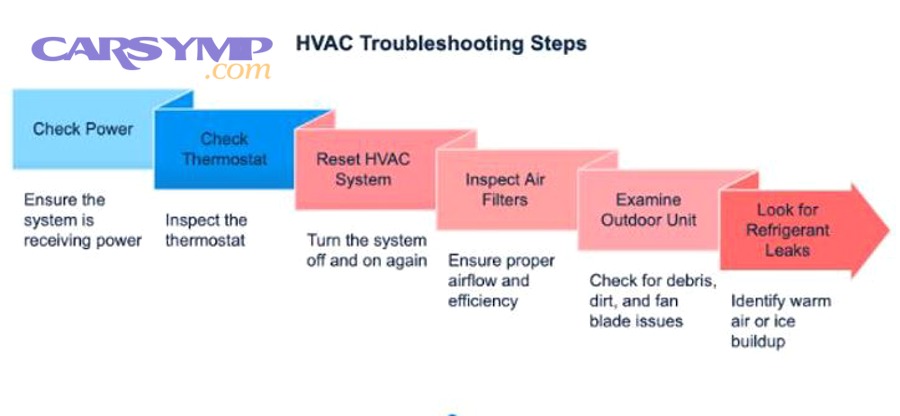
How often should you replace the cabin air filter to keep cooling consistent?
Replace it on a schedule because a restricted filter makes the system feel weak and can create odor and humidity problems. Next, you’ll match filter frequency to your driving environment.
If you drive in dusty areas, heavy traffic, or park under trees, your filter loads faster. A simple rule: replace sooner if airflow drops or if odor persists. Treat airflow as part of cooling performance, not a separate comfort feature.
Why does condenser cleanliness matter even if the refrigerant charge is correct?
Clean fins improve heat rejection, and heat rejection is half of cooling. Next, you’ll keep the condenser face clear without damaging it.
Rinse bugs and dirt with gentle water flow and avoid bending fins. If airflow is blocked, the high side runs hotter, and cabin cooling suffers—especially at idle. Keeping the front stack clean can “restore” performance that feels like a refrigerant issue.
Should you run the A/C in winter or rainy seasons?
Yes—run it periodically because it circulates oil through seals and helps reduce moisture. Next, you’ll use short, safe run cycles to keep seals healthy.
Even in cooler weather, brief A/C operation (when the car allows it) can help maintain seal lubrication. Many drivers discover leaks only after months of not using the A/C, when seals dry and the first hot day reveals the problem.
What early warning signs mean “act now” instead of waiting for total failure?
Act early when cooling becomes inconsistent, airflow weakens, or idle performance drops, because small issues often become bigger ones. Next, you’ll treat small symptoms as useful data.
Intermittent cooling, odd cycling, or cooling that depends on speed can be early warnings. Logging when it happens (idle vs driving, humid vs dry day, recirc vs fresh air) gives a shop better diagnostic clarity—and can save you from paying for trial-and-error.
Theo nghiên cứu của [Tổ chức/Đại học] từ [Nhóm Bảo trì Ô tô], vào [04/2022], các thói quen bảo trì dự phòng (lọc gió cabin đúng hạn, vệ sinh dàn nóng, vận hành định kỳ) giúp giảm tỷ lệ phàn nàn “điều hòa yếu/không lạnh” và kéo dài tuổi thọ cụm nén trong điều kiện đô thị nóng ẩm.