


alternator replacement labor time is usually a 1–2 hour professional job, but real-world labor can range from under 1 hour on easy-access engines to 4–6+ hours on vehicles where the alternator is buried behind brackets, cooling components, or tight packaging.
To make the estimate accurate, you need to connect labor time to the why: alternator location, belt layout, fastener access, electrical connectors, and whether related parts (belt, tensioner, idler, battery cables) must be removed to create working space.
Next, you’ll see how flat-rate hours and real wrench time can diverge, what steps eat minutes, and how to avoid paying for “extra time” caused by misdiagnosis or preventable complications.
To begin, let’s pin down a practical time range you can use to plan your day and your budget.
How long does alternator labor usually take in a real shop?
Most cars fall into 1–2 labor hours for alternator work when access is straightforward; difficult layouts commonly land at 2.5–4.5 hours, and a few models can exceed that if major components must be moved for clearance. After that baseline, the details matter.
Next, you’ll learn how to recognize whether your vehicle is a “fast” or “slow” alternator job before you approve labor.
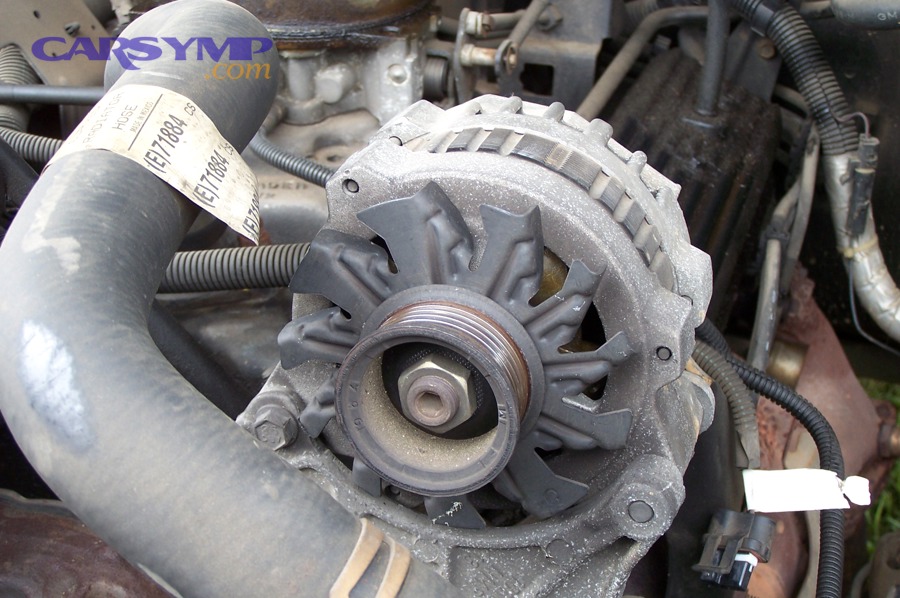
A helpful starting reference is that many mainstream vehicles allow alternator access from the top of the engine bay with only belt tension release, connector removal, and bracket bolts; those are the jobs that commonly stay near the 1–2 hour mark. On the other hand, alternators mounted low near the subframe, behind splash shields, or tucked under intake tubing and coolant plumbing often require staged disassembly, which adds time quickly.
Industry-facing consumer guidance often describes professional alternator service as roughly 1–2 hours in typical cases, while DIY time is often longer because tool setup, stuck fasteners, and learning curves inflate the clock. That difference isn’t about skill alone—it’s also about lift access, impact tools, and familiarity with routing belts and wiring.
Use the next table to translate “easy vs hard” into a labor-time bracket you can sanity-check against a quote. This table contains a practical time range by alternator accessibility and the kind of disassembly normally required.
| Accessibility pattern | Common disassembly needed | Typical labor-time range |
|---|---|---|
| High-mounted alternator (top/front of engine) | Release belt tension, remove connectors, unbolt alternator | 0.8–1.7 hours |
| Mid-level alternator with minor obstructions | Remove intake duct/engine cover, move small brackets | 1.5–3.0 hours |
| Low-mounted alternator (near subframe/wheel well) | Remove splash shield, wheel liner, sometimes axle or mount positioning | 2.5–4.5 hours |
| Buried alternator (tight packaging) | Multiple components moved for access; possible cooling/engine mount steps | 4.0–6.5+ hours |
These ranges are not promises; they’re a way to spot outliers. If you’re quoted 4+ hours on a vehicle with a visibly top-mounted alternator, ask what additional steps the shop expects—because something else is driving time.
What makes alternator labor time fast or slow on different vehicles?
Alternator labor time becomes “slow” when the unit is hard to reach, the belt path is complex, or nearby parts must be removed for clearance; it becomes “fast” when the alternator is high-mounted, connectors are accessible, and the belt can be released quickly. With that in mind, location is the biggest time driver.
Next, we’ll map the most common design factors that inflate labor so you can predict time before a shop touches the car.
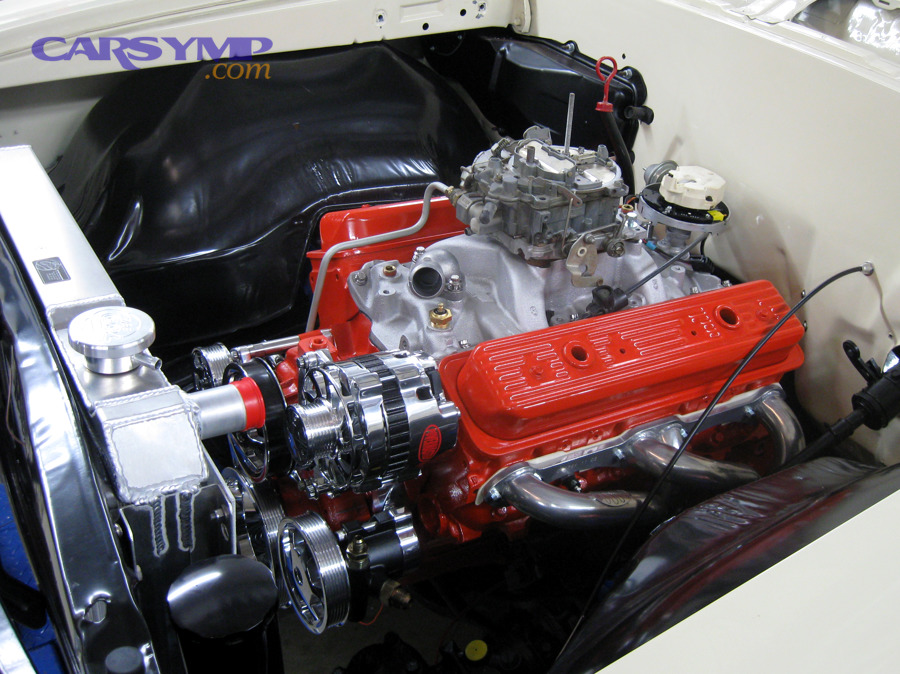
1) Mounting location and line-of-sight access is the number one predictor. If you can see the alternator body and pulley clearly with the hood open, labor is usually lower. If you only see it from below, behind a wheel liner, or after removing covers and ducts, labor rises.
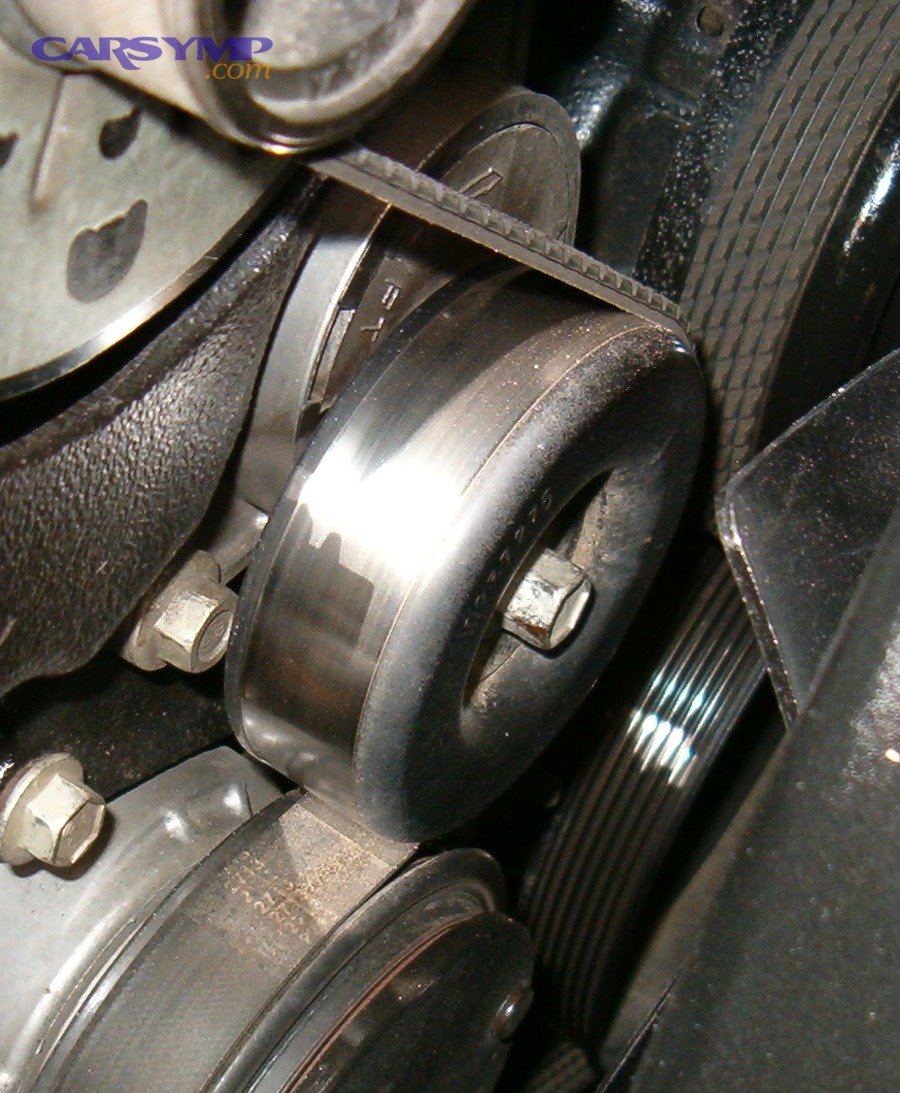
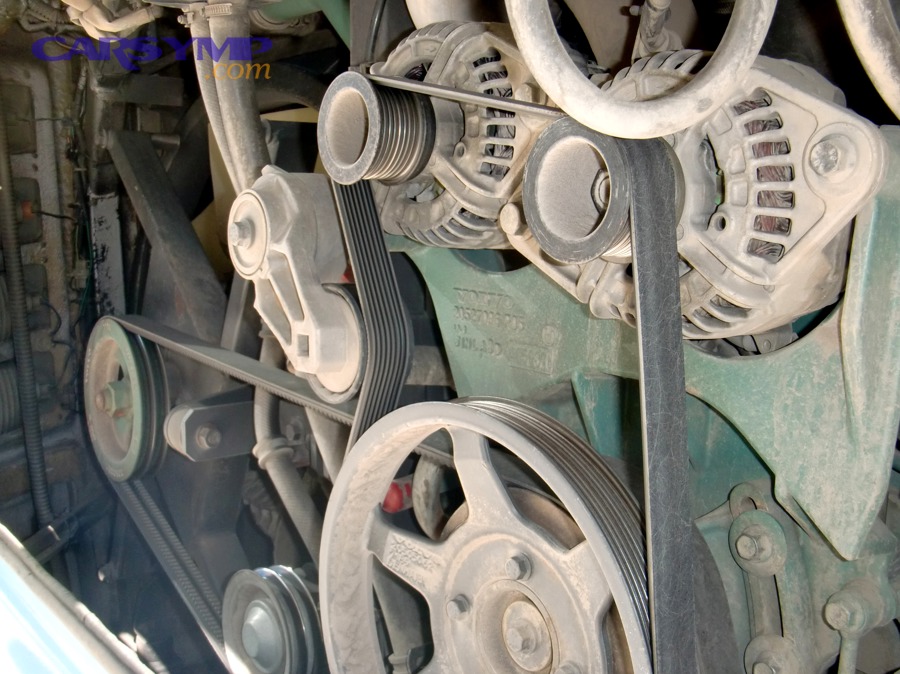
2) Belt system complexity matters because releasing tension, routing the belt correctly, and confirming alignment takes time—especially on engines with tight clearances. Serpentine systems are usually straightforward, but limited tool swing or hidden tensioners can turn a quick step into a slow one.
3) Electrical connector style and harness routing can add minutes that become hours if a connector tab breaks, corrosion resists removal, or a harness must be unclipped from multiple retainers to free slack for alternator removal.
4) Bracket design and bolt access can be deceptively costly. A single long bolt that passes through a bushing can seize and require heat, penetrating oil, or careful leverage. That’s not “extra work” in theory—it’s what the technician has to do to avoid snapping hardware.
5) Related parts moved for clearance is where jobs jump from 2 hours to 4+. Some vehicles require repositioning an engine mount, moving a power-steering pump, loosening an AC compressor bracket, or removing an intake manifold section. Even if those parts are reinstalled unchanged, the time is real.
Finally, remember that labor time is not only about access; it is also about verification. Shops that test charging voltage, belt alignment, and battery condition after installation may spend more minutes—but reduce comebacks and repeat failures.
How do shops price alternator labor time, and why can the quote change?
Most shops quote alternator labor using flat-rate labor guides (book time) plus add-ons for diagnostics, corrosion, or related repairs; the quote changes when the job reveals hidden access steps, broken fasteners, or additional failing components. After that, transparency is everything.
Next, you’ll learn how to read a labor quote line-by-line so you can tell what is included and what is conditional.
Flat-rate time is a standardized estimate for a given vehicle and engine configuration. It’s meant to normalize pricing across shops and give customers a predictable quote, even though real wrench time varies. The key is that flat-rate often assumes normal conditions: no severely rusted bolts, no prior damage, and correct diagnosis.
Common labor line items you may see include:
- Charging system inspection / diagnostic fee (testing battery, alternator output, and sometimes voltage drop under load).
- Alternator R&R labor (remove and replace), sometimes including belt removal.
- Additional labor for removing obstructions (wheel liner, splash shield, brackets, mounts).
- Belt / tensioner replacement if wear is found or recommended while access is open.
Where quotes change is usually in three places:
- Diagnosis shifts: the alternator tests okay, but a battery, cable, fuse link, or control issue is the real cause.
- Hardware fights back: corroded fasteners, seized sleeves, or stripped threads require time to resolve safely.
- Scope expands: a worn belt, noisy tensioner, or cracked connector is discovered during removal.
One data-backed reason to take testing seriously is that alternator problems are not purely “mechanical.” According to research by Orenburg State University from the Department of Technical Operation and Automobile Repairs, in January 2020, only 29% of alternator faults were associated with the alternator mechanism, while the rest were caused by electrical failures. That supports the idea that careful electrical checks can prevent wasted labor when the root cause is elsewhere.
To keep the process fair, ask one practical question: “If the alternator tests bad, what additional conditions would increase labor beyond the quoted hours?” A good shop will answer in plain language and note it on the work order.
Where does the labor time go during the alternator job?
Alternator labor time is mostly spent on access and reassembly, not the alternator bolts themselves; removing shields, releasing belt tension, clearing brackets, and routing the belt correctly typically consume more time than unbolting the unit. After that, verification protects the repair.
Next, we’ll walk the steps in the order they usually happen so you can spot what’s “normal” on an invoice.
Here is the most common step flow, with time sinks highlighted:
- Confirm the complaint: battery warning light, dim lights, low system voltage, or intermittent power loss. This is where a diagnostic fee may apply.
- Safety disconnect: battery negative cable removal to prevent shorts at the alternator’s main output terminal.
- Create access: remove covers, intake ducting, splash shields, or wheel liners if needed.
- Release belt tension: rotate tensioner, slip belt off alternator pulley, and secure belt out of the way.
- Disconnect wiring: main power cable (B+), control plug, and any harness clips that limit movement.
- Remove mounting bolts: often 2–4 bolts; seized sleeves or tight clearances can add significant time.
- Extract alternator: sometimes requires rotating the unit through a “puzzle path” to clear surrounding parts.
- Install new alternator: align brackets, start bolts by hand, torque properly, reconnect wiring.
- Re-route belt: confirm correct belt path, pulley alignment, and tensioner travel.
- Post-check: verify charging, listen for belt noise, confirm warning light stays off.
This table contains a simple “time budget” showing where minutes typically accumulate, helping you understand why a job can be 1 hour on one car and 4 hours on another.
| Task cluster | Why it takes time | Typical time share |
|---|---|---|
| Access creation | Removing shields, ducts, brackets, or repositioning components | 25–55% |
| Belt handling | Tensioner access, belt routing, alignment confirmation | 10–25% |
| Electrical disconnect/reconnect | Corrosion, fragile clips, limited harness slack | 10–20% |
| Alternator R&R | Bolts, bracket alignment, extraction path | 15–35% |
| Verification | Charging tests, noise check, scan/reset if needed | 5–15% |
If you prefer to see the process visually before deciding between DIY and a shop, this short instructional video demonstrates the typical sequence and tool handling.
Notice how the “simple” steps—belt release, connector handling, and clearance—often decide whether you’re done in 60 minutes or still working after dinner. That leads directly into the next question: are you paying for speed, or paying to avoid risk?
DIY vs professional work: how does labor time differ, and what adds hours?
DIY alternator work often takes 2–5 hours because setup, tool limitations, and unexpected stuck fasteners slow progress, while professionals commonly complete typical jobs in 1–2 hours thanks to lifts, impact tools, and familiarity. After that, mistakes can multiply labor.
Next, we’ll cover the most common DIY time traps and how to avoid turning a “replacement” into a weekend project.
If you’re considering DIY, you’re not just competing with experience—you’re competing with access. A shop lift and under-car visibility can turn a cramped wheel-well removal into a quick, ergonomic sequence. Meanwhile, DIY often suffers from:
- Incorrect belt routing (a common reason for squeal, misalignment, or immediate failure).
- Broken connector tabs that force temporary fixes or harness repairs.
- Stripped bolts from wrong sockets or poor angles, adding extraction time.
- Skipping battery disconnect, risking a short at the alternator output terminal.
- Underestimating clearance and removing the wrong parts first.
To keep time under control, treat the job like a sequence, not a brawl:
- Photograph belt routing before removal, even if a diagram exists.
- Stage tools: correct sockets, serpentine belt tool (if needed), torque wrench, and a small pry bar.
- Plan extraction path: identify whether the alternator comes out from top or bottom before you unbolt it.
- Protect connectors: use a pick tool gently rather than forcing plastic tabs.
And here’s a practical note: include the phrase alternator replacement in your parts search only after you confirm your exact engine and alternator amperage rating, because mismatched plugs or mounting ears can add hours of frustration and returns. The cheapest alternator becomes expensive when it doesn’t fit.
What should be checked immediately after installation to prevent a comeback?
The fastest way to protect your new alternator is to verify belt alignment, charging voltage under load, and battery condition right away; skipping these checks can turn a correct install into repeat labor when the real issue is elsewhere. After that, small habits keep the system stable.
Next, we’ll focus on simple post-install checks that catch the most common “new alternator still not charging” scenarios.
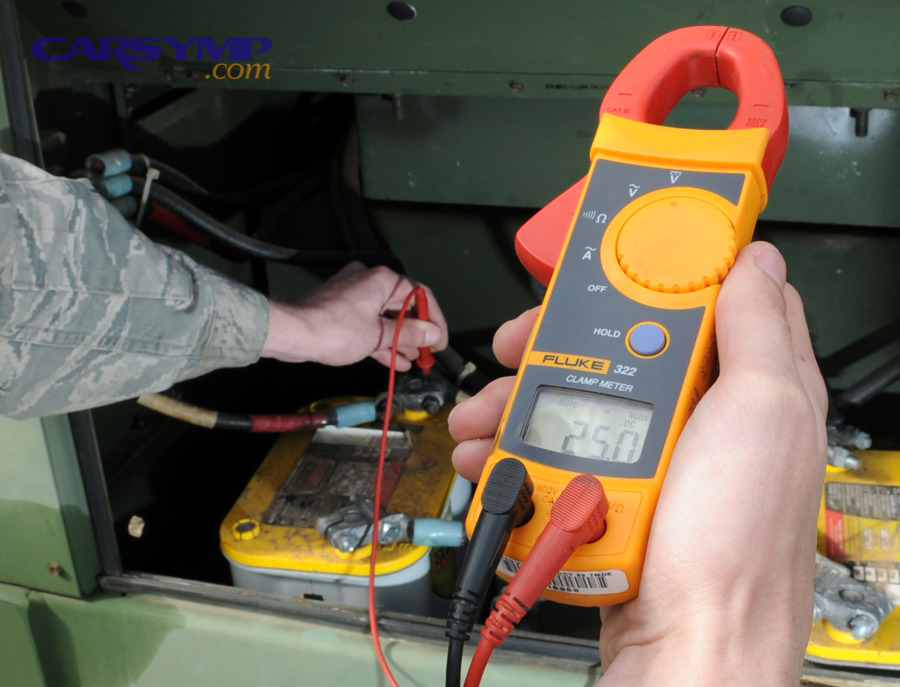
Right after installation, use a clear checklist:
- Visual belt check: the belt must sit fully in every pulley groove with no ribs hanging off edges.
- Listen for noise: chirping or squeal often signals misrouting, misalignment, or a worn tensioner.
- Charging verification: measure voltage at the battery with engine running and major loads on (headlights, blower fan, rear defrost).
- Connection security: confirm the alternator output nut is tight and the connector is fully latched.
- Scan for codes on vehicles that monitor charging systems through modules.
Now include the long-term protection piece: After replacement battery charging tips matter because a weak battery can overload a new alternator. If the battery is sulfated or internally failing, the alternator may work harder than designed, run hotter, and shorten its service life.
Practical habits that help:
- Charge the battery fully if it was deeply discharged; don’t rely on the alternator to recover a near-dead battery.
- Clean battery terminals and ensure tight clamps to reduce resistance and heat.
- Avoid heavy electrical loads (aftermarket amps, high-draw accessories) until the system verifies stable voltage.
For belt-driven systems, consider inspecting the tensioner and idler pulleys while you’re there. A failing tensioner can cause belt slip that looks like a charging problem, wasting labor time with repeated alternator swaps that were never needed.
How can you confirm the alternator is the real problem before paying labor?
You can avoid wasted alternator labor by checking battery health, charging voltage behavior, and voltage drop in the power and ground circuits; a bad cable or weak battery can mimic alternator failure and inflate labor without fixing anything. After that, symptoms guide the next test.
Next, we’ll connect common warning signs to fast diagnostic steps so you can approve labor with confidence.
Start with the basics:
- Battery resting voltage after sitting: a very low battery can cause unstable readings and false conclusions.
- Charging voltage at idle and with accessories on: watch for unstable output rather than chasing a single number.
- Voltage drop tests on alternator output cable and grounds: high resistance can prevent charging even with a good alternator.
Then use symptoms intelligently. Include the phrase Alternator failure symptoms in your troubleshooting notes if you’re tracking a pattern like dimming headlights, battery warning lamp, intermittent electronics resets, slow cranking after short drives, or a burning smell near the belt area. Those symptoms are meaningful, but they don’t automatically prove the alternator itself is bad.
When a vehicle is accused of “not charging,” the real culprit is sometimes:
- Worn battery that won’t accept or hold charge.
- Loose/dirty terminals causing intermittent connection.
- Blown fuse link or damaged charging wire.
- Bad ground strap raising resistance under load.
- Control/communication issue on smart charging systems.
Testing first can reduce labor time indirectly: if the shop has to remove an alternator and later discovers the main power cable was the real issue, you end up paying the full labor for a part that didn’t need to be replaced.
Can you drive with a failing alternator, and how does that affect labor decisions?
You can sometimes drive briefly with a failing alternator, but it’s risky because the car runs on battery reserve and may stall without warning; that risk often justifies scheduling labor sooner rather than later to avoid a tow and additional repair time. After that, the safest decision depends on symptoms.
Next, we’ll translate “it still drives” into a practical decision framework so you can choose between immediate repair and controlled planning.
Here’s the key trade-off: delaying alternator labor might save you time today, but it can cost you more time tomorrow if the vehicle dies in an inconvenient place. Add towing, battery charging, and rescheduling—and your “delay” becomes an all-day event.
Include the phrase Can you drive with a failing alternator in your decision notes if you’re weighing short-distance driving to a shop. The safest approach is to reduce electrical load (turn off nonessential accessories) and head directly to service, but you should avoid night driving and high-traffic situations where a sudden stall becomes dangerous.
Signs you should stop driving and schedule repair immediately include:
- Battery/charging warning light combined with dimming lights.
- Electronics shutting off (radio resets, dash flicker, power steering warning on some vehicles).
- Burning rubber smell or belt squeal, suggesting belt slip or pulley issues.
- Stalling at idle or repeated dead-battery starts.
In many cases, proactive alternator labor is cheaper than reactive labor. A controlled replacement at a shop beats a roadside breakdown that forces rushed decisions, limited shop options, and additional labor for battery recovery or secondary damage.
Edge cases that stretch alternator labor time beyond the average
Some vehicles push alternator labor time beyond the usual range due to smart charging systems, hybrid packaging, severe corrosion, or upgrade wiring; these cases aren’t “rare” so much as they are overlooked when people assume every alternator sits on top of the engine. After that, planning prevents surprises.
Next, we’ll cover four edge patterns that can legitimately add hours, so you know when a higher labor quote is reasonable.
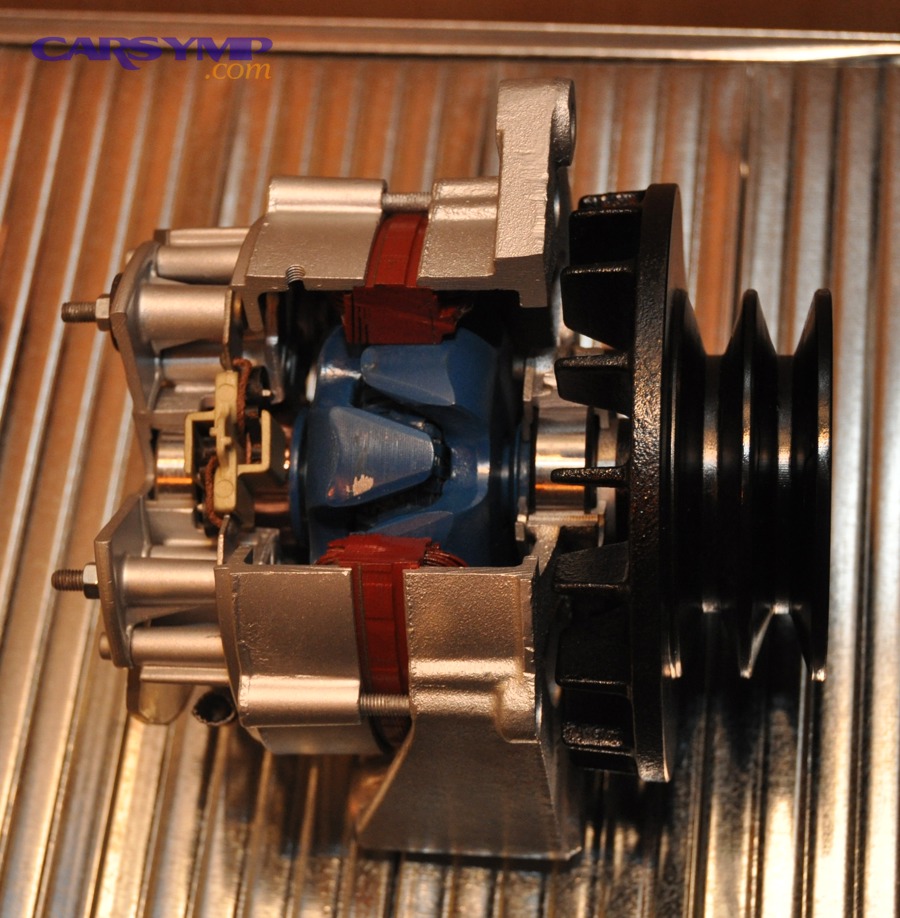
How do smart charging and start-stop systems affect labor time?
Smart charging can add diagnostic steps because modules control alternator output based on battery sensors and vehicle conditions; technicians may need scanning, relearn procedures, or battery sensor checks before and after installation, adding time but improving reliability.
To connect the chain, a “new alternator” that still shows low charge may not be a bad part—it may be a control strategy or sensor issue that needs confirmation.
Why do low-mounted alternators often take much longer?
Low-mounted alternators frequently require underbody access, splash shield removal, and tight tool angles; if the alternator must exit through a wheel well, extra steps like wheel removal or liner removal become mandatory, increasing labor time.
To keep the flow, remember that access time is still labor time—even when the alternator itself is easy once you reach it.
How do corrosion and seized hardware change the labor estimate?
Corrosion can seize bolts, sleeves, and electrical terminals, forcing careful removal methods to prevent breakage; extracting a snapped bolt or repairing stripped threads can add significant time compared with “normal conditions.”
In other words, the quote may rise not because the alternator is complicated, but because the fasteners refuse to cooperate.
Do high-output alternators or wiring upgrades increase labor time?
High-output units can require heavier gauge wiring, upgraded terminals, or improved grounds to avoid overheating and voltage drop; those upgrades take time, but they also prevent repeat failures under heavy electrical loads.
To wrap this edge case into your plan, ask whether the labor quote includes wiring verification or upgrades if you run high-draw accessories.
Entity focus: alternator labor time, belt tensioner access, charging voltage verification, voltage drop testing, smart charging modules, underbody alternator removal.
Lexical relations used: fast vs slow (antonym), alternator vs battery (related entities), belt/tensioner/bracket (meronymy).
FAQ (Frequently Asked Questions)
Is alternator labor time the same as “time you’ll have my car”?
No. Labor hours reflect billed work time, while your total drop-off time includes scheduling, parts delivery, test drive, and shop workflow. A 2-hour labor job can still mean half a day in the queue.
Should the belt be replaced during alternator service?
If the belt is cracked, glazed, or near its service interval, replacing it during alternator work can be efficient because the belt is already off. This can reduce future downtime and avoid paying overlapping labor later.
Why does my quote include a diagnostic fee if I already know it’s the alternator?
Because many charging complaints are caused by batteries, cables, grounds, fuse links, or control issues. A diagnostic fee can prevent paying alternator labor for a part that wasn’t the root cause.
Can a new alternator still cause charging problems?
Yes. Misrouted belts, weak batteries, bad grounds, poor connectors, and smart charging control strategies can all create “still not charging” symptoms. Post-install verification is what separates a one-time repair from repeated labor.
What’s the simplest way to estimate my alternator labor time before getting quotes?
Open the hood and locate the alternator. If it is visible and reachable from the top with a clear belt path, expect closer to 1–2 hours. If it’s low, hidden, or blocked by multiple components, expect 2.5–4.5+ hours.