


A new alternator tends to win when you want the lowest uncertainty and the cleanest “install-and-forget” path, while a quality remanufactured alternator often wins when you want strong value without giving up a like-new driving experience.
Beyond price, the real decision lives in risk management: part quality controls, predictable fitment, warranty strength, and how much downtime you can tolerate if something goes wrong.
You also need to separate the label from the reality, because “reman” can describe anything from a tightly controlled factory process to a minimal refresh that only replaces the obvious worn pieces.
To connect those trade-offs into a confident buy, the next sections break down reliability, cost, quality signals, and the practical checks that prevent repeat failures.
Is a new alternator always the safest choice for daily drivers?
No—new alternators are usually the safest bet, but not always, because quality varies by brand, some “new” units are low-tier, and a top-tier reman with strong testing can be just as dependable. To start, focus on what “safe” really means for your commute and your budget.
Next, it helps to define your daily-driver risk profile before comparing labels.
When “new” is genuinely safer
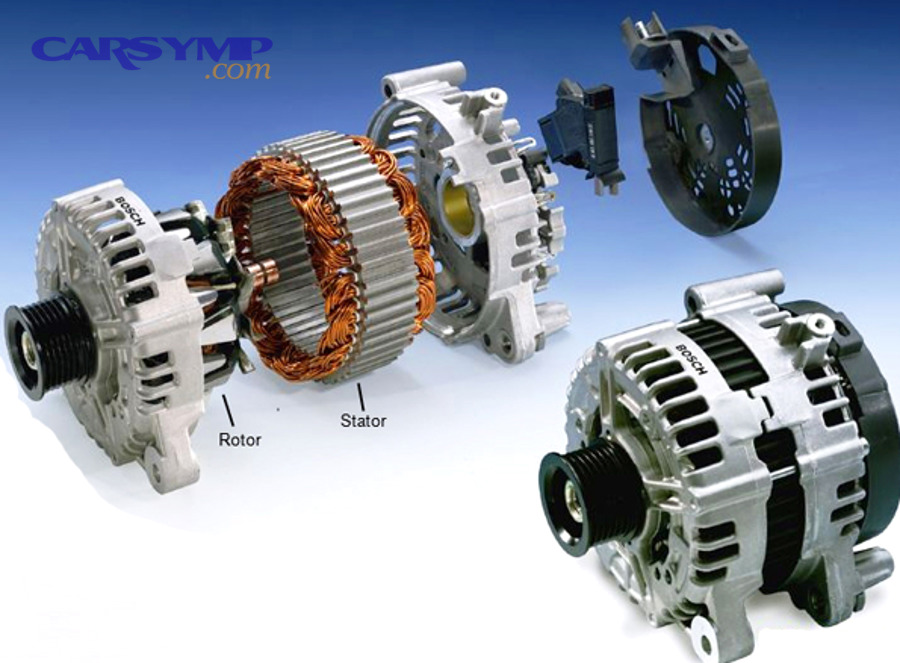
New is typically safer when you need predictable performance under load, consistent voltage regulation, and minimal installation surprises. Concretely, new alternators are more likely to have brand-new bearings, brushes, stator windings, and regulators with no prior thermal cycling, which lowers the chance of early noise or intermittent charging.
However, safety here is about probability, not perfection, so you still need to evaluate the source.
If you’re buying an OEM new unit (or a premium aftermarket new unit with clear documentation), you’re often paying for tighter process control, more consistent components, and fewer unknowns about core condition. That matters most when your vehicle has sensitive electronics, high electrical loads (heated seats, big audio systems, auxiliary lighting), or an aggressive duty cycle (short trips plus lots of idling).
When “new” can be a false sense of security
New is not automatically “best” if it’s low-quality aftermarket stock with weak regulators, inconsistent diode packs, or poor heat management. In that scenario, the unit is new in age, but not necessarily robust in design or parts selection.
In other words, a “new” label can hide cost-cutting that increases real-world failure risk—so the safer option can shift toward a proven remanufacturer with strict testing.
When a premium reman can be the safer value
A premium reman can be safer when it comes from a manufacturer that replaces high-failure components by default (bearings, brushes, regulator/rectifier as appropriate), restores critical surfaces, and validates output across speed/load/temperature ranges. That combination reduces the classic reman failure modes: noise soon after install, undercharging at idle, overvoltage spikes, or intermittent warning lights.
To anchor this in a formal quality perspective, the SAE J 2075-2008 guideline describes recommended minimum procedures aimed at consistent reliability, durability, and safety for remanufactured alternators, which signals that “reman” can be a disciplined engineering process rather than a quick refresh.
What is a remanufactured alternator, and how is it different from “rebuilt”?
A remanufactured alternator is a used unit restored to like-new performance through a defined process, while “rebuilt” often implies a narrower repair that replaces only the failed or worn parts. So the difference is usually process depth, not just the word on the box.
To make that distinction practical, it helps to look at what gets replaced, what gets tested, and what gets documented.
Definition that matters at the counter
In real purchasing terms, “remanufactured” should mean: full teardown, cleaning, inspection, replacement of critical wear items, restoration of surfaces, and verification testing. “Rebuilt” may still be excellent, but it is less standardized—sometimes it’s a full reman process, sometimes it’s just “fix what’s broken.”
So the next step is to judge the seller’s process, not the marketing label.
One widely cited formal definition in circular-economy research describes remanufacturing as returning a used product to at least its original performance with a warranty equivalent to or better than a newly manufactured product.
Core condition: the hidden variable
The “core” is the used alternator body and internals that get recovered and processed. Core condition drives a large share of reman outcomes: corrosion, heat damage, cracked housings, worn slip rings, and prior low-quality repairs can all limit how close to new the final result can be.
Therefore, the best remanufacturers reject marginal cores early instead of forcing them through production.
Testing: the part most buyers never see
Good reman alternators are not “trust-me” products; they’re verified products. That means output current tests, ripple tests, diode checks, regulator setpoint validation, and performance checks across different RPM points. This is where a disciplined remanufacturer separates itself from a minimal rebuild.
To keep that idea concrete, look for documentation that mentions bench testing and quality control—because that’s where reliability is earned.
How do new and reman alternators compare on reliability, failure modes, and quality control?
New alternators often lead on consistency, premium reman often matches them when process and testing are strict, and low-tier reman tends to lose on early-life failures. The deciding factors are component replacement policy, test coverage, and how the unit handles heat.
Next, you can reduce surprises by learning the most common ways alternators fail after installation.
Reliability: what “better” usually means in practice
Reliability here is not just “does it charge today,” but “does it maintain stable voltage and adequate current without noise, heat stress, or intermittent faults over thousands of cycles.” New units are generally more consistent because every component is new and process variance is easier to control.
However, a premium reman can be just as reliable when it replaces the right components systematically and validates performance under realistic load conditions.
Early-life failures: where low-tier reman gets a bad reputation
The reman reputation problem usually comes from shallow rebuilds: bearings not replaced, slip rings left worn, diode packs marginal, regulators reused, or inconsistent soldering/assembly. Those shortcuts show up as squeals, charging lights that come and go, radio interference, or low voltage at idle.
So the next practical move is to treat “reman” as a category with tiers, not as one uniform product type.
Heat management: the quiet killer
Alternators live in a harsh thermal environment, and heat accelerates degradation of diodes, regulators, insulation, and bearings. A “new” unit with weak thermal design can still fail, while a reman built on an OEM-grade housing and rotor/stator design—then upgraded with quality electronics—can live longer.
That’s why you should compare not only “new vs reman” but also “design grade and component grade.”
Operational risk and the “keep driving” question
When charging becomes unstable, the risk is not only a no-start situation but also voltage spikes or brownouts that can confuse modules and sensors. This is exactly why many drivers ask, “Can you drive with a failing alternator,” and the honest answer is that you can sometimes limp home, but you are gambling with battery depletion and unpredictable electrical behavior.
Therefore, reliability decisions should account for your tolerance for being stranded and your tolerance for diagnostic complexity.
Which option usually wins on total cost: purchase price, core charges, labor, and downtime?
Remanufactured alternators usually win on upfront price, while new alternators often win when you price in lower comeback risk, less downtime, and fewer repeat labor charges. The best value depends on how expensive labor is for your vehicle and how disruptive downtime would be.
Next, it helps to put the cost drivers into a simple framework you can apply at the shop counter.
Cost layers that buyers underestimate
Most buyers compare only the sticker price. But total cost includes the core charge (and the chance you lose it if the core is rejected), diagnostic time, install labor, potential belt-related labor, and the opportunity cost of being without the vehicle. This is why the cheapest unit can become the most expensive unit if it fails early.
So the next step is to compare “expected total cost,” not “lowest initial receipt.”
Labor sensitivity: why some cars should bias toward new
If access is tight and labor time is high, the cost of redoing the job can exceed the price difference between new and reman. In that scenario, paying more upfront is often a rational hedge against a second teardown—especially when the alternator sits behind other components or requires extensive disassembly.
This is the moment where many owners decide that alternator replacement is less about the part price and more about avoiding a second labor bill.
A decision table you can use in 60 seconds
This table helps you choose based on labor exposure, downtime tolerance, and quality confidence—so you don’t rely on brand names alone.
| Situation | New Alternator Tends to Fit | Premium Reman Tends to Fit |
|---|---|---|
| High labor time / hard access | Yes (minimize redo risk) | Only if reman quality is proven |
| Low labor time / easy access | Nice-to-have | Often best value |
| You need maximum uptime | Yes (predictability) | Only with strong warranty + testing |
| Budget is tight but not desperate | Maybe (if brand is premium) | Yes (if process is reputable) |
| Unknown supplier / vague warranty | Prefer reputable new | Avoid low-tier reman |
Warranty as a cost-control tool
Warranty is not just a perk; it’s a risk transfer mechanism. A strong warranty with clear claim terms lowers your “downside cost” if a unit fails. But the fine print matters: does it cover labor, does it require specific documentation, and how easy is replacement logistics?
To ground what “remanufacturing” implies in warranty expectations, one major remanufacturing industry study defines remanufacturing as restoring performance with a warranty equivalent to or better than new—making warranty strength a legitimate signal, not just marketing.
When does remanufacturing make the most environmental sense, and when doesn’t it?
Remanufacturing usually makes environmental sense when it preserves high-value material and avoids energy-intensive new production, but it can lose its advantage if a reman product performs meaningfully worse in the use phase or fails early and must be replaced again. So longevity and efficiency are part of sustainability.
Next, it helps to connect environmental claims to what research actually measures.
Why reman can be a “materials-first” sustainability win
Alternators contain metals and components whose production carries real upstream impacts. Remanufacturing typically saves a large share of the original material mass and reduces the need for new raw material extraction, refining, and manufacturing steps.
Therefore, when the reman unit lasts and performs correctly, the environmental story is usually favorable.
When use-phase performance changes the outcome
Even if reman saves materials, lifecycle outcomes can shift if efficiency changes or if the product fails sooner. This concept appears clearly in lifecycle research: the use phase can dominate total energy for “powered” products, meaning small efficiency differences can outweigh manufacturing savings.
Theo nghiên cứu của Massachusetts Institute of Technology từ Department of Mechanical Engineering, vào April 2011, an analysis of 25 case studies found some remanufacturing cases saved energy, some did not, and many were close—because use-phase efficiency changes can overwhelm manufacturing savings.
Quality and longevity are environmental variables
A reman alternator that fails early can erase its environmental advantage by forcing another production-and-shipping cycle. This is why “cheap reman” is not just a financial risk, but also a sustainability risk—because premature failure increases total throughput of parts.
So the environmental decision is not “reman always green,” but “high-quality reman is often greener.”
Macro context: remanufacturing as part of a circular economy
Remanufacturing is frequently framed as a key circular-economy strategy because it preserves form and function, not just raw material. A major Scottish industry report describes remanufacturing as a core circular strategy that retains embedded material, labor, energy, and capital while restoring products to performance backed by warranty expectations.
Theo nghiên cứu của Zero Waste Scotland từ Circular Economy Evidence Building Programme, vào March 2015, the report estimates the worldwide turnover in remanufactured products at nearly $110 billion and emphasizes remanufacturing’s role in retaining embedded value.
How do you choose a reman alternator that performs like new?
Choose a reman alternator by verifying the remanufacturer’s process, test coverage, and warranty strength, then matching the unit’s electrical rating and fitment to your exact vehicle configuration. The goal is to buy a process—not just a part.
Next, use a shortlist of quality signals that are hard for low-tier sellers to fake.
Signal 1: process language that implies full reman, not minimal repair
Look for descriptions that mention teardown, cleaning, inspection, replacement of wear components, and bench testing under load. Vague language like “checked” or “refreshed” without test or replacement specifics should lower your confidence.
To move from vague to concrete, ask what gets replaced every time versus only “as needed.”
Signal 2: testing details that match real alternator behavior
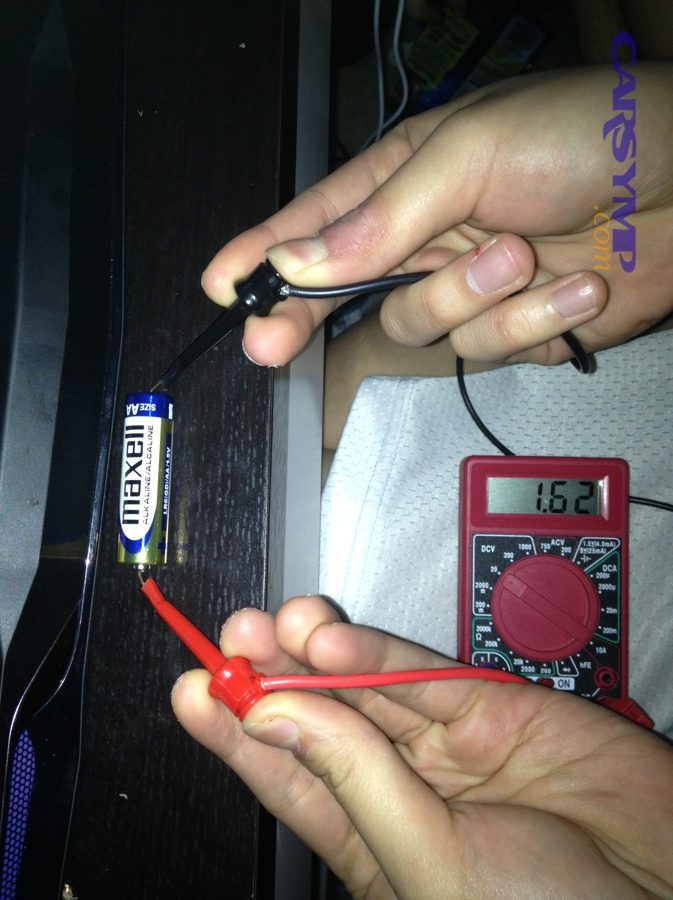
Good testing is not a single “it spins” check. Better testing validates output current, voltage regulation setpoints, diode ripple, and performance at different RPM and load conditions. This is especially important for vehicles with smart charging systems where regulation behavior must be stable and predictable.
In short, seek evidence that the unit was tested as an electrical generator, not just visually inspected.
Signal 3: warranty terms that align with the product claim
A warranty that is long, clear, and easy to execute is a practical indicator that the seller expects low failure rates. But you should also read the terms: is the claim process local and fast, do they require special paperwork, and do they cover consequential costs?
The best move is to treat warranty as part of your “total cost” equation, not as a marketing afterthought.
Signal 4: alignment with recognized minimum guidelines
Even if you can’t audit a factory, you can still prefer sellers whose published procedures resemble recognized minimum guidelines for reliability and safety. Theo nghiên cứu của SAE International từ Service Committee, vào May 2008, the SAE J2075 guidance describes minimum recommended remanufacturing procedures intended to promote consistent reliability, durability, and safety for remanufactured alternators.
That doesn’t guarantee every reman unit is equal, but it helps you prioritize remanufacturers who treat quality as a system.
A quick video to help you evaluate choices
If you want a fast visual explanation of what to look for when choosing between new and reman options, this video provides a practical overview of selection factors and terminology.
What should you inspect around the charging system before deciding, so you don’t repeat the failure?
Inspect the belt drive path, the electrical connections, and the battery condition first, because a weak belt, poor grounding, or a dying battery can mimic alternator failure or quickly kill a replacement. This prevents you from replacing the alternator while the real problem remains.
Next, treat the alternator as one component inside a system, not a standalone part.
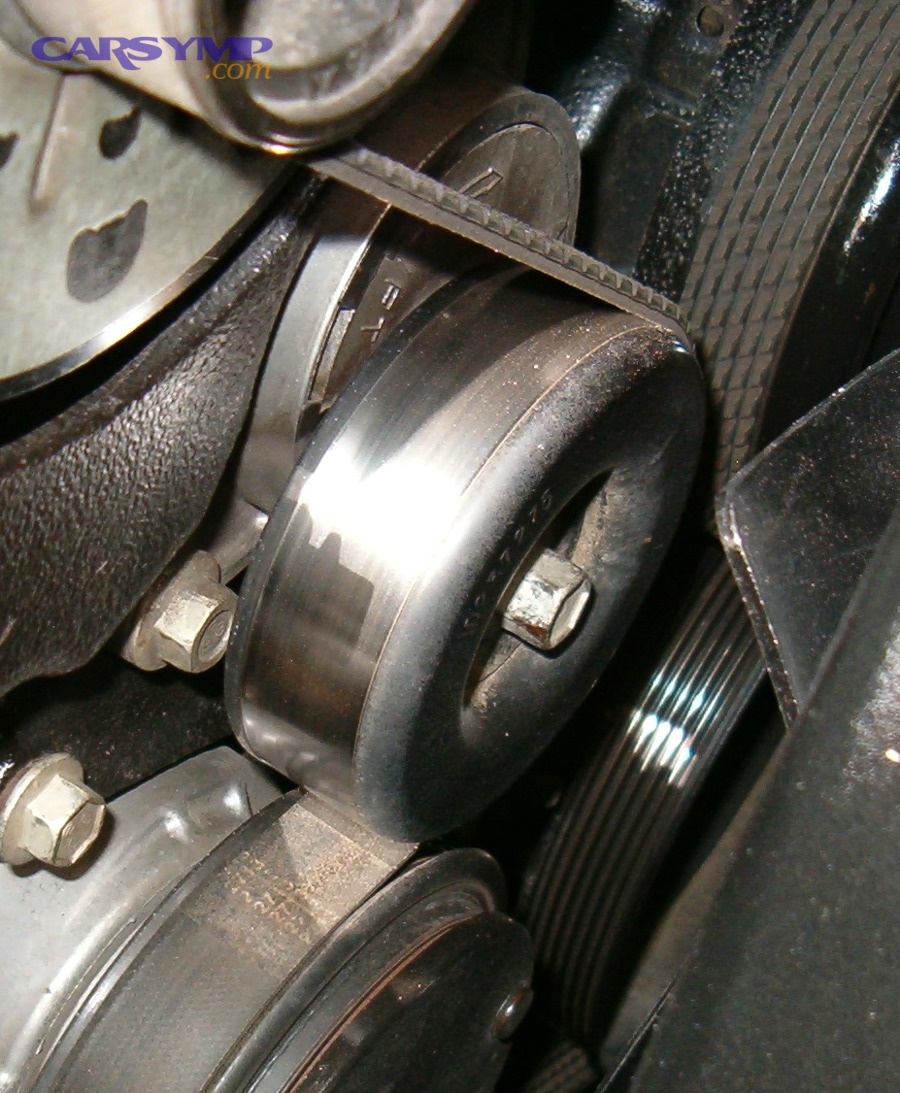
Belt path and tension stability
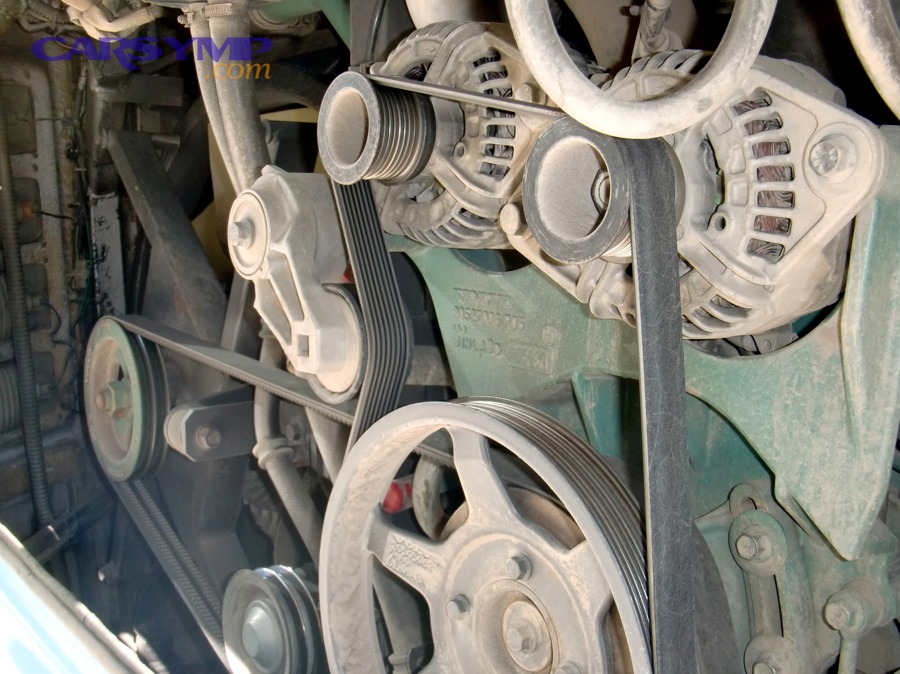
A slipping belt can cause undercharging at idle, squealing noises, and intermittent battery warning lights—symptoms that easily get blamed on the alternator. This is why many experienced technicians emphasize Belt and tensioner check during replacement as a habit, because belt slip creates a “bad alternator” story without a bad alternator being the root cause.
To make this actionable, look for belt glazing, cracking, frayed edges, and a tensioner that cannot maintain stable pressure under load.
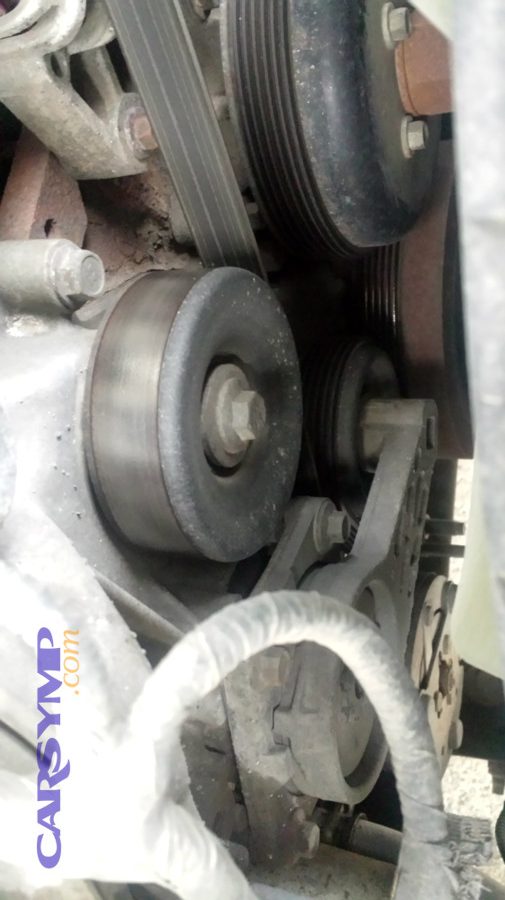
Connections, grounds, and voltage drop
Charging issues often come from resistance, not from a dead alternator. Corroded terminals, loose main output cables, weak grounds, and damaged connectors can all create voltage drop that reduces charging effectiveness and overheats components.
Therefore, before committing to a part choice, inspect the main alternator output path and the engine/body grounds for corrosion and tightness.
Battery health and system behavior under load
A failing battery can force an alternator to work harder and hotter, which shortens alternator life. Under load, a weak battery also causes unstable system voltage that can trigger warning lights, flickering, and resets—classic Car Symptoms that people sometimes attribute to “electronics problems” rather than basic electrical health.
So the next step is to treat battery condition as part of alternator decision-making, not as an afterthought.
Diagnosis boundaries: avoid swapping parts blindly
Alternators, batteries, and starters can fail in ways that overlap, so you can waste money by replacing the wrong part. In practice, a clean Alternator vs battery vs starter diagnosis sequence reduces guesswork: verify battery state, verify charging voltage behavior, then evaluate cranking performance and starter draw if needed.
This is how you avoid turning a single fault into a chain of unnecessary replacements.
Edge-case considerations and quick answers before you buy
When the main pros/cons feel close, edge cases—smart charging behavior, fitment details, and time pressure—often decide the outcome. The goal here is to surface the less obvious trade-offs that can quietly make one option better for your exact vehicle.
Next, use these micro-level factors as tie-breakers when your shortlist is down to two products.
Rare but real: regulator behavior in modern charging systems
Some vehicles vary alternator output strategically to improve fuel economy and protect the battery, which means the regulator’s behavior matters as much as raw amperage. In these systems, a poorly matched regulator strategy can create intermittent warnings, unusual voltage readings, or inconsistent charging that looks like a failing alternator even when the unit is “working.”
Therefore, if your vehicle is known for smart-charging sensitivity, bias toward OEM new or OEM-grade reman with explicit compatibility notes.
Hyponym choices: OEM new, aftermarket new, OEM reman, third-party reman
There are not two choices—there are tiers. OEM new is usually the benchmark for fit and behavior, premium aftermarket new can be excellent, OEM reman can be a strong balance of process control and price, and third-party reman ranges from outstanding to risky depending on the remanufacturer’s discipline.
The best move is to rank these tiers by how much quality evidence you can verify, not by the word “new.”
Antonym trade-off: speed today vs longevity tomorrow
If you need a same-day fix, you may be tempted to buy whatever is on the shelf. That can be rational, but it increases the importance of warranty strength and the seller’s exchange process. In contrast, if you can wait a day for a specific OEM-grade unit, you may reduce the probability of repeat labor and repeated downtime.
So the tie-breaker is often your timeline, not your ideology about remanufacturing.
Frequently asked questions
-
Q: If both options have similar warranties, should I still prefer new?
A: Often yes when labor is high or electronics are sensitive, but a premium reman with strong testing can be an equally rational pick when access is easy and the remanufacturer is proven.
-
Q: Is reman always better for the environment?
A: Usually, but not automatically; lifecycle research shows that use-phase efficiency and early failures can erase manufacturing savings, so quality and longevity are environmental variables too.
-
Q: What’s the biggest practical risk with low-tier reman?
A: Early-life failures from shallow component replacement and weak testing—leading to repeated labor costs, more downtime, and frustration.
-
Q: What should I remember as a one-sentence rule?
A: Buy the most verifiable quality you can afford, and treat the alternator as part of a system so you don’t repeat the failure for the same underlying cause.
The contextual border is simple: once you’ve matched reliability, total cost, and verified quality signals, the remaining decision is about edge-case compatibility and your personal risk tolerance.
Theo nghiên cứu của Rochester Institute of Technology từ Golisano Institute for Sustainability, vào May 2017, remanufacturing is framed as a key pathway in a circular economy roadmap—highlighting the importance of validated quality, dependable cores, and process discipline to realize real-world benefits.