


Yes, you can sometimes drive with a failing alternator—but it’s usually a short, risky window, not a “keep driving for days” situation. In most cars, once charging output drops too low, the battery becomes the only power source, and that power runs out faster than people expect.
To protect your safety (and avoid a roadside breakdown), the real question isn’t “Can I drive?”—it’s how far you can go before essential systems shut down, and which warning signs mean you should stop immediately.
Beyond that, you’ll also want a simple, practical plan: what to turn off, where to drive, and how to confirm the alternator is truly the issue—not the battery, belt, or wiring.
Tiếp theo, “Giới thiệu ý mới”: we’ll map the risk level step-by-step, from early symptoms to emergency decisions, so you can choose the safest move in the moment.
Can you drive with a failing alternator, and is it ever “safe”?
Yes, you can drive with a failing alternator, but it’s only “safe” in limited cases because the car will eventually run solely on battery power, and critical systems can degrade or shut off as voltage drops. Next, the safest choice depends on symptoms, distance, and traffic conditions.
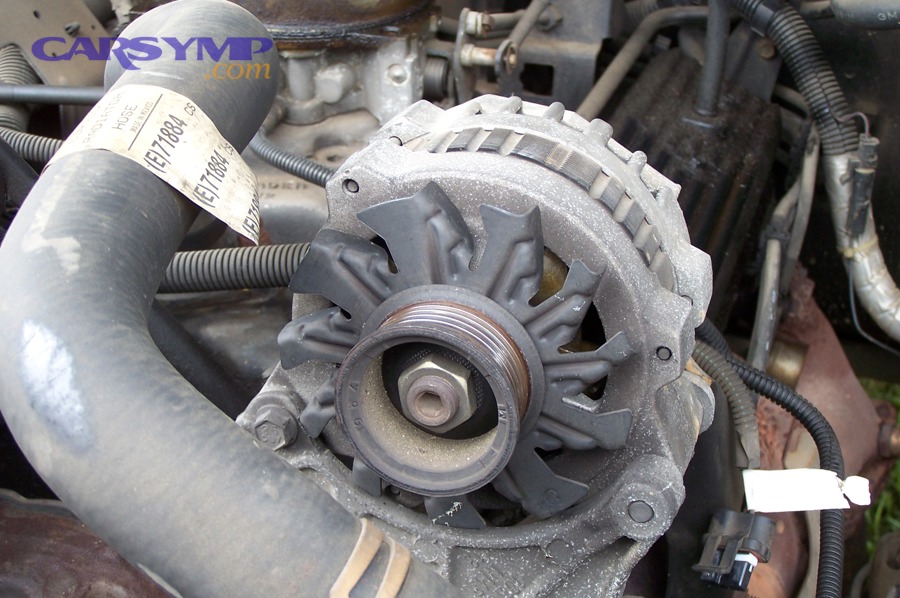
To connect that decision to reality, think of the alternator as the car’s power plant and the battery as a backup tank. When the alternator weakens, the battery starts covering the shortfall. At first, you may notice only subtle signs—slightly dim headlights or a battery light flicker. However, once output falls below what the car needs, the battery drains continuously.
So when is it “safe enough” to drive? Typically:
- Early stage: intermittent charging, no overheating smell, no belt squeal, no severe electrical failures—driving a short distance to a nearby shop may be reasonable.
- Mid stage: battery light steady, accessories failing, headlights pulsing—driving becomes a calculated risk and should be minimized.
- Late stage: stalling, power steering changes (in some cars), dash going dark—continuing to drive is unsafe and likely ends in a breakdown.
To bridge into the next step, the key is estimating how long you have before the battery can’t support the car anymore.
How long can you keep driving before the car shuts down?
You might keep driving from a few minutes to under an hour once the alternator stops supporting the battery, but the range varies widely because electrical load, battery condition, and vehicle technology determine how fast voltage collapses. Next, you’ll judge time by your load and warning signs.
Here’s why the “time remaining” is unpredictable: modern cars have constant loads—fuel pump, ignition coils, engine computer, sensors, and often electric cooling fans. If you add headlights, heater blower, defroster, wipers, seat heaters, audio, phone chargers, and auxiliary lights, the drain accelerates dramatically.
To make a fast, practical estimate, use a simple grouping approach based on what you’re experiencing:
Case A: Battery light on, but everything feels normal
You may have a short window if the alternator is undercharging intermittently or the belt is slipping occasionally. Next, reduce electrical load and head directly to a safe destination.
In this case, you might be in an early failure pattern: the alternator still produces some output, but not consistently. That means the battery isn’t the only power source yet—but it’s being stressed.
Case B: Lights dim, blower slows, dash flickers
Your remaining drive time is likely limited because voltage is dropping in real time. Next, treat this as “get off the road soon” rather than “finish the day’s errands.”
When multiple systems weaken together, the battery is doing heavy lifting. Even if the engine still runs, one sudden demand—like the radiator fan switching on—can push voltage low enough to cause misfires, sensor errors, or stalling.
Case C: Engine stumbles or stalls at idle
You’re near the end of the usable window because the engine computer and fuel system need stable voltage. Next, prioritize stopping safely over trying to “make it home.”
Stalling is a major threshold: restarting consumes a big burst of power, and repeated attempts can fully drain the battery.
To connect this to immediate safety, you need to know what “shutdown” looks like and what it can affect while you’re moving.
What happens while driving when the alternator output drops too low?
When alternator output drops too low, the car runs on battery alone, and as voltage falls, you can lose lighting strength, dashboard stability, and eventually engine operation—because the computer, ignition, and fuel pump require adequate electrical power. Next, recognize the sequence so you can react early.
Most drivers imagine alternator failure as “the battery dies.” In practice, it’s more like a staged unraveling:
- Stage 1: Warning and compensation — the battery light appears, headlights may pulse, and the car may still feel normal.
- Stage 2: Comfort systems degrade — blower motor slows, infotainment resets, power windows become sluggish.
- Stage 3: Control and safety risk rises — exterior lights dim, ABS/traction warnings may appear, steering effort can change on some setups.
- Stage 4: Engine instability — misfires, rough idle, stalling, and finally no-start.
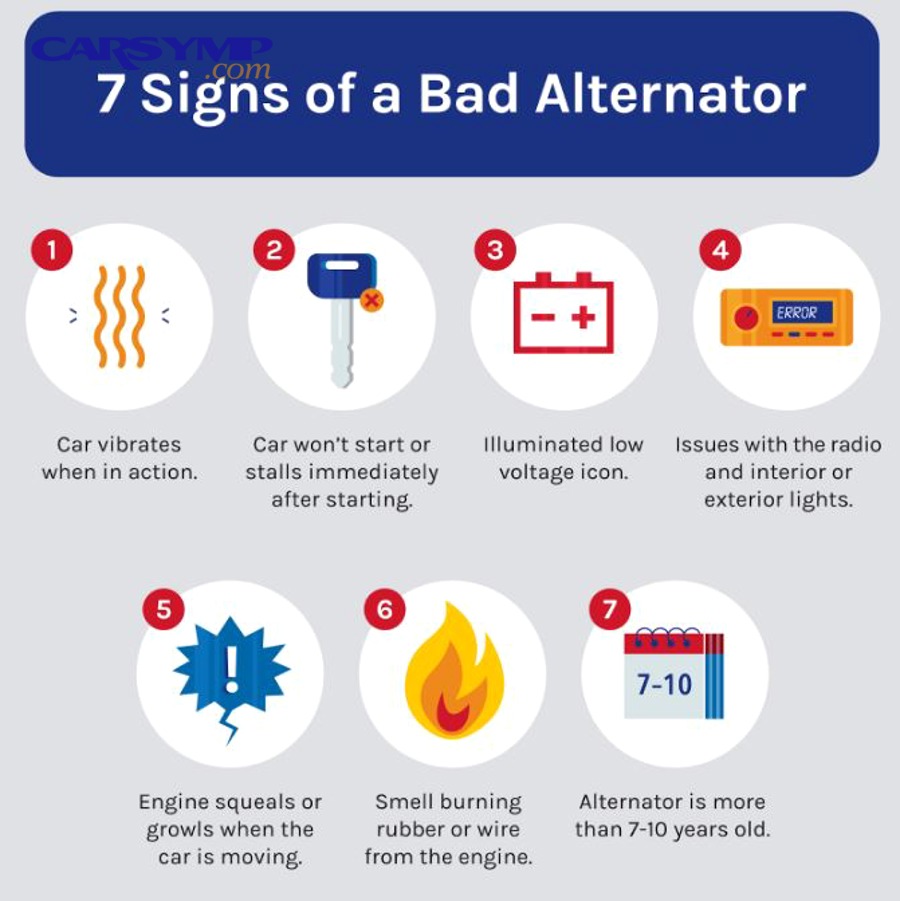
To illustrate the risk: dim headlights reduce your visibility and your ability to be seen. In wet weather, if wipers and defroster performance drop, your windshield can fog or smear. Meanwhile, low system voltage can cause false sensor readings and erratic warning messages, which can distract you at the worst time.
Next, the best defense is catching the early signals before you’re committed to a long route.
What are the most reliable signs your alternator is failing?
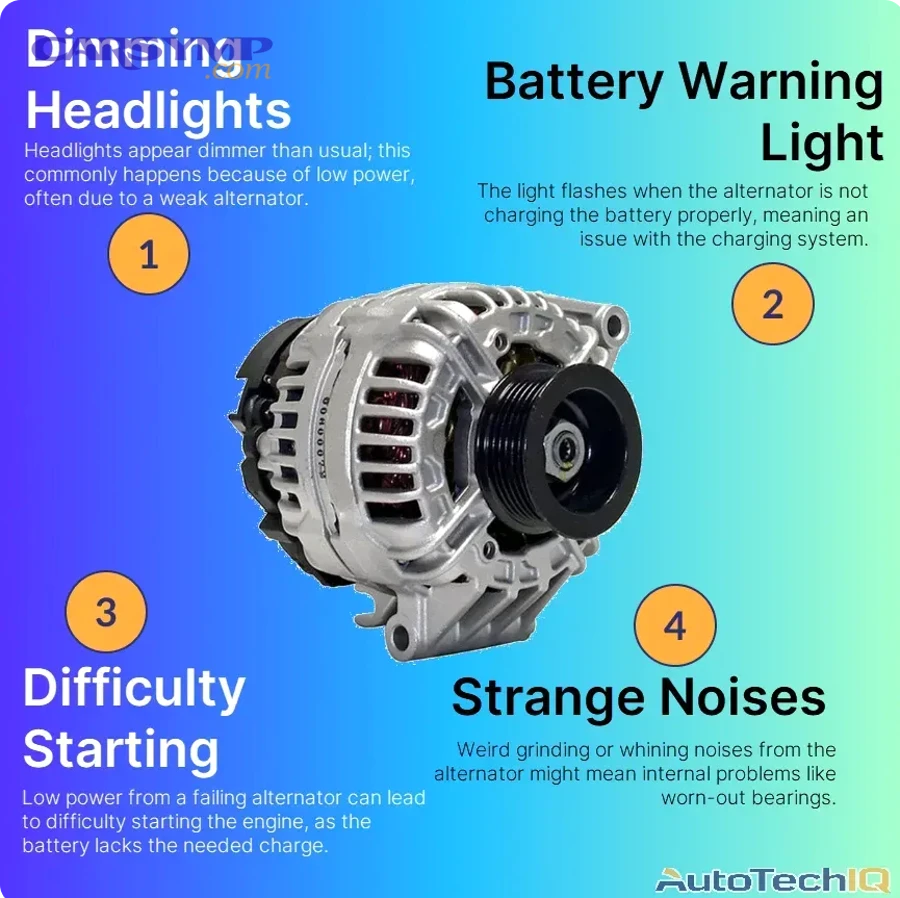
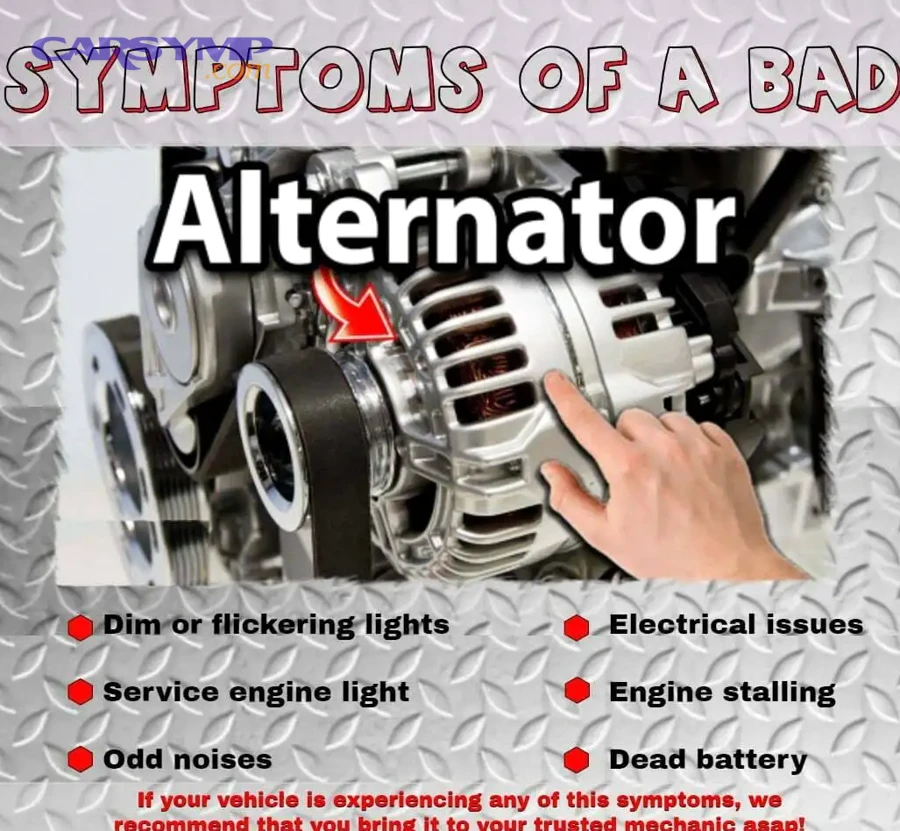
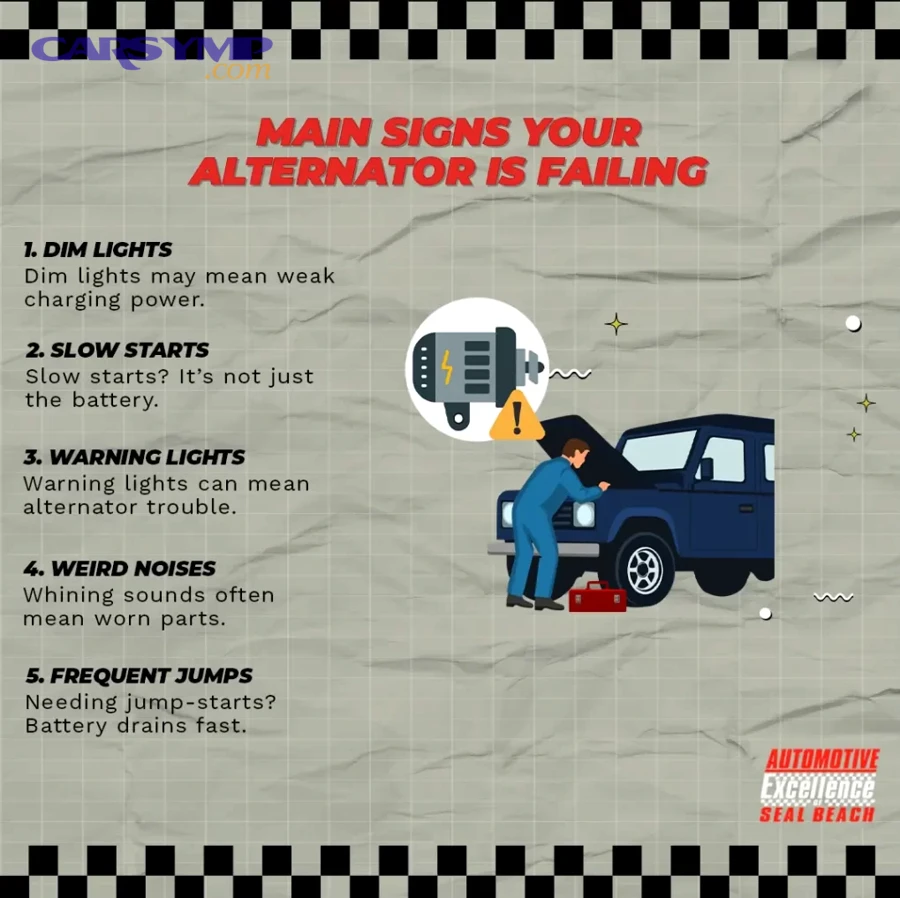
Yes—there are clear signs of a failing alternator, and the most reliable ones cluster into warning lights, lighting/voltage behavior, unusual noises, and battery-related symptoms; together they indicate the charging system can’t maintain stable electrical output. Next, use these signs to grade urgency.
Rather than relying on a single symptom, look for patterns that point to charging instability:
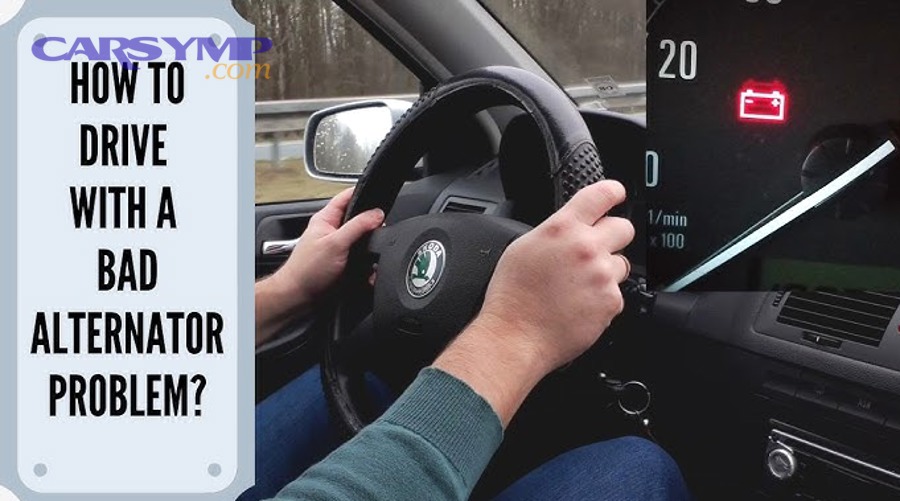
Battery/charging warning light (or “ALT/GEN” light)
If the battery light stays on while driving, the charging system is not keeping up, and you should assume the battery is draining. Next, treat a steady light as more urgent than a brief flicker.
A flicker can happen from a loose connection or belt slip; a steady light often means consistent undercharge or no charge.
Headlights pulsing, dimming, or changing with engine speed
Light intensity that changes with RPM suggests voltage regulation problems, which often track to alternator output issues. Next, reduce loads and plan a short route.
When you rev the engine and the lights brighten, you’re seeing the system “try” to produce enough power—an indicator of unstable charging.
Electrical accessories behaving oddly
Random resets, slow windows, weak blower, or glitchy infotainment can signal falling system voltage. Next, don’t dismiss these as “just electronics”—they can be early failure markers.
Unusual sounds or smells from the alternator area
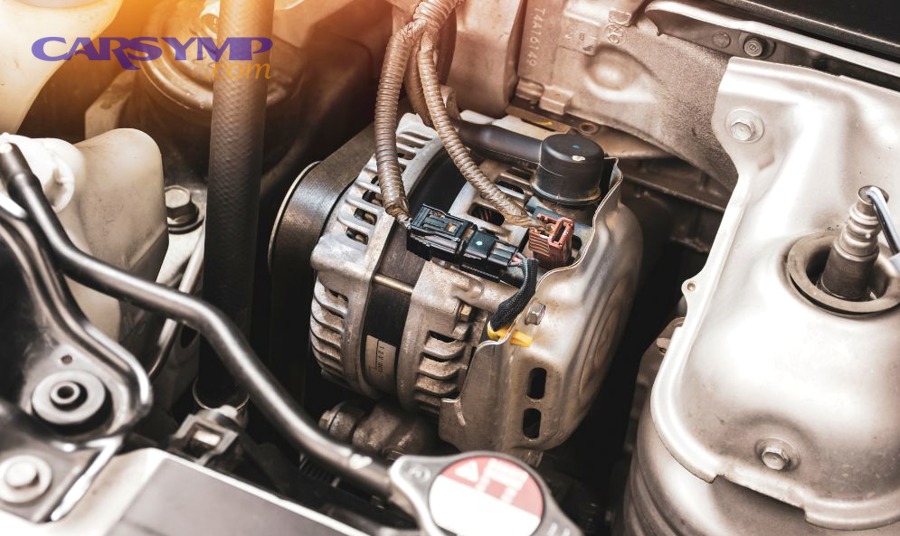
Squealing, grinding, or a burning smell can indicate belt slip or bearing failure, and those can escalate quickly. Next, avoid long drives because a seized bearing can damage the belt system.
To move from “signs” to “certainty,” you need a quick way to separate alternator trouble from a weak battery or a belt problem.
How do you confirm it’s the alternator and not the battery or belt?
You can often confirm alternator trouble with a simple voltage check and a visual belt inspection, because a bad battery and a slipping belt can mimic alternator symptoms; combining both checks prevents expensive misdiagnosis. Next, use a fast method before deciding to drive farther.
Start with what you can see and hear, then use a basic measurement approach:
Check the belt and tension at the front of the engine
If the belt is cracked, glazed, loose, or squealing, charging can fail even with a good alternator. Next, treat belt problems as urgent because belt loss can also affect cooling and other accessories.
Look for fraying edges, missing ribs, shiny “glaze,” or rubber dust. If the tensioner bounces excessively or the belt looks slack, the alternator may not spin consistently.
Check battery terminals and main connections
Loose, corroded terminals can cause voltage drop and charging faults, creating warning lights and poor performance. Next, inspect for white/green corrosion and ensure clamps are tight.
Do a quick electrical sanity check (without overcomplicating)
A charging system should maintain stable voltage while the engine runs; if voltage collapses under load, charging is not adequate. Next, if you have a meter, confirm with a straightforward reading.
In a practical, real-world workflow, people often combine a quick drive-to-shop decision with Alternator testing with multimeter once parked. The goal isn’t perfection—it’s confidence: does voltage remain stable with headlights and blower on, or does it sag noticeably and keep sagging?
To link this to action, the moment you suspect active draining, you need a “minimum-risk driving protocol” to avoid being stranded in an unsafe place.
If you must drive, what’s the safest way to limp the car to a shop?
Yes, you can sometimes limp the car to a shop by minimizing electrical load, choosing a short route, and avoiding stop-and-go conditions—because your remaining battery capacity is limited and every extra load accelerates shutdown. Next, follow a simple step plan.
Step 1: Choose the destination before you move
Pick the closest safe endpoint—a repair shop, a well-lit parking area, or your home if it’s truly nearby. Next, avoid routes that trap you in tunnels, bridges, or high-speed shoulder-only zones.
This is about control: you want to stop where towing is easy and where you won’t be exposed to traffic.
Step 2: Reduce electrical load immediately
Turn off everything that isn’t essential—seat heaters, rear defrost, high fan speeds, extra lighting, chargers, and loud audio. Next, keep headlights on if safety requires it, but avoid unnecessary add-ons.
In daylight, you may be able to drive without headlights depending on local rules and conditions—but prioritize visibility and legality. If you must use headlights, use the lowest safe setting and avoid fog lights unless needed.
Step 3: Keep RPM steady and avoid repeated stops
A steady, moderate pace can help stability because repeated idling and restarting consumes extra power and can trigger stalling sooner. Next, pick a route with fewer traffic lights and minimal congestion.
Step 4: Watch for “threshold warnings” that change the plan
If the dash begins flickering, steering feel changes, or the engine starts stumbling, you are crossing into high-risk shutdown territory. Next, look for a safe pull-off immediately rather than pushing farther.
To make that call with clarity, let’s define the “stop now” signals that should override the urge to keep going.
When should you stop driving immediately?
No—you should not keep driving if you see signs of imminent shutdown, unsafe visibility, or mechanical belt issues, because the risk shifts from inconvenience to danger; these conditions can strand you mid-lane or reduce your ability to see and be seen. Next, use the stop-now triggers below.
Stop driving as soon as you safely can if any of the following occur:
- Headlights become too dim to safely illuminate the road or you notice rapid pulsing.
- Dash and gauges flicker heavily or multiple warning lights cascade at once.
- Engine begins stumbling, stalls at stops, or struggles to maintain idle.
- Burning rubber/electrical smell appears near the belt/alternator area.
- Severe belt squeal or grinding suggests a slipping belt or failing bearing.
- Cooling fan behavior changes and the temperature starts rising (risk depends on vehicle design).
To help you decide under pressure, here is a quick-reference table that connects symptoms to risk level and the safest next action.
This table helps you triage alternator failure symptoms by mapping what you observe to immediate risk and the most practical action, so you can choose “drive a little” versus “stop now” without guessing.
| What you notice | Risk level | Best next action |
|---|---|---|
| Battery light flickers briefly, no other issues | Low to moderate | Reduce electrical load, drive a short route to diagnosis |
| Battery light steady, headlights slightly dim | Moderate | Head to nearest safe endpoint; avoid stop-and-go |
| Dash flickers, accessories failing | High | Prepare to pull over safely; call assistance if needed |
| Engine stumbles or stalls | Very high | Stop as soon as safe; avoid restarting repeatedly |
| Burning smell or grinding/screeching from belt area | Very high | Stop soon; potential mechanical damage risk |
Next, once you’ve handled the immediate driving question, it helps to understand what the repair path usually looks like—so you don’t waste time or money.
What’s the practical fix, and what should you expect at the shop?
Most alternator failures are solved by repairing the charging system and restoring stable voltage, which often means replacing the alternator, fixing belt/tension issues, or repairing wiring—because any of these can prevent proper charging. Next, focus on diagnosis before parts swapping.
A good shop typically follows a sensible chain of checks:
- Battery health check to ensure the battery isn’t the primary failure.
- Charging output check to see whether the alternator maintains stable output under load.
- Belt and tensioner inspection to confirm the alternator is being driven correctly.
- Connection and wiring inspection (especially main output wire and grounds).
If the alternator itself is confirmed weak or inconsistent, alternator replacement becomes the common resolution. In many cases, a shop will also discuss service items that reduce repeat failures—like belt condition, tensioner performance, and pulley alignment.
To keep this connected to your situation, ask for a short explanation of what failed: was it low output, unstable regulation, bearing noise, or a belt-drive problem? That detail helps you avoid repeating the same issue later.
Also, it’s helpful to request a brief Alternator replacement steps overview before approving the work—so you understand whether access is straightforward or requires moving other components. Clarity here reduces surprises and supports better decisions.
Next, once repairs are complete, many drivers overlook one crucial part: making sure the battery and charging system recover correctly after the event.
How do you protect the battery after an alternator problem is fixed?
Yes—you should protect the battery after fixing an alternator issue because deep discharge stresses a battery and can shorten its life; proper recovery means verifying charging stability, avoiding short trips at first, and confirming the battery holds charge. Next, use a short post-fix checklist.
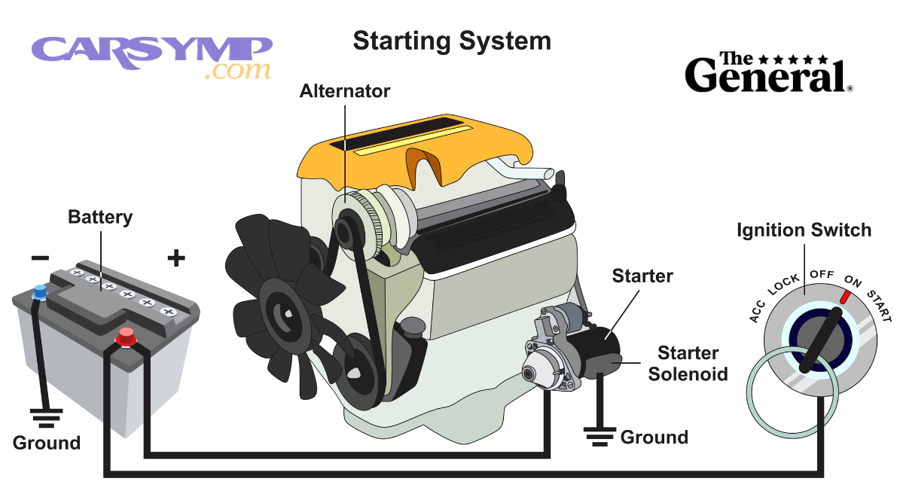
Verify charging stability before you return to normal driving
A stable charging system prevents repeat drain, so confirm the warning light is off and that electrical behavior is normal. Next, watch for flicker, dimming, or repeated warning messages over the next few starts.
Let the battery fully recover rather than “barely getting by”
A battery that was heavily drained may need a full recharge cycle to regain usable capacity. Next, avoid a string of short trips that never replenish what starting consumes.
This is where After replacement battery charging tips matter: steady driving time can help, but a proper recharge plan (often guided by the shop) can be even better when the battery was deeply depleted.
Pay attention to starting behavior in the following days
Slow cranking after a repair can indicate a weakened battery from prior discharge. Next, address it early so you don’t confuse a stressed battery with a new charging issue.
To transition into the broader “contextual border,” the last step is understanding the less obvious contributors—because not every alternator failure is only the alternator.
Contextual border: Up to this point, you’ve focused on whether you can drive and what to do immediately. Next, we’ll expand into the less obvious causes and edge-case scenarios that change the diagnosis and the risk profile.
Supplementary: What hidden factors make alternator failure riskier or harder to diagnose?
Several hidden factors can make alternator failure more dangerous or confusing, including belt/tension dynamics, heat-related electrical issues, modern vehicle power demands, and wiring/ground faults—because each can mimic or amplify a charging problem. Next, use these insights to prevent repeat breakdowns.
Serpentine belt and tensioner behavior can “fake” alternator failure
A slipping belt or weak tensioner can reduce alternator speed, causing undercharge even if the alternator is healthy. Next, treat belt-driven issues as charging-system issues, not separate problems.
This matters because the symptoms can look identical: battery light, dimming lights, and weak accessories. If the belt slips more when wet, cold, or under sudden load, you can get intermittent faults that are hard to replicate in a quick test.
Heat and electrical load can turn “borderline” charging into sudden shutdown
High heat and high electrical demand can push a weak alternator over the edge, especially when cooling fans run frequently. Next, consider conditions: summer traffic, rain, night driving, and defroster use.
A marginal alternator might appear “okay” on a cool morning, then fail decisively in afternoon traffic with the fan, headlights, and blower running together.
Modern vehicles have higher baseline electrical demand
Cars with many electronics often drain faster during charging loss because more modules require stable voltage. Next, assume a shorter window if your vehicle has advanced driver aids, multiple screens, or constant accessory loads.
Even if the engine runs, voltage instability can trigger safety-system warnings and unpredictable behavior in non-essential modules—raising stress and distraction while driving.
Grounds and main power cables can cause charging chaos
A poor ground or failing main cable can create voltage drop and false symptoms, making it look like an alternator failure. Next, ensure the shop checks voltage drop across connections, not only alternator output.
In real terms: the alternator may produce power, but it might not reach the battery and vehicle network reliably. Fixing the connection restores stability without replacing good parts.
FAQ
Can you drive with a failing alternator at night?
Yes, but it’s significantly riskier because headlights are a major electrical load and dimming reduces safety. Next, if the battery light is on and you must travel, keep the route short, well-lit, and as low-stress as possible.
Will the car die immediately if the alternator fails?
No, not always; many cars keep running until the battery drains enough to drop voltage below what the engine computer and fuel system need. Next, treat any charging warning as a countdown rather than a harmless indicator.
Can a new battery fix a failing alternator problem?
No; a new battery can mask the issue briefly, but it will still drain if the alternator isn’t charging. Next, consider the battery a temporary buffer, not a solution, unless the real cause is only a weak battery.
Should you jump-start and keep driving if the alternator is bad?
Only as an emergency measure for a very short move, because jump-starting doesn’t restore charging; it only gets the engine running again while the battery continues to drain. Next, prioritize reaching a safe stop or a shop rather than extending the trip.
What’s the smartest “one sentence” rule to remember?
If the battery light is on and symptoms are escalating, drive only as far as you must to reach safety. Next, reduce electrical load, avoid stop-and-go, and stop immediately if lighting, engine stability, or belt-area smells/noises worsen.