


If your car won’t start, the fastest fix isn’t guessing—it’s separating three look-alike problems: a weak battery, a weak alternator, or a key-off parasitic draw. This guide gives a practical checklist to identify which one is actually at fault, using clear symptoms, quick measurements, and a simple decision tree.
Next, you’ll learn how to confirm whether your battery is healthy enough to hold a charge, because a “new” or “fully charged” battery can still fail under load or due to poor connections.
Then, you’ll verify the charging system (alternator, belt, and wiring) so you don’t replace a good battery when the car simply isn’t recharging it.
After that, you’ll pinpoint key-off electrical drains safely and methodically, and “Giới thiệu ý mới” you’ll also see edge cases that mimic battery drain so your diagnosis stays accurate in real-world conditions.
What does an alternator vs battery vs parasitic draw checklist diagnose?
This checklist diagnoses which system is failing—energy storage (battery), energy production (alternator/charging), or energy loss while parked (parasitic draw)—by matching symptoms to tests in the correct order. To begin, treat it like a funnel: eliminate the simplest, most common failures first, then narrow to the hidden drains.
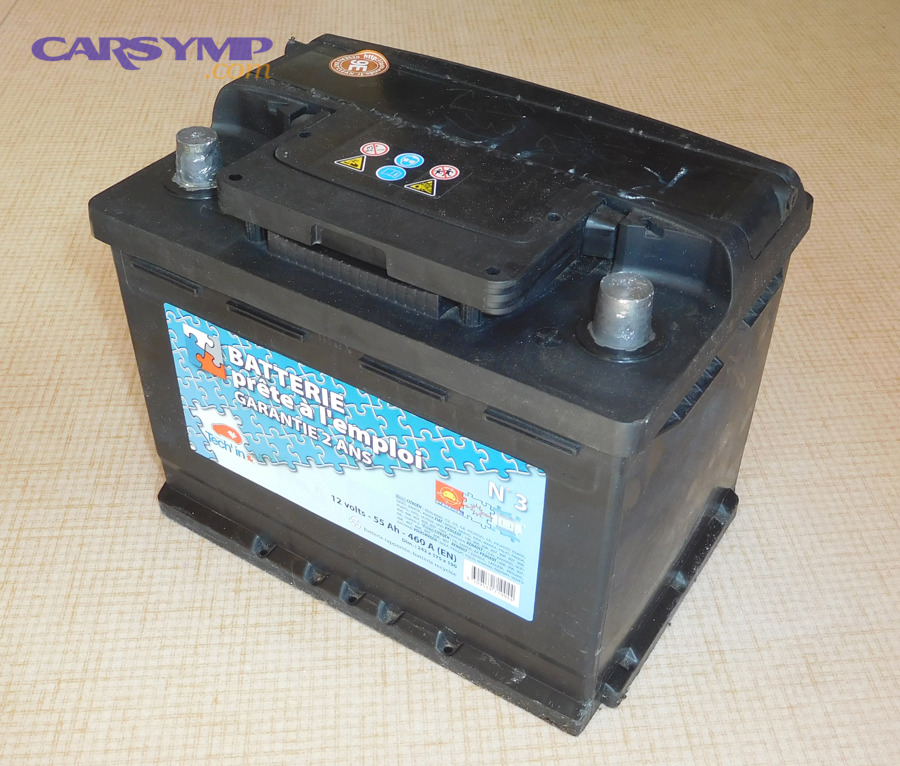
Specifically, the checklist is built around three “root attributes” that don’t overlap much when tested properly:
- Battery attribute: Can it store enough energy and deliver high current without collapsing voltage?
- Alternator attribute: Can it recharge the battery while the engine runs, even with electrical loads on?
- Parasitic draw attribute: Does the vehicle consume too much current after shutdown, preventing the battery from staying charged?
According to AAA’s auto repair guidance, average battery life commonly falls in the three-to-five-year range depending on climate and usage—meaning many “mystery” no-starts are simply end-of-life batteries, not alternators or hidden drains.
Next, let’s separate the three failure types using a quick “pattern recognition” pass before you touch any tools.
Is it battery failure, alternator failure, or parasitic draw based on the pattern?
In pattern terms, battery problems show up as weak cranking anytime, alternator problems show up after driving or with lights/accessories, and parasitic draw shows up mainly after sitting. However, the key is to connect the symptom timeline to one simple question: When does the battery lose energy—while driving, while parked, or under load?
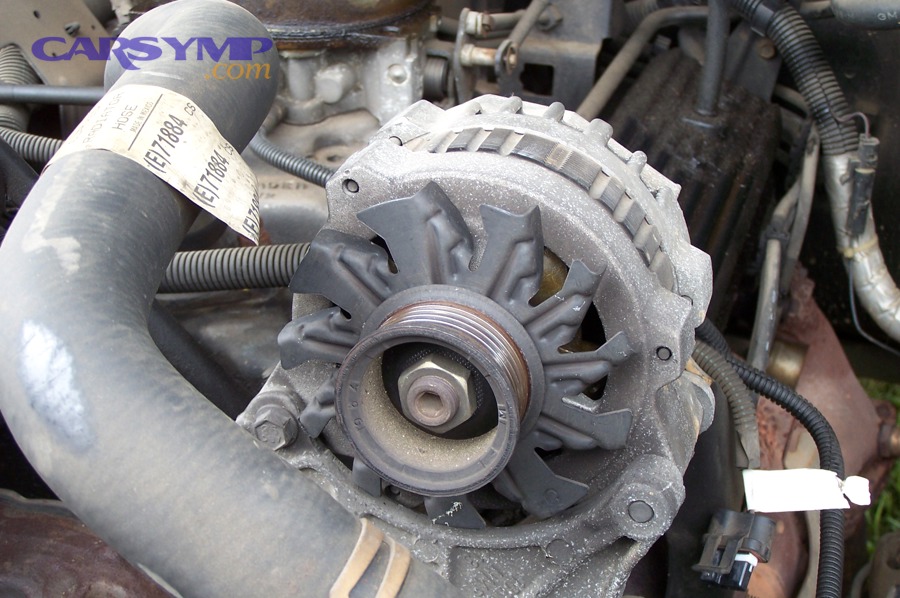
Use these high-signal patterns first:
- Leans battery: Slow crank even after a long drive; jump-start helps briefly; repeated “click-click” with dim interior lights.
- Leans alternator: Battery warning light; headlights brighten/dim with RPM; car dies while driving; you need frequent jump-starts even though you drive daily.
- Leans parasitic draw: Starts fine after charging, then is dead after parking overnight or a weekend; jump-start works, but the same “dead after sitting” repeats.
To make the pattern test less subjective, anchor it with a measurable threshold: modern vehicles may have some key-off current draw, but GM’s service guidance notes that during an initial sleep cycle, a typical vehicle should not exceed about 50 mA.
Next, you’ll run a safe triage that takes about 10 minutes and prevents the most common diagnostic mistake: blaming the alternator before confirming the battery and connections.
How can you triage the problem in 10 minutes without deep tools?
You can triage by doing three checks—connections, resting voltage, and running voltage—and comparing what changes when the engine starts. To start, follow a consistent order so each result “hooks” into the next step.
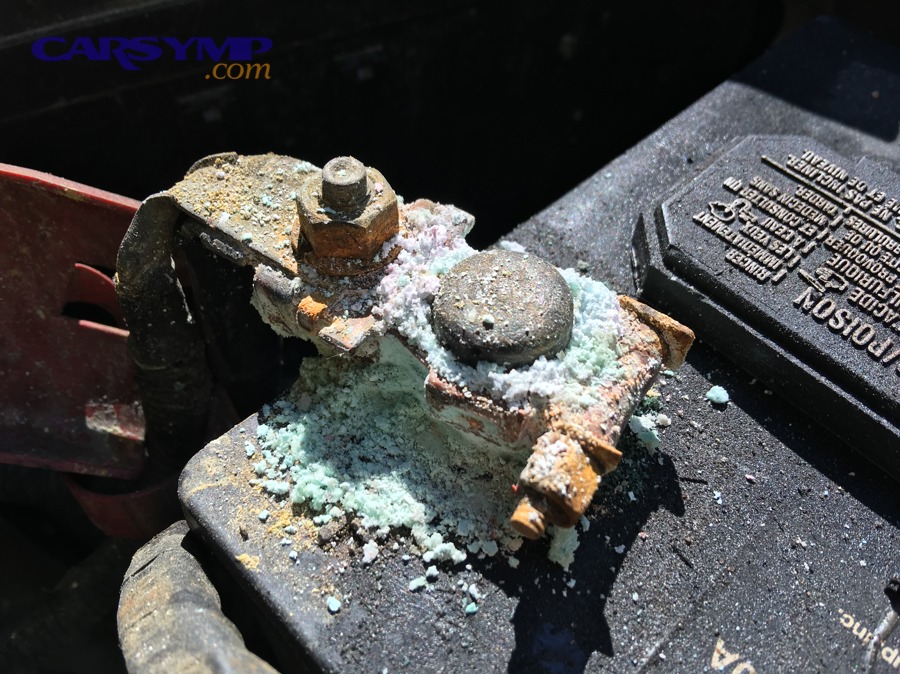
Step 1: Inspect terminals and grounds before measuring anything
Corrosion, loose clamps, and poor grounds can mimic a bad alternator or a bad battery. Next, do a quick physical test: can you twist the battery terminals by hand? If yes, fix that first—no meter reading is trustworthy with loose connections.
- Look: white/green powder, wet residue, cracked terminals, frayed ground strap.
- Feel: terminal tightness; cable stiffness near the clamp; ground strap security.
- Smell: sulfur/rotten-egg odor (possible overcharge or battery distress).
Step 2: Measure resting voltage after the car is off
With the car off for at least 15–30 minutes (or after an overnight sit), check voltage at the battery posts. Next, interpret it cautiously: voltage alone doesn’t prove capacity, but it can quickly identify a severely discharged battery.
- ~12.6V (typical fully charged lead-acid at rest): likely charged.
- ~12.2V: significantly discharged.
- <12.0V: very low state-of-charge; treat as “needs charge” before deeper tests.
Step 3: Measure running voltage (charging check)
Start the engine (or jump it if needed) and measure voltage again. Next, add load: headlights, rear defrost, blower fan. A healthy charging system typically raises voltage above resting level; if it doesn’t, alternator or wiring becomes suspect.
To keep expectations realistic, remember that many vehicles take time to enter full sleep after shutdown; GM notes it can take up to two hours for all systems to fully power down, which matters when you later test key-off draw.
Next, you’ll validate the battery itself—because a battery can show decent voltage and still fail under load.
How do you confirm the battery is good before blaming the alternator?
You confirm a battery by checking age, connection integrity, and load capability, not just resting voltage. Next, treat “battery diagnosis” as a two-part question: can it hold charge, and can it deliver current?
Check battery age and usage profile
If your battery is older than three years, elevate suspicion—even if it occasionally starts fine. Next, interpret age with climate: AAA notes batteries often last longer in cooler climates and shorter in hot climates, making age a strong predictor when paired with where the car lives.
The best quick action is to locate the date code on the battery label/case and record it. If it’s approaching typical end-of-life for your climate, plan to test under load rather than relying on “it cranks today” optimism.
Perform a real load test (preferred) or a practical substitute
A load test answers the only question that matters: does voltage stay stable while the battery delivers high current? Next, use the best option available:
- Best: A battery load tester or conductance tester (many auto parts stores do this quickly).
- Good: A handheld battery tester that reports health/CCA estimate.
- Fallback: Monitor voltage during cranking—if it drops sharply and cranking is weak, the battery may be failing even if it recharges.
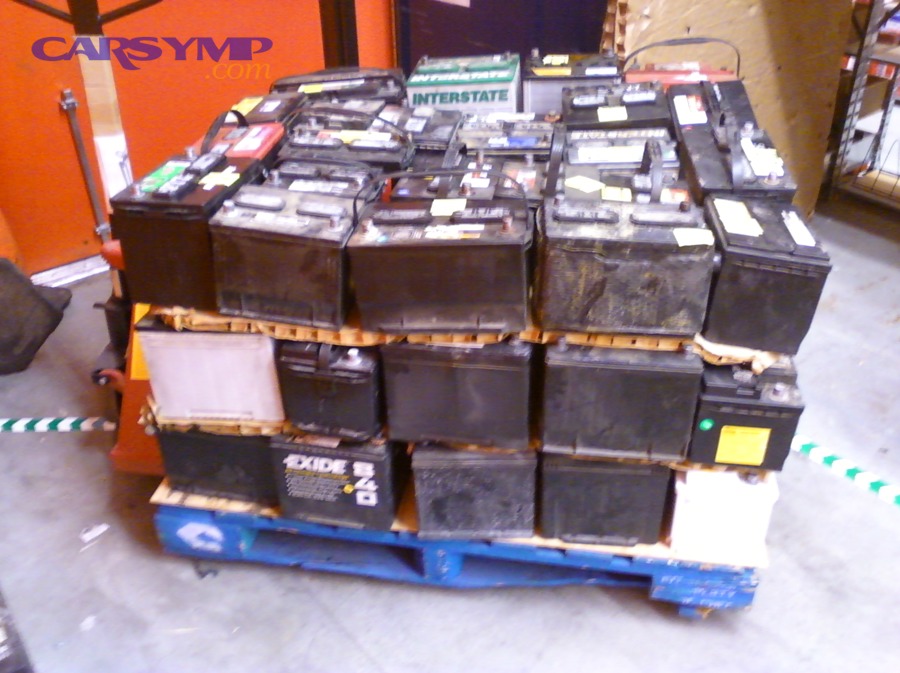
According to AAA’s consumer guidance, the average car battery lasts 3–5 years, and testing becomes increasingly important after the three-year mark—so a borderline battery should be treated as “suspect until proven healthy.”
Rule out connection and cable voltage drop issues
A good battery can look bad if cables are high-resistance. Next, do a quick “heat check” after cranking: if a terminal or cable end gets hot, resistance is stealing current.
- Clean: remove corrosion at clamps and posts (proper brush), then retighten.
- Inspect: swollen cables, green corrosion under insulation, damaged ground straps.
- Confirm: clamp-to-post contact is solid and doesn’t rotate.
Next, once the battery is verified or at least charged and connected well, you can judge the alternator fairly.
How do you test alternator output and belt drive quickly and accurately?
You test an alternator by verifying voltage rise at idle and under load, and by ensuring the belt drive can actually spin it without slipping. Next, remember: alternators don’t “charge” well at every RPM if the belt, tensioner, or wiring is compromised.

Voltage test at idle, then under electrical load
Measure voltage at the battery while the engine runs. Next, switch on loads (headlights, blower, defrost) and watch whether voltage remains stable.
- If voltage never rises much above resting: charging output may be low, wiring may be open/high resistance, or the alternator isn’t being driven properly.
- If voltage rises then collapses under load: alternator may be weak, belt may slip, or there may be a wiring/ground issue.
- If voltage is excessively high: regulator issues may be present (don’t ignore overcharge symptoms).
Inspect belt, tensioner, and pulley alignment
If the belt is glazed, cracked, or slipping, alternator output can look “random.” Next, check belt condition and tension: a weak tensioner can let the belt slip under load, especially at startup with a discharged battery.
Check for alternator ripple as a diode/regulator clue
Many meters can’t measure ripple well, but excessive AC ripple can hint at diode issues. Next, if you have a meter with AC voltage capability, you can do a rough check at the battery while running; unusually high AC ripple may warrant professional confirmation.
Service procedures for closed-circuit current and shutdown behavior show how seriously manufacturers treat “proper conditions” for electrical testing; the same discipline applies when testing charging and shutdown.
Next, if alternator output looks normal yet the battery still ends up dead after sitting, you’re now in parasitic draw territory.
How do you measure parasitic draw correctly without false readings?
You measure parasitic draw by ensuring the vehicle is in sleep mode, then measuring key-off current in series (or with a clamp) without waking modules. Next, your goal is not just “a number,” but a stable number after the vehicle completes its shutdown sequence.
Prepare the vehicle so modules can sleep
Close doors, trunk, and hood (or latch them with a screwdriver if you must keep access). Next, keep the key away (some cars wake when the key fob is nearby), and don’t open doors once the timer starts.
GM notes most systems enter an initial sleep cycle after about 10 minutes, with periodic brief wake-ups, and it can take up to two hours before all systems power down completely.
Measure current safely (series method) or use a clamp meter
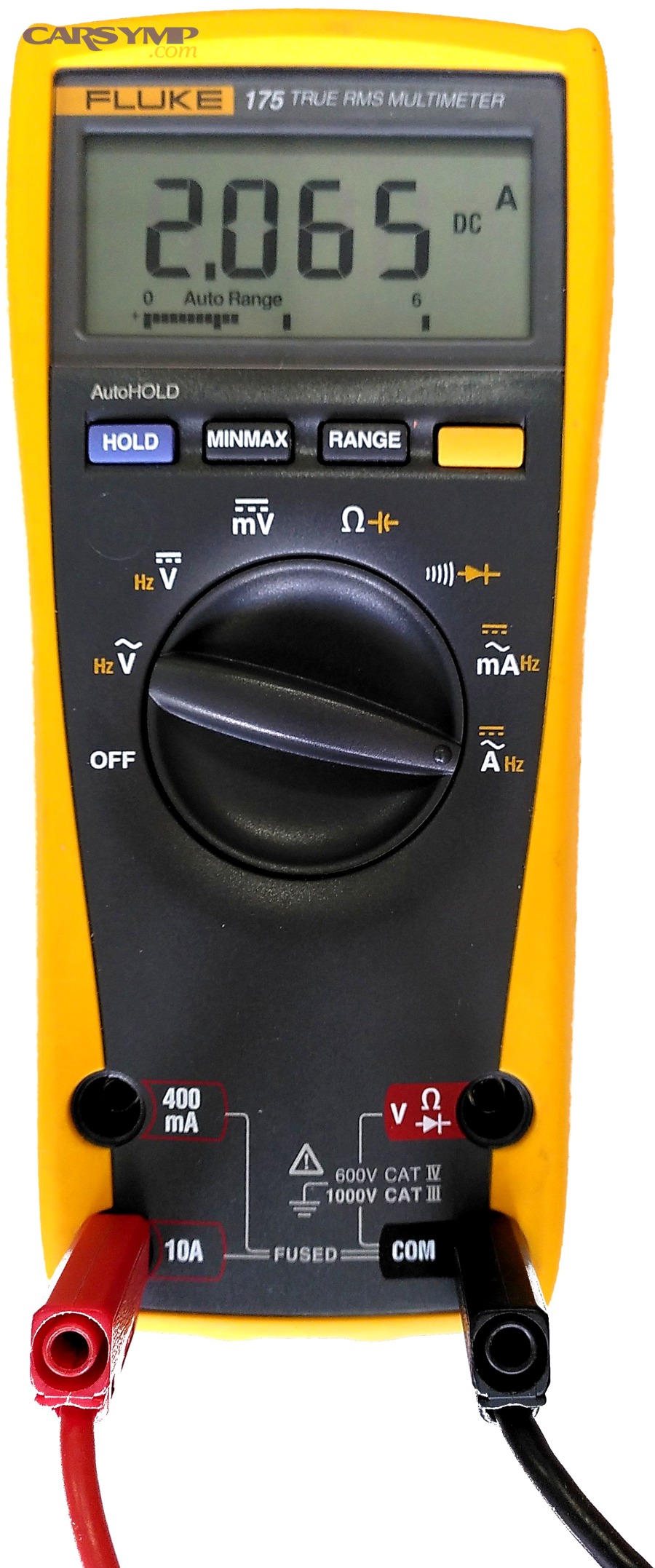
Using a multimeter in series requires care (wrong port/fuse can blow the meter). Next, if you have a DC clamp meter that reads milliamps accurately, it’s often safer because you don’t have to disconnect the battery circuit.
- Series method: disconnect negative cable, place meter between cable and post (starting on high-amp range), then step down to mA range as safe.
- Clamp method: clamp around the negative cable and read key-off current without breaking the circuit (accuracy varies by tool).
Interpret the reading with realistic thresholds
Some current draw is normal for memory and security systems. Next, compare your stabilized reading to known guidance: GM indicates a typical vehicle should not exceed about 50 mA during the initial sleep cycle, while training materials note a “rule of thumb” maximum around 30 mA with many vehicles in the 7–12 mA range once fully settled (though luxury vehicles may run higher).
Now you have a number. Next, you’ll isolate the circuit so the number becomes a specific cause you can fix.
How do you isolate the draining circuit using a fuse-pull checklist?
You isolate a parasitic draw by pulling fuses one at a time while monitoring current, then identifying which fuse causes the largest drop. Next, treat this like a controlled experiment: change one variable, observe one result, and document each step.
Set a baseline and write it down
Record the stabilized draw (for example: 180 mA after 45 minutes). Next, decide a target threshold (for example: under 50 mA, or closer to the manufacturer spec if you have it).
Pull fuses methodically—do not “shotgun”
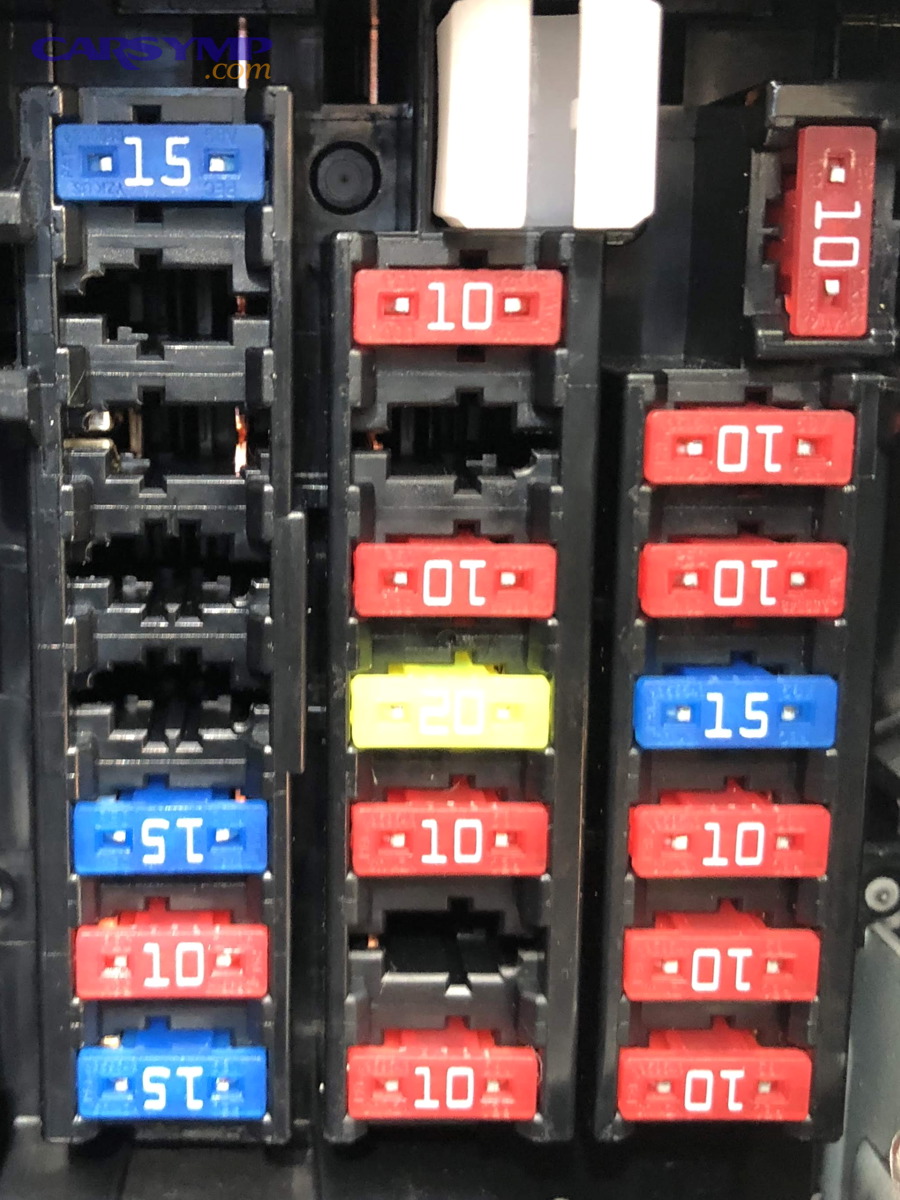
Pull one fuse, wait for the reading to stabilize, then reinstall it before moving on. Next, prioritize fuses that feed always-on systems (body control module, infotainment, power seats, aftermarket circuits).
- If current drops sharply: that fuse’s circuit is implicated—note fuse number and label.
- If current doesn’t change: reinstall and move to the next fuse.
- If the car wakes up: you may need to let it sleep again before continuing.
Use manufacturer shutdown logic when available
Some service bulletins outline time-based shutdown checks and current thresholds (for example, looking for current < 30 mA after a timed shutdown). Next, if you can find an OEM procedure for your vehicle, follow its timing strictly because it reduces false positives.
Next, once you’ve found the suspect circuit, the final step is identifying the component on that circuit that’s staying awake or shorted.
Which components commonly cause parasitic draw, and how do you confirm each?
There are several common parasitic draw categories—lighting, modules that won’t sleep, charging path leakage, and aftermarket accessories—and each has a clean confirmation method. Next, use the circuit you identified (fuse label) to choose the right confirmation approach.
Lighting and switches (glovebox, trunk, under-hood, vanity mirrors)
A stuck switch can keep a small bulb on—easy to miss in daylight. Next, test by closing the latch while observing the light, or use your phone camera in a dark garage to spot faint glow.
Infotainment, telematics, and body control modules that don’t sleep
Modules that repeatedly wake can create a “sawtooth” current pattern. Next, watch the meter: periodic spikes may indicate wake cycles rather than a steady short.
GM’s guidance about periodic wake-ups during sleep cycles is a practical warning here: you must distinguish normal wake events from a system that never powers down.
Charging path leakage and battery sense circuits
In some cases, current can leak through charging components even when off (diagnosis can be vehicle-specific). Next, if your fuse pull points toward charging or you suspect this path, professional testing (including diode/ripple evaluation) can confirm without parts guessing.
Aftermarket devices: dash cams, remote starters, audio amps, trackers
Aftermarket drains often appear on add-a-fuse taps or non-OEM wiring. Next, temporarily disconnect the device (not just switch it off) and observe current change; if current drops, you’ve confirmed the cause.
Training references that quantify how small drains add up over time help explain why these devices matter: even 30 mA can consume significant amp-hours over days and weeks, eventually leading to a no-start.
Next, you’ll turn findings into action with a decision table so you can repair, replace, or maintain with confidence.
What is the fix decision tree after you run the checklist?
The decision tree is simple: if the battery can’t hold/load, replace or repair connections; if charging is weak, repair the alternator/belt/wiring; if key-off current is high, isolate and fix the draining circuit. Next, use the table below to choose the correct “next action” without circular troubleshooting.
This table contains the most common test outcomes and the recommended next step, so you can avoid replacing parts that aren’t broken.
| Finding | What it strongly suggests | Best next action |
|---|---|---|
| Resting voltage very low, improves after charge, but fails load/crank | Battery capacity failure or internal damage | Load test + replace battery if confirmed; clean/tighten terminals |
| Resting voltage OK, running voltage doesn’t rise or drops under load | Charging system weakness (alternator/belt/wiring) | Inspect belt/tensioner; test alternator output; check grounds |
| Battery and charging test OK, but dead after sitting; key-off current high | Parasitic draw | Sleep correctly; measure draw; isolate via fuse pulls |
| Key-off draw borderline during initial minutes then falls over time | Normal sleep cycle behavior | Wait longer; retest after full shutdown window |
| Voltage drop/hot terminals during crank; corrosion present | Connection resistance, not necessarily battery/alternator | Clean, repair cables/grounds, then retest |
To ground the decision thresholds, GM notes that a typical vehicle will not have more than about 50 mA parasitic draw during the initial sleep cycle, making “hundreds of mA” readings a strong indicator that you should isolate the circuit rather than replacing the battery repeatedly.
Contextual border: Up to this point, you’ve diagnosed the three core causes with a structured checklist. Next, we’ll expand into edge cases that masquerade as alternator, battery, or parasitic draw failures, so you don’t get tricked by conditions that change the same symptoms without changing the underlying fault.
Which edge cases mimic electrical drain, and how do you prevent repeat failures?
These edge cases are “rare but costly” because they create the same no-start story while changing the real cause—especially across seasons, driving patterns, and accessory changes. Next, use the four questions below to harden your diagnosis and prevent the problem from returning.
Why does the same car start fine today but struggle later in winter?
Cold weather reduces battery performance while increasing starting demand, so borderline batteries “pass” until a cold snap arrives. Next, treat temperature as a stress test: if the car only struggles in the cold, your margin is thin even if tests look “almost okay.”
In real terms, many drivers describe Cold weather battery drain explanations as “the battery just got weaker overnight,” but what changed is the battery’s usable output at low temperatures plus the engine’s higher cranking requirement. According to AAA’s Automotive Research Center summary shared by AAA regional outlets, a battery can lose about 35% of its strength at 32°F and about 60% at 0°F.
Practical prevention steps:
- Test before winter: load test after three years of age.
- Reduce overnight loads: unplug accessories; ensure lights fully shut off.
- Keep it charged: short trips in cold weather may not restore charge fully.
What if the battery seems charged, but the car still won’t crank reliably?
This often happens when voltage looks acceptable but the battery can’t deliver current, or when high-resistance connections “steal” current under load. Next, focus on the two most confusing real-world complaints: battery keeps dying even after charging, and the hard-to-separate scenario of Bad battery cell vs weak charging diagnosis.
A single weak cell can reduce effective capacity and cause rapid voltage collapse during cranking, while a weak alternator can undercharge the battery so it never reaches full state-of-charge. The way out is sequencing: confirm battery load performance first, then verify charging voltage under load second. According to AAA’s battery guidance, battery life commonly averages 3–5 years, so an older battery should be considered suspect in borderline cases.
Prevention steps that reduce recurrence:
- Clean and torque terminals: prevent micro-looseness that grows into “random no-starts.”
- Retest after repair: one successful start is not proof of a stable fix.
- Match battery type: some vehicles require AGM; mismatches can shorten life.
Why does the battery die after sitting a few days even if it charges fine?
If the battery tests good and charging is normal, dying after a few days strongly points to either parasitic draw or insufficient stored amp-hours for the vehicle’s normal standby load. Next, translate the complaint Why battery dies after sitting a few days into math: milliamps over days becomes amp-hours that eventually crosses the no-start threshold.
Training materials on parasitic drain quantify this effect clearly: they note a rule-of-thumb maximum parasitic drain around 30 mA, with typical drains often in the 7–12 mA range, and explain how to convert amps × hours into amp-hours consumed while parked.
Prevention steps that actually work:
- Measure draw after full sleep: don’t test too early and chase normal wake cycles.
- Audit accessories: temporarily disconnect dash cams/trackers/amps to confirm.
- Use a maintainer if needed: if a vehicle sits long-term and draw is normal-but-nonzero.
How do you keep the fix from coming back next month?
Recurring failures usually mean the root cause was not isolated, or the vehicle’s usage pattern prevents full recharge. Next, adopt a “maintenance checklist” mindset: verify charging, verify draw, then lock in habits that preserve state-of-charge.
Use this repeat-prevention checklist:
- Confirm charging under load: don’t stop at “voltage rises”—test with headlights, blower, defrost.
- Confirm key-off draw after shutdown: wait long enough for sleep; document stable mA.
- Reduce avoidable standby loads: unplug OBD dongles and nonessential accessories.
- Schedule battery testing: especially after year 3, and before extreme seasons.
As a final anchor, GM’s service guidance emphasizes both the sleep-cycle timing and the typical 50 mA expectation during the initial sleep cycle, reinforcing that correct conditions—not fast guesses—are what make electrical problems solvable.